REVIEW · TOKYO, JAPAN
Private Home Cooking in Yanaka – Local Flavors in a Warm Setting
Cook dinner, then take Yanaka home. This two-hour class gives you more than a meal in Tokyo: you prepare everyday Japanese dishes, learn why each step matters, and eat what you have made. Yuki and her fellow instructors teach in clear English, making the class easy to follow even if your Japanese cooking experience begins and ends with instant noodles.
I especially like the private format, which gives you time to ask questions and handle the cooking yourself. I also like the location, about 100 meters from Yanaka Ginza, where a market street and old residential lanes make a pleasant pairing with the class. The main drawback is finding the meeting point. Several visitors have had trouble locating it, so allow extra time and ask at the nearby coffee shop if needed.
The price is $122.23 per person, which is not cheap for two hours. Still, it includes instruction, ingredients, a substantial meal, and personal guidance in a small setting. For solo visitors, couples, families, and small groups who want practical food skills rather than a quick demonstration, the value is much better than the price first suggests.
Key points to know before booking
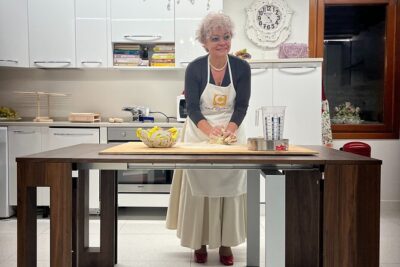
- Cook in a home-style Yanaka studio: The setting is intimate and local in feel, though it may be a workshop or studio rather than a private family residence.
- Choose a menu with notice: Plan A lets you choose one main dish, while Plan B lets you choose two appetizers. Allergies, vegetarian and vegan requests can be discussed before the class.
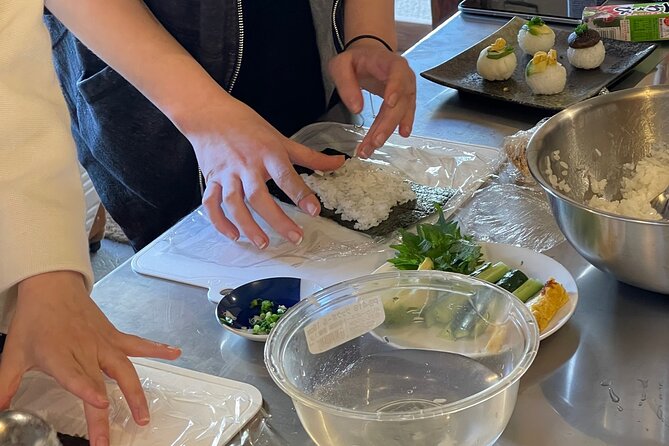
- Expect hands-on work: You chop, slice, mix, knead, fry, grill, and assemble the food rather than simply watching.
- Yuki teaches in strong English: Instructions cover both technique and the reasons behind it, with room for questions.
- Pair it with Yanaka Ginza: The meeting point is close to one of Tokyo’s most enjoyable old-style shopping streets.
- Plan for a tricky arrival: The activity begins at the YANESEN Tourist Information & Culture Center, but the entrance can be easy to miss from the street.
Why this Yanaka cooking class feels different
Tokyo has no shortage of food tours, sushi lessons, and restaurant meals. This experience takes a quieter route. You step away from the city’s famous neon districts and work with ingredients used in ordinary Japanese kitchens.
That focus matters. You are not just learning how to make a restaurant showpiece. The menus include dishes such as miso soup, okonomiyaki, gyoza, udon, tempura, rolled sushi, oyakodon, nikujaga, and miso-glazed eggplant. These are foods you can reasonably try again at home.
I like the class because the teaching is practical. Yuki explains what you are doing, but also why you are doing it. You may learn how dashi gets its flavor from kombu and bonito flakes, how to judge oil temperature for tempura, or how Japanese miso changes in color and strength by region. Those small lessons make the food easier to understand and reproduce later.
The mood is friendly rather than formal. You cook with the instructor, talk about daily life in Yanaka, and have your finished meal together. The class is especially appealing if you want a personal introduction to Tokyo through food instead of a large group presentation.
More Home Cooking Classes in Japan
- Japanese Home Cooking Class & Walk in Todoroki Temple Tokyo
★ 5.0 · 88 reviews - Hands-on Japanese Cooking in a Shinjuku Home Kitchen with Satoru
★ 5.0 · 19 reviews - Tokyo Haneda: Bento & Ramen Gyoza Cooking Class in a Local home
★ 5.0 · 9 reviews
Starting at the YANESEN Tourist Information & Culture Center
The official meeting point is the YANESEN Tourist Information & Culture Center at 3-chome-13-7 Yanaka, in Taito City. The activity finishes back at the meeting point.
Getting there deserves attention. The class is on a side street near Yomise Street, and the entrance has confused some people. A coffee shop called Ko Hi Ko Jo is useful as a landmark. Staff there have helped people find the class, and the local team may also come out to meet you if you call.
I would not arrive at the last minute. A few extra minutes will protect you from turning your cooking lesson into an accidental neighborhood treasure hunt. The location is near public transportation, and the nearby Yanaka Ginza shopping street gives you an easy place to wait or continue exploring afterward.
The slightly awkward arrival has one benefit: the class does not feel like a polished attraction built around a major station. It sits in a real neighborhood, close to small shops and residential streets. That setting adds character, but you need to be ready for less obvious signage.
What the two-hour class usually includes
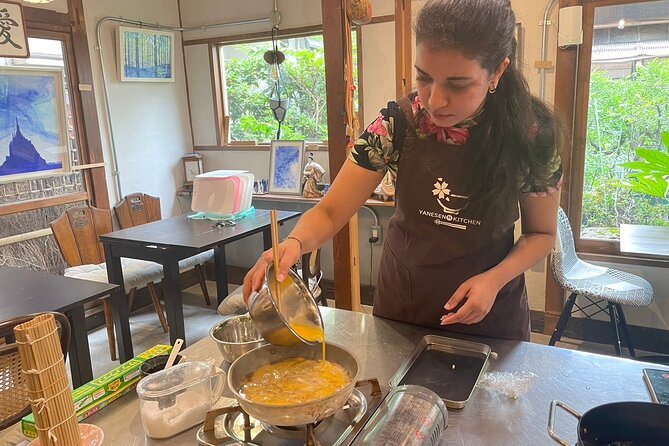
Your exact dishes depend on the menu you arrange before booking. The program allows you to request dishes and discuss allergies or dietary needs through the contact form until two days before the cooking date.
The two basic workshop choices are:
- Plan A: Choose one dish from the main-course selection.
- Plan B: Choose two dishes from the appetizer selection.
The descriptions and past menu examples show that the class can cover far more than those simple categories. Possible meals have included miso soup, tempura, rolled sushi, gyoza, karaage, tonkatsu, okonomiyaki, udon, soba, bento boxes, oyakodon, nikujaga, and nasu dengaku.
Because the menu is arranged ahead of time, you should not assume every dish will be available on the day. Send your request early and be specific about allergies, vegetarian preferences, vegan needs, or foods you do not eat. The provider says special requests can be accommodated with notice, but last-minute changes may not be possible.
The session begins with ingredients and preparation. You may chop vegetables, prepare fillings, mix sauces, make dashi, or work with dough. The instructor then guides you through cooking and answers questions as you go. At the end, you sit down and eat the meal together.
Two hours goes quickly. If you enjoy asking about ingredients, kitchen tools, and Japanese food customs, the time may feel short. The upside is that the class fits neatly into a busy Tokyo day, especially when combined with a walk around Yanaka Ginza.
The dishes that make the lesson memorable
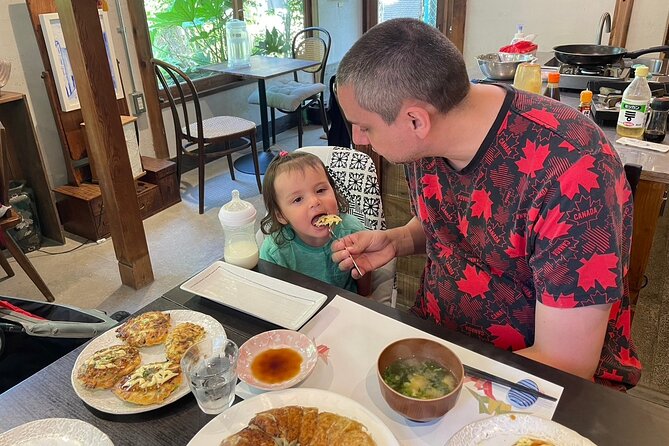
The menu examples give you a good sense of the class’s range. One popular combination is oyakodon and nikujaga. Both are comforting home-style dishes, and the ingredients are easy to find in many markets outside Japan. That makes them especially useful for anyone hoping to recreate the meal after returning home.
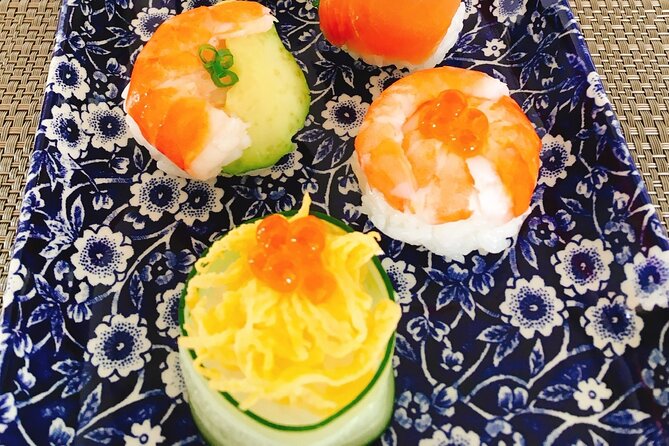
Bento preparation is another strong choice. You learn how several small foods fit into one organized lunch, including rice balls and rolled omelet. The finished box feels playful and practical, and it gives you a clear result to take pictures of before eating.
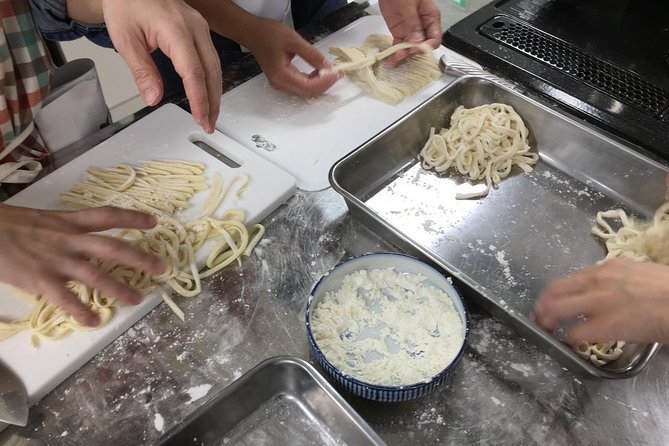
The noodle lessons offer more physical work. Udon dough can be kneaded in a sealed bag using your feet, following a traditional method. It is a funny part of the class, but it also shows how texture develops and why noodle-making is not simply a matter of mixing flour and water.
Miso-based dishes are another highlight. A lesson may include homemade dashi, miso soup, and nasu dengaku, which is eggplant with a miso glaze. The eggplant can be finished with different glazes and sesame seeds, giving you a simple dish with more flavor than its short ingredient list suggests.
You might also make okonomiyaki, tempura, sushi, soba, gyoza, or karaage. The common thread is participation. You are not standing behind a counter while someone else does the difficult parts.
Same place, a different thing to cook:
- Ramen & Gyoza Cooking Class in Tokyo with Local Supermarket Visit
★ 5.0 · 823 reviews - Tokyo Tsukiji Fish Market Tour and Sushi Making Lesson
★ 5.0 · 390 reviews - Tokyo: Easy Ramen Cooking Experience in Kabukicho, Shinjuku
★ 4.6 · 321 reviews - Ramen and Sushi Cooking Class with Sake Pairing Set in Tokyo
★ 5.0 · 291 reviews
Yuki’s teaching style and the value of personal attention
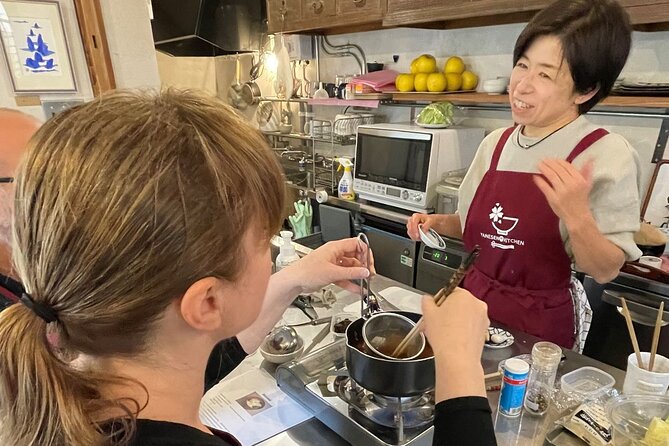
Yuki is the instructor most often named in the available feedback, and her role seems to be one of the class’s strongest features. She is described as warm, patient, lively, and easy to understand in English. Other instructors, including Yuli and Uki, have also taught sessions, and the team can include an assistant.
The teaching style suits beginners. You receive direct instructions, but you also get explanations about Japanese ingredients, tools, regional tastes, and alternate ways to use fresh produce. The emphasis is not on cooking speed. It is on understanding enough to repeat the dish later.
I particularly like that the class works well for mixed ability levels. A confident cook can ask about technique and seasoning, while a first-time cook can follow each step without feeling rushed. One-person bookings can become almost one-on-one lessons, which is a real advantage if you have a particular food goal or many questions.
Families may also find the format useful. The instructors have explained recipes and steps clearly to children, and the hands-on work gives younger participants something concrete to do. Still, the class involves chopping, hot pans, oil, and kitchen tools, so adults need to supervise children as they would in any cooking lesson.
What you eat, and how much you get
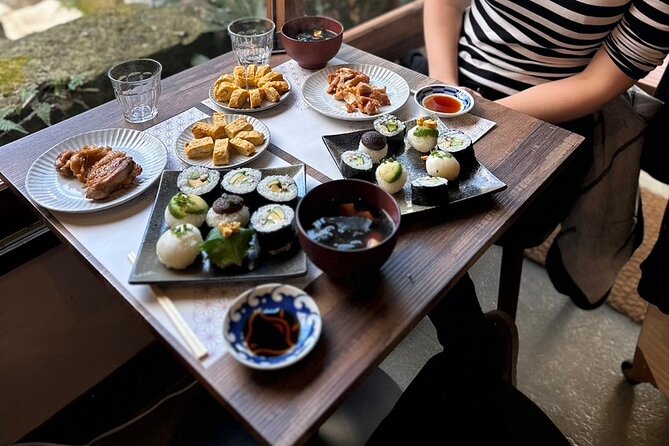
The finished meal is not a token sample. The class is built around preparing enough food to sit down and eat together, and several menu combinations produce generous portions. You should arrive ready for lunch or dinner, not expecting to have a full meal somewhere else immediately afterward.
The food is also familiar enough to be useful. Miso soup, gyoza, tempura, sushi, noodles, and rice dishes are all things you can recognize in Japan and attempt at home. The class may change the way you look at a restaurant menu later in your trip because you will understand more of the preparation behind it.
There is a social side as well. While the food cooks, you can talk about life in Yanaka and share something about your own home cooking. That conversation is one reason this feels more personal than a standard food demonstration.
The setting is homey, but you should keep your expectations precise. At least one account describes it as a studio rather than an actual private home. Think of the experience as a small cooking workshop with a residential feel, not as a formal visit to a Japanese family’s house.
The Yanaka Ginza setting adds a second experience
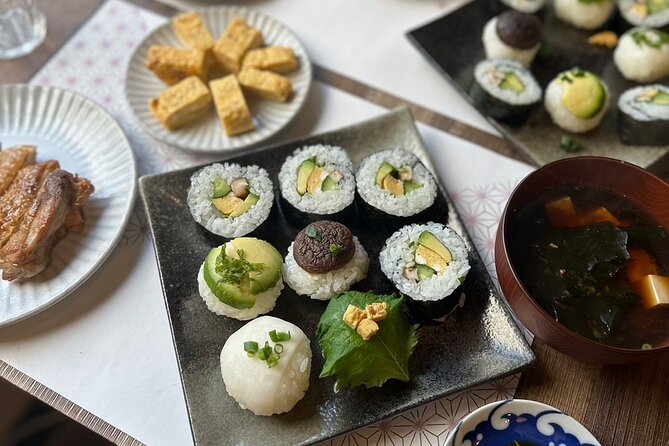
The class sits close to Yanaka Ginza, a shopping street with food stalls, small stores, and an old Tokyo atmosphere. The area is a good contrast to the glass towers and major shopping centers found elsewhere in the city.
I would pair the cooking class with a walk before or after. You can browse the street, look at local snacks, and explore the surrounding Yanesen area without needing another major excursion. An evening class works well if you want to eat and then stroll through the neighborhood, while a lunch class leaves the rest of the afternoon open.
The location also suits people who want a less polished side of Tokyo. It is not a grand landmark tour, and the streets around the center have an ordinary neighborhood feel. That is part of the appeal, but it also means you should not expect prominent tourist signs at every turn.
Price, timing, and who gets good value
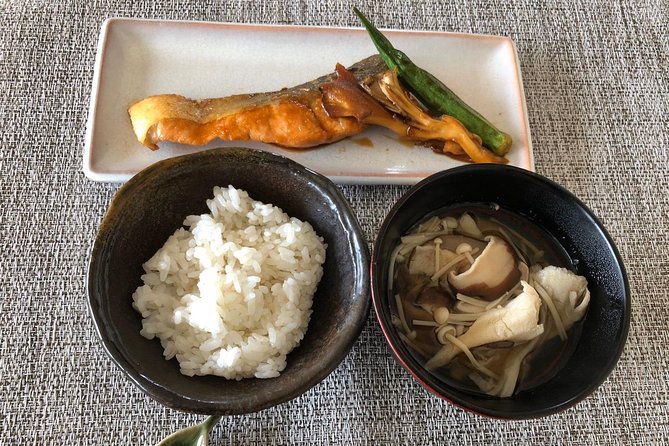
At $122.23 per person, this is a premium two-hour activity. The cost makes the most sense when you count the food, private instruction, English guidance, menu planning, and time spent with a local instructor.
For a solo visitor, the value can be strong because a small booking may receive very individual attention. Couples also get a relaxed lesson without being folded into a large class. Families and small groups may benefit from group discounts, though the exact reduction should be checked at booking.
The class is less suitable if you only want the cheapest way to eat Japanese food. A casual restaurant meal will cost less and take less time. This experience earns its price through participation, conversation, and skills you can use later.
The activity lasts about two hours, so it will not dominate your day. That is helpful in Tokyo, where you can place it between sightseeing plans. At the same time, the short schedule means you should choose your menu carefully and send requests early. Trying to cover too many complicated dishes in one session could make the cooking feel hurried.
Important practical details before you reserve
Confirmation is provided at booking, and the ticket is mobile. The activity is private, so only your group takes part in your session. Service animals are allowed, and the meeting point is near public transportation.
Tell the provider about allergies, vegetarian or vegan requirements, and other menu requests when you reserve. The team asks for menu discussions and requests no later than two days before the cooking date.
The cancellation policy allows a full refund when you cancel at least 24 hours before the start time. Cancellations or changes made inside that window are not refunded or accepted. The activity can also be affected by poor weather or a failure to reach the minimum number of participants, in which case you are offered another date or experience, or a full refund.
One reported cancellation occurred because an instructor became ill and the class was closed for safety. That kind of disruption is frustrating, especially after booking well ahead, but the provider requested a full refund through the booking service.
Should you book the Yanaka cooking experience?
Book it if you want to make the food yourself, ask plenty of questions, and leave Tokyo with recipes you can use at home. It is a particularly good choice for solo visitors, couples, families, and small groups who prefer a personal lesson over a large commercial class.
It also works well near the start of a Japan trip. The friendly instruction can settle first-day nerves, introduce you to common ingredients, and give you ideas for ordering food later. If you love Japanese home cooking but want to understand the steps behind it, this is a worthwhile use of two hours.
Skip it if you are looking for a formal restaurant kitchen, a guaranteed fixed menu, or a low-cost meal. You should also allow extra time to find the meeting point and accept that the exact dishes depend on advance arrangements.
For most people who value food, conversation, and a local neighborhood setting, I would book it. Just send your menu request early, wear something comfortable for kitchen work, and combine the class with a walk through Yanaka Ginza.
FAQ
Where does the cooking class meet?
It meets at the YANESEN Tourist Information & Culture Center at 3-chome-13-7 Yanaka, Taito City, Tokyo 110-0001, Japan.
Where does the activity finish?
The activity ends back at the meeting point.
How long does the cooking experience last?
The experience lasts approximately two hours.
Is the class private?
Yes. Only your group participates in the private activity.
Can I choose what to cook?
You can submit menu requests before the class. Plan A allows one main dish, while Plan B allows two appetizers.
Can the class accommodate allergies?
Yes. You should provide detailed allergy information when making the reservation and discuss requests no later than two days before the cooking date.
Are vegetarian and vegan menus available?
Vegetarian and vegan requests are available when arranged in advance.
Is the instruction provided in English?
The instructors, including Yuki, can provide instruction in English. The class includes explanations of cooking steps, ingredients, and techniques.
Is the meeting point easy to find?
The location can be difficult to identify from the street. It is near Yanaka Ginza and Yomise Street, and the nearby Ko Hi Ko Jo coffee shop can help direct you.
What is the cancellation policy?
You can receive a full refund if you cancel at least 24 hours before the start time. Cancellations or changes made less than 24 hours before the start time are not accepted for a refund.
More Home Cooking Classes in Tokyo
- Khmer Cooking Class at a Local’s Home in Krong Siem Reap
★ 5.0 · 2,731 reviews - Local Home Korean Cooking Class & Market Adventure in Seoul
★ 5.0 · 1,024 reviews - Marrakech: Moroccan Cooking Class with a Local Family
★ 4.9 · 668 reviews - Mexican Cooking from Scratch in a Local Home in Tulum
★ 5.0 · 585 reviews
More Private Cooking Classes in Japan
- Unique Private Cooking Class with a Tokyo Local Emi
★ 5.0 · 131 reviews - Tokyo: Private Japanese Cooking Class with a Local Chef
★ 5.0 · 81 reviews - Private Kyoto Sushi Cooking Class & Tea Ceremony with Emika
★ 5.0 · 66 reviews - Private Japanese Home Cooking Class in Kyoto with Michiyo
★ 5.0 · 55 reviews
Just added around Tokyo
- Tokyo: Sushi Cooking Class with Sake Tasting★ 4.8 · 55 reviews
- Tokyo: Sushi roll and side dish cooking experience★ 5.0 · 2 reviews
- Tokyo: Sushi Making Experience & Japanese Cooking Class★ 5.0 · 2 reviews
- Tokyo: Gyoza Making from Scratch – Ultimate Cooking Class★ 5.0 · 2 reviews
- Tokyo: Night Cooking Class: 5 Home-Cooked Japanese Dishes★ 4.9 · 13 reviews
- Tokyo: Real Ramen & Dumpling Cooking with Master Chef★ 5.0 · 10 reviews
- Tokyo: Kawaii Bento Cooking Class – Cute Character Lunchbox★ 4.9 · 55 reviews
- Tokyo: Sushi and Ramen Cooking Class with Sake Pairing Set★ 5.0 · 81 reviews
Home Cooking Classes, compared.
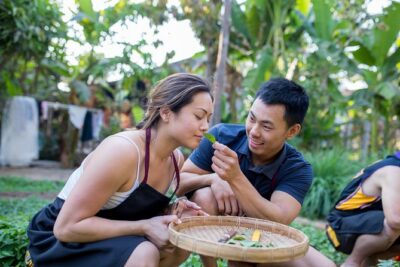
Khmer Cooking Class at a Local’s Home in Krong Siem Reap
Read our review →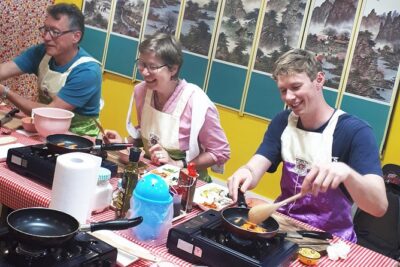
Local Home Korean Cooking Class & Market Adventure in Seoul
Read our review →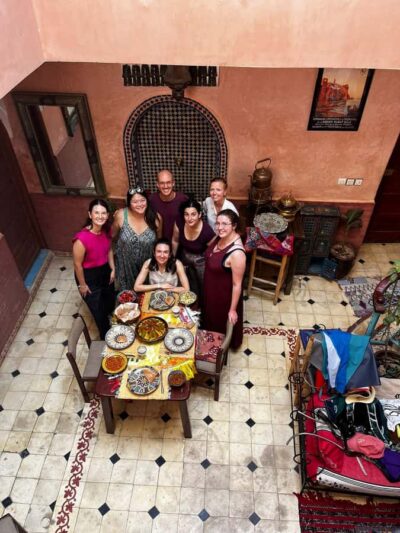
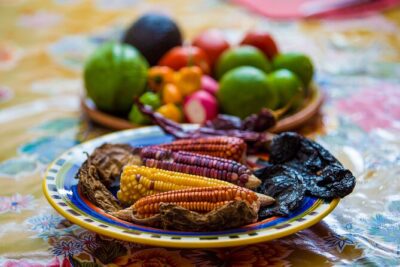
Mexican Cooking from Scratch in a Local Home in Tulum
Read our review →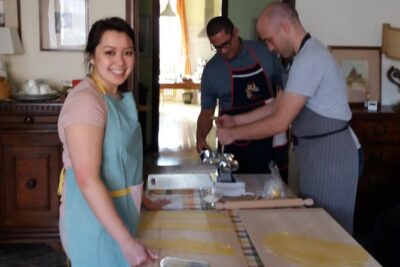
Pastamama, Home Cooking Classes at Grace’s Home
Read our review →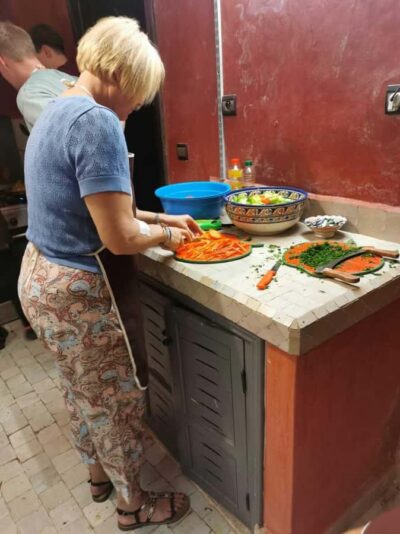
Traditional Cooking Class & meal with Local Family
Read our review →