REVIEW · TOKYO, JAPAN
Tokyo Tsukiji Fish Market Tour and Sushi Making Lesson
Fresh fish, warm tamagoyaki, and a practical lesson make this three-hour Tokyo experience easy to enjoy. You begin at Tsukiji Hongwanji Temple, walk through Tsukiji Outer Market with an English-speaking guide, then prepare Japanese dishes at ABC Cooking Studio. I especially like the market guidance and the hands-on cooking, though experienced home cooks may find the class basic for the $99.49 price.
The small groups, capped at six people, keep the lesson friendly rather than factory-like. Guides such as Akiko, Lucy, Nobu, Yoko, and Shitomi have been praised for helping visitors find samples and understand unfamiliar ingredients. Just remember that the market walk and cooking studio are separate parts, and you do not buy the market ingredients for the class.
Key points to know before booking
- The tour begins at Tsukiji Hongwanji Temple: You meet outside this striking Buddhist temple before entering the market area.
- Tsukiji Outer Market is the real market focus: You browse seafood, produce, dried goods, sweets, and other food stalls, not the famous tuna auction.
- Sampling is part of the fun: Guides may point out foods such as tamagoyaki, dried scallops, beans, mochi, or small dried seafood, depending on the day.
- The cooking class is hands-on: You typically prepare sushi, tamagoyaki, miso soup, and side dishes with an instructor.
- The group is small: A maximum of six people allows room for questions and personal help.
- Plan for practical limits: The minimum age is 9, the minimum height is 130 cm, and strollers and luggage are not allowed.
Why this Tokyo food tour works so well
Tokyo offers endless food choices, but Tsukiji can feel confusing at first. Its narrow lanes hold seafood counters, knife shops, sweets, pickles, dried foods, and small restaurants. Signs may not explain much in English, and the most interesting samples are not always obvious.
That is where this tour earns its keep. Your guide helps you move through the market without wasting time and explains what you are seeing. Guides named Akiko, Lucy, Nobu, Yoko, and Shitomi have all been singled out for being friendly, patient, and helpful with translation.
I like the combination of looking and doing. You do not simply walk through food stalls, then leave with a few photographs. You continue to a professional cooking studio and use Japanese methods to prepare food yourself. That gives the morning a clear rhythm: see the ingredients, learn the dishes, then sit down and eat.
The experience runs for about three hours and accepts no more than six people. That is a meaningful advantage in a cooking class. You can ask how to roll sushi, how to handle the omelet pan, or what makes a Japanese stock different from a quick Western broth without trying to compete with a large crowd.
More Cooking Classes with a Market Tour in Japan
- Tokyo Washoku 4-hour Cooking Class: From Market to Table
★ 5.0 · 253 reviews - Tokyo: Tsukiji Market Walking Tour & Sushi Cooking Class
★ 4.6 · 122 reviews - Nishiki Market Food Tour with Cooking Class
★ 4.9 · 42 reviews
Meeting at Tsukiji Hongwanji Temple
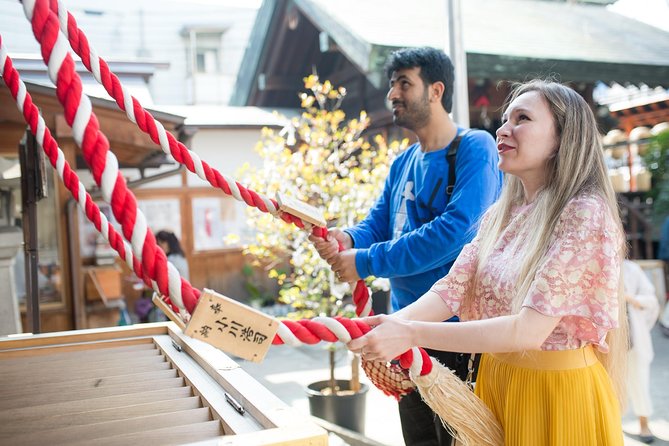
The starting point is outside Tsukiji Hongwanji Temple, at 3-chome-15-1 Tsukiji. The temple is worth a few minutes of attention before the food begins. Its exterior uses South Asian and Indian design influences, which makes it look very different from the wooden Buddhist temples many visitors expect in Tokyo.
The scheduled stop lasts about five minutes, so this is an introduction rather than a full temple visit. Still, it gives you a useful landmark and a calm starting point before the market lanes grow tighter and more crowded.
Allow extra time to reach the meeting point. The activity is near public transportation, but the supplied details do not give hotel pickup. You are responsible for getting to the temple yourself.
Walking through Tsukiji Outer Market
The market portion lasts about an hour, although the operator notes that the group may spend around 70 minutes in the outer shopping area instead. This is not a visit to the tuna auction. Tuna auction viewing is specifically excluded, so book this for the retail market, food tasting, and local shopping atmosphere.
Tsukiji Outer Market is more than a fish market. You might see large tuna cuts, sea urchin, octopus, fresh produce, dried seafood, soy products, sweets, and cooking ingredients. The exact selection changes with the season and daily supply.
A guide adds value here because the market is best understood through small details. You may learn which items are ready to eat, what a certain dried ingredient is used for, or how to approach a vendor. Several guides have taken time to answer questions and let the group pause at stalls that catch its interest.
Food samples can be a highlight. Past tours have included tamagoyaki served on a stick, red bean mochi with strawberries, dried scallops, dried beans, and small dried seafood. Sampling is not a fixed menu, so do not arrive expecting every item listed above. What you find depends on the day and what vendors are offering.
I recommend eating a light breakfast before this tour. You need enough energy for the walk, but a full meal can leave you too stuffed to enjoy the market samples or the lunch you prepare later.
There is one fair criticism to keep in mind. If you have already explored Tsukiji on your own, the walking portion may feel familiar. The guide’s translation and food knowledge can still help, but the market is open to the public and does not require this tour for entry.
The transfer to ABC Cooking Studio
After the market, you continue to the cooking studio. Transportation between Tsukiji Market and the studio is included, and the transfer is described in several accounts as a bus ride. One useful point: the cooking school is not right beside the market, so this is not a quick step across the street.
The separation between the two parts has both good and bad sides. The studio provides a clean, bright, organized setting with proper workstations, aprons, and an instructor. You leave the tight market lanes and get room to focus on cooking.
The drawback is lost time. A three-hour activity cannot spend every minute on food preparation, and the transfer takes part of the morning. One person who enjoyed the experience still wished the kitchen were closer to Tsukiji. If your main goal is a long cooking lesson, look closely at the time split before booking.
ABC Cooking Studio is a large Japanese cooking school with locations across Japan and Asia. That does not mean the class is formal or intimidating. The instructors are described as patient and encouraging, and the small group format keeps the session approachable for beginners.
More Seafood Cooking Classes in Tokyo:
- Seafood paella cooking class, tapas and visit to Ruzafa market.
★ 5.0 · 328 reviews - Barcelona: Paella Seafood Master Cooking Class with Sangria
★ 5.0 · 73 reviews - Rooftop Paella Seafood Cooking Class Experience in Barcelona
★ 5.0 · 59 reviews - Miraflores: Amazing Peruvian Cooking Class Ceviche Seafood and Pisco Sour
★ 4.9 · 57 reviews
What you cook during the lesson
The exact menu changes with the season, ingredient availability, and the cooking school’s schedule. The usual lesson includes two washoku recipes, with sushi and tamagoyaki commonly included. You may also prepare miso soup, stock, side dishes, nigiri, and rolled sushi.
Tamagoyaki is a Japanese rolled omelet made by cooking thin layers of egg and rolling them together. It looks simple, but getting the layers neat takes some practice. This is one of the best parts of the lesson because it is a dish you can try again at home, provided you can find a suitable pan.
Sushi preparation gives the class its main appeal. You may work on maki rolls and nigiri, learning how to shape and assemble the pieces rather than simply watching a chef do it. Some sessions have included several types of rolled sushi and a complete sushi meal.
The class is particularly good for families with older children. The minimum age is 9, and the minimum height is 130 cm. Children and teens can take part in an actual task, then eat what they made. That is more engaging than another museum stop, especially during a Tokyo visit filled with walking.
Not every student will find the lesson equally challenging. If you already make sushi at home or have taken several Japanese cooking classes, the recipes may seem basic. One of the clearest criticisms was that the class did not provide enough information about sushi traditions or enough advanced work. I would choose this for a first lesson, not for professional-level training.
The class may also include traditional stock and miso soup. These dishes help you understand that Japanese cooking is not only about raw fish. Balance, texture, seasoning, and careful preparation matter just as much.
Eating what you made
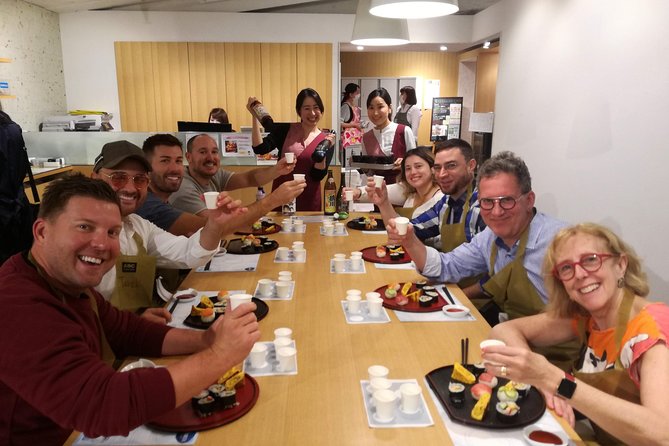
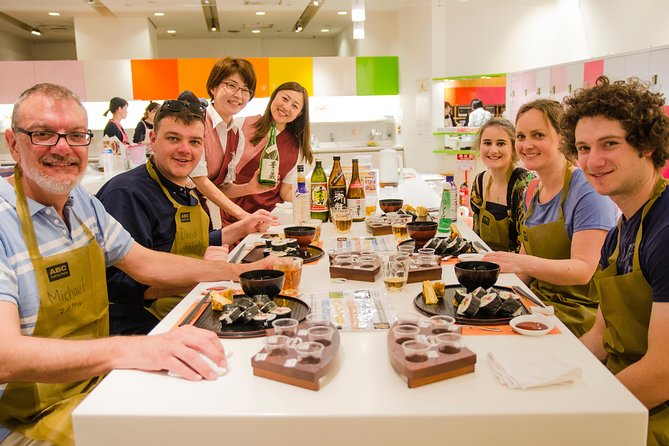
At the end, you sit down and eat your cooking. Drinks include wine, plum sake, or soft drinks, and drinking water is provided at the studio. The meal gives the lesson a satisfying finish, especially after the market walk.
The portion and number of dishes can vary. Some accounts describe a full sushi plate with soup, sashimi, and rolls, while the standard description focuses on sushi, tamagoyaki, side dishes, and two washoku recipes. Treat the menu as seasonal rather than fixed.
This is also where value becomes personal. At $99.49 per person, the price covers the guide, market walk, transportation to the cooking studio, apron, instruction, ingredients, food, and drinks. For a first-time visitor who wants translation, tastings, and a structured class, that is a reasonable half-day expense in Tokyo.
Still, the price may feel high if you mainly want to stroll Tsukiji. The market itself is free, and you can buy food independently. The strongest value comes from combining the guided market visit with the cooking lesson. If you skip the class, you lose the part that makes this more than a market walk.
How good are the guides and instructors?
The people leading the activity shape much of its success. Guides have been praised for finding favorite stalls, explaining unfamiliar ingredients, managing the pace, and helping visitors who speak no Japanese. Akiko, Lucy, Nobu, Yoko, and Shitomi are among the guides whose names have received warm praise.
English ability can vary by guide and instructor. Many sessions have been described as clear and informative, but one account found communication limited and wished for more explanation about Japanese food customs. That is worth noting if detailed culinary history matters as much to you as the cooking itself.
The strongest pattern is friendliness and patience. Instructors such as Miwako, Miwa, Masayo, and Hiromi have been praised for explaining steps clearly and encouraging beginners. The teacher is not simply demonstrating from across the room. The stated aim is hands-on work, though the amount of personal assistance may vary with the group.
A maximum of six people helps. It does not guarantee that every minute will be one-to-one, but it gives you a better chance to ask questions and receive help with sushi rolling or omelet making.
Practical details that can affect your morning
The meeting point is Tsukiji Hongwanji Temple, not your hotel. The activity ends at a different location, and the exact end point should be checked when booking. No hotel pickup or drop-off is included.
Leave your suitcase behind. Strollers and luggage are not allowed, which makes sense in the market lanes and cooking studio. The tour is near public transportation, but you should still plan your route carefully and arrive ready to start outside the temple.
The activity requires at least two people to operate. If the minimum is not reached, you may be offered another date or experience, or a full refund. Bad weather can also lead to cancellation, with a different date or a full refund offered.
You can cancel without charge up to 24 hours before the start time. Changes or cancellations inside that window are not accepted for a refund. The operator may photograph the activity and use images for websites, social media, or advertising, so consider that if you prefer not to appear in promotional photos.
Who should book this experience?
I would recommend it most strongly to first-time visitors who want an easy introduction to Japanese food. It also suits families with children aged 9 and older, couples who enjoy eating and cooking, and anyone who feels unsure about navigating Tsukiji alone.
It is a good choice if you value help with translation. A guide can explain food names, suggest samples, and make the market less intimidating. The cooking lesson then gives you something concrete to remember and repeat at home.
I would be more cautious if you are an experienced sushi maker, want to visit the tuna auction, or expect a long, advanced culinary course. The auction is not included, the class can be basic, and the menu changes.
Should you book the Tsukiji and sushi lesson?
Book it if you want a friendly, small-group introduction to Tokyo food rather than a serious chef-training session. The market walk, tastings, and cooking lesson work well together, and the chance to make tamagoyaki and sushi gives the morning a useful takeaway.
At $99.49, it is not the cheapest way to see Tsukiji. It is better value for someone who wants guidance, transportation, ingredients, instruction, and lunch in one package. Arrive hungry but not stuffed, bring no luggage, and keep your expectations focused on a fun beginner class.
The 4.9 rating from 390 ratings and 97 percent recommendation fit the experience’s main strengths: kind guides, good organization, tasty food, and a pleasant hands-on lesson. Just remember the two limits: the market is open to explore independently, and the cooking may feel too simple if you already know your way around sushi.
FAQ
Where does the Tokyo Tsukiji food tour begin?
The tour begins outside Tsukiji Hongwanji Temple at 3-chome-15-1 Tsukiji, Chuo City, Tokyo 104-8435, Japan.
How long does the experience last?
The experience lasts approximately three hours.
Is the tuna auction included?
No. Tuna auction watching is not included. The activity focuses on Tsukiji Outer Market and the cooking class.
What food will I make?
The lesson typically includes sushi and tamagoyaki, with possible side dishes such as miso soup or stock. The exact ingredients and menu can change with the season and ingredient supply.
Is transportation included?
Transportation between Tsukiji Market and the cooking studio is included. Hotel pickup and drop-off are not included.
How many people can join the tour?
The activity has a maximum of six people. At least two people are required for the tour to operate.
What is the minimum age?
The minimum age is 9 years old, and the minimum height is 130 cm, or about 4.2 feet.
Can I bring luggage or a stroller?
No. Strollers and luggage are not allowed during the activity.
What happens if the tour is canceled?
If poor weather or insufficient bookings cause cancellation, you will be offered another date or experience, or a full refund. You can also cancel up to 24 hours before the start time for a full refund.
More Cooking Classes with a Market Tour in Tokyo
- Hanoi Cooking Class: Culture, Local Market & Meaning CSR Impact
★ 5.0 · 5,147 reviews - 5 Traditional Dishes Hanoi Cooking Class with Market Trip
★ 5.0 · 4,890 reviews - Cooking Class and Lunch at a Tuscan Farmhouse with Local Market Tour from Florence
★ 5.0 · 4,831 reviews - Chiang Mai: Cooking Class, Market & Thai Herbs Garden Tour
★ 4.9 · 4,824 reviews
More Sushi and Japanese Classes in Tokyo
- Ramen & Gyoza Cooking Class in Tokyo with Local Supermarket Visit
★ 5.0 · 823 reviews - Tokyo: Easy Ramen Cooking Experience in Kabukicho, Shinjuku
★ 4.6 · 321 reviews - Ramen and Sushi Cooking Class with Sake Pairing Set in Tokyo
★ 5.0 · 291 reviews - Tokyo: Wagyu and 7 Japanese Dishes Cooking Class
★ 4.9 · 273 reviews
Just added around Tokyo
- Tokyo: Sushi Cooking Class with Sake Tasting★ 4.8 · 55 reviews
- Tokyo: Sushi roll and side dish cooking experience★ 5.0 · 2 reviews
- Tokyo: Sushi Making Experience & Japanese Cooking Class★ 5.0 · 2 reviews
- Tokyo: Gyoza Making from Scratch – Ultimate Cooking Class★ 5.0 · 2 reviews
- Tokyo: Night Cooking Class: 5 Home-Cooked Japanese Dishes★ 4.9 · 13 reviews
- Tokyo: Real Ramen & Dumpling Cooking with Master Chef★ 5.0 · 10 reviews
- Tokyo: Kawaii Bento Cooking Class – Cute Character Lunchbox★ 4.9 · 55 reviews
- Tokyo: Sushi and Ramen Cooking Class with Sake Pairing Set★ 5.0 · 81 reviews
Seafood Cooking Classes, compared.
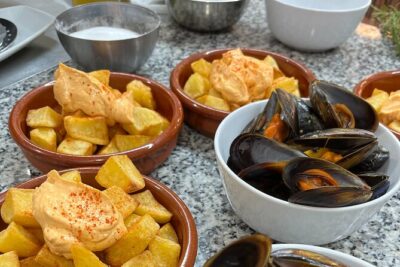
Seafood paella cooking class, tapas and visit to Ruzafa market.
Read our review →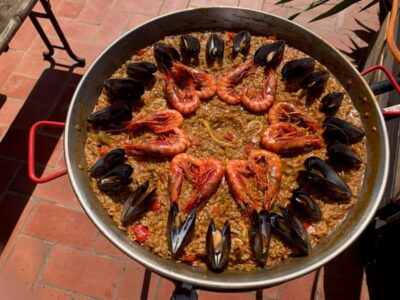
Paella Seafood Master Cooking Class with Sangria
Read our review →
Rooftop Paella Seafood Cooking Class Experience in Barcelona
Read our review →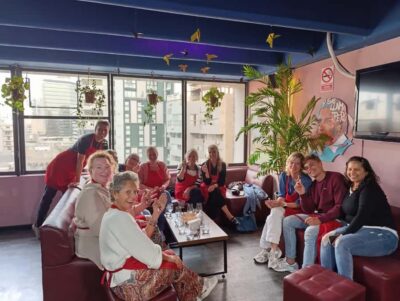
Miraflores: Amazing Peruvian Cooking Class Ceviche Seafood and Pisco Sour
Read our review →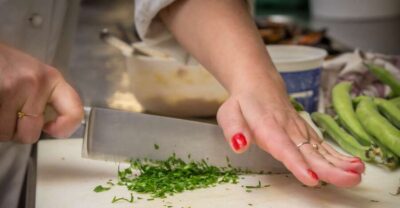
La Spezia: Market Visit and Seafood Cooking Class with Lunch
Read our review →