
REVIEW · HONSHU, JAPAN
Tokyo: Gyoza Making from Scratch – Ultimate Cooking Class
Gyoza-making turns dinner into a hands-on lesson. This two-hour Tokyo class takes you through dough, filling, folding, and pan-frying in a modern studio, so you learn the parts that usually stay hidden behind a restaurant kitchen door. I especially like the chance to make both wrappers and filling from scratch, then taste the results with several dipping sauces. I also like that you leave with an English recipe and downloadable class photos.
The class is guided in English, with Tamae and Saori named as instructors, and the step-by-step format suits a wide age range. The main drawback is the changing studio address: you will not receive the exact location until three days before the booking date, and people with back problems may find a two-hour cooking session uncomfortable.
Key things to know before booking
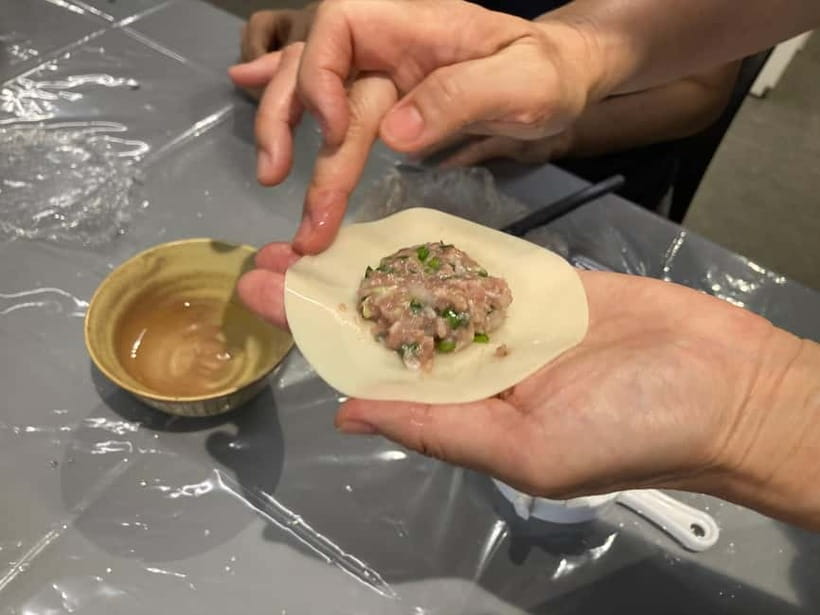
- You make the wrappers yourself: This is more than a dumpling assembly lesson. You knead the dough, shape the wrappers, and compare handmade dough with store-bought wrappers.
- The filling is designed to stay juicy: The instructor explains how to build a flavorful filling rather than simply handing you a prepared mixture.
- You learn pan-fried yaki-gyoza: The finished dumplings are cooked in a pan, giving you a useful home-cooking skill to repeat in your own kitchen.
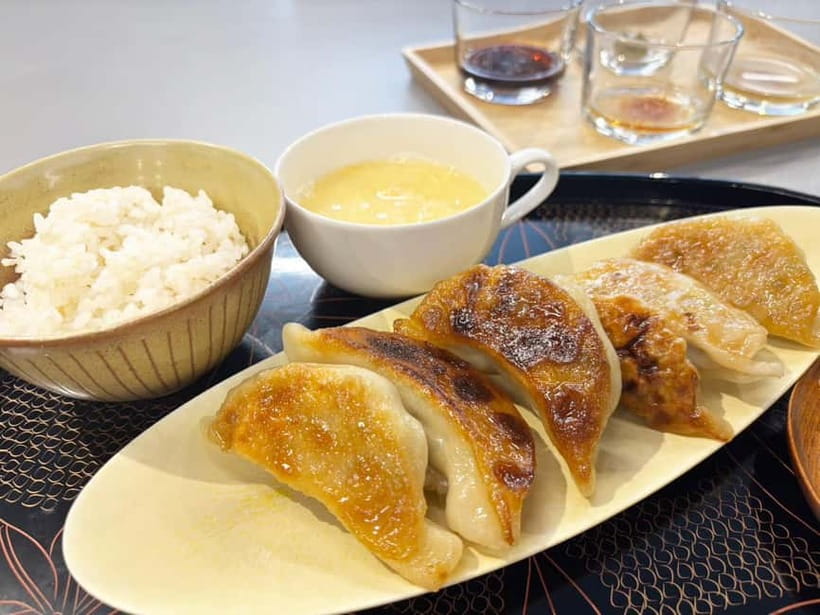
- The meal includes more than dumplings: You also prepare soup and a side dish, then eat the meal with several dipping sauces.
- The class stays central but the exact studio varies: Patia’s studios are near Shinjuku, Chiyoda, and Minato wards, with the confirmed address sent three days ahead.
- The $90 price includes a full activity and take-home extras: You receive the cooking class, meal, downloadable photographs, and an English recipe.
Why handmade gyoza is worth two hours in Tokyo
Gyoza may look simple on a restaurant plate. A thin wrapper, a little filling, a quick fry. The trick is that every part affects the final bite. Dough that is too thick feels heavy. Filling that lacks moisture turns dry. Folding that is loose lets the juices escape.
That makes this class useful beyond the meal itself. You get to see how a familiar Japanese dish is built from basic ingredients, then learn the small decisions that change its texture. I like this kind of food activity because it gives you something practical to take home, not just a pleasant memory and a few photographs.
The class also offers a nice contrast to eating gyoza at a restaurant. At a restaurant, you taste the finished product. Here, you handle the dough, work on the filling, shape each dumpling, and watch it cook. The process gives you a better sense of why handmade gyoza can taste different from dumplings made with packaged wrappers.
At $90 per person, this is not a cheap lunch. You are paying for instruction, ingredients, a prepared meal, a modern cooking space, photographs, and the recipe. I would judge the price as reasonable for visitors who want a structured food activity in central Tokyo, especially since the class covers the entire process rather than one narrow cooking technique.
A few more cooking classes around Tokyo worth a look
- Ramen & Gyoza Cooking Class in Tokyo with Local Supermarket Visit
★ 5.0 · 823 reviews - Tokyo: Easy Ramen Cooking Experience in Kabukicho, Shinjuku
★ 4.6 · 321 reviews - Ramen and Sushi Cooking Class with Sake Pairing Set in Tokyo
★ 5.0 · 291 reviews
Starting with dough and filling from scratch
The session begins with the foundations: gyoza wrappers and filling. The class uses fresh ingredients, and the instructor leads you through the preparation rather than asking you to arrive with cooking skills.
Making the dough is an important part of the experience. Store-bought wrappers are convenient, but they hide one of the main differences between homemade and packaged gyoza. By preparing the dough yourself, you can compare the texture of your handmade wrappers with wrappers bought from a shop.
The filling is another key lesson. You learn how to make it flavorful and juicy, which is more useful than memorizing a single ingredient list. The supplied information does not give a full recipe or exact seasoning breakdown, so you should expect guidance during the session rather than a detailed menu before arrival.
The standard filling is pork. If you prefer chicken, you can request a chicken filling at least 48 hours before the class. That deadline matters, so make the request early rather than waiting until the day of the activity. No other filling changes are specified.
This portion of the class should appeal to home cooks and curious eaters alike. You do not need to be an expert to take part, and the English-speaking instructor explains each stage step by step. The class is described as suitable for young children through seniors, though anyone with back problems should think carefully about the physical demands of standing and working at a kitchen counter for two hours.
Folding techniques that make each dumpling different
Once the dough and filling are ready, you learn how to fold the gyoza. This is often the part people remember most. The pleats give the dumplings their familiar shape, but they also help seal the filling inside before cooking.
The class lets you practice the technique under an instructor’s direction. That is more useful than watching a short demonstration and trying to copy it at home. You can correct mistakes as you go, and the instructor can show you how to handle the wrapper and filling together.
Do not expect every dumpling to look identical. That is part of the fun, particularly if you are cooking with children or family members. The practical goal is a sealed dumpling that cooks well, not a perfect row of restaurant-style pieces.
This hands-on section also gives the class its social feel without requiring you to spend the whole day in a kitchen. Two hours is long enough to learn the process, but short enough to fit into a busy Tokyo schedule.
Pan-frying yaki-gyoza and comparing the texture
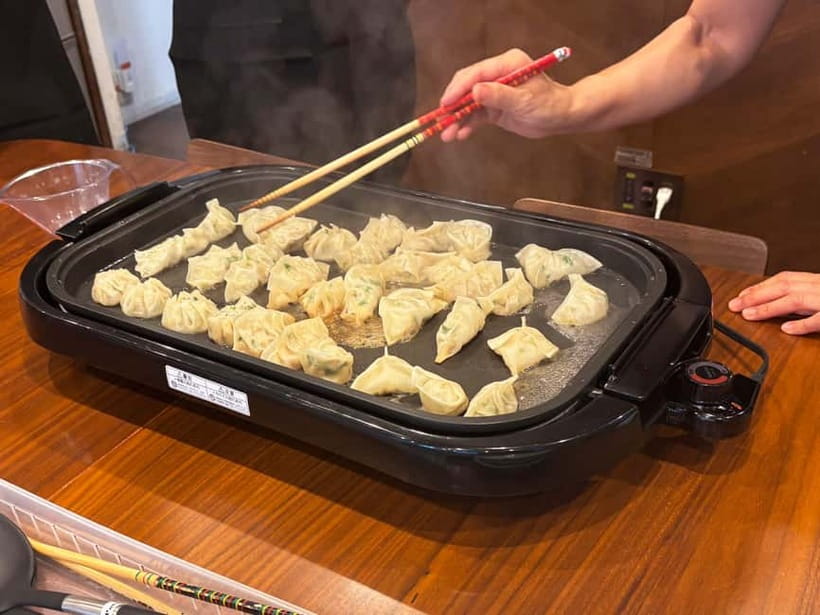
The dumplings are cooked as pan-fried yaki-gyoza. This method gives you the chance to learn how the wrapper changes in the pan and how the finished dumpling differs from one made with a store-bought wrapper.
The most useful comparison comes at the table. Handmade wrappers may have a different bite from packaged ones, and the class specifically highlights the chance to compare the taste and texture. That gives the cooking lesson a clear purpose: you are not only following steps, you are testing the result.
The final meal includes the gyoza, soup, and a side dish. You also receive several dipping sauces, so you can try the dumplings in more than one way. Since the exact soup, side dish, and sauces are not specified, you should treat these as part of the planned meal rather than expect a particular menu item.
I like the way this meal completes the lesson. You are not sent away with a container of food after cooking. You sit down and taste what you made while the process is still fresh in your mind.
Same place, a different thing to cook:
- Tokyo Tsukiji Fish Market Tour and Sushi Making Lesson
★ 5.0 · 390 reviews - Tokyo: Wagyu and 7 Japanese Dishes Cooking Class
★ 4.9 · 273 reviews - Tokyo Washoku 4-hour Cooking Class: From Market to Table
★ 5.0 · 253 reviews - Small-Group Wagyu Beef and 7 Japanese Dishes Tokyo Cooking Class
★ 5.0 · 190 reviews
A modern studio near three central Tokyo wards
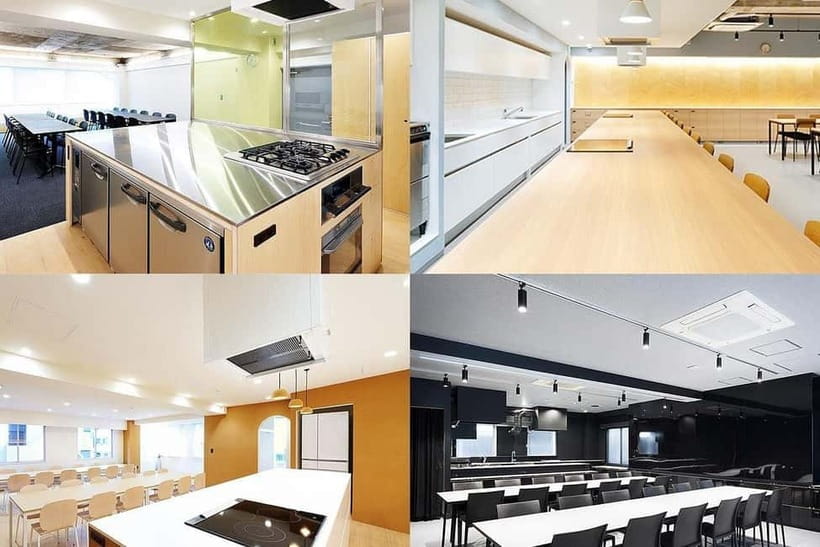
The cooking studios are operated by Patia and are located near Shinjuku, Chiyoda, and Minato wards. These are practical areas for a Tokyo itinerary, but the studio is not fixed in the information provided.
Pay close attention to the meeting instructions. The address displayed on the Google Map may show a different location, so do not rely on that map alone. You need to go to the designated studio, and the specific address is provided three days before your reservation date.
This arrangement is the main logistical weakness. You cannot finalize the exact route months in advance, and you need to check the address when it arrives. For a smooth morning or afternoon, leave some flexibility around the class rather than booking a tight connection immediately afterward.
The studio itself is described as modern and stylish. That matters for a cooking lesson because the setting is part of the experience. You are working in a purpose-built space rather than trying to follow a recipe in a crowded restaurant or watching from behind a demonstration counter.
Hotel pickup and drop-off are not included. You make your own way to the studio, so the activity is best for anyone comfortable navigating Tokyo independently after receiving the final address.
What the $90 price really includes
The $90 fee covers the cooking experience, ingredients and meal, downloadable photographs taken during the class, and an English recipe for home use. It also includes the instructor’s guidance through dough, filling, folding, and cooking.
The recipe adds value because it gives the class a second life after your trip. You can try the dish again at home while the technique is still familiar. The photographs provide a simple souvenir of the activity, though the information only says they are available for later download, not how many images you receive or how long they remain available.
For a visitor who only wants to eat gyoza, the price will seem high compared with a restaurant meal. For someone who wants a central Tokyo activity, a full meal, personal instruction, and a repeatable cooking skill, the cost is easier to justify.
I would especially consider it good value for a family or small group that wants an activity everyone can take part in. The class is not built around passive sightseeing. You spend the time making something together, with a clear result at the end.
Who will enjoy this class most
This experience fits several kinds of visitors:
- You want a food activity that explains technique, not just ingredients.
- You enjoy cooking with family or friends.
- You want an indoor activity in central Tokyo.
- You would like an English recipe to use after returning home.
- You prefer a two-hour activity that fits around other sightseeing.
- You want to learn a well-known Japanese dish in a direct, practical way.
Children can take part, and the class is also presented as suitable for seniors. Still, people with back problems should avoid booking unless they know they can manage the physical demands of a cooking session.
The class also works well for visitors who have eaten gyoza before but never made it. One Australian participant, Trevor, arrived with a rough idea of the method and still found value in learning the finer details from Tamae and Saori. That is a useful clue about the level: beginners can follow along, while experienced home cooks may still pick up better folding or filling techniques.
Practical booking advice for a smooth visit
The activity lasts two hours, and starting times depend on availability. Check the time carefully before booking, then plan your route once the exact studio address arrives.
The cancellation policy is flexible if your plans change. You can cancel up to 24 hours in advance for a full refund, and the reserve-now, pay-later option allows you to hold a place without paying at the time of booking.
If you need chicken instead of pork, contact the provider at least 48 hours in advance. The information only confirms a change from pork to chicken, so ask before booking if you have other dietary needs.
Smoking is not allowed, including indoors. Hotel transport is also not included, and the studio address supplied by the booking service may differ from the location shown on Google Maps. Those details are easy to manage, but they are worth noting before you set out.
Should you book the Tokyo gyoza class?
I would book this class if you want more than a meal and like the idea of learning a Japanese dish from the dough up. The strongest parts are the full process, the juicy filling lesson, the folding practice, and the chance to taste handmade and store-bought wrappers side by side.
I would skip it if you are mainly looking for a low-cost lunch, dislike hands-on cooking, or need a fixed meeting address well ahead of time. You should also reconsider if standing at a kitchen counter for two hours may aggravate a back problem.
For everyone else, this is a practical and enjoyable way to spend part of a Tokyo day. You eat what you make, get a recipe for later, and leave with a better idea of why good gyoza takes more skill than its small size suggests.
FAQ
How long does the gyoza cooking class last?
The class lasts two hours.
What language is the class taught in?
The instructor teaches in English.
Where is the cooking studio located?
Patia’s studios are near Shinjuku, Chiyoda, and Minato wards. The exact studio address is provided three days before the reservation date.
What food do you make in the class?
You make gyoza from scratch, including the dough and filling. You also prepare soup and a side dish, then eat the meal with several dipping sauces.
Can the pork filling be changed to chicken?
Yes. Chicken filling is available if you request it at least 48 hours in advance.
Are photographs included?
Yes. Photographs taken during the experience are available for later download.
Is hotel pickup included?
No. You need to travel to the designated cooking studio yourself.
Just added around Tokyo
- Tokyo: Sushi Cooking Class with Sake Tasting★ 4.8 · 55 reviews
- Tokyo: Sushi roll and side dish cooking experience★ 5.0 · 2 reviews
- Tokyo: Sushi Making Experience & Japanese Cooking Class★ 5.0 · 2 reviews
- Tokyo: Night Cooking Class: 5 Home-Cooked Japanese Dishes★ 4.9 · 13 reviews
- Tokyo: Real Ramen & Dumpling Cooking with Master Chef★ 5.0 · 10 reviews
- Tokyo: Kawaii Bento Cooking Class – Cute Character Lunchbox★ 4.9 · 55 reviews
- Tokyo: Sushi and Ramen Cooking Class with Sake Pairing Set★ 5.0 · 81 reviews
- Tokyo: Japanese Home-style Cooking Class with Meal★ 4.5 · 3 reviews
Cooking Classes, compared.

Half-Day Thai Cooking Class at Organic Farm in Chiang Mai
Read our review →

3 in 1 Cooking Class near Navona: Fettuccine, Ravioli & Tiramisu
Read our review →
Pasta & Tiramisu Cooking Class with Unlimited Wine
Read our review →
Hanoi Cooking Class: Culture, Local Market & Meaning CSR Impact
Read our review →
5 Traditional Dishes Hanoi Cooking Class with Market Trip
Read our review →
Cooking Class and Lunch at a Tuscan Farmhouse with Local Market Tour from Florence
Read our review →
Cooking Class, Market & Thai Herbs Garden Tour
Read our review →Lists this class appears in