
REVIEW · TOKYO, JAPAN
Unique Private Cooking Class with a Tokyo Local Emi
Home cooking beats restaurant theater. This private three-hour class with Emi brings you into the everyday side of Japanese food, where you prepare three dishes, ask questions freely, and eat what you make. I like the hands-on format and the chance to learn recipes you can repeat at home. The main consideration is location: you travel to Nerima, well outside central Tokyo.
I also like the personal attention. Your group cooks together, rather than watching a chef perform, and Emi can adjust the menu for dietary needs if you contact her early. Since all guests choose the same main menu, groups with different tastes will need to agree on one plan.
Key points about Emi’s Tokyo cooking class
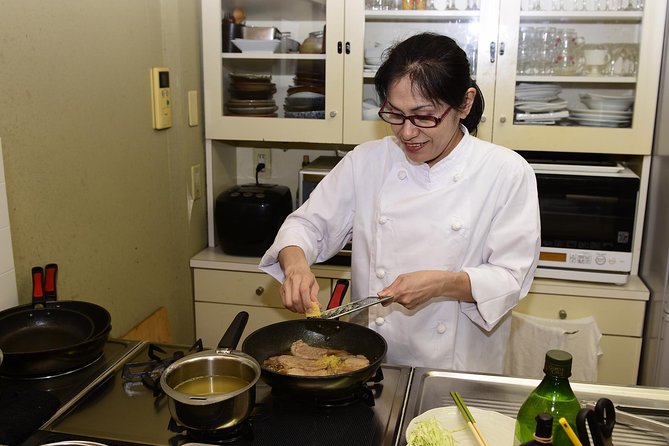
- Choose three Japanese dishes: Options can include gyoza, ginger pork, tempura, tonkatsu, onigiri, yakisoba, karaage, miso soup, and more.
- Cook in a private setting: Weekend groups of two or three may meet at Emi’s home, while larger groups and weekday bookings use her cooking studio.
- Plan your menu early: Send your preferred dishes at least four days ahead, or Emi selects the menu for you.
- Share the meal over sake: Green tea, barley tea, food, and sake are included in the experience.
- Learn practical home cooking: Emi shares techniques, recipes, Japanese dining customs, and food culture as you work.
- Allow time for Nerima: The meeting point is near Nerima City Hall, with public transportation nearby.
A Tokyo food lesson with a personal welcome
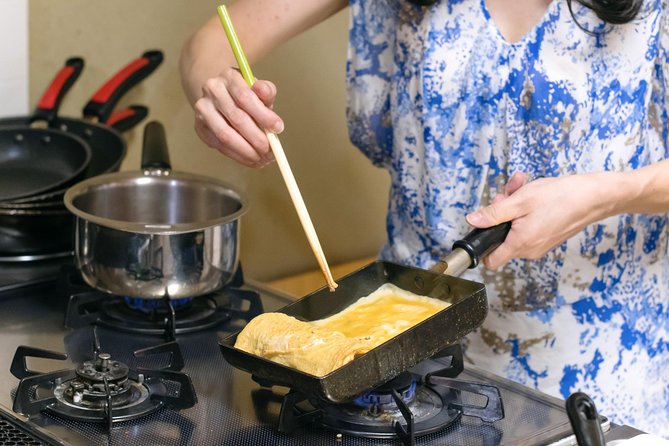
This is not a polished restaurant demonstration. It is closer to being invited into a local kitchen and shown how an ordinary Japanese meal comes together.
You begin with mugi-cha, or barley tea, before getting to work. Emi leads the preparation over about 90 minutes to two hours. Her role is part teacher, part host, and part friendly Tokyo guide. You can ask about ingredients, cooking methods, Japanese customs, or places to visit.
That relaxed conversation is a major part of the value. You are not just learning how to fold a dumpling or fry pork. You are getting a window into the food people prepare at home, which is often quite different from what appears on a restaurant menu.
The class is private, so you do not share the kitchen with strangers. That matters if you are nervous about cooking, have many questions, or want the pace adjusted. Emi has been praised for patience, humor, and clear step-by-step instruction. She also keeps the mood easy, with music and conversation helping the session feel social rather than like a formal lesson.
More Private Cooking Classes in Japan
- Private Home Cooking in Yanaka – Local Flavors in a Warm Setting
★ 5.0 · 173 reviews - Tokyo: Private Japanese Cooking Class with a Local Chef
★ 5.0 · 81 reviews - Private Kyoto Sushi Cooking Class & Tea Ceremony with Emika
★ 5.0 · 66 reviews
Choosing three dishes from Emi’s menu
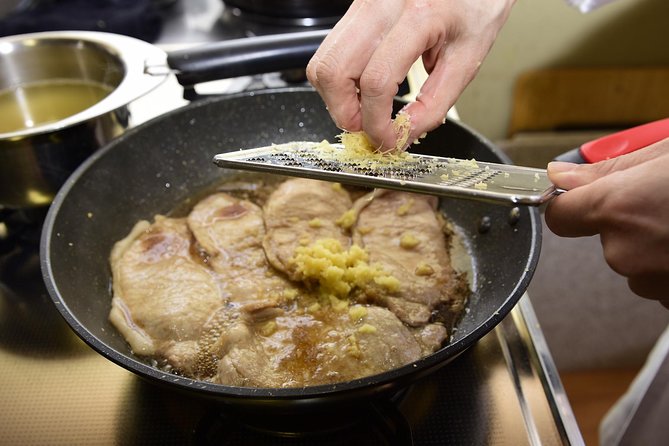
You choose three dishes from Emi’s selection, though the precise menu may change depending on your needs and her arrangements for the day. Past combinations have included shrimp gyoza, vegetarian yakisoba, and ginger-fried pork. Other examples include tempura, tonkatsu, onigiri, karaage, miso soup, salmon with hijiki seaweed, and shrimp with vegetables.
That range gives you a useful choice. You can focus on food you already love, or pick dishes that you would not know how to make at home. Gyoza is especially appealing if you want a hands-on task, since you shape and fold the dumplings yourself. Tempura offers a lesson in technique. Ginger pork and karaage show how a few well-chosen seasonings can produce a full meal.
One important rule keeps the class practical: everyone in the group prepares the same main dish. If you are booking with friends who have different tastes, agree before you arrive. Send your menu choice to Emi at least four days in advance. If she does not hear from you, she chooses for the group.
Okonomiyaki contains fish granule soup stock, so mention dietary needs clearly. Vegetarian cooking can be arranged, but the group menu may need to change to make that work. Contact Emi directly after booking with allergies, restrictions, or cooking preferences. Do not wait until the day of the class.
From barley tea to a shared Japanese meal
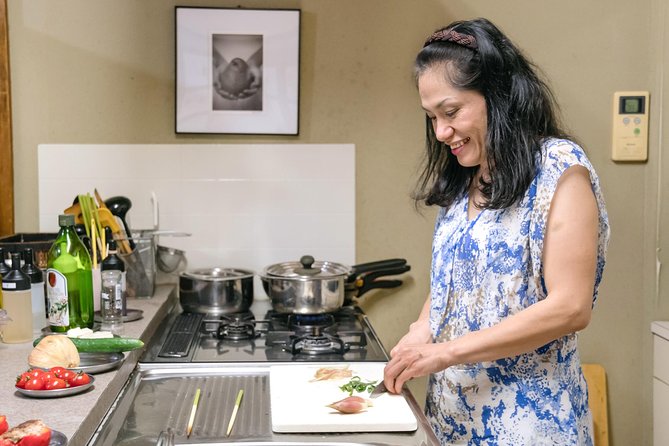
The session begins gently, with tea and introductions. Then Emi explains the dishes and demonstrates the needed steps. The reviews describe a genuinely hands-on lesson, not one where you sit at a counter and watch her do all the work.
You may chop, mix, wrap, season, and cook under her direction. Beginners should feel comfortable here. Emi has been praised for allowing mistakes and helping with tricky jobs such as folding gyoza. That patience is worth a lot when the first dumpling looks more like a small envelope than a restaurant-perfect crescent.
The cooking section lasts roughly 1.5 to two hours. You should expect conversation throughout. Emi shares tips that are useful beyond this one meal, including preparation methods and details about Japanese food customs. Her English has been described as easy to understand, which helps when instructions need to be precise.
Once the food is ready, you sit down and eat together. Sake is included, along with green tea and barley tea. Food and drink are part of the price, so arrive hungry. This is not a small tasting menu. Several people have found the portions filling, with enough food to make the final meal feel like a proper lunch or dinner.
Emi also provides recipes, allowing you to repeat the dishes after returning home. That makes the experience more useful than a meal that disappears as soon as you leave the table. You take away cooking methods, ingredient ideas, and a practical memory of the class.
What makes home-style Japanese food different
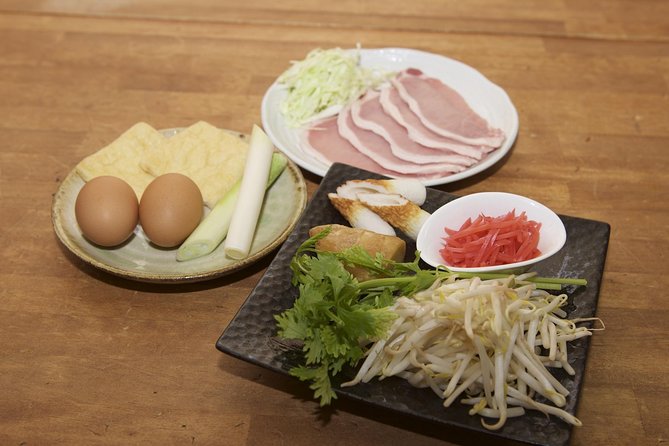
Tokyo has no shortage of excellent restaurants, but restaurant food is only one piece of Japanese food culture. Home cooking tends to be more direct and less theatrical. The point is balance, timing, and making several dishes work together at the table.
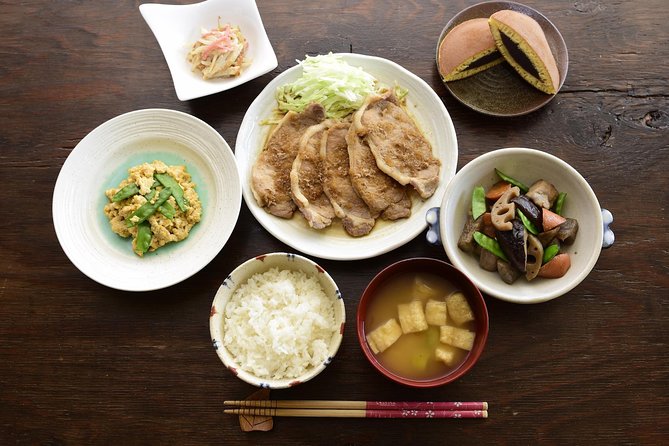
This class gives you that perspective. You might prepare gyoza, soup, pork, or vegetables in combinations that feel like a family meal rather than a restaurant course. Emi also explains etiquette and customs connected with eating, which adds useful context to the food.
I particularly like that the class is not limited to sushi. Sushi is famous abroad, but it is not the only way to understand Japanese cooking. Here, you can learn dishes that are realistic to prepare in a home kitchen. Recipes for ginger pork, miso soup, or karaage have a good chance of being used again instead of sitting forgotten in a travel notebook.
The class also works well for people who want to connect food with the city. Emi can answer questions about Tokyo and suggest places to visit. In several cases, she has helped with local recommendations, shops, and nearby stops after the meal.
More Private Cooking Classes in Tokyo:
- PRIVATE Authentic Balinese Cooking Class in Ubud at Putu’s Home
★ 5.0 · 644 reviews - Rome: Pasta Making Class with Tiramisu & Wine PRIVATE OPTION
★ 4.8 · 404 reviews - Private Market Tour & Cooking Class in Puerto Vallarta with Manu
★ 5.0 · 241 reviews - Private Cooking Class with 5 dishes of your choice
★ 5.0 · 227 reviews
Nerima location and how to plan the day
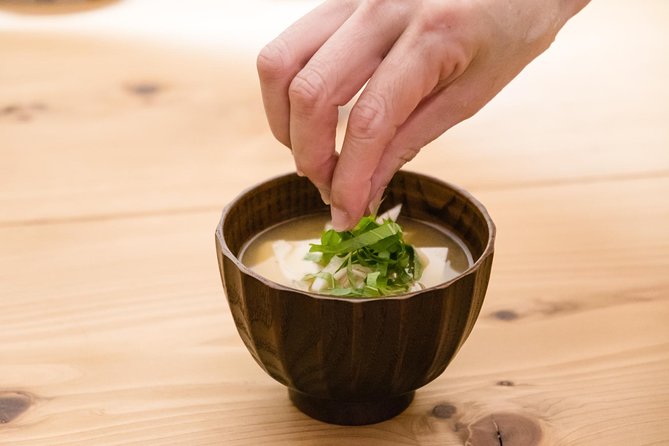
The listed starting point is Nerima City Hall at 6-chōme-12-1 Toyotamakita, Nerima City. Public transportation is nearby, and the activity ends back at the meeting point.
Nerima is not a quick stroll from the major sightseeing districts, so factor the journey into your schedule. This is best planned as a half-day outing rather than squeezed between two tightly timed attractions. The Harry Potter Museum in Tokyo is about a 20-minute walk from Emi’s apartment, which may help you combine the class with that visit.
If TeamLab Borderless is on your plan, the Oedo line can take you from Azabu-Juban to Nerima without a transfer. Still, check your exact meeting instructions. Studio sessions meet directly at the cooking studio, while some arrangements involve meeting near a station or at a stated meeting point.
The home or studio setting depends on the booking. On weekends, groups of two or three may be hosted at Emi’s home. Groups of four or more, and weekday bookings, use the cooking studio. A studio session has approximately 10 steps, so tell the provider about accessibility concerns before you reserve.
After the meal, Emi may take you to one additional local stop if you request it in advance. Your choices include a Japanese sweet shop, a Japanese tea and pottery shop, or a supermarket. You can choose one, not all three. This is a small but useful extra, especially if you want snacks, tea, pottery, or a final look at ordinary Japanese shopping.
Price, group size, and overall value
At $99 per person, the class is not the cheapest meal in Tokyo. But comparing it with the cost of dinner alone misses the point. The fee includes a private lesson, ingredients, tea, sake, the meal, conversation, and recipes to take home.
For two people, the price buys a personal cultural experience rather than just a restaurant table. You also avoid paying separately for drinks and several dishes. Group discounts are available, though the details depend on the booking. Groups of four or more should reserve two to three months ahead because studio space can fill.
The private format gives this class an advantage over larger cooking schools. You can ask Emi to slow down, repeat a technique, or explain an ingredient. You can also shape the menu around your group, within the shared-menu rule.
There are limits. You will not get a broad survey of every region of Japanese cooking in three hours. You also should not expect to choose a separate menu for every person. The price makes the most sense if you value personal contact, practical instruction, and a meal you help prepare.
The class is booked, on average, about 42 days ahead. That suggests planning early, especially for a larger group or a particular date. Larger groups may need even more notice.
Who will enjoy this experience most
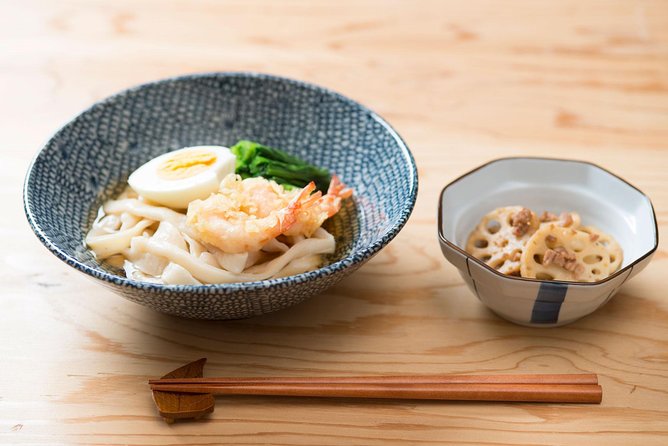
I would recommend this class to couples, families with children aged 10 or older, and small groups of friends who enjoy food and conversation. It suits beginners especially well because Emi guides you through each stage and does not expect professional kitchen skills.
It is also a good choice for repeat visitors to Tokyo who have already eaten plenty of restaurant food. The focus here is not on checking off a famous dish. It is on seeing how Japanese dishes are prepared and enjoyed at home.
Vegetarians can request an adjusted menu, but the entire group needs to accept the resulting menu. Anyone with allergies should contact Emi after booking. The experience is not suitable for children aged nine or under, and children aged 10 or more pay the adult price.
This may not suit you if your schedule is packed with central Tokyo sights, if you dislike shared menus, or if you want a formal culinary school with professional equipment. The Nerima location takes time, and the setting is intimate rather than grand.
Small details that improve the experience
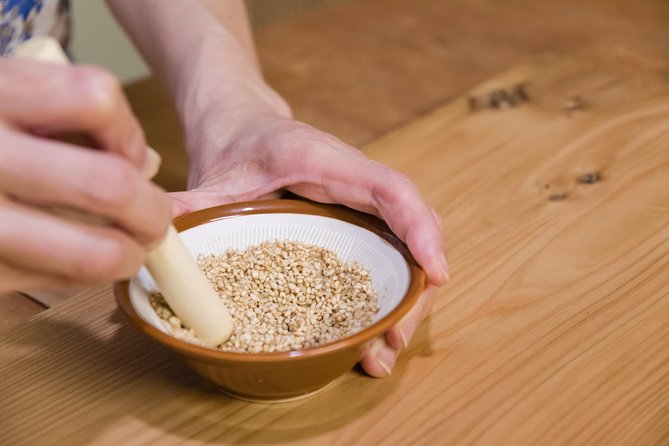
Arrive hungry. All food and drink are included, and the final meal is substantial enough that eating a large lunch beforehand would be a mistake.
Choose your menu before the four-day deadline. Gyoza, tempura, tonkatsu, onigiri, and ginger pork each offer a different kind of lesson, so discuss what your group wants to learn rather than choosing only by appetite.
Wear something comfortable for standing and food preparation. The available information does not specify a dress code, but this is a working cooking session, not a seated tasting.
Allow room for conversation. Emi’s warmth is part of the experience, and rushing through the class would undercut one of its best features. If you want the optional sweet shop, pottery shop, tea shop, or supermarket visit, request one in advance.
Finally, save the recipes. The strongest reason to choose this class over an ordinary meal is that you can bring the food home in a practical form. The experience continues when you try making the dishes in your own kitchen.
Should you book Emi’s cooking class?
Book it if you want a private, friendly introduction to Japanese home cooking and you can spare a half-day for Nerima. The best parts are the hands-on format, Emi’s patient teaching, the shared meal, and the useful recipes.
Think twice if you need a central Tokyo activity, if your group cannot agree on one menu, or if you prefer watching rather than cooking. For most food-minded visitors, though, $99 is fair for a three-hour lesson with ingredients, drinks, dinner, local conversation, and a personal connection.
Free cancellation is available up to 24 hours before the start time for a full refund. Changes or cancellations made inside that window are not accepted or refunded.
FAQ
How long does the cooking class last?
The experience lasts approximately three hours. Cooking takes about 1.5 to two hours, followed by the meal.
How many dishes will I prepare?
You choose three dishes from Emi’s menu. The experience description also refers to three to four home-style dishes, depending on the menu and arrangement.
Can Emi accommodate vegetarian guests and food allergies?
Yes. Emi is happy to discuss vegetarian requests and other dietary needs. Contact her directly after booking, and remember that the whole group will need to follow the same adjusted menu.
Where does the class take place?
The listed starting point is Nerima City Hall in Nerima City, Tokyo. Weekend groups of two or three may meet at Emi’s home, while groups of four or more and weekday bookings use her cooking studio. Studio sessions meet directly at the studio, so follow the exact instructions provided for your booking.
Are food and drinks included?
Yes. Food, green tea, barley tea, and sake are included. Hotel pickup and drop-off are not included.
Can children join the class?
Children aged nine and under cannot join. Children aged 10 or older are charged the adult price.
Just added around Tokyo
- Tokyo: Sushi Cooking Class with Sake Tasting★ 4.8 · 55 reviews
- Tokyo: Sushi roll and side dish cooking experience★ 5.0 · 2 reviews
- Tokyo: Sushi Making Experience & Japanese Cooking Class★ 5.0 · 2 reviews
- Tokyo: Gyoza Making from Scratch – Ultimate Cooking Class★ 5.0 · 2 reviews
- Tokyo: Night Cooking Class: 5 Home-Cooked Japanese Dishes★ 4.9 · 13 reviews
- Tokyo: Real Ramen & Dumpling Cooking with Master Chef★ 5.0 · 10 reviews
- Tokyo: Kawaii Bento Cooking Class – Cute Character Lunchbox★ 4.9 · 55 reviews
- Tokyo: Sushi and Ramen Cooking Class with Sake Pairing Set★ 5.0 · 81 reviews
Private Cooking Classes, compared.
PRIVATE Authentic Balinese Cooking Class in Ubud at Putu’s Home
Read our review →
Pasta Making Class with Tiramisu & Wine PRIVATE OPTION
Read our review →
Private Market Tour & Cooking Class in Puerto Vallarta with Manu
Read our review →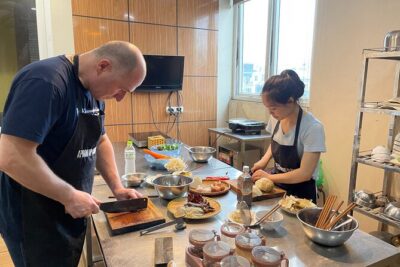
Private Cooking Class with 5 dishes of your choice
Read our review →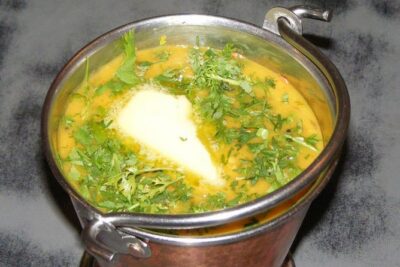
Veg and Non veg : Private Cooking Class in Delhi home (7 meal)
Read our review →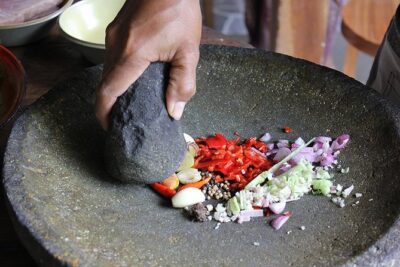
PRIVATE Balinese Cooking Class in Ubud with Dewa with Transfers
Read our review →
VIP Mekong Delta Adventure Cycling & Kayaking – Private Day Trip
Read our review →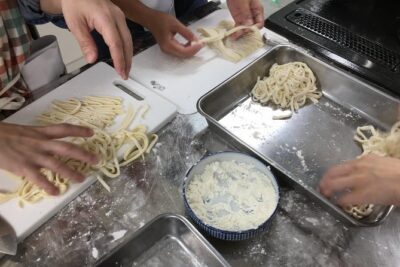
Private Home Cooking in Yanaka – Local Flavors in a Warm Setting
Read our review →Lists this class appears in