
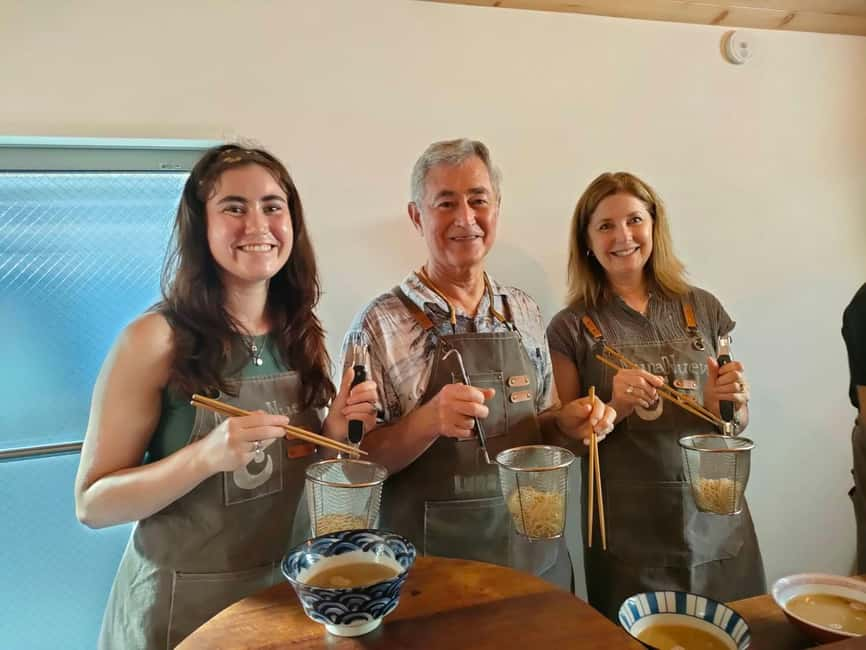
REVIEW · HONSHU, JAPAN
Tokyo: Real Ramen & Dumpling Cooking with Master Chef
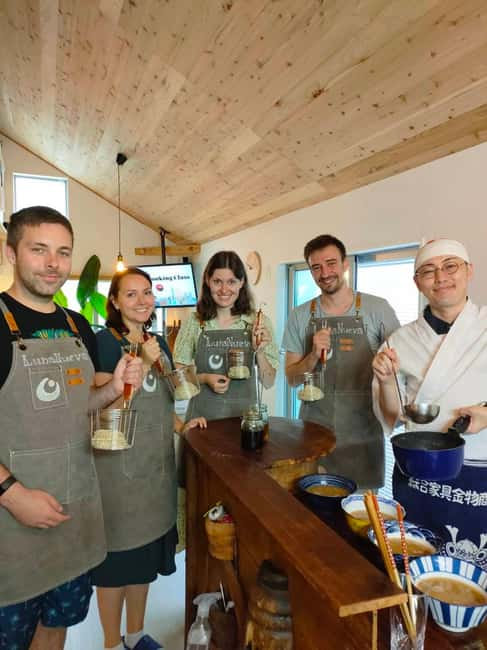
Good food starts with good technique. This two-hour Tokyo class gives you hands-on practice with ramen and five gyoza, led by a professional chef who once ran a restaurant in Sydney. I especially like the small group size, which can be as few as four people, and the fact that you receive the recipes afterward so the meal does not end when you leave.
I also like the English instruction and the friendly teaching style reported by Eva, Luis, Andrea, and Josh. The main consideration is the meeting point: Ekoda Station is on the Seibu Ikebukuro Line, not the JR network, and rapid trains do not stop there. Vegetarian ramen is available, but you must request it ahead of time.
Key points at a glance
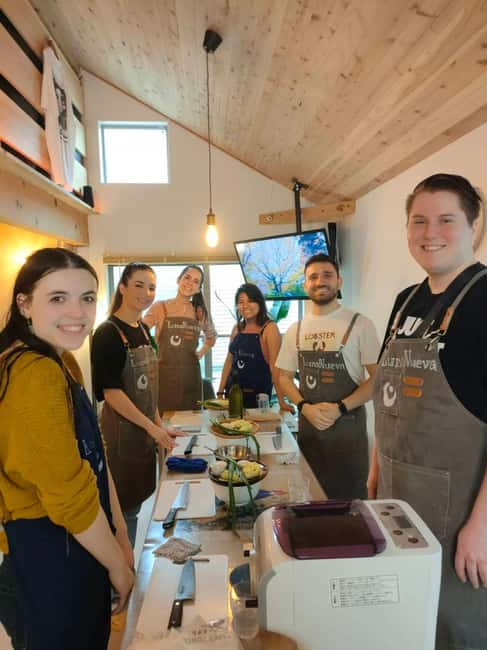
- A small class with a professional chef: The group may have no more than four participants, giving you plenty of chances to ask questions.
- You make both ramen and five gyoza: The class covers folding, cooking, broth, noodles, toppings, and final assembly.
- English instruction is included: The chef and assistant explain each step and answer questions patiently.
- Recipes arrive after class: You can try the ramen and dumplings again at home.
- Ekoda requires careful train planning: Use a local Seibu Ikebukuro Line train, not a rapid service, and arrive 15 minutes early.
- Vegetarian ramen needs advance notice: Same-day changes cannot be accommodated.
Why this class is more than a bowl of noodles
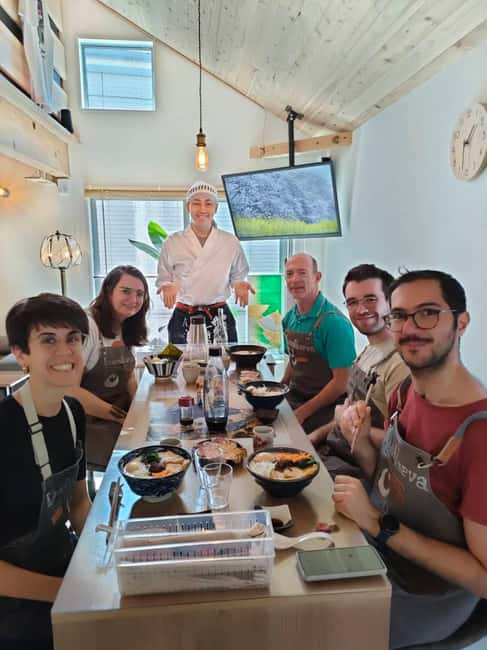
Tokyo has no shortage of ramen shops. A bowl can be quick, affordable, and excellent, but you usually see only the finished result. This class lets you understand the work behind it: how toppings are prepared, how the soup is built, how noodles are cooked, and how the final bowl is arranged.
That matters because ramen is not one single dish. Its appeal comes from several parts arriving together at the right moment. The broth, sauce, fragrant oil, noodles, egg, meat, seaweed, spring onion, and wood ear fungus all have different jobs. You will see how they fit together instead of treating ramen as a mysterious restaurant meal.
The gyoza adds a second useful lesson. You slice and combine the filling, fold the dumplings, and cook them until they are properly browned. Making five dumplings gives you enough practice to understand the shape without turning the class into a production line.
The experience is held in a home kitchen, according to Andrea’s account, which gives the class a personal feel. This is not a large demonstration where you stand at the back and watch a chef work. You are expected to take part.
More Sushi and Japanese Classes in Tokyo:
- Ramen & Gyoza Cooking Class in Tokyo with Local Supermarket Visit
★ 5.0 · 823 reviews - Tokyo Tsukiji Fish Market Tour and Sushi Making Lesson
★ 5.0 · 390 reviews - Tokyo: Easy Ramen Cooking Experience in Kabukicho, Shinjuku
★ 4.6 · 321 reviews
Meeting the chef at Ekoda Station
Your meeting point is outside the ticket gate at Ekoda Station, at 1 Chome-78 Asahigaoka in Nerima City. The host waits 15 minutes before the start time, and the walk to the kitchen takes about five minutes.
Pay close attention to the railway instructions. Ekoda is served by the Seibu Ikebukuro Line, not JR. You should take a local train because rapid trains do not stop at Ekoda. The station may also appear as Egota in some directions, so check your route carefully before leaving.
I would arrive early rather than try to cut this close. Late arrival may shorten your class, and the cooking sequence has several timed parts. If you have Wi-Fi but no Japanese mobile service, add the supplied phone number, +81 80 7262 1175, to WhatsApp before you leave. That gives you a practical way to contact the host if you have trouble finding the meeting point.
This station arrangement is the least polished part of the experience. It is not difficult once you know the line and train type, but it does require more attention than meeting at a central JR station.
Starting with seasoned eggs and ramen toppings
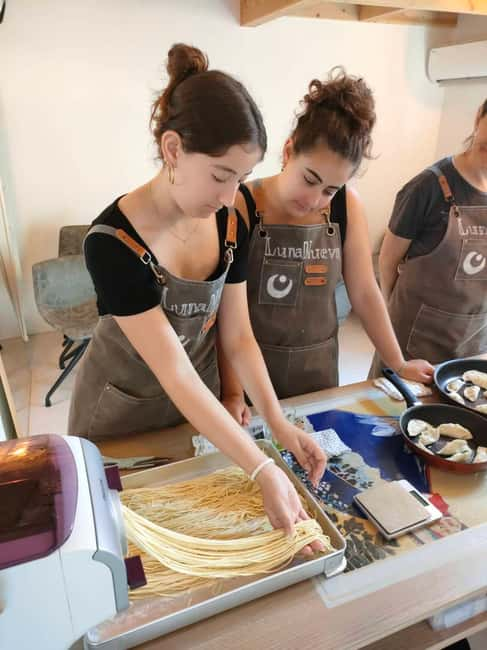
The class begins with semi-soft boiled eggs, called nitamago when seasoned for ramen. Getting the center right is one of those small details that changes the whole bowl. You will also prepare the ramen toppings, including sliced spring onion, seaweed, and wood ear fungus.
These ingredients may look like decoration, but they affect texture and balance. The egg adds richness, the seaweed brings a salty note, the spring onion adds freshness, and the fungus gives the bowl a pleasant chew. Learning what each topping contributes helps you build a better bowl at home instead of adding ingredients at random.
The chef’s professional background is useful here. He has run restaurants abroad and trained in well-known Japanese ramen kitchens. That combination matters for an English-language class because he can explain both the cooking method and the cultural side of the dish.
Several participants singled out the quality of the explanations. Sandra appreciated the amount of information about Japanese cuisine, while Fabienne found the preparation process especially informative. Yoshi and Amo were also praised for answering questions patiently and creating a welcoming atmosphere.
Folding five gyoza without losing the filling
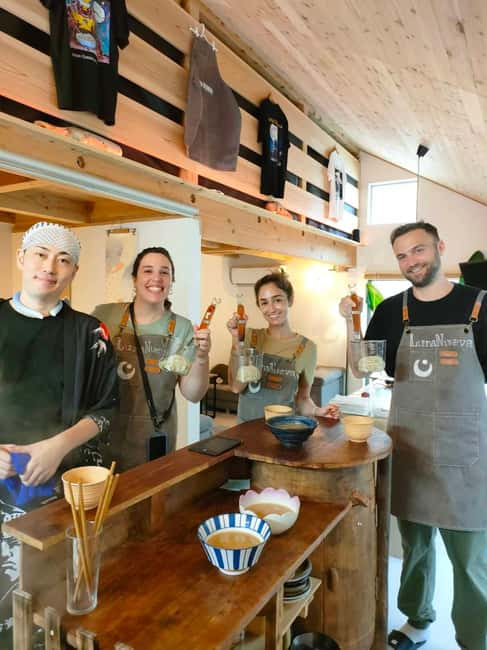
Next comes the gyoza. You slice and combine the ingredients for the filling, then fold the dumplings yourself. Five pieces is a sensible amount: enough to practice, but not so many that your hands become tired before the ramen work begins.
Gyoza folding looks easy when someone experienced does it. Your first dumpling may have a less tidy shape, and that is part of the fun. The class gives you a chance to learn how much filling to use and how to close the wrapper securely.
The dumplings are then cooked until they are ready to eat. This part adds a useful contrast to the ramen lesson. Gyoza depends on shaping and pan cooking, while ramen depends more on timing and assembly. You leave with two Japanese dishes that use different skills.
The final serving includes five gyoza. If you have a large appetite, the portions may still feel generous because you also receive a full ramen bowl. Andrea found the portions large enough that she could not finish everything, so plan to arrive hungry.
More Chinese Cooking Classes in Tokyo:
- Ramen & Dumpling Cooking in Tokyo with Chef/Vegan possible
★ 5.0 · 107 reviews - Warsaw’s No 1 cooking class-Polish dumplings with liqueur tasting
★ 5.0 · 576 reviews - Gyoza Cooking Class in Kyoto: Traditional Japanese Dumplings
★ 5.0 · 210 reviews - Flavors of Beijing: Eat Like A Real Chinese
★ 5.0 · 78 reviews
Chashu, soup, and the timing of the bowl
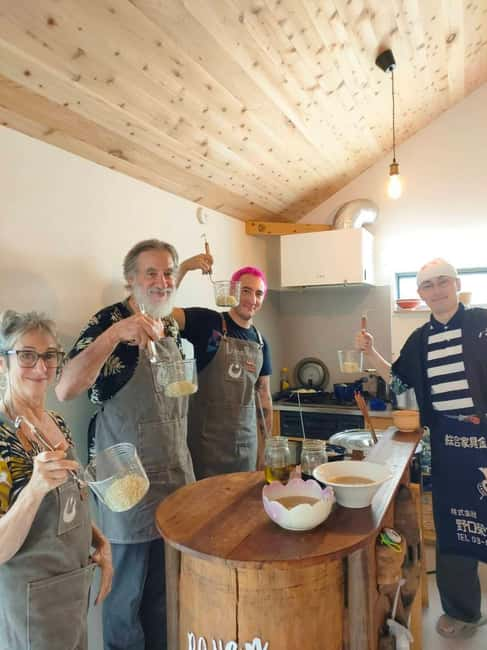
The class includes chashu, ramen’s slow-cooked topping. The menu describes it as slow-cooked chicken, although Josh specifically praised the pork in his bowl. If the exact meat matters to you, ask the host before booking or at the start of the class.
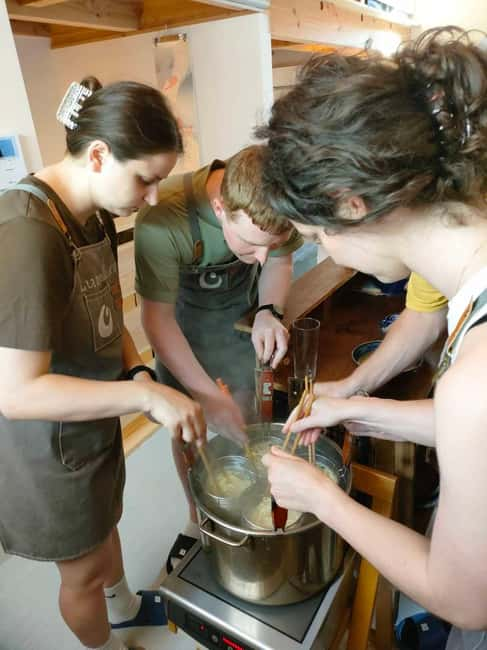
You will season the chashu and bring its flavors together while the gyoza cooks. The class also includes the soup, ramen sauce, and fragrant oil. These items are prepared for the session, which keeps the two-hour schedule manageable while still allowing you to learn how they work together.
This is a good balance. Making a complete ramen broth from raw ingredients can take far longer than a short class allows. Here, you focus on the parts you can realistically repeat at home and see how a professional bowl is assembled.
The most theatrical moment comes when the noodles are boiled and drained. The chef demonstrates the quick noodle-draining technique used to remove excess water before the noodles meet the soup. It is practical, but also fun to watch and try.
Timing is important at this stage. Noodles continue to soften after cooking, so the soup, noodles, toppings, and serving bowl need to be ready in the right order. The chef guides you through that sequence, which is likely to be more useful than simply handing you a recipe.
Building the final ramen bowl
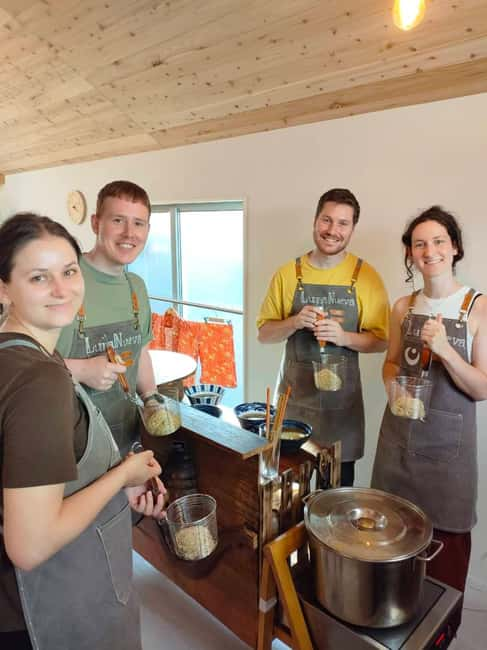
The last step is assembling the ramen. You bring together the soup, cooked noodles, chashu, nitamago, seaweed, spring onion, and wood ear fungus. This is where the earlier work makes sense: every topping has a place, and the bowl should look generous without becoming messy.
Then you eat what you made. That sounds obvious, but it changes the class from a cooking demonstration into a proper meal. You can taste the results while the instructions are still fresh in your mind.
The food received strong praise. Eva described the ramen and gyoza as delicious, and Josh called the pork among the best he had eaten in ramen. Luis also found the food very tasty, while Andrea praised both the flavor and the generous portions.
The meal is also social. You can cook with family or a friend, compare your dumpling folds, and ask questions while eating. The small group makes this easier than a large workshop where participants may be separated from the instructor.
What the English instruction is like
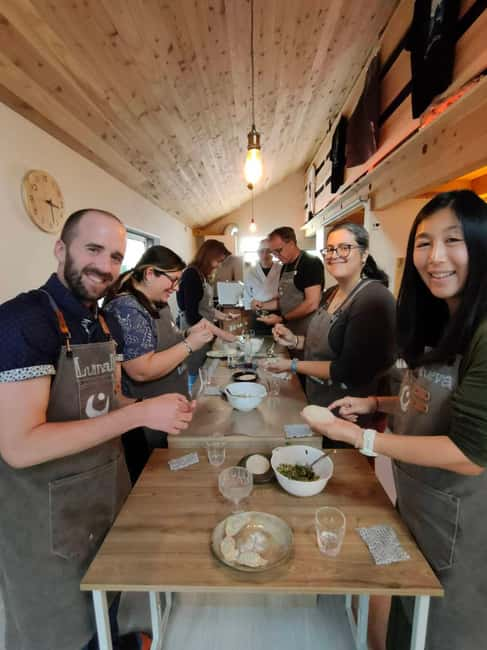
The class is offered in English, and this is one of its clearest strengths. Yoshi and Amo were praised for speaking excellent English, giving clear instructions, and helping participants throughout the cooking.
The chef also shares stories from the ramen world. These anecdotes add context without turning the session into a lecture. You learn not only what to do, but why certain steps matter.
For first-time cooks, patience is important. You do not need to arrive with professional kitchen skills. The class is designed around guided preparation, and the instruction includes hands-on help.
For experienced home cooks, the value comes from the chef’s restaurant background and the chance to ask more specific questions. You may still find the pace easy, especially if you already make noodles or dumplings, but the recipes and professional tips give you something useful to take home.
The $99 price and what you receive
At $99 per person, this is not a cheap meal. It is also more than the cost of buying ramen and gyoza in Tokyo. You are paying for two hours of instruction, the ingredients, a full meal, a small class, English guidance, and the recipes sent afterward.
The value improves if you plan to cook Japanese food at home. A restaurant meal gives you one bowl. This class gives you a method you can repeat, along with recipes for both ramen and gyoza.
You also receive five gyoza, ramen toppings, nitamago, chashu, seaweed, spring onion, and wood ear fungus. Some participants also received complimentary merchandise, and custom aprons and self-designed T-shirts may be available for purchase. Those extras should be treated as optional rather than part of the core value.
The price makes the most sense for couples, families, and small groups who enjoy cooking together. If you only want a quick meal, a ramen shop will be cheaper and faster. If you want a personal activity with food at the end, $99 is easier to justify.
Vegetarian requests and other practical details
Vegetarian ramen is available, but you must request it in advance. The host cannot accommodate a same-day vegetarian request, so include this information when booking and confirm it if needed.
The activity lasts two hours. Starting times depend on availability, so check the schedule before arranging other plans. I would avoid booking a tight connection or an important timed attraction immediately afterward, especially if you need to navigate back through Tokyo.
Free cancellation is available up to 24 hours before the class for a full refund. You can also reserve and pay later, which is useful if your daily plans are still changing.
The class is best for people who enjoy active participation. You will not simply sit down to a prepared meal. You will handle ingredients, fold dumplings, cook, and assemble the ramen yourself.
Who should book this cooking class?
I would recommend it most strongly to:
- Families looking for a shared activity in Tokyo
- Couples who want a meal they prepare together
- Ramen fans curious about the process behind the bowl
- Home cooks who want recipes they can repeat
- Visitors who value English instruction and small groups
- Anyone who enjoys meeting local hosts in a home setting
I would be more cautious if you dislike cooking, have a very tight schedule, or expect a central Tokyo meeting point. The Ekoda location is manageable, but the wrong train can create unnecessary stress.
The class also suits a trip’s final days. Josh described it as a wonderful end to his Tokyo visit, and that makes sense: you finish with a filling meal and recipes you can use after returning home.
Should you book it?
Book this class if you want to understand ramen rather than simply eat it. The combination of professional instruction, small-group attention, hands-on gyoza folding, generous food, and emailed recipes gives the experience lasting value.
Before paying, check three things: your route to Ekoda, your need for vegetarian ramen, and the meat used for the chashu if that is important to you. If those details work, this is a friendly and practical way to spend two hours in Tokyo, with a meal you make yourself at the end.
FAQ
How long does the ramen and gyoza class last?
The class lasts two hours.
Where is the meeting point?
The meeting point is outside the ticket gate at Ekoda Station, at 1 Chome-78 Asahigaoka, Nerima City, Tokyo 176-0005.
Which train should I take to Ekoda?
Ekoda is on the Seibu Ikebukuro Line, not the JR Line. Take a local train because rapid trains do not stop at Ekoda.
How early should I arrive?
You should arrive at least 15 minutes before the class starts. The host waits outside the ticket gate during that period.
Is the class taught in English?
Yes. The instructor language is English.
Can I request vegetarian ramen?
Yes, but you must inform the host in advance. A vegetarian request cannot be added on the same day.
What food is included?
You make and eat ramen and five gyoza. The menu also includes ramen toppings, nitamago, chashu, seaweed, sliced spring onion, and wood ear fungus.
Do I receive the recipes?
Yes. The recipes are sent after the lesson.
Just added around Tokyo
- Tokyo: Sushi Cooking Class with Sake Tasting★ 4.8 · 55 reviews
- Tokyo: Sushi roll and side dish cooking experience★ 5.0 · 2 reviews
- Tokyo: Sushi Making Experience & Japanese Cooking Class★ 5.0 · 2 reviews
- Tokyo: Gyoza Making from Scratch – Ultimate Cooking Class★ 5.0 · 2 reviews
- Tokyo: Night Cooking Class: 5 Home-Cooked Japanese Dishes★ 4.9 · 13 reviews
- Tokyo: Kawaii Bento Cooking Class – Cute Character Lunchbox★ 4.9 · 55 reviews
- Tokyo: Sushi and Ramen Cooking Class with Sake Pairing Set★ 5.0 · 81 reviews
- Tokyo: Japanese Home-style Cooking Class with Meal★ 4.5 · 3 reviews
Japanese & Sushi Cooking Classes, compared.
Ramen Cooking Class at Ramen Factory in Kyoto
Read our review →
Ramen & Gyoza Cooking Class in Tokyo with Local Supermarket Visit
Read our review →
Ramen Cooking Class at a Ramen Factory with Souvenir
Read our review →
Sushi Making Osaka! Popular Sushi Class in Japan!
Read our review →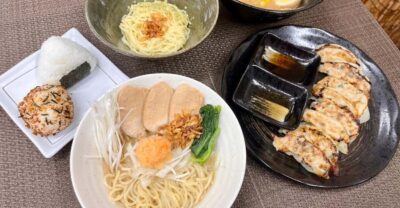
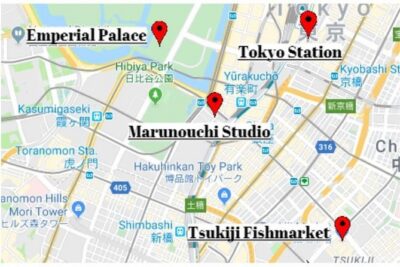
Tokyo Tsukiji Fish Market Tour and Sushi Making Lesson
Read our review →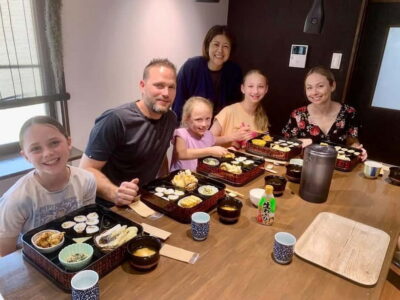
Japanese Washoku Bento Small Group Cooking Class
Read our review →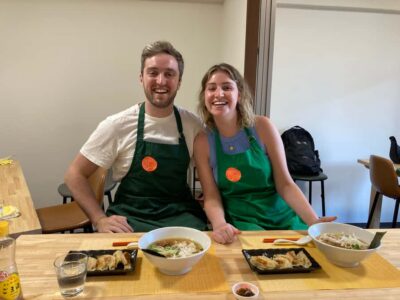
Lists this class appears in