REVIEW · MARRAKESH-SAFI, MOROCCO
Marrakech: Moroccan Cooking Class with a Local Family
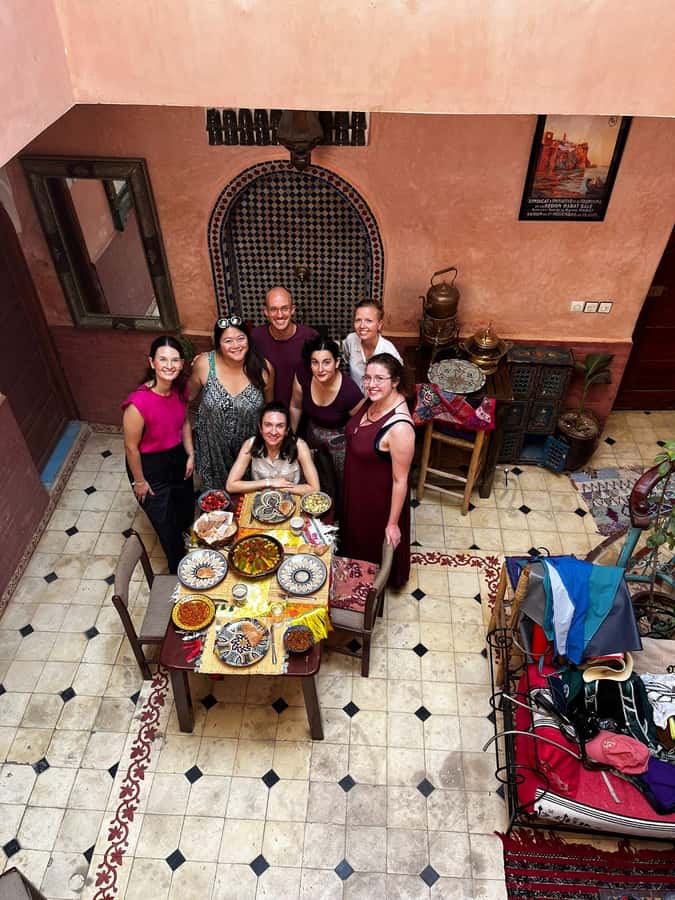
Come hungry, leave with recipes. This four-hour class takes you into an authentic Moroccan home in the Medina, where you learn to handle local spices, prepare several dishes, and sit down to eat what you made. I like the hands-on format, and I like the warm family setting with hosts such as Fatima and Yasser. The $33 price also covers the lesson, ingredients, drinks, equipment, and meal.
One point needs clearing up: the advertised experience may sound like a market visit, but this class does not always include one. Fresh vegetables may be bought in the morning instead, leaving your afternoon for cooking. That is not a bad trade if you want kitchen time, but it matters if shopping in the souks is your main goal.
Key points to know before booking
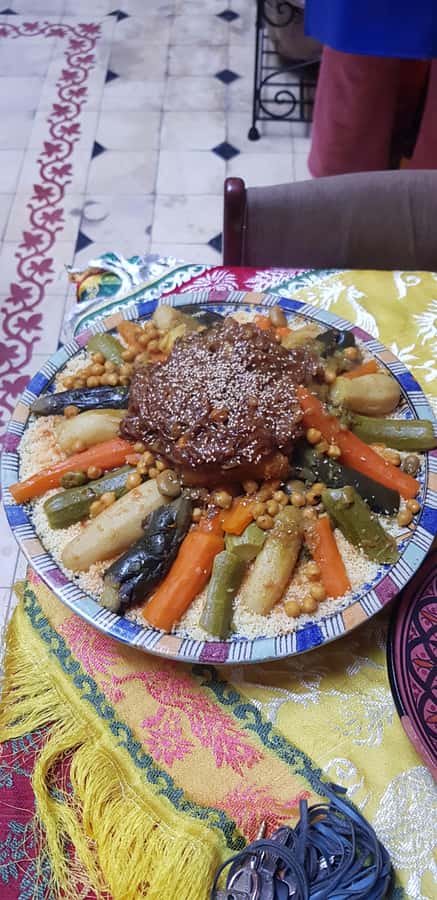
- A real cooking session: You prepare salads or briwat, a main dish such as tagine, couscous, or tanjia, and a Moroccan dessert.
- Family-style setting: Tea, coffee, or juice comes before the cooking, with time to talk with the host’s family about daily life in Morocco.
- Good value at $33: Your fee includes the class, cooking gear, drinks, cookies, and the meal you prepare.
- Strong teaching: Fatima and Yasser are praised for patience, humor, language skills, and making sure every person gets a turn.
- Useful take-home material: Recipes, and sometimes cooking videos, are sent afterward so you can repeat the dishes at home.
- Easy cancellation: You can cancel up to 24 hours ahead for a full refund, and reserve now while paying later.
Arriving at the Medina meeting point
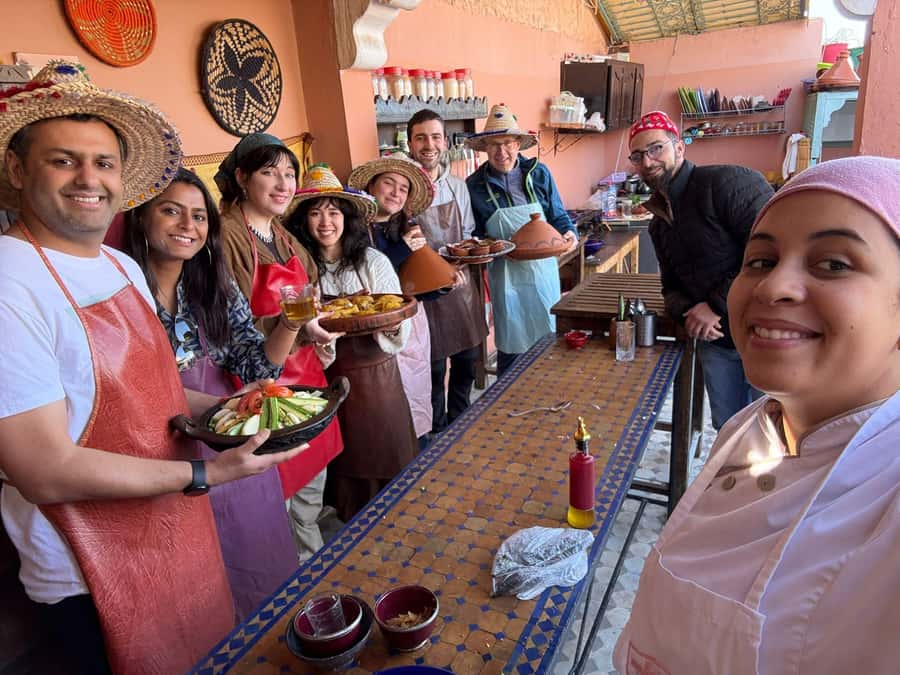
The meeting point is in front of Andalusia Restaurant, next to Mohamed 5 High School. Transport is not included, so you need to make your own way there. The location is described as easy to find, though the riad itself can involve a maze of Medina lanes once you leave the main street.
This is one reason I would allow extra time. Marrakech’s old city is not built around neat signs and straight roads. Bring the address details on your phone, and check the starting time before setting out. One person had trouble with a different map pin, so it is sensible to confirm the meeting instructions in advance.
Once you meet the chef or greeter, you go to an authentic Moroccan house in the heart of the Medina. The setting may be a riad or rooftop terrace rather than a polished cooking school. That gives the class a more local feel, but it also means the surroundings can be less formal and, in cooler months, possibly chilly. One useful tip is to bring a sweater or light jacket if your class is held outdoors.
The experience lasts about four hours. Depending on the day and the menu, it can be arranged as a morning or afternoon activity. Check the available start times when booking.
More Home Cooking Classes in Morocco
- Marrakech: Moroccan Cuisine Cooking Class in Local Home
★ 4.8 · 508 reviews - Fez: Souk Tour and Traditional Home Cooking Class
★ 4.9 · 186 reviews - Old local Market visit+Moroccan cooking class with a local family
★ 5.0 · 84 reviews
Moroccan tea before the knives come out
The welcome is deliberately relaxed. You are offered Moroccan tea, coffee, juice, and cookies, then have an open conversation with the family. This opening matters because the class is not only about copying recipes. It gives you a chance to ask how food fits into ordinary Moroccan life.
The hosts explain family habits, ingredients, and traditions in a setting that feels more personal than a restaurant demonstration. Children and adults can take part, and the class has worked well for mixed-age families. Even people with basic cooking skills are given something useful to do, while more confident cooks can pick up new knife techniques and preparation methods.
The language support is another practical strength. The host or greeter may speak English, French, and Arabic. Yasser, in particular, is praised for switching between languages and keeping everyone included. Fatima is also repeatedly singled out for patience, humor, and her ability to help children and adults at the same table.
Learning Moroccan spices before cooking
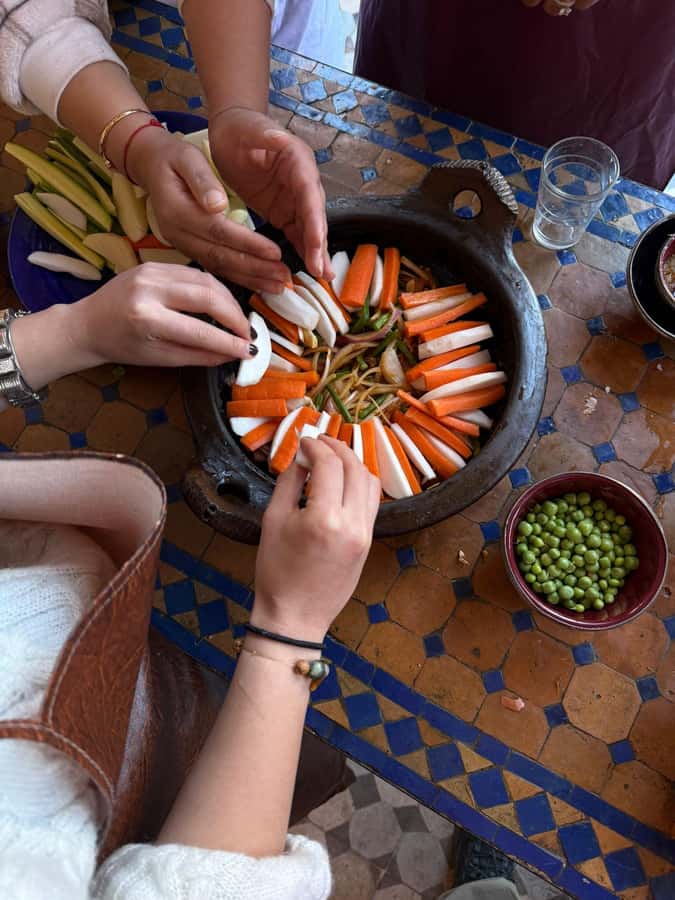
The class begins with an introduction to spices and vegetables used in Moroccan food. You get to taste and discuss the seasonings rather than simply watch someone throw them into a pot.
This is useful beyond the four-hour session. If you plan to shop in the souks, learning how spices should smell and taste can help you choose with more confidence. The class also offers tips about buying spices at fair local prices, and one person even received freshly milled spices to take home.
The emphasis is practical. You learn which flavors work together, how Moroccan dishes build taste, and how to avoid wasting food. One especially useful lesson concerns knife skills and efficient preparation. The class is not just a photo opportunity with a tagine on the table. You are expected to participate.
Preparing salads, briwat, and the main dish
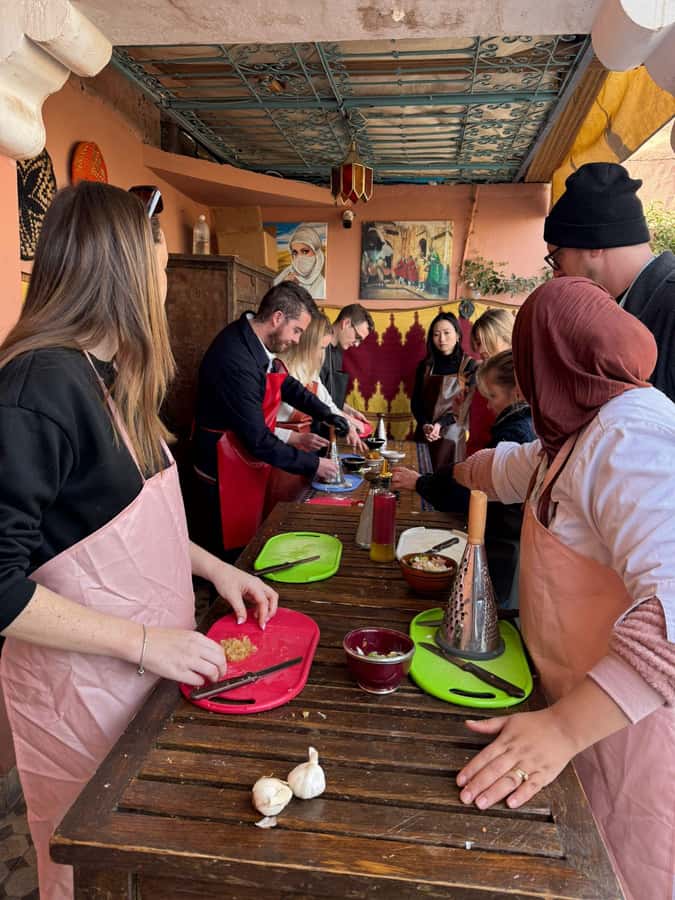
The menu is suggested by the chef and can change. You may prepare Moroccan salads or briwat as a starter, followed by a main dish such as chicken or vegetable tagine, couscous, or tanjia. Dessert comes afterward.
A typical session described by one participant included three side dishes, a chicken tagine, and a light dessert. Another group prepared chicken and vegetable tagine with several side dishes. This gives you a better sense of the meal than the broad menu list alone: expect several shared preparations rather than one single dish.
The teaching is hands-on. You may chop vegetables, mix ingredients, season dishes, shape pastries, and help assemble the tagine. The chef explains each stage and makes sure people take turns. Yasser is praised for creating a lively group rhythm, while Fatima is noted for helping every person get involved.
There is one small limitation. You may not handle every technical stage yourself. One participant noted that the assisting staff cleaned the chicken and heated the dishes. That is worth knowing if you expect a professional kitchen apprenticeship. Still, the class gives you plenty of practical work, and the chef remains available to show techniques and correct mistakes.
The food preparation also teaches restraint. Moroccan cooking is not simply about adding more spice. You learn how to balance seasoning, cut ingredients properly, and make good use of what is available. That makes the lesson easier to repeat at home.
More Moroccan Cooking Classes in Marrakesh:
- Marrakech: Moroccan Cooking Class with Pickup
★ 4.6 · 1,862 reviews - Marrakech: Traditional Moroccan Cooking Class & Market Visit
★ 4.8 · 1,861 reviews - Marrakesh: Moroccan Dishes Cooking Class with a Local Chef
★ 5.0 · 1,615 reviews - Marrakech: Moroccan Cooking Workshop at La Maison Arabe
★ 5.0 · 446 reviews
Tagine tips that are useful at home
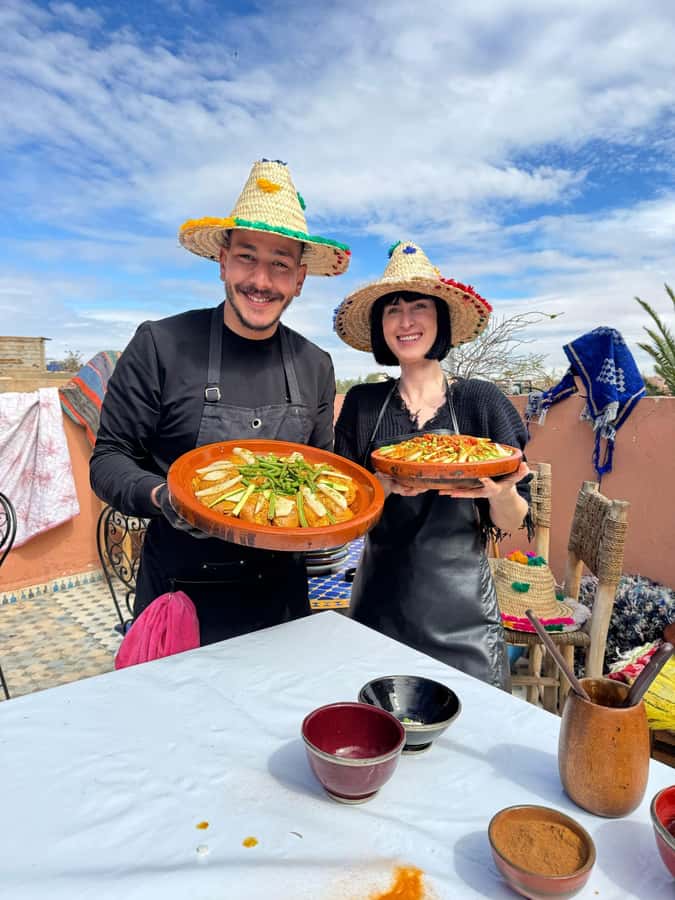
The tagine is more than a serving dish. The chef explains how to prepare food in it, how the ingredients are arranged, and how the cooking process works. These details are valuable because a tagine can look simple while hiding a fair amount of technique.
You receive guidance on seasoning, vegetable preparation, and the order in which items go into the dish. Even if you do not buy a tagine in Marrakech, the method can be adapted to other cookware at home.
The class is also a good place to ask questions. You can ask why one spice is used instead of another, how long a dish needs, or how to adjust a recipe for your own kitchen. The teaching style appears friendly rather than strict, so beginners should not feel embarrassed about asking basic questions.
Vegetarian and allergy-friendly cooking
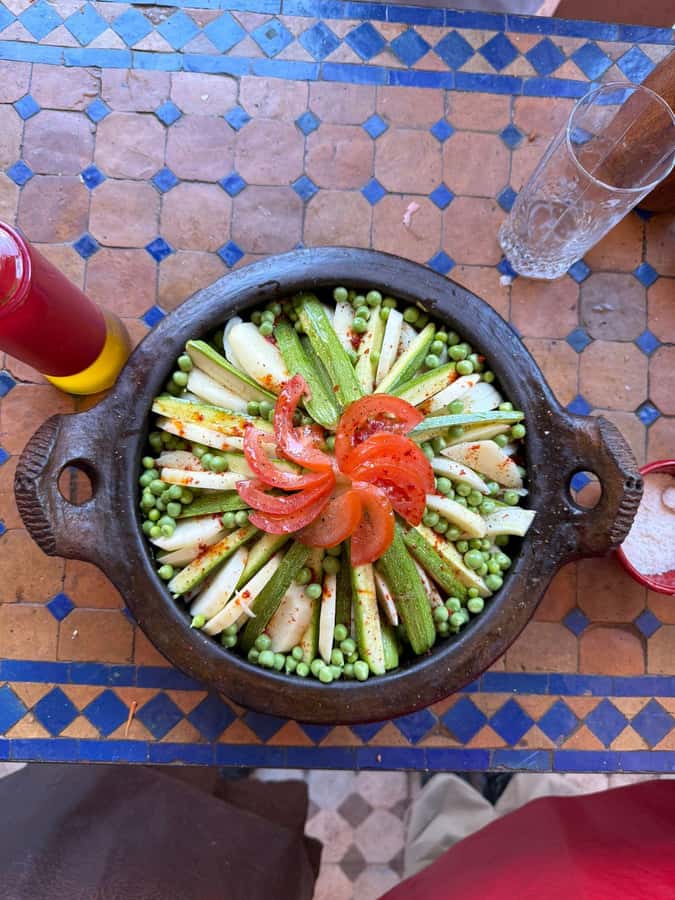
Vegetarian and vegan requests are accepted, and allergies are not presented as a problem. You should still explain your needs clearly when booking or before the class begins, especially if you need to avoid a particular ingredient.
The menu can be adjusted, which is important in a shared cooking session. Some people specifically found the vegetarian and vegan arrangements easy, with no fuss. This makes the class suitable for families or mixed groups where not everyone eats the same way.
Because the food is prepared together, you can also see what goes into each dish. That is helpful if you need to monitor ingredients more closely than you could in a restaurant.
Eating the meal you made
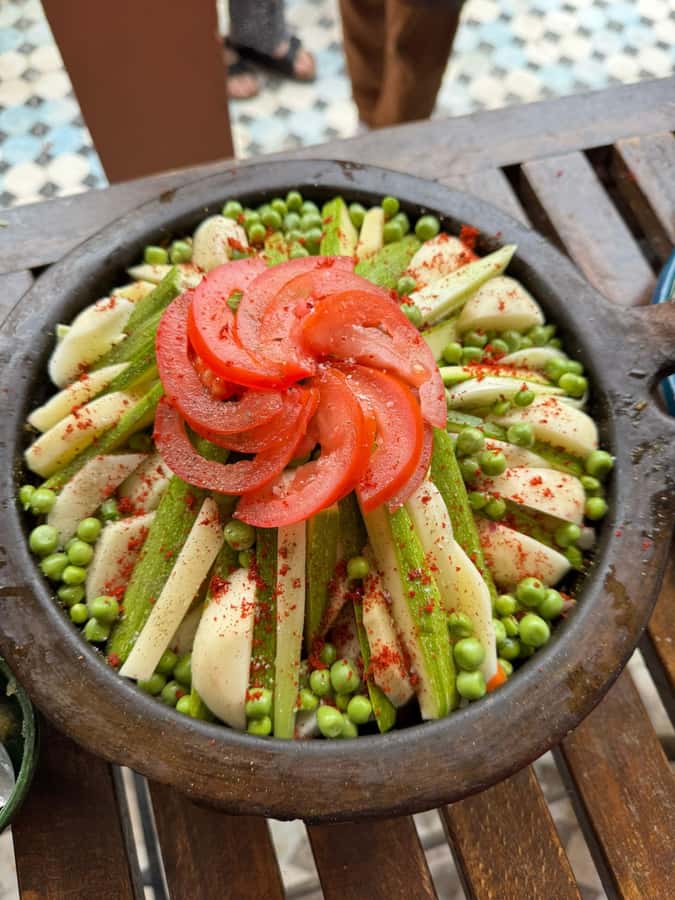
After the cooking, you sit down with the family and eat the finished dishes. This is the payoff, but it also changes how you understand the meal. You have handled the ingredients, watched the cooking, and seen how separate preparations come together.
The food is often described as the best meal people had in Morocco or Marrakech, especially the tagine. Of course, taste is personal, and no cooking class can guarantee that every menu will suit every palate. Still, the repeated praise for the freshly cooked food is easy to understand: it is served soon after preparation, and you have helped make it.
The meal also gives the group time to relax. Classes bring together people from different countries, and the shared table creates a natural chance to exchange Marrakech tips. If you are traveling alone, this can be a pleasant way to meet people without signing up for a large sightseeing tour.
The family atmosphere is central. Fatima, Yasser, Leila, and their assistants are praised for being welcoming and funny, not simply for knowing recipes. That human contact is what separates this from a standard demonstration.
Recipes and cooking help after the class
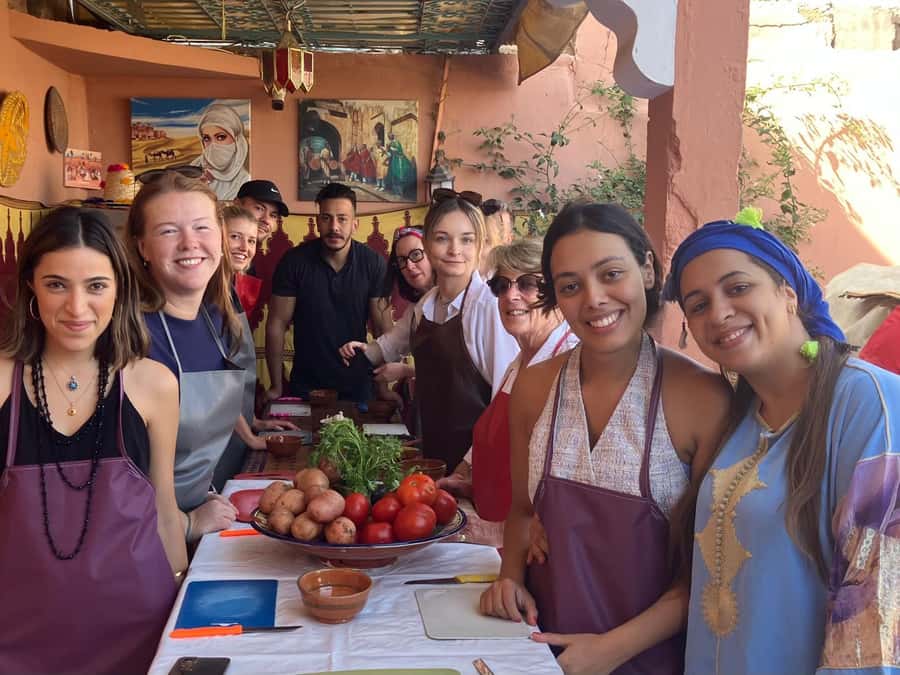
A valuable extra is the material sent afterward. You receive the recipes, and some participants also received videos showing how to prepare the dishes at home.
That makes the $33 fee look even better. You are not paying only for lunch and four hours of entertainment. You leave with a set of instructions you can use after your Morocco trip, plus enough technique to understand why the dishes work.
The recipes are also a practical souvenir. Spices and cookware can be awkward purchases if you are unsure what to do with them. Taking the class first helps you decide what is worth buying and how to use it.
Price, timing, and who gets the most from it
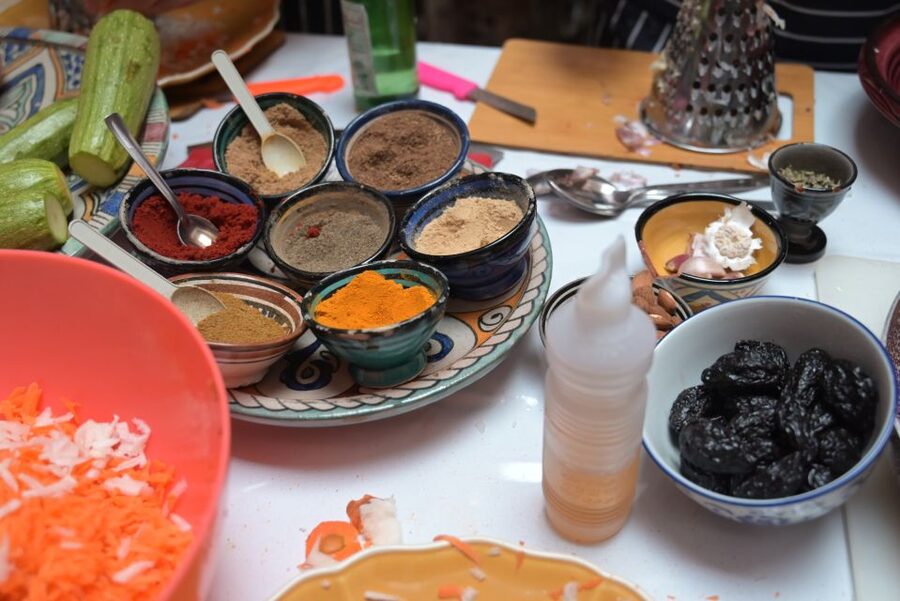
At $33 per person, this is a strong-value activity. The price includes the cooking lesson, equipment, drinks, cookies, and meal. You also receive the social experience of meeting the family and other people in the group.
The main extra cost is transport to and from the meeting point. Since the class takes four hours, you should treat it as a half-day plan rather than something to squeeze between tightly timed sights.
I would book this early in your Marrakech stay if you can. The food advice may help with later souk shopping, restaurant choices, and spice purchases. It also gives you a cultural frame for dishes you will see across the city.
This class suits:
- Families with children who like practical activities
- Couples wanting a meal with a local connection
- Solo visitors who enjoy meeting people
- Beginners who want clear instructions
- Confident home cooks looking for Moroccan methods
- Vegetarian or vegan diners who need menu flexibility
It may not suit you if your main goal is a guided food market tour. The market visit is not guaranteed, and several people preferred using that time for cooking. It may also disappoint you if you expect to perform every professional kitchen task yourself, since assistants may handle cleaning meat and heating dishes.
The overall rating is 4.9 out of 5 from 668 ratings, and the praise centers on the same points: friendly chefs, hands-on preparation, delicious food, strong group atmosphere, and useful instruction. Those are the areas that matter most in a cooking class, and they appear to be the experience’s real strengths.
Should you book Chef Fatima’s Marrakech cooking class?
Yes, if you want to do more than eat Moroccan food. You will learn how the spices work, practice several techniques, cook a full meal, and share it with a local family.
Book it for the warm hosting and genuine participation, not for a guaranteed market visit or a polished culinary-school setting. Confirm the meeting details, bring a jacket in cooler weather, explain dietary needs, and leave enough time to reach the Medina meeting point.
At $33, the combination of food, instruction, family contact, and recipes for home use is hard to beat. For many visitors, this could become the meal they remember most clearly because they helped make it.
FAQ
How long does the Marrakech cooking class last?
The class lasts four hours, including the welcome, cooking lesson, and shared meal.
How much does the class cost?
The price is $33 per person.
Where is the meeting point?
Meet in front of Andalusia Restaurant, next to Mohamed 5 High School.
Is transport included?
No. Transport is not included, so you need to make your own way to the meeting point.
What food will I cook?
The menu may include Moroccan salads or briwat, a main dish such as tagine, couscous, or tanjia, and a Moroccan dessert.
Can vegetarian or vegan participants join?
Yes. Vegetarian and vegan requests can be accommodated, and allergies are not presented as a problem.
What languages are available?
The host or greeter may speak English, French, and Arabic.
Do I receive the recipes afterward?
Yes. Recipes are provided after the class, and cooking videos may also be sent for some dishes.
More Home Cooking Classes in Marrakesh
- Khmer Cooking Class at a Local’s Home in Krong Siem Reap
★ 5.0 · 2,731 reviews - Local Home Korean Cooking Class & Market Adventure in Seoul
★ 5.0 · 1,024 reviews - Mexican Cooking from Scratch in a Local Home in Tulum
★ 5.0 · 585 reviews - Pastamama, Home Cooking Classes at Grace’s Home
★ 5.0 · 521 reviews
Just added around Marrakesh
- Moroccan Food Cooking Class with a Local Chef in Marrakech★ 4.7 · 90 reviews
- Marrakech: 3-Hour Open-Air Moroccan Cooking Course★ 4.9 · 74 reviews
- Moroccan cooking class in Marrakech with berber chef★ 5.0 · 16 reviews
- Edgy 8 Dish Private, Fusion Cooking Class, Menu Plan, Market★ 4.9 · 31 reviews
- Marrakech: Moroccan Cooking Class with Local Chef★ 4.6 · 87 reviews
- Marrakesh: Private Cooking Class & Local Market Shopping★ 4.7 · 15 reviews
- Marrakech: Authentic Moroccan Cooking Class in a Farm★ 4.8 · 8 reviews
- Marrakech: Moroccan Cooking Class with Amazing Local Chef!★ 4.9 · 100 reviews
Home Cooking Classes, compared.
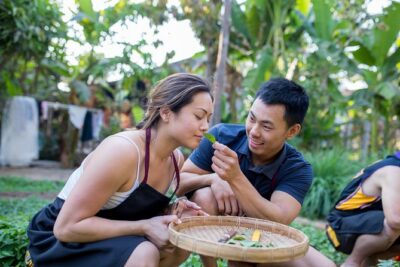
Khmer Cooking Class at a Local’s Home in Krong Siem Reap
Read our review →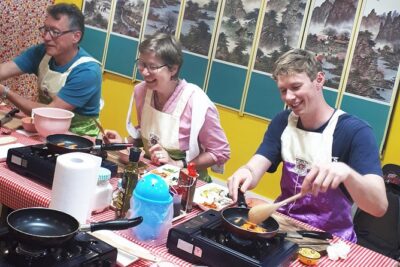
Local Home Korean Cooking Class & Market Adventure in Seoul
Read our review →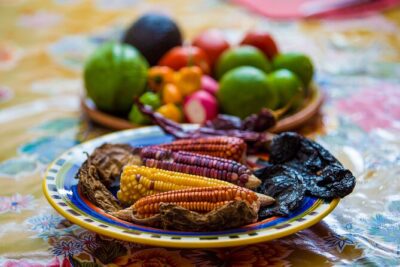
Mexican Cooking from Scratch in a Local Home in Tulum
Read our review →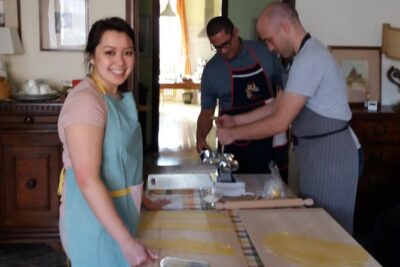
Pastamama, Home Cooking Classes at Grace’s Home
Read our review →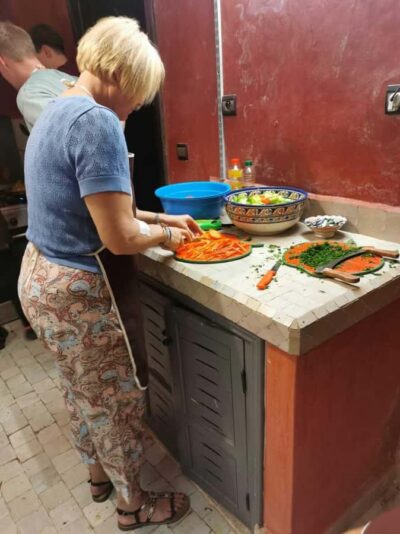
Traditional Cooking Class & meal with Local Family
Read our review →