
REVIEW · HONSHU, JAPAN
Tokyo: Sushi Making Experience & Japanese Cooking Class
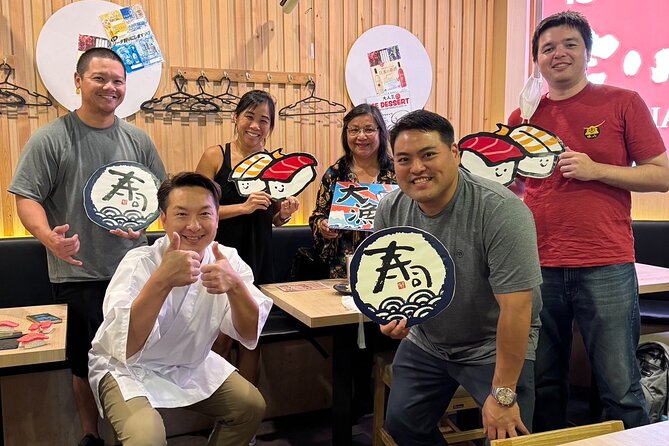
Sushi is easier than it looks. This 90-minute class turns a Tokyo meal into a hands-on lesson in maki sushi and temari sushi, with simple guidance, cultural quizzes, and all the tools you need. I like the friendly English and Chinese support, and I like that you can choose a vegetarian menu or avoid raw fish. The main drawback is the short format: you get a useful introduction, not a full Japanese cooking course.
The class meets by Shinbashi Station, making it a practical choice if you are already exploring central Tokyo. Staff also help with commemorative photos, and one recent class led by Shay was praised for its small, quiet feel and high-quality fish. If you want a relaxed food activity rather than a crowded sightseeing stop, this is a good fit.
Key points to know before booking
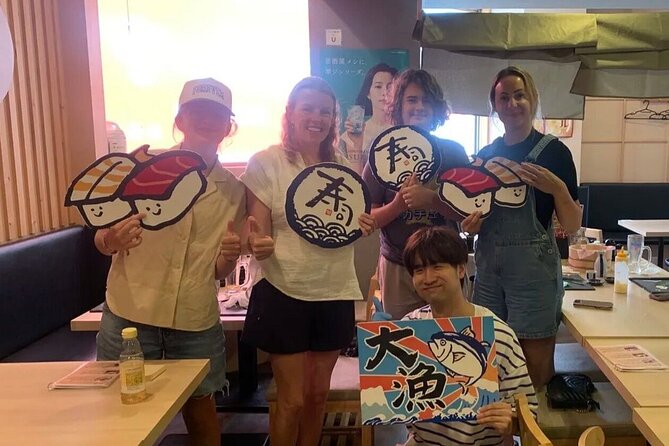
- You make two sushi styles: Learn the basics of rolled maki sushi and hand-shaped temari sushi.
- Culture comes before the cutting board: Short quizzes cover sushi history, customs, and table etiquette.
- The fish selection is broad: Ingredients can include tuna, salmon, squid, shrimp, and flying fish roe.
- Vegetarians have an option: Ask for the vegetarian menu, or tell staff if raw fish makes you uncomfortable.
- The class stays fairly small: A maximum of 15 people allows for personal help, though a minimum number is required for the class to run.
- The price includes the working essentials: At $58 per person, ingredients, cooking tools, instruction, and photo help are included. Drinks cost extra.
Starting near Shinbashi Station
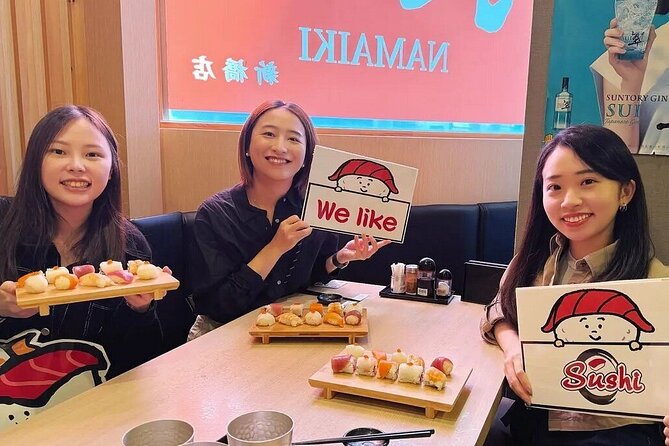
Your meeting point is the Karasumori Exit of JR Shinbashi Station. This detail matters because Shinbashi has several exits, and Tokyo station areas can become confusing when you are trying to find a tour at a set time. Check the supplied location photo before leaving your hotel, and allow enough time to reach the correct exit.
The station location also makes this class easy to fit into a day in Tokyo. You do not need to travel far outside the city center for a food activity, and the experience lasts only 90 minutes. I would book it for a morning, early afternoon, or early evening slot, depending on the available starting times.
The group can hold up to 15 people. That is not a private lesson, but it is still a manageable size for a practical class. A recent session with Shay was described as small, quiet, and personal, which is exactly the sort of atmosphere that helps when you are learning a new technique. Group size may vary, so you should not assume every session will feel identical.
More Sushi and Japanese Classes in Tokyo:
- Ramen & Gyoza Cooking Class in Tokyo with Local Supermarket Visit
★ 5.0 · 823 reviews - Tokyo Tsukiji Fish Market Tour and Sushi Making Lesson
★ 5.0 · 390 reviews - Tokyo: Easy Ramen Cooking Experience in Kabukicho, Shinjuku
★ 4.6 · 321 reviews
Sushi culture before sushi making
The class begins with quizzes about sushi history, culture, and etiquette. This is a smart opening because it gives you some context before you start handling rice and fillings.
Sushi is not simply raw fish placed on rice. The class helps explain the customs around the food and gives you a clearer idea of how sushi fits into Japanese dining. The quiz format should also keep this part active rather than turning it into a long lecture.
I like this approach for first-time visitors. You get enough cultural background to make the food feel connected to Japan, but the lesson still moves quickly toward the main event. Since the full experience lasts only 90 minutes, the introduction cannot cover every detail of sushi-making or Japanese cuisine. Think of it as a useful primer, not a formal culinary school lesson.
The etiquette section is especially handy if you plan to eat at sushi restaurants during your trip. You will not leave as a sushi expert, but you should have a better understanding of the food and the customs around it.
Making maki sushi by hand
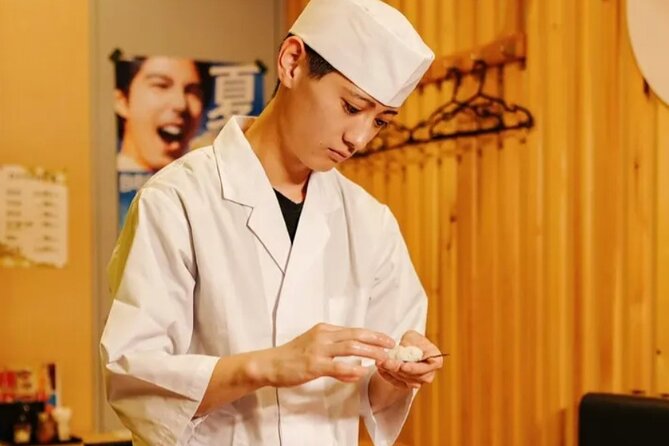
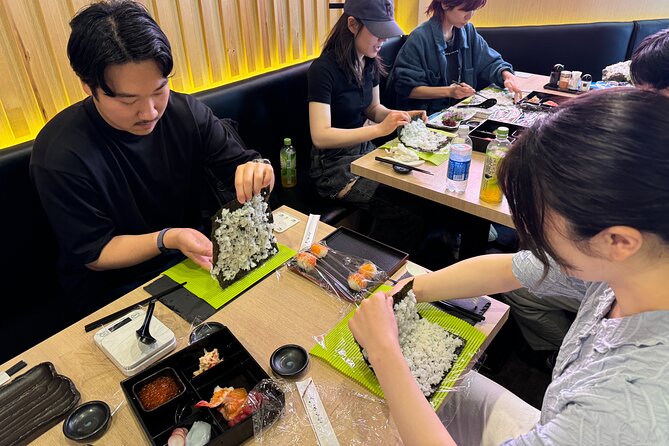
The first major practical skill is likely to be maki sushi, the familiar rolled style. You work with sushi ingredients and use the provided cooking tools to build the roll.
The ingredients may include tuna, salmon, squid, shrimp, flying fish roe, cucumber, egg, ginger, and sesame. That gives you a mix of seafood, vegetables, seasoning, and texture. The exact combination can depend on the menu, but the range is broad enough to show how different fillings change the finished sushi.
Maki sushi looks straightforward until you try to keep the filling centered and the roll firm. That is where the instructor’s help matters. English and Chinese guidance is available, and staff assist with the sushi-making process rather than leaving you to guess your way through it.
I would pay close attention to how much filling you use. New sushi makers often add too much, which makes the roll difficult to close and slice. The point is not to create the biggest roll on the table. A neat, balanced roll is the better goal.
This is also the part of the class where the group setting can work in your favor. You can watch the instructor, follow the steps, and compare your technique with the people around you. If you need help, the staff can guide you through the process.
Shaping temari sushi
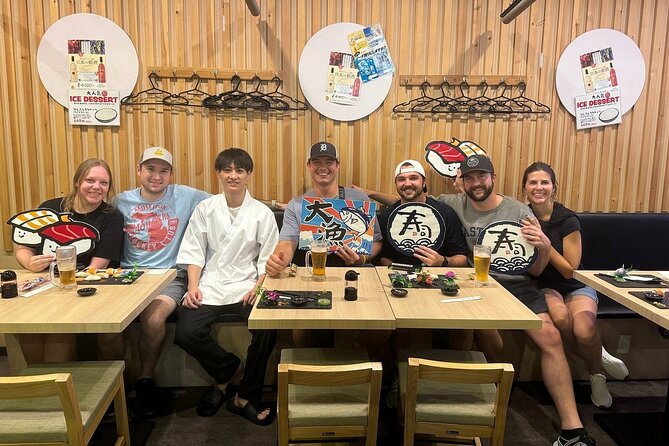
Temari sushi gives you a different lesson in presentation. Instead of making a long roll, you shape the sushi into small rounded pieces.
This style is approachable because it does not require the same rolling motion as maki sushi. It also gives you a chance to focus on proportions and appearance. The finished pieces can look decorative, but the class is still practical rather than focused on professional-level precision.
For many people, temari sushi may be the more enjoyable part of the class. You can see the form taking shape in your hands, and the technique is easy to understand once the instructor demonstrates it. You still need to handle the rice carefully, but the process should feel less intimidating than making a tight, even roll.
Making both styles is a good use of the 90 minutes. You learn that sushi is not one single technique. Maki and temari sushi require different hand movements, and the contrast gives the class more variety than a session focused only on rolled sushi.
A few more cooking classes around Tokyo worth a look
- Ramen and Sushi Cooking Class with Sake Pairing Set in Tokyo
★ 5.0 · 291 reviews - Tokyo: Wagyu and 7 Japanese Dishes Cooking Class
★ 4.9 · 273 reviews - Tokyo Washoku 4-hour Cooking Class: From Market to Table
★ 5.0 · 253 reviews - Small-Group Wagyu Beef and 7 Japanese Dishes Tokyo Cooking Class
★ 5.0 · 190 reviews
Fish, vegetarian choices, and food comfort
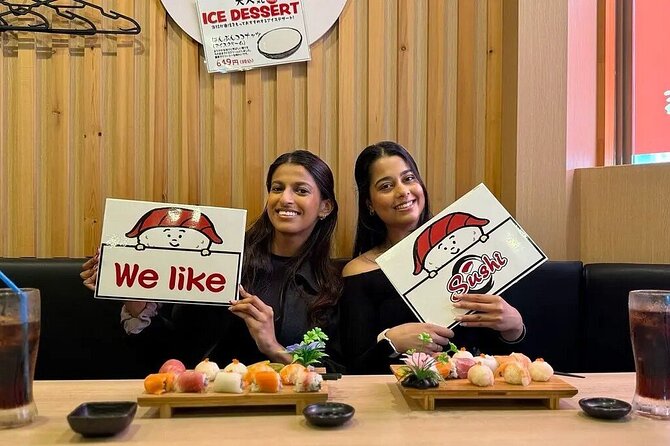
The menu includes several common seafood ingredients, including tuna, salmon, squid, shrimp, and flying fish roe. A recent class with Shay received praise for the quality of the fish, which is an important point at a sushi-making activity. Fresh ingredients make a difference in both flavor and confidence, especially if you are cautious about raw seafood.
You do not need to be comfortable with every item on the menu. Tell the staff if raw fish makes you uncomfortable. A vegetarian menu is also available, but you should choose or request it in advance so the class can prepare the appropriate ingredients.
The supplied information does not list every item on the vegetarian menu, so you should not expect a particular vegetable or substitute unless it is confirmed when you book. Still, having a vegetarian option makes this activity more flexible than many sushi classes.
The same advice applies if you have strong food preferences. Mention your needs clearly before the class begins. The staff speak English, Traditional Chinese, and Simplified Chinese, which should make basic communication easier.
Friendly instruction and souvenir photos
The class includes instruction in English and Chinese. That is one of its strongest practical features. Sushi-making involves small movements and timing, so clear demonstrations and quick corrections are more useful than a long written explanation.
Staff also help with commemorative photos. This is a small inclusion, but it adds value because your hands may be occupied with rice, fillings, and tools throughout the class. You can focus on the activity while someone helps capture the moment.
Do not confuse photo assistance with a dedicated professional photo session. The information promises help with commemorative pictures, not a formal photo package. It is best viewed as a friendly extra that lets you document the experience.
The personal tone matters here. Shay was specifically praised for showing the technique carefully and creating a quiet, personable session. I would value that kind of instruction more than a large, flashy class. Sushi is a tactile skill, and patience from the instructor can make the difference between a fun lesson and a frustrating one.
Is $58 a fair price?
At $58 per person, this is not the cheapest way to eat sushi in Tokyo. You can find inexpensive sushi meals for less, and the class lasts only 90 minutes. The price makes more sense when you count what is included: sushi ingredients, cooking tools, instruction in English or Chinese, and assistance with photos.
You are paying for an activity as well as food. The useful question is not simply whether the sushi costs $58. Ask whether you want to spend part of your Tokyo trip learning a skill, hearing about sushi culture, and making your own meal.
I think the value is strongest for first-time visitors, families with older children, couples, and small groups of friends. It also works well for anyone who wants a break from museums and temples without giving up a connection to Japanese culture.
The value is weaker if you already make sushi at home or want a long, detailed cooking course. The session is short, and the focus is limited to maki sushi, temari sushi, and the related cultural material. Drinks are not included, and juice and alcoholic beverages cost extra.
Timing, group size, and practical limits
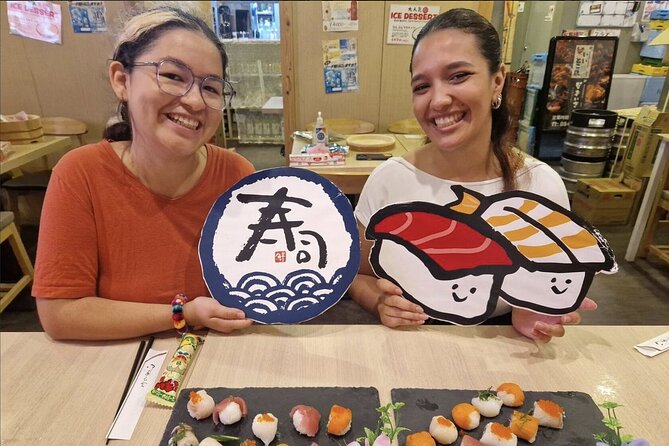
The experience lasts 90 minutes, so it is easy to add to a busy Tokyo itinerary. You will not lose half a day, but you should arrive at the correct Shinbashi meeting point on time. Check the available starting times when booking.
The class requires a minimum number of participants, so it can be canceled if that number is not reached. It can also be canceled during severe weather, including typhoons or heavy snow. Tokyo weather can change your plans quickly, so keep some flexibility in your schedule.
Children under 4 are not suitable for this activity. The maximum group size is 15 people. The information does not set out any other age restrictions, so families with older children should check the booking details if they have specific concerns.
You can cancel free of charge up to 24 hours before the experience begins. The reserve-now, pay-later option is useful if your Tokyo schedule is still changing, since you can hold a place without paying immediately.
Who should book this sushi class?
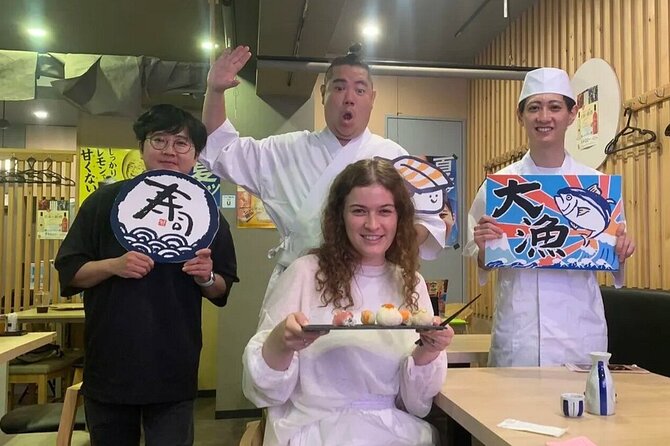
I would recommend it if you want a short, active introduction to Japanese food. You get to handle the ingredients, learn two sushi styles, and take part in a little cultural quiz rather than sitting through a demonstration.
It is especially suitable for:
- First-time visitors to Tokyo who want a food-based activity
- Couples or friends looking for a shared experience
- Families with children aged 4 and older
- Vegetarians who confirm the alternative menu
- People who want English or Chinese instruction
- Anyone uneasy about raw fish but still curious about sushi-making
I would think twice if you want a private class, a long menu, or advanced knife and cooking instruction. The format is friendly and introductory. Its strength is accessibility, not technical depth.
Should you book the Shinbashi sushi class?
Book this experience if you want to make your own sushi without giving up much time in Tokyo. The mix of maki sushi, temari sushi, culture quizzes, multilingual help, and a vegetarian option gives the class broad appeal.
The strongest reasons to choose it are the personal instruction, the good reported fish quality, and the chance to learn by doing. Shay’s recent class was praised for being quiet and personable, which is encouraging for anyone who dislikes large tourist activities.
Skip it if you want a full Japanese cooking course or a long restaurant meal. At $58, the class is priced as a guided activity, not as a bargain lunch. For the right visitor, though, it is a practical way to connect with Japanese food, leave with new skills, and enjoy a memorable stop near Shinbashi Station.
FAQ
How long does the sushi-making experience last?
The experience lasts 90 minutes.
Where is the meeting point?
Meet at the Karasumori Exit of JR Shinbashi Station on the JR Yamanote Line. Use the location photo for the detailed route.
What sushi will I learn to make?
The class teaches you to make maki sushi and temari sushi.
Is the class available in English?
Yes. Instruction and guidance are available in English, Traditional Chinese, and Simplified Chinese.
Is a vegetarian menu available?
Yes. A vegetarian menu is available. You should also tell the staff if you are uncomfortable eating raw fish.
Are drinks included?
No. Juice and alcoholic beverages are not included.
Can I cancel the booking for a refund?
Yes. You can cancel up to 24 hours before the experience starts for a full refund.
Just added around Tokyo
- Tokyo: Sushi Cooking Class with Sake Tasting★ 4.8 · 55 reviews
- Tokyo: Sushi roll and side dish cooking experience★ 5.0 · 2 reviews
- Tokyo: Gyoza Making from Scratch – Ultimate Cooking Class★ 5.0 · 2 reviews
- Tokyo: Night Cooking Class: 5 Home-Cooked Japanese Dishes★ 4.9 · 13 reviews
- Tokyo: Real Ramen & Dumpling Cooking with Master Chef★ 5.0 · 10 reviews
- Tokyo: Kawaii Bento Cooking Class – Cute Character Lunchbox★ 4.9 · 55 reviews
- Tokyo: Sushi and Ramen Cooking Class with Sake Pairing Set★ 5.0 · 81 reviews
- Tokyo: Japanese Home-style Cooking Class with Meal★ 4.5 · 3 reviews
Japanese & Sushi Cooking Classes, compared.
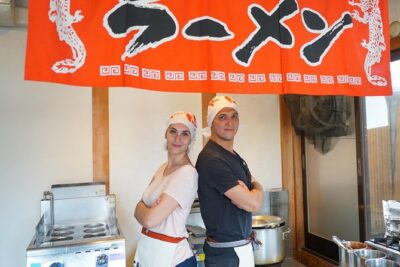
Ramen Cooking Class at Ramen Factory in Kyoto
Read our review →
Ramen & Gyoza Cooking Class in Tokyo with Local Supermarket Visit
Read our review →
Ramen Cooking Class at a Ramen Factory with Souvenir
Read our review →
Sushi Making Osaka! Popular Sushi Class in Japan!
Read our review →
Tokyo Tsukiji Fish Market Tour and Sushi Making Lesson
Read our review →
Japanese Washoku Bento Small Group Cooking Class
Read our review →
Lists this class appears in