REVIEW · HONSHU, JAPAN
Tokyo: Private Japanese Cooking Class with a Local Chef
Tokyo tastes better at home. This private cooking class takes you into Chef Sato’s small apartment in Shinjuku, where you prepare Japanese food, eat what you make, and hear how seasonal cooking fits into everyday life. I especially like the personal setting and the chance to cook dishes such as ramen, gyoza, teriyaki chicken, curry rice, or a traditional set meal rather than simply watching a demonstration. The optional walk after class is another strong point, since Sato shows you parts of Shinjuku and Nakano that you might otherwise miss.
The main consideration is that the menu depends on the day of the week, so you cannot assume you will make ramen or sushi. The cooking session itself is scheduled for two and a half hours, while the optional afternoon walk adds another two and a half hours. The advertised duration is also shown as 270 minutes, so check the exact timing when you book.
Key points at a glance
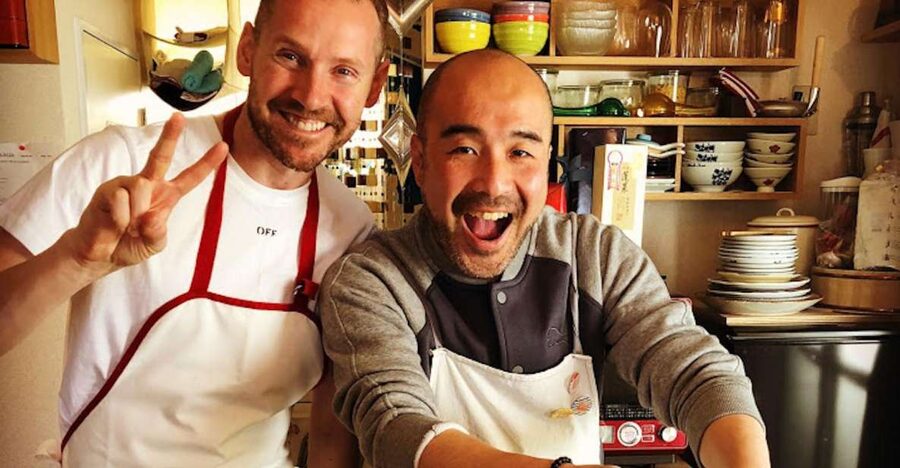
- Chef Sato welcomes you into his Shinjuku apartment, making the class feel closer to cooking with a friend than attending a formal school.
- The menu changes by weekday, with traditional Japanese meals on some days and popular foods such as ramen, gyoza, curry, okonomiyaki, and kara-age on others.
- Seasonal ingredients are central, giving you a useful introduction to one of the basic ideas behind Japanese home cooking.
- You take part in the work, chopping, seasoning, preparing, cooking, and arranging the dishes rather than standing at the side.
- The optional Tokyo walk follows the morning class, with stops in Shinjuku and Nakano that are not necessarily listed in guidebooks.
- The private format suits couples, families, and small groups, especially anyone who wants conversation and personal attention.
A home kitchen in the middle of Shinjuku
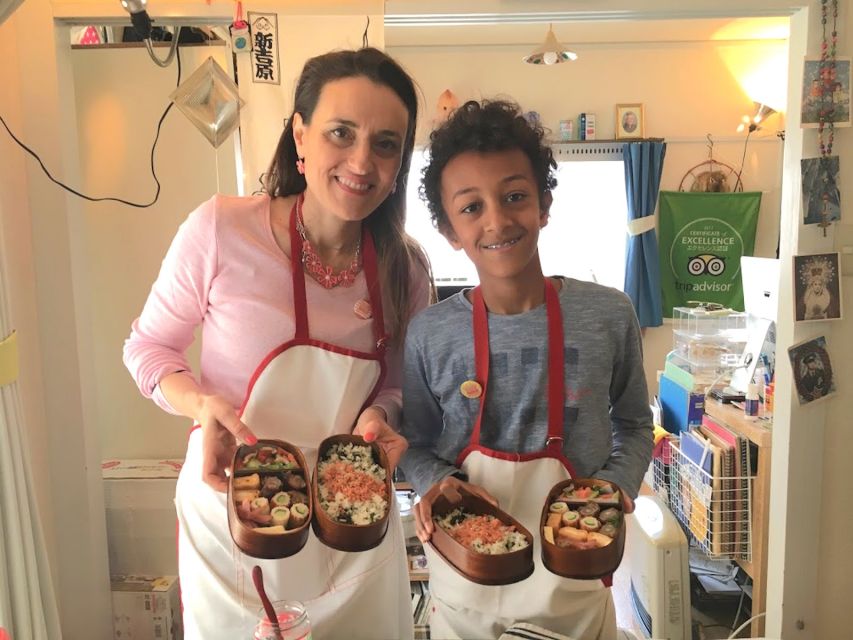
The meeting point is the police box at the east exit of Shinjuku Station, at 3-38-38-1, Shinjuku-ku. From there, Chef Sato leads you to his apartment. That short walk matters. You are not being sent across Tokyo to a cooking studio designed for tourists. You are going into a real residential home in one of the city’s best-known districts.
The apartment is described as cute and welcoming, with interesting household items and personal stories attached to it. Space is naturally more limited than in a commercial kitchen, but that is part of the appeal. You see how Japanese food can be made in an ordinary home setting, using methods that are realistic to repeat in your own kitchen.
Chef Sato has cooked traditional Japanese food since childhood, learning from his parents. During the class, he connects the food to his family background and explains why seasonal produce matters. That gives the meal more meaning than a list of instructions. You learn not only what to do, but why a particular ingredient or preparation style belongs in Japanese cooking.
His English is described as excellent, and the experience is conducted in English. Several accounts also describe him as patient, friendly, and easy to talk with. If you enjoy asking questions, this is the sort of class where conversation is part of the experience.
More Private Cooking Classes in Japan
- Private Home Cooking in Yanaka – Local Flavors in a Warm Setting
★ 5.0 · 173 reviews - Unique Private Cooking Class with a Tokyo Local Emi
★ 5.0 · 131 reviews - Private Kyoto Sushi Cooking Class & Tea Ceremony with Emika
★ 5.0 · 66 reviews
The menu depends on the day you choose
The weekly schedule is useful, but it also requires a little planning. From Saturday through Tuesday, the class focuses on standard traditional meals. The possible dishes include teishoku, a set meal with rice, a seasonal main dish, and two seasonal side dishes. You might also prepare donburi, obento, tonjiru, or rice balls.
From Wednesday through Friday, the focus shifts to popular Japanese foods. Possible menus include curry rice, okonomiyaki, gyoza, ramen, rice burgers, kara-age, and yakisoba. A typical class includes two to four items, so you are learning a complete meal rather than one isolated dish.
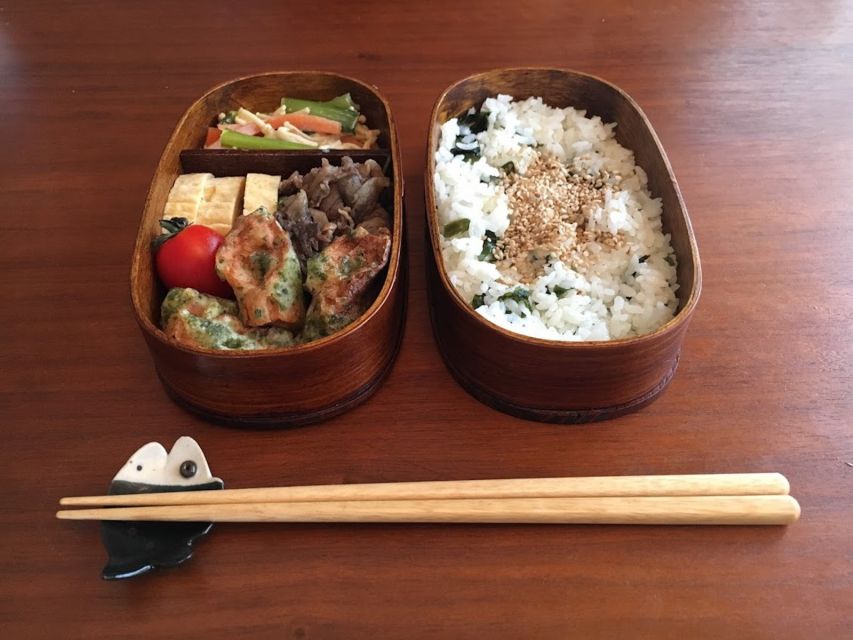
The menu is not fixed for every booking. It changes according to the day and may also be shaped by food preferences discussed before the class. One couple asked to make katsu curry, a tofu salad, and chikuwa vegetable appetizers. Other sessions have included miso soup, salad, rice, and teriyaki chicken with vegetables.
That flexibility is useful, but you should not book on a Wednesday expecting a guaranteed ramen lesson unless the menu is confirmed. If a particular dish matters to you, contact the provider before choosing your date.
Cooking, not just watching
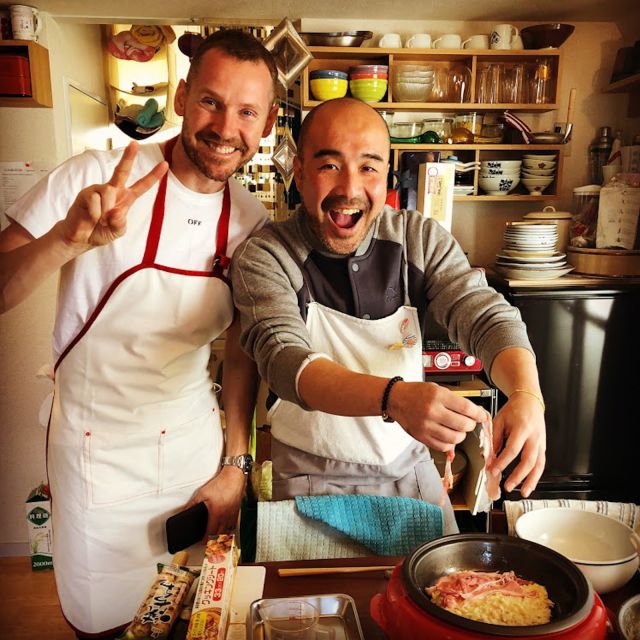
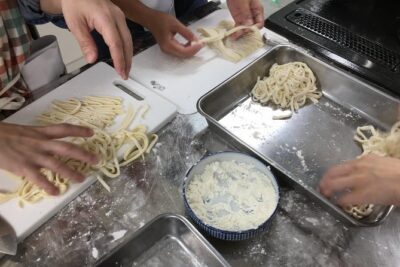
The best part of this experience is the amount of hands-on work. You may chop vegetables, season ingredients, prepare fillings, shape food, cook components, and arrange the finished dishes. One class covered practical details such as removing black spots from potatoes, while another showed how to present each dish attractively.
This is not aimed only at serious cooks. Beginners can follow the explanations, and experienced home cooks still have plenty to learn from the Japanese approach to seasoning, preparation, and presentation. The relaxed pace helps. You are not racing through a professional kitchen with a chef shouting instructions.
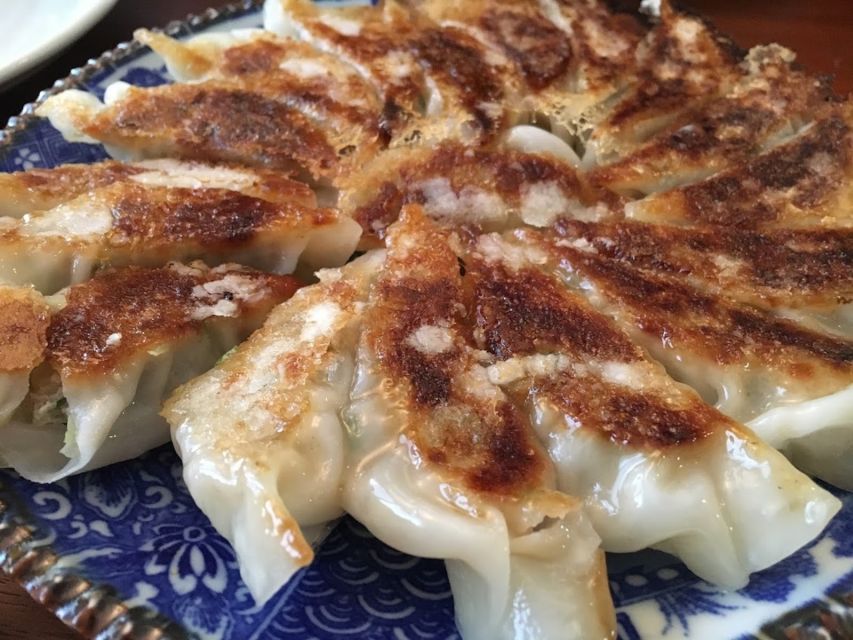
The class can also be useful if you want recipes you can repeat at home. Gyoza and ramen are popular choices because they feel familiar from Japanese restaurant menus, yet making them yourself reveals the work behind the finished bowl and plate. Past classes have also covered miso soup, teriyaki chicken, katsu curry, rice, seasonal salads, stuffed fishcake, and homemade miso.
You should expect the class to be social as well as practical. Guests have spent much of the session talking with Sato about food, family, daily life, and their own trips. That personal exchange is a major reason to choose this class over a larger group workshop.
Seasonal cooking explained in plain terms
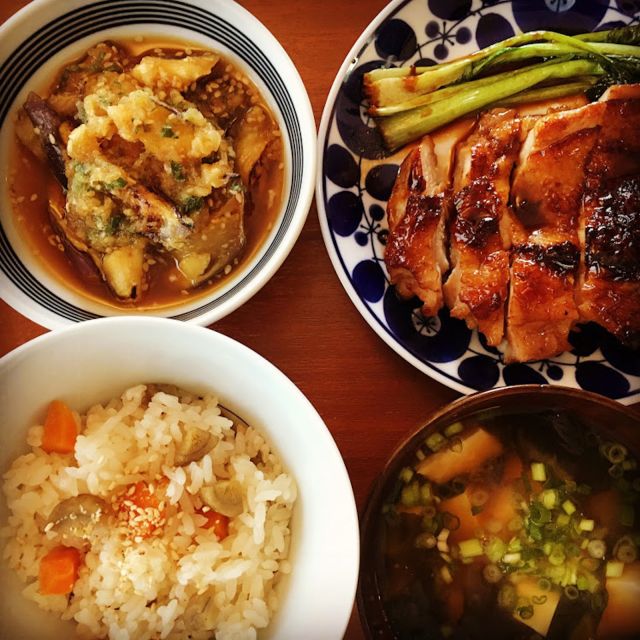
Japanese cooking often pays close attention to the time of year, and Sato makes that idea a central part of the lesson. Seasonal ingredients are not treated as a fancy extra. They are presented as a basic part of Japanese food preparation.
You may learn how a seasonal main dish fits with side dishes, rice, soup, or a small appetizer. The point is balance. A home meal is not just one large plate of food. It can include different textures, colors, temperatures, and levels of flavor.
Sato also explains the background of dishes and ingredients. That context helps you understand why the food may taste different from Japanese-style meals served abroad. One account praised the greater complexity and flavor of the home-cooked dishes compared with versions commonly found in the United States.
The class is especially worthwhile if you are tired of eating out for every meal. After several days of restaurants and convenience-store snacks, sitting down to a home-cooked Japanese lunch or dinner gives you a different view of the country. It is quieter, more personal, and closer to the food served in an ordinary household.
More Sushi and Japanese Classes in Tokyo:
- Ramen & Gyoza Cooking Class in Tokyo with Local Supermarket Visit
★ 5.0 · 823 reviews - Tokyo Tsukiji Fish Market Tour and Sushi Making Lesson
★ 5.0 · 390 reviews - Tokyo: Easy Ramen Cooking Experience in Kabukicho, Shinjuku
★ 4.6 · 321 reviews - Ramen and Sushi Cooking Class with Sake Pairing Set in Tokyo
★ 5.0 · 291 reviews
Sitting down to eat what you made
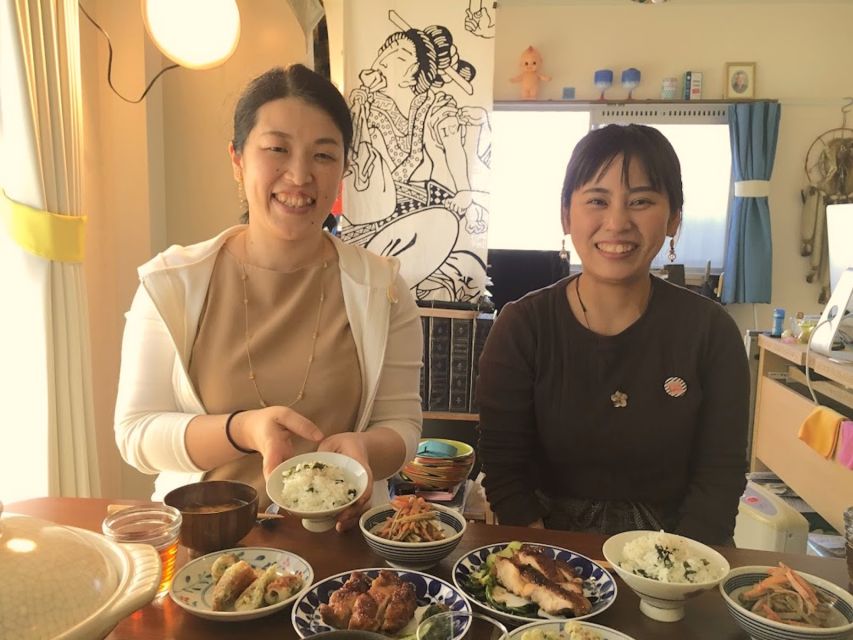
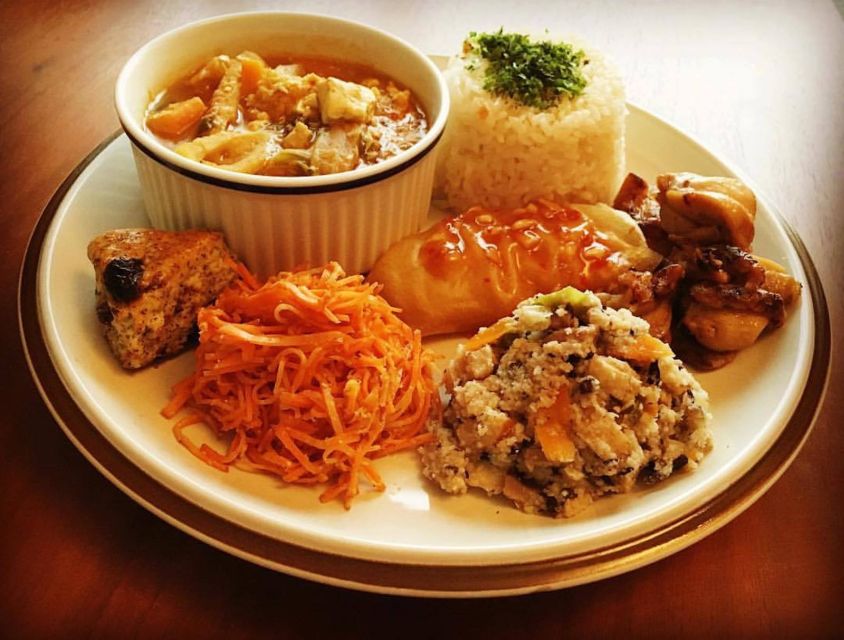
After the preparation, you sit at the table and eat the meal together. The food and a free drink of Japanese barley tea are included. The meal is not an afterthought. It is the payoff for the work you have just done, and it gives you a chance to taste how the different parts of the menu fit together.
This shared meal also keeps the experience from feeling like a lesson that ends when the stove is turned off. Conversation continues naturally, and Sato may offer suggestions for other places to eat or things to do in Tokyo. The setting is informal, though you should remember that you are in someone’s home, not a restaurant.
Some dishes are especially suited to a home meal. Ramen and gyoza have been popular class choices, while other sessions have focused on a full set meal with seasonal dishes. The exact result depends on your date, but the pattern is consistent: you prepare several items and then enjoy them together.
If you have dietary restrictions or strong food preferences, raise them before the class. The menu can sometimes be tailored, as shown by the couple who requested specific dishes, but the supplied details do not promise that every dietary need can be accommodated.
The optional walk through Shinjuku and Nakano
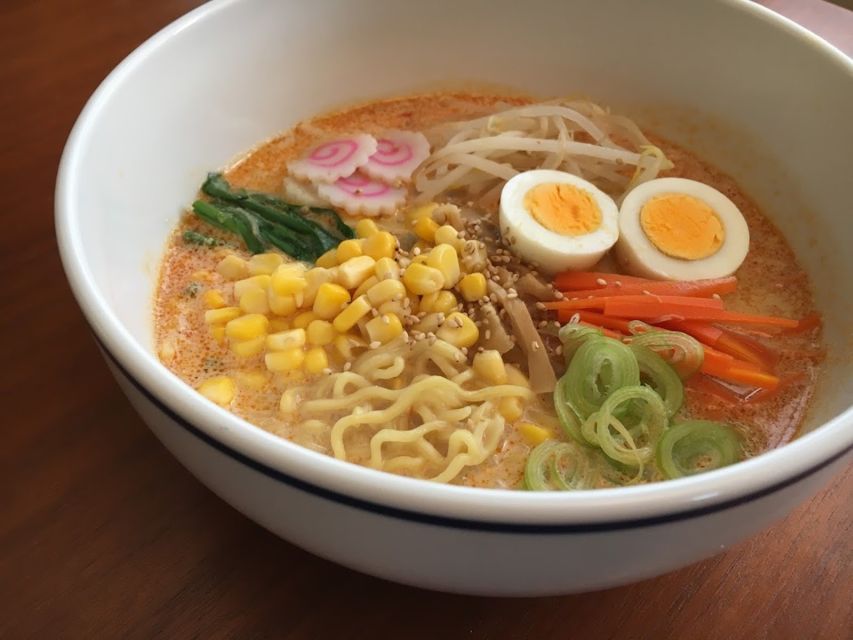
The morning class runs from 10:30 a.m. to 1 p.m. An optional short trip is offered afterward from 1 p.m. to 3:30 p.m. This is not a required part of the cooking class, but it adds a useful local angle to the day.
Sato has led people through Shinjuku and Nakano, pointing out places they might have missed on their own. The walk is described as visiting several appealing local spots that are not always found in guidebooks. Since the exact stops are not listed, you should think of it as an informal neighborhood outing rather than a fixed sightseeing tour.
The timing works well for a morning class. You cook and eat first, then walk through the city with a local host who can explain the area. It also turns the experience into a longer half-day activity, so avoid scheduling another fixed tour immediately afterward.
The evening class runs from 6 p.m. to 8:30 p.m. The supplied information specifically describes the optional trip after the morning class, so confirm whether the afternoon walk is available only with the morning session. That detail could affect your choice of time.
Is $120 a fair price?
At $120 per person, this is not the cheapest way to eat Japanese food in Tokyo. You can find an inexpensive bowl of ramen or a rice dish for far less. But the comparison is not quite fair, because this price covers a private cooking lesson, a meal, barley tea, a host who speaks English, and the use of a local home as the setting.
The value is strongest for two or more people who enjoy cooking and want a personal experience. You are paying for the instruction and conversation as much as the food. The optional neighborhood walk adds further value if it is included in your plan and available for your chosen session.
I would be less enthusiastic about the price if you only want to taste Japanese dishes without cooking. Tokyo offers many cheaper food experiences. This class makes sense when you want to learn techniques, ask questions, hear personal stories, and leave with ideas you can use at home.
The five-star rating across 81 reviews supports the view that the personal hosting is a major strength. Still, ratings cannot tell you whether the menu on your chosen date will match your interests. Check the schedule first, then judge the price against how much you value a private lesson.
Timing, meeting point, and booking tips
You meet at the Shinjuku Station east exit police box. Shinjuku Station is large, so allow time to reach the east exit and find the exact meeting point. The provider includes pickup at the meeting point, not hotel pickup.
Morning and evening classes are listed from Saturday through Tuesday and Wednesday through Friday:
- Morning class: 10:30 a.m. to 1 p.m.
- Evening class: 6 p.m. to 8:30 p.m.
The activity is private, and the group size is not shared with other bookings. That makes it a good choice for a couple, family, or small group that wants the conversation to stay personal.
The listed duration is 270 minutes, or four and a half hours, while the class schedule is two and a half hours and the optional walk is another two and a half hours. Because those figures do not line up perfectly, confirm the total plan and the walk timing before paying.
Cancellation is free up to 24 hours before the activity for a full refund. You can also reserve now and pay later, which helps if your Tokyo schedule is still changing.
Who will enjoy this class most?
I would choose this experience if you:
- Enjoy cooking or want a practical introduction to Japanese food.
- Prefer a private home setting to a large commercial class.
- Like meeting local people and talking about daily life.
- Want to learn dishes you can attempt at home.
- Have enough time for a relaxed three-hour class.
- Are interested in seasonal ingredients and traditional meal structure.
It is less suitable if you want a guaranteed sushi class, a formal culinary school setting, or a tightly scripted sightseeing tour. Sushi is mentioned by one past participant as a class they wished they had taken, but it is not included in the listed menu options.
Should you book Chef Sato’s class?
Yes, if you want a warm, personal food experience rather than a simple demonstration. The strongest reasons to book are the home setting, the hands-on cooking, Chef Sato’s clear English, and the chance to share a meal while discussing Japanese food and culture.
Choose your date carefully because the menu changes. Confirm any dish requests, food restrictions, and the optional walk before booking. If you do that, this class offers a fine break from restaurant hopping and a practical memory of Tokyo that you can carry into your own kitchen.
FAQ
Where does the cooking class meet?
The meeting point is the police box at the east exit of Shinjuku Station, at 3-38-38-1, Shinjuku, Shinjuku-ku, Tokyo, 160-0022. Pickup is provided at this meeting point.
How long is the cooking class?
The scheduled morning and evening cooking sessions each last two and a half hours, from 10:30 a.m. to 1 p.m. or from 6 p.m. to 8:30 p.m. The activity is also listed as 270 minutes, so confirm the exact timing when you book.
What food might I learn to cook?
The menu changes by day. Possible dishes include ramen, gyoza, curry rice, okonomiyaki, rice burgers, kara-age, yakisoba, katsu curry, teriyaki chicken, miso soup, seasonal salads, rice balls, and traditional set meals.
Is the class private?
Yes. The activity is offered for a private group and is taught in Chef Sato’s apartment in Shinjuku.
Is the optional Tokyo walk included?
An optional short trip is offered every day after the morning class, from 1 p.m. to 3:30 p.m. It includes visits to local places in areas such as Shinjuku and Nakano. Confirm the availability and details if you choose an evening class.
Can I cancel the booking?
You can cancel up to 24 hours in advance for a full refund. The activity also allows you to reserve now and pay later.
More Private Cooking Classes in Tokyo
- PRIVATE Authentic Balinese Cooking Class in Ubud at Putu’s Home
★ 5.0 · 644 reviews - Rome: Pasta Making Class with Tiramisu & Wine PRIVATE OPTION
★ 4.8 · 404 reviews - Private Market Tour & Cooking Class in Puerto Vallarta with Manu
★ 5.0 · 241 reviews - Private Cooking Class with 5 dishes of your choice
★ 5.0 · 227 reviews
Just added around Tokyo
- Tokyo: Sushi Cooking Class with Sake Tasting★ 4.8 · 55 reviews
- Tokyo: Sushi roll and side dish cooking experience★ 5.0 · 2 reviews
- Tokyo: Sushi Making Experience & Japanese Cooking Class★ 5.0 · 2 reviews
- Tokyo: Gyoza Making from Scratch – Ultimate Cooking Class★ 5.0 · 2 reviews
- Tokyo: Night Cooking Class: 5 Home-Cooked Japanese Dishes★ 4.9 · 13 reviews
- Tokyo: Real Ramen & Dumpling Cooking with Master Chef★ 5.0 · 10 reviews
- Tokyo: Kawaii Bento Cooking Class – Cute Character Lunchbox★ 4.9 · 55 reviews
- Tokyo: Sushi and Ramen Cooking Class with Sake Pairing Set★ 5.0 · 81 reviews
Private Cooking Classes, compared.
PRIVATE Authentic Balinese Cooking Class in Ubud at Putu’s Home
Read our review →
Pasta Making Class with Tiramisu & Wine PRIVATE OPTION
Read our review →
Private Market Tour & Cooking Class in Puerto Vallarta with Manu
Read our review →
Private Cooking Class with 5 dishes of your choice
Read our review →
Veg and Non veg : Private Cooking Class in Delhi home (7 meal)
Read our review →
PRIVATE Balinese Cooking Class in Ubud with Dewa with Transfers
Read our review →
VIP Mekong Delta Adventure Cycling & Kayaking – Private Day Trip
Read our review →