
REVIEW · HONSHU, JAPAN
Tokyo: Sushi roll and side dish cooking experience
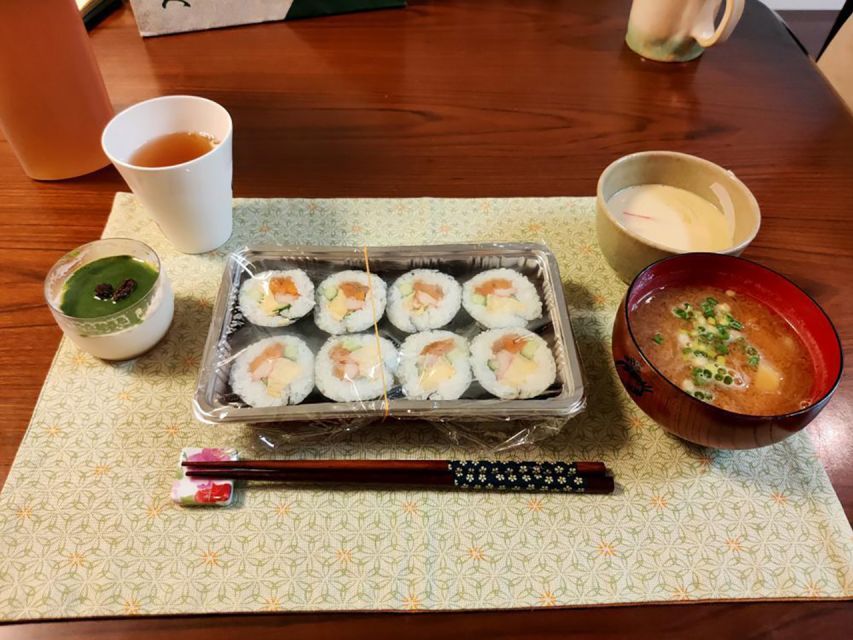
Roll your way into Japanese home cooking. This 150-minute class gives you hands-on practice with sushi rolls, miso soup, chawanmushi, dashi stock, and white sesame pudding, all taught in English. I like the clear instruction and the chance to prepare several dishes rather than making sushi alone. I also like that the food is served at the end, so you can enjoy the results while they are fresh.
The main point to consider is the location. The class takes place at a studio near Shinjuku, Chiyoda, or Minato, but you do not receive the exact address until three days before your booking. At $90 per person, the class is not a budget meal, though the number of dishes and the teaching time make it a reasonable choice for visitors who want more than a restaurant meal.
Key points to know before booking
- Five Japanese dishes plus dessert: You prepare sushi rolls, chawanmushi, miso soup, dashi soup stock, and white sesame pudding.
- English instruction: The cooking lecture and guidance are given in English, which makes the class approachable for first-time cooks.
- Two-part schedule: Cooking runs from 11:00 a.m. to 1:00 p.m., followed by tasting until 1:30 p.m.
- Studios in central Tokyo: The possible areas are near Shinjuku, Chiyoda, and Minato, but the final address arrives three days before the class.
- Good for families: Children over age three can take part, and one five-star account specifically praised the experience as suitable for families with children.
- A few firm limits: The class is not suitable for vegans, people with back problems, or children under three.
What you actually cook during the 150 minutes
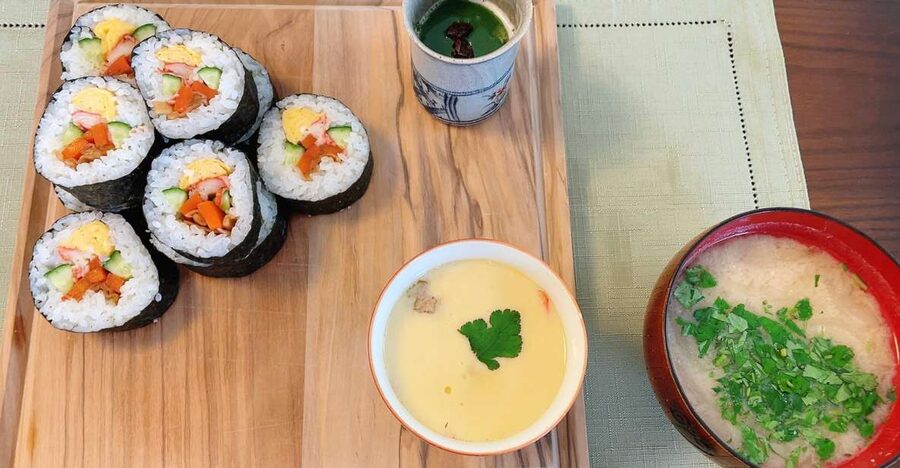
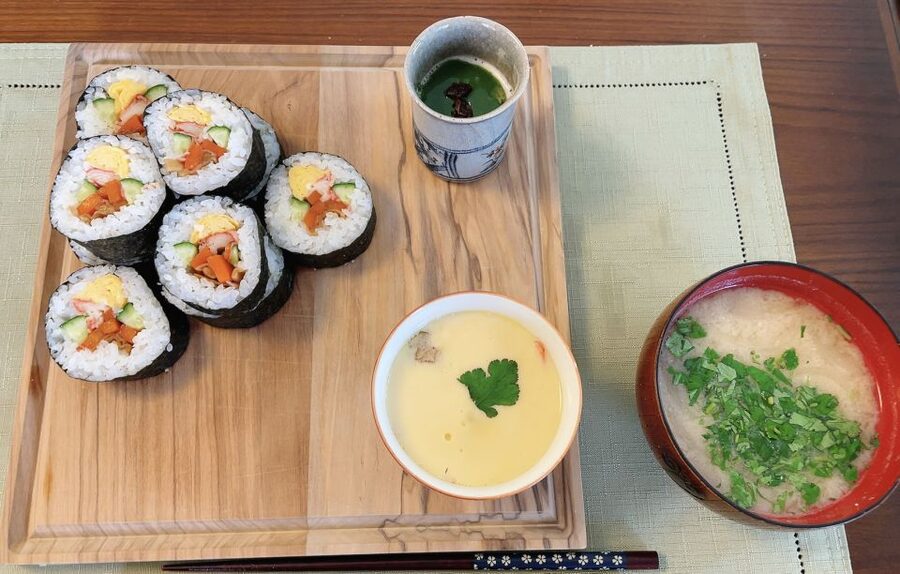
This is not simply a sushi-making demonstration followed by a quick bite. The menu covers several basic parts of Japanese cooking, giving you a useful look at how one meal comes together.
The class begins with dashi soup stock, the savory base used in many Japanese dishes. Learning how to make dashi matters because it helps explain the flavor behind miso soup and chawanmushi. It is a small lesson, but it connects the dishes rather than treating each recipe as an isolated project.
You then make sushi rolls, the main event of the class. The description presents the technique as easy once you understand how to roll, which is good news if you have never tried it. Sushi rolling can look fussy at first, but a clear demonstration and a chance to practice usually make the process less intimidating.
The menu also includes chawanmushi, a delicate steamed egg custard. This gives the class a useful change of pace. Sushi involves shaping and rolling, while chawanmushi depends on preparing a smooth custard. You get to see two different Japanese cooking techniques in one session.
Miso soup completes the savory part of the meal. Since you also learn dashi, the soup lesson should help you understand how a simple bowl of miso soup gets its base flavor. The final dish is white sesame pudding, a sweet finish that adds something different from the usual matcha dessert.
You should expect to participate in preparing all of these dishes. The experience is designed as a cooking class, not a lecture where you sit back and watch someone else do the work.
More Sushi and Japanese Classes in Tokyo:
- Ramen & Gyoza Cooking Class in Tokyo with Local Supermarket Visit
★ 5.0 · 823 reviews - Tokyo Tsukiji Fish Market Tour and Sushi Making Lesson
★ 5.0 · 390 reviews - Tokyo: Easy Ramen Cooking Experience in Kabukicho, Shinjuku
★ 4.6 · 321 reviews
Sushi rolls with a festive Japanese connection
Sushi rolls have a special place in Japanese celebrations and festivals. The class uses that background to explain why sushi rolls can be more than an everyday lunch. They are also a hospitality dish, prepared with attention to appearance, balance, and presentation.
That context gives the rolling lesson more meaning. You are not just learning how to assemble rice and fillings. You are practicing a dish that is often prepared for sharing and special occasions.
The visual side matters here. Sushi rolls need to hold together and look neat when cut, so the class should appeal to people who enjoy food presentation as much as flavor. It is also a practical skill you can repeat at home, especially for a family meal or small celebration.
The description says the dish offers good nutritional balance, but you should not mistake that for a fully customizable menu. Vegans cannot take part, and no vegan alternative is provided. If you have allergies or other dietary needs, the supplied information does not specify accommodations, so you would need to clarify them before booking.
Chawanmushi, miso soup, and the value of variety
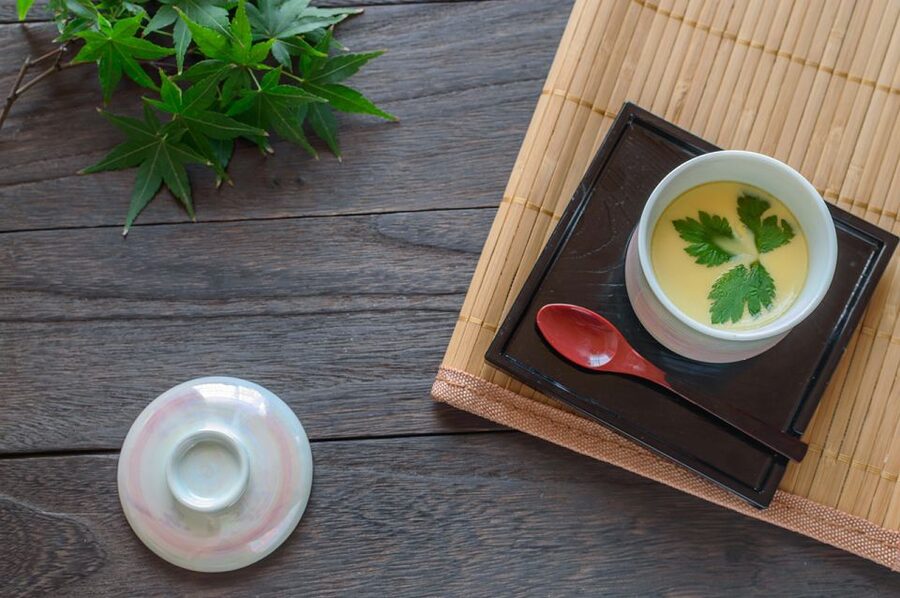
The side dishes make this class more useful than a one-recipe workshop. Chawanmushi introduces a soft steamed egg dish, while miso soup shows how dashi and miso work together. The combination gives you a better sense of a Japanese meal than sushi alone would provide.
I especially like the balance of tasks. You get the hands-on fun of rolling sushi, the careful preparation of custard, the basic soup lesson, and a dessert. That variety should keep the two-hour cooking period moving, particularly for families or groups with different interests.
The menu also gives you several recipes to remember after the class. You may not recreate every dish immediately, but dashi, miso soup, sushi rolls, and sesame pudding are all recognizable starting points for home cooking.
The tradeoff is that five recipes in one session may mean each one receives limited attention. The class lasts about two hours before tasting, so this is an introduction rather than a full professional cooking course. If you want to master one sushi style in great technical detail, a narrower class could suit you better.
An English-speaking instructor makes the class easier
The instructor gives the lecture in English, and the experience is designed to avoid a language barrier. That is important in a cooking class, where small details can affect the result. You need to understand how to roll, when to season, and how each preparation should look before moving on.
The written feedback also praises the instructor and helpers for being kind and effective. One account described the room as roomy and comfortable, which matters when several people are preparing food at the same time. The staff support appears to be one of the strongest parts of the experience.
You should still remember that this is a group cooking activity, not a private lesson. The information provided does not state the group size, so you cannot count on individual attention throughout the entire session. Still, the presence of helpers is encouraging for beginners who need a hand with rolling or other steps.
The class is promoted for everyone from children to adults, with children under three excluded. That makes the age range fairly broad. For younger children, the appeal will likely be the rolling and tasting rather than the finer points of dashi or steamed egg custard.
A few more cooking classes around Tokyo worth a look
- Ramen and Sushi Cooking Class with Sake Pairing Set in Tokyo
★ 5.0 · 291 reviews - Tokyo: Wagyu and 7 Japanese Dishes Cooking Class
★ 4.9 · 273 reviews - Tokyo Washoku 4-hour Cooking Class: From Market to Table
★ 5.0 · 253 reviews - Small-Group Wagyu Beef and 7 Japanese Dishes Tokyo Cooking Class
★ 5.0 · 190 reviews
How the schedule works from 11:00 a.m. to 1:30 p.m.
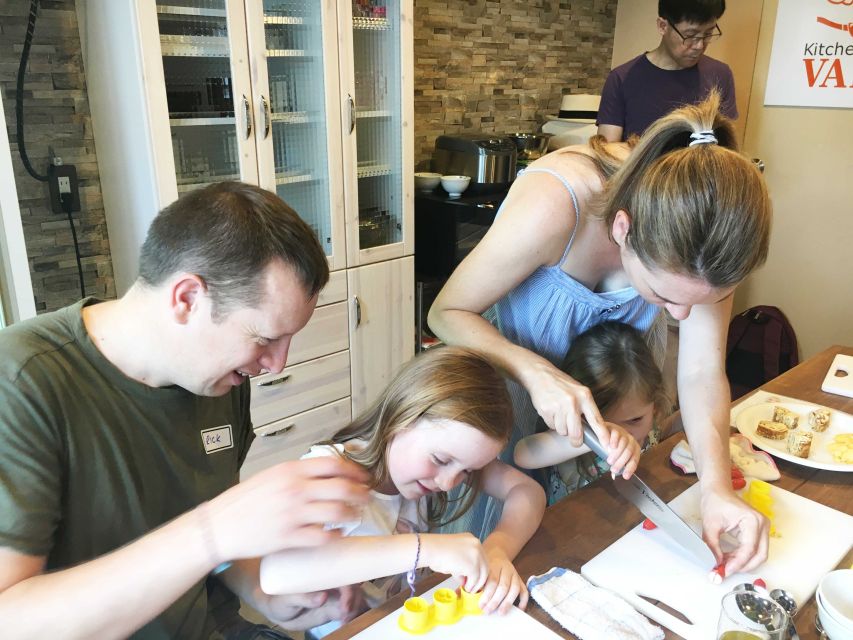
The listed timetable is easy to follow:
- Cooking class: 11:00 a.m. to 1:00 p.m.
- Tasting time: 1:00 p.m. to 1:30 p.m.
The total duration is advertised as 150 minutes, which matches the two-hour class and half-hour tasting period. Plan to arrive at the designated studio before 11:00 a.m. The activity does not include hotel pickup or drop-off, so you are responsible for reaching the studio yourself.
The tasting period is a worthwhile part of the experience. You get to sit down with the dishes you prepared instead of rushing away after the final recipe. It also gives you a chance to enjoy the results with the other people in your group and ask any last questions.
Because the class ends at 1:30 p.m., it works well as a morning activity followed by an afternoon in Tokyo. You may want to avoid scheduling something that requires a strict arrival time immediately afterward. The exact location and your transportation time will not be clear until the studio address is sent.
The location issue: three central Tokyo areas
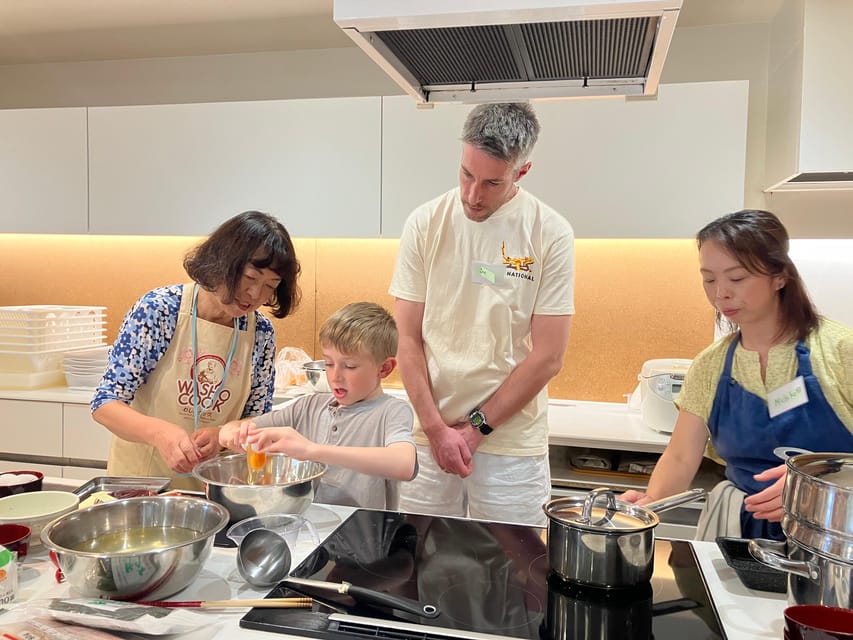
The studios are located near Shinjuku, Chiyoda, and Minato wards. These are useful central areas for a Tokyo itinerary, but the exact studio is not selected from the map shown during booking. The address displayed on the Google Map may point to a different location.
You receive the specific studio details three days before the reservation date. That is the most important logistical point to remember. Do not rely on the map pin alone, and do not plan your morning route until you receive the final address.
This arrangement can be mildly inconvenient if you like to organize every train connection well in advance. On the other hand, the possible areas are all within central Tokyo, and knowing the ward gives you a general idea of the setting.
I would keep the morning flexible and allow extra time for the journey. The class starts at a fixed time, and being late could reduce your cooking time. Since there is no hotel transfer, this activity suits people comfortable using Tokyo’s public transport or arranging their own route.
Is $90 per person good value?
At $90 per person, this is a premium cooking experience rather than a cheap way to eat lunch. The value comes from the instruction, ingredients, English support, several recipes, beverages, and the tasting period. You are paying for an activity as well as food.
The menu is the strongest argument for the price. Sushi rolls alone might not justify $90 for every visitor, but adding dashi, chawanmushi, miso soup, dessert, and a full English-language lesson makes the package more substantial.
I would consider it good value if you want a memorable food activity and expect to use the recipes later. It is less appealing if your main goal is simply to eat sushi at the lowest possible cost. Tokyo has many ways to enjoy an inexpensive meal, but those meals will not teach you how to prepare five Japanese dishes.
The class also includes beverages and ingredients, so you do not need to budget separately for the food prepared during the activity. Hotel transportation is not included, and you should account for your own train or taxi costs.
You can reserve now and pay later, which helps if you are still arranging your Tokyo schedule. Cancellation is free up to 24 hours in advance for a full refund. Those terms reduce some of the risk, especially because the precise studio address arrives close to the date.
Who will enjoy this cooking class most?
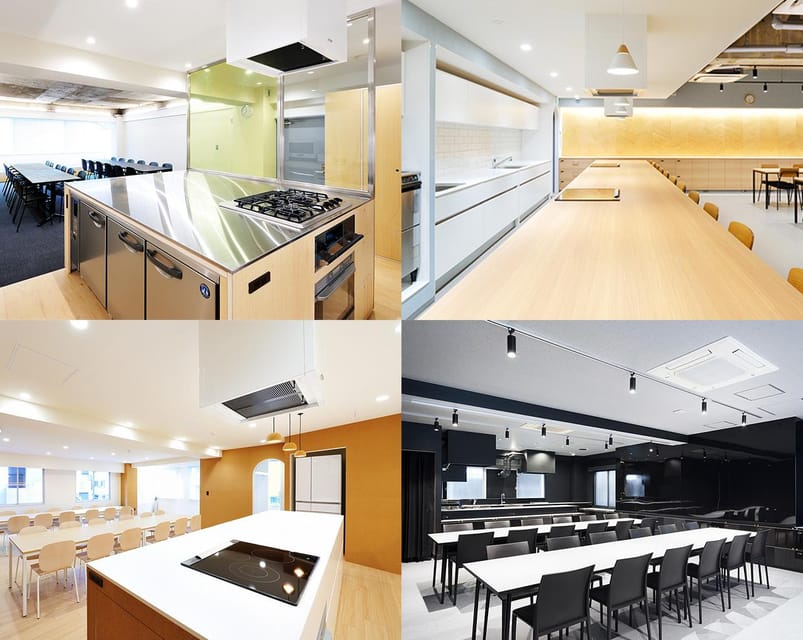
This experience suits you if you want a friendly, hands-on introduction to Japanese food rather than a formal culinary course. Beginners should find the sushi rolling approachable, and the English lecture removes a major obstacle for international visitors.
It is also a strong choice for families with children over age three. One family-oriented account praised the class for being fun and welcoming, while the menu offers enough variety to keep both children and adults interested. Parents should remember that the class involves food preparation and kitchen activity, so very young children are excluded.
Couples, friends, and solo visitors who enjoy food culture should also find plenty to do. The class has a social quality, but the provided information does not give a group size, so you should not book it expecting a private cooking session.
This is not the right pick for vegans. It is also unsuitable for people with back problems, and smoking is not permitted indoors. The information does not describe wheelchair access or other mobility arrangements, so anyone with specific accessibility needs should ask before reserving.
What the positive feedback tells you
The strongest praise centers on the people running the class. The instructor and helpers were described as excellent, kind, and welcoming. That is important because a cooking class can become stressful when instructions are rushed or the teaching style is too formal.
The physical setting also received favorable attention. A roomy, comfortable studio helps when you are handling ingredients, rolling sushi, and preparing several dishes. Comfort matters even more for a class lasting two and a half hours.
The food itself earned praise for its taste. That may sound basic, but it confirms that the experience is not only about making attractive sushi. You get to eat a complete set of dishes, and the cooking results are considered a real strength.
The written feedback gives the experience a five-star rating from two verified bookings. That is a small sample, so I would not treat it as proof that every class will be perfect. Still, the praise is consistent across the main points: welcoming hosts, enjoyable teaching, comfortable surroundings, and good food.
A few practical tips before you reserve
Wait for the final studio address before making a detailed transport plan. The possible locations are near Shinjuku, Chiyoda, and Minato, but the map shown during booking is not the address you should follow.
Arrive early enough to find the studio without rushing. The class begins at 11:00 a.m., and you do not want to lose the opening explanation about dashi or sushi rolling.
Wear something comfortable for food preparation. The supplied information does not list a dress code, but you will be cooking for two hours before sitting down to taste the meal.
Check the age and dietary restrictions carefully. Children under three, vegans, and people with back problems should not book this activity. Smoking indoors is also not allowed.
Finally, keep the tasting time in your schedule. The class does not end when the cooking stops at 1:00 p.m. You have another 30 minutes to eat the dishes and enjoy the finished meal.
Should you book this Tokyo cooking experience?
I would book this class if you want to learn several approachable Japanese recipes in English and enjoy eating what you prepare. The sushi rolling gives the experience its fun centerpiece, while dashi, miso soup, chawanmushi, and white sesame pudding make the lesson feel like a complete meal.
The best fit is a family, couple, or small group looking for a friendly food activity with real participation. The main cautions are the $90 price, the late arrival of the exact studio address, and the lack of a vegan option.
If those points work for you, this is a useful and pleasant way to spend a Tokyo morning. You leave with more than a full stomach: you also get a handful of Japanese recipes and the basic confidence to roll sushi at home.
FAQ
How long does the cooking experience last?
The total duration is 150 minutes. Cooking takes place from 11:00 a.m. to 1:00 p.m., followed by tasting from 1:00 p.m. to 1:30 p.m.
What dishes are included?
You learn how to make dashi soup stock, sushi rolls, chawanmushi, miso soup, and white sesame pudding. Beverages and ingredients are included.
Is the class taught in English?
Yes. The instructor gives the lecture and cooking guidance in English.
Where is the cooking studio located?
The studios are near Shinjuku, Chiyoda, and Minato wards. The specific address is sent three days before the reservation date. The Google Map address shown during booking may be different from the actual studio.
Is the class suitable for children?
Children can take part if they are at least three years old. The experience is described as suitable for families with children.
Is hotel transportation included?
No. Hotel pickup and drop-off are not included, so you must make your own way to the designated cooking studio.
Just added around Tokyo
- Tokyo: Sushi Cooking Class with Sake Tasting★ 4.8 · 55 reviews
- Tokyo: Sushi Making Experience & Japanese Cooking Class★ 5.0 · 2 reviews
- Tokyo: Gyoza Making from Scratch – Ultimate Cooking Class★ 5.0 · 2 reviews
- Tokyo: Night Cooking Class: 5 Home-Cooked Japanese Dishes★ 4.9 · 13 reviews
- Tokyo: Real Ramen & Dumpling Cooking with Master Chef★ 5.0 · 10 reviews
- Tokyo: Kawaii Bento Cooking Class – Cute Character Lunchbox★ 4.9 · 55 reviews
- Tokyo: Sushi and Ramen Cooking Class with Sake Pairing Set★ 5.0 · 81 reviews
- Tokyo: Japanese Home-style Cooking Class with Meal★ 4.5 · 3 reviews
Japanese & Sushi Cooking Classes, compared.
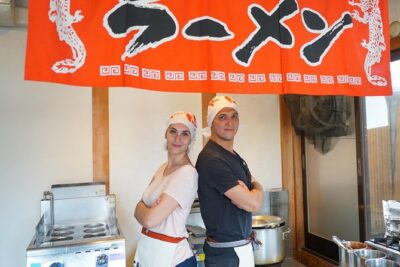
Ramen Cooking Class at Ramen Factory in Kyoto
Read our review →
Ramen & Gyoza Cooking Class in Tokyo with Local Supermarket Visit
Read our review →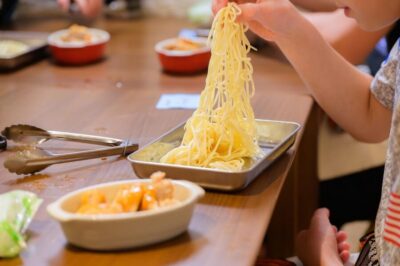
Ramen Cooking Class at a Ramen Factory with Souvenir
Read our review →
Sushi Making Osaka! Popular Sushi Class in Japan!
Read our review →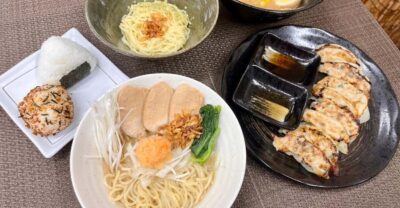
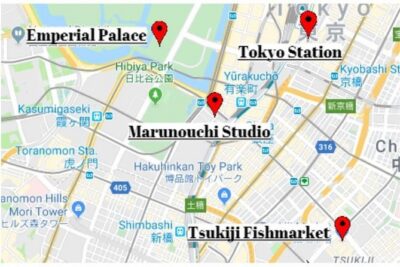
Tokyo Tsukiji Fish Market Tour and Sushi Making Lesson
Read our review →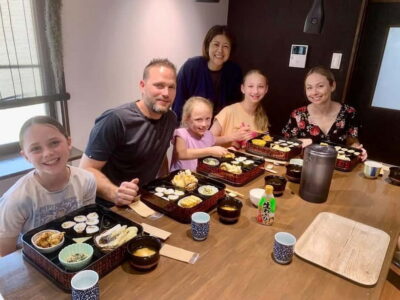
Japanese Washoku Bento Small Group Cooking Class
Read our review →
Lists this class appears in