
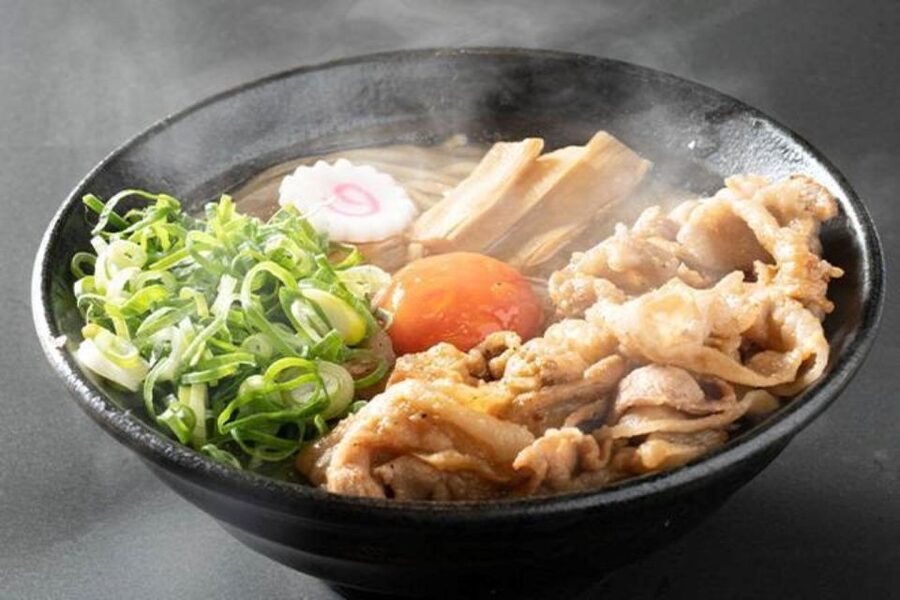
REVIEW · HONSHU, JAPAN
Tokyo: Easy Ramen Cooking Experience in Kabukicho, Shinjuku
Ramen tastes better when you build the bowl. This one-hour class at Shinjuku Ale gives you a friendly introduction to ramen history, simple cooking techniques, and the fun of choosing your own soup and toppings. I like the small-group setting, which can include as few as four to six people, and I like that the meal is included in the $29 price. The guides also add value by answering questions about Japanese food and suggesting other dishes to try.
The main catch is that you do not make the noodles and broth entirely from scratch. Proper ramen broth and noodles can take many hours or several days, so this class uses a shortened recipe. The soup also contains pork, chicken, and beef, and its exact ingredients are kept secret, so this is not a good fit for vegetarians, vegans, or people with gluten intolerance.
Key Points Before You Book
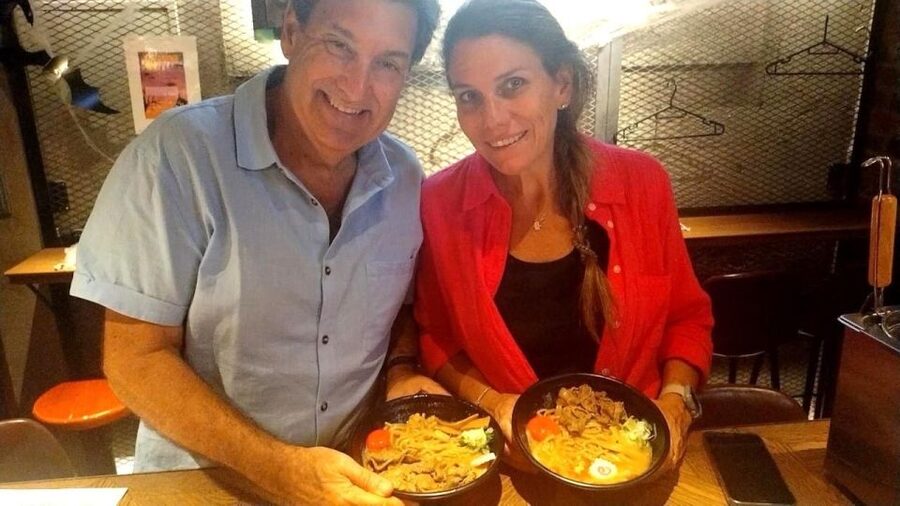
- The ramen is prepared and eaten in about one hour, making this easy to fit between sightseeing stops in Shinjuku.
- You choose your soup, boil the noodles, and add toppings, so the meal feels personal even though the broth and noodles are partly prepared in advance.
- Shinjuku Ale is close to the Godzilla statue in Kabukicho, a handy location for combining the class with an evening in central Shinjuku.
- Groups are kept small, with some sessions limited to six people, allowing plenty of time for questions and hands-on help.
- English support varies by staff member, and a translation machine may be used during some sessions.
- The second-floor venue has no elevator, and you need to bring an ID card. A copy is accepted.
Why This Short Ramen Class Works in Tokyo
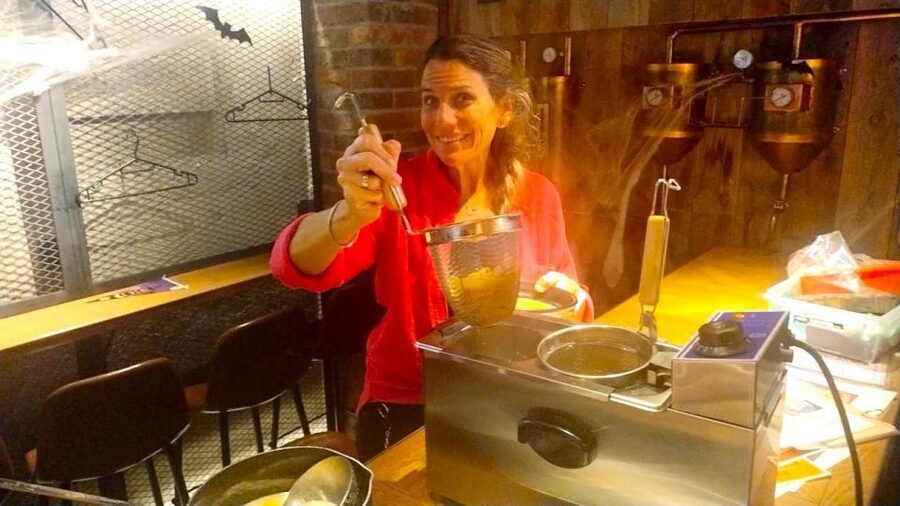
Tokyo offers endless places to eat ramen, but ordering a bowl tells you very little about how it comes together. This class gives you a basic understanding of the parts that matter: broth, noodles, meat, vegetables, eggs, seasoning, and toppings.
I like the way the class keeps the work manageable. You are not expected to spend half a day making stock. Instead, the guide explains the longer process, then shows you a practical version that you can finish during your visit. That makes this more of a hands-on food lesson than a full professional cooking course.
At $29 per person, the value is good if you want an activity as well as lunch or dinner. You receive a guided class and a meal, which is reasonable in central Shinjuku. You are paying for instruction, conversation, and the chance to assemble the bowl yourself, not just for a cheap serving of noodles.
The price may change if you select an option with extra food or drinks. One available option has included gyozas and an alcoholic drink, but you should check the exact package before paying. One budget-conscious participant found the extra costs unclear, so I would not assume every food or drink shown during booking is part of the basic rate.
More Sushi and Japanese Classes in Tokyo:
- Ramen & Gyoza Cooking Class in Tokyo with Local Supermarket Visit
★ 5.0 · 823 reviews - Tokyo Tsukiji Fish Market Tour and Sushi Making Lesson
★ 5.0 · 390 reviews - Ramen and Sushi Cooking Class with Sake Pairing Set in Tokyo
★ 5.0 · 291 reviews
Finding Shinjuku Ale in Kabukicho
The meeting point is Shinjuku Ale in Kabukicho. The venue is close to the Godzilla statue, which gives you a useful landmark in an area where streets and signs can become confusing. Shinjuku Station itself is large and complicated, so give yourself extra time to get to the neighborhood.
When you arrive, tell the staff that you are making a trial reservation. That instruction is important because the class takes place upstairs rather than in a separate street-level cooking studio.
The class is on the second floor, and there is no elevator. That may be a problem if you have mobility limitations or are carrying heavy luggage. Bring an ID card, although a copy is accepted.
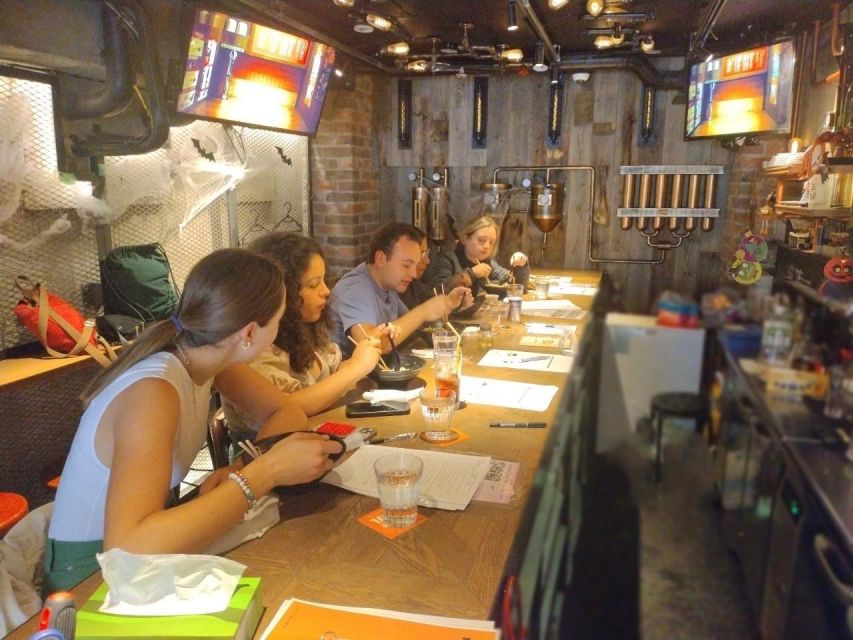
The setting has been described as a quirky upstairs bar with a small, private feel. It is not a polished culinary school, and that is part of its appeal. You are in a casual food-and-drink setting in the middle of Kabukicho, surrounded by the energy of one of Tokyo’s best-known entertainment districts.
The Opening Lesson: Ramen Beyond Instant Noodles
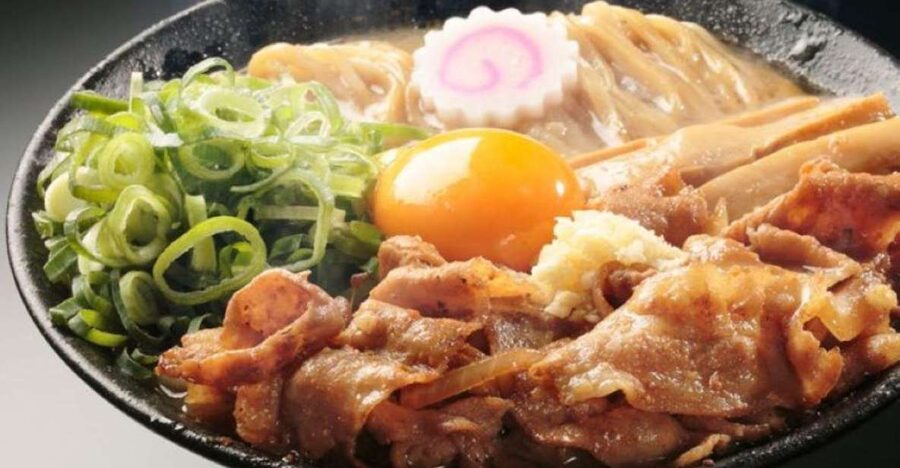
The session begins with an easy explanation of ramen and its place in Japanese food culture. You learn that ramen is built by combining noodles, soup, meat, eggs, vegetables, and other ingredients in one bowl. The guide also explains the time and care behind the dish.
This introduction is useful because it sets realistic expectations. The full process is not quick. The broth can take many hours, and the noodles and soup may require several days of preparation. The class does not pretend that one hour can reproduce all of that work.
Instead, you get a shortened recipe designed for a group activity. That is a sensible choice. You can understand the method without waiting through long cooking periods, and you still get to handle key parts of the final bowl.
The guides bring different personalities to this explanation. Tak has been praised for being warm and helpful, while Mikhail and Michail have been described as enthusiastic teachers who explain techniques clearly. Hinata has also been singled out for carefully explaining the difference between the complete ramen process and the shorter class version.
English ability is not identical across the team. Some instructors speak excellent English, while others may use a translation machine. If detailed food questions matter to you, be patient and allow a little extra time for explanations.
Choosing Soup and Preparing the Bowl
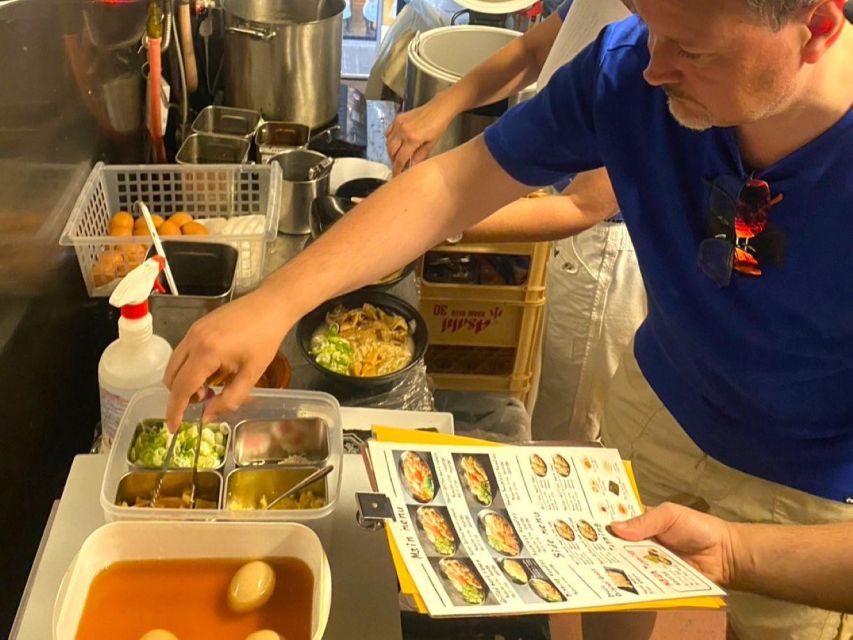
After the introduction, you move into the practical part of the class. You choose your soup, boil the noodles, and add the ingredients to your bowl. The steps are designed for beginners, so you do not need much cooking experience.
The best part is the ability to adjust the bowl to your taste. One participant particularly enjoyed making a spicy ramen, while others liked deciding how to assemble the toppings. The class gives you enough control to feel that you cooked the meal, even though the longer broth-making process has already been completed.
You may help prepare or arrange ingredients such as pork and vegetables, depending on the session. The exact order can vary, but the basic pattern remains simple: prepare the components, cook the noodles, combine them with soup, and finish the bowl with toppings.
The guides work alongside you and explain each step. This is not a class where you are left alone at a burner wondering what to do next. The process is deliberately easy to follow, which makes it suitable for families with older children, couples, first-time cooks, and people who claim they cannot cook at all.
The small group size matters here. A session may have up to six people, and some classes have only one or four participants. That gives you a better chance to ask questions and receive help with timing, seasoning, or presentation.
A few more cooking classes around Tokyo worth a look
- Tokyo: Wagyu and 7 Japanese Dishes Cooking Class
★ 4.9 · 273 reviews - Tokyo Washoku 4-hour Cooking Class: From Market to Table
★ 5.0 · 253 reviews - Small-Group Wagyu Beef and 7 Japanese Dishes Tokyo Cooking Class
★ 5.0 · 190 reviews - Private Home Cooking in Yanaka – Local Flavors in a Warm Setting
★ 5.0 · 173 reviews
Eating the Ramen You Made
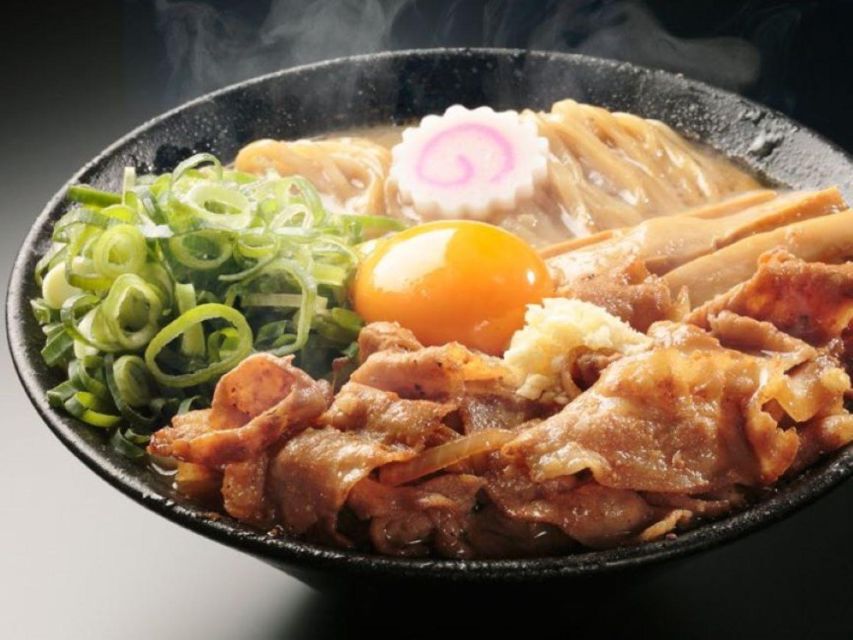
The class ends with the most important step: you eat your own ramen. The meal is filling, and the broth has received especially strong praise for its flavor. Several people have described the finished bowl as delicious, while one person called it the best of several ramen meals eaten in Tokyo.
Taste is personal, of course. One participant found the pork-based stock too salty, so you should not expect the flavor to suit everyone. The soup contains pork, chicken, and beef, and the recipe is secret. Staff cannot provide a full list of ingredients, which is important if you have allergies or strict dietary needs.
The included meal makes the base price easier to justify. You are not paying $29 for a demonstration followed by another restaurant bill. You finish the activity with a substantial bowl of food.
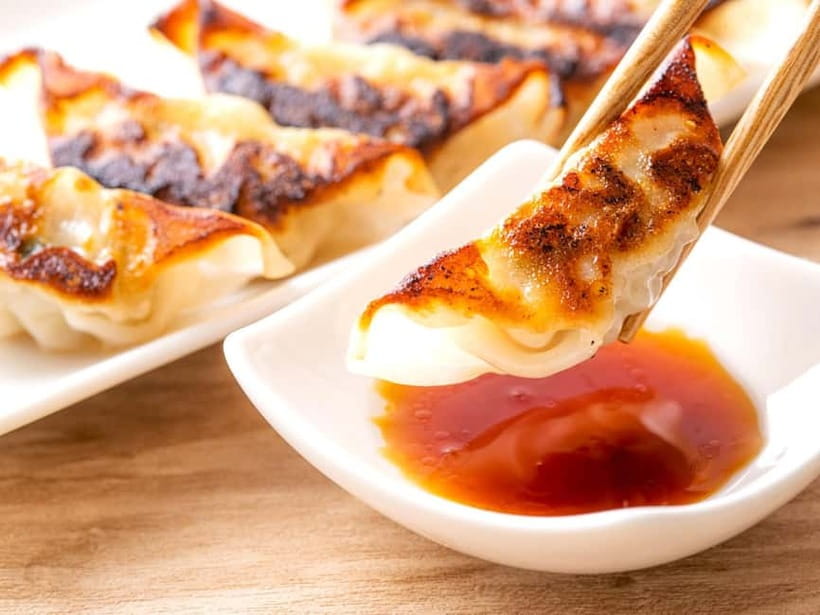
The class may also offer water, barley tea, alcohol, or additional dishes depending on the package. Gyozas have been available as an add-on, with one option providing five per person. Alcohol is not included in every basic booking, so check the package details carefully.
Some sessions include photos taken during the activity, with professional pictures available to purchase afterward. This is optional rather than part of the advertised base experience.
The Guides Make the Difference
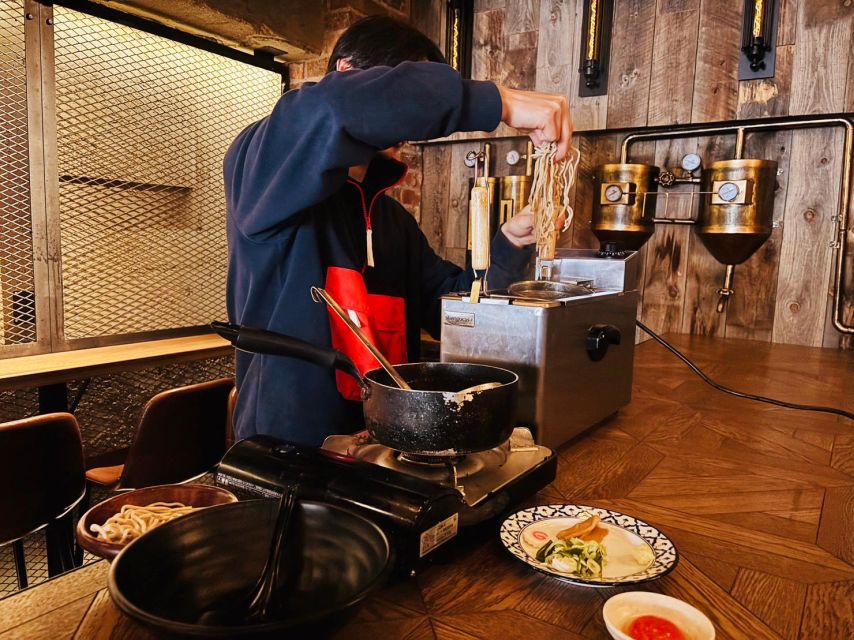
The strongest part of this activity is the staff. The food lesson is straightforward, but the guides turn it into a social experience rather than a simple assembly line.
Tak has helped families, including a ten-year-old who made ramen with assistance. Kai has been praised for combining clear instruction with useful city recommendations. Nina has been described as friendly and engaging, while Chihiro has received credit for being professional and well informed.
Mikhail and Michail have also made a good impression by explaining ramen techniques and sharing tips beyond the basic recipe. If you are curious about Japanese food, the class can become a conversation about what else to order during your time in Tokyo.
That personal contact is one reason this class works well for people who have only a short time in the city. You get food, a cultural explanation, and a chance to ask questions in one compact activity.
Still, do not expect identical English support in every session. Staff members have different language skills, and a translation device may be used. The instructions are simple enough to follow, but complicated questions may take patience.
Who Should Take This Class

I would recommend this activity to several types of visitors:
- First-time cooks who want a low-pressure introduction to Japanese food.
- Families with older children and teenagers, provided everyone understands the venue and food restrictions.
- Couples and friends looking for something more active than another restaurant meal.
- Ramen fans who want to understand the basic parts of the dish.
- Visitors staying in Shinjuku who want an activity close to Kabukicho attractions.
- People with limited time, since the full session lasts about one hour.
It is less suitable for anyone seeking a full noodle-making masterclass. You do not knead and age every noodle or simmer the broth for days. It is also unsuitable for vegans, vegetarians, and people with gluten intolerance.
Children under four are not accepted. Participants under 20 must be accompanied by a parent or guardian. Alcohol is prohibited for anyone under 20 under Japanese law.
Timing Your Visit Around Shinjuku
The one-hour length makes this easy to add to a day of sightseeing. You could schedule it before exploring Kabukicho, after visiting nearby parts of Shinjuku, or as an early meal before an evening out.
Do not cut the timing too closely. Shinjuku Station can take time to navigate, and the meeting point is in a busy district. Several people have arrived late after struggling to find the location, although staff have sometimes worked hard to accommodate them. I would still aim to arrive early rather than depend on that kindness.
The nearby Godzilla statue makes a useful photo stop before or after class. The surrounding area also offers plenty of nightlife, restaurants, and entertainment, so you can turn the ramen lesson into part of a larger Shinjuku outing.
Cancellation and Practical Details
You can cancel up to 24 hours in advance for a full refund, and the reserve-now, pay-later option helps if your Tokyo schedule is still changing. Changes remain subject to the booking conditions, so read the exact terms before confirming.
The experience includes the ramen cooking class and the meal. Bottled drinks, extra meals, transportation, and optional food or alcohol upgrades are not included in the base package.
Bring an ID card or a copy. Wear something comfortable for a short cooking activity, although no special equipment is listed as necessary. Since the room is upstairs without an elevator, consider that before booking if stairs are difficult for you.
Final Verdict: Is the Shinjuku Ramen Class Worth It?
Yes, for most people who want a friendly and affordable food activity in central Tokyo. The class is easy, social, and well paced. You learn why ramen takes so long to make, prepare the main components yourself, customize the bowl, and eat the result.
I would book it if you want a hands-on introduction rather than a serious culinary course. The small groups and attentive guides are the real value, especially when you get someone like Tak, Hinata, Mikhail, or Nina leading the session.
I would skip it if you need a vegetarian or vegan meal, have strict allergy concerns, or want to make broth and noodles entirely from raw ingredients. For everyone else, $29 buys a useful hour in Shinjuku, a filling meal, and a story to take home beyond simply saying you ate ramen in Tokyo.
FAQ
How long does the ramen cooking experience last?
The experience lasts about one hour, including the explanation, cooking, and eating.
What is included in the price?
The base price includes the ramen cooking experience and the meal you prepare. Bottled drinks, extra meals, additional drinks, and transportation are not included.
Do I make the ramen broth and noodles completely from scratch?
No. The class explains the traditional process, but the full preparation takes many hours or days. A shortened recipe is used so you can cook and eat the ramen within about an hour.
Where does the class take place?
It takes place at Shinjuku Ale in Kabukicho, on the second floor. The venue is near the Godzilla statue.
Is there an elevator?
No. The experience takes place on the second floor, and there is no elevator.
Is the class suitable for vegetarians or vegans?
No. The ramen soup contains pork, chicken, and beef, so the experience is not suitable for vegetarians or vegans.
Can children attend?
Children under four cannot attend. Participants under 20 must be accompanied by a parent or guardian.
Is English available during the class?
Some staff members speak good English, but language ability varies. A translation machine may be used during the experience.
Just added around Tokyo
- Tokyo: Sushi Cooking Class with Sake Tasting★ 4.8 · 55 reviews
- Tokyo: Sushi roll and side dish cooking experience★ 5.0 · 2 reviews
- Tokyo: Sushi Making Experience & Japanese Cooking Class★ 5.0 · 2 reviews
- Tokyo: Gyoza Making from Scratch – Ultimate Cooking Class★ 5.0 · 2 reviews
- Tokyo: Night Cooking Class: 5 Home-Cooked Japanese Dishes★ 4.9 · 13 reviews
- Tokyo: Real Ramen & Dumpling Cooking with Master Chef★ 5.0 · 10 reviews
- Tokyo: Kawaii Bento Cooking Class – Cute Character Lunchbox★ 4.9 · 55 reviews
- Tokyo: Sushi and Ramen Cooking Class with Sake Pairing Set★ 5.0 · 81 reviews
Japanese & Sushi Cooking Classes, compared.
Ramen Cooking Class at Ramen Factory in Kyoto
Read our review →
Ramen & Gyoza Cooking Class in Tokyo with Local Supermarket Visit
Read our review →
Ramen Cooking Class at a Ramen Factory with Souvenir
Read our review →
Sushi Making Osaka! Popular Sushi Class in Japan!
Read our review →
Tokyo Tsukiji Fish Market Tour and Sushi Making Lesson
Read our review →
Japanese Washoku Bento Small Group Cooking Class
Read our review →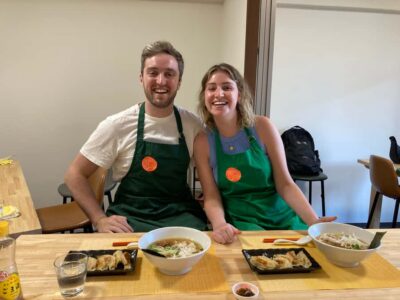
Lists this class appears in