REVIEW · HONSHU, JAPAN
Tokyo: Tsukiji Market Walking Tour & Sushi Cooking Class
Tsukiji is best understood with your appetite. This three-hour Tokyo experience pairs a guided walk through the Tsukiji Outer Market with a hands-on Japanese cooking class, giving you both local food context and a meal you make yourself. I like the small groups, capped at six, and the chance to learn several useful dishes rather than only rolling sushi.
I also like the human touch. Guides such as Aki, Akiko, Takeshita, Lucy, and Nobu have been praised for making the market easier to understand, while instructors including Megumi, Miwa, Yukari, and Alika have earned warm marks for patience. The main drawback is time: about 70 minutes in the market can feel short, especially if you want to browse and sample food at your own pace.
The market portion is also not a visit to the famous inner wholesale market or the tuna auction. At $96 per person, this is a good fit if you value a guide, a small cooking group, ingredients, instruction, and lunch. It is less compelling if you only want to wander Tsukiji or expect a long, advanced sushi workshop.
Key points to know before booking
- About 70 minutes at Tsukiji Outer Market: Enough for an introduction, but not enough to see every stall or eat your way through the district.
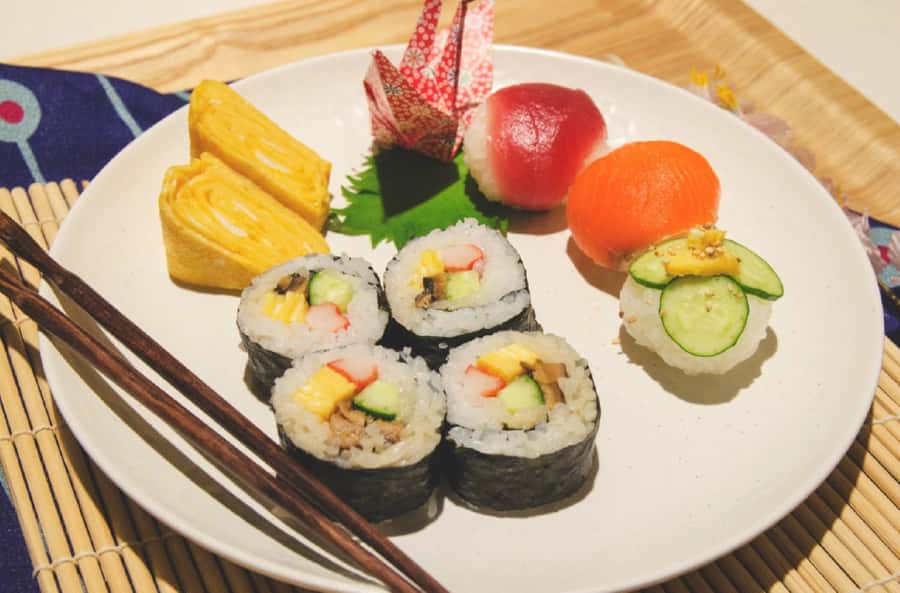
- A practical Japanese cooking lesson: You prepare Temari sushi, rolled sushi, tamagoyaki, and miso soup.
- Lunch is made by you: The meal at the end includes the dishes prepared during class.
- Small groups of up to six: This allows more contact with the guide and instructor than a large coach tour.
- No inner market or tuna auction: The tour focuses on the public outer market and the cooking studio.
- Best for visitors aged 9 and up: You need comfortable shoes, comfortable clothes, and the ability to stand and move around for the activity.
Starting at Tsukiji Hongwanji Temple
The meeting point is in front of the main gate of Tsukiji Hongwanji Temple, at 3-15-1 Tsukiji. Look for a guide holding a sign with your name. The location is easy to reach, just one minute from Exit 1 of Tsukiji Station on the Hibiya metro line, or about seven minutes from Tsukijishijo Station on the Oedo line.
This is a sensible place to begin. The temple gives you a clear landmark in a busy part of Tokyo, and it is much easier than trying to meet inside the market lanes. Arrive ready to walk. You should wear comfortable shoes, and you should leave luggage and large bags at your accommodation because they are not allowed on the activity.
The small group size matters right away. With a maximum of six people, your guide can answer questions about unfamiliar seafood, food stalls, and market customs without trying to speak over a crowd. The experience requires at least two participants to operate, so it is a small-group tour rather than a private booking.
More Cooking Classes with a Market Tour in Japan
- Tokyo Tsukiji Fish Market Tour and Sushi Making Lesson
★ 5.0 · 390 reviews - Tokyo Washoku 4-hour Cooking Class: From Market to Table
★ 5.0 · 253 reviews - Nishiki Market Food Tour with Cooking Class
★ 4.9 · 42 reviews
What you actually see at Tsukiji Outer Market
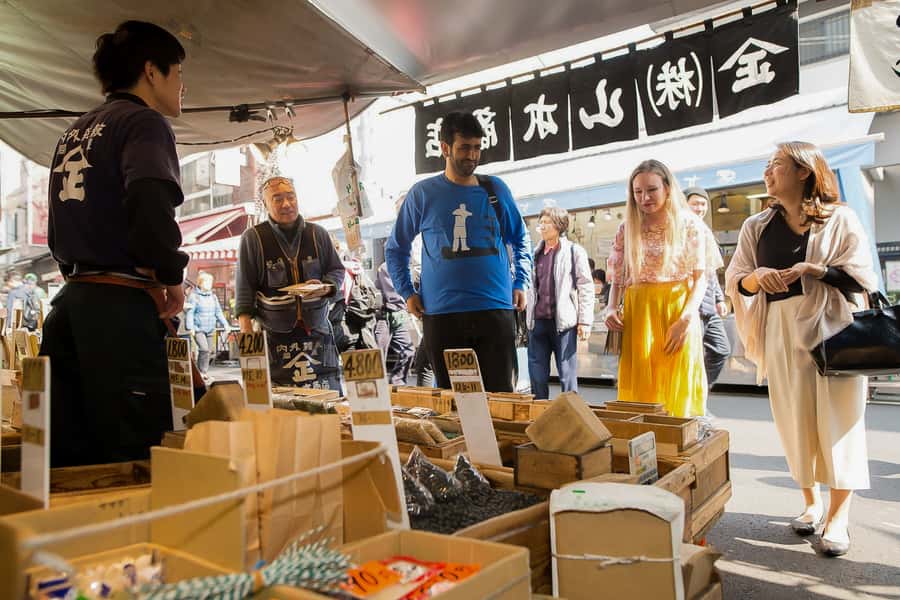
The outer market is a public shopping district filled with food shops, restaurants, produce sellers, seafood stalls, kitchen stores, and small places serving prepared food. It is lively, narrow, and sometimes messy in the ordinary working-market sense. That is part of its charm, but you should not expect a quiet museum visit.
Your guide helps give the market a shape. Instead of seeing a string of unfamiliar stalls, you learn how seafood connects to Japanese cooking and what different shops sell. Guides such as Aki, Akiko, Takeshita, Lucy, and Nobu have been singled out for friendly explanations and for helping people find their way through the lanes.
This guidance is especially useful if you have never visited Tsukiji. You might notice items you would not recognize on your own, and your guide can explain how they fit into Japanese meals. The walk also gives context for the class that follows. Sushi and miso soup make more sense when you have just seen the ingredients and food culture that support them.
Still, keep the limits in mind. You spend around 70 minutes in the outer market, and several people have wished for more time. If you enjoy stopping at every stall, tasting several foods, or shopping for ingredients, the schedule may feel tight. The tour keeps you moving so the cooking class can begin on time.
The important Tsukiji distinction
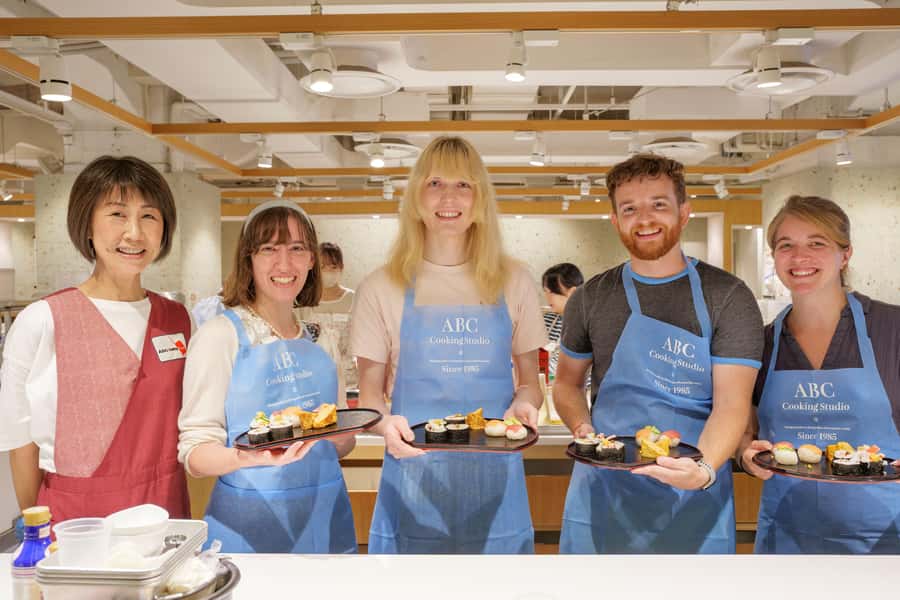
This experience does not include the tuna auction or the inner wholesale fish market. That distinction matters because Tsukiji’s public outer market is often confused with the former wholesale complex.
The outer market is open to the public and built for browsing, eating, and shopping. It can offer a fun and useful introduction, but it is not the behind-the-scenes wholesale visit that some people imagine when they hear Tsukiji Fish Market. One person found the outer area more tourist-oriented than expected after the wholesale market moved elsewhere.
I would not book this tour if seeing the auction or wholesale trading floor is your main goal. I would book it if you want an easy introduction to Tsukiji followed by a structured food activity. The two parts work best together because the market supplies the setting and context, while the class gives you something practical to take home.
From market lanes to the cooking studio
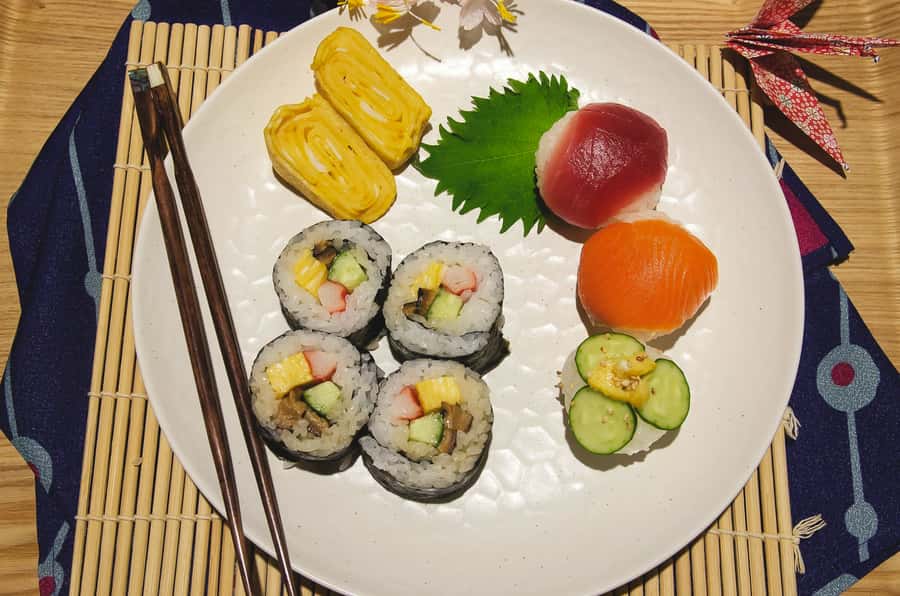
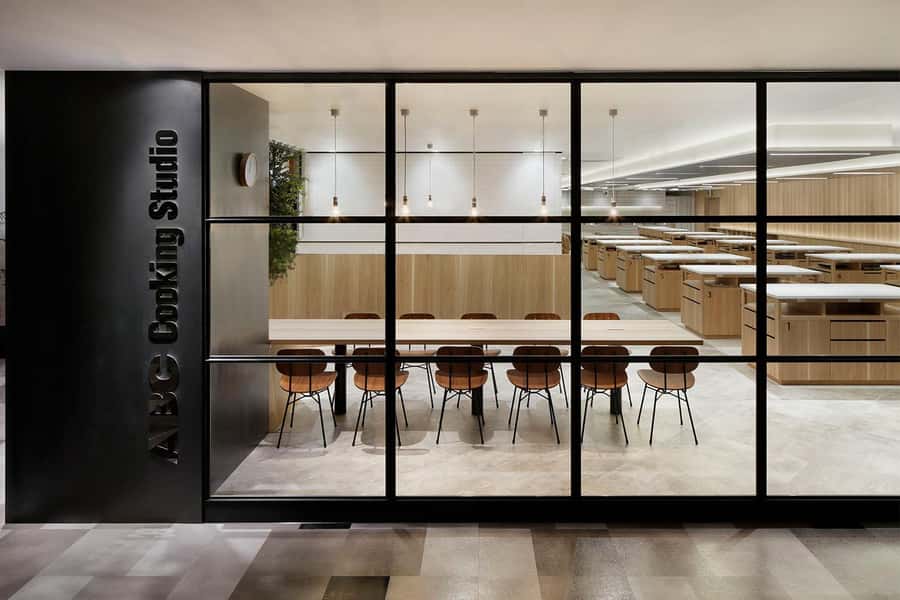
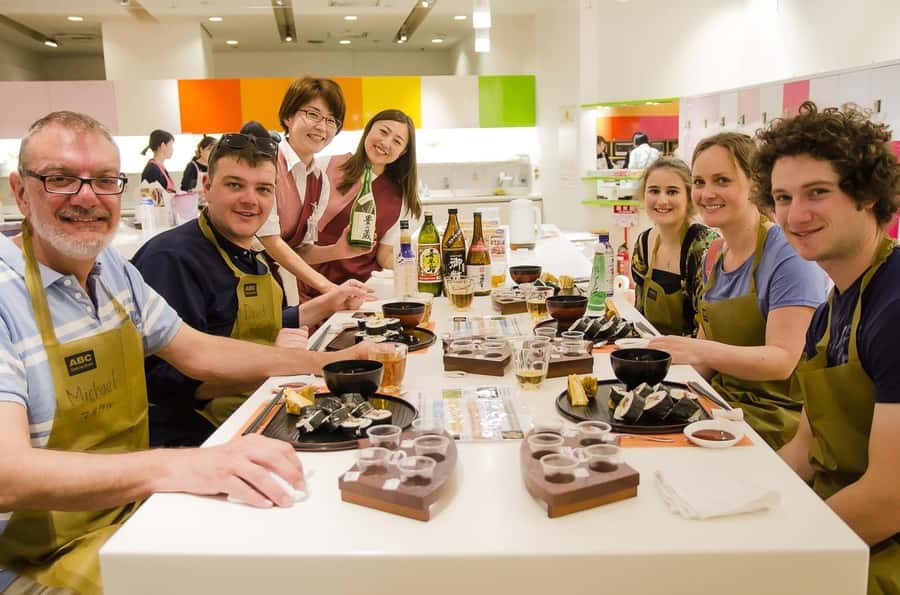
After the walk, you continue to ABC Cooking Studio, described as one of Asia’s largest gourmet cooking schools and Japan’s largest cooking school. The setting is more polished and organized than the market, with aprons provided and drinking water available.
A professional instructor demonstrates the techniques, then helps you prepare the dishes. The exact ingredients can change with the season, market supply, and what has arrived that day, so the food shown in promotional images is not guaranteed. That flexibility is normal for a food class, but it is worth knowing if you are expecting a fixed menu.
The class covers four useful parts of a Japanese meal:
- Temari sushi, small ball-shaped sushi that is attractive and approachable
- Maki sushi, rolled sushi made with the familiar rolling technique
- Tamagoyaki, Japanese rolled omelet
- Miso soup
This is broader than a class focused only on sushi. I like that you learn how to balance rice, seafood, egg, and soup into a complete meal. The dishes also give you different levels of difficulty. Temari sushi is visually pleasing, maki sushi requires more coordination, and tamagoyaki teaches careful folding and timing.
Several instructors have received praise for their calm teaching style. Megumi, Miwa, Kiko, Yukari, Hiroko, Hatsuko, and Alika are among the instructors described as patient, friendly, and encouraging. That matters if you are new to sushi rolling or worried about making something that looks less than perfect.
More Sushi and Japanese Classes in Tokyo:
- Ramen & Gyoza Cooking Class in Tokyo with Local Supermarket Visit
★ 5.0 · 823 reviews - Tokyo: Easy Ramen Cooking Experience in Kabukicho, Shinjuku
★ 4.6 · 321 reviews - Ramen and Sushi Cooking Class with Sake Pairing Set in Tokyo
★ 5.0 · 291 reviews - Tokyo: Wagyu and 7 Japanese Dishes Cooking Class
★ 4.9 · 273 reviews
How hands-on is the sushi class?

You do take part in preparing the food, but expectations should stay realistic. One person found the class a little rushed and less hands-on than expected. That is the tradeoff of fitting a market walk, several recipes, instruction, and lunch into three hours.
I would describe it as an accessible introduction rather than professional culinary training. You learn basic methods, follow the instructor’s demonstrations, and assemble a meal with the group. The class is meant to be enjoyable and useful, not an intensive course in knife work or seafood preparation.
Families can find plenty to like here. The minimum age is 9, and a family with children aged 11, 13, and 15 had a particularly good time. Teenagers can take part in the rolling and shaping, while adults get a clearer sense of how Japanese meals are put together.
The height requirement is 4.2 feet, or about 130 centimeters. The activity is not suitable for wheelchair users, children under 9, or people under that height. It is also not recommended for people with back or heart problems, pregnant people, or anyone with another serious medical condition.
Sitting down to eat your own work
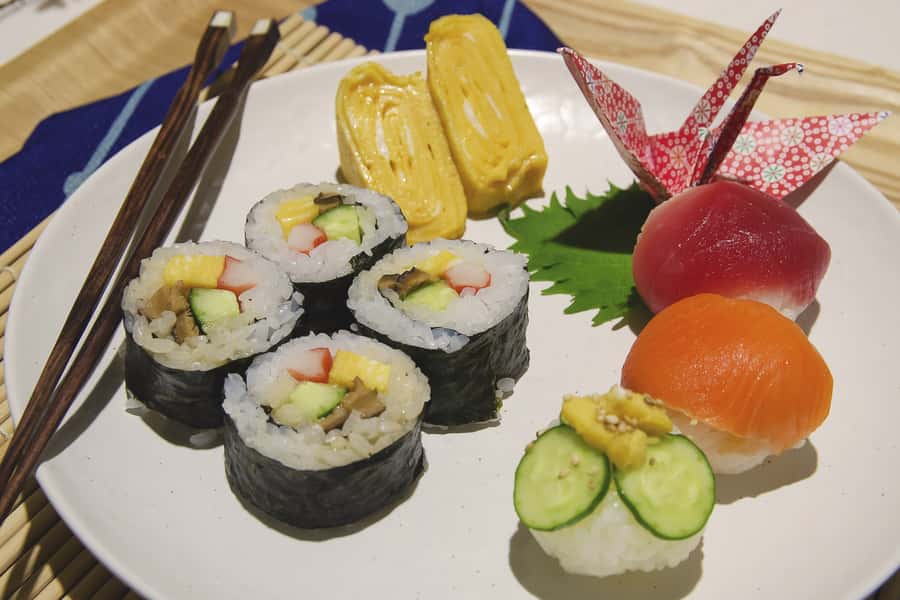
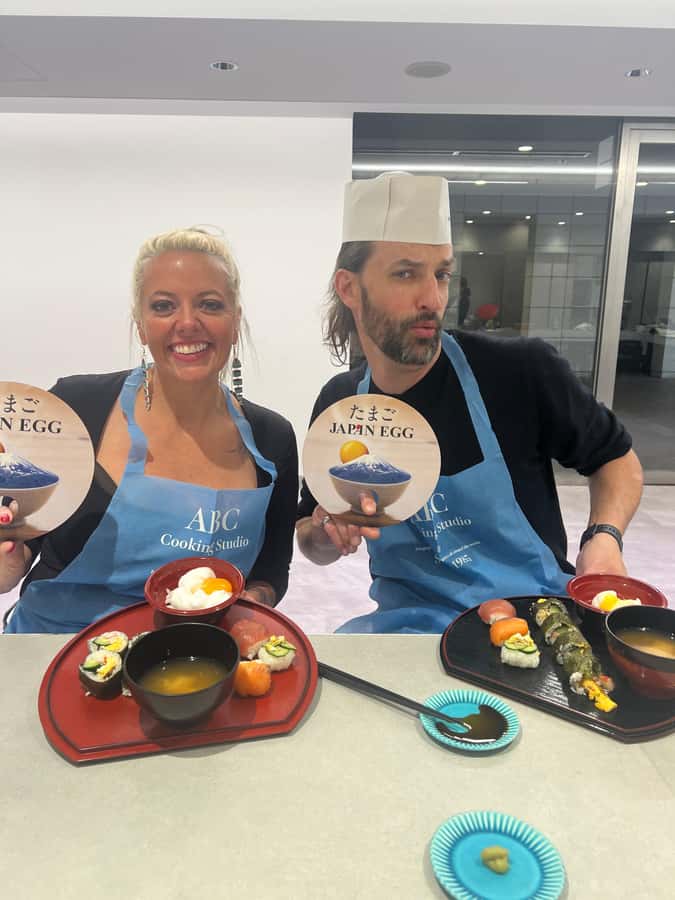
The final meal is the payoff. You sit down and eat the sushi, tamagoyaki, and miso soup you prepared. This makes the class feel more complete than a demonstration where you simply watch an instructor cook.
The food is not just lunch. It is also a useful test of what you learned. You see how the sushi holds together, taste the balance of the miso soup, and discover how much care goes into a neat Japanese omelet. The digital recipe lets you try the dishes again later, while the digital certificate is a pleasant extra.
I especially like the connection between the market and the table. You begin by looking at Japanese food ingredients in their commercial setting, then finish by turning related ideas into a meal. You may not become a sushi chef in one morning, but you leave with a clearer understanding of the work behind a simple-looking lunch.
Come hungry if you hope to taste food at the market before class. The schedule does not promise a long food crawl, and lunch comes later, so do not assume the market walk alone will fill you up.
Is $96 a fair price?
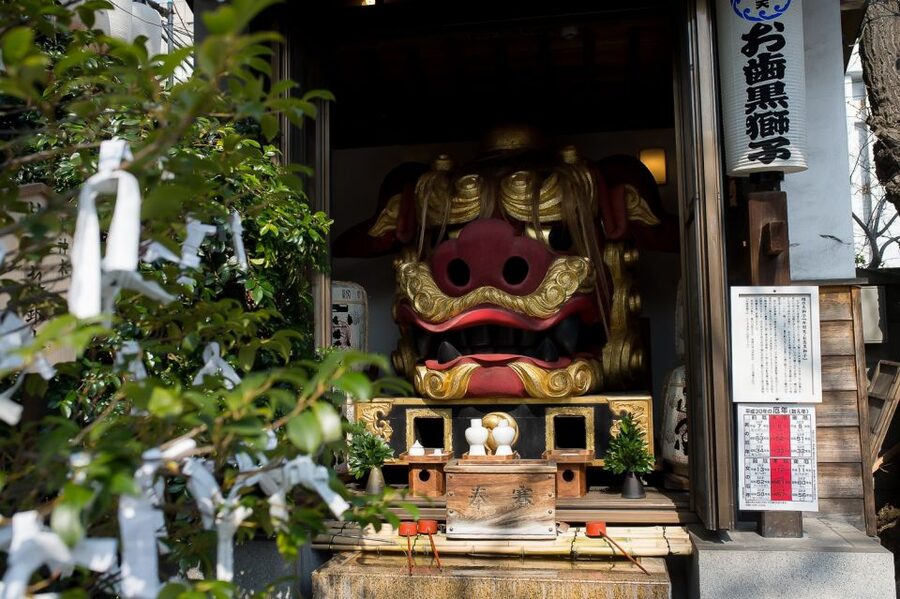
At $96 per person, the cost is above what you would pay to walk through Tsukiji on your own. The market itself is free to enter, and independent visitors can choose their own stalls, restaurants, and shopping time.
The value comes from combining several services in one short booking. Your price covers the guided market walk, English-speaking guide, cooking instruction, apron, water, ingredients, lunch, digital recipe, and digital certificate. The small group limit also adds value, since you are not trying to follow a guide through the market as part of a large crowd.
I think the price is fair for visitors who want a planned food experience and may feel unsure about navigating Tsukiji. It is less attractive for confident eaters who prefer to spend hours browsing independently, or for cooks who want advanced instruction and more time at the worktable.
The free cancellation policy allows cancellation up to 24 hours before the activity for a full refund, and reserve-now-pay-later booking is available. Bad weather or unavoidable circumstances can lead to cancellation and a full refund, although the activity may not be rescheduled without a refund. These details are worth checking before you set the rest of your morning around the tour.
Who will enjoy this most?
I would recommend this experience to first-time Tokyo visitors who want a manageable introduction to Japanese food. It suits couples, small groups of friends, and families with older children who enjoy making things together.
It is also a good choice if you want a guide’s help with Tsukiji rather than simply arriving and wandering. The English-speaking guides have been praised for warmth and clear explanations, and the cooking instructors are used to teaching beginners.
You should think twice if you want the inner wholesale market, the tuna auction, or a long market visit. You should also avoid booking if you have mobility or medical concerns covered by the restrictions, or if you dislike timed activities and prefer to stop wherever your appetite leads.
The market experience can be affected by weather, and poor weather may cause cancellation. Check the starting time and forecast, wear shoes with good comfort, and avoid bringing a large bag.
Should you book the Tsukiji and sushi class?
Book it if you want a compact food-focused morning with a guide, a small group, and a meal you prepare yourself. The strongest part is the pairing of Tsukiji’s food stalls with the cooking lesson. The market gives the class meaning, and the class keeps the market visit from being only a walk and a few photos.
Skip it if the outer market alone is your priority. You may want more than 70 minutes, and you can visit the area independently. Also skip it if you are specifically seeking the tuna auction or wholesale market, since neither is included.
For most first-time visitors who want a friendly, practical introduction to Japanese cooking, I think the $96 price is reasonable. Just set your expectations correctly: this is a guided market sampler and beginner cooking class, not an inner-market expedition or an advanced sushi apprenticeship.
FAQ
Where does the tour meet?
Meet your guide in front of the main gate of Tsukiji Hongwanji Temple at 3-15-1, Tsukiji, Chuo, Tokyo. The guide will hold a sign with your name.
How do I reach the meeting point?
Tsukiji Station on the Hibiya metro line is about one minute from Exit 1 and two minutes from Exit 2. Tsukijishijo Station on the Oedo line is about a seven-minute walk from Exit A1, in the direction of St. Luke’s Hospital.
Does the tour visit the tuna auction or inner wholesale market?
No. The experience visits the public Tsukiji Outer Market. The tuna auction and wholesale fish market are not included.
What dishes will I make?
You prepare Temari sushi, maki sushi, tamagoyaki, and miso soup. The exact ingredients may change with the season and market supply.
Is lunch included?
Yes. You eat the food you prepare during the cooking class. Drinking water, an apron, a digital recipe, and a digital certificate are also included.
Is the activity suitable for children?
The minimum age is 9, and participants must be at least 4.2 feet, or about 130 centimeters, tall. The activity is not suitable for children under those limits.
More Walking Tours in Tokyo
- Japanese Home Cooking Class & Walk in Todoroki Temple Tokyo
★ 5.0 · 88 reviews - Cape Town: Bo-Kapp Walking Tour and Malay Cooking Class
★ 4.7 · 105 reviews - Naxos: Food Walking Tour & Cooking Class with Meal & Drinks
★ 4.9 · 86 reviews - Easy Cooking Class Budapest – with Market Walk (local wine & pálinka included)
★ 5.0 · 62 reviews
More Cooking Classes with a Market Tour in Tokyo
- Hanoi Cooking Class: Culture, Local Market & Meaning CSR Impact
★ 5.0 · 5,147 reviews - 5 Traditional Dishes Hanoi Cooking Class with Market Trip
★ 5.0 · 4,890 reviews - Cooking Class and Lunch at a Tuscan Farmhouse with Local Market Tour from Florence
★ 5.0 · 4,831 reviews - Chiang Mai: Cooking Class, Market & Thai Herbs Garden Tour
★ 4.9 · 4,824 reviews
Just added around Tokyo
- Tokyo: Sushi Making Experience & Japanese Cooking Class★ 5.0 · 2 reviews
- Tokyo: Sushi Cooking Class with Sake Tasting★ 4.8 · 55 reviews
- Tokyo: Sushi roll and side dish cooking experience★ 5.0 · 2 reviews
- Tokyo: Gyoza Making from Scratch – Ultimate Cooking Class★ 5.0 · 2 reviews
- Tokyo: Night Cooking Class: 5 Home-Cooked Japanese Dishes★ 4.9 · 13 reviews
- Tokyo: Real Ramen & Dumpling Cooking with Master Chef★ 5.0 · 10 reviews
- Tokyo: Kawaii Bento Cooking Class – Cute Character Lunchbox★ 4.9 · 55 reviews
- Tokyo: Sushi and Ramen Cooking Class with Sake Pairing Set★ 5.0 · 81 reviews
Cooking Classes with a Market Tour, compared.
Hanoi Cooking Class: Culture, Local Market & Meaning CSR Impact
Read our review →
5 Traditional Dishes Hanoi Cooking Class with Market Trip
Read our review →
Cooking Class and Lunch at a Tuscan Farmhouse with Local Market Tour from Florence
Read our review →
Cooking Class, Market & Thai Herbs Garden Tour
Read our review →
Authentic Cooking Class with Market & Farm Visit
Read our review →
Paella Cooking Experience & Boqueria Market Tour
Read our review →
Cooking Class Hoi An:Local Market, Basket Boat, Fishing & Cooking
Read our review →