
REVIEW · WESTERN CAPE, SOUTH AFRICA
Cape Town: Bo-Kapp Walking Tour and Malay Cooking Class
Bo-Kaap is more than a photo stop. This four-hour experience pairs a local walking tour with a hands-on Cape Malay cooking class in a resident’s home, giving you both the neighborhood story and a seat at the table. I especially like the chance to learn from guides such as Faldela, Gadija, and Ilyas, and the useful cooking skills, from folding samosas to making flaky roti. The one drawback is the small cooking area, which may mean only one or two people can work at the counter at a time.
I also like the way the tour supports local shops, artists, and a family-style meal rather than treating Bo-Kaap as a quick collection of colorful façades. The spice stop adds real value, especially if you enjoy food and want to repeat the recipes at home. Just note that the exact walking route, guide, and museum visit may vary, and one past participant said the museum was not included during their outing.
Key points to know before booking
- The four-hour format has two clear parts: a guided walk through Bo-Kaap followed by cooking and lunch in a local home.
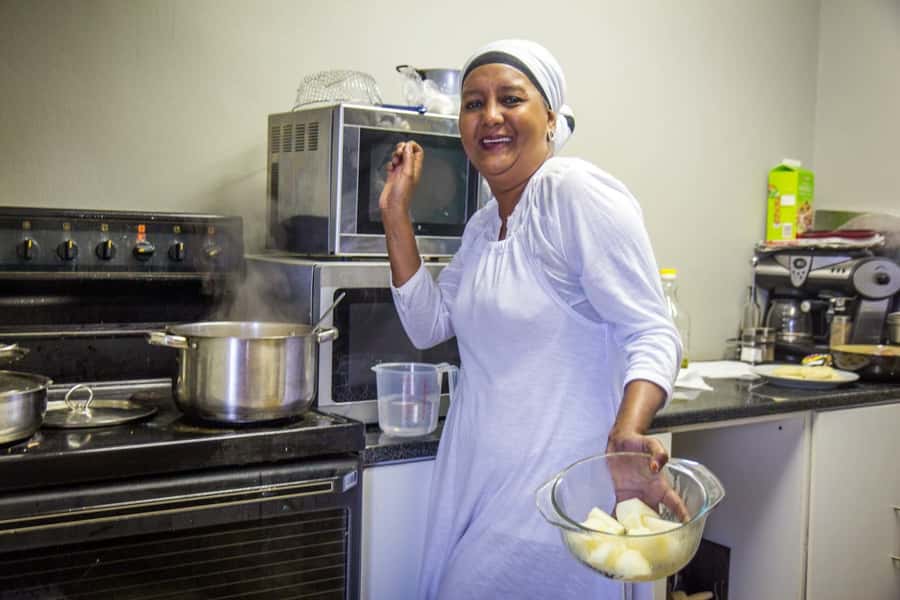
- The cooking is genuinely hands-on: you may fold samosas, fry chili bites, make roti, prepare curry, and mix sambal.
- Faldela is a major strength: her humor, warmth, spice knowledge, and teaching style receive repeated praise.
- The walking tour adds context: you learn about Cape Malay culture, Islam, old buildings, local businesses, and the neighborhood’s community life.
- The kitchen is compact: the class is interactive, but not everyone can work at the same time.
- At $68 per person, the value is good: you receive a guided cultural visit, museum entry, water, a substantial meal, and recipes to take home.
Why Bo-Kaap deserves more than a quick photo
Bo-Kaap’s painted houses are the obvious attraction. Their bright colors make for easy photographs, but the neighborhood is not simply a cheerful backdrop for Cape Town sightseeing. The walking tour helps explain the people, faith, buildings, and traditions behind the façades.
You walk cobblestone streets and see some of the area’s oldest structures. The guide talks about the Cape Malay community and the role of Islam in local life, including the first and oldest mosque in South Africa. You also visit the cultural museum, although the exact museum stop may depend on the guide and timing.
That extra context matters. On your own, you can admire the houses in a short walk, but you may miss how the neighborhood developed and why it remains important to its residents. A local guide also gives you a better sense of Bo-Kaap as a lived-in community, not an open-air set.
The guides vary by departure. Faldela is both a host and cooking teacher, while Gadija has led the historical walk and cooking session. Ilyas has also guided walks through the area. The repeated praise for these local guides centers on warmth, humor, and a strong connection with the community.
More Walking Tours in South Africa:
- GQ: City Walking Tour & African Cuisine Cooking Class
★ 4.6 · 11 reviews - Tokyo: Tsukiji Market Walking Tour & Sushi Cooking Class
★ 4.6 · 122 reviews - Japanese Home Cooking Class & Walk in Todoroki Temple Tokyo
★ 5.0 · 88 reviews
The walking route: history, faith, and local shops
The walk begins near the meeting point, described as a purple house with flower pots on top. That distinctive landmark should help you identify the host’s home, but check your booking details carefully before setting off.
The route takes you past old buildings and through streets where local businesses continue to operate. Several people have particularly enjoyed stops at art and souvenir shops, including the chance to meet artists. This is a welcome touch because it puts money and attention into the neighborhood rather than keeping the experience focused only on sightseeing.
You also visit a spice shop. This is more than a quick retail stop. The guide explains different spices, their uses, and claimed health benefits. Faldela is especially praised for her detailed spice demonstrations, and one useful tip is to start a video when she begins explaining them, provided the host is comfortable with filming. You may want to take notes too, since the information can come quickly.
The walking portion is described as short enough to build an appetite without wearing you out. Wear comfortable shoes, as the route includes cobblestone streets. The tour is in English, and the guides answer questions during the walk.
One point to keep in mind: the schedule may not always include every possible stop. One participant did not visit the museum and suggested allowing separate time for it. The museum itself was also described as less impressive than the guide’s interpretation of the area. I would treat the neighborhood walk as the main attraction and regard the museum as a useful extra.
Entering a local home for Cape Malay cooking
After the walk, you return to the host’s home for the cooking class. This change of setting is one of the best parts of the experience. Instead of watching a chef behind a restaurant counter, you cook in a local home and share the final meal with your host and the rest of the group.
The menu can include chili bites, samosas, chicken curry, roti, sambal or salsa salad, and koesisters. The exact dishes described in the experience include samosas as the first course, chicken curry with roti as the main meal, and spicy, sweet-savory donuts with cardamom tea for dessert.
You are not expected to arrive as an expert cook. The class is structured so that you can follow along, and the end result is designed to be satisfying even if your samosa folds look a little improvised. Several people have gone home and made the samosas or roti again, which is a good sign that the instructions are practical rather than purely theatrical.
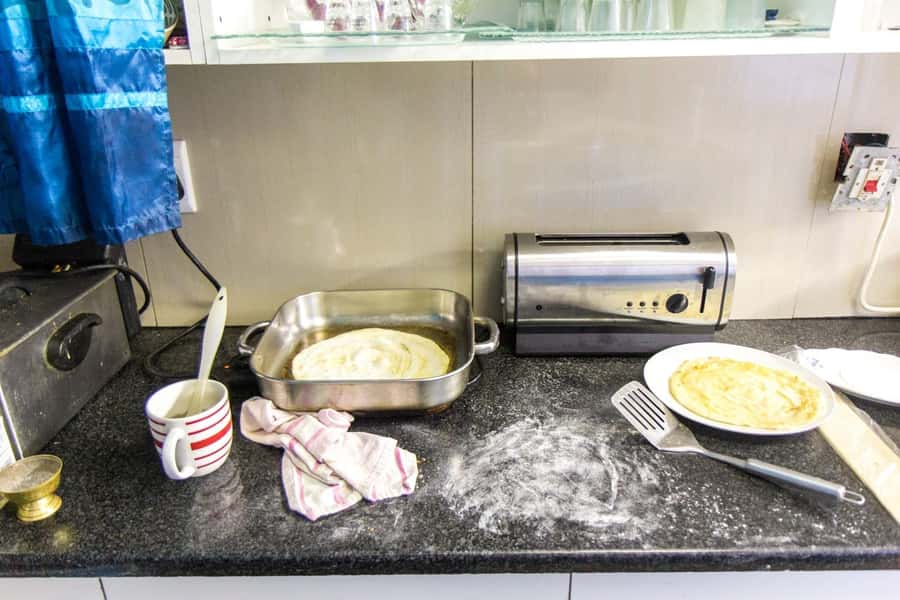
The most memorable task may be making roti from scratch. You learn how the dough is handled and folded to create flaky layers. It sounds simple until you try it, which is exactly why it is useful. A finished roti on a plate tells you very little. Making one yourself gives you a technique you can repeat later.
The samosas offer another hands-on moment. You help fold the pastry, then prepare the filling and cooking steps as directed. Chili bites add another small dish to the table, while the curry provides the hearty center of the meal.
The small kitchen is part of the trade-off
The cooking space is compact. One participant noted that only one or two people could work at the counter at once. This is the main practical limitation of the class, especially if the group is full.
You should not expect every person to chop, stir, roll, and fry at every stage. Some parts may be demonstrations, and the host may handle much of the work to keep the meal moving. That is not necessarily a problem. Faldela has been praised for making sure people take part, and the class is described as organized and easy to follow.
Still, the experience suits you best if you are comfortable sharing tasks. If you want a private cooking lesson where you control every step, this may feel crowded. If you prefer a social class with a lively host, shared work, and plenty of conversation, the small home setting adds character.
Dietary needs have been handled well for some participants, but the supplied details do not specify which diets can be accommodated. Mention your needs when booking or before the class rather than assuming the standard menu will suit you.
A few more cooking classes around South Africa worth a look
- Cape Town: Malay Cooking Class and Lunch in Bo-Kaap
★ 4.8 · 515 reviews - Authentic African Cuisine Cooking Experience
★ 5.0 · 236 reviews - Cape Town: Cape Malay Cooking Class in Bo-Kaap
★ 4.8 · 120 reviews - Cape Town: Authentic African Cuisine Cooking Experience
★ 4.9 · 31 reviews
The meal is the reward at the table
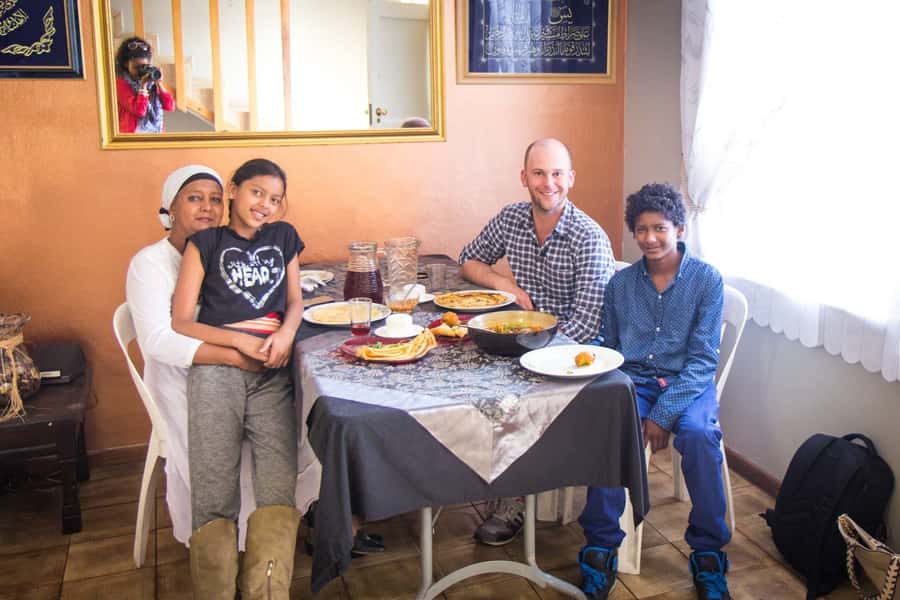
The final meal is generous. You sit down to eat the food you helped prepare, usually with the host and other people in the group. That shared table is where the walking tour and cooking lesson come together.
The curry and roti form the main course, while samosas, chili bites, and sambal add different textures and flavors. Koesisters, described here as spicy savory donuts, finish the meal with cardamom tea. The food is repeatedly praised for being plentiful and full of flavor.
The host’s conversation is just as important as the menu. You have time to ask questions, compare cooking habits, and talk about Bo-Kaap beyond the formal walk. One of the strongest features of the experience is this chance to sit and break bread with local people instead of simply passing through.
You also receive the recipes for the dishes you prepare. That improves the value of the class considerably. A meal disappears quickly, but a recipe for curry, samosas, or roti gives you something practical to use when you return home.
Is $68 a fair price?
At $68 per person, the price is reasonable for a four-hour experience that combines several elements. You receive the guided neighborhood walk, museum entrance, water, the cooking class, the meal, and recipes.
The value is strongest if you would otherwise pay separately for a Bo-Kaap walking tour and a Cape Malay cooking class. You also get access to a local home and host, which is difficult to reproduce through independent sightseeing.
The listing information says food and drinks are not included, yet the experience clearly includes the meal you prepare and eat. I would confirm the current inclusions at booking, particularly if you want to know about extra drinks or anything beyond water. Alcohol is not included.
The price may feel less attractive if you are not interested in cooking or if you want a long, detailed architectural tour. The walking portion is relatively brief, and the class takes up much of the four hours. For most people, though, that balance works well: enough walking to understand the area, followed by a substantial meal and a useful skill.
Who will enjoy this experience most?
I would recommend it to you if you like local food, small-group activities, and cultural context. It works well for couples, friends, solo participants, and anyone who prefers meeting people over ticking off sights.
You do not need to be a keen cook. One participant specifically noted that the experience remains worthwhile even if cooking is not your main interest. The host’s personality, the meal, and the conversation carry the class along.
It is also a good choice if you want a break from Cape Town’s standard sightseeing circuit. The experience gives you time in one neighborhood and lets you understand it through food, faith, family, and local trade.
You may want to choose something else if you dislike group cooking, have difficulty standing during a four-hour activity, or need a fully private lesson. The supplied details do not give specific accessibility information, so ask before booking if you have mobility concerns.
Timing, meeting point, and what to bring
The activity lasts four hours, with starting times depending on availability. The meeting point is a purple house with flower pots on top. Because the route and host can vary, arrive with your booking details and follow the precise meeting instructions you receive.
Comfortable shoes are the main item to bring. The streets are cobbled, and the walking portion comes before the meal. Water is included, but food and other drinks are listed separately from the included items, so confirm what is covered.
The experience is conducted in English. Free cancellation is available up to 24 hours before the start time, and you can reserve now and pay later, which may help if your Cape Town schedule is still changing.
What I would improve
The experience would benefit from a clearer promise about the museum. Some people visit it, while at least one person did not. If seeing the museum matters to you, ask whether it is included in your departure and allow extra time if needed.
The cooking space is another limitation. The class is interactive, but the room cannot allow everyone to work at once. A smaller group would make the practical side better, though it might also raise the price.
There is also a balance to strike in the cultural discussion. The walk covers community identity, religion, and current concerns expressed in the neighborhood. One participant felt that a political discussion during a cooking class was more direct than needed. I would expect frank conversation, but you can decide how much of that discussion you wish to pursue.
These are modest concerns beside the main strengths: excellent food, friendly hosts, a useful introduction to Bo-Kaap, and recipes you can actually use.
Should you book the Bo-Kaap cooking class?
I would book this if you want to understand Bo-Kaap through both its streets and its kitchen. The strongest reason is the combination of local guiding and practical cooking. You do not just photograph the houses, and you do not just eat Cape Malay food. You learn how the neighborhood’s culture reaches the table.
Book it especially if you enjoy warm hosts, shared meals, and a relaxed class where you may laugh at your first roti attempt. Be aware of the compact kitchen, the possible variation in guides and stops, and the need to confirm the museum and food inclusions.
With a 4.7 rating from 105 reviews and a price of $68, this is a strong choice for a half-day in Cape Town. It offers more personal contact and lasting value than a quick sightseeing loop, particularly because you leave with recipes, new techniques, and a better sense of the community.
FAQ
How long does the Bo-Kaap walking tour and cooking class last?
The experience lasts four hours.
What language is the experience conducted in?
The live tour and cooking class are conducted in English.
What food will I prepare?
The menu includes samosas, chicken curry, roti flatbread, sambal or salsa salad, and koesisters. Some sessions also include chili bites.
Will I eat the food I prepare?
Yes. After cooking, you sit down to enjoy the meal, including dessert and cardamom tea.
Is museum entry included?
Museum entrance is listed as included, although the exact visit may vary. One participant did not visit the museum, so confirm the schedule for your departure if this stop is important to you.
Where is the meeting point?
You meet your host at a purple house with flower pots on top.
What should I bring?
Bring comfortable shoes for walking on the cobblestone streets.
Is water included?
Yes, water is included. Food and other drinks are listed separately, and alcohol is not included.
Can I cancel for a full refund?
You can cancel up to 24 hours in advance for a full refund. The activity also offers a reserve-now, pay-later option.
Just added around South Africa
- Private Cape Malay Cooking Class in Cape Town with a Local Family★ 5.0 · 24 reviews
- Langa Township and Bokaap Cooking Class Half Day Tour★ 5.0 · 4 reviews
- South African Cooking in Cape Town with Local Chef Richard★ 4.5 · 10 reviews
- Cape Town Shore Excursion| South African Cooking & Port Transfers★ 5.0 · 3 reviews
- Private Authentic Cape Malay Cooking Class in Manenberg with Locals★ 5.0 · 5 reviews
- South African Cooking Class in Cape Town with a Local Family★ 5.0 · 2 reviews
- Cape Malay/Creole Cooking Class and Local Shopping in Salt River★ 5.0 · 2 reviews
- Johannesburg: Pan-African Cooking & Dinning Experience★ 4.5 · 6 reviews
Cooking Classes, compared.
Half-Day Thai Cooking Class at Organic Farm in Chiang Mai
Read our review →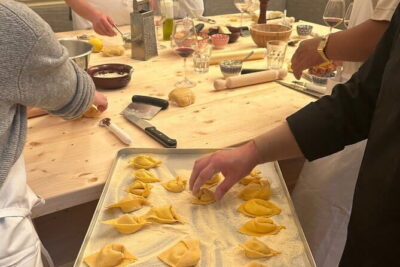
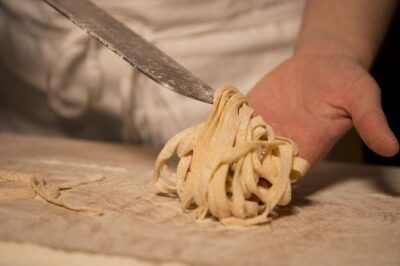
3 in 1 Cooking Class near Navona: Fettuccine, Ravioli & Tiramisu
Read our review →
Pasta & Tiramisu Cooking Class with Unlimited Wine
Read our review →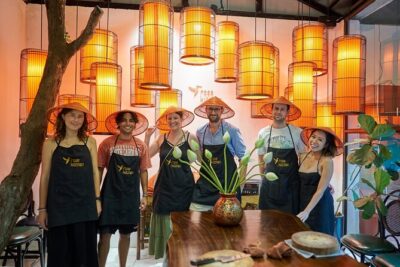
Hanoi Cooking Class: Culture, Local Market & Meaning CSR Impact
Read our review →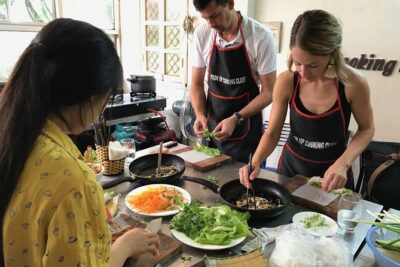
5 Traditional Dishes Hanoi Cooking Class with Market Trip
Read our review →
Cooking Class and Lunch at a Tuscan Farmhouse with Local Market Tour from Florence
Read our review →
Cooking Class, Market & Thai Herbs Garden Tour
Read our review →Lists this class appears in