
REVIEW · KYOTO, JAPAN
Gyoza Cooking Class in Kyoto: Traditional Japanese Dumplings
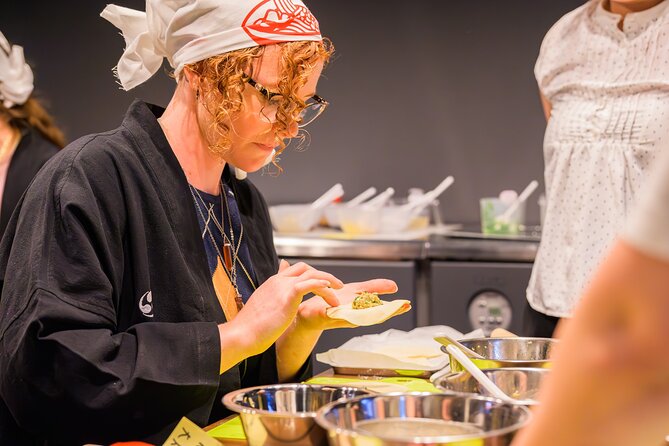
Fold, fill, eat, repeat. This Kyoto class gives you a hands-on way to understand a Japanese favorite, from making gyoza wrappers from scratch to choosing a filling and cooking the dumplings yourself. I especially like the practical skill you take home and the chance to add a little Samurai culture to a short food experience.
I also like that the class takes place in a traditional Kyoto townhouse, with tools supplied and instruction in English. The main drawback is the price: at $118.19 per person for about 90 minutes, it costs more than a casual restaurant meal, so the value depends on how much you want the lesson and cultural setting, not just the food.
Key points at a glance
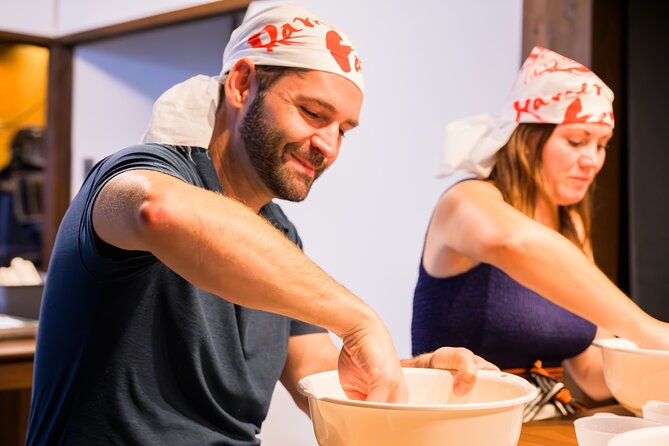
- Make the entire dumpling: You prepare the wrappers, select a filling, shape the gyoza, and cook them.
- Learn in a Kyoto townhouse: The setting gives the class more character than a plain commercial kitchen.
- Expect personal instruction: The experience allows up to 20 people, though some sessions have been much smaller and even private.
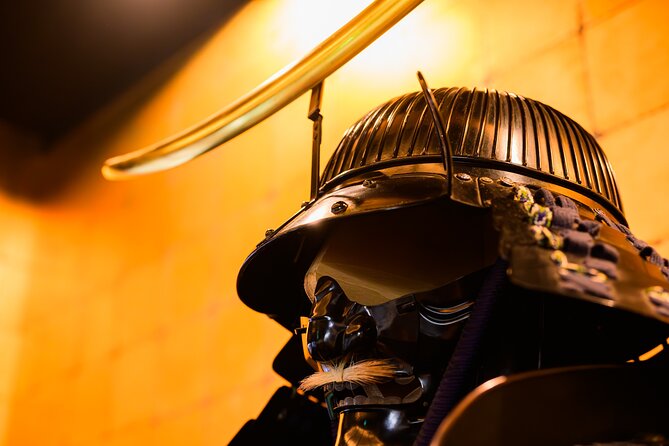
- Add optional samurai photos: After cooking, you can dress in samurai armor for memorable pictures.
- Plan for a filling meal: Past class details indicate roughly 10 to 12 gyoza per person.
- Take home more than food: An apron souvenir is provided, and take-home recipe or instruction material may be available.
Making gyoza from the wrapper up
The best part of this class is that you do not begin with a packet of store-bought wrappers. You make the gyoza wrappers yourself, then move through the rest of the process step by step.
That matters because gyoza can look simple until you try to make them. The wrapper needs to be workable without becoming too thick, and the filling needs to be portioned carefully so the dumpling closes properly. This class gives you a chance to learn the full process rather than only watching a demonstration.
You choose your preferred filling before wrapping. The exact filling choices are not specified, so you should not expect an unlimited menu, but the choice adds a personal touch. It also makes the class more useful at home, since you can begin thinking about which ingredients and flavors suit your own cooking.
The instructors keep the process approachable. Hama is praised for making the steps easy to follow, while Maya is described as friendly and clear in English. Ryo and Yo have also led highly regarded sessions. The recurring strength is not fancy technique for its own sake. It is the feeling that you can actually repeat the method later.
That is a good fit for you if you prefer an activity where your hands stay busy. You will not simply sit through a food talk and then receive a prepared dish. You shape your own dumplings, cook them, and eat the result.
More Sushi and Japanese Classes in Kyoto:
- Ramen Cooking Class at Ramen Factory in Kyoto
★ 5.0 · 1,937 reviews - Kyoto: Ramen Cooking Class at a Ramen Factory with Souvenir
★ 4.9 · 532 reviews - Kyoto: Ramen, Gyoza, and Onigiri Cooking Class
★ 5.0 · 445 reviews
A 90-minute Kyoto activity with real food at the end
The advertised duration is about one hour and 30 minutes, though some sessions have taken closer to two hours. I would leave a little room in your schedule, especially if you have a timed visit or evening reservation afterward.
The class moves through a natural sequence:
- Choose a filling.
- Prepare the wrappers.
- Learn how to fold and seal the dumplings.
- Cook them with the provided professional baking machine.
- Eat your finished gyoza.
- Pose in optional samurai armor if you choose.
The cooking machine is a useful detail. It removes some of the guesswork from the final stage, so you can focus on learning the shape and texture of the dumplings rather than worrying about managing a pan perfectly. You still get the satisfaction of cooking your own food, but the equipment helps keep the results consistent.
You should arrive hungry. One class account describes making about 10 to 12 gyoza per person, which is enough to make this more than a tiny sample. Exact portions can vary, but the activity is designed to end with a proper plate of dumplings.
The class is not presented as a formal multi-course meal. If you want a broad survey of Kyoto cuisine, this is not the right choice. It is focused, social, and hands-on, with one familiar dish treated as a small lesson in Japanese food culture.
Why the Kyoto townhouse setting helps
The activity takes place at a traditional Kyoto townhouse at 230-1 Kamimyōkakujichō in Nakagyo Ward. That setting gives the class a stronger sense of place than a generic cooking studio would provide.
You are not just learning to make dumplings in an anonymous room. The townhouse connects the food activity to Kyoto itself, a city where older residential buildings and everyday traditions remain part of the visitor experience. The class description also includes discussion of Japanese history and samurai culture, so the location supports more than the cooking lesson.
The address is near public transportation, but private transportation is not included. You will need to make your own way to the meeting point and return there at the end. Since the activity finishes where it begins, it is easy to plan around another Kyoto stop, provided you allow enough time for walking and local transit.
I would save the meeting address in your phone before leaving your hotel. The listing gives a precise street address, which is helpful, but Kyoto streets can still take a moment to sort out when you are moving between neighborhoods.
The cultural layer: gyoza, Japan, and samurai
Gyoza originated in China, but the Japanese version developed its own styles, sizes, and habits. That background gives the dish a useful cultural angle. You are learning about a food that crossed borders and then became part of everyday Japanese dining.
The class includes some discussion of gyoza history, Kyoto, and Japanese history. The amount of detail can depend on the instructor and group, but past sessions with Hama, Maya, and Ryo have been praised for adding historical facts without making the activity feel like a lecture.
This balance is important. Food classes work best when the cultural material helps you notice what you are doing. Learning that Japanese gyoza evolved from a Chinese dish gives the dumpling a story. It also reminds you that cuisine is rarely fixed. Recipes move, change, and become local.
The samurai element is lighter and more theatrical. After cooking, you can optionally dress in samurai armor and take photos. You do not have to take part, so it does not interfere with the food lesson if that is your main interest.
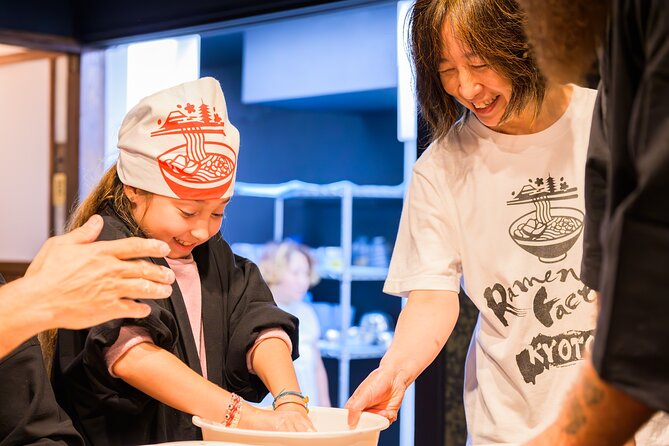
Families may find this especially appealing. A cooking task gives children and teenagers something concrete to do, while the armor creates a memorable finish. One parent and child group found the hands-on format suitable for a 10-year-old, and another family described the evening as a strong shared memory.
More Chinese Cooking Classes in Kyoto:
- Gyoza Cooking Class in Kyoto: Traditional Japanese Dumplings
★ 5.0 · 12 reviews - Warsaw’s No 1 cooking class-Polish dumplings with liqueur tasting
★ 5.0 · 576 reviews - Ramen & Dumpling Cooking in Tokyo with Chef/Vegan possible
★ 5.0 · 107 reviews - Flavors of Beijing: Eat Like A Real Chinese
★ 5.0 · 78 reviews
How the instructors shape the experience
A short class depends heavily on the instructor. There is not much time for confusion, so clear demonstrations and patient correction matter.
Hama receives especially warm praise for making the experience fun and easy. Maya is noted for strong English and simple explanations. Ryo is described as personable and a good fit for older children and teenagers. Yo is also praised for being friendly and making the class feel comfortable.
The class is provided in English, which is essential for visitors who want to follow each stage rather than copy movements without understanding them. Still, English ability and teaching style can vary slightly from one instructor to another. The consistent aim is clear, practical instruction rather than advanced culinary training.
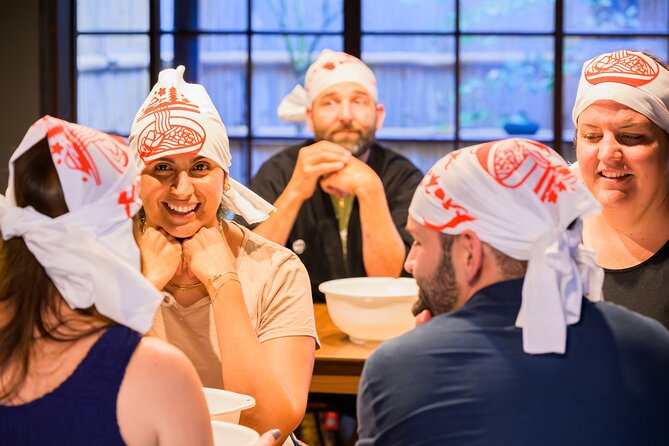
The maximum group size is 20 people. That is large enough to create a social class, but not so large that the activity must be purely demonstrational. Personal workstations have been available in family sessions, which is a real advantage when you are handling dough and filling.
There is also a chance of a much smaller class. Some evening bookings have turned into private lessons when only one person attended. That can make the price feel more reasonable because you receive direct attention and can ask more questions. You should treat that as a possibility, not a guarantee.
What you take home besides a full stomach
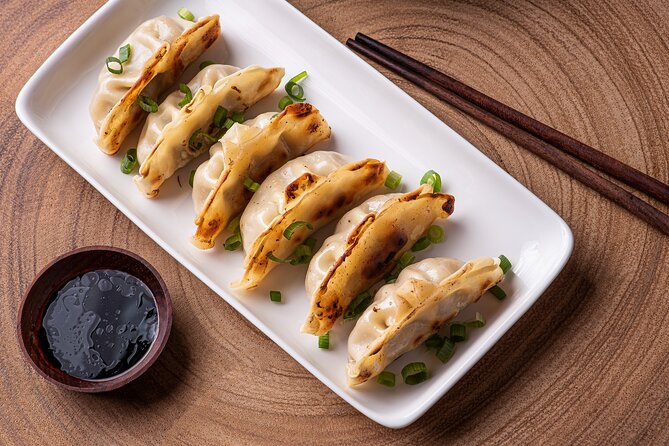
The most useful souvenir is the skill. Photos fade into the general pile of Kyoto memories, but a gyoza method you can repeat for friends and family has a longer life.
An apron souvenir is included in the experience described by past participants, and a headband has also been mentioned. Take-home instructions or a recipe may be provided, although one person forgot to collect the recipe while leaving and had to request it afterward. My practical advice is simple: before you walk out, check that you have any recipe or instruction sheet available.
The class is especially valuable if you enjoy cooking at home. You learn a dish that can be made for a group, adjusted to personal taste, and served as a shared meal. That is more useful than a demonstration of something too difficult to recreate with ordinary kitchen equipment.
If you rarely cook, the value is different. You are paying for a memorable activity, a meal, cultural information, and photos rather than for a new regular recipe. That can still be worthwhile, but you should compare the cost with your interest in hands-on activities.
Is $118.19 a fair price?
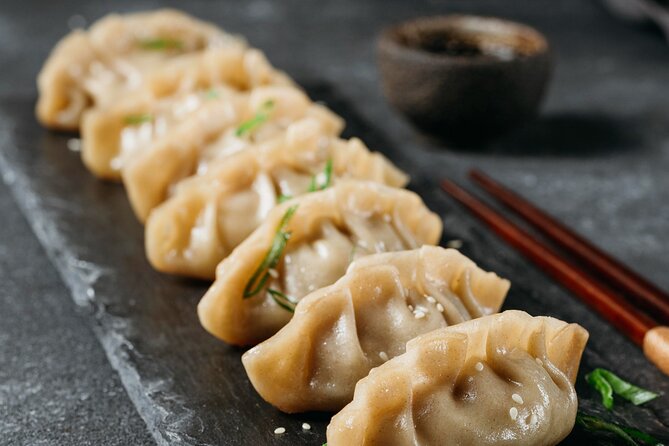
At $118.19 per person, this is not a budget food stop. You could eat gyoza for much less in Kyoto. The price makes sense only if you want the full package: an English-speaking instructor, equipment, the townhouse setting, the lesson, the food you prepare, and the optional samurai photo session.
I would see the cost as reasonable for a special family activity or a small private-style session. The value improves if you receive close instruction, use a personal workstation, take home an apron, and learn a method you will actually repeat.
For a solo visitor, the price may feel high if your only goal is to taste Japanese dumplings. A restaurant delivers food more cheaply and may offer a wider selection. This class earns its price through participation, not portion size.
The perfect comparison is not a cheap lunch. It is another paid activity lasting around 90 minutes. If you value doing something creative with your hands and leaving with a practical skill, the fee is easier to justify. If you prefer museums, temples, or longer cultural tours, you may want to spend the same money elsewhere.
Who will enjoy this class most
I would recommend this experience to:
- Families with older children or teenagers
- Couples looking for a relaxed evening activity
- Solo visitors who enjoy cooking and may appreciate a small class
- Food lovers who want to recreate part of their Japan trip at home
- People who like cultural activities with a playful photo opportunity
- Visitors who want an English-language experience near public transportation
It may be less suitable if you want a quiet meal, advanced chef training, or a long historical presentation. The class is short and focused. The samurai armor is optional, and the cultural material supports the cooking rather than replacing it.
You should also consider your appetite and schedule. The class can run longer than the stated 90 minutes, and you will likely eat a substantial number of dumplings. Do not book it immediately before another tightly timed activity.
Practical details before you book
The meeting point is 230-1 Kamimyōkakujichō, Nakagyo Ward, Kyoto, 604-0025, Japan. The activity ends back at that same meeting point.
An English-speaking instructor and cooking tools are included. Private transportation is not included, so you must arrange your own route to the townhouse. The class is near public transportation.
The maximum group size is 20 people, though the actual group may be smaller. If having a personal lesson matters to you, do not book on the assumption that you will receive one. Treat any smaller group as a pleasant bonus.
Confirmation is provided at booking. Free cancellation is available if you cancel at least 24 hours before the local start time. Cancellations or changes made less than 24 hours in advance are not accepted for a refund.
Should you book the gyoza class?
Book it if you want to make, cook, and eat your own Japanese dumplings while learning a little about food history and samurai culture. The class earns strong marks for friendly instruction, clear steps, family appeal, and a useful skill you can carry home.
I would be more cautious if you are judging the experience only by the food. At $118.19, the meal alone does not justify the cost. You are paying for the setting, instruction, equipment, cultural material, souvenir touches, and the fun of doing the work yourself.
For most food-focused visitors, families, and couples, this is a worthwhile Kyoto activity. Arrive hungry, leave extra time, confirm your route to the townhouse, and ask for the recipe or instructions before you go.
FAQ
How long does the gyoza cooking class last?
The activity lasts approximately one hour and 30 minutes. Some sessions have taken about two hours, so it is sensible to allow extra time.
How much does the class cost?
The listed price is $118.19 per person.
Where does the class meet?
The meeting point is 230-1 Kamimyōkakujichō, Nakagyo Ward, Kyoto, 604-0025, Japan. The activity ends back at the meeting point.
Is transportation included?
No. Private transportation is not included. The meeting point is near public transportation.
Is samurai armor part of the class?
You can optionally dress in samurai armor and take photos after the cooking class. The armor activity is not required.
What is the cancellation policy?
You can cancel for a full refund if you cancel at least 24 hours before the experience start time. Cancellations or changes made less than 24 hours before the start time are not accepted for a refund.
Just added around Kyoto
- Kyoto Udon & Tempura Cooking Class with Professional Chefs★ 3.8 · 3 reviews
- Kyoto: Morning Japanese Bento Cooking Class★ 5.0 · 149 reviews
- Kyoto: Wagashi (Japanese sweets) Cooking near Fushimiinari★ 5.0 · 40 reviews
- Kyoto Home Cooking Class &Supermarket tour near Fushimiinari★ 5.0 · 31 reviews
- Kyoto: Cooking class, learning how to make authentic sushi★ 4.2 · 9 reviews
- Kyoto: Authentic Sushi Making Cooking Lesson★ 5.0 · 103 reviews
- Authentic Japanese Cooking Experience at Izakaya restaurant★ 4.2 · 5 reviews
- Gyoza Cooking Class in Kyoto: Traditional Japanese Dumplings★ 5.0 · 12 reviews
Japanese & Sushi Cooking Classes, compared.
Ramen Cooking Class at Ramen Factory in Kyoto
Read our review →
Ramen & Gyoza Cooking Class in Tokyo with Local Supermarket Visit
Read our review →
Ramen Cooking Class at a Ramen Factory with Souvenir
Read our review →
Sushi Making Osaka! Popular Sushi Class in Japan!
Read our review →
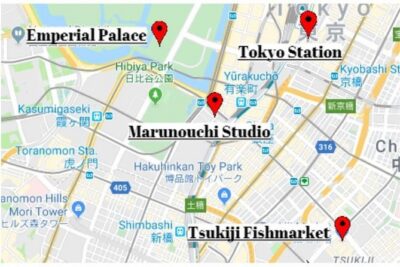
Tokyo Tsukiji Fish Market Tour and Sushi Making Lesson
Read our review →
Japanese Washoku Bento Small Group Cooking Class
Read our review →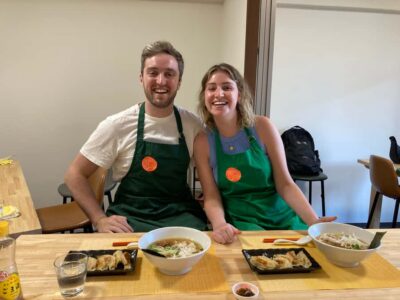
Lists this class appears in