
REVIEW · HONSHU, JAPAN
Tokyo: Japanese Home-style Cooking Class with Meal
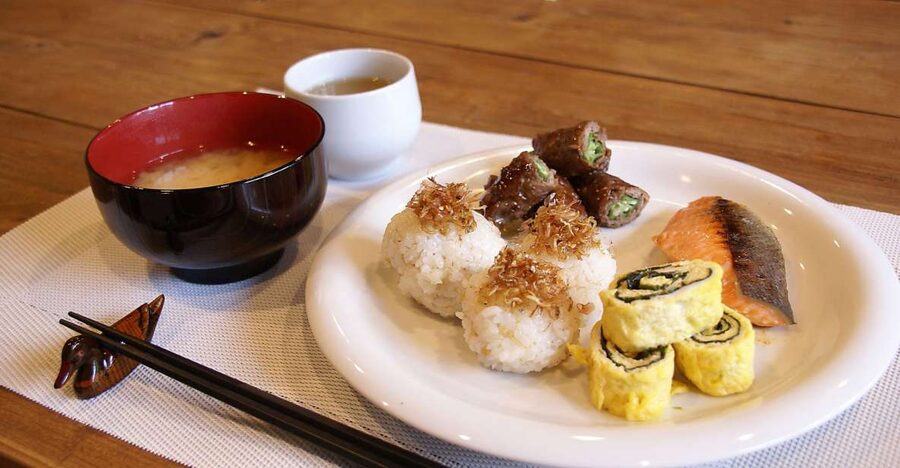
Good food makes Tokyo feel closer. This 150-minute class gives you a practical look at everyday Japanese cooking, with recipes such as dashimaki tamago and Saikyo-yaki fish, then lets you sit down and eat what you prepared. I like the focus on family-style dishes rather than restaurant showmanship, and I like that the instructor explains seasoning, nutrition, and presentation along the way. The main consideration is that the teaching standard may vary, so you should not expect a formal culinary school lesson.
The class costs $90 per person, including ingredients, drinks, instruction, and the meal. That is a fair price if you want a structured activity and recipes you can repeat at home, though the value depends on how much personal guidance your session provides. One past participant found the class warm and useful with instructors Nao and Erika, while another felt the instruction was somewhat amateur and wanted more tips beyond the printed recipes.
Key points at a glance
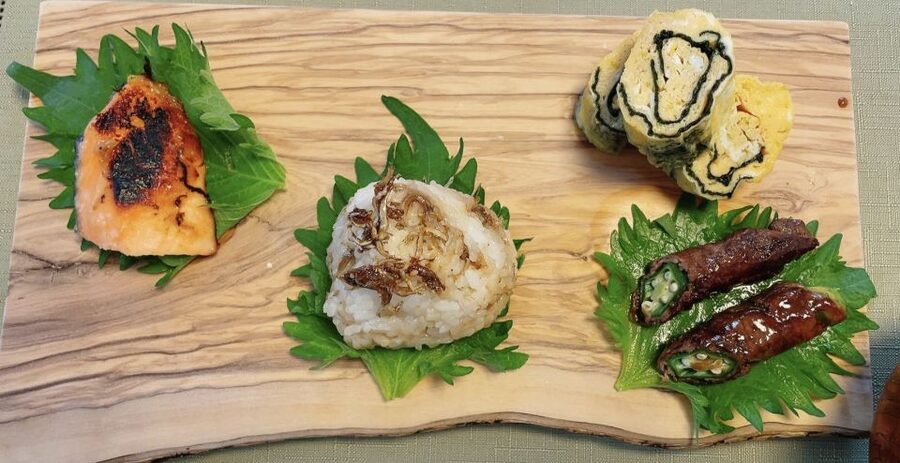
- Japanese home recipes: Prepare dashi stock, miso-marinated fish, rice balls, miso soup, and the egg dish dashimaki tamago.
- A meal at the end: Cooking runs from about 11:00 to 13:00, followed by tasting time until 13:30.
- English instruction: The class is conducted in English, making the cooking process easier to follow.
- Tokyo location varies: Studios are near Shinjuku, Chiyoda, or Minato wards, with the exact address sent three days before the booking date.
- Good for practical cooks: The recipes are intended to be simple enough to recreate at home.
- Important restrictions: The class is not suitable for vegans, children under three, or people with back problems.
What the 150-minute class actually includes
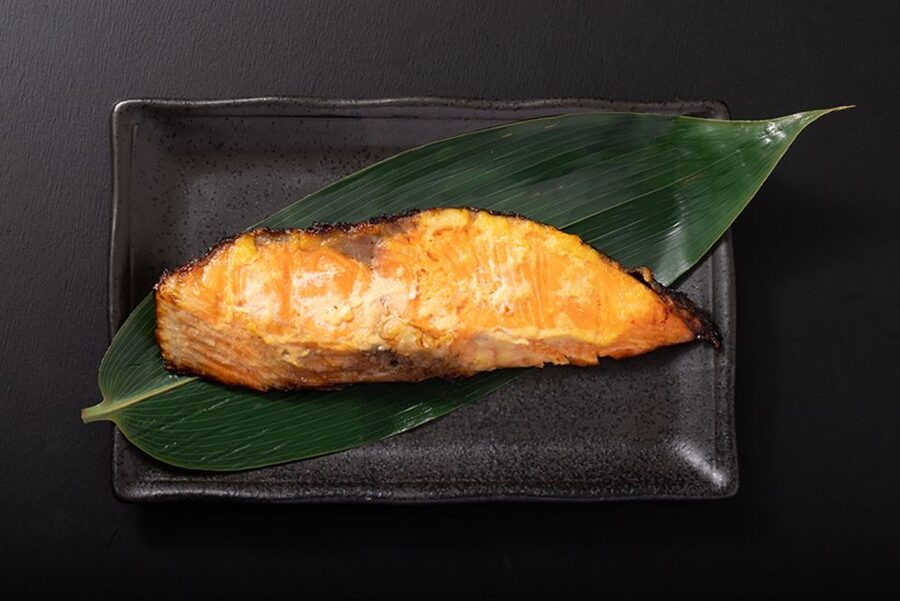
This is a compact morning activity rather than an all-day food course. The schedule allows roughly two hours for cooking and thirty minutes for eating, which gives you enough time to work through several basic Japanese dishes without turning lunch into a rushed afterthought.
The cooking portion is listed from 11:00 to 13:00. At 13:00, you sit down for the tasting portion, which lasts until about 13:30. The total activity is described as 150 minutes, so plan your morning around the full two and a half hours rather than assuming you will be finished after the cooking itself.
The class covers several building blocks of Japanese home food:
- Japanese dashi stock
- Grilled fish prepared Saikyo-yaki style
- Rice balls
- Japanese miso soup
- Dashimaki tamago, a rolled Japanese omelet
The menu gives you a useful spread of techniques. Dashi introduces the base flavor used in many Japanese dishes. Miso soup shows how that stock becomes part of a familiar meal. Saikyo-yaki teaches how a sweet white miso marinade changes fish before grilling. The rice ball adds a simple, hands-on item, while the rolled omelet brings a little more technique to the table.
The class also places attention on nutritional balance, seasoning, and food presentation. Those points matter because Japanese home cooking is not only about making each dish taste good. A meal usually works as a set, with rice, soup, protein, and small elements that balance flavor and texture.
More Sushi and Japanese Classes in Tokyo:
- Ramen & Gyoza Cooking Class in Tokyo with Local Supermarket Visit
★ 5.0 · 823 reviews - Tokyo Tsukiji Fish Market Tour and Sushi Making Lesson
★ 5.0 · 390 reviews - Tokyo: Easy Ramen Cooking Experience in Kabukicho, Shinjuku
★ 4.6 · 321 reviews
Dashi, the quiet foundation of the meal
Dashi is one of the most useful things to learn here. It is a basic Japanese stock, and it gives miso soup and other dishes their savory depth. You may already know miso soup from Japanese restaurants, but making the stock yourself helps explain why the flavor is more than just miso mixed with hot water.
The class uses dashi as a way to discuss seasoning. That is valuable for home cooks because Japanese food often depends on restraint. You are not simply adding a large amount of sauce to cover everything. You are learning how stock, miso, and other seasonings work together.
The instructions specifically highlight nutritional balance as well. I would pay close attention to that part, since it gives the cooking more context than a standard recipe demonstration. You are not just collecting a list of dishes. You are seeing how those dishes fit into an everyday meal.
Saikyo-yaki fish brings a sweet miso flavor
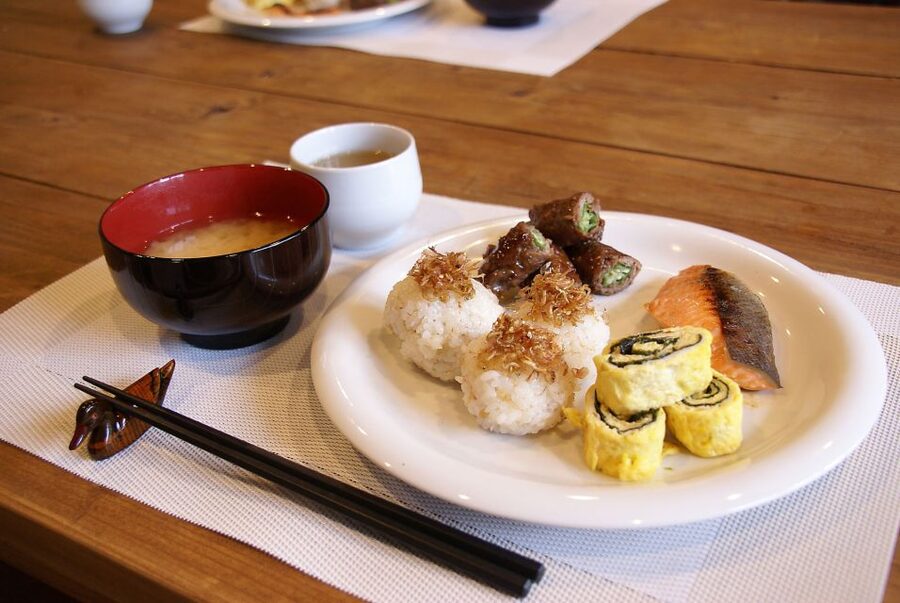
Saikyo-yaki is a style of grilled fish marinated in Saikyo miso, a mild and slightly sweet white miso. It is one of the most distinctive dishes in the class because the marinade changes both the taste and the surface of the fish as it cooks.
The dish also offers a useful lesson in preparation. Fish can be simple to cook, but the seasoning needs care. The class is designed to show you the process rather than only place a finished plate in front of you. After cooking, you eat the fish as part of the meal, which helps you judge the balance of the marinade for yourself.
This is one of the better reasons to take the class instead of downloading recipes at home. You can read the ingredients on a page, but an instructor can show you how the preparation comes together in practice. The value of that guidance will depend on the instructor assigned to your session.
Dashimaki tamago adds a little technique
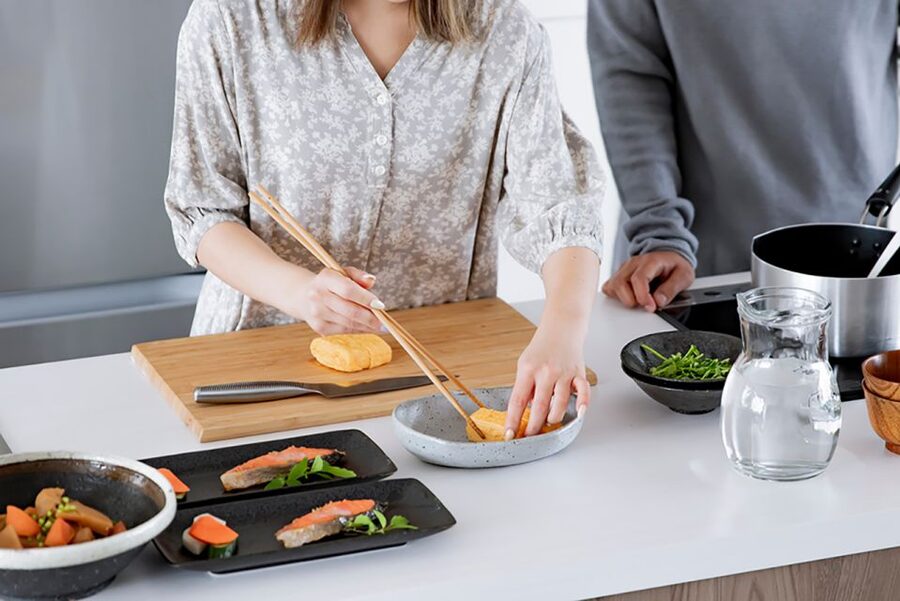
Dashimaki tamago is a Japanese rolled omelet made with seasoned egg and dashi. It looks simple on the plate, but rolling the egg into neat layers takes more care than making an ordinary scrambled egg or flat omelet.
The class presents it as a family recipe that is simple enough to repeat at home. That is a good approach for visitors who want a practical souvenir from Tokyo. You may not produce a perfect roll on your first attempt, but the method is approachable and the ingredients are familiar enough to find again.
One participant specifically appreciated that the recipes were simple enough to recreate at home. That is an important strength. A class can be entertaining for two hours, but it has greater value if you can still use what you learned after returning home.
At the same time, do not book this expecting advanced chef training. One participant felt the recipes could have been followed without the course and wanted more advice on variations and techniques beyond the written instructions. If you already cook often, you may find the food more rewarding than the instruction.
A few more cooking classes around Tokyo worth a look
- Ramen and Sushi Cooking Class with Sake Pairing Set in Tokyo
★ 5.0 · 291 reviews - Tokyo: Wagyu and 7 Japanese Dishes Cooking Class
★ 4.9 · 273 reviews - Tokyo Washoku 4-hour Cooking Class: From Market to Table
★ 5.0 · 253 reviews - Small-Group Wagyu Beef and 7 Japanese Dishes Tokyo Cooking Class
★ 5.0 · 190 reviews
Rice balls and miso soup complete the home meal
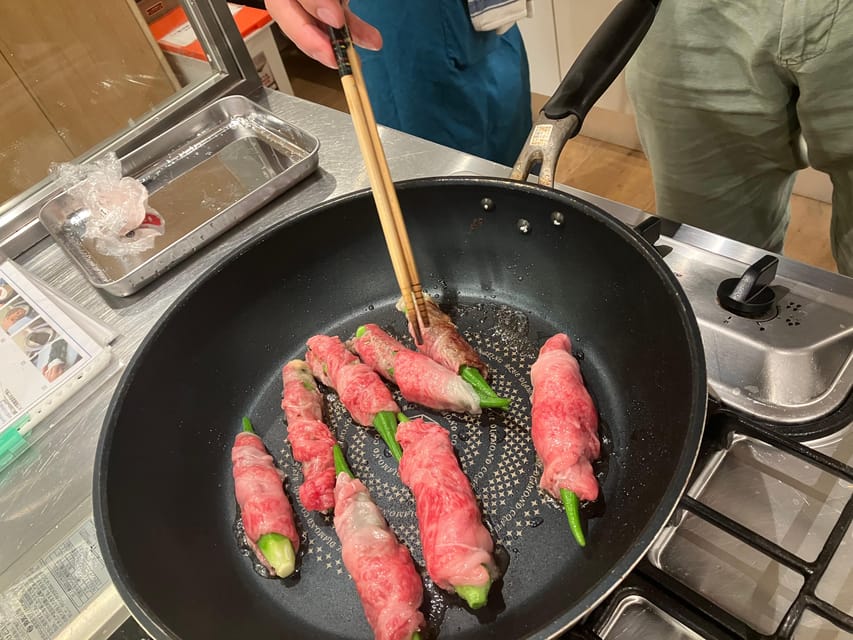
Rice balls are a useful addition because they show how Japanese food can be simple, portable, and filling. The class includes them alongside grilled fish and soup, so you get a sense of a balanced meal rather than a collection of unrelated samples.
Miso soup connects directly to the dashi lesson. You get to see how stock becomes a finished dish, and how miso contributes seasoning without overwhelming the broth. The soup also gives the meal warmth and balance beside the fish and rice.
The class pays attention to presentation as well. That may sound like a small detail, but Japanese home cooking often relies on arranging several modest dishes attractively. You learn that presentation does not require expensive ingredients or elaborate restaurant equipment. It can come from proportion, color, and placing each item neatly.
The cooking style: friendly, practical, and not always polished
The strongest feedback centers on the friendly atmosphere and the instructors’ patience. Nao and Erika received especially warm praise for helping participants make traditional food with recipes that felt manageable. Another participant enjoyed learning new cooking methods and appreciated the patient instruction.
The class is conducted in English, which removes one of the main barriers for visitors who do not read Japanese recipes. You can ask questions and follow the steps without relying only on gestures or translated notes.
Still, I would keep your expectations realistic. One participant found the instructor very pleasant and able to speak good English, but felt the session seemed amateur in places. Specific complaints included blunt knives and the instructor sometimes checking the next step in the recipe during the class.
That does not mean every session will feel the same. It does mean the experience is best viewed as a friendly introduction to Japanese home cooking, not a polished professional workshop. If you want a relaxed activity and a meal, this may suit you well. If you want expert knife work, detailed recipe variations, and advanced technique, you may find the $90 price harder to justify.
Location details require careful planning
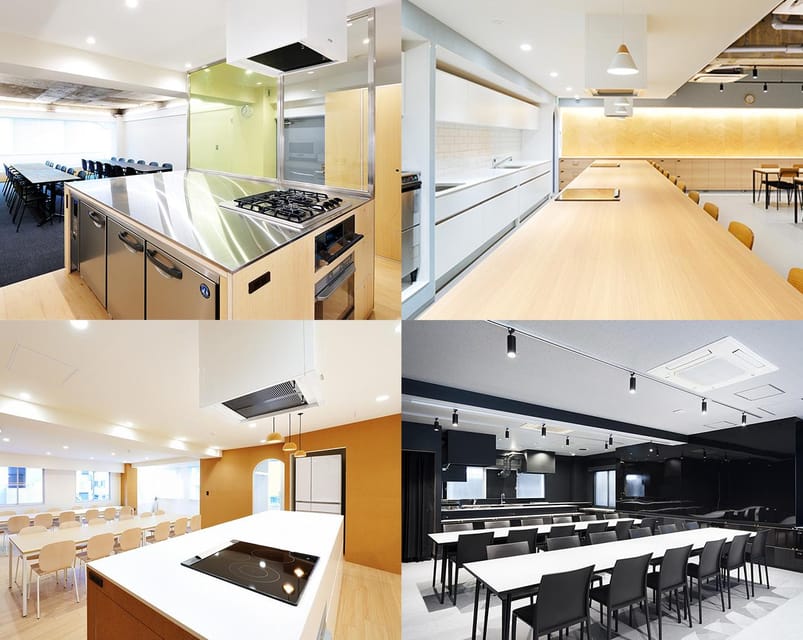
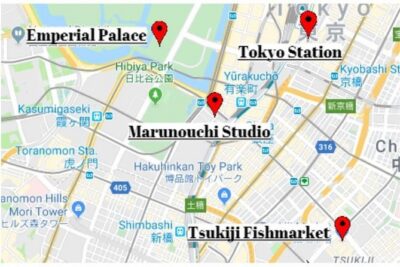
The cooking studios are near Shinjuku, Chiyoda, and Minato wards. You will not know which studio applies to your booking until the location details are sent three days before the reservation date.
This is worth watching closely because the address shown on the Google Map may display a different location. Do not rely on that map alone. Use the designated studio address provided before the class and allow enough time to reach it.
The lack of hotel pickup and drop-off is normal for a city cooking class, but it means you are responsible for getting to the studio. Since the neighborhood can vary, avoid scheduling another fixed activity too tightly against the end of the class. The official cooking and tasting schedule runs until 13:30, and your return journey will take additional time.
Is $90 a fair price?
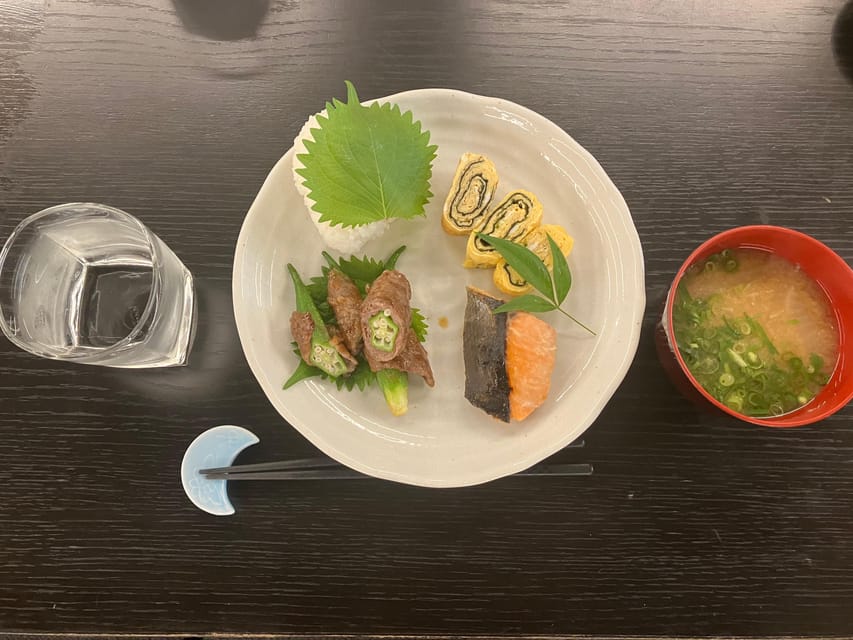
At $90 per person, the cost is not bargain-level for a two-and-a-half-hour activity. Still, the price includes the instruction, all ingredients, drinks, and the meal. You are paying for a planned activity in Tokyo, not just a restaurant lunch.
The value is strongest if you care about learning recipes you can repeat at home. Dashi, miso soup, rice balls, Saikyo-yaki, and dashimaki tamago give you several useful starting points. You also receive guidance on seasoning, nutrition, and presentation, which adds context to the cooking.
The value is weaker if you mainly want to eat. The meal is part of the experience, but it comes after the work. You should enjoy preparing food and be willing to participate rather than treating the class as a standard tasting menu.
The mixed feedback on instruction also matters. Two participants gave the experience the highest rating and praised the food, patience, and simple recipes. Another gave it a middle rating because the session did not offer enough beyond the recipes and appeared less polished than expected. I would book it for the food and the cultural context, but not solely for high-level cooking instruction.
Who will enjoy this class most?
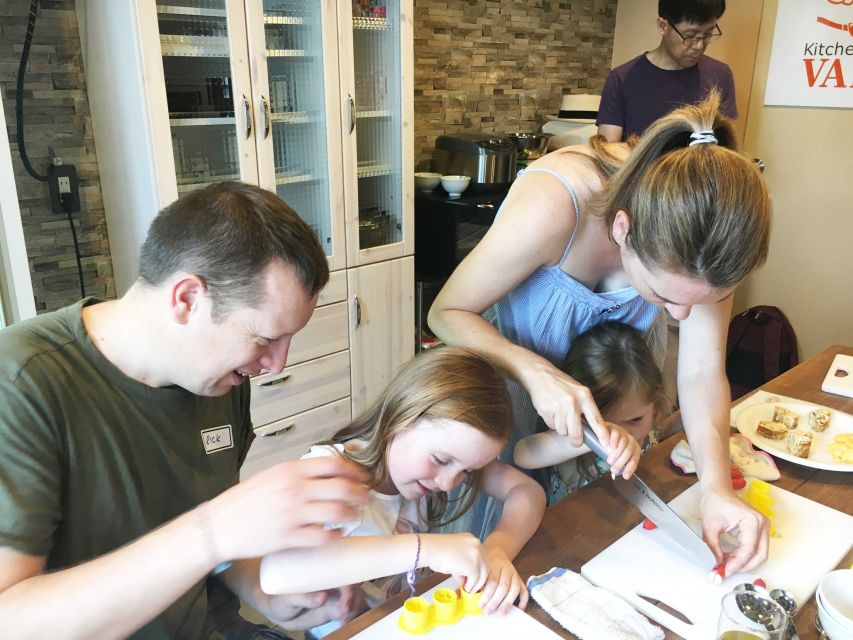
I would recommend it to visitors who want a calm, indoor Tokyo activity with a clear result at the end. It works well for couples, friends, and solo visitors who like food and want to learn something practical.
It should also suit home cooks who want an introduction to Japanese ingredients and meal structure. The recipes are approachable, and the class includes enough variety to give you several techniques to practice later.
You may want to choose another activity if you are vegan, since the experience is specifically built around fish, egg, dashi, and miso-based home cooking. It is also not suitable for children under three or for people with back problems.
The class is not designed as a professional training session. Experienced cooks who want advanced variations, sharp technical instruction, or restaurant-level presentation should consider that before booking. Beginners and casual cooks are more likely to appreciate its pace and straightforward recipes.
Booking details worth knowing
You can cancel up to 24 hours before the activity for a full refund, and you can reserve now while paying later. Those options help if your Tokyo schedule is still changing.
The exact studio location is sent three days before the reservation date. Check that message carefully, especially since the online map may show another address. Smoking is not allowed indoors.
The current rating is 4.5 from three ratings. That is a small sample, so I would treat it as a useful signal rather than a guarantee that every session will feel identical. The clearest pattern is positive: people liked the food, the friendly help, and the fact that the recipes were not too difficult to repeat.
Should you book it?
Book this class if you want to make a small Japanese meal, learn the role of dashi and miso, and leave with recipes you can use at home. The combination of cooking and eating gives the experience a satisfying shape, and the menu offers more than one simple dish.
Skip it if you want a professional chef demonstration, advanced technique, or a vegan menu. The instruction may be warm and useful, but it may also feel basic or somewhat unpolished.
For most food-loving visitors, this is a pleasant way to spend a Tokyo morning. Go in expecting approachable home cooking, not culinary school, and the $90 price makes more sense.
FAQ
How long does the cooking class last?
The full experience lasts 150 minutes. Cooking is scheduled from 11:00 to 13:00, followed by tasting time from 13:00 to 13:30.
What dishes will I prepare?
The menu includes Japanese dashi stock, grilled fish prepared Saikyo-yaki style, rice balls, and Japanese miso soup. Dashimaki tamago is also presented as one of the family recipes taught in the class.
Is the meal included?
Yes. The meal made during the class is included, along with drinks.
Are ingredients included?
Yes. Ingredients are included in the booking price.
Is the class taught in English?
Yes. The instructor language is English.
Where is the cooking studio?
The studios are located near Shinjuku, Chiyoda, and Minato wards. The specific location is provided three days before the reservation date.
Is the Google Map address reliable?
The displayed Google Map may show a different location. You should use the designated studio address sent before the class.
Is the class suitable for vegans?
No. The activity is not suitable for vegans.
Can I cancel for a refund?
Yes. You can cancel up to 24 hours in advance for a full refund.
Just added around Tokyo
- Tokyo: Sushi Cooking Class with Sake Tasting★ 4.8 · 55 reviews
- Tokyo: Sushi roll and side dish cooking experience★ 5.0 · 2 reviews
- Tokyo: Sushi Making Experience & Japanese Cooking Class★ 5.0 · 2 reviews
- Tokyo: Gyoza Making from Scratch – Ultimate Cooking Class★ 5.0 · 2 reviews
- Tokyo: Night Cooking Class: 5 Home-Cooked Japanese Dishes★ 4.9 · 13 reviews
- Tokyo: Real Ramen & Dumpling Cooking with Master Chef★ 5.0 · 10 reviews
- Tokyo: Kawaii Bento Cooking Class – Cute Character Lunchbox★ 4.9 · 55 reviews
- Tokyo: Sushi and Ramen Cooking Class with Sake Pairing Set★ 5.0 · 81 reviews
Japanese & Sushi Cooking Classes, compared.
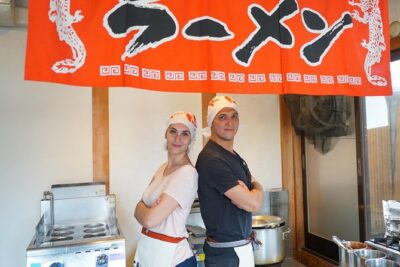
Ramen Cooking Class at Ramen Factory in Kyoto
Read our review →
Ramen & Gyoza Cooking Class in Tokyo with Local Supermarket Visit
Read our review →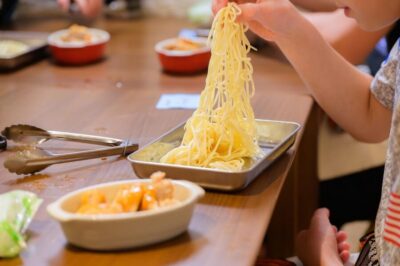
Ramen Cooking Class at a Ramen Factory with Souvenir
Read our review →
Sushi Making Osaka! Popular Sushi Class in Japan!
Read our review →
Tokyo Tsukiji Fish Market Tour and Sushi Making Lesson
Read our review →
Japanese Washoku Bento Small Group Cooking Class
Read our review →
Lists this class appears in