
REVIEW · WARSAW, POLAND
Warsaw’s No 1 cooking class-Polish dumplings with liqueur tasting
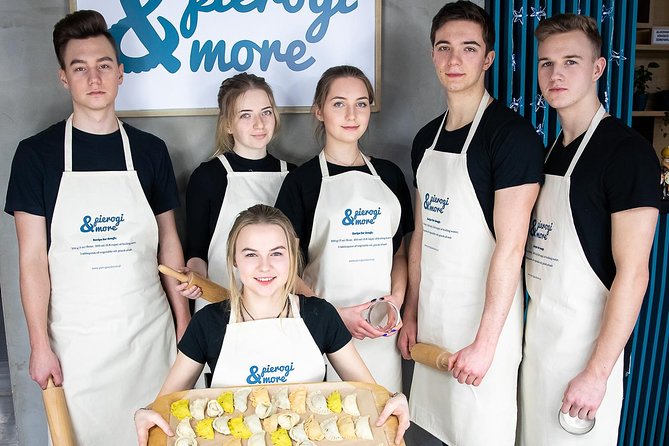
Pierogi turn dinner into a social event. This two-hour Warsaw class combines hands-on cooking with a generous meal, so you learn to knead dough, shape dumplings, and eat the results. I especially like the small group size and the relaxed, family-style meal at the end. The included Polish liqueur tasting adds a playful local touch. The main drawback is that the room can feel hot during class, and the meal is shared with the whole group, which may not suit someone concerned about shared serving.
At $77.97 per person, this is not the cheapest meal in Warsaw, but it offers more than dinner. You get instruction, several pierogi varieties, cultural background, a full tasting, and recipes and photos sent afterward according to the experience details. Vegetarian and vegan options are available by request, with dietary needs handled carefully.
Key points to know before booking
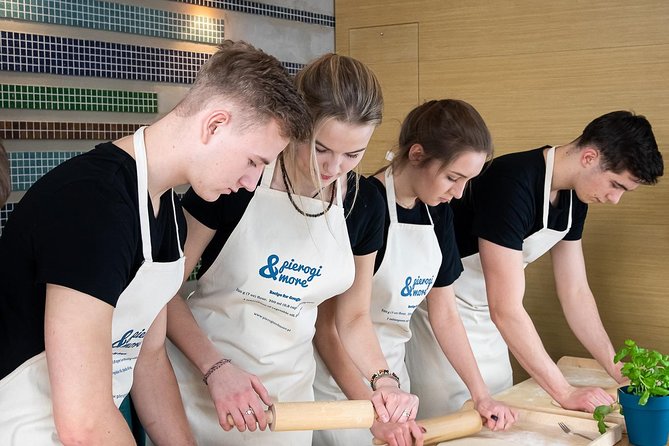
- You make several types of pierogi: Learn dough preparation, rolling, filling, sealing, and different folding styles.
- Dinner is included: You cook the dumplings, then sit down to eat the class’s combined production.
- Polish liqueurs finish the meal: The tasting includes a small guiding game that helps make the sampling more social.
- Groups are kept small: The maximum is 10 people, which allows the instructors to circulate and offer individual help.
- The location is practical: Pierogi & More is at Stawki 3, northwest of Warsaw’s Old Town and near public transportation.
- Book dietary requests early: Vegetarian and vegan versions are available, but you should request them in advance.
What happens at Pierogi & More
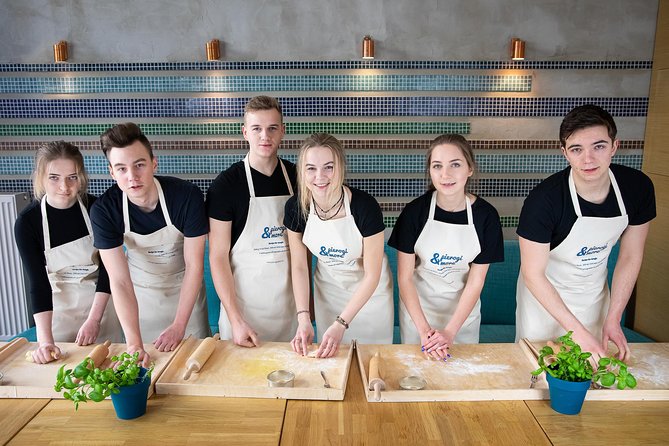
The class begins with a short introduction to pierogi and their place in Polish food culture. This is not a long lecture. It gives you enough background to understand why these dumplings matter before you start working with flour.
The instructors then explain the process from the beginning. You learn how to knead the dough, roll it to the right thickness, add filling, and seal the edges. You also see several folding methods, including small tricks that help keep the filling inside while the dumplings cook.
That last point matters. Pierogi look simple, but the dough can split, the filling can spill, and an overfilled dumpling can become a small kitchen disaster. Clear demonstrations and help at the workstations make the process approachable, even if you rarely cook.
The class is arranged for about two people at each station, although singles can take part as well. With a maximum of 10 people, the setting is small enough for personal guidance without turning into a private lesson.
Several instructors have led the class, including Daria, Ben, Patrycya, Nina, and Zuzia. The strongest descriptions consistently focus on patient teaching, clear demonstrations, humor, and staff who move around the room to help. The tone seems friendly rather than formal, which is useful when your first few pierogi look more like tiny envelopes than perfect Polish dumplings.
More Chinese Cooking Classes in the world:
- Gyoza Cooking Class in Kyoto: Traditional Japanese Dumplings
★ 5.0 · 210 reviews - Ramen & Dumpling Cooking in Tokyo with Chef/Vegan possible
★ 5.0 · 107 reviews - Online Cooking Class Beijing Dumplings and Cuisine by Sunflowerli Renowned Chef
★ 5.0 · 65 reviews
Making meat and vegetable pierogi
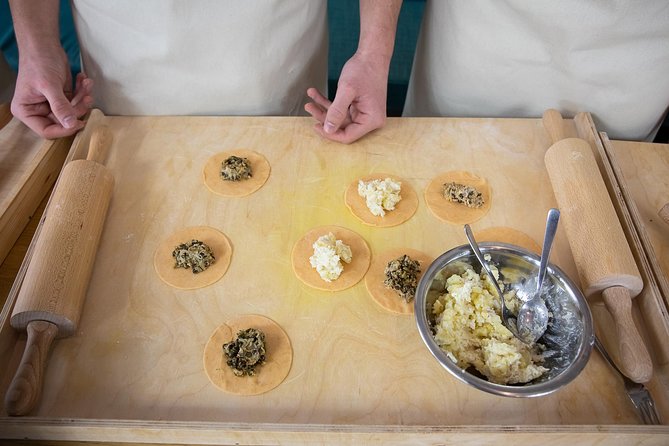
The main dish is pierogi with meat or vegetable fillings. You are shown different filling choices and ways to shape the dumplings. A particular strength of the class is that you do not simply watch an expert prepare dinner. You take part in the work from dough to finished plate.
The vegetable option is important for people who do not eat meat. Vegan versions can also be arranged, and the class has accommodated dairy allergies by preparing vegan dumplings first, followed by vegetarian and other varieties. Still, you should state your needs when booking rather than waiting until you arrive.
One limitation is that you may not prepare every filling from scratch. The focus is on the dough, shaping, folding, and cooking techniques. If you want a class devoted to making each filling in detail, this may feel slightly abbreviated. If your goal is to learn the central pierogi method and take home a usable recipe, the balance works well.
You can also experiment with folding styles. The instructor demonstrates several techniques and encourages creativity, so this is not only a production line. You get practical instruction, but you also have room to make the dumplings your own.
Eating what you made
After the pierogi are assembled, the class demonstrates how to cook them. You then sit down to eat the finished dumplings together, usually in a family-style setting.
This is the most satisfying part of the experience. You can see the difference between your early attempts and the pieces you shaped later in the class. You also get to sample what others made, which creates a wider meal than any one person could prepare alone.
Come hungry. The portion is intended to serve as a meal, and several people have found they had enough to eat, with some even taking leftovers. The cooking class doubles as dinner, so it can be good value if you are choosing it instead of booking a separate evening meal.
There is one practical consideration. The finished pierogi are shared among the group rather than kept strictly separate by workstation. That is part of the communal format, but it may bother you if you prefer individual portions or have concerns about shared food. Dietary requests are handled separately when needed, including attention to cross-contamination, but mention this in advance.
The Polish liqueur tasting
The meal ends with a tasting of Polish liqueurs. This is not presented as a serious spirits seminar. It is a light, social finish to the class, and one instructor used a small guessing game to introduce two liqueurs.
The tasting gives you another taste of Polish food culture without adding much time to the two-hour schedule. It also helps the group relax after the hands-on work. If you do not drink alcohol, the class information specifically highlights the liqueur tasting but does not provide details about a nonalcoholic substitute, so you should ask before booking.
The liqueur portion is a bonus, not the main reason to choose this activity. The real value is the cooking lesson and the meal. Think of the drinks as a pleasant ending rather than a full tasting tour.
More Food and Drink Trips in the world:
- Small Group Cooking Class & Market Food Tour in Florence
★ 5.0 · 1,574 reviews - Paella Cooking Class, Wine Tasting & Central Market in Valencia
★ 5.0 · 1,150 reviews - Athens: Food Market Visit and Cooking Class with Wine
★ 4.9 · 1,087 reviews - Undiscovered Charleston: Half Day Food, Wine & History Tour with Cooking Class
★ 5.0 · 948 reviews
Why the small group matters
The maximum group size is 10 people. That number is large enough to create conversation but small enough for the instructor and assistant to check your dough, folding, and sealing.
A class of this size also makes the family-style meal work. You are not eating alone at a workstation. You sit with people from different places, share the results, and often compare folding methods and filling choices.
The social side is one of the strongest reasons to book. A couple can attend together, but a solo visitor can also fit in. The class is structured around shared tasks, so you have an easy way to meet people without needing to force conversation.
The atmosphere is casual and encouraging. At the same time, the class is organized and starts promptly. That combination matters. You get a friendly experience without losing half the lesson to introductions or confusion.
Location, timing, and getting there
The meeting point is Pierogi & More warsztaty kulinarne at Stawki 3, 00-193 Warszawa. It is near public transportation and a short distance northwest of Warsaw’s Old Town. One description calls it easily walkable from the Old Town, though your exact walking time will depend on where you start.
The activity begins and ends at the same location. That makes planning simple, particularly if you schedule it before or after sightseeing in central Warsaw.
The class lasts about two hours. That is enough time for the introduction, dough work, shaping, cooking, eating, and liqueur tasting, but it is not an all-day culinary course. I would allow extra time before the start so you can find Stawki 3 without rushing.
The class is generally booked well ahead, with an average booking time of about 35 days in advance. If your Warsaw dates are fixed, reserve early, especially if you need a vegan option or want a particular time.
Is $77.97 a fair price?
At $77.97, the cost sits above a basic restaurant meal in Warsaw. The comparison is not quite fair, though, because you are buying an activity as well as food.
The price includes roughly two hours of instruction, the ingredients and cooking session, the pierogi meal, and Polish liqueur tasting. You also leave with a skill you can use at home. Some classes send photos and a pierogi recipe afterward, including tips for seeing Warsaw, although you should treat this as a useful extra rather than the main promise of the experience.
I see the best value for:
- A first-time visitor who wants a direct connection to Polish food
- Couples seeking an evening activity beyond museums and walking tours
- Families with children aged 8 or older
- Solo visitors who enjoy cooking with a small group
- Vegetarians and vegans who arrange suitable fillings ahead of time
The value is weaker if you only want to eat pierogi. Restaurants will cost less and give you more menu choice. This class earns its price through participation, instruction, and the social meal.
Cleanliness, comfort, and minor drawbacks
The cooking facility has been described as very clean, including the bathroom. That matters in a hands-on food class, where you are working directly with dough and fillings.
The main comfort complaint is heat. One person found the room very warm. Cooking, several people working together, and a warm day can make the space uncomfortable, so dress lightly and avoid arriving in heavy layers.
The instructors are usually praised for organization and patience. One description noted that a host could become brief and stoic when the group needed to keep moving. That is a minor tradeoff of a timed class. The instructor has to keep several workstations on pace, especially before the cooking and meal portions.
The class is not suitable for children under 8. If you bring a child, at least one adult must be responsible for that child during the session. Since the work involves hot food and a shared cooking space, that rule is worth taking seriously.
Who should book this class?
I would recommend it to anyone who wants to do more than photograph Polish food. You learn a practical dish, eat a substantial meal, and spend time with a small group in a clean, organized setting.
It is especially good for people who enjoy taking home a skill as a souvenir. Pierogi are also forgiving once you understand the dough and sealing technique, so the lesson has a good chance of being useful after your trip.
Families should note the age restriction and the shared-meal format. Couples will find it easy to work side by side, while solo visitors should not feel out of place. The class naturally creates conversation and does not require you to arrive with a large group.
I would be more cautious if you dislike group cooking, avoid shared food, do not drink alcohol, or want a detailed lesson on preparing every filling. Those concerns do not make the class impossible, but they are worth checking with the provider first.
Should you book Warsaw’s pierogi class?
Yes, if you want an active food experience rather than another restaurant meal. The strongest reasons are the small group, clear step-by-step teaching, full meal, and chance to practice several folding methods. The 4.9 rating from 576 ratings and 97 percent recommendation fit the experience described here: organized, friendly, filling, and easy to enjoy.
Book early if you have fixed dates, and request vegetarian, vegan, or allergy-friendly preparation when you reserve. Arrive hungry, wear comfortable clothing, and expect to share the final meal with the group.
For a first visit to Warsaw, this is a practical way to meet Polish cuisine at the worktable, not just on a menu.
FAQ
How long does the pierogi cooking class last?
The experience lasts approximately two hours, including the introduction, cooking lesson, meal, and Polish liqueur tasting.
Where does the class meet?
It meets at Pierogi & More warsztaty kulinarne, Stawki 3, 00-193 Warszawa, Poland.
Does the class end at the meeting point?
Yes. The activity ends back at the same meeting point.
What kind of pierogi will I make?
The main options are pierogi with meat or vegetable fillings. Different filling choices and folding techniques are introduced during the class.
Are vegetarian or vegan options available?
Yes. Vegetarian and vegan options are available on request. You should provide this information when booking.
Can the class accommodate dietary requirements?
The experience information says dietary requirements can be accommodated, including vegan and dairy-free needs in specific cases. Request this in advance so the food can be prepared appropriately.
Is the liqueur tasting included?
Yes. A tasting of Polish liqueurs is included at the end of the class.
How many people can join the class?
The maximum group size is 10 people.
Is the class suitable for young children?
No. The class is not suitable for children under 8. If you bring a child, at least one adult must supervise the child during the class.
Can I cancel for a full refund?
Yes, if you cancel at least 24 hours before the experience start time. Cancellations made less than 24 hours in advance are not refunded, and changes within that period are not accepted.
Just added around the world
- Aroidee’s Farm-Fresh Thai Cooking Experience★ 5.0 · 8 reviews
- Signature Thai Cooking Course★ 5.0 · 79 reviews
- Private Half-Day Thai Cooking Class in Chiang Mai★ 5.0 · 4 reviews
- Half Day Guided Thai Cooking Class in Chiang Mai★ 5.0 · 13 reviews
- Northern Thai Cooking Class in Chiang Mai in a Countryside Home★ 5.0 · 2 reviews
- Online Thai and Akha Cooking Class★ 5.0 · 70 reviews
- Private Virtual Thai Cooking Class★ 5.0 · 9 reviews
- 5 Hour Morning Thai Cooking Course★ 5.0 · 31 reviews
Chinese Cooking Classes, compared.
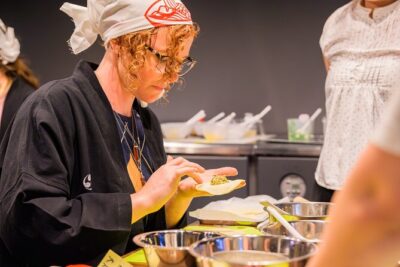
Gyoza Cooking Class in Kyoto: Traditional Japanese Dumplings
Read our review →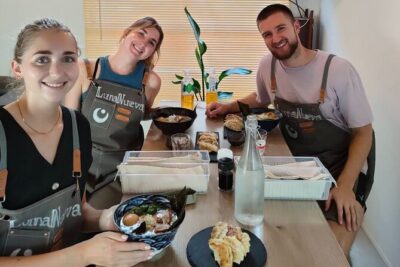
Ramen & Dumpling Cooking in Tokyo with Chef/Vegan possible
Read our review →
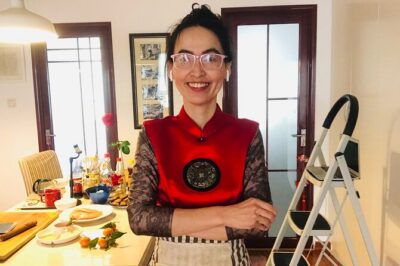
Online Cooking Class Beijing Dumplings and Cuisine by Sunflowerli Renowned Chef
Read our review →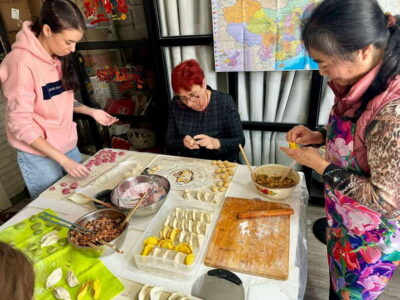
Private Cooking Class: Make Your Own Dim Sum In Shanghai
Read our review →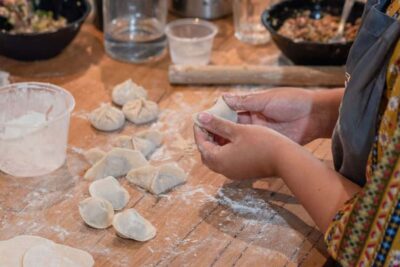
Melbourne: Chinese Dumpling Cooking Class with a Drink
Read our review →Gyoza Cooking Class in Kyoto: Traditional Japanese Dumplings
Read our review →Lists this class appears in