REVIEW · KYOTO, JAPAN
Private Plant-Based Japanese Cooking Class – Kyoto Edition
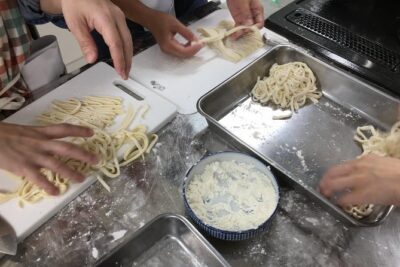
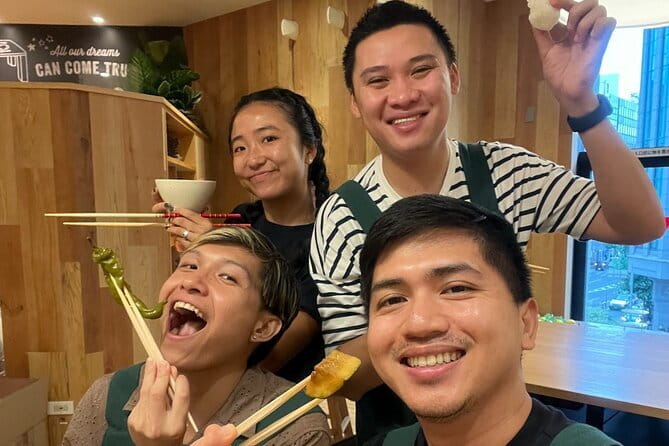
Food tells Kyoto’s story. This two-hour private class puts you to work with Shojin ryori, traditional Buddhist cooking built around seasonal plant-based ingredients. I like the hands-on format and the chance to make dishes you can repeat at home, especially fresh rice, miso soup, and two types of Kyoto-style Yatsuhashi mochi. The main thing to consider is the price: at $98 per person, it is not a budget meal, though the private setting, instruction, full lunch, and souvenir lunchbox add real value.
I also like the location. The class meets at LAQUE Shijo Karasuma, with direct access to public transportation, so you can fit it neatly into a day of sightseeing. English-speaking instruction makes the lesson easy to follow, but this is still a fairly short introduction rather than an advanced chef’s course. If you want complex knife work or restaurant-level technique, you may find the pace too gentle.
Quick points to know before booking
- Traditional Kyoto cooking: Prepare plant-based Buddhist dishes using seasonal vegetables and Japanese pantry staples.
- A complete two-hour activity: Make rice, miso soup, savory dishes, and two flavors of Yatsuhashi-style mochi.
- Private for your group: You cook only with the people included in your booking, rather than joining a large class.
- English-friendly instruction: Staff speak English and Japanese, which helps if you are new to Japanese food preparation.
- A useful souvenir: You can take the bamboo lunchbox home after the meal.
- Convenient central setting: The meeting point is LAQUE Shijo Karasuma, near direct station access.
Why Shojin ryori makes a good Kyoto cooking lesson
Shojin ryori is Buddhist cuisine traditionally associated with temples and vegetarian cooking. Its strength is not heavy seasoning or complicated sauces. Instead, it depends on careful preparation, fresh vegetables, rice, miso, tofu, and a sense of balance.
That makes it a smart choice for a short class. You do not need years of kitchen practice to understand the basic ideas. You can see how a few simple ingredients become a meal with different textures, colors, and flavors.
The plant-based focus also gives you a side of Japanese food that can be missed on a normal visit. Kyoto is famous for dishes such as sushi, ramen, grilled fish, and beef, but this class points you toward a quieter food tradition. It is especially useful if you want vegetarian or vegan-friendly ideas, though you should confirm any dietary needs before booking if you require strict avoidance of particular ingredients.
I like that the lesson uses seasonal produce sourced from local farmers. The exact vegetables can change, but the basic message remains steady: Japanese cooking often starts with respecting the ingredient rather than covering it up.
More Private Cooking Classes in Japan
- Private Kyoto Sushi Cooking Class & Tea Ceremony with Emika
★ 5.0 · 66 reviews - Private Cooking Class Udon in Kyoto Japan
★ 5.0 · 23 reviews - Private Ramen or Gyoza Cooking Class in Kyoto with Chef Midori
★ 5.0 · 18 reviews
Arriving at LAQUE Shijo Karasuma
The class begins at LAQUE Shijo Karasuma, listed at 101 Kankobokochō in Kyoto’s Shimogyo Ward. The direct station access matters because Kyoto sightseeing can involve a lot of walking, transfers, and finding small entrances.
You return to the same meeting point when the class ends. That makes planning easy. You can schedule the lesson between visits to central Kyoto sights, or use it as an early activity to get useful food and sightseeing suggestions for the rest of your stay.
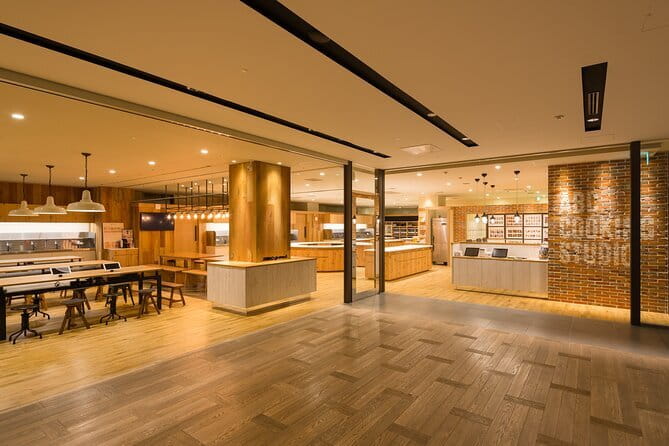
The cooking studio itself is described as clean, attractive, and inviting. That may sound like a small point, but it matters during a hands-on class. A pleasant kitchen helps you focus on the food instead of worrying about cramped work areas or confusing instructions.
Give yourself enough time to find the meeting point. The address is specific, but large shopping and station buildings can still take a few minutes to navigate. Your confirmation arrives at booking, so keep those details available on the day.
What you make during the two-hour lesson
The class centers on a small but satisfying Japanese meal. You learn to prepare fresh rice and miso soup from scratch, using a traditional approach rather than relying only on packaged shortcuts.
Rice is a good place to begin because it is central to Japanese meals and surprisingly easy to get wrong. The lesson gives you a chance to understand the basic process and then eat the result as part of your finished meal. This is the sort of skill that can travel home with you.
Miso soup brings another useful lesson. You work with miso and tofu, learning how a simple broth can become a complete part of the meal. The preparation is approachable, and the final dish helps explain why Japanese home cooking often feels light but filling.
The menu also includes plant-based dishes made with local vegetables. Previous class menus have included steamed vegetables, onigiri, and other simple preparations. Do not expect a fixed restaurant menu with elaborate courses. The appeal is the process: washing, cutting, shaping, seasoning, and cooking ingredients in a way that lets their natural flavor show.
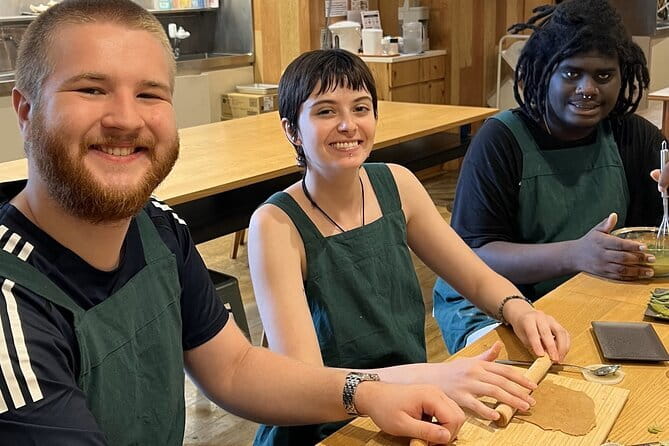
The food is designed for participation. Each person in your group can take part instead of watching one instructor do everything. That is important in a private class, especially if you are booking with friends or family and want a shared activity rather than a demonstration.
Making Yatsuhashi, Kyoto’s soft mochi treat
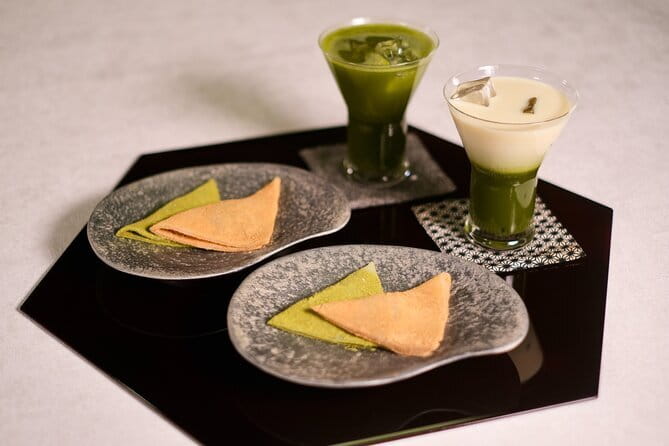
The sweet course is one of the class’s most distinctive features. You learn to make two flavors of Kyoto-style Yatsuhashi, a local take on mochi.
Yatsuhashi is strongly linked with Kyoto, so this part gives the class a clear sense of place. You are not simply preparing a generic Japanese dessert. You are making something associated with the city and learning a sweet that may be difficult to recreate from a standard sightseeing day.
The two flavors add variety and make the dessert portion more playful. The available details do not specify the exact flavors for every session, so ask your instructor what you will prepare that day. Some class menus have also included matcha latte, but it is wise to treat that as a possible addition rather than a guaranteed part of this specific plant-based menu.
This is also where the class feels most social. Shaping mochi is hands-on, and the results do not need to look perfect to taste good. If you are cooking with friends, the inevitable uneven shapes become part of the fun.
More Private Cooking Classes in Kyoto
- Private Guided Traditional Buddhist Cooking in Japan
★ 5.0 · 16 reviews
Eating the meal and taking home the bamboo box
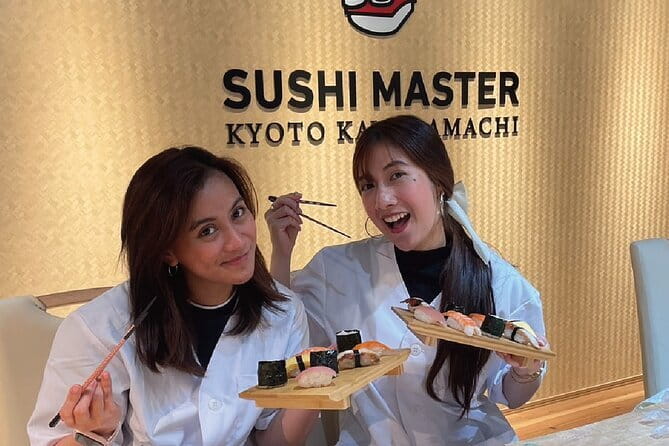
After the cooking is finished, you eat what you have made. The meal is meant to be filling, not just a small tasting. One useful advantage of preparing the food yourself is that you understand what went into each dish before sitting down to eat it.
A bamboo lunchbox is provided as a souvenir, and you can take it home after the meal. That makes the $98 price easier to assess. You are paying for instruction, ingredients, a private activity, a prepared meal, and an object you can use after the trip.
The lunchbox also connects to the class’s practical side. You can think of it as part of the experience rather than a disposable container. Still, do not book this solely for the souvenir. The main value is the cooking time and the chance to learn dishes you can try again.
Some menu descriptions connected with the studio have included bento-style items, onigiri, steamed vegetables, tofu miso soup, Yatsuhashi-style mochi, and matcha drinks. Menus can vary, so the clearest expectation is the core offering: plant-based Japanese dishes, rice, miso soup, and two Yatsuhashi flavors.
The teaching style and language question
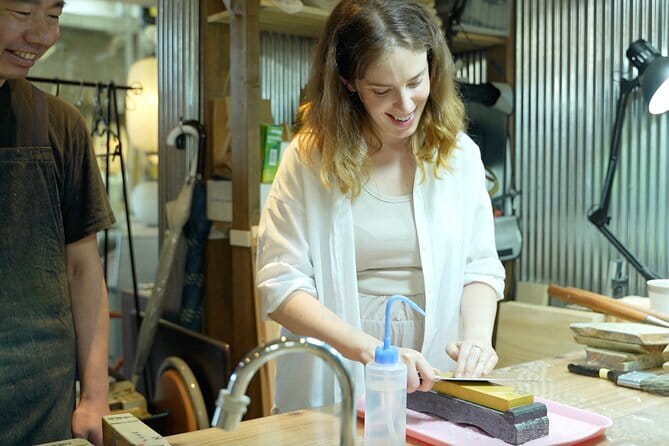
The instructors are described as friendly, patient, and easy to talk with. Haruhi is specifically praised for clear and patient teaching, and the staff are described as fluent in English and Japanese.
That matters if you have little experience with Japanese cooking. You can ask why a step matters, not just copy a movement without understanding it. The class is also welcoming to different cooking levels, including beginners.
The atmosphere sounds relaxed rather than formal. You are not expected to perform like a professional cook, and the staff help guide each step. This works well for families, couples, and groups of friends who want a low-pressure activity.
The friendly instruction has another benefit: you can ask for Kyoto advice. The class team offers local suggestions and information about the city, making this a useful early-trip activity. If you schedule it near the start of your visit, arrive with a few questions about food, neighborhoods, or things to do. Just remember that the class is only about two hours, so sightseeing advice is a bonus rather than a full guided tour.
Is $98 per person good value?
At first glance, $98 is a significant price for a two-hour activity. You should compare it with what is included, not with the cost of buying a bowl of noodles or a prepared meal.
You receive private instruction, ingredients, a meal, cultural context, a bamboo lunchbox, and a central location. For a couple or small group that wants a structured activity, the price can make sense. Group discounts may also improve the value when several people book together.
The private format is the biggest factor. You are not joining a class filled with strangers, and your group gets a more personal experience. That is useful if someone in your party has limited cooking experience or if you want to ask plenty of questions.
The price is less attractive if your main goal is to eat cheaply or learn advanced technique. This is not a professional culinary school, and the dishes are designed to be approachable. One session described the food as delicious and easy, with a clear warning that it is not aimed at people seeking complex recipes.
I would book it for the cultural experience, shared activity, and repeatable home cooking. I would skip it if you want a long, intensive course or a bargain meal.
Who will enjoy this class most?
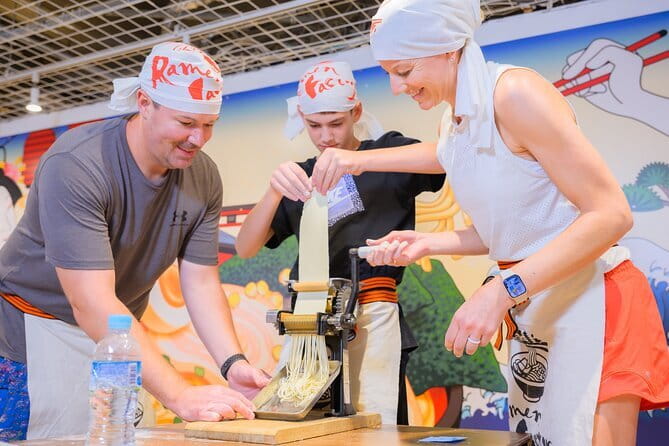
This experience suits you if you want to do more than look at temples and take photographs. It gives you a direct way to handle ingredients, learn food customs, and sit down to eat something you helped prepare.
It is especially good for:
- Friends who want a relaxed group activity
- Families looking for something suitable for different cooking levels
- Vegetarian or plant-focused eaters seeking Japanese ideas
- First-time visitors who want an early introduction to Kyoto food
- Couples who prefer an interactive activity to a formal meal
- Beginners who appreciate English-language support
The class may be less suitable for anyone hoping to master difficult techniques in one afternoon. It is also worth checking the menu and ingredients in advance if you have allergies or strict dietary rules. The food is plant-based, but the supplied details do not promise that every dietary restriction can be accommodated.
Planning the timing of your Kyoto day
The two-hour length is convenient. You can fit the class into a morning or afternoon without giving up a full day of sightseeing. Since it ends where it starts, you do not need to arrange a separate pickup or learn a second meeting point.
I would consider booking it early in your Kyoto stay. The staff can offer local suggestions, and the class may help you recognize ingredients and dishes during the rest of your visit. It also provides a calm break from temple crowds and long walking routes.
The activity is booked, on average, 13 days ahead. That is a useful signal to reserve before your trip, particularly if your dates are fixed or you are arranging a private class for a group.
Free cancellation is available if you cancel at least 24 hours before the start time. Cancellations or changes made inside that window are not accepted for a refund, and the cut-off follows Kyoto local time. Keep that in mind before locking the class into a tightly packed sightseeing schedule.
My verdict on this Kyoto cooking experience
I would recommend this class if you want a friendly, practical introduction to plant-based Japanese food. The strongest features are the private format, English-friendly teaching, seasonal vegetables, hands-on preparation, and the chance to make Yatsuhashi, a distinctly Kyoto sweet.
The class also earns points for convenience. LAQUE Shijo Karasuma is easy to reach, the activity lasts about two hours, and you finish with a meal and a bamboo lunchbox. It is a useful choice for friends and family because everyone can participate.
The caution is price and depth. At $98 per person, you are paying for a cultural activity rather than simply lunch. The cooking is accessible, not advanced. Book it for the shared experience and the useful recipes, and you are likely to find the cost fair. If you want a demanding culinary course, choose something longer and more technical.
FAQ
How long does the cooking class last?
The class lasts approximately two hours.
Where does the class begin?
It begins at LAQUE Shijo Karasuma, 101 Kankobokochō, Shimogyo Ward, Kyoto, 600-8009, Japan.
Where does the activity finish?
The activity ends back at the meeting point.
Is this a private class?
Yes. Only your group participates in the private activity.
What type of food will I learn to make?
You will learn plant-based Buddhist cuisine, also called Shojin ryori, using seasonal vegetables. The class includes rice, miso soup, and two types of Kyoto-style Yatsuhashi mochi.
Is the class near public transportation?
Yes. The meeting point is near public transportation and has direct access to the station.
Is the class taught in English?
The instructors and staff are described as fluent in English and Japanese, making the class suitable for participants who do not understand Japanese well.
Do I receive anything to take home?
Yes. After the meal, you can take the bamboo lunchbox home as a souvenir.
Can I cancel for a full refund?
You can receive a full refund if you cancel at least 24 hours before the experience start time. Cancellations or changes made less than 24 hours before the start time are not accepted for a refund.
More Sushi and Japanese Classes in Kyoto
- Ramen Cooking Class at Ramen Factory in Kyoto
★ 5.0 · 1,937 reviews - Kyoto: Ramen Cooking Class at a Ramen Factory with Souvenir
★ 4.9 · 532 reviews - Kyoto: Ramen, Gyoza, and Onigiri Cooking Class
★ 5.0 · 445 reviews - Kyoto: Japanese Washoku Bento Small Group Cooking Class
★ 5.0 · 380 reviews
More Vegetarian Cooking Classes in Japan
- Ramen & Dumpling Cooking in Tokyo with Chef/Vegan possible
★ 5.0 · 107 reviews - Vegan/Vegetarian Ramen and Gyoza by Bentoya cooking
★ 5.0 · 59 reviews - Zen Buddhist Vegetarian(Shojin Ryori): Cooking Experience
★ 5.0 · 9 reviews - Culinary Home Cooking with Grandmothers – Vegan Friendly
★ 5.0 · 5 reviews
Just added around Kyoto
- Kyoto Udon & Tempura Cooking Class with Professional Chefs★ 3.8 · 3 reviews
- Kyoto: Morning Japanese Bento Cooking Class★ 5.0 · 149 reviews
- Kyoto: Wagashi (Japanese sweets) Cooking near Fushimiinari★ 5.0 · 40 reviews
- Kyoto Home Cooking Class &Supermarket tour near Fushimiinari★ 5.0 · 31 reviews
- Kyoto: Cooking class, learning how to make authentic sushi★ 4.2 · 9 reviews
- Kyoto: Authentic Sushi Making Cooking Lesson★ 5.0 · 103 reviews
- Authentic Japanese Cooking Experience at Izakaya restaurant★ 4.2 · 5 reviews
- Gyoza Cooking Class in Kyoto: Traditional Japanese Dumplings★ 5.0 · 12 reviews
Private Cooking Classes, compared.
PRIVATE Authentic Balinese Cooking Class in Ubud at Putu’s Home
Read our review →
Pasta Making Class with Tiramisu & Wine PRIVATE OPTION
Read our review →
Private Market Tour & Cooking Class in Puerto Vallarta with Manu
Read our review →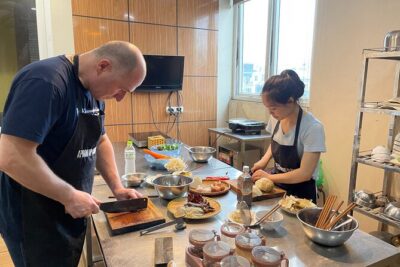
Private Cooking Class with 5 dishes of your choice
Read our review →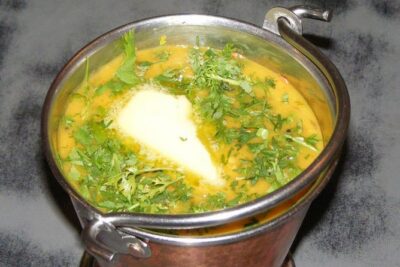
Veg and Non veg : Private Cooking Class in Delhi home (7 meal)
Read our review →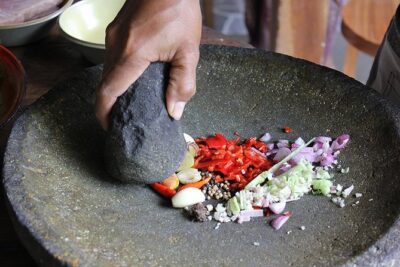
PRIVATE Balinese Cooking Class in Ubud with Dewa with Transfers
Read our review →
VIP Mekong Delta Adventure Cycling & Kayaking – Private Day Trip
Read our review →