
REVIEW · HONSHU, JAPAN
Kyoto: Cooking class, learning how to make authentic sushi
Sushi tastes better when you make it. This 90-minute Kyoto class gives you a cheerful, hands-on introduction to sushi, from mixing vinegar into freshly cooked rice to shaping your own pieces. I like the traditional happi coat and the chance to choose toppings, and I also like that beginners, vegetarians, vegans, Muslims, and people with food allergies can request suitable options. The main drawback is value: at $113 per person, the class may feel short and basic if you expect advanced knife work or a large meal.
You will prepare eight pieces of sushi, plus a very simple roll according to one recent class experience, then eat what you have made. The English-speaking instructor keeps the focus friendly and practical, but the fish-cutting lesson is not automatic. Ask for it if you want more than the standard beginner session.
Key points to know before booking
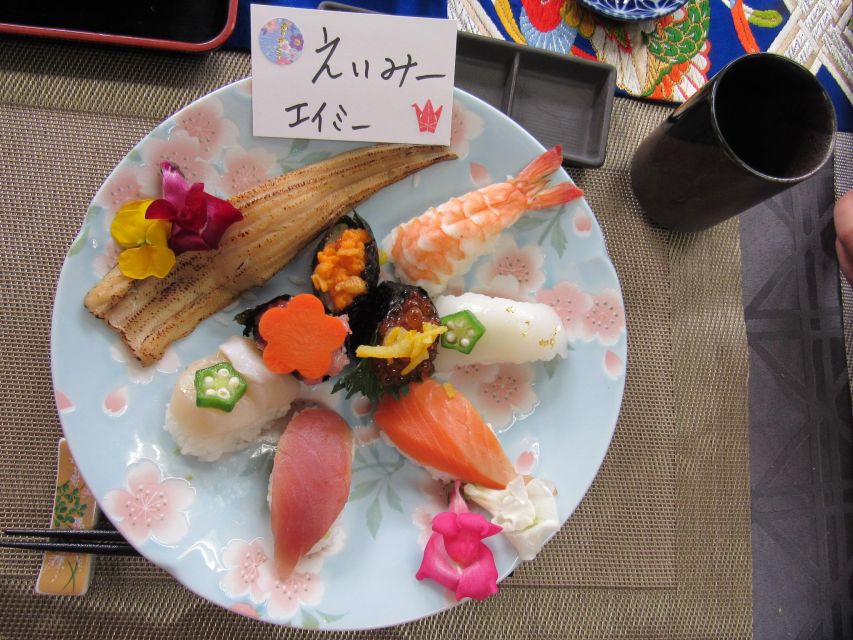
- You make the sushi yourself: The class covers seasoned rice, toppings, shaping, and eating your finished pieces.
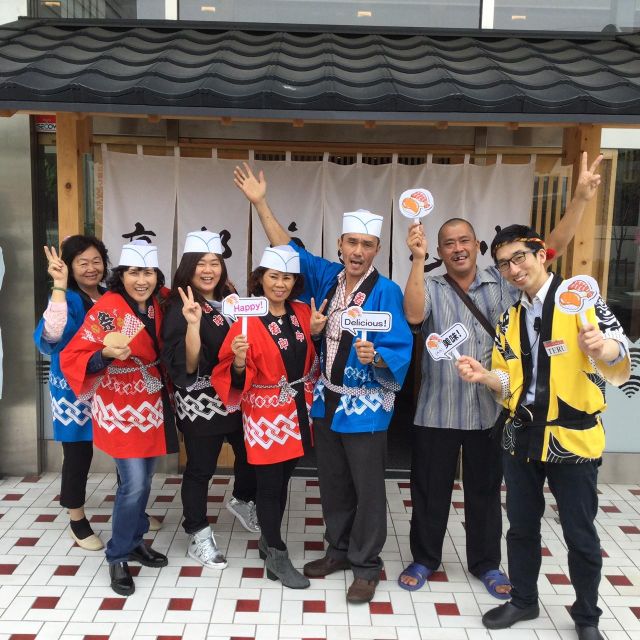
- You wear a happi coat: Choose from various traditional Japanese garments for photos and a more festive class setting.
- Eight pieces are included: The standard food portion includes eight pieces of sushi, with toppings that can change by season.
- Special ingredients may appear: Possible ingredients include extra-fatty tuna and sweet, creamy red shrimp.
- Dietary requests are welcome: Vegetarian, vegan, Muslim-friendly, allergy-aware, non-raw, and gluten-free choices can be arranged.
- You receive a certificate: A short graduation ceremony and completion certificate finish the class.
Arriving near Takeda Station and Puls Plaza
The meeting point is near Takeda Station, served by the Kintetsu and subway lines. Use the station’s west entrance, then take a city bus and get off at the stop in front of Puls Plaza.
From there, walk down the street and turn right at the first corner. Turn left at the first corner after that, and the school will be on your right. The directions are specific, but this is not a famous central Kyoto landmark, so give yourself enough time to follow them carefully.
The building is near public transportation, which helps if you are fitting the class between sightseeing stops. Still, the route includes stairs inside the building. The experience is described as wheelchair accessible, and staff can help elderly or disabled participants go upstairs, but there is no elevator. If that matters for you, contact the school before booking rather than relying on last-minute assistance.
The class runs in all weather. Rain will not cancel your sushi lesson, and Kyoto rain is a good reason to have an indoor plan.
More Sushi and Japanese Classes in Kyoto:
- Ramen Cooking Class at Ramen Factory in Kyoto
★ 5.0 · 1,937 reviews - Kyoto: Ramen Cooking Class at a Ramen Factory with Souvenir
★ 4.9 · 532 reviews - Kyoto: Ramen, Gyoza, and Onigiri Cooking Class
★ 5.0 · 445 reviews
Starting in a happi coat
The class begins with a change into a happi, a traditional Japanese work coat. Various styles are available, so you can choose the one you prefer. This is not just a costume photo stop. It sets a playful tone and gives the class a clear connection to Japanese food culture.
I like this touch because it makes the activity feel different from an ordinary cooking demonstration. You are not only watching a chef prepare food. You are taking part in a small ceremony, learning a few basic customs, and leaving with photographs of the occasion.
The included souvenir photography is useful for anyone who wants a record without constantly holding up a phone. The class also includes an experience of Japanese spirits, though the supplied details do not specify the exact format or amount. Drinks are not included, so ask what is offered if this part matters to you.
Learning the foundation: sushi rice
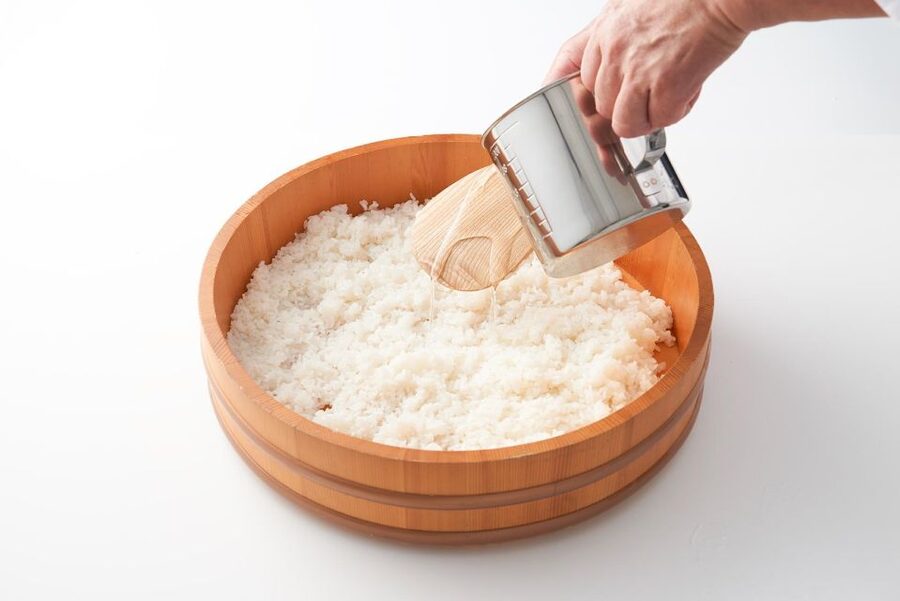
Before you shape sushi, you learn about shari, also called sumeshi. This is the seasoned vinegar rice that gives sushi its familiar balance. Freshly cooked rice is mixed with a specially blended sushi vinegar, and the instructor explains the technique.
The mixing step sounds simple, but it is the heart of the class. You need to combine the vinegar properly without turning the rice into a sticky paste. This is one of the most useful skills to take home because sushi toppings get most of the attention, while the rice controls the taste and texture of every piece.
The ingredients are already cut for you. That makes the class friendly for first-time cooks and keeps the 90-minute schedule moving. It also means you should not expect a full professional sushi apprenticeship. You will learn the basic process, not every knife technique used in a serious sushi kitchen.
If fish preparation interests you, ask about cuts before or during the class. The school says it will try to meet individual requests, but fish cutting should be treated as an extra request rather than a guaranteed part of the standard lesson.
Shaping eight pieces and a simple roll
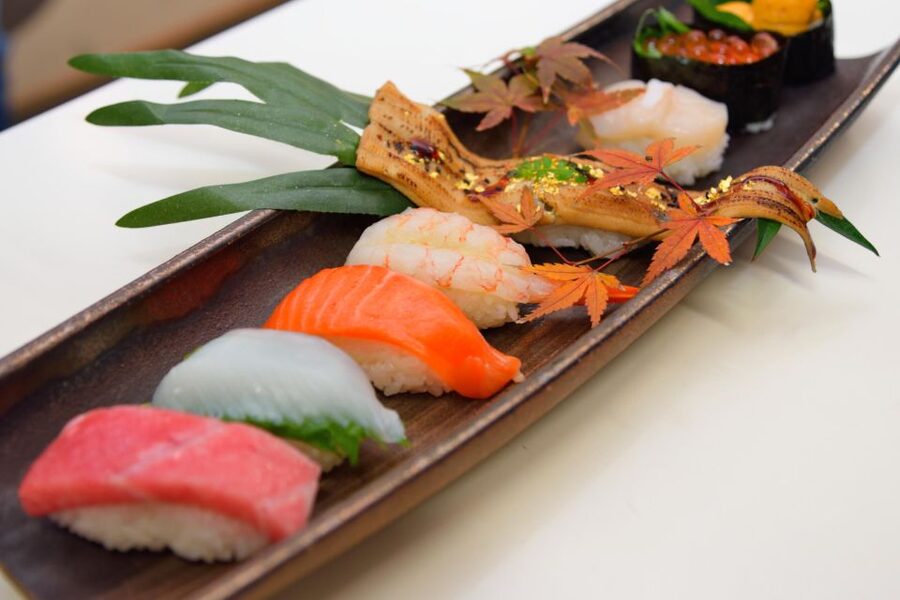
Once the rice is ready, you begin making sushi. The standard session includes eight pieces, with one recent participant describing eight nigiri and one simple roll. Nigiri is the familiar form with a portion of rice beneath a topping, while a roll gives you a different way to handle rice and fillings.
This is where the class becomes most satisfying. You move from listening to working with your hands, and small differences in pressure can change the shape of the finished sushi. Beginners should find the prepared ingredients helpful. You can concentrate on technique instead of racing to slice, measure, and organize every component.
Toppings may change with the season. The class may use items such as green onion and ginger, and you can choose your favorites. The description also highlights special ingredients such as extra-fatty tuna and fresh red shrimp, described as sweet and almost creamy. Their availability is not guaranteed, so consider those examples a possibility rather than a promise.
The quantity is modest. Eight pieces and a simple roll can make a pleasant tasting portion, but it is not a large lunch for everyone. Warm udon, tempura, tofu, pork shabu-shabu, drinks, and other Japanese foods are optional extras and are not part of the basic price. If you have a large appetite, check the additional menu before class.
A few more cooking classes around Kyoto worth a look
- Kyoto: Japanese Washoku Bento Small Group Cooking Class
★ 5.0 · 380 reviews - Kyoto Ramen and Gyoza Cooking Class with Professional Chefs
★ 5.0 · 282 reviews - Kyoto: Afternoon Japanese Izakaya Cooking Class
★ 4.9 · 241 reviews - Izakaya Style Cooking Class
★ 5.0 · 219 reviews
Eating what you made
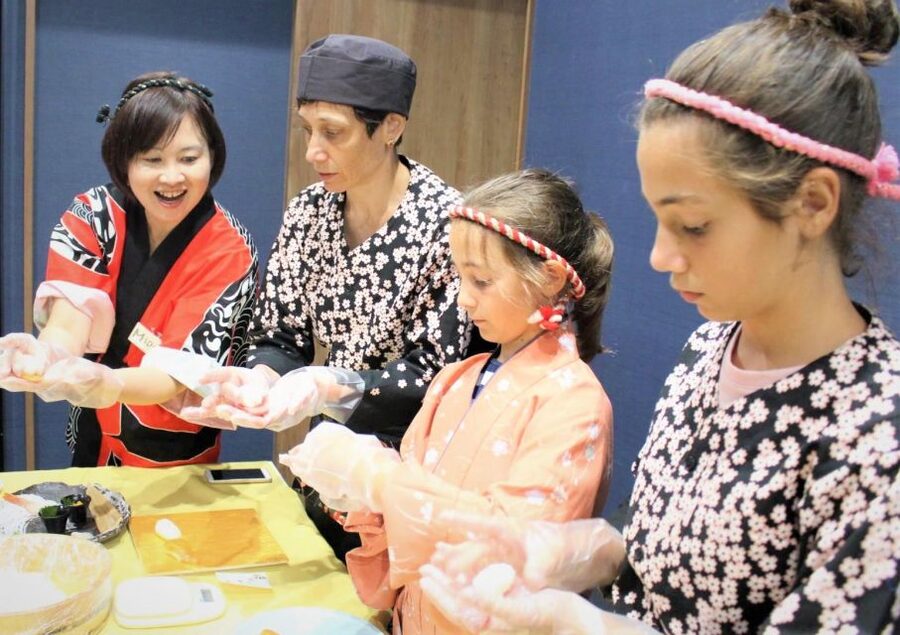
The best part comes at the end, when you eat your own sushi. You get an immediate reward for the work, and the meal gives you a chance to notice the difference between rice you prepared and rice served by someone else.
I like this setup more than a class where you cook but never taste the finished dish. It connects the lesson to a real meal, even if the meal is small. You may also gain a better sense of how fresh toppings, seasoned rice, ginger, and green onion work together.
The food experience is designed to be flexible. Vegetarian, vegan, Muslim-friendly, non-raw, gluten-free, and allergy-aware options are available. You should communicate your needs clearly when booking or before the class. The school does not provide special infant meals, and children under three are not suitable for the activity.
The dietary flexibility is a real strength, but the ingredients can vary by season. If you have a strict allergy or avoid raw food, confirm the exact choices available for your date.
A short Japanese cultural touch
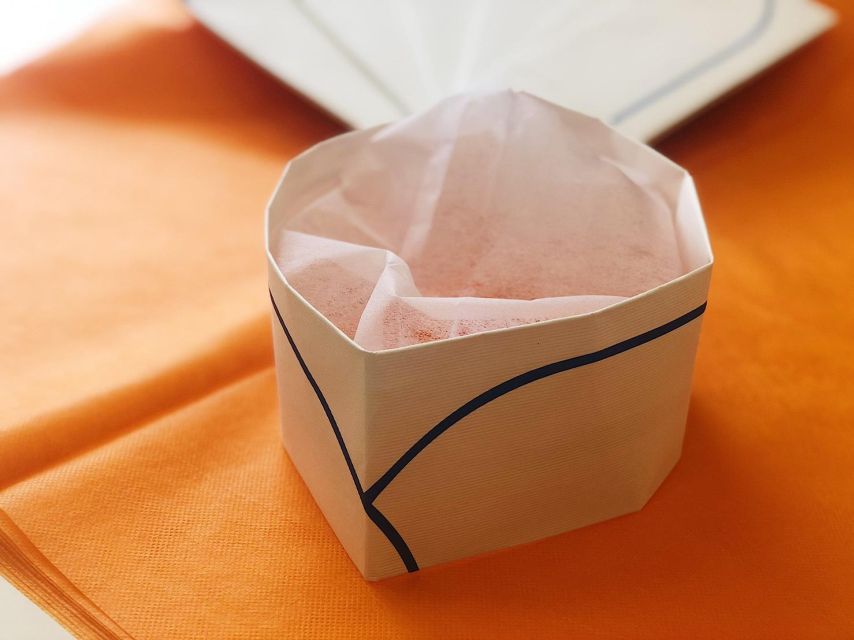
Along with sushi preparation, the class offers a chance to experience Japanese spirits and wear the happi. These elements add cultural context without turning the activity into a long lecture.
The balance should suit you if you want something social and light during a Kyoto visit. It is less suited to someone seeking a detailed study of sushi traditions, regional fish, or professional restaurant methods. The instructor teaches in English and Japanese, so English-speaking participants can follow the main explanation.
The atmosphere has been praised for being welcoming and pleasant. One participant called the instructor kind, while others described the food and people as excellent and the experience as enjoyable from beginning to end. That points to a warm teaching style, which matters in a hands-on class where beginners may feel awkward at first.
The graduation ceremony and certificate
At the end, you receive a certificate of completion during a small graduation ceremony. It is a lighthearted finish, but it gives the class a clear ending and a souvenir beyond photographs.
The certificate does not turn you into a professional sushi chef, of course. Think of it as a fun reminder that you learned the basic process and successfully completed the lesson. Children and families old enough for the activity may enjoy this part, although the minimum age is three and no special infant meal is provided.
The photo and certificate also make this a reasonable choice for a celebration, a couples activity, or a break from temple visits. You will need to decide how much value you place on the cultural presentation. If you only want cooking instruction, some of the costume and ceremony may feel like extra decoration.
Is $113 a fair price for 90 minutes?
At $113 per person, this is not a cheap way to get a meal. The price covers the instructor, the sushi lesson, eight pieces of sushi, toppings, happi rental, photography, the completion certificate, and the cultural elements.
The value is strongest when you want a complete activity rather than dinner alone. You get food, instruction, a costume experience, photos, and a souvenir in a compact 90-minute session. It also helps that the class welcomes many dietary needs and does not require advanced cooking skills.
The value is weaker if you expect a large spread or advanced training. A recent experience described the class as eight nigiri and one basic roll, with limited variety for the price. That criticism is fair. The ingredients are prepared in advance, the class is short, and fish cutting is only available by request.
I would book it for the setting, guidance, and hands-on fun, not because it is the cheapest lunch in Kyoto. If you want a serious sushi workshop with extensive knife work, several styles, or a generous meal, this may not meet your expectations.
Who will enjoy this class most?
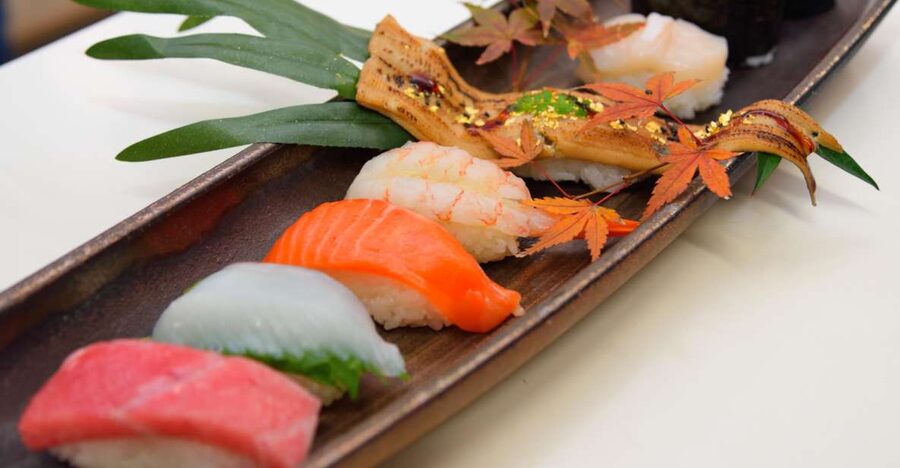
This class fits first-time sushi makers who want a clear introduction without difficult preparation. You can arrive with no cooking background, follow the instructions, and leave having made a recognizable meal.
It also suits people who want a social activity with a Japanese cultural element. The happi, photography, spirits experience, certificate, and graduation ceremony give the class more personality than a plain cooking lesson.
You should consider it if:
- You want to make sushi rather than only watch a demonstration.
- You enjoy wearing traditional clothing for photos.
- You need vegetarian, vegan, Muslim-friendly, gluten-free, or non-raw options.
- You want an indoor activity that runs in any weather.
- You prefer a short class that fits into a busy Kyoto schedule.
- You are happy with a small sushi meal and beginner-level instruction.
You may want another experience if you are mainly interested in fish butchery, advanced sushi technique, or a long lunch. Ask about fish cuts in advance, and confirm the day’s ingredients if a particular topping is important to you.
Practical details before you go
The class lasts 90 minutes, so arrive at the Takeda area with enough time to find the building. Follow the west entrance, city bus, Puls Plaza, and corner-by-corner directions carefully.
Wear something comfortable for stairs and food preparation. The happi is provided, and you can choose from various types. Smoking is not allowed indoors, and pets are not allowed, although assistance dogs are permitted.
The class is offered in English and Japanese. Free cancellation is available up to 24 hours before the activity for a full refund, and you can reserve now and pay later. Those terms help if your Kyoto plans are still shifting.
Should you book this Kyoto sushi class?
Book it if you want a friendly, photo-worthy introduction to sushi and like the idea of eating eight pieces you shaped yourself. The prepared ingredients, flexible food options, English instruction, happi coats, and certificate make it easy for beginners.
Think twice if $113 feels high for a 90-minute class or if you want serious sushi training. The experience offers charm and participation more than technical depth. For most people, the right question is not Will this teach me everything about sushi? It will not. The better question is Do I want a fun Kyoto activity that combines basic cooking, Japanese dress, and a small meal? If the answer is yes, this class is a solid choice.
FAQ
How long does the sushi-making class last?
The class lasts 90 minutes.
How many pieces of sushi are included?
The experience includes eight pieces of sushi. One class description also includes a simple roll, though the exact preparation can vary.
Can vegetarians and vegans join?
Yes. Vegetarian and vegan menu options are available. Muslim-friendly, non-raw, gluten-free, and other allergy-related options can also be requested.
Is the class taught in English?
Yes. The instructor can teach in English and Japanese.
Where is the meeting point?
Get off at the west entrance of Takeda Station on the Kintetsu or subway line. Take a city bus to the stop in front of Puls Plaza, then follow the listed street and corner directions to the school.
Is the class suitable for young children?
Children under three are not permitted. The school does not provide special infant meals.
Just added around Kyoto
- Kyoto Udon & Tempura Cooking Class with Professional Chefs★ 3.8 · 3 reviews
- Kyoto: Morning Japanese Bento Cooking Class★ 5.0 · 149 reviews
- Kyoto: Wagashi (Japanese sweets) Cooking near Fushimiinari★ 5.0 · 40 reviews
- Kyoto Home Cooking Class &Supermarket tour near Fushimiinari★ 5.0 · 31 reviews
- Kyoto: Authentic Sushi Making Cooking Lesson★ 5.0 · 103 reviews
- Authentic Japanese Cooking Experience at Izakaya restaurant★ 4.2 · 5 reviews
- Gyoza Cooking Class in Kyoto: Traditional Japanese Dumplings★ 5.0 · 12 reviews
- Private Plant-Based Japanese Cooking Class – Kyoto Edition★ 5.0 · 15 reviews
Japanese & Sushi Cooking Classes, compared.
Ramen Cooking Class at Ramen Factory in Kyoto
Read our review →
Ramen & Gyoza Cooking Class in Tokyo with Local Supermarket Visit
Read our review →
Ramen Cooking Class at a Ramen Factory with Souvenir
Read our review →
Sushi Making Osaka! Popular Sushi Class in Japan!
Read our review →
Tokyo Tsukiji Fish Market Tour and Sushi Making Lesson
Read our review →
Japanese Washoku Bento Small Group Cooking Class
Read our review →
Lists this class appears in