
REVIEW · HONSHU, JAPAN
Kyoto: Morning Japanese Bento Cooking Class
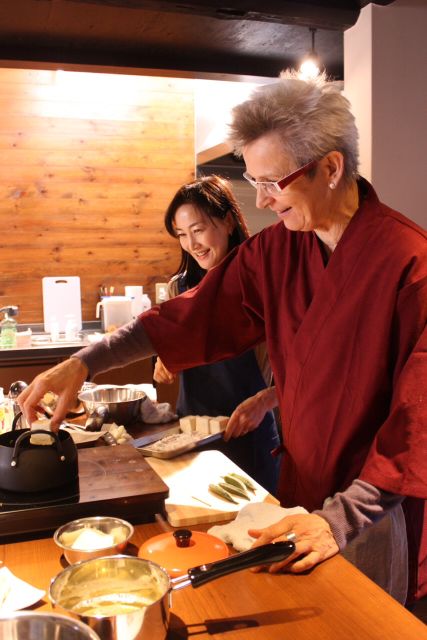
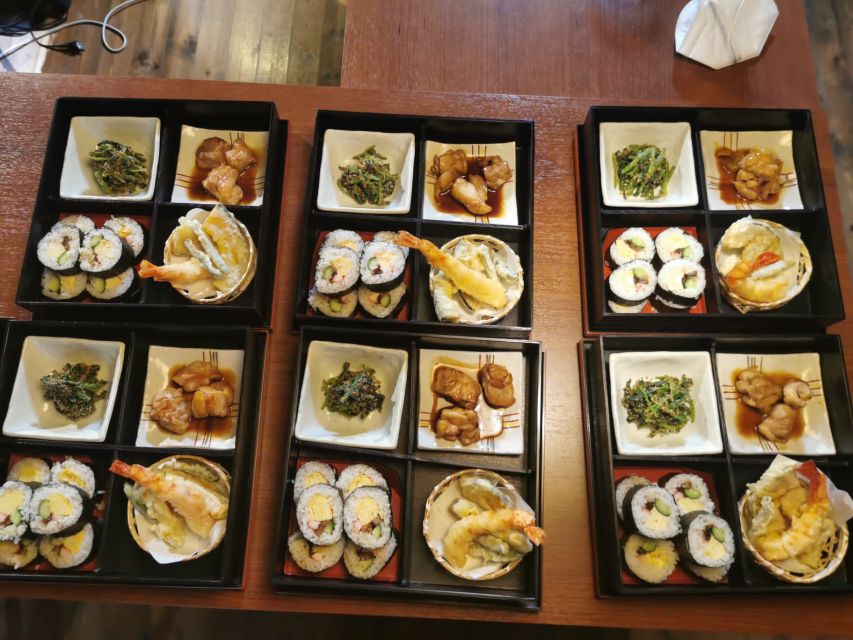
A bento box can tell a whole food story. In this three-hour morning class at Cooking Sun, you learn to prepare sushi, tempura, teriyaki chicken, miso soup, and other Japanese dishes before arranging them into your own lunch. I like the hands-on format and the chance to learn practical recipes you can repeat at home. I also like the small-group feel, with patient English-speaking instructors who explain both cooking methods and food customs.
The main thing to consider is the class pace. You prepare several dishes in a few hours, so ingredients are already prepared for you. This is a lesson in making and assembling Japanese food, not a detailed knife-skills workshop. If you want slow, one-to-one instruction at every stage, shared cooking equipment may feel a little limiting.
Key points at a glance
- Seven dishes in one morning: You may prepare sushi, tempura, teriyaki chicken, miso soup, and other traditional bento foods within the three-hour session.
- A real lunch at the end: The food you make becomes your bento meal, so the class finishes with a satisfying reward.
- English instruction: The chefs explain each step in English and provide written recipes for cooking at home.
- Small-group setting: Past class sizes have ranged from four people to around eight or ten, allowing for personal help without making the session feel private or formal.
- Good for families: Children and teenagers can take part, with extra guidance available when needed.
- Dietary needs can be discussed: Vegetarian and no-shellfish adaptations have been provided, but you should give details when booking.
What makes the bento class worthwhile
A Japanese bento is more than food packed into a box. It is a practical meal, a visual arrangement, and a compact example of how Japanese cooking balances taste, texture, color, and portion. The tradition reaches back to the late Kamakura Period, from 1185 to 1333, and remains part of everyday Japanese food culture.
I like that this class gives you a useful way to understand that tradition. Instead of simply eating a beautifully arranged lunch, you see how the separate parts come together. Rice, vegetables, cooked dishes, soup, and fried food each have a place.
The class also gives you a break from temple visits and crowded sightseeing streets. You spend a morning working with Japanese ingredients, meeting other people, and sharing a meal you helped prepare. It is a cultural activity with something concrete to take home: recipes and new cooking techniques.
More Sushi and Japanese Classes in Kyoto:
- Ramen Cooking Class at Ramen Factory in Kyoto
★ 5.0 · 1,937 reviews - Kyoto: Ramen Cooking Class at a Ramen Factory with Souvenir
★ 4.9 · 532 reviews - Kyoto: Ramen, Gyoza, and Onigiri Cooking Class
★ 5.0 · 445 reviews
Arriving at Cooking Sun in central Kyoto
The meeting point is Cooking Sun at Funayacho, Shimogyo Ward, Kyoto 600-8466. Hotel pickup and drop-off are not included, so you need to make your own way there and allow enough time to find the kitchen.
One older participant had difficulty locating the venue, so I would not leave arrival until the last minute. Use the full address when planning your route, and check the starting time when booking because class times can vary.
The session lasts about three hours, with the morning format leading into lunch. You receive an apron and the utensils needed for the class. Ingredients are included, so you do not need to shop before arriving.
Cooking Sun is wheelchair accessible, which makes this a useful option for people who need an accessible activity. If you have mobility or food requirements, it is still sensible to explain them when you book.
Watching the chefs before you cook
The class begins with demonstrations. Your instructor shows how each dish is made, explains the steps in English, and points out small techniques that can make Japanese food easier to prepare at home.
The teaching style appears practical rather than theatrical. You watch, then follow along. Instructors have included Tomoko, Yukari, Mei, Mae, Coco, and Ikari, with several people praised for clear explanations and patient help. The names and teaching team can vary, but the useful feature is consistent English instruction.
Written recipes are provided. This matters because a cooking class can feel easy while you are standing beside the chef, then become hard to repeat once you return home. The recipes give you something to refer to when you want to make sushi, teriyaki chicken, tempura, or other dishes again.
The chefs also explain cultural details along the way. You learn not only what to do, but why certain foods belong in a bento and how Japanese meals are put together. Some past participants arrived already familiar with Japanese cooking and still picked up new tips, including better ways to prepare rolled eggs.
Making sushi and building the bento
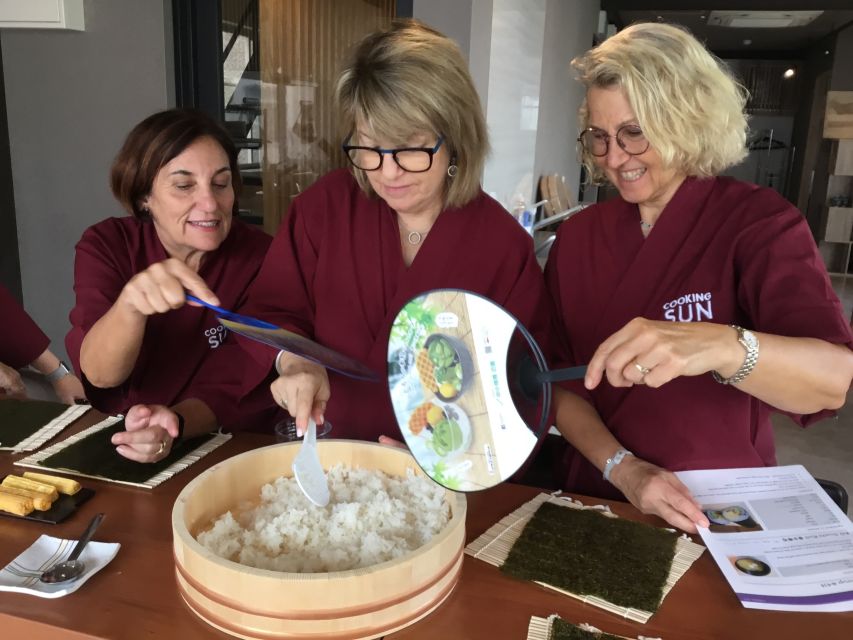
Sushi is one of the class highlights, but the precise sushi preparation can vary. You learn the method shown by the chef and then make your own portion as part of the finished bento.
This is a good place to remember the class format. The ingredients are prepared in advance, so you are not spending much of the session washing, chopping, or measuring everything from scratch. That keeps the class moving and allows you to cover several dishes.
The benefit is variety. In a single morning, you can learn a number of recipes instead of spending three hours on one complicated dish. The drawback is that you get less practice with basic preparation skills, especially knife work.
If your main goal is to learn restaurant-style sushi technique, this may not be the right class. If your goal is to make a tasty Japanese lunch at home without needing professional equipment or advanced skill, the format makes good sense.
More Morning Classes in Kyoto:
- Tingly Thai Cooking Class with Morning Market Tour
★ 5.0 · 589 reviews - Cooking Morning Class Chiang Mai Visit Organic Garden and Market
★ 5.0 · 211 reviews - Balinese Cooking class with traditional morning market visit
★ 5.0 · 161 reviews - Morning Cooking Class in Organic Farm with Local Market Tour
★ 5.0 · 157 reviews
Tempura, teriyaki chicken, and miso soup
The bento includes several different cooking styles, which keeps the lesson interesting. Tempura introduces crisp fried food, while teriyaki chicken offers a familiar sweet and savory dish. Miso soup adds a warm, simple element that helps complete the meal.
The variety is part of the value. You are not learning only one recipe. You are seeing how a Japanese meal mixes textures and flavors: crisp tempura, tender chicken, seasoned rice, soup, and smaller bento portions.
You also get to smell, handle, and taste a range of ingredients as the class develops. The teaching is designed for home cooks, and several of the dishes are described as easy to recreate later. That makes this more useful than a cooking demonstration where you only watch someone else work.
Keep in mind that making six or seven dishes in one morning requires organization. You may share cooking equipment with other people, and not every step will receive individual attention. One participant specifically hoped for more one-to-one interaction, so this is worth considering if personal coaching is your top priority.
Sitting down to eat your own bento
Once the cooking is finished, you arrange the food and sit down for lunch. This is the part I find especially appealing. You are not served a separate meal prepared by someone else. You eat the dishes you made, with the satisfaction and occasional surprise that comes from seeing the final result.
The lunch also lets you judge the recipes in a practical way. You can notice how the different foods work together and decide which ones you want to repeat at home. The food has received especially strong praise, with many people describing the finished bento as delicious.
The meal is included in the price, along with ingredients, utensils, and the apron. At $67 per person, the cost is higher than simply buying a bento from a shop. But that comparison misses the main point. You are paying for instruction, food, kitchen use, cultural background, and lunch in one experience.
For someone who enjoys cooking, the price is reasonable because the recipes continue to be useful after the class. If you only want a quick meal, buying one is cheaper and faster.
Why the small-group setting helps
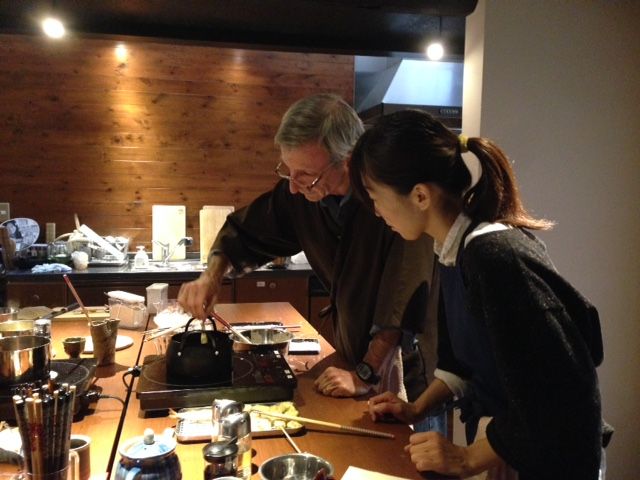
The class has been run with groups as small as four people and around eight to ten participants. The exact size can change, but the setting is generally intimate enough for questions and practical help.
That balance works well. You meet people from different countries without being lost in a large demonstration. Families can work together, and younger participants can take part in manageable steps.
The class has also worked well for parents and children. Twin ten-year-olds participated in one family session and enjoyed the food, while a teenager received extra guidance from the instructors. That suggests the class can suit families with older children, especially those willing to follow directions and try unfamiliar food.
It is also a good solo activity. You do not need to arrive with a group, and the shared meal gives you an easy way to talk with other people.
Dietary requirements and cooking confidence
Tell Cooking Sun about dietary requirements when booking. Vegetarian adaptations have been provided, and a no-shellfish version has also been arranged. Do not wait until the morning of the class, since the recipes and ingredients need to be planned in advance.
The class suits a wide range of cooking ability. Beginners receive step-by-step instructions, while experienced home cooks can still learn small techniques and details about Japanese food culture.
It is not a formal chef-training course. You will not spend the session mastering advanced knife cuts or restaurant production. The appeal is its friendly, practical level. You learn enough to make the dishes, understand the basic methods, and try them again at home.
The English instruction is clear, according to the supplied experience details, and some instructors have spoken several languages. English is the stated class language, so you should not book this expecting a Japanese-only lesson.
Planning your morning in Kyoto
Set aside three hours, not just the advertised cooking time. You need time to reach Funayacho, get settled, cook the dishes, arrange the bento, and eat lunch.
Because the activity ends with a meal, it works best as a morning plan rather than something squeezed between major sights. You will probably be ready for a lighter afternoon meal, especially if you make and eat several dishes.
The class is close enough to fit into a Kyoto sightseeing day, but no hotel transportation is supplied. Plan your route before leaving your accommodation and keep the meeting address handy.
The experience offers free cancellation up to 24 hours before the start time for a full refund. You can also reserve now and pay later, which helps if your Kyoto schedule is still changing.
Who should book this Kyoto cooking class?
I would recommend it to you if you:
- Want a hands-on introduction to Japanese home cooking
- Enjoy learning recipes you can repeat after a trip
- Are interested in the cultural meaning of bento
- Want a family activity suitable for older children
- Prefer a small class to a large food demonstration
- Like the idea of eating your own work for lunch
I would think twice if you want advanced sushi training, extensive knife practice, or constant private instruction. The class covers many dishes, so its strength is range rather than deep technical study of one recipe.
Should you book it?
Yes, if you want a friendly, useful food experience that adds substance to your Kyoto visit. The strongest reasons are the variety of dishes, clear English teaching, written recipes, and the simple pleasure of eating a bento you prepared yourself.
At $67, it is not the cheapest lunch in Kyoto, but it offers far more than lunch. You receive ingredients, instruction, equipment, cultural context, and a set of recipes you can use later. For families, couples, solo visitors, and curious home cooks, that makes it good value.
Book it with realistic expectations. Arrive ready to share equipment, follow a busy schedule, and accept that some preparation is done in advance. If that sounds right for you, Cooking Sun offers one of the more practical ways to connect Japanese food culture with your own kitchen.
FAQ
How long does the Kyoto bento cooking class last?
The class lasts about three hours. The stated duration is three hours, with the cooking followed by lunch.
Where does the cooking class meet?
It meets at Cooking Sun, Funayacho, Shimogyo Ward, Kyoto, Kyoto 600-8466.
What dishes will I learn to make?
The class includes sushi, tempura, teriyaki chicken, and miso soup. You may also prepare other traditional dishes for the bento, with some sessions covering six or seven dishes.
Is lunch included?
Yes. You eat the bento lunch made during the class, and the meal is included in the price.
Are ingredients and cooking equipment provided?
Yes. Ingredients, an apron, and utensils are included.
Is the class taught in English?
Yes. English is the stated class language, and the instruction is provided by English-speaking chefs.
Can the class accommodate dietary requirements?
You should advise Cooking Sun of dietary requirements when booking. Vegetarian and no-shellfish versions have been provided.
Is the class wheelchair accessible?
Yes, the activity is described as wheelchair accessible.
Can I cancel the booking for a refund?
You can cancel up to 24 hours in advance for a full refund. The activity also offers a reserve-now-and-pay-later option.
Just added around Kyoto
- Kyoto Udon & Tempura Cooking Class with Professional Chefs★ 3.8 · 3 reviews
- Kyoto: Wagashi (Japanese sweets) Cooking near Fushimiinari★ 5.0 · 40 reviews
- Kyoto Home Cooking Class &Supermarket tour near Fushimiinari★ 5.0 · 31 reviews
- Kyoto: Cooking class, learning how to make authentic sushi★ 4.2 · 9 reviews
- Kyoto: Authentic Sushi Making Cooking Lesson★ 5.0 · 103 reviews
- Authentic Japanese Cooking Experience at Izakaya restaurant★ 4.2 · 5 reviews
- Gyoza Cooking Class in Kyoto: Traditional Japanese Dumplings★ 5.0 · 12 reviews
- Private Plant-Based Japanese Cooking Class – Kyoto Edition★ 5.0 · 15 reviews
Japanese & Sushi Cooking Classes, compared.
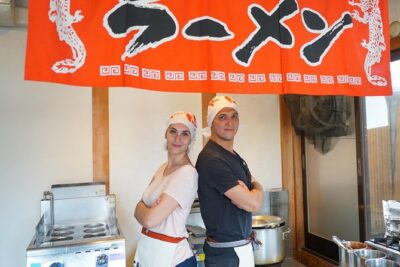
Ramen Cooking Class at Ramen Factory in Kyoto
Read our review →
Ramen & Gyoza Cooking Class in Tokyo with Local Supermarket Visit
Read our review →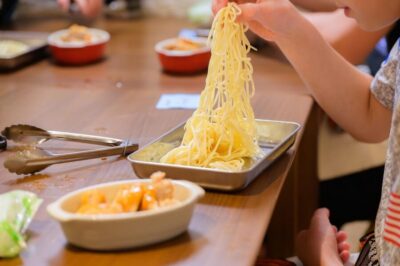
Ramen Cooking Class at a Ramen Factory with Souvenir
Read our review →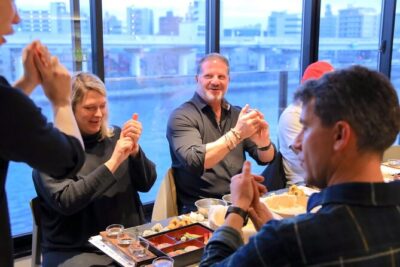
Sushi Making Osaka! Popular Sushi Class in Japan!
Read our review →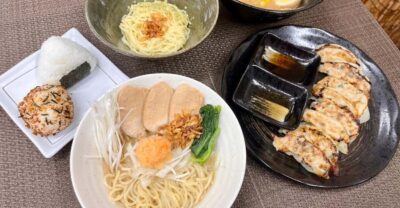
Tokyo Tsukiji Fish Market Tour and Sushi Making Lesson
Read our review →
Japanese Washoku Bento Small Group Cooking Class
Read our review →
Lists this class appears in