REVIEW · TOKYO, JAPAN
Zen Buddhist Vegetarian(Shojin Ryori): Cooking Experience
Cook your way beyond sushi and ramen. This Tokyo class introduces shojin ryori, the vegetarian cuisine shaped by 700 years of Zen Buddhist practice. I like the small group, limited to eight people, and the practical recipes you can make again at home. The main drawback is that you must arrange your own transportation to the venue.
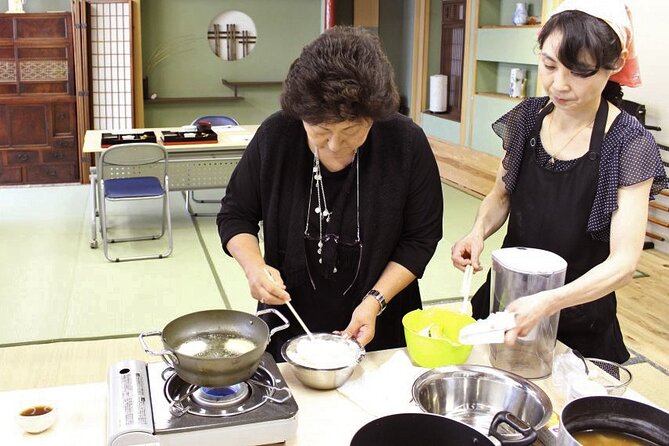
I also like the calm, hands-on format. You cook, eat, and learn instead of simply watching a demonstration, with Masue and Hiro praised for their patient instructions and clear demonstrations. The 2-hour-30-minute schedule begins at 11:00 a.m., so it takes a useful slice of your day, though the pace may feel tight if you want a long, leisurely meal.
Key points to know before booking
- 700 years of Buddhist cooking tradition: Learn how Zen monks developed vegetarian cooking methods that value simplicity, seasonal ingredients, and careful preparation.
- A genuinely small class: The group maximum is eight, giving you a better chance to follow the demonstrations and ask for help.
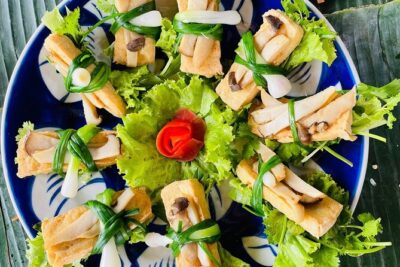
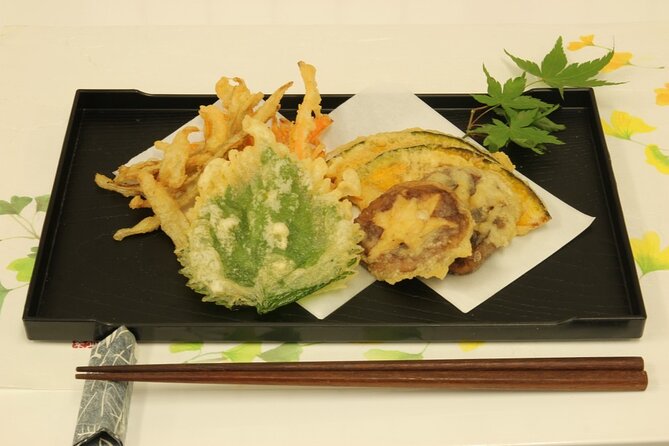
- Recipes beyond the usual Japanese menu: The class covers sesame tofu, dashi broth soup, vegetable tempura, and other shojin-style dishes.
- A meal you prepare yourself: You sit down to eat the food after cooking, which makes the lesson more useful than a standard food tasting.
- Optional Japanese tea pairings: You can upgrade the meal with tea served alongside the dishes.
- Easy cancellation window: Full refunds are available when you cancel at least 24 hours before the 11:00 a.m. start time.
What shojin ryori adds to a Tokyo food trip
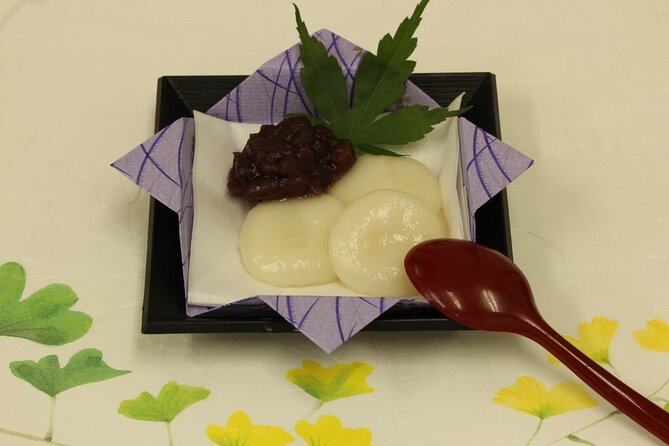
Tokyo offers no shortage of famous food. Sushi, ramen, grilled meat, and seafood usually get the attention. This class gives you a different way to understand Japanese cuisine, one centered on vegetables, tofu, broth, texture, and restraint.
Shojin ryori is associated with Zen Buddhism and was developed by monks over roughly 700 years. The cooking is vegetarian, and the program describes its methods as vegan and vegetarian. That makes it especially useful if you want an animal-free meal in Japan without relying on guesswork at a restaurant.
I like that the class teaches more than a menu. You get some context for why this style of food exists and how its philosophy affects preparation. The idea is not simply to remove meat from a familiar dish. It is to treat vegetables, tofu, broth, and cooking technique as worthy of full attention.
That distinction gives the class a quiet purpose. You are not racing through a list of tourist activities. You are learning how a religious tradition shaped what goes into a bowl and how a meal is prepared.
More Vegetarian Cooking Classes in Japan
- Ramen & Dumpling Cooking in Tokyo with Chef/Vegan possible
★ 5.0 · 107 reviews - Vegan/Vegetarian Ramen and Gyoza by Bentoya cooking
★ 5.0 · 59 reviews - Private Plant-Based Japanese Cooking Class – Kyoto Edition
★ 5.0 · 15 reviews
The 11:00 a.m. start at Kikai Shinkō Kaikan
The meeting point is Kikai Shinkō Kaikan, at 3-chōme-5-8 Shibakōen in Minato City, Tokyo. The class starts at 11:00 a.m. and finishes back at the meeting point after about two and a half hours.
You need to make your own way there because transportation is not included. The venue is near public transportation, which helps, but I would still allow extra time to find the building and get settled. Tokyo addresses can be less intuitive than they look on a map, especially when you are moving between large streets, smaller lanes, and station exits.
The morning timing works well for a food class. You can attend before a full afternoon of sightseeing, and the meal you prepare should function as lunch. It also avoids using your evening, when you may prefer a neighborhood restaurant or a night view.
The tradeoff is simple: this is not a quick one-hour stop. With the 11:00 a.m. meeting time and 2-hour-30-minute duration, you should plan your nearby sightseeing around it rather than trying to squeeze it between distant Tokyo attractions.
A small class with room for real instruction
The maximum group size is eight people. That is one of the strongest features here.
Cooking classes can become frustrating when you stand behind a crowd and see only half of the demonstration. A group of eight gives you a better chance to hear the instructor, see the preparation, and receive help when a technique is unfamiliar.
The class is led by a nationally accredited tour guide-interpreter. Masue and Hiro are specifically praised for being friendly, patient, and kind, with clear demonstrations that helped participants with limited cooking experience prepare a successful meal.
That point matters. Japanese cooking often includes ingredients and methods that may be new to you, and a class can lose its value if the instructor assumes you already know what to do. The emphasis here is on careful guidance, so you do not need to arrive as a confident cook.
I would still expect to participate actively. This is a lesson, not a restaurant meal where everything arrives finished. You will need to listen, follow the demonstrations, and take part in the preparation. That is exactly what makes the experience useful, but it may not suit someone looking for a completely passive activity.
Preparing sesame tofu and the foundations of shojin cooking
Sesame tofu is one of the named dishes in the program. It is a good example of why shojin ryori can be more interesting than a simple vegetarian substitute.
Tofu is familiar to many people, but sesame tofu shows how texture and flavor can be shaped through technique. The dish also fits the broader character of Buddhist vegetarian cooking, where a few carefully handled ingredients can carry much of the meal.
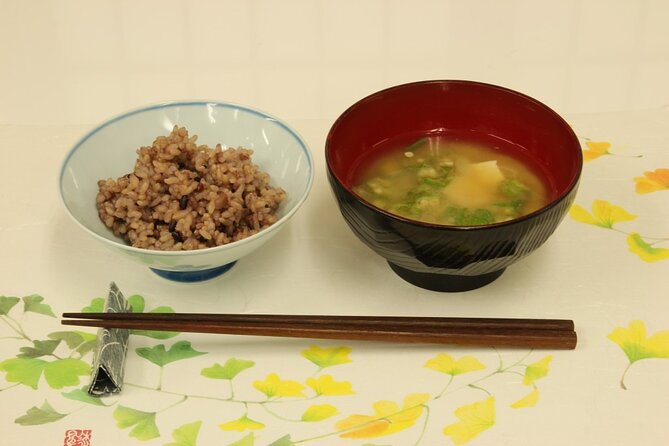
You will also work with dashi broth soup. Dashi is a foundation of Japanese cooking, and learning about it gives you a clearer sense of how flavor is built in many Japanese dishes. The important value here is practical: you are not only tasting a finished soup, but learning one of the building blocks behind it.
The exact order of the dishes and the full menu are not specified, so you should not expect a fixed restaurant-style course list beyond the named examples. The program may include additional preparations, but sesame tofu, dashi broth soup, vegetable tempura, and other vegetarian dishes are the clearest guide to what you will encounter.
More Vegetarian Cooking Classes in Tokyo:
- Oaxacan Vegetarian Cooking Class
★ 5.0 · 235 reviews - Marrakech: Moroccan Cooking Class for vegetarians and vegan
★ 4.9 · 156 reviews - Hoi An: Vegetarian Cooking Class w Local Family and transfer
★ 4.9 · 145 reviews - Oaxaca: Vegetarian Cooking Class
★ 4.8 · 139 reviews
Vegetable tempura and the pleasure of doing the work
Vegetable tempura adds a familiar Japanese favorite to the lesson, but the focus remains on the vegetarian ingredients and the cooking method.
Tempura is easy to recognize when you order it, yet preparing it yourself gives you a better sense of the care involved. You can expect the instructor to demonstrate the process and guide you as you work. The class is designed for people with different levels of cooking experience, so you do not need advanced skills to take part.
I like this combination of dishes because it gives the class variety. Sesame tofu introduces a delicate, carefully formed preparation. Dashi offers a basic soup element. Vegetable tempura brings a more hands-on cooking task and a different texture to the meal.
The class should not be mistaken for a professional culinary course. Its value is cultural and practical rather than technical. You are learning time-tested home-cooking methods and the ideas behind them, not earning a cooking qualification.
Sitting down to eat what you prepared
After the cooking portion, you sit down and enjoy the meal you made. This is a small detail, but it changes the feel of the activity.
A cooking demonstration can be interesting for an hour and then disappear from memory. Eating your own finished dishes gives the lesson a clear payoff. You can compare the parts of the meal, notice how the ingredients work together, and decide which recipes you would actually make at home.
The meal also helps connect the cooking techniques with the Buddhist philosophy behind them. Instead of discussing shojin ryori only as an idea, you see how that approach appears in the food itself.
One optional upgrade adds Japanese tea pairings while you eat. I see this as a good choice if you want the full cultural experience and enjoy tea as part of a meal. If your main goal is to learn the recipes, the standard cooking experience may offer better value without the extra pairing.
The supplied details do not state which teas are served or how many pairings are included. I would treat the upgrade as an added part of the meal rather than assume it is a detailed tea ceremony.
The value of the $114.67 price
At $114.67 per person, this is not a cheap lunch. You are paying for instruction, ingredients, an accredited guide-interpreter, a small group, and the meal you prepare. Transportation is not included.
The price makes the most sense if you value the teaching and cultural context, not just the amount of food. You receive a focused activity lasting about two and a half hours, along with recipes and techniques you can repeat at home. A standard restaurant meal may cost less, but it will not teach you how sesame tofu, dashi broth soup, or vegetable tempura are prepared.
The group size also supports the price. A class capped at eight people offers more personal attention than a large workshop, and that can make a real difference if you have limited cooking experience.
For two people, the total cost becomes a more noticeable part of your Tokyo budget. Group discounts are available, which may help if you are booking for several people. I would compare the discounted total before booking, since the value improves when the per-person cost drops.
The optional tea pairing may be worth adding if you want the meal to feel more complete. If you are mainly interested in a vegetarian cooking lesson, I would keep the booking focused on the core class.
Who will get the most from this class?
I would recommend this experience most strongly to:
- Vegetarians and vegans who want a meal designed around Japanese Buddhist cooking rather than meat-free substitutions
- People who enjoy hands-on cultural activities
- Beginner cooks who appreciate clear instructions
- Couples or small groups looking for a quieter activity in Tokyo
- Visitors who want recipes they can recreate after returning home
- Anyone tired of seeing Japanese cuisine reduced to sushi and ramen
It is also a good fit if you want a break from Tokyo’s crowded streets. The activity gives you a set time, a small group, and a calm focus.
I would be more cautious if you want a long food tour, a broad taste of many restaurants, or a highly technical cooking course. You will prepare and eat one focused style of cuisine, not sample a wide range of Tokyo specialties.
If you have dietary requirements or special requests, contact the provider in advance. The program specifically asks you to share those details ahead of time. That is important for any food class, even one built around vegetarian cooking.
Practical planning for the day
Plan to arrive at Kikai Shinkō Kaikan with enough time to find the meeting point. The class starts at 11:00 a.m., and late arrival could reduce the time you have for the demonstrations and hands-on work.
Because the activity ends back at the meeting point, you can plan a nearby afternoon afterward. The schedule leaves time for another attraction, shopping, or a relaxed meal later in the day, though you should account for the journey to your next destination.
Confirmation is sent within 48 hours of booking, subject to availability. Since the activity is often booked about 24 days ahead, I would reserve it before your Tokyo schedule fills up, especially if you want a particular date.
You can cancel for a full refund up to 24 hours before the start time. Cancellations or changes made less than 24 hours before 11:00 a.m. are not accepted for a refund, and the cutoff uses Tokyo local time.
My final take on the shojin ryori experience
This class earns its strong reputation through a simple formula: a small group, patient instruction, meaningful cultural context, and a meal you prepare yourself. The best parts are the personal guidance from instructors such as Masue and Hiro, the chance to learn recipes beyond the standard tourist menu, and the quiet pleasure of eating your own work.
The $114.67 price is fair if you want an activity rather than only a meal. It is less compelling if you are counting every yen or mainly want to eat as much Japanese food as possible.
I would book it if you want to understand one thoughtful side of Japanese food culture and take practical recipes home with you. I would skip it if your schedule is packed, you dislike cooking, or you want a broad tour of Tokyo’s restaurant scene. For vegetarians, first-time Japanese cooks, and anyone seeking a slower cultural activity, this is a strong choice.
FAQ
Where does the shojin ryori cooking experience begin?
It begins at Kikai Shinkō Kaikan, 3-chōme-5-8 Shibakōen, Minato City, Tokyo 105-0011, Japan.
What time does the class start?
The experience starts at 11:00 a.m.
How long does the cooking experience last?
It lasts approximately 2 hours and 30 minutes.
How many people can join the class?
The activity has a maximum of eight participants.
Is transportation to the venue included?
No. Transportation to the venue is not included, so you must make your own way to the meeting point.
What food will I learn to prepare?
The class includes vegetarian cooking and may cover dishes such as sesame tofu, dashi broth soup, and vegetable tempura.
Is Japanese tea included?
Tea pairings are available as an optional upgrade while you eat the meal you prepared.
Can I cancel for a full refund?
Yes. You can receive a full refund if you cancel at least 24 hours before the experience start time. Changes or cancellations made less than 24 hours before the start are not accepted for a refund.
Just added around Tokyo
- Tokyo: Sushi Cooking Class with Sake Tasting★ 4.8 · 55 reviews
- Tokyo: Sushi roll and side dish cooking experience★ 5.0 · 2 reviews
- Tokyo: Sushi Making Experience & Japanese Cooking Class★ 5.0 · 2 reviews
- Tokyo: Gyoza Making from Scratch – Ultimate Cooking Class★ 5.0 · 2 reviews
- Tokyo: Night Cooking Class: 5 Home-Cooked Japanese Dishes★ 4.9 · 13 reviews
- Tokyo: Real Ramen & Dumpling Cooking with Master Chef★ 5.0 · 10 reviews
- Tokyo: Sushi and Ramen Cooking Class with Sake Pairing Set★ 5.0 · 81 reviews
- Tokyo: Kawaii Bento Cooking Class – Cute Character Lunchbox★ 4.9 · 55 reviews
Vegan & Vegetarian Cooking Classes, compared.
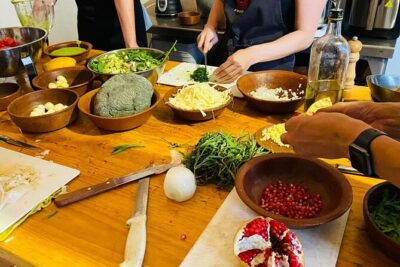
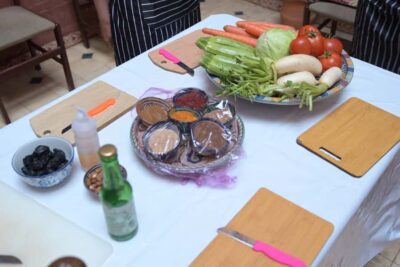
Moroccan Cooking Class for vegetarians and vegan
Read our review →
Vegetarian Cooking Class w Local Family and transfer
Read our review →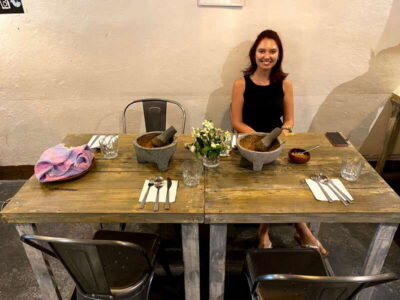
Jaipur Market Tour & Vegetarian Rajasthani Home Cooking Class
Read our review →
Ramen & Dumpling Cooking in Tokyo with Chef/Vegan possible
Read our review →Private Cooking Class – Personalized menu with glutenfree & vegan
Read our review →