
REVIEW · HONSHU, JAPAN
Gyoza Cooking Class in Kyoto: Traditional Japanese Dumplings
Small dumplings, big Kyoto memory. This 90-minute cooking class gives you a hands-on way to learn a beloved Japanese dish, from choosing fillings to folding, cooking, and eating your own gyoza. I like the choice of meat and vegetable fillings, and I especially like that you receive the full recipe for making the dumplings at home.
The English-speaking instructors are praised for being patient, friendly, and clear, with Hama singled out as a particularly kind and effective teacher. The main consideration is the $127 price, which is not cheap for a short class, and the workshop is not suitable for wheelchair users. You should also report allergies or dietary restrictions before arriving.
Key Details Before You Book
- Make and eat your own gyoza: You prepare fillings, shape the dumplings, cook them, and enjoy the finished food during the class.
- Choose meat or vegetable fillings: The variety lets you adjust the meal to your taste, including a vegetable option when requested in advance.
- Learn from English-speaking instructors: Classes are taught in English and Japanese, with patient guidance for beginners.
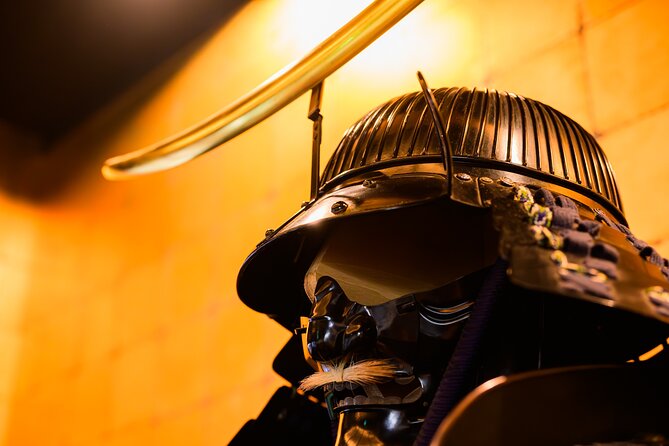
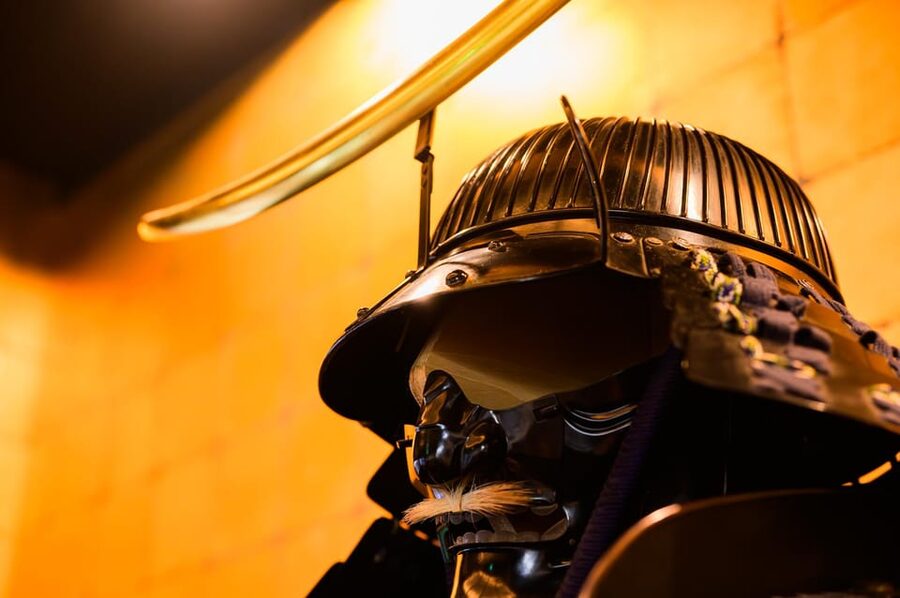
- Meet a samurai: A photo with a samurai adds a playful cultural touch to the cooking session.
- Take home the recipe: You leave with instructions that let you repeat the dish after your Kyoto trip.
- Easy central Kyoto location: The meeting point is a five-minute walk from Exit 2 of Karasuma Oike Station.
What This Kyoto Gyoza Class Is Really Like
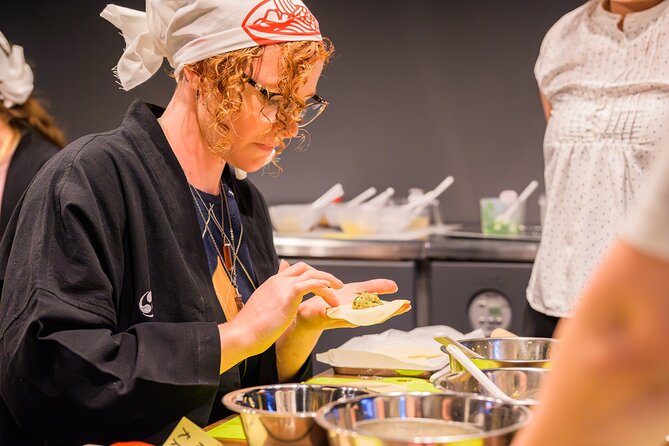
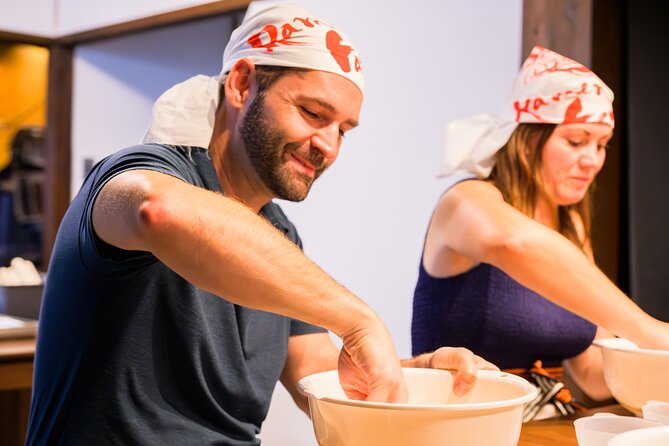
This is not a cooking demonstration where you sit back and watch someone else handle the food. You take part at each stage, with an instructor guiding you through ingredient selection, filling preparation, dumpling wrapping, and cooking.
That hands-on format makes the class useful for complete beginners. You do not need advanced kitchen skills to take part, and the instruction is designed to help you learn by doing. If your first dumpling looks a little lopsided, that is part of the fun. Gyoza folding takes practice, and the class gives you a friendly place to try.
I also like the balance between cooking and cultural context. You learn about the dish as you prepare it, rather than treating gyoza as just another meal. The class connects a familiar Japanese food with the techniques and stories behind it.
The full activity lasts 90 minutes. That is long enough for a proper cooking session without taking over your day in Kyoto. You can fit it between sightseeing plans, use it as an evening dinner activity, or schedule it on a day when you want a break from temples and walking.
More Sushi and Japanese Classes in Kyoto:
- Ramen Cooking Class at Ramen Factory in Kyoto
★ 5.0 · 1,937 reviews - Kyoto: Ramen Cooking Class at a Ramen Factory with Souvenir
★ 4.9 · 532 reviews - Kyoto: Ramen, Gyoza, and Onigiri Cooking Class
★ 5.0 · 445 reviews
Finding the Class Near Karasuma Oike
The meeting point is 362 meters from Karasuma Oike Station, about a five-minute walk from Exit 2. The station is served by both the Kyoto City Subway Karasuma Line and Tozai Line, so reaching the class is fairly simple if you are moving around central Kyoto by subway.
I would allow a few extra minutes to get out of the station and find the correct street-level route. Kyoto station exits can be easy to mix up, particularly if you are arriving with children, shopping bags, or luggage. Exit 2 is the important detail.
Transportation is not included in the $127 price. You pay for your own subway or other local transport, so factor that into your budget. The central location still helps, since you are not adding a long transfer or a distant taxi ride to a short activity.
Choosing Fillings and Preparing the Gyoza
The class lets you choose from a range of meat and vegetable fillings. That matters because gyoza can be adjusted to suit different tastes, and a cooking lesson is more useful when you can understand how the filling changes the final result.
The supplied information does not list every ingredient, so you should not expect a fixed menu of specific meats or vegetables unless the instructor confirms them. If you have an allergy or dietary restriction, tell the organizers in advance. This is especially important in a cooking class, where ingredients may be prepared together.
One participant requested a vegetable option and received one that worked well. That suggests the instructors can respond to at least some dietary preferences, but you should not wait until the class begins to ask. Advance notice gives the team a fair chance to prepare.
Preparing the filling is one of the most useful parts of the workshop because it shows you that good gyoza depend on balance. The filling must be flavorful, but it also needs the right texture for wrapping. You get a better feel for that by mixing and handling it yourself than by simply eating a finished dumpling in a restaurant.
Folding Techniques for Beginners
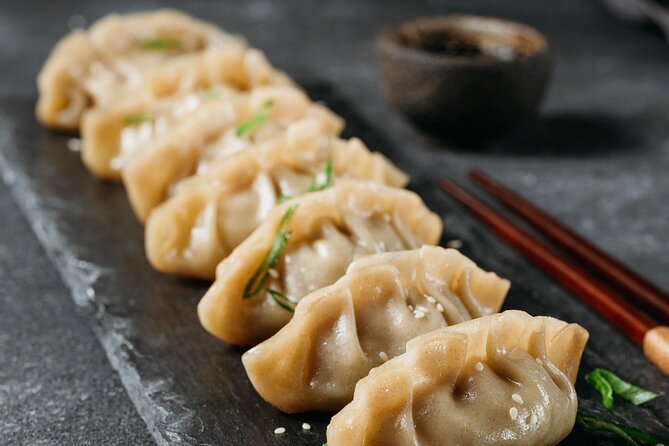
Wrapping gyoza is likely to be the most memorable skill of the class. The instructors demonstrate the technique, then help you shape your own dumplings. You can expect to practice placing filling in the wrapper, closing it, and creating the traditional pleated edge.
Do not worry if your first few dumplings look different from the instructor’s. The goal is not factory-level uniformity. The value is learning the basic movement well enough that you can repeat it in your own kitchen.
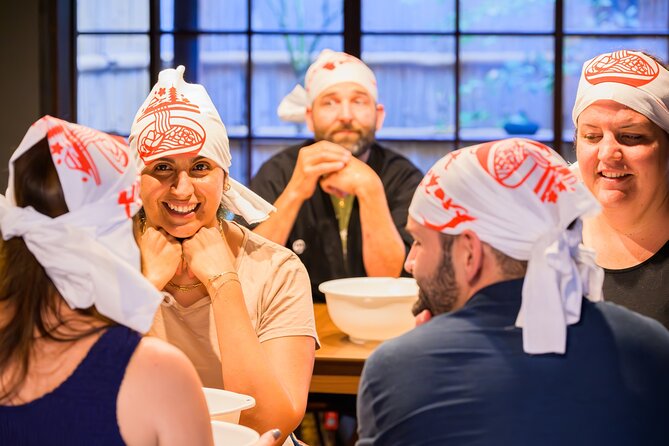
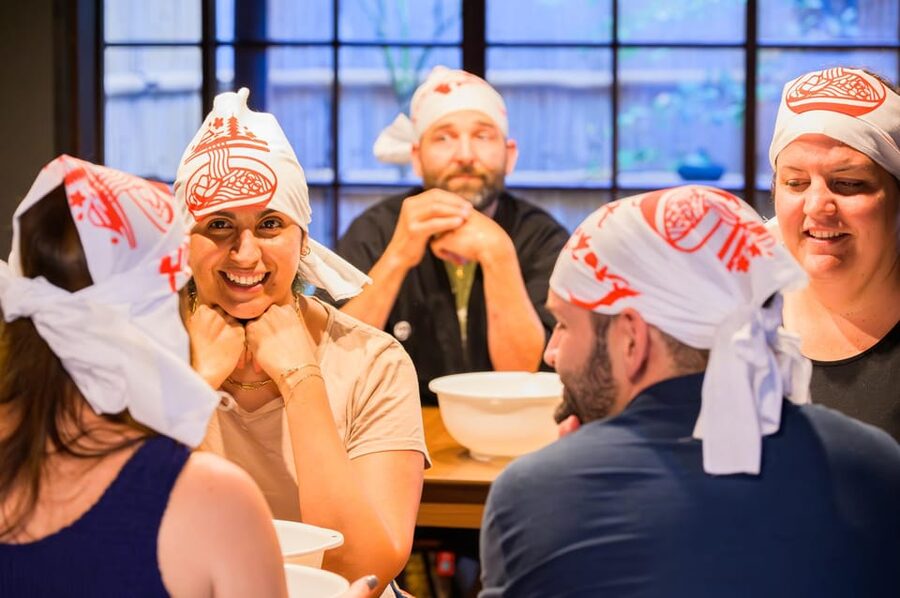
Patient teaching matters here. The strongest feedback about this class focuses on instructors who explain each step clearly and help without making beginners feel awkward. Hama is praised as a friendly and gentle teacher, while another class was described as relaxed and welcoming even for people with little cooking experience.
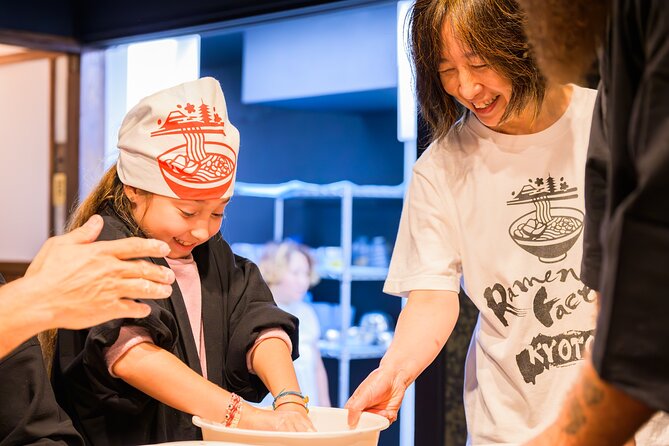
The class also works for families. One group included two children aged 11, and the children enjoyed the activity. That makes this a useful option if you need a Kyoto experience that gives younger family members something active to do.
More Chinese Cooking Classes in Kyoto:
- Gyoza Cooking Class in Kyoto: Traditional Japanese Dumplings
★ 5.0 · 210 reviews - Warsaw’s No 1 cooking class-Polish dumplings with liqueur tasting
★ 5.0 · 576 reviews - Ramen & Dumpling Cooking in Tokyo with Chef/Vegan possible
★ 5.0 · 107 reviews - Flavors of Beijing: Eat Like A Real Chinese
★ 5.0 · 78 reviews
Cooking the Dumplings and Eating the Results
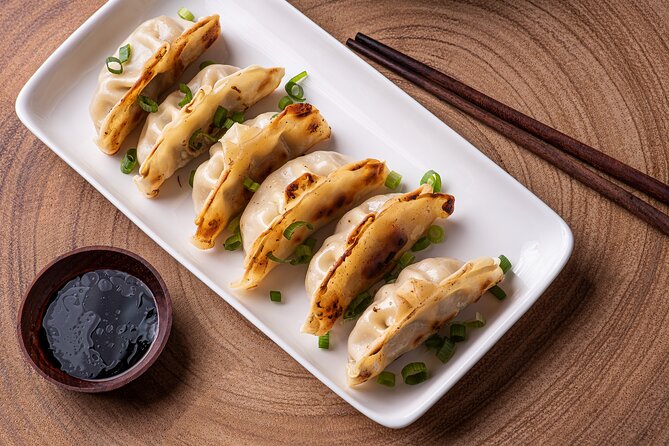
After shaping your gyoza, you cook them and eat what you have made. This is the satisfying payoff: you can see how the folding technique and filling preparation affect the final dish.
The finished dumplings are described as crisp outside and juicy inside. That contrast is central to good gyoza, and the class gives you a chance to learn the cooking process rather than only tasting the result.
You receive the gyoza you make during the class, along with one free drink. The meal is not a separate restaurant dinner with a large menu, so I would think of it as a focused cooking experience and a light meal rather than a full evening feast.
Still, making your own food changes the experience. You are not just served a plate. You handle the ingredients, work through the tricky folds, and then taste the result while the process is fresh in your mind. That gives the meal a personal connection that a quick restaurant stop does not provide.
The Samurai Photo and Cultural Touches
The class includes a photo with a samurai. It is a small part of the experience, but it adds a memorable visual moment and gives you something beyond the cooking lesson.
You should see this as a fun cultural extra, not a full samurai history program. The main focus remains gyoza preparation, and the available information does not promise a longer performance, lecture, or museum-style presentation.
That is a good balance for a 90-minute activity. You get a taste of Japanese culture without the class becoming too broad or losing its focus on food. The photo can also be a nice souvenir for families and first-time visitors to Japan.
How Much Value Do You Get for $127?
At $127 per person, this is a premium short activity. You are paying more than you would for a plate of gyoza, but the comparison is not quite fair. The fee includes instruction, cooking tools, one free drink, the food you prepare, cultural context, the samurai photo, and a recipe you can use later.
The recipe is the most practical part of the value. A restaurant meal ends when you leave the table. A cooking class can continue to pay off when you make gyoza for friends or family at home. If you enjoy cooking, that take-home skill may justify the price.
For a family, the cost adds up quickly, especially since each person pays individually. I would book it for a special activity, not as the cheapest way to eat dinner in Kyoto. It makes more sense if you value interaction, instruction, and a lasting memory.
The five-star score from 12 ratings supports the idea that the class delivers a friendly and enjoyable experience. The strongest praise is consistent: good instructors, clear teaching, delicious dumplings, and a relaxed atmosphere. The rating is encouraging, but the small number of ratings means you should still consider your own budget and dietary needs.
Who Will Enjoy This Class Most?
I would recommend this activity to several types of visitors:
- First-time cooks: The instructors guide beginners through each stage.
- Families with older children: An 11-year-old group member enjoyed the activity, and the class gives children something active to do.
- Food-focused visitors: You learn how a popular Japanese dish is made rather than only ordering it.
- Vegetarians or flexible eaters: A vegetable option was successfully arranged when requested ahead of time.
- Couples and small groups: Cooking together gives you a shared activity and a meal afterward.
- Visitors with an evening free: One group used it as dinner after arriving by train.
It may be less suitable if you want a long cultural tour, a large meal, or a low-cost food stop. It is also not suitable for wheelchair users. If you dislike hands-on group activities, you may find the cooking format less appealing than simply visiting a restaurant.
Timing, Language, and Practical Planning
The class lasts 90 minutes, with starting times based on availability. Check the schedule before building your Kyoto day around it. You will need to arrive at the meeting point near Karasuma Oike Station, and transportation costs are your responsibility.
Instruction is available in English and Japanese. The English-speaking instructors are an important part of the experience, especially when you are learning a physical technique such as folding and cooking.
Wear something you are comfortable cooking in, although no special clothing requirement is provided. More important is arriving ready to take part. This is an activity where you will get more from the class if you ask questions, try the folds yourself, and pay attention to the cooking process.
You can cancel up to 24 hours before the activity for a full refund. The reserve now and pay later option also gives you some flexibility while you arrange your Kyoto schedule.
Final Verdict: Is the Gyoza Class Worth Booking?
I would book this class if you want a friendly, practical Kyoto activity that combines food, culture, and participation. The strongest reasons are the patient English-speaking instruction, the chance to choose meat or vegetable fillings, and the recipe you can use once you return home.
The $127 price is the main hurdle. You should book it for the experience, not for the amount of food alone. If you are cooking with children, want a break from sightseeing, or enjoy learning dishes you can recreate, the fee has a clearer value.
Book with allergy information provided in advance, allow time to reach Exit 2 of Karasuma Oike Station, and remember that the class is not wheelchair accessible. For a compact and cheerful introduction to Japanese dumplings, this is a strong choice.
FAQ
How long does the gyoza cooking class last?
The class lasts 90 minutes.
Where does the class meet?
The meeting point is a five-minute walk from Exit 2 of Karasuma Oike Station on the Kyoto City Subway Karasuma Line and Tozai Line. It is about 362 meters from the station.
Is the class taught in English?
Yes. The instructors speak English and Japanese, and an English-speaking instructor is included.
Can I request a vegetable filling?
Yes, vegetable options can be requested, but you should tell the organizers about dietary restrictions or allergies in advance.
Is transportation included in the price?
No. You are responsible for your own transportation expenses.
Can I cancel for a full refund?
Yes. You can cancel up to 24 hours in advance for a full refund.
Just added around Kyoto
- Kyoto Udon & Tempura Cooking Class with Professional Chefs★ 3.8 · 3 reviews
- Kyoto: Wagashi (Japanese sweets) Cooking near Fushimiinari★ 5.0 · 40 reviews
- Kyoto: Morning Japanese Bento Cooking Class★ 5.0 · 149 reviews
- Kyoto Home Cooking Class &Supermarket tour near Fushimiinari★ 5.0 · 31 reviews
- Kyoto: Cooking class, learning how to make authentic sushi★ 4.2 · 9 reviews
- Kyoto: Authentic Sushi Making Cooking Lesson★ 5.0 · 103 reviews
- Authentic Japanese Cooking Experience at Izakaya restaurant★ 4.2 · 5 reviews
- Private Plant-Based Japanese Cooking Class – Kyoto Edition★ 5.0 · 15 reviews
Japanese & Sushi Cooking Classes, compared.
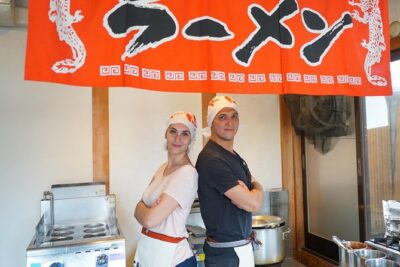
Ramen Cooking Class at Ramen Factory in Kyoto
Read our review →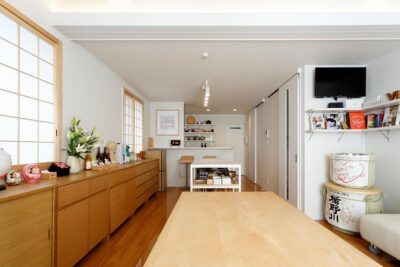
Ramen & Gyoza Cooking Class in Tokyo with Local Supermarket Visit
Read our review →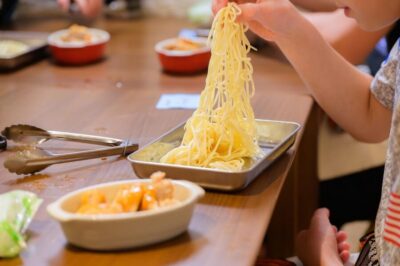
Ramen Cooking Class at a Ramen Factory with Souvenir
Read our review →
Sushi Making Osaka! Popular Sushi Class in Japan!
Read our review →
Tokyo Tsukiji Fish Market Tour and Sushi Making Lesson
Read our review →
Japanese Washoku Bento Small Group Cooking Class
Read our review →
Lists this class appears in