REVIEW · KYOTO, JAPAN
Private Guided Traditional Buddhist Cooking in Japan
Good food can open a door to Japan.
This private Kyoto cooking class offers a useful look at shojin-ryori, Buddhist cuisine built around vegetables, tofu, grains, seaweed, fermented foods, and careful preparation. I like the seven-dish meal, which gives you more than a quick recipe demonstration, and I like that Yukari and Yuka share both cooking guidance and cultural background. The main drawback is that the listed temple stops are not explained in detail, and private transportation is not included.
At $70.94 per person for about two and a half hours, the class is fairly priced for a private activity with ingredients, drinks, equipment, an apron, recipes, and facility costs included. It suits families, couples, vegetarians, and anyone who wants a meal you are unlikely to order in an ordinary restaurant. You should be comfortable reaching the meeting point in Kyoto’s Sakyo Ward on your own.
Five things to know before booking
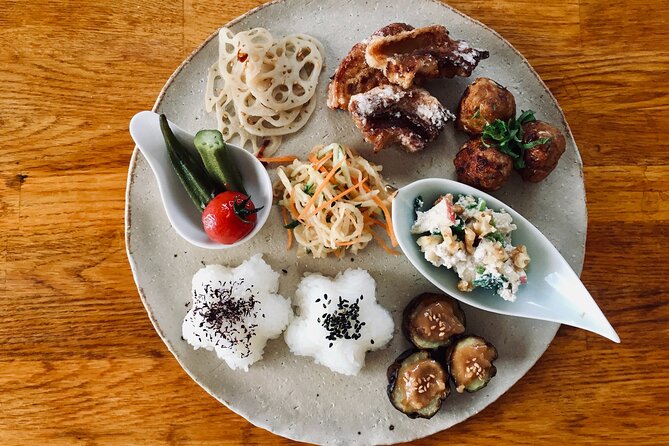
- Seven vegan dishes: You help prepare seasonal vegetables, lotus root, eggplant, tofu salad, wheat-gluten fried chicken, rice balls, and more.
- Private participation: Only your own group takes part, so the pace and conversation should feel more personal than a large class.
- Two experienced hosts: Yukari and Yuka are praised for clear explanations, patience, warmth, and strong knowledge of Japanese food.
- Temple connections: Enkoji Temple, Shisendo Temple, and Ginkakuji Temple are listed as stops connected with the experience.
- Useful take-home value: Recipes are included, giving you a chance to recreate the meal after returning home.
- Flexible dietary support: Gluten-free cooking can be arranged if you give advance notice.
What shojin-ryori brings to your plate
Shojin-ryori developed in Buddhist temple settings, where avoiding harm to animals shaped the food. The result is vegan cooking that does not depend on meat substitutes alone. Instead, the meal draws flavor from vegetables, tofu, soybeans, grains, seaweed, miso, and other fermented ingredients.
That makes this class more than a standard Japanese cooking lesson. You learn why the ingredients matter and how small details can make a simple vegetable dish taste complete. The food is designed to preserve the natural character of seasonal produce rather than cover it with heavy sauces.
I particularly like the balance of familiar and unusual dishes. You might recognize eggplant, rice, and tofu, but the Buddhist style gives them a different role. Wheat gluten becomes a vegetarian fried-chicken-style dish, while lotus root and dried daikon show how texture matters in Japanese home cooking.
The class also gives you a break from the restaurant routine. Kyoto has excellent vegetarian and Buddhist dining, but a restaurant gives you the finished plate. Here, you handle the ingredients, learn the methods, and then sit down to eat food you helped prepare.
More Private Cooking Classes in Japan
- Private Kyoto Sushi Cooking Class & Tea Ceremony with Emika
★ 5.0 · 66 reviews - Private Cooking Class Udon in Kyoto Japan
★ 5.0 · 23 reviews - Private Ramen or Gyoza Cooking Class in Kyoto with Chef Midori
★ 5.0 · 18 reviews
A seven-dish meal with plenty of variety
The meal includes several preparations, so the class has a good range of textures and techniques.
Simmered seasonal vegetables introduce the calm, careful side of Japanese cooking. This type of dish is less about strong seasoning and more about letting the produce keep its character.
Dried strips of daikon salad add a different texture. Dried daikon, known in Japanese cooking for its chewy quality, shows how preservation can shape a dish. It is a useful example of how Japanese cooks make ingredients last and use them in more than one form.
Kinpira of lotus root features thinly sliced lotus root that is braised. Lotus root has a distinctive crisp texture, and slicing it thinly gives the dish a pleasant bite. This is the kind of preparation that may look simple but depends on careful cutting and cooking.
Nasu dengaku is eggplant prepared with miso. Eggplant absorbs flavor well, and miso gives it a savory finish. It is one of the more immediately approachable dishes for cooks trying to recreate the meal at home.
Shiraae is a mashed tofu salad. It shows how tofu can provide body and richness without dairy or eggs. For anyone who thinks vegan food is limited to raw vegetables, this dish makes a useful correction.
Spicy teriyaki balls bring a stronger, sweeter flavor to the meal. They offer contrast with the quieter vegetable dishes and help keep the finished plate from feeling repetitive.
Vegetarian fried chicken made with wheat gluten is the playful dish on the menu. It uses a plant-based ingredient to create a familiar shape and texture, while still fitting the principles of Buddhist cooking.
You also prepare two rice balls. That gives you a practical staple to take home in your cooking memory, not just a collection of side dishes. Taken together, the menu provides a full plate lunch or dinner rather than a single recipe.
Meeting Yukari or Yuka at 10 a.m.
The class begins at 10 a.m. at Fairmont Building, 16 Ichijoji Nodacho, Sakyo Ward, Kyoto, postal code 606-8165. The activity ends back at the meeting point.
The host names associated with the class are Yukari and Yuka. Yukari receives especially strong praise for her warmth, patience, and ability to explain both food and culture. She has written books and articles about Japanese food, and her teaching style appears suited to people who want more than a quick demonstration.
Families should note that the class has worked well with 11-year-old children. The preparation is hands-on, and the private format means your group can focus on the food without being lost in a crowd. Still, young children need to be comfortable following kitchen instructions for a two-and-a-half-hour activity.
The mobile ticket is useful for a day of sightseeing, since you can keep the confirmation on your phone. You should still allow time to find the building and check your route before the 10 a.m. start. Private transportation is not included, and the class does not arrange a vehicle between locations.
Understanding the three temple stops
Enkoji Temple, Shisendo Temple, and Ginkakuji Temple are listed as stops connected with the experience. These names help place the activity within Kyoto’s eastern Sakyo Ward, an area associated with temple visits and traditional culture.
The information provided does not spell out how much time is spent at each temple or explain whether the stops are guided visits, nearby reference points, or part of a wider route. Do not book this mainly as a temple sightseeing tour. The cooking lesson is the clear centerpiece, and the temple names work best as cultural context rather than a promise of a full temple tour.
Enkoji Temple gives the experience a natural connection to Buddhist practice. Shisendo Temple adds another religious and cultural reference point, while Ginkakuji is one of Kyoto’s best-known temple destinations. If you want detailed commentary at each site, check the arrangements before booking because the exact temple schedule is not provided.
You may also want to plan your day around the meeting point rather than assuming the cooking class will deliver you to your next attraction. Since transportation is excluded and the activity returns to the start, you are responsible for arranging your own onward travel.
More Private Cooking Classes in Kyoto
- Private Plant-Based Japanese Cooking Class – Kyoto Edition
★ 5.0 · 15 reviews
Why the private format matters
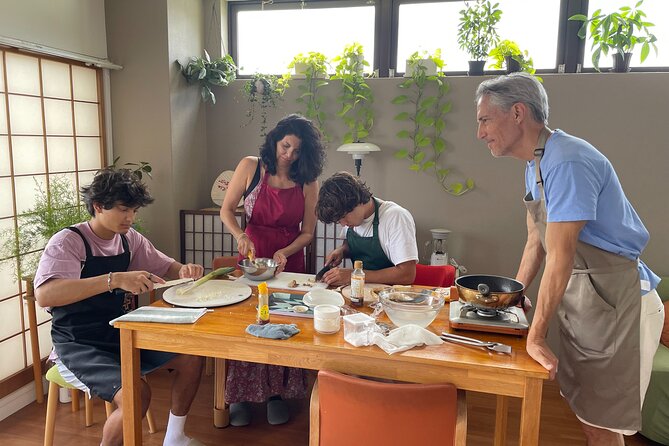
A private class is a real advantage here. Shojin-ryori includes unfamiliar ingredients and techniques, and you may have questions about tofu, wheat gluten, lotus root, miso, or fermented foods. With only your group participating, it should be easier to ask for clarification and work at a comfortable pace.
The private setup also suits mixed groups. One person may be an enthusiastic cook, while another may simply want to understand Japanese food. Children can take part, and vegetarians do not have to worry about a meat-based menu being prepared alongside their meal.
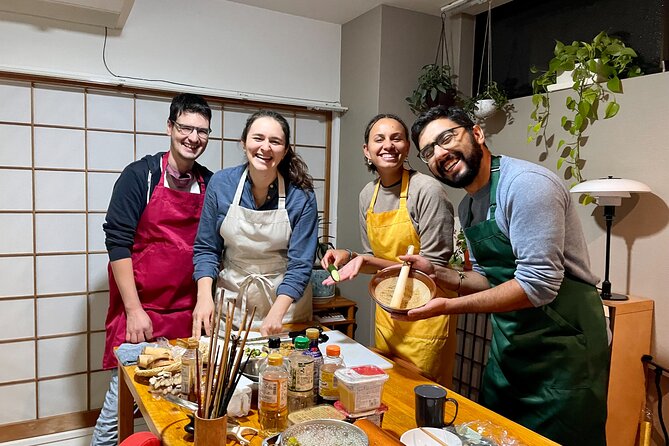
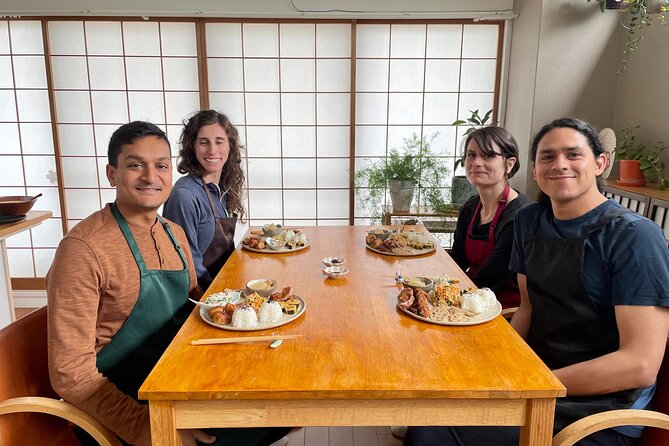
There is a social side, too. The class has brought together people from different countries, and the shared meal gives everyone a natural reason to talk. You cook first, then eat together, which makes the activity feel more personal than a simple food lecture.
The tradeoff is that a private class may feel less lively if you expected a large group and a busy classroom atmosphere. The experience appears to favor calm instruction and conversation. That is a plus for most food-focused visitors, but not for someone seeking a fast, theatrical cooking show.
What is included for $70.94
The price includes lunch ingredients, water or tea, an apron, all cooking equipment, utility charges, facility fees, and recipes. That list matters because you are not paying only for instruction. The cost covers the working kitchen, the meal itself, and materials you can use later.
At $70.94 per person, the value is strongest if you care about the cultural explanation and plan to use the recipes at home. Seven dishes give the class a substantial amount of food and instruction for a two-and-a-half-hour session.
The value is less clear if you want only a meal. Kyoto has many places to eat for less, and this is not a quick lunch stop. You are paying for participation, teaching, and access to a private host, not simply for a finished plate.
The drink is limited to water or tea, and private transportation is not included. Those are small points, but they help you set the right expectations. Bring an appetite for hands-on work rather than expecting a polished restaurant service.
Dietary needs and practical comfort
The entire menu is based on Buddhist vegan cooking, with no meat or fish and generally no animal products. That makes the class a strong choice for vegans and vegetarians who want a meal built around a clear culinary tradition instead of a few modified side dishes.
Gluten-free requests can be accepted, but you must mention this in advance. That is important because wheat gluten is part of one listed dish, and substitutions need to be planned before cooking begins.
Service animals are allowed, and the meeting point is near public transportation. The activity is marked as suitable for confirmation at booking, and the mobile ticket makes access simple. The available information does not provide a detailed accessibility assessment of the kitchen, so contact the provider if you need specific information about seating, movement, or equipment.
Free cancellation is available up to 24 hours before the local start time. Cancel later than that, or request a change within that final 24-hour window, and you will not receive a refund.
Who will get the most from this class
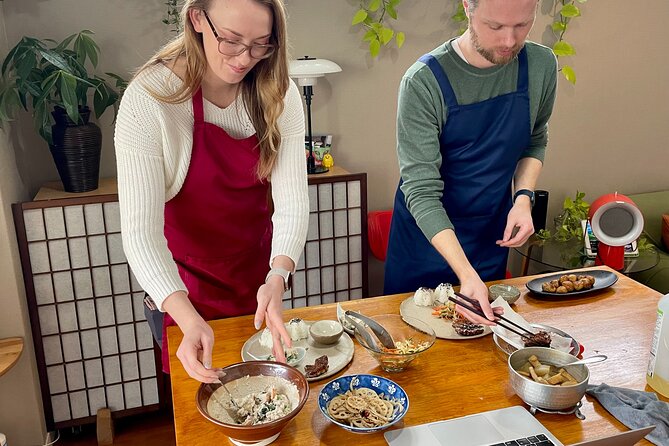
I would recommend this experience to:
- Vegans and vegetarians seeking a distinctly Japanese meal
- Couples who want a private food activity
- Families with children old enough to follow kitchen instructions
- Cooks who enjoy learning recipes they can repeat at home
- Visitors interested in Buddhist culture and seasonal ingredients
- Anyone tired of sightseeing without meaningful contact with local food
It may not suit you if you dislike cooking, need private transportation, or want a detailed guided tour of Kyoto’s temples. It is also not the best match for someone who wants a short demonstration with minimal participation.
The class seems especially useful early or midway through a Kyoto stay. You can learn about ingredients such as tofu, miso, lotus root, dried daikon, and wheat gluten, then recognize them more easily in restaurants and markets afterward.
Should you book this Kyoto cooking class?
Book it if you want to understand Japanese food from the inside, not just eat it. The private setting, seven-dish vegan menu, recipes, and patient teaching make this a strong choice for curious cooks and families.
I would not book it as a substitute for a full temple tour, since the timing and format of the three temple stops are not fully explained. Treat those sites as part of the cultural setting, and treat the cooking lesson as the main event.
At $70.94, the class offers good value for a private, hands-on meal with ingredients and equipment included. If you can reach the Sakyo Ward meeting point for the 10 a.m. start and give advance notice about dietary needs, this is one of the more useful ways to spend a morning in Kyoto.
FAQ
How long does the Buddhist cooking class last?
The experience lasts approximately 2 hours and 30 minutes.
What time does the class begin?
The class begins at 10 a.m.
Where does the experience start and end?
It starts and ends at Fairmont Building, 16 Ichijoji Nodacho, Sakyo Ward, Kyoto, postal code 606-8165.
Is this a private activity?
Yes. Only your group participates in the activity.
What kind of food will I prepare?
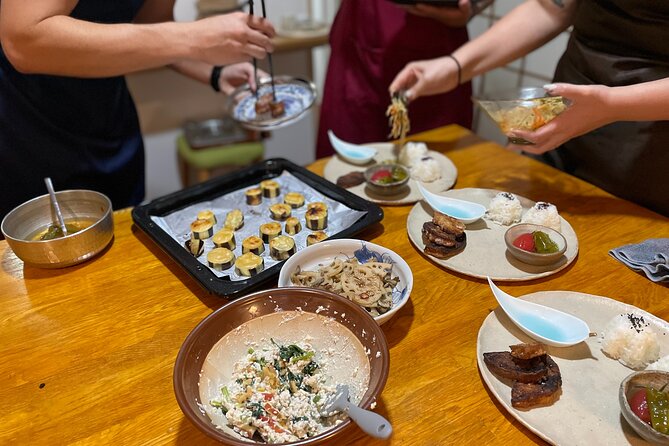
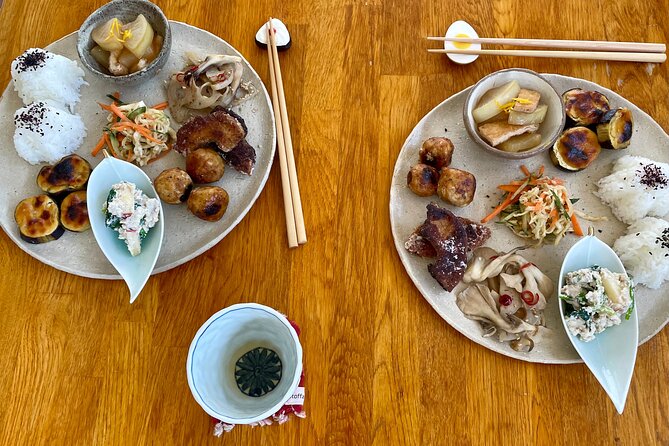
You will prepare seven Buddhist-inspired vegan dishes, including seasonal vegetables, dried daikon salad, braised lotus root, miso eggplant, mashed tofu salad, spicy teriyaki balls, and wheat-gluten vegetarian fried chicken. You will also make two rice balls.
Is the food vegan?
Yes. The cooking is based on shojin-ryori and does not use meat or fish. The dishes generally contain no animal products.
Can the class accommodate gluten-free cooking?
Yes, gluten-free requests can be accepted. You should notify the provider in advance.
Is transportation included?
No. Private transportation is not included. The meeting point is near public transportation.
What happens if I need to cancel?
You can receive a full refund if you cancel at least 24 hours before the local start time. Cancellations or changes made less than 24 hours in advance are not accepted for a refund.
Just added around Kyoto
- Kyoto Udon & Tempura Cooking Class with Professional Chefs★ 3.8 · 3 reviews
- Kyoto: Morning Japanese Bento Cooking Class★ 5.0 · 149 reviews
- Kyoto: Wagashi (Japanese sweets) Cooking near Fushimiinari★ 5.0 · 40 reviews
- Kyoto Home Cooking Class &Supermarket tour near Fushimiinari★ 5.0 · 31 reviews
- Kyoto: Cooking class, learning how to make authentic sushi★ 4.2 · 9 reviews
- Kyoto: Authentic Sushi Making Cooking Lesson★ 5.0 · 103 reviews
- Authentic Japanese Cooking Experience at Izakaya restaurant★ 4.2 · 5 reviews
- Gyoza Cooking Class in Kyoto: Traditional Japanese Dumplings★ 5.0 · 12 reviews
Private Cooking Classes, compared.
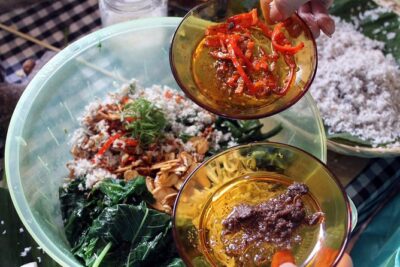
PRIVATE Authentic Balinese Cooking Class in Ubud at Putu’s Home
Read our review →
Pasta Making Class with Tiramisu & Wine PRIVATE OPTION
Read our review →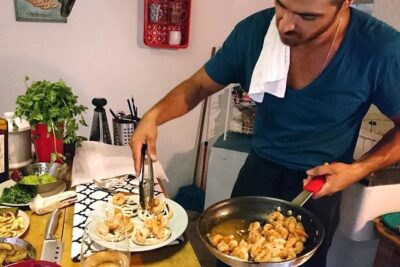
Private Market Tour & Cooking Class in Puerto Vallarta with Manu
Read our review →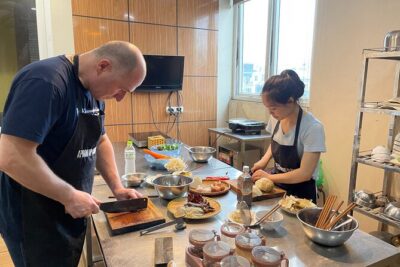
Private Cooking Class with 5 dishes of your choice
Read our review →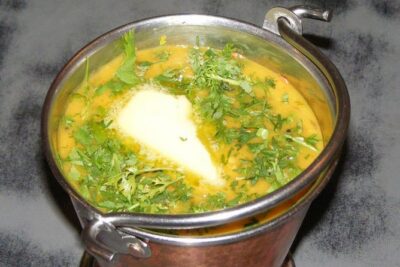
Veg and Non veg : Private Cooking Class in Delhi home (7 meal)
Read our review →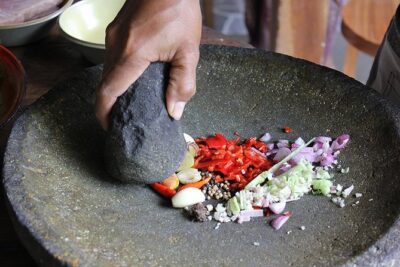
PRIVATE Balinese Cooking Class in Ubud with Dewa with Transfers
Read our review →
VIP Mekong Delta Adventure Cycling & Kayaking – Private Day Trip
Read our review →