REVIEW · TOKYO PREFECTURE, JAPAN
Vegan/Vegetarian Ramen and Gyoza by Bentoya cooking
Tokyo has a delicious vegetarian secret. BentoYa Cooking makes it easier to understand Japanese ingredients, avoid hidden fish stock, and prepare vegan or vegetarian ramen and gyoza from scratch. I especially like the visit to a local supermarket and the small group limit of six, which keeps the class personal. The main consideration is simple: at $75 per person, this costs more than lunch, so the value depends on how much you want cooking instruction and local food guidance.
The class lasts about two and a half hours and begins at Komae Station, outside central Tokyo. I also like that the meal is not just a demonstration. You take part in chopping, seasoning, shaping, and cooking, then sit down to eat what you made. English communication has been praised, and hosts including Kaori, Miwa, and Rina have helped make the class warm and easy to follow.
Key points about the BentoYa cooking class
- A local supermarket visit comes first: You learn how Japanese ingredients are labeled and which basic items work for vegan or vegetarian cooking.
- The ramen broth is made from scratch: This matters in Japan, where dashi often contains bonito, a dried fish product.
- You prepare two classic dishes: The class covers ramen, including tantanmen-style ramen in some sessions, and handmade gyoza.
- The setting is intimate: A maximum of six people gives you more time to ask questions and practice.
- The recipes are practical: Detailed instruction files help you make the dishes again at home.
- Komae offers a quieter setting: The class meets at Komae Station rather than at a major sightseeing hub in central Tokyo.
Why vegetarian ramen in Japan needs extra care
Japanese food can look vegetarian while hiding fish-based ingredients. The main trap is dashi, a soup stock commonly made with bonito flakes. That stock may appear in ramen, sauces, miso dishes, dipping sauces, and other foods that seem meat-free at first glance.
This is why the class has real value for a vegan or vegetarian visitor. You do not only learn how to assemble a bowl of noodles. You learn to think about the ingredients behind the flavor. The supermarket stop introduces the basic products used in Japanese cooking and gives you a better sense of what to look for after the class.
You should still explain your dietary needs clearly when booking and at the start of the session. The experience is specifically designed around vegan and vegetarian Japanese food, but individual dietary restrictions can vary. The supplied information does not promise allergy-free preparation or accommodation for every additional restriction.
More Vegetarian Cooking Classes in Japan
- Ramen & Dumpling Cooking in Tokyo with Chef/Vegan possible
★ 5.0 · 107 reviews - Private Plant-Based Japanese Cooking Class – Kyoto Edition
★ 5.0 · 15 reviews - Zen Buddhist Vegetarian(Shojin Ryori): Cooking Experience
★ 5.0 · 9 reviews
Meeting Kaori, Miwa, or Rina at Komae Station
The meeting point is Komae Station, at 1 Chome-7 Motoizumi, Komae, Tokyo 201-0013. Komae is served by public transportation, but it is not the most obvious base for a first-time visitor staying around Shinjuku, Asakusa, or Tokyo Station. Allow extra time to reach the station, especially for a morning start at 10:00.
That slightly removed location is part of the character of the class. You are not being rushed through a restaurant kitchen in a busy tourist district. The experience moves into a local neighborhood and then into a home kitchen, based on the host arrangements described for the class.
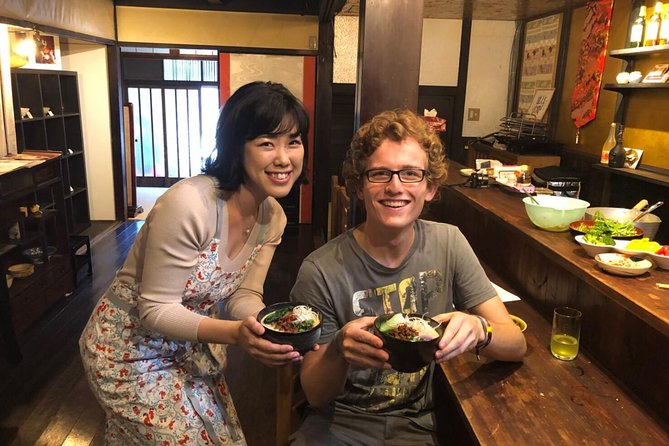
Kaori is the host most often connected with the experience, and the cooking sessions may also involve Miwa or Rina. English communication has been highlighted as a strength. You can ask about Japanese food, supermarket products, cooking habits, and daily life rather than simply following a silent set of instructions.
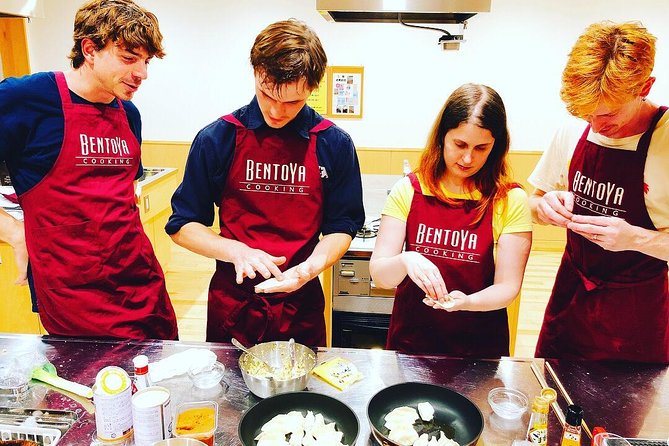
The group limit is six people. That is an important detail. In a small class, you have a better chance to get help with folding gyoza, cutting vegetables, adjusting seasoning, and understanding the cooking order. It also makes it easier to ask the questions that come up when you are working with unfamiliar ingredients.
The supermarket stop gives the class its local angle
The supermarket visit is not filler. It helps explain the ingredients before you use them.
You might learn how common Japanese staples are packaged, which noodles and seasonings are suitable, and how vegetarian cooking differs from the standard Japanese pantry. For someone who eats vegan or vegetarian food, this can be more useful than a quick stop at a famous ramen shop. A restaurant gives you a finished bowl. The supermarket shows you how to identify the building blocks.
I particularly like this part for visitors planning a longer stay in Japan. Once you recognize some of the basic products, you can shop with more confidence. You may also understand why it can be difficult to order strictly vegetarian food without asking detailed questions about stock and sauces.
The information provided does not give an exact supermarket name or a fixed list of products. That means the precise stop may depend on the host and the day. You should think of it as a guided introduction to Japanese ingredients rather than a formal food market tour.
Making ramen broth from scratch
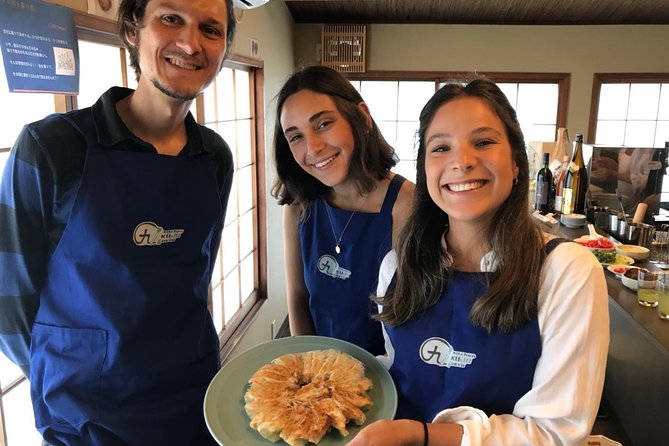
The heart of the class is the ramen. The broth is prepared from scratch rather than opened from a packet or poured from a prepared base. That is especially useful for plant-based cooking, since it shows you how to create depth without bonito stock.
Some sessions have produced tantanmen-style ramen, a dish known for a rich, seasoned broth and strong flavor. The exact menu may vary, so you should not assume every class will use the identical ramen recipe. The central promise is vegan or vegetarian ramen, with the soup prepared during the class.
You can expect the cooking process to cover more than boiling noodles. The instruction includes seasoning and presentation, along with the basic cutting and cooking techniques needed to make the dish again. The point is not to watch an expert perform every step while you stand back. You take part in making the meal.
This is where the two-and-a-half-hour duration makes sense. The class has room for the supermarket introduction, preparation, cooking, and lunch. It is long enough to teach a method rather than offer a quick food demonstration, but short enough to fit into a Tokyo morning and early afternoon.
More Sushi and Japanese Classes in Japan:
- Ramen Cooking Class at Ramen Factory in Kyoto
★ 5.0 · 1,937 reviews - Ramen & Gyoza Cooking Class in Tokyo with Local Supermarket Visit
★ 5.0 · 823 reviews - Kyoto: Ramen Cooking Class at a Ramen Factory with Souvenir
★ 4.9 · 532 reviews - Sushi Making Osaka! Popular Sushi Class in Japan!
★ 5.0 · 500 reviews
Folding gyoza takes practice, and that is part of the fun
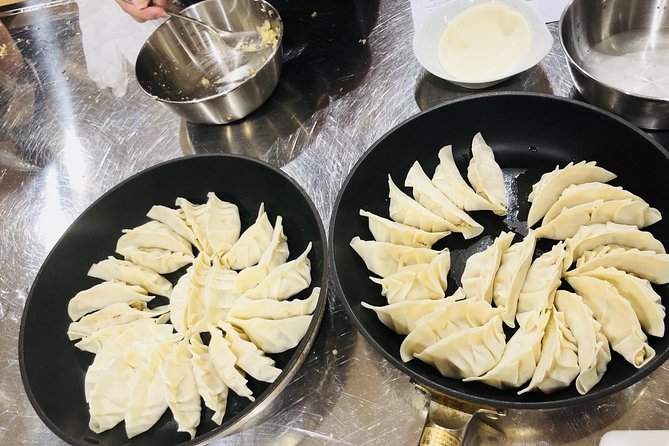
Gyoza look simple until you try to fold them. The filling must be portioned carefully, the wrapper sealed, and the edges shaped so the dumpling holds together during cooking.
The class gives you a chance to practice these steps with direct help. That hands-on work is one of the strongest reasons to choose this experience instead of simply eating vegan gyoza at a restaurant. Even if your first few dumplings look uneven, you will understand the technique better by doing it yourself.
The meal uses minced filling, as described in the experience overview, adapted for vegan or vegetarian cooking. The exact filling ingredients are not specified in advance. If you have a strong preference about soy, mushrooms, gluten, or another ingredient, ask before booking or contact the provider after confirmation.
Cooking gyoza also adds a social element. You can work beside the host and other members of the small group, compare shapes, and learn from small corrections. It is a friendly activity, but it still teaches a useful Japanese dish that can be repeated at home.
From chopping and seasoning to a full Japanese lunch
The class covers cutting, cooking, seasoning, and presentation. Those details matter because the final meal is not only about taste. Japanese home cooking often depends on careful preparation, balanced seasoning, and neat presentation, even when the dish is simple.
Once the ramen and gyoza are ready, you eat the meal you helped prepare. The finished food has received strong praise, especially for its flavor and for being easy enough to cook again at home. That last point is important. A cooking class is less useful if the recipe depends on equipment or ingredients you cannot find after returning home.
Instruction files are provided afterward, according to the information available for the experience. This gives you a reference for recreating the dishes. You can also ask questions during the class, which is often the best time to clarify cooking times, seasoning adjustments, or preparation order.
Do not expect a restaurant tasting menu. This is a practical home-style cooking lesson. The reward is learning how the food comes together, then eating a satisfying lunch that reflects your work.
A welcoming home kitchen, with a personal touch
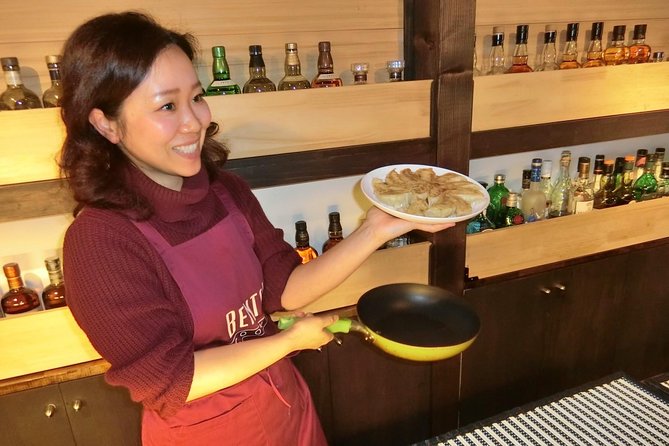
The experience takes place with a local certified instructor, and the cooking portion is hosted in a personal kitchen setting. That makes the class feel more like being welcomed into someone’s home than attending a large culinary school.
Kaori has been praised for being friendly, organized, and happy to answer questions about Japanese food and life. Rina has also been described as welcoming during the supermarket and cooking portions. The host may differ, so it is best to treat these names as examples of the teaching team rather than a guaranteed schedule.
The personal setting is a plus for anyone who likes conversation and cultural exchange. You can ask why certain ingredients are used, how Japanese people shop, and how the dishes fit into everyday cooking. It also means the class may feel less polished than a commercial studio. If you prefer a formal kitchen, printed stations, and a highly fixed menu, this may not be your ideal format.
The small group helps balance that informality. You are not lost in a crowd, and the host can pay attention to your technique.
Is $75 a fair price?
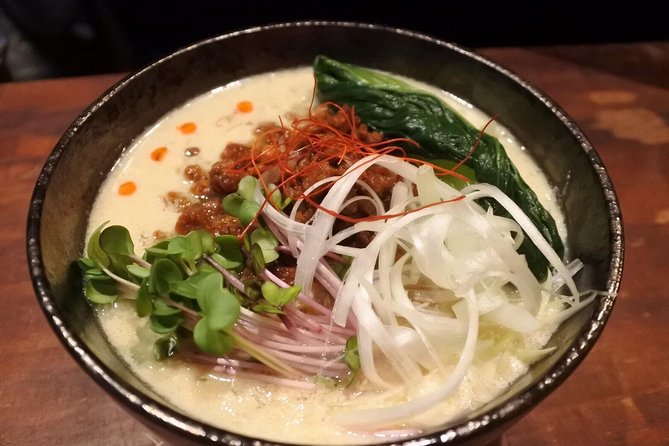
The cost is $75 per person. That is not a budget meal, but the price includes more than eating ramen and gyoza. You receive a supermarket introduction, a two-and-a-half-hour hands-on lesson, instruction from a local host, the meal itself, and recipe materials for later use.
I see the value most clearly for three kinds of people: strict vegans and vegetarians who need help understanding Japanese ingredients, food lovers who want practical skills, and visitors who prefer a local home experience over another restaurant meal.
The value is weaker if you only want to taste vegan ramen. Tokyo has many food options, and a restaurant will be cheaper and faster. You are paying for access to instruction, conversation, and the chance to make the dishes yourself.
The class is booked an average of 27 days ahead, so advance planning is sensible. Confirmation is sent within 48 hours of booking, subject to availability. The mobile ticket is convenient, but you should still check the meeting details and allow enough time to reach Komae Station.
Who will enjoy this experience most?
I would recommend this class to:
- Vegan and vegetarian visitors concerned about bonito-based dashi
- Couples and small families who enjoy cooking together
- Teenagers interested in Japanese food
- Visitors who want recipes they can repeat at home
- People who enjoy asking questions and meeting a local host
- Anyone who wants a quieter activity away from Tokyo’s main tourist streets
The class can also work well for a birthday treat or a special morning activity. One family included a 13-year-old, and the hands-on format gave the experience an adventurous feel without requiring advanced cooking skills.
It may not suit you if you dislike group activities, have very complex allergies that have not been confirmed with the provider, or want a class in central Tokyo. The meeting point is in Komae, and the menu details may vary by session.
Timing, cancellation, and practical details
The scheduled hours are 10:00 a.m. to 1:00 p.m., Monday through Sunday, with an approximate duration of two hours and 30 minutes. The activity returns to the meeting point at the end.
You can cancel for a full refund if you do so at least 24 hours before the start time. Changes or cancellations made within 24 hours are not accepted for a refund. The policy also says the experience requires good weather. If poor weather causes cancellation, you are offered another date or a full refund.
The activity has a maximum of six people and is near public transportation. Since the exact home location and supermarket details are not provided before the class, follow the meeting instructions carefully and contact BentoYa Cooking if you need clarification.
Should you book BentoYa Cooking?
Book it if you want to learn, not just eat. The strongest parts are the scratch-made vegan broth, the supermarket guidance, the small group, and the chance to practice gyoza and ramen with a local instructor. The recipes and instruction files add value after your Tokyo visit ends.
Skip it if your main goal is a quick, inexpensive lunch or if reaching Komae feels inconvenient. For the right person, though, this is a useful and personal way to understand Japanese food, especially the hidden fish stock that makes vegetarian dining difficult. At $75, it is a fair splurge for a hands-on class you can carry home in your cooking skills.
FAQ
Where does the cooking class meet?
The class meets at Komae Station, at 1 Chome-7 Motoizumi, Komae, Tokyo 201-0013, Japan.
Where does the experience end?
The activity ends back at the meeting point.
How long does the class last?
The experience lasts approximately two hours and 30 minutes.
What time does the activity run?
The listed hours are 10:00 a.m. to 1:00 p.m., Monday through Sunday.
How much does the class cost?
The price is $75 per person.
What food will I learn to make?
You will learn to make vegan or vegetarian ramen and gyoza. Some sessions may prepare tantanmen-style ramen.
Is the ramen broth made from scratch?
Yes. The experience specifically teaches you how to make the ramen soup from scratch.
Is there a supermarket visit?
Yes. The instructor can show you a local supermarket and introduce basic Japanese ingredients.
How many people can join?
The activity has a maximum of six participants.
Can I cancel for a full refund?
Yes. You can receive a full refund if you cancel at least 24 hours before the experience start time. Cancellations or changes made less than 24 hours beforehand are not refunded.
More Food Trips in Japan
- Nishiki Market Food Tour with Cooking Class
★ 4.9 · 42 reviews - Culinary Home Cooking with Grandmothers – Vegan Friendly
★ 5.0 · 5 reviews - Okonomiyaki&Takoyaki for Families:Osaka Street Food Festival
★ 5.0 · 4 reviews - Small Group Cooking Class & Market Food Tour in Florence
★ 5.0 · 1,574 reviews
Just added around Japan
- Cooking Class: Make a Local Delicacy in a Japanese House★ 5.0 · 7 reviews
- Culinary Home Cooking with Grandmothers – Vegan Friendly★ 5.0 · 5 reviews
- Nagoya Super Market Tour & Home Cooking Class with a Local, Akiko★ 5.0 · 10 reviews
- Tokyo: Sushi Cooking Class with Sake Tasting★ 4.8 · 55 reviews
- Tokyo: Sushi roll and side dish cooking experience★ 5.0 · 2 reviews
- Tokyo: Sushi Making Experience & Japanese Cooking Class★ 5.0 · 2 reviews
- Tokyo: Gyoza Making from Scratch – Ultimate Cooking Class★ 5.0 · 2 reviews
- Tokyo: Night Cooking Class: 5 Home-Cooked Japanese Dishes★ 4.9 · 13 reviews
Vegan & Vegetarian Cooking Classes, compared.
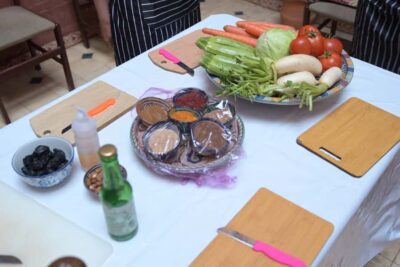
Moroccan Cooking Class for vegetarians and vegan
Read our review →
Vegetarian Cooking Class w Local Family and transfer
Read our review →
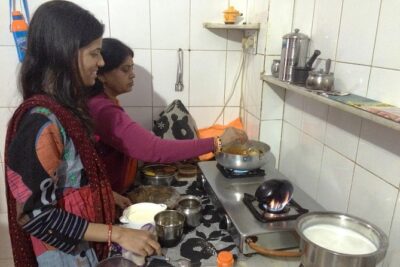
Jaipur Market Tour & Vegetarian Rajasthani Home Cooking Class
Read our review →
Ramen & Dumpling Cooking in Tokyo with Chef/Vegan possible
Read our review →Private Cooking Class – Personalized menu with glutenfree & vegan
Read our review →