REVIEW · KOTAPOLA, SRI LANKA
Galle: Cooking Class at a Local Home and Market Tour
Sri Lankan food is best learned at the source. This three-hour experience takes you from a local market in Galle to a family home in Kotapola, where chef-guide Madhu teaches traditional recipes in a real Sri Lankan kitchen. I like the market shopping first, because you see the vegetables, fish, spices, and other ingredients before they reach the cooking pot. I also like the small-group format, limited to 10 people, which gives you a chance to help with several dishes instead of simply watching a demonstration.
The main consideration is location. The activity is presented as a Galle experience, but the cooking session takes place in Kotapola, so check the pickup details and allow the full three hours. This is not a quick lesson for people in a hurry. It is a social meal, a market visit, and a hands-on introduction to Sri Lankan home cooking rolled into one.
Key Points at a Glance
- Market shopping comes first: Choose fresh vegetables and, depending on the menu, fish or other ingredients with Madhu explaining how they are used.
- Cooking takes place in a family home: You prepare food in a traditional Sri Lankan kitchen rather than a polished restaurant classroom.
- You help make several dishes: The group shares tasks across curries, rice dishes, coconut sambol, and side dishes.
- The meal is part of the lesson: Expect a generous spread that may include seven vegetable curries, fish or chicken curry, coconut sambol, and dessert.
- The price includes useful extras: Hotel pickup and drop-off, ingredients, equipment, a welcome drink, water, photos and video, and recipes are all included.
- Vegetarians and families can fit in well: Special consideration was given to vegetarian diners, and children were warmly welcomed by the host family.
From Galle Market to a Kotapola Kitchen
The experience begins with hotel pickup and a visit to a local market. This is more than a practical stop to collect ingredients. It gives you a quick lesson in how Sri Lankan cooking begins, with produce selected by sight, smell, freshness, and what looks good that day.
Madhu guides you through the stalls and explains the ingredients and their uses. You may choose vegetables for the curry dishes, and the menu can include fish or chicken depending on the meal and your group. The activity also includes a chance to sample street food at a local market, adding a small taste of the food people eat beyond hotel dining rooms.
I like this opening because it gives meaning to the dishes you later cook. A vegetable is no longer just an item on a recipe sheet. You have seen it in the market, asked about it, and helped choose it. That makes the meal feel connected to daily life rather than staged for tourists.
The market can also be a lively place, so it may feel less tidy and controlled than a cooking school. If you prefer quiet instruction from the start, this part may feel busy. If you enjoy seeing how food is bought and used locally, it is one of the strongest parts of the outing.
A stop at a local spice shop may also be included. This is useful if you want to take home cinnamon, curry spices, or other seasonings, though purchasing spices is not listed as part of the $40 price. Treat it as an optional shopping opportunity, not a required part of the lesson.
More Cooking Classes with a Market Tour in Sri Lanka
- Market Tour and Hands-On Cooking Class Colombo
★ 5.0 · 140 reviews - Colombo Cooking Experiance with Explore Market
★ 4.7 · 33 reviews - Vegan Cooking Class Colombo with Market Tour
★ 5.0 · 9 reviews
What You Learn Before the Cooking Starts
Once you leave the market, you head to the cooking venue in Kotapola. The class is led in English by Madhu, a native Sri Lankan chef-guide who teaches the ingredients, cooking methods, and cultural meaning behind the food.
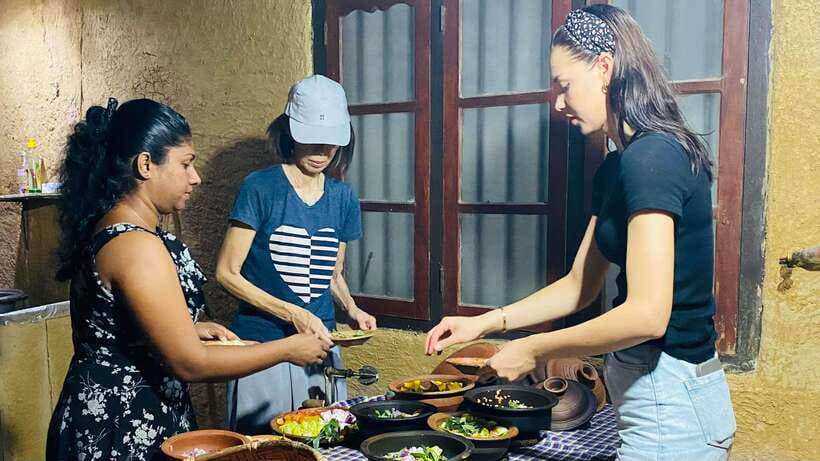
The instruction is practical. You do not simply sit at a table while someone cooks in front of you. The group helps prepare the dishes, with each person contributing to different steps. This shared approach is especially useful if you are with friends or family. Instead of everyone making one separate dish, you work together and get to taste a wider range of food.
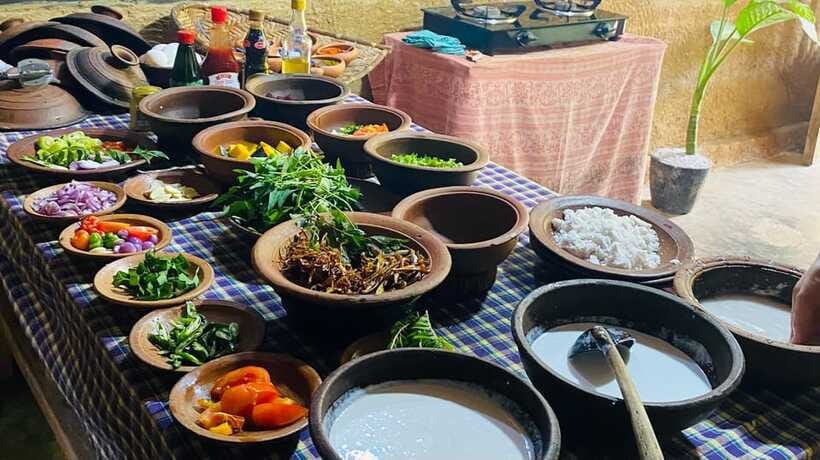
That matters in Sri Lankan cooking, where a meal is often built from several small portions rather than one large main course. You may help with rice, curries, coconut sambol, and side dishes. The exact combination can change according to the ingredients selected at the market, so you should expect a flexible home-style meal rather than a fixed restaurant menu.
The class may also teach a few Sri Lankan phrases. That is a small addition, but it helps connect the food lesson to the wider culture. Even a basic greeting or thank-you can make interactions at markets and family homes feel more personal.
You should be ready for a hands-on session. The appeal is learning by doing, asking questions, and working alongside the host. If you want a formal chef-led demonstration with every movement measured and explained, this may feel informal. If you want to understand how food is made in a Sri Lankan home, the relaxed setting is a strength.
Cooking in a Traditional Sri Lankan Home
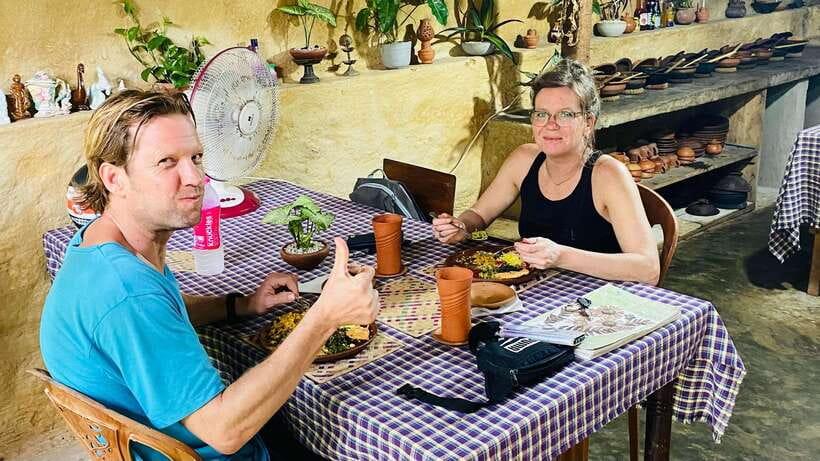
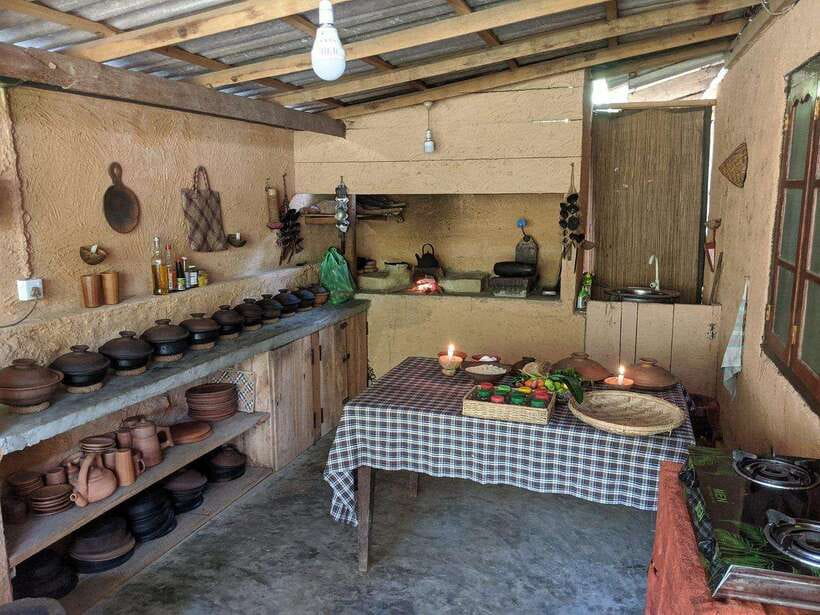
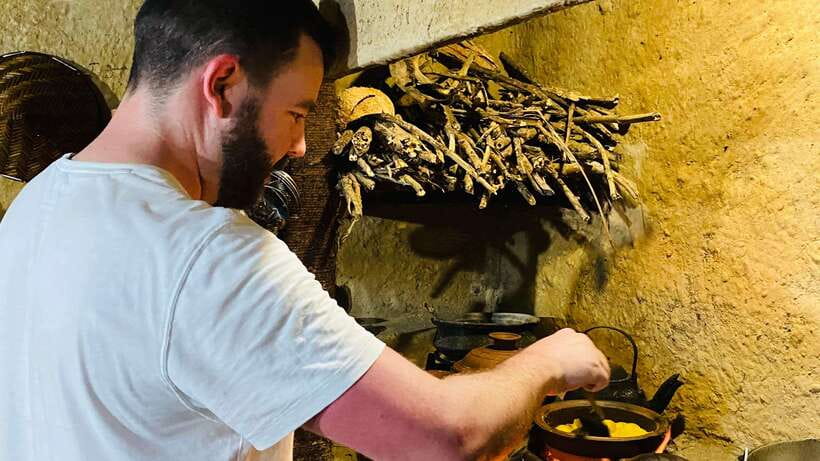
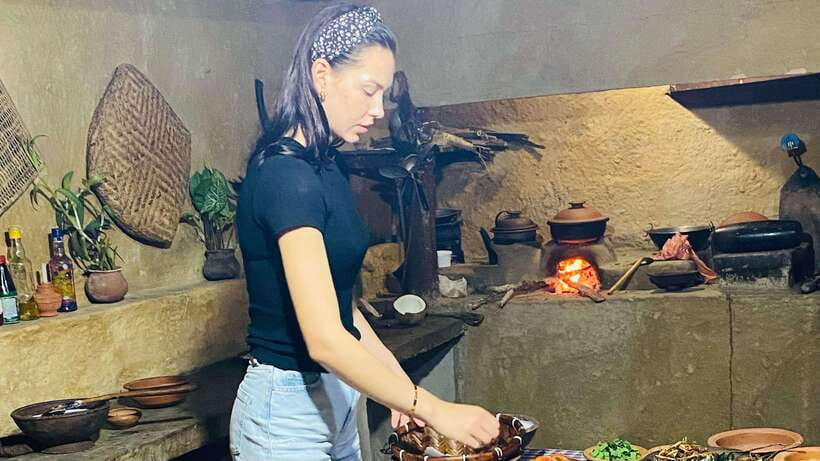
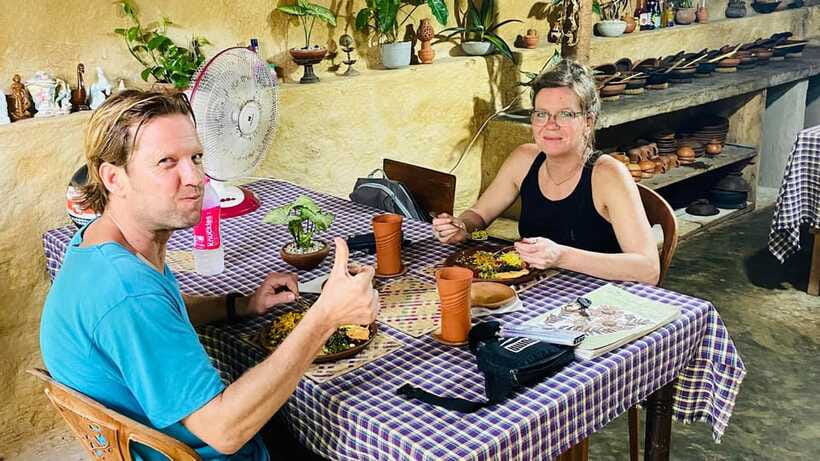
The cooking session takes place in Madhu’s home, where her family welcomes participants into a traditional kitchen. This is the heart of the experience. You are not cooking in a hotel restaurant designed to look local. You are seeing a family setting and preparing food in the same kind of environment where these dishes are part of everyday life.
The family atmosphere has been a major part of the appeal. Children are warmly welcomed, and the host has made special adjustments for diners with different needs. Vegetarian diners received careful attention, and a milder fish preparation was made for one person who could not eat much spice.
That flexibility is worth noting. Sri Lankan food can be hot, but heat is not the only source of flavor. Coconut, spices, herbs, fish, vegetables, and slow-cooked sauces all play their part. Tell Madhu about dietary needs and spice preferences before cooking begins so the meal can be handled sensibly.
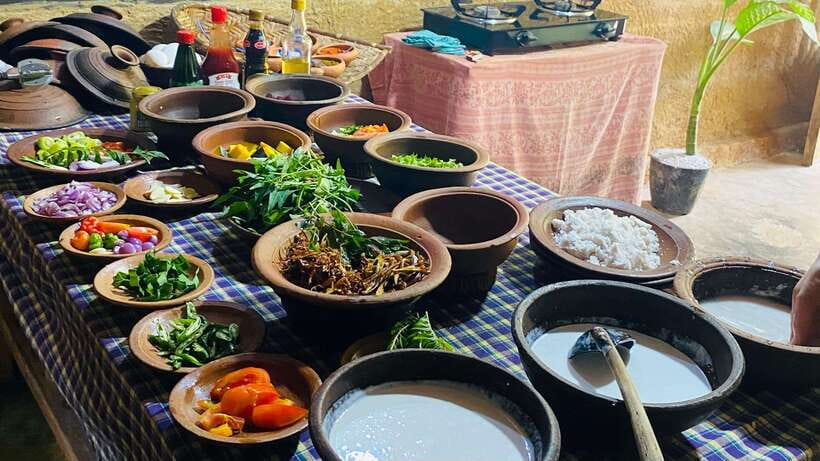
You may prepare a large number of dishes during the class. One group cooked 11 different traditional dishes, while the advertised meal includes seven vegetable curries, fish or chicken curry, coconut sambol, side dishes, and dessert. The final menu depends on the group, the market ingredients, and dietary choices, so do not assume every session will include precisely the same dishes.
The generous variety is one reason the class works well for groups. Everyone has a task, and everyone gets to try more than one flavor. It also means you will not leave with just one recipe. You get a better feel for how Sri Lankan meals balance vegetables, curry, rice, sambol, and smaller accompaniments.
The Meal: More Than a Single Curry
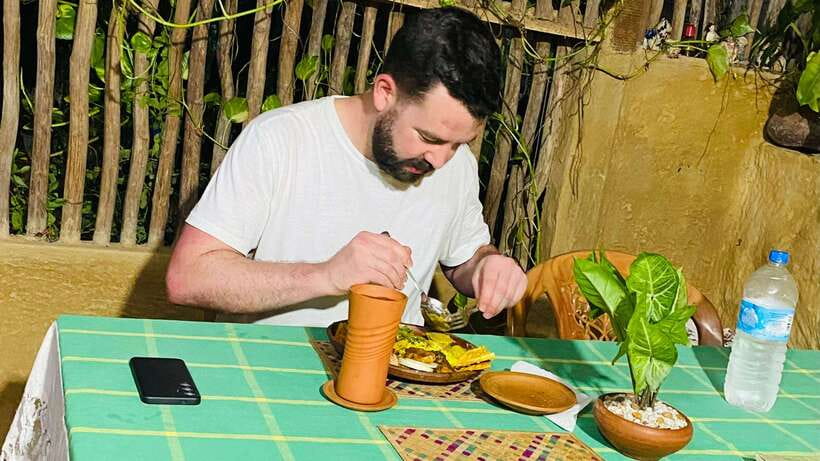
At the end, you sit down to eat the food you helped make. This turns the lesson into a proper shared meal, with the finished dishes served alongside side dishes, water, and dessert.
The promised menu includes a choice of fish or chicken curry, seven vegetable curries, coconut sambol, and dessert. The wording allows for changes, so you should see those items as the general shape of the meal rather than a strict guarantee of every dish at every sitting.
The fish curry has earned particular praise, and the use of fresh market ingredients and homemade coconut milk can make a noticeable difference. The meal is designed to show variety: creamy coconut, sharp sambol, warm spices, vegetables with different textures, and a central curry that brings everything together.
I also like that the meal is not treated as an afterthought. In many cooking classes, the lesson is the main event and the final tasting is a few bites at the end. Here, the class leads to a full traditional course meal. You learn the work behind the food, then have time to enjoy it properly.
The only drawback is that three hours can pass quickly when a group is preparing many dishes. You may not receive a long, detailed explanation of every recipe. Pay attention, ask questions, and take notes if you want to reproduce the dishes at home.
Same place, a different thing to cook:
- Ella: Traditional Sri Lankan Cooking Class
★ 4.9 · 788 reviews - Organic cooking class sigiriya (kumara & family)
★ 5.0 · 650 reviews - Sri Lanka Cooking Class with Granny
★ 5.0 · 587 reviews - Kandy Village Cooking Class
★ 5.0 · 536 reviews
What the $40 Price Includes
At $40 per person, this experience offers good value if you use the full package. The fee includes:
- Hotel pickup and drop-off
- The local market tour
- A professional chef-led cooking class
- Ingredients and cooking equipment
- A welcome drink
- The completed meal and side dishes
- Water
- Recipes to take home
- Photo and video service
The strongest value comes from combining several activities that would otherwise be separate. You get local transport, a market visit, food sampling, a cooking lesson, a substantial meal, and a set of recipes in one booking.
The included photos and video are a useful extra, particularly if you are traveling with family or friends. You can focus on cooking instead of asking someone in your group to document every step. The recipes are even more practical, since they give you a chance to recreate the experience after returning home.
I would compare the price with what you would pay for a standard restaurant meal plus a formal cooking course. Here, the money also supports a local family setting and gives you direct contact with the person teaching the food. It is not the cheapest way to eat in Sri Lanka, but it is a fair price for three hours of activity and a full meal.
Who Will Enjoy This Class Most
This class suits you if food is one of your main ways of understanding a place. It is especially good for:
- Couples who want a shared activity beyond sightseeing
- Families with children
- Small groups of friends
- Vegetarians who want local food with careful adjustments
- First-time visitors who want an introduction to Sri Lankan ingredients
- Home cooks who want recipes and techniques to use later
The group limit of 10 people keeps the experience small enough for participation, although the feel may vary depending on the number of bookings on your date. A larger group can mean more social energy, while a smaller one may give you more time with Madhu.
You do not need advanced cooking skills. The class is built around guidance and shared tasks, so beginners should be able to take part. You should, however, enjoy working at a relaxed pace and trying unfamiliar ingredients.
This is less suitable if you have only a short gap between sightseeing plans. Hotel pickup, the market visit, the transfer to the home, cooking, and the meal all fit into three hours. Add extra time if your onward plans are fixed.
Practical Details Before You Book
The class is conducted in English. It is listed as wheelchair accessible, which is important to confirm when arranging pickup and discussing the home setting, especially if you have specific mobility needs.
Free cancellation is available up to 24 hours before the activity for a full refund. You can also reserve now and pay later, which helps if your Sri Lanka plans are still changing.
Communication before the activity appears to be a strong point. Madhu has responded to questions before arrival and explained the process clearly. That is useful if you have dietary restrictions, children in your group, or concerns about spice levels.
Bring an appetite and a willingness to participate. Comfortable clothing is sensible for a cooking session, though no special equipment is required because ingredients and cooking tools are provided.
The experience provider is Gallecookingclass. The activity is associated with Galle, while the cooking venue is in Kotapola. Read the pickup information carefully so you understand where the experience begins and how transport is handled.
Should You Book This Galle Cooking Class?
I would book this experience if you want home-style Sri Lankan food, personal contact with a local family, and a class where you help make several dishes. The market visit gives the lesson a clear sense of place, and the final meal makes the $40 cost easy to justify.
I would choose something else if you want a polished culinary school, a tightly timed professional demonstration, or a single signature recipe taught in great technical detail. This class is warmer and more informal. Its strength is the family setting, the shared cooking, and the chance to see how a Sri Lankan meal comes together.
For most visitors who enjoy food and have three free hours, it is a strong choice. Tell Madhu about vegetarian needs and spice preferences in advance, check the Kotapola location, and arrive ready to contribute. You are likely to leave with a full stomach, useful recipes, and a better understanding of why Sri Lankan meals are built around variety.
FAQ
Where does the cooking class take place?
The experience is based around Galle, with the cooking session taking place in Kotapola at the host’s local home.
How long does the experience last?
The activity lasts three hours.
How much does the cooking class cost?
The listed price is $40 per person.
Is hotel transportation included?
Yes. Hotel pickup and drop-off are included.
Is the class taught in English?
Yes. The instructor language is English.
How many people can join the group?
The group is limited to 10 participants.
What food will be prepared?
The meal includes seven vegetable curries, fish or chicken curry, coconut sambol, side dishes, and dessert. The exact menu may vary with the market ingredients and group choices.
Are ingredients and cooking equipment provided?
Yes. Ingredients and equipment are included.
Can vegetarians join the class?
Yes. Vegetarian participants can be accommodated, and dietary preferences should be communicated before the activity.
Is cancellation available?
Yes. You can cancel up to 24 hours in advance for a full refund. You can also reserve now and pay later.
More Home Cooking Classes in Sri Lanka
- Organic Cooking Class sigiriya home Kitchen(Kumara & family)
★ 5.0 · 116 reviews - Nilaveli: Sri Lankan Cooking Class with a Local Family
★ 5.0 · 16 reviews - Authentic Sri Lankan Cooking Class in Kandy by Local Family
★ 4.9 · 15 reviews - Khmer Cooking Class at a Local’s Home in Krong Siem Reap
★ 5.0 · 2,731 reviews
Just added around Sri Lanka
- cooking lesson★ 5.0 · 7 reviews
- Hands-On Cooking Class in Anuradhapura-Cook Like a Local★ 5.0 · 2 reviews
- Sri Lankan Cookery with Nilu★ 5.0 · 34 reviews
- Sri Lanka: Cooking Class★ 4.4 · 6 reviews
- Cooking Experience from Ella★ 4.9 · 2 reviews
- Sri Lankan Cooking Class in Bentota★ 5.0 · 2 reviews
- Private cooking class – Personalized classic menu★ 5.0 · 5 reviews
- Nilaveli: Sri Lankan Cooking Class with a Local Family★ 5.0 · 16 reviews
Cooking Classes with a Market Tour, compared.
Hanoi Cooking Class: Culture, Local Market & Meaning CSR Impact
Read our review →
5 Traditional Dishes Hanoi Cooking Class with Market Trip
Read our review →
Cooking Class and Lunch at a Tuscan Farmhouse with Local Market Tour from Florence
Read our review →
Cooking Class, Market & Thai Herbs Garden Tour
Read our review →
Authentic Cooking Class with Market & Farm Visit
Read our review →
Paella Cooking Experience & Boqueria Market Tour
Read our review →
Cooking Class Hoi An:Local Market, Basket Boat, Fishing & Cooking
Read our review →