
REVIEW · EASTERN PROVINCE, SRI LANKA, SRI LANKA
Ella: Traditional Sri Lankan Cooking Class
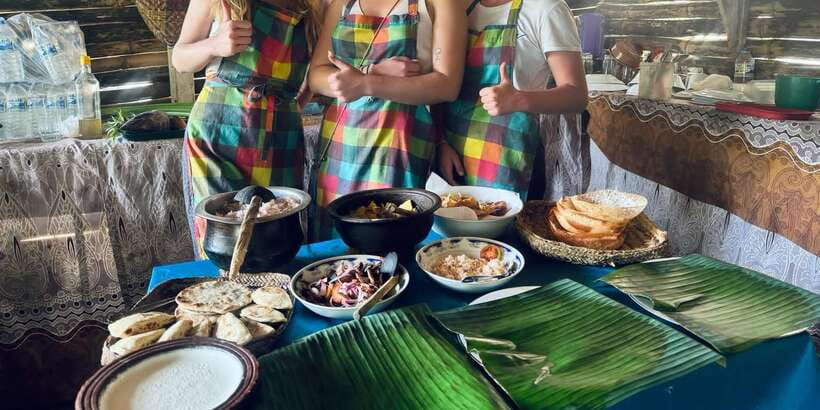
Come hungry, leave with recipes. This two-hour cooking class in Ella gives you a friendly, hands-on introduction to Sri Lankan home cooking, led by Ranjani, also known as Ranji. You work in an open-air kitchen, prepare several local dishes, then sit down to eat the results from a banana leaf.
I especially like the traditional cooking methods, including coconut preparation, sambol making, and old-style kitchen tools. I also like the generous meal at the end, which many people describe as one of their best meals in Sri Lanka. The main consideration is that this is a shared group class, not a private lesson with an individual cooking station for every person.
Key Points Before You Book
- You cook in one shared kitchen: Ranjani demonstrates the more complex steps, then invites participants to chop, mix, season, and cook in turns.
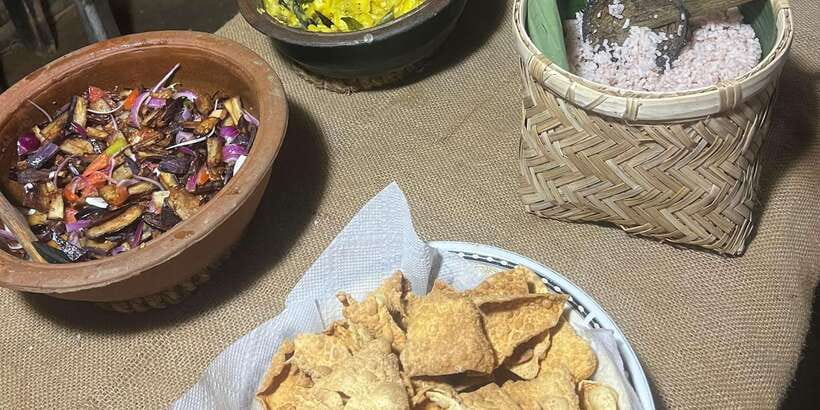
- The menu may include five or more dishes: Common examples include dhal curry, chicken curry, aubergine salad, coconut sambol, papadum, rice, hoppers, string hoppers, and honey roti.
- The food is served on banana leaves: This gives the final meal a simple local touch and avoids a pile of dishes.
- Ranjani explains ingredients beyond the recipe: Expect comments on spices, herbs, cooking methods, and their traditional health uses.
- It is good value at $19: Fresh ingredients, instruction, a full meal, water, and digital recipes are included.
- Plan for a flexible finish: The stated duration is two hours, but the meal and group pace can make it closer to two and a half hours.
Entering Ella’s Open-Air Kitchen
The class begins when you check in with the staff at Chamathka Cooking Class. You are welcomed into an open-air kitchen surrounded by greenery, where natural ventilation makes the cooking space more comfortable than a closed room.
The setting matters. Sri Lankan cooking involves heat, steam, coconut, spices, and several dishes moving at once. An open-air kitchen lets you watch the process without feeling sealed in with the aromas and cooking smoke.
The class usually begins at 11:00 AM or 5:00 PM. The evening option works especially well if you have spent the day walking around Ella and want a social dinner rather than another restaurant meal. The provider can sometimes adjust the start time if you contact them in advance.
You may receive tea and biscuits before the cooking begins. That small welcome helps set a relaxed tone, especially if people in the group arrive from different countries and do not know one another.
A few more cooking classes around Sri Lanka worth a look
- Organic cooking class sigiriya (kumara & family)
★ 5.0 · 650 reviews - Sri Lanka Cooking Class with Granny
★ 5.0 · 587 reviews - Kandy Village Cooking Class
★ 5.0 · 536 reviews
Fresh Ingredients and Sri Lankan Kitchen Basics
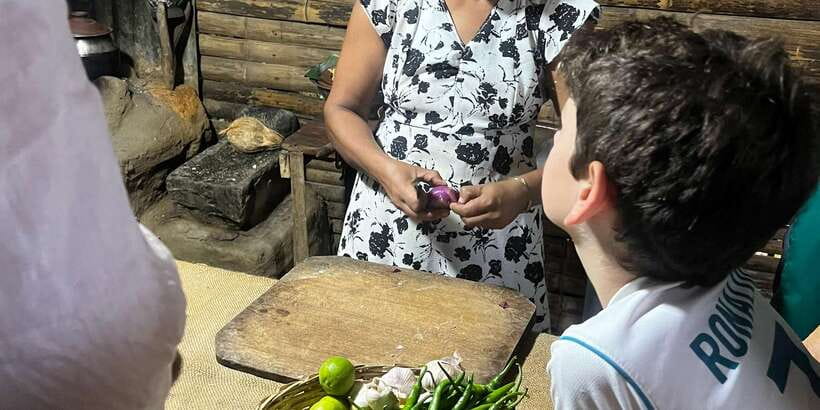
Ranjani first introduces the ingredients. This is more useful than simply being handed a printed recipe because Sri Lankan cooking depends on knowing how each ingredient behaves.
You learn how spices are used, why particular herbs are added, and how fresh produce brings color and texture to the meal. Ranjani also explains traditional ideas about the health uses of spices and vegetables. I would treat this as cultural food knowledge rather than medical advice, but it adds context to every dish.
The class can include techniques that are easy to miss in a restaurant kitchen. One example is preparing coconut, including grating it and making coconut milk. Coconut milk changes the body of a curry, and seeing the process helps you understand why Sri Lankan dishes taste different from curries made with cream or prepared sauces.
You may also see traditional tools that look unusual if you are used to a modern European kitchen. The old-fashioned equipment is part of the appeal, though it can make the pace slower. That is a benefit if you want to understand the traditional process, but less so if you want a fast lesson built around shortcuts.
Cooking Dhal, Curry, Sambol, and More
The exact menu is not selected by each participant, so you should not book this expecting to choose every dish. The food varies, but the class commonly covers a broad Sri Lankan spread.
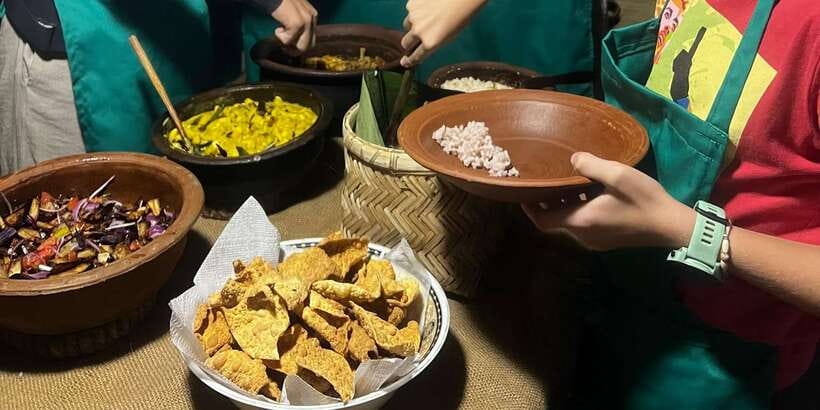
A typical selection can include dhal curry, chicken curry, aubergine salad, coconut sambol, papadum, and rice. Other dishes may include hoppers, string hoppers, or honey roti. This gives you a better sense of the cuisine than learning one curry in isolation because you see how rice, vegetables, coconut, spice, and crisp accompaniments work together.
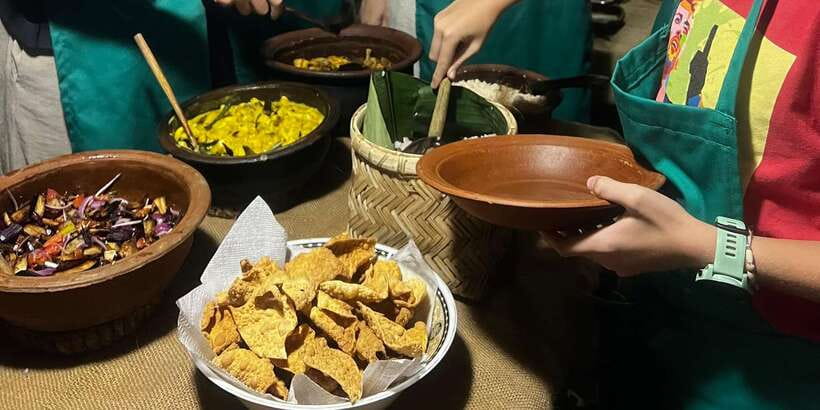
Ranjani demonstrates the more complicated techniques and then gives each person a chance to help. You might chop vegetables, stir a pot, mix a sambol, season a curry, or prepare another part of the meal. The class is collaborative rather than divided into separate mini kitchens.
That distinction is important. If you want your own burner, cutting board, and recipe to complete from start to finish, this is not the right format. If you enjoy cooking as a group and like learning by watching an experienced home cook, the shared setup works well.
The group size is advertised as limited to eight people. One account describes a group of 13, so group size may vary in practice. A larger class can feel more crowded around the work area, although the available feedback suggests that participants still receive turns. If personal attention matters to you, confirm the expected group size before paying.
Eating the Meal You Helped Prepare
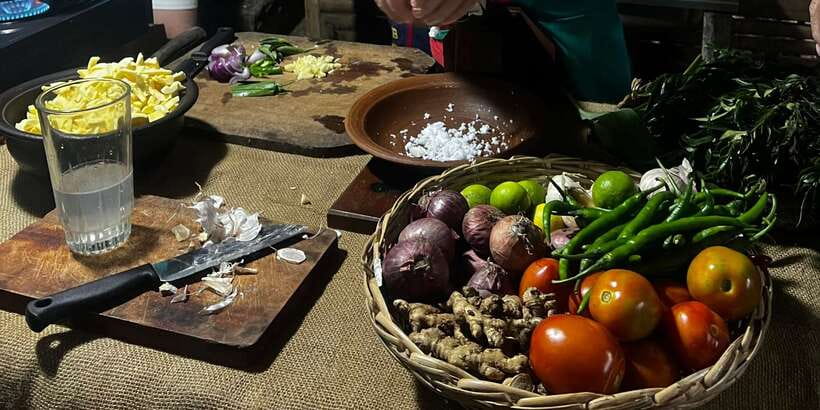
Once the food is ready, everyone sits down together. The meal is served on banana leaves, a simple detail that makes the experience feel more connected to local eating habits and reduces washing up.
The meal is also generous. Several accounts describe enough food for second portions, and some people even had leftovers. That matters at $19, since you are not paying only for a demonstration. You receive fresh ingredients, instruction, water, and a substantial cooked meal.
The shared meal is one of the strongest parts of the class. You get to taste the dishes together, compare textures, and ask questions while the details are still fresh. It also gives the group a natural chance to talk, which makes this a good activity for solo visitors and couples who want an easy social evening.
Expect plenty of spice and strong flavor, but the class can take dietary needs into account. A vegan participant was able to eat nearly everything except one dish. Still, you should tell the provider about dietary restrictions before the class rather than waiting until the food is on the table.
Same place, a different thing to cook:
- Sea waves sri lankan cooking class
★ 5.0 · 467 reviews - Ella: Sri Lankan Cooking Class with Neranji at Homestay
★ 5.0 · 276 reviews - Cook with Wasantha
★ 5.0 · 248 reviews - Ella : Cooking class with amazing Spice Garden Tour
★ 5.0 · 239 reviews
What Makes Ranjani’s Teaching Useful
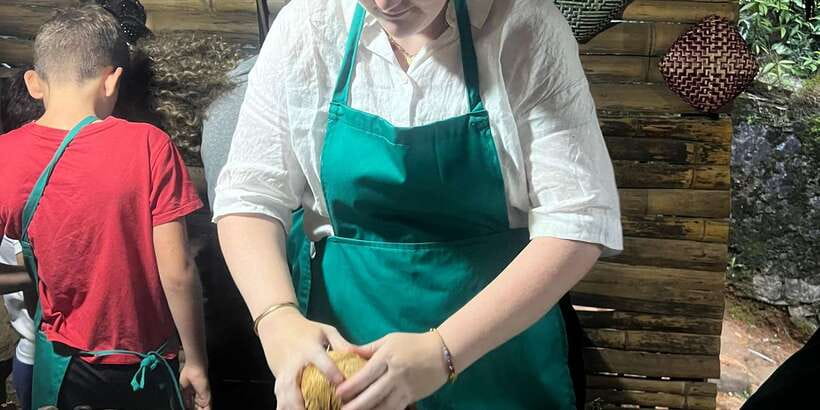
Ranjani’s strength is not only showing you what to add. She explains why an ingredient is used and how it affects the finished dish. You may learn about spice combinations, coconut, fresh herbs, cooking methods, and traditional ideas about food and natural remedies.
Her style appears warm and encouraging. Each participant is invited to take part, and the atmosphere is relaxed rather than formal. That is useful if you are not confident in the kitchen or if you are cooking with children or a partner, although the supplied information does not specify a minimum age.
The class also seems designed with home kitchens abroad in mind. Some recipes use ingredients that should be easier to find outside Sri Lanka, making it more realistic for you to repeat the food after your holiday. The digital recipes are sent through WhatsApp after class, so make sure the provider has the correct phone number.
Do not expect a polished chef-school lesson. This is closer to learning in a welcoming family kitchen, where the host explains local habits and prepares a meal for a group. That informal quality is a major part of its charm, but it also means the timing can be less exact.
Timing, Transport, and Practical Planning
The class lasts two hours on paper. In reality, allow extra time if you have a strict evening plan, a train to catch, or a driver waiting. The cooking itself may fit the advertised time, but eating a large shared meal can push the visit closer to two and a half hours.
Transportation to the meeting point is not included. You need to arrange your own way to Chamathka Cooking Class, and the meeting point details should be checked carefully when you book.
The 5:00 PM start is often the most convenient choice for a relaxed schedule. The 11:00 AM session is better if you want the afternoon free or prefer to eat the main meal at lunchtime. If you need a different start time, contact the provider in advance rather than assuming it can be changed on the day.
The activity is offered in English and Sinhalese. The English instruction has been praised for being clear and detailed, but this remains a cooking class in a shared setting, so you will learn partly by watching and copying.
You can cancel up to 24 hours before the activity for a full refund. You can also reserve now and pay later, which helps if your Ella plans depend on weather or changing transport.
Is $19 a Good Price?

Yes, the price is strong for what you receive. At $19 per person, you get an instructor, fresh ingredients, the cooking session, a full meal, bottled water, and recipes sent digitally afterward.
The value becomes clearer when you compare this with an ordinary restaurant meal. Here, you eat dinner and learn how to recreate part of it. You also see techniques that are difficult to understand from a menu, such as preparing coconut milk or building flavor with spices.
The best value comes if you actually use the recipes later. If you only want to watch someone cook and then eat, the price is still fair. If you want an individual workstation, a private menu, or a highly structured professional class, you may prefer to spend more on a different format.
Who Will Enjoy This Class Most?
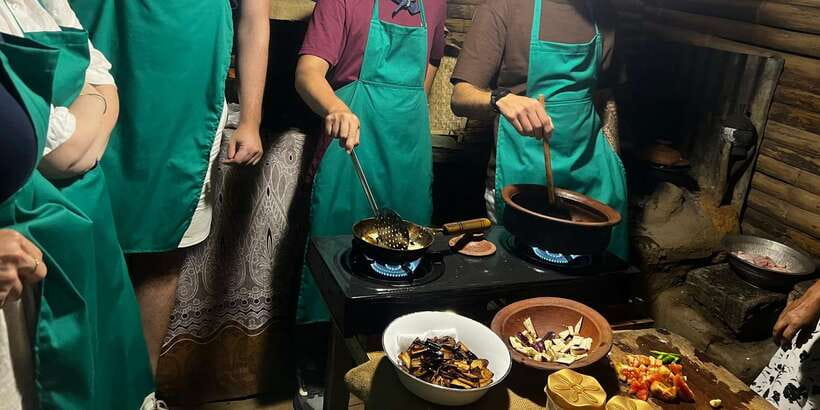
I would recommend this class to you if you like food, local customs, and relaxed group activities. It suits people who want more than a restaurant meal but do not need a formal culinary course.
It is particularly good for:
- Solo visitors who want an easy way to meet people
- Couples looking for a shared evening activity
- Vegetarians and vegans, provided dietary needs are mentioned ahead of time
- Home cooks who want practical Sri Lankan recipes
- People visiting Ella during wet weather
- Anyone interested in traditional kitchen tools and coconut-based cooking
You may want to skip it if you dislike group participation or prefer to work alone. You should also allow extra time if your schedule is packed. This class rewards patience, appetite, and curiosity more than speed.
My Verdict on the Ella Cooking Class
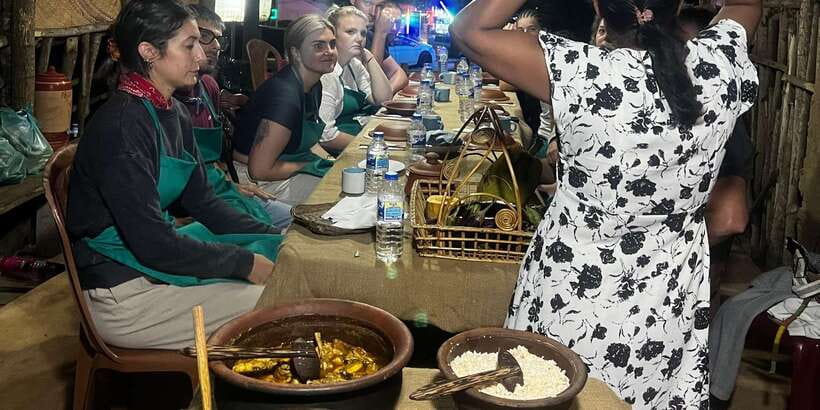
You should book this experience if you want a tasty and practical introduction to Sri Lankan home cooking. The strongest parts are the warm teaching style, the explanations of spices and ingredients, the old-style techniques, and the generous final meal.
Just understand the format before you reserve. You are cooking together at one workstation, not completing a private recipe at your own counter. The menu is selected for the group, the start time may be flexible, and the class can run longer than two hours.
For $19, that is a small trade-off. You leave with a full stomach, a better sense of how Sri Lankan food is built, and recipes you can send to yourself through WhatsApp. If you have room for one hands-on food experience in Ella, this is an easy one to justify.
FAQ
Where does the cooking class take place?
You check in with staff at Chamathka Cooking Class in Ella, Sri Lanka.
How much does the class cost?
The price is $19 per person.
How long does the experience last?
The stated duration is two hours. You should allow extra time because the meal at the end can make the total visit closer to two and a half hours.
What time does the class start?
Classes normally begin at 11:00 AM or 5:00 PM. The provider may be able to offer another time if you contact them in advance.
Is transportation included?
No. Transportation to the meeting point is not included.
What food might I prepare?
Possible dishes include hoppers, rice and curry, string hoppers, honey roti, dhal curry, chicken curry, aubergine salad, coconut sambol, papadum, and other traditional dishes.
Is the meal included?
Yes. Fresh ingredients, the cooking class, the completed meal, and bottled water are included.
Are recipes provided after the class?
Yes. The recipes are sent digitally through WhatsApp after the class.
What languages are spoken?
Instruction is available in English and Sinhalese.
How many people can join?
The class is advertised as a small group limited to eight participants. Group size may vary, so confirm the expected number if that is important to you.
Just added around Sri Lanka
- cooking lesson★ 5.0 · 7 reviews
- Hands-On Cooking Class in Anuradhapura-Cook Like a Local★ 5.0 · 2 reviews
- Sri Lankan Cookery with Nilu★ 5.0 · 34 reviews
- Sri Lanka: Cooking Class★ 4.4 · 6 reviews
- Cooking Experience from Ella★ 4.9 · 2 reviews
- Sri Lankan Cooking Class in Bentota★ 5.0 · 2 reviews
- Private cooking class – Personalized classic menu★ 5.0 · 5 reviews
- Nilaveli: Sri Lankan Cooking Class with a Local Family★ 5.0 · 16 reviews
Cooking Classes, compared.
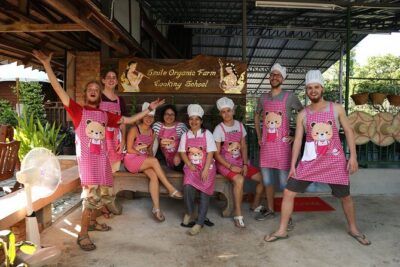
Half-Day Thai Cooking Class at Organic Farm in Chiang Mai
Read our review →
3 in 1 Cooking Class near Navona: Fettuccine, Ravioli & Tiramisu
Read our review →
Pasta & Tiramisu Cooking Class with Unlimited Wine
Read our review →
Hanoi Cooking Class: Culture, Local Market & Meaning CSR Impact
Read our review →
5 Traditional Dishes Hanoi Cooking Class with Market Trip
Read our review →
Cooking Class and Lunch at a Tuscan Farmhouse with Local Market Tour from Florence
Read our review →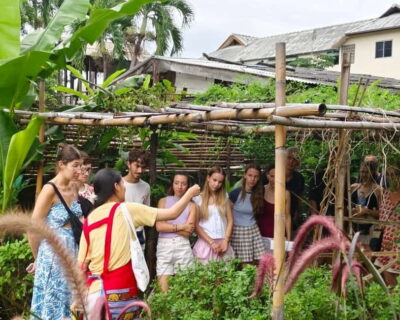
Cooking Class, Market & Thai Herbs Garden Tour
Read our review →Lists this class appears in