
REVIEW · EASTERN PROVINCE, SRI LANKA, SRI LANKA
Nilaveli: Sri Lankan Cooking Class with a Local Family
Bring an appetite and a little curiosity. This five-hour home cooking class in Nilaveli offers more than a recipe lesson: you cook beside Nimali Dinushika and her family, use traditional wood stoves, and sit down to eat what you prepared. I especially like the personal setting and the chance to work with dishes rarely taught in a standard hotel kitchen, including string hoppers, pittu, hoppers, and milk rice.
The $22 price per person is strong value for a meal, instruction, ingredients, recipes, refreshments, and several hours of time with a local family. I also like that you can discuss food choices in advance. The main consideration is that hotel pickup is not included, and fish, chicken, or seafood dishes cost extra. Food allergies may also make this class unsuitable, so read the restrictions carefully before booking.
Key things to know before you book
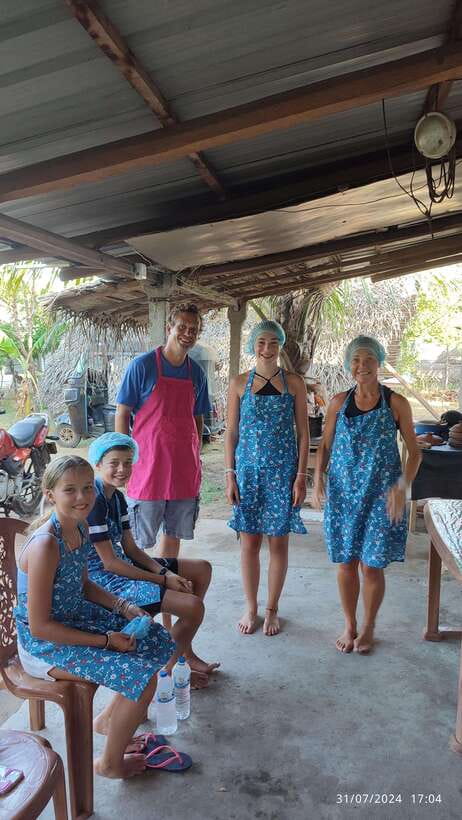
- You cook in a traditional home setting: The class takes place with Nimali and her family, either at their home or in the garden beside it.
- Wood stoves shape the experience: You use firewood and traditional cooking methods, which add useful cultural context but can be less comfortable than a modern kitchen.
- The menu covers far more than curry: Depending on your plan, you may prepare rice and curry, string hoppers, hoppers, pittu, rotti, milk rice, sambols, sweets, and curry powder.
- The meal is part of the lesson: The cooking takes about four hours, followed by roughly one hour of eating and sharing the results.
- Meat and seafood cost extra: Fish or chicken curry requires an additional 2,000 LKR per person. Seafood is priced according to what you request.
- The setting is personal and family-friendly: Children aged four and six took part successfully, but children under two are not accepted.
Why this Nilaveli class feels different
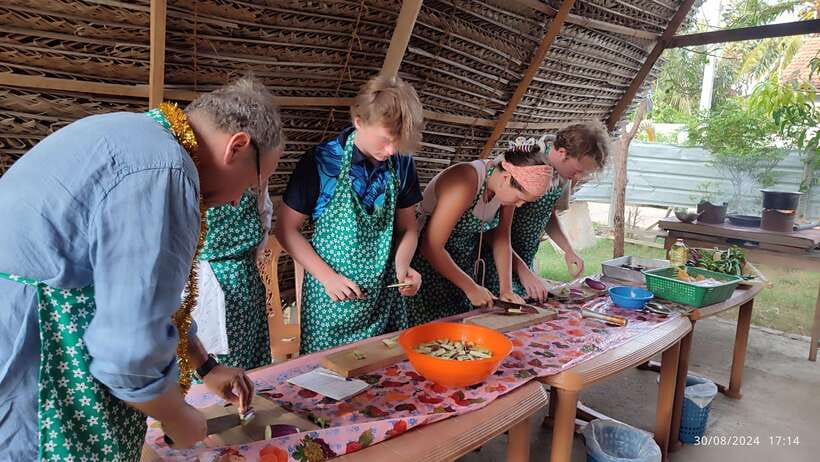
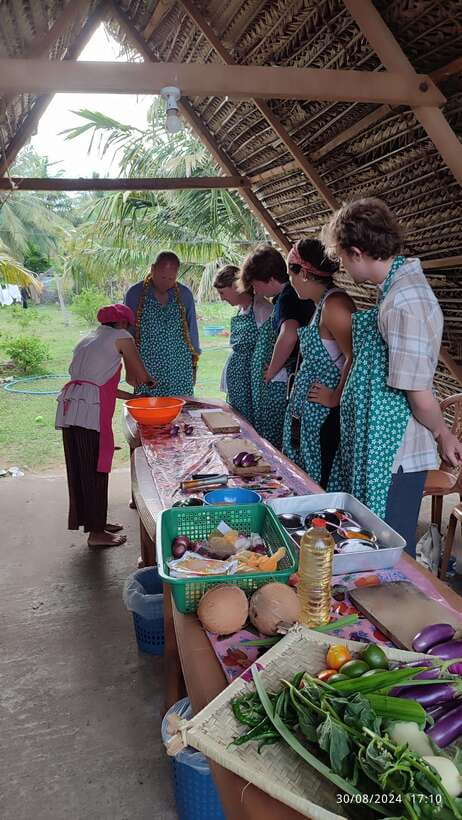
Many cooking classes show you a polished kitchen built for visitors. This one is designed around a family home and the way food is actually prepared in Sri Lanka. That change matters. You are not only learning that curry needs spices. You are seeing how a household turns rice, coconut, flour, vegetables, and seasonings into a full meal.
Nimali Dinushika hosts the class with her family. The atmosphere is warm and informal, with time to talk about daily life and the dishes served at home. The family setting also gives the experience a more social shape. One visit included people from several countries cooking together, so this is not simply a private lesson in silence.
I would choose this class if you want food to be a doorway into local life. If your goal is a polished chef demonstration, a quick tasting, or a restaurant-style lesson, the slower home format may not suit you as well.
The class is conducted in English and Singhalese. English is used for the instruction, but it is sensible to explain dietary needs clearly before the day begins. The class is not suitable for people with food allergies, even though dietary restrictions should be shared in advance.
More Home Cooking Classes in Sri Lanka:
- Organic Cooking Class sigiriya home Kitchen(Kumara & family)
★ 5.0 · 116 reviews - Galle: Cooking Class at a Local Home and Market Tour
★ 5.0 · 47 reviews - Authentic Sri Lankan Cooking Class in Kandy by Local Family
★ 4.9 · 15 reviews
Arriving at the Pigeon Island Tours meeting point
The meeting point is Pigeon Island Tours, at The Rice and Curry seafood and The Dive shop, where you will also find the cooking activity with Nimali. The shared location is useful if you are already arranging other outings in Nilaveli, but the description can sound confusing because several businesses use the same place.
Hotel pickup and drop-off are not included. You need to make your own way to the meeting point, so allow time to get there without rushing. Ask for the Pigeon Island Tours and The Rice and Curry seafood location, then confirm that you are there for Cook with Nimali.
The class lasts five hours, though the exact start time depends on availability. That length is worth noting. This is not a short morning demonstration followed by a quick plate of food. The cooking itself can take about four hours, with another hour set aside for the meal.
Wear comfortable clothes that you do not mind cooking in. A hat and sunscreen are useful, particularly if some preparation happens in the garden or beside the house. Smoking, alcohol, drugs, and pets are not allowed.
Meeting Nimali and choosing what to cook
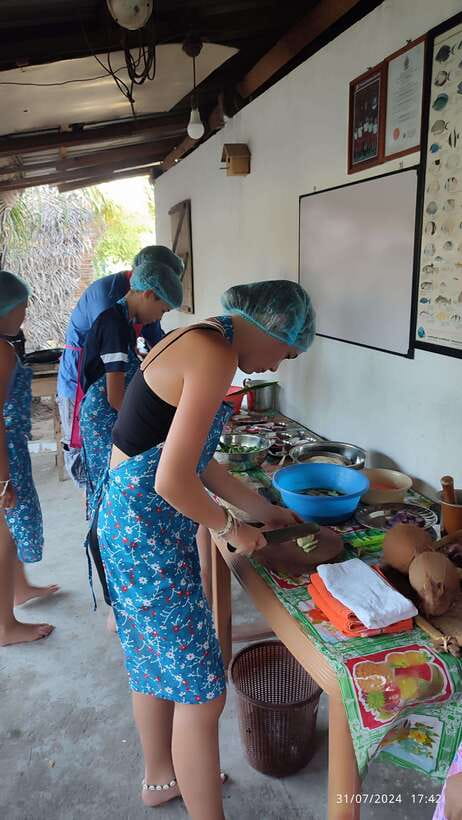
The first part of the experience is about meeting Nimali and her family, learning how the class works, and discussing the menu. This is where you should speak up about your preferences. The class can include vegetarian dishes, fish, or meat, and the choice affects the final cost.
The base price includes the ingredients, cooking equipment, water, a refreshment, the meal, and recipes for the dishes you prepare. Fish or chicken curry costs an extra 2,000 LKR per person. Seafood carries an added cost based on your request, so ask for the exact amount before settling on prawns or another seafood dish.
This menu flexibility is one of the class’s best features. One family group prepared hoppers, sweet sambol, pittu, chicken curry, prawn curry, and halapa, a traditional sweet. Another menu included jackfruit, string hoppers, rice, several curries, sambols, fresh orange juice, and other local items.
You should not expect every dish to appear in every class. The final menu depends on what you request and what Nimali arranges. That is a good reason to contact the host ahead of time if there is a particular dish you want to learn.
Preparing rice, curry, and several kinds of local bread
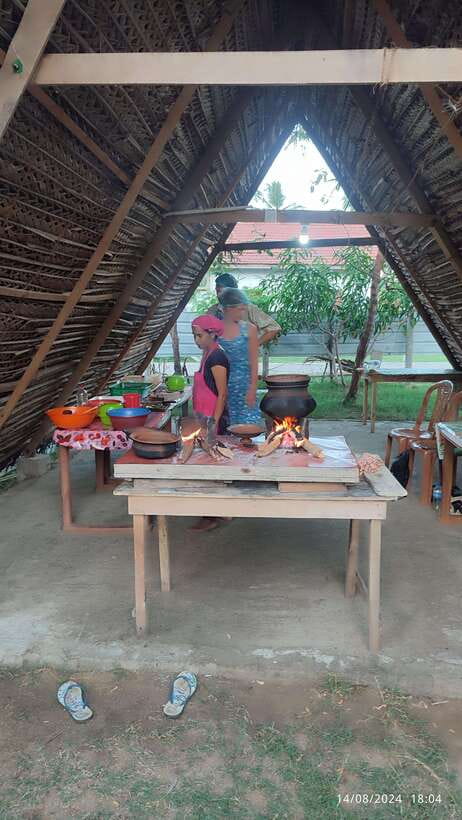
Sri Lankan cooking is not one recipe repeated in different colors. It is a collection of textures, cooking methods, and spice combinations, and this class gives you a chance to see that variety in one sitting.
Rice and curry forms the main foundation. You learn how several dishes work together rather than treating curry as a single sauce. One curry may be creamy, another dry, another sweet or sharply spiced. The class also introduces the ingredients and spices used in Sri Lankan cooking, along with the making of curry powder.
String hoppers are a special part of the menu. These delicate steamed noodles are made from rice flour and usually served with curry or sambol. They require a different touch from rotti or pittu, so making them helps you understand why Sri Lankan meals often include several starches instead of only rice.
Hoppers offer another change in texture. These bowl-shaped pancakes are crisp at the edge and softer in the middle. They are a good example of why a hands-on class is more useful than simply eating the finished dish. You see how batter behaves and how the shape is formed.
Pittu and rotti bring flour and coconut into the lesson. Milk rice shows another side of Sri Lankan home cooking, with rice prepared for a soft, comforting dish often associated with family meals and special occasions.
The class may also include sweets such as halapa. Halapa was singled out as a favorite part of one menu, especially when served with tea. You may also learn to prepare Sri Lankan sweets and sambols, giving you recipes that can be adapted at home.
A few more cooking classes around Sri Lanka worth a look
- Ella: Traditional Sri Lankan Cooking Class
★ 4.9 · 788 reviews - Organic cooking class sigiriya (kumara & family)
★ 5.0 · 650 reviews - Sri Lanka Cooking Class with Granny
★ 5.0 · 587 reviews - Kandy Village Cooking Class
★ 5.0 · 536 reviews
Cooking over firewood instead of a modern hob
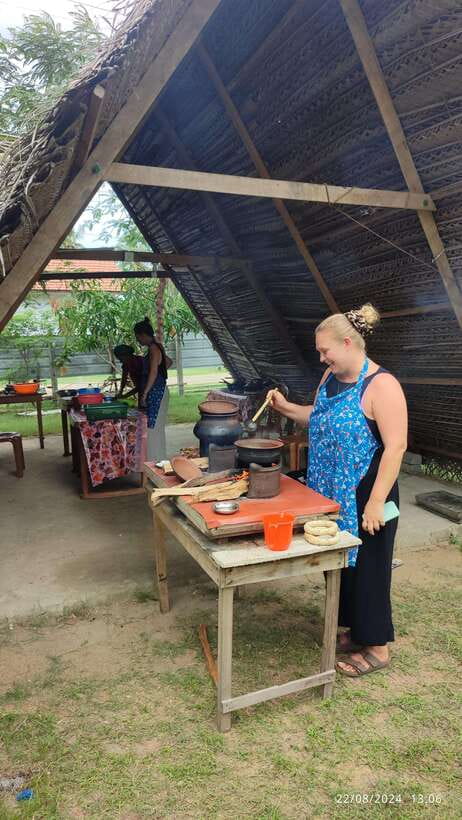
The use of firewood and wood stoves is central to the character of the class. It shows you a traditional method that is still meaningful in home cooking, rather than turning the activity into a modern demonstration with local ingredients.
This method also has practical drawbacks. Heat from a wood stove can be less predictable than heat from an electric or gas cooker. Smoke, warmth, and a more rustic work area are part of the experience. Wear comfortable clothing, tie back long hair, and expect the class to be active rather than neatly staged.
I like this part because it connects the recipes to the tools and habits behind them. Curry powder is not an abstract ingredient when you are learning how it fits into a family kitchen. Coconut is not just a garnish when you are opening a fresh one and using it in sambols.
One memorable activity involved opening a coconut that had recently fallen from a palm with a small hatchet, then drinking the coconut water and using the coconut in two sambols. That kind of moment gives the class its local character. It is simple, practical, and far more memorable than a pre-measured bowl of coconut bought from a shop.
Four hours of cooking, then a shared meal
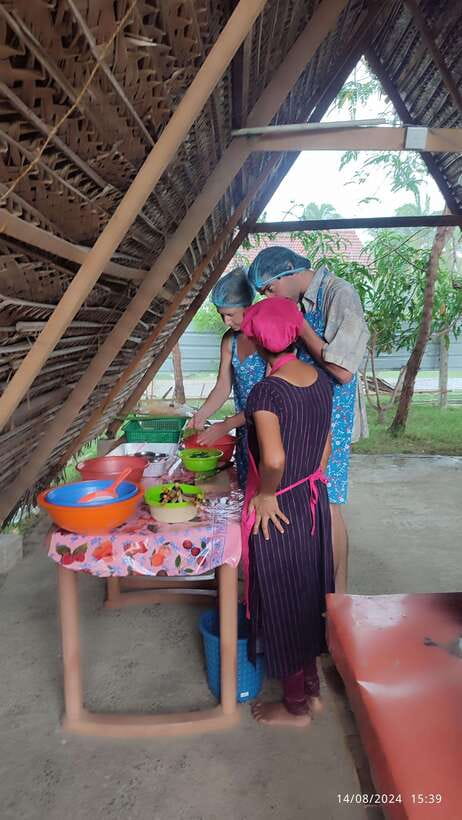
The meal comes after the preparation, so you get to taste the full result of your work. The schedule generally allows about four hours for cooking and one hour for eating. That balance gives you time to ask questions, handle ingredients, and enjoy the meal without watching the clock.
The final spread may include rice, multiple curries, sambols, string hoppers, jackfruit, hoppers, pittu, rotti, milk rice, or sweets. The precise dishes vary, but the point is range. You are likely to see how a Sri Lankan meal combines soft, crisp, creamy, sweet, and spicy elements.
Water and a refreshment are included. Tea with halapa was part of one particularly well-liked menu, while another included fresh orange juice. These touches make the final hour feel like a family meal rather than a formal tasting session.
The meal is also the most relaxed time to talk with Nimali and her family. You can ask about the food you have cooked, compare your results, and use the recipes as a memory aid for later. Since recipes are included, you leave with more than a full stomach.
How much value do you get for $22?
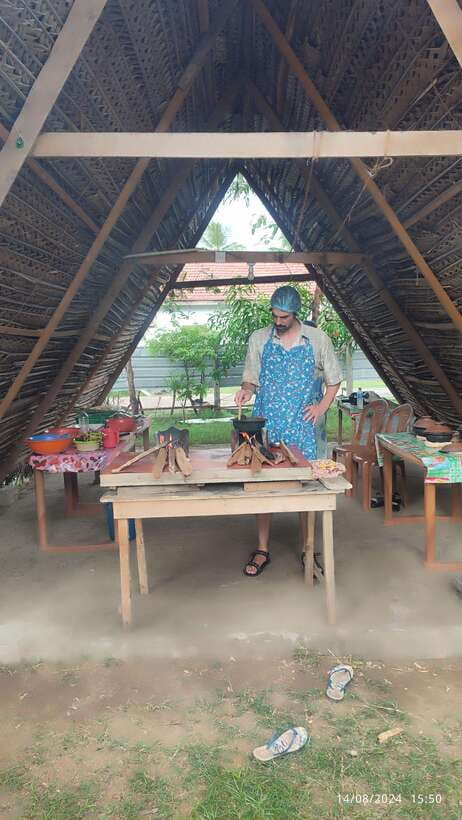
At $22 per person, the class offers good value if you want a substantial cultural activity rather than only lunch. The price covers five hours, ingredients, equipment, instruction, refreshments, dining, and recipes. Comparable restaurant meals may cost less, but they would not give you the same time with a local family or the chance to make the food yourself.
The extra charges need to be part of your calculation. Fish or chicken curry costs 2,000 LKR more per person. Seafood is extra at a price based on your request. If you want the lowest total cost, ask for a vegetarian menu when arranging the class.
There is no shopping tour included, and transport to and from your hotel is also your responsibility. That keeps the base cost low, but you need to account for your own transport and any preferred protein.
For families, the value can be especially good. A child aged four or six took part in one class, helping with the food and enjoying the family atmosphere. Very young children under two are not accepted, and the cooking area may not be ideal for toddlers even when they are old enough to attend.
Who should book this cooking class?
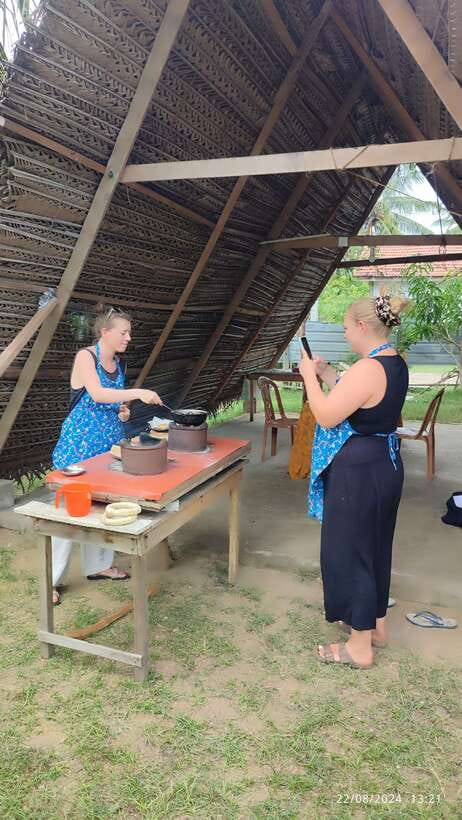
I would recommend it most strongly to people who enjoy learning by doing. You should be ready to spend several hours preparing food, listening to instructions, and working in a traditional home setting.
It suits:
- Couples who want a personal cultural activity in Nilaveli
- Families with children old enough to take part safely
- Vegetarians who want to see how vegetables, coconut, rice, and spices shape a Sri Lankan meal
- Food lovers interested in string hoppers, hoppers, pittu, rotti, sambols, and local sweets
- Visitors who prefer meeting a family to attending a formal cooking school
- Anyone staying in the Nilaveli area who wants an activity beyond the beach
It may not suit you if you want a short class, hotel pickup, a fully modern kitchen, or a fixed menu with no extra charges. People with food allergies should not book, since the activity is listed as unsuitable for them.
Wheelchair access is listed as available, but the activity takes place in a traditional home setting. If you use a wheelchair, confirm the practical layout and access details before booking.
Small details that make the experience memorable
The strongest part of the class is not one specific recipe. It is the way several small moments fit together: learning about spices, working over firewood, preparing coconut, sharing food, and hearing about family life from Nimali and her husband.
The class also fits neatly into a larger Nilaveli stay. Pigeon Island Tours offers other activities in the area, including snorkeling, safari, and ocean wildlife outings. You do not need to combine them with the cooking class, but the same meeting point may make planning easier.
Book with enough time to explain your menu wishes. If you want chicken, fish, or seafood, ask about the added price. If you want to learn one dish in particular, mention it before the class rather than hoping it appears on the day.
Free cancellation is available up to 24 hours in advance for a full refund, and you can reserve now while paying later. Those terms are helpful if your Eastern Province plans may shift.
Should you book the Nilaveli family cooking class?
Book it if you want a friendly, hands-on look at Sri Lankan home cooking and you have five hours to spare. The strongest reasons are the family setting, the wide menu, the wood-stove methods, and the chance to eat what you make.
Skip it if you need hotel transport, have a serious food allergy, dislike rustic cooking conditions, or want a short and tightly timed activity. For most food-minded visitors in Nilaveli, though, $22 buys a generous afternoon of cooking, conversation, recipes, and a proper meal with Nimali’s family.
FAQ
How long does the cooking class last?
The activity lasts five hours. The cooking generally takes about four hours, followed by about one hour for the meal.
How much does the class cost?
The listed price is $22 per person. Fish or chicken curry costs an additional 2,000 LKR per person, while seafood has an extra price based on what you request.
What dishes can I learn to prepare?
Possible dishes include rice and curry, string hoppers, hoppers, pittu, rotti, milk rice, Sri Lankan sweets, sambols, curry powder, and other traditional foods.
Is hotel pickup included?
No. Hotel pickup and drop-off are not included, so you need to arrange your own transport to the meeting point.
Where does the activity meet?
The meeting point is Pigeon Island Tours, at The Rice and Curry seafood and The Dive shop. The cooking activity with Nimali is at the same place.
Which languages are used during the class?
The instructors speak English and Singhalese. The activity is conducted in English.
Can I cancel the booking?
Yes. You can cancel up to 24 hours in advance for a full refund. You can also reserve now and pay later.
Is the class suitable for children or people with allergies?
Children under two are not suitable for the activity. People with food allergies should not book, although dietary restrictions should be shared in advance.
Just added around Sri Lanka
- cooking lesson★ 5.0 · 7 reviews
- Hands-On Cooking Class in Anuradhapura-Cook Like a Local★ 5.0 · 2 reviews
- Sri Lankan Cookery with Nilu★ 5.0 · 34 reviews
- Sri Lanka: Cooking Class★ 4.4 · 6 reviews
- Cooking Experience from Ella★ 4.9 · 2 reviews
- Sri Lankan Cooking Class in Bentota★ 5.0 · 2 reviews
- Private cooking class – Personalized classic menu★ 5.0 · 5 reviews
- Mirissa: Cooking Class with Beer and Meal★ 3.3 · 4 reviews
Home Cooking Classes, compared.
Khmer Cooking Class at a Local’s Home in Krong Siem Reap
Read our review →
Local Home Korean Cooking Class & Market Adventure in Seoul
Read our review →
Mexican Cooking from Scratch in a Local Home in Tulum
Read our review →
Pastamama, Home Cooking Classes at Grace’s Home
Read our review →
Traditional Cooking Class & meal with Local Family
Read our review →
Lists this class appears in