
REVIEW · EASTERN PROVINCE, SRI LANKA, SRI LANKA
Cooking Experience from Ella
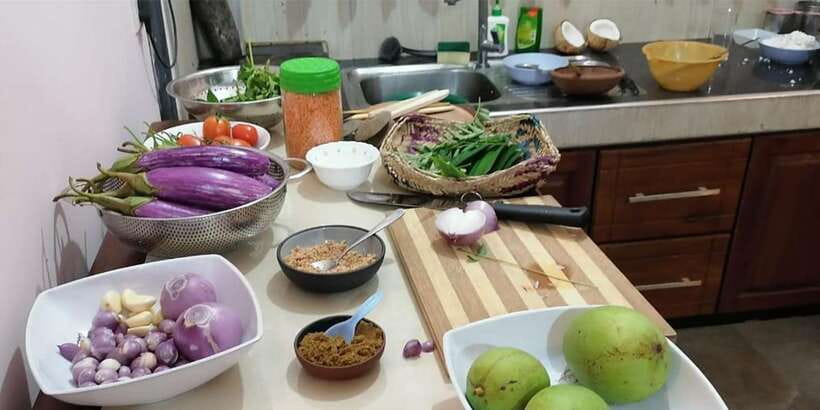
Sri Lankan cooking is best learned at the spice rack. This private five-hour class gives you hands-on practice with local recipes, guided by a chef and experienced village cooks. I like the private format, which keeps the lesson personal, and I like that you eat the dishes you prepare rather than watching a demonstration and leaving hungry. The main drawback is that hotel pickup and drop-off are not included, so you must arrange your own way to the cooking location.
The class costs $60 per person, a fair price if you want more than a quick food demonstration. You will work with ingredients and methods used in Sri Lankan kitchens, including curry leaves, cinnamon, cardamom, cloves, and dill. Still, the available rating information is limited, with an overall score of 4.9 from two reviews and one individual 4 out of 5 review, so treat the score as encouraging rather than conclusive.
Key points at a glance
- Private five-hour lesson: You learn in a private group rather than in a large shared class.
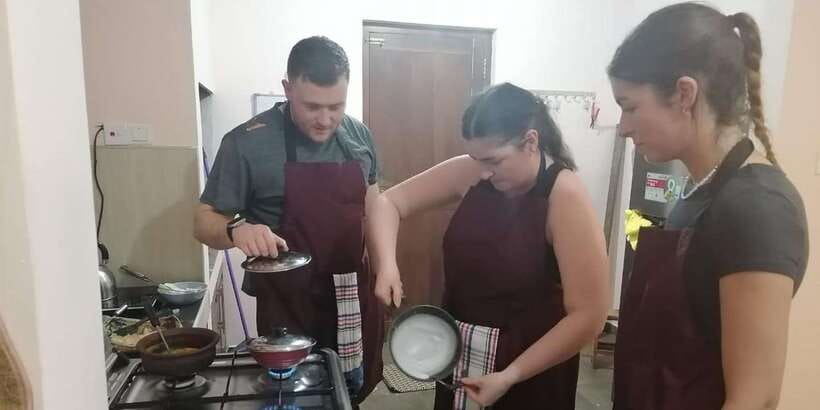
- Chef and village cooks: Instruction comes from the chef along with experienced local cooks.
- Spice balance is the real lesson: You learn how to use strong spices without letting one flavor take over.
- Several Sri Lankan classics: Recipes can include kiribath, maalu ambul thiyal, potato curry, crab curry, achcharu, kokis, and more.
- Eat what you cook: The class ends with time to enjoy the full meal you have prepared.
- Flexible booking: You can cancel up to 24 hours before the class for a full refund and reserve now while paying later.
Starting with a tour of the cooking area
When you arrive, the chef greets you and shows you the cooking area. You also get an introduction to the equipment you will use, which is a useful first step for anyone who has not cooked Sri Lankan food before.
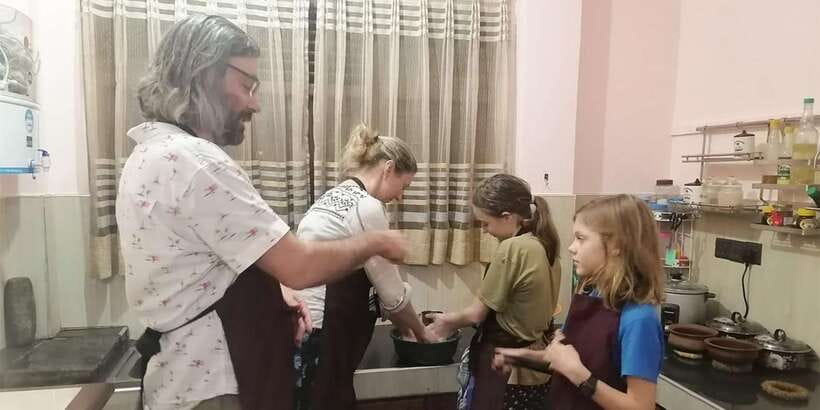
This opening matters because the class is meant to be practical. You are not simply seated while someone cooks in front of you. The chef and village cooks guide you through the process, giving you a chance to handle the ingredients and try the methods yourself.
The five-hour length allows the class to move at a steady pace. You should have time to understand what you are doing instead of rushing through one recipe after another. The tradeoff is simple: five hours is a serious block of your day. If you want only a short introduction to local food, this may feel too long. If you enjoy cooking, the extra time gives the experience more value.
The private group format also helps. You can ask questions, repeat a technique, or take a closer look at how spices are combined without competing for the chef’s attention. The available instruction language is English.
A few more cooking classes around Sri Lanka worth a look
- Ella: Traditional Sri Lankan Cooking Class
★ 4.9 · 788 reviews - Organic cooking class sigiriya (kumara & family)
★ 5.0 · 650 reviews - Sri Lanka Cooking Class with Granny
★ 5.0 · 587 reviews
Learning why Sri Lankan spices need restraint
Sri Lankan food is known for its strong use of spices and herbs, but the important lesson is not simply adding more. The class focuses on balancing flavors so cinnamon, cardamom, cloves, dill, and curry leaves support a dish rather than overpowering it.
That is one of the most useful parts of the experience. A spice list can be copied from a recipe, but good cooking depends on how those ingredients work together. You learn methods for using spices in a more controlled way, which can help you recreate the dishes later.
The lesson should appeal to you if you already cook at home and want to understand the logic behind Sri Lankan recipes. It also suits beginners because the chef and cooks provide direct guidance. You do not need to arrive with a complete understanding of curry powders or regional cooking methods.
The class does not promise a formal lecture on every spice or ingredient. Instead, the value comes from using them while preparing the food. You learn by watching, trying, adjusting, and tasting.
Preparing kiribath, the island’s milk rice
One of the possible dishes is kiribath, or milk rice. This is a simple but important Sri Lankan preparation made with rice and milk. Its place in the class gives you a chance to see how a dish with few main ingredients can still depend on careful cooking.
Kiribath is also a useful contrast to the more heavily seasoned curries. Not every Sri Lankan dish is about strong heat or a large number of spices. A well-prepared rice dish can provide a mild base for sharper flavors on the plate.
The recipe is part of the hands-on work, so you get to follow the method rather than only sample the finished food. That makes the meal at the end more satisfying because you understand the work behind it.
Working through sour fish curry and crab curry
The class may also include maalu ambul thiyal, a sour fish curry, and crab curry. These dishes show two different sides of Sri Lankan cooking. The fish curry gives you a lesson in sharp, sour flavor, while the crab curry brings a more delicate seafood ingredient into a spiced preparation.
The exact selection of dishes may vary, but these examples suggest that the class covers more than one type of curry. You may work with different textures, levels of seasoning, and cooking methods during the session.
Maalu ambul thiyal is especially useful for learning how sourness can shape a dish. It is not just heat that makes Sri Lankan food lively. Acid, herbs, spices, and cooking time all affect the final taste.
Crab curry can be more involved than a basic vegetable curry because seafood requires care. The class gives you a chance to learn the recipe under guidance rather than trying to work it out alone in your own kitchen.
One practical point is that the activity information does not provide a guaranteed dish-by-dish menu. If a particular recipe matters to you, ask about the day’s selection before booking. The experience promises dishes such as these, along with other preparations, but it does not state that every named dish appears in every class.
Same place, a different thing to cook:
- Kandy Village Cooking Class
★ 5.0 · 536 reviews - Sea waves sri lankan cooking class
★ 5.0 · 467 reviews - Ella: Sri Lankan Cooking Class with Neranji at Homestay
★ 5.0 · 276 reviews - Cook with Wasantha
★ 5.0 · 248 reviews
Adding potato curry, achcharu, and kokis
Potato curry brings a familiar ingredient into the lesson while still showing how Sri Lankan spices change its character. It is the kind of dish you may find easier to repeat at home after returning from Sri Lanka because the main ingredient is accessible and the method can be practiced in an ordinary kitchen.
Achcharu adds another style of flavor. It is a Sri Lankan pickle preparation, so it offers a sharper, more preserved taste than the curries. Learning it alongside rice and curry helps you see how several small dishes work together in a meal.
Kokis provides a different cooking task again. The class includes it among the possible preparations, giving you exposure to a traditional snack or accompaniment rather than only main dishes.
Together, these recipes suggest a broad lesson. You are not spending five hours on one curry. You are introduced to rice, seafood, vegetables, pickled flavors, and a crisp preparation. That variety is a strong reason to choose the class over a short demonstration.
At the same time, variety can mean less time spent mastering each recipe. You may leave with a good working understanding of several dishes, but not the same level of detail you would get from a class devoted to just one preparation.
Finishing with a meal you helped prepare
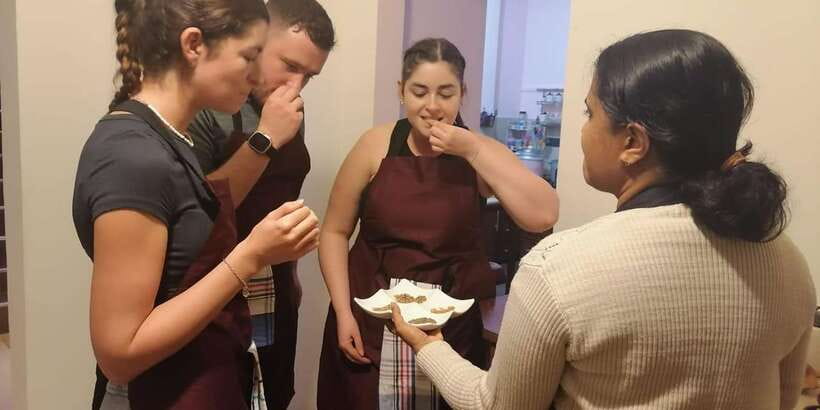
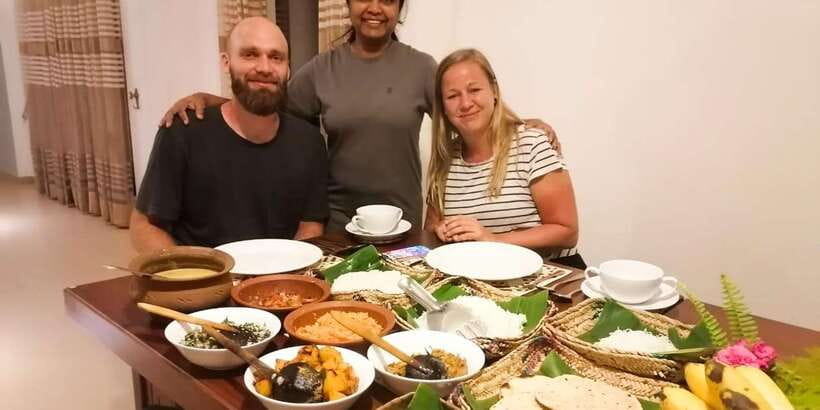
At the end, you sit down to enjoy the dishes made during the class. This is more than a convenient meal. It gives you the chance to taste the relationship between the recipes: the rice, curries, sour elements, vegetables, and accompaniments.
I like this format because the meal acts as a final lesson. You can compare flavors and think about the balance the chef discussed earlier. If one curry tastes stronger than another, you have a direct example of how spice, sourness, and texture affect a full plate.
The ending also gives the five-hour class a clear reward. You spend much of the session working, then share the result. Do not expect a restaurant-style meal prepared entirely for you. The point is that the food comes from your own effort, with help from the cooking team.
What the $60 price really covers
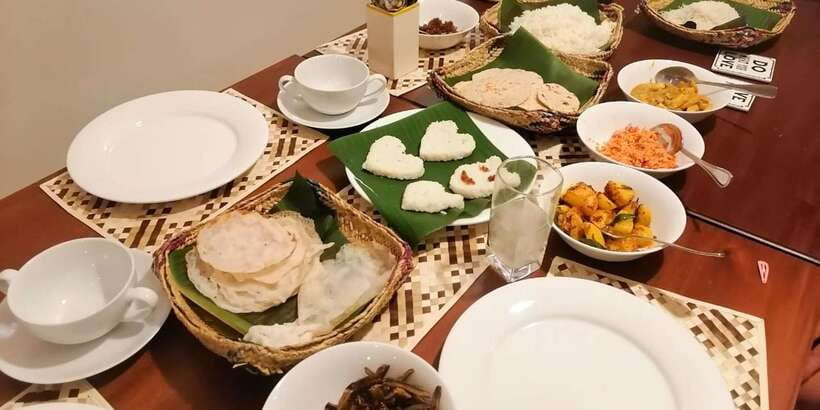
At $60 per person, the price is easiest to justify if you value private instruction and a full cooking session. You are paying for five hours, guidance from a chef and village cooks, a hands-on lesson, and the meal made during the class.
A shorter public cooking demonstration might cost less, but it would not offer the same amount of direct practice. The private group setting is especially useful if you want to ask questions or move at your own pace.
The value is less clear if your main aim is simply to eat Sri Lankan food. A restaurant meal would take far less time and might cost less. This experience makes sense when you want a skill, a cultural activity, and a meal in one package.
Remember to budget for getting to the location. Hotel pickup and drop-off are not included, and the supplied information does not give a transport arrangement or meeting point. Check the starting time and location details before you commit to the class.
Who will enjoy this private class most

I would recommend this for people who enjoy food as a way to understand a place. It suits couples, families, and small private groups who want an active experience instead of a passive sightseeing stop.
It is also a good choice for home cooks. The focus on spice balance can be more useful than a long list of recipes, since it teaches you how to make judgment calls while cooking.
Beginners should be comfortable joining too. The chef introduces the equipment, and the lesson is conducted with guidance from experienced cooks. You are not expected to know Sri Lankan methods in advance.
The class may be less suitable if you dislike spending several hours cooking, want a fixed menu guaranteed in advance, or need included transportation. It is also worth remembering that only limited rating information is available. The overall displayed score is 4.9 from two reviews, while the individual review information available gives a 4 out of 5 rating. That is a positive signal, but not a large enough sample to settle every question.
One individual comment compares the experience with activities in Laos and Cambodia and suggests it was not as wild or challenging as those experiences. For this cooking class, that can be read as a useful expectation: it is a guided food lesson, not an adventure activity. Choose it for cooking, conversation, and eating, not for thrills.
Booking details that matter
The activity lasts five hours, and starting times depend on availability. English is the stated instruction language, and the group is private.
You can cancel up to 24 hours in advance for a full refund. You can also reserve now and pay later, which helps if your route through Sri Lanka is still changing.
The provider is Lakpura. Since no hotel transfer is included, confirm the exact meeting point and allow enough time to reach the cooking area. That small bit of planning will make the day much easier.
Should you book Intimate Ceylon Cuisine?
Book it if you want to learn how Sri Lankan spices work, prepare several local dishes, and eat the results in a private setting. The strongest reasons are the five-hour format, direct instruction from a chef and village cooks, and the chance to practice recipes such as kiribath, fish curry, crab curry, potato curry, achcharu, and kokis.
Skip it if you want a quick meal, a short demonstration, or included hotel transport. The class asks for a large part of your day, and the menu is described as a selection of possible dishes rather than a guaranteed list.
For a food-focused visit from Ella, I see this as a worthwhile choice at $60, especially for people who want to take home more than a few good memories. You leave with a better sense of how Sri Lankan cooking is built: not just through heat, but through balance.
FAQ
Where does the cooking experience take place?
It takes place in Sri Lanka’s Eastern Province, with the experience described as a cooking class from Ella.
How long does the cooking class last?
The class lasts five hours.
How much does the experience cost?
The price is $60 per person.
Is the class private?
Yes. It is offered for a private group.
What language is the class conducted in?
The instructor language is English.
What dishes might I prepare?
Possible dishes include milk rice called kiribath, sour fish curry called maalu ambul thiyal, potato curry, crab curry, achcharu, kokis, and other Sri Lankan preparations.
Is hotel transportation included?
No. Hotel pickup and drop-off are not included.
Just added around Sri Lanka
- cooking lesson★ 5.0 · 7 reviews
- Hands-On Cooking Class in Anuradhapura-Cook Like a Local★ 5.0 · 2 reviews
- Sri Lankan Cookery with Nilu★ 5.0 · 34 reviews
- Sri Lanka: Cooking Class★ 4.4 · 6 reviews
- Sri Lankan Cooking Class in Bentota★ 5.0 · 2 reviews
- Private cooking class – Personalized classic menu★ 5.0 · 5 reviews
- Nilaveli: Sri Lankan Cooking Class with a Local Family★ 5.0 · 16 reviews
- Mirissa: Cooking Class with Beer and Meal★ 3.3 · 4 reviews
Cooking Classes, compared.

Half-Day Thai Cooking Class at Organic Farm in Chiang Mai
Read our review →

3 in 1 Cooking Class near Navona: Fettuccine, Ravioli & Tiramisu
Read our review →
Pasta & Tiramisu Cooking Class with Unlimited Wine
Read our review →
Hanoi Cooking Class: Culture, Local Market & Meaning CSR Impact
Read our review →
5 Traditional Dishes Hanoi Cooking Class with Market Trip
Read our review →
Cooking Class and Lunch at a Tuscan Farmhouse with Local Market Tour from Florence
Read our review →
Cooking Class, Market & Thai Herbs Garden Tour
Read our review →Lists this class appears in