REVIEW · SIGIRIYA, SRI LANKA
Organic Cooking Class sigiriya home Kitchen(Kumara & family)
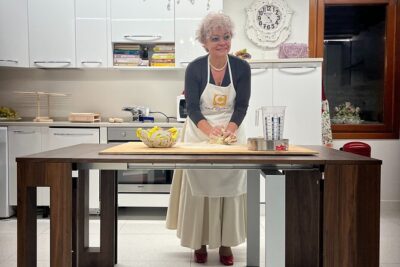
A village kitchen teaches more than recipes. This small cooking class brings you into the home of Kumara and his family in Sigiriya, where you gather vegetables from the garden, learn about Sri Lankan spices, and help prepare a multi-dish curry meal. I especially like the home setting and the use of garden produce, because they give the food a clear connection to daily life in Sri Lanka.
I also like the personal scale. The class accepts a maximum of 10 people, so it should feel more like a family visit than a formal demonstration. The main consideration is that the timing is described both as a half-day workshop and as approximately two hours, so you should allow some flexibility rather than plan a tight connection afterward.
Key details before you book
- You cook at a private family home: The class takes place at Kumara and his family’s residence in Kalapuraya, not in a commercial cooking school.
- The ingredients come from the garden: Vegetables are harvested on site, and the spices are homemade when available.
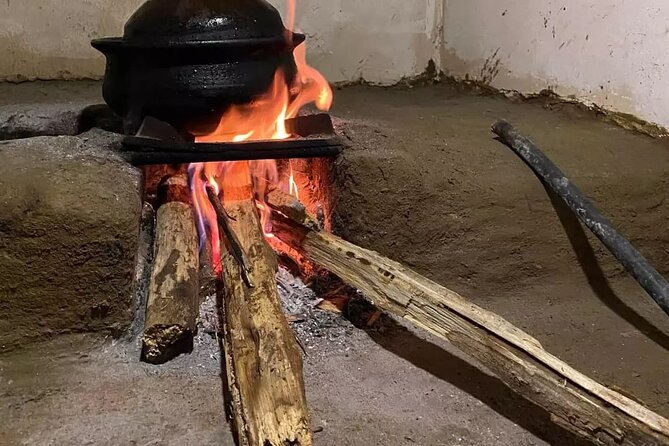
- A wood stove supplies the heat: This is traditional country cooking, with a setting that may feel very different from a modern kitchen.
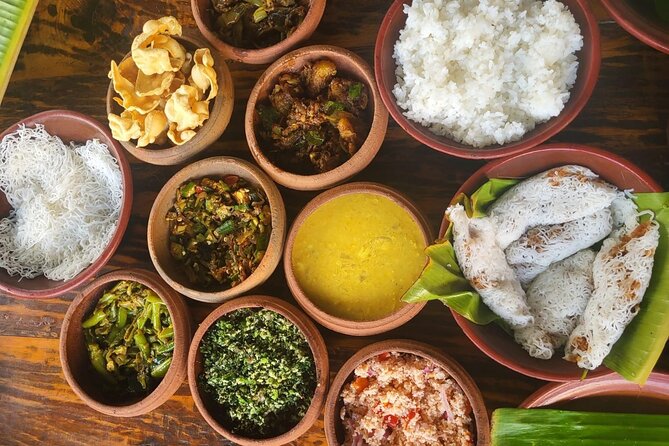
- The meal includes several curry dishes: You help prepare a full Sri Lankan lunch or dinner, then sit down to eat what you made.
- The group is capped at 10 people: That small limit suits anyone who wants a more personal exchange with the hosts.
- The experience costs $28: The price includes both the cooking activity and the meal, making it a useful value for visitors who want food and local contact in one stop.
Arriving at Kumara’s family home in Sigiriya
The meeting point is Organic Cooking Class Sigiriya, at 284 Kahatagahayaya, Kalapuraya, Sigiriya 21120, Sri Lanka. The activity begins and ends at this same location, which keeps the plan simple once you have reached the house.
You are not arriving at a large restaurant or a polished culinary studio. The setting is a rural family home, and that is the heart of the experience. The class gives you a short look at the land around the house before the cooking begins. That matters because you see where part of the meal comes from instead of meeting the ingredients only after they have been washed, chopped, and placed in bowls.
I would use a mobile ticket and confirm the address before setting out. The meeting point is listed near public transportation, though the supplied information does not specify a particular bus route or pickup service. If you are staying elsewhere in Sigiriya, allow enough time to reach Kalapuraya without rushing.
The setting may be modest. That is not a flaw, but it shapes your expectations. You are paying for a close look at household cooking and a shared meal, not for restaurant service or a staged performance.
More Farm Cooking Classes in Sri Lanka
- Organic cooking class sigiriya (kumara & family)
★ 5.0 · 650 reviews - Kandy Village Cooking Class
★ 5.0 · 536 reviews - Cooking With Village Family
★ 5.0 · 104 reviews
A garden tour with a practical purpose
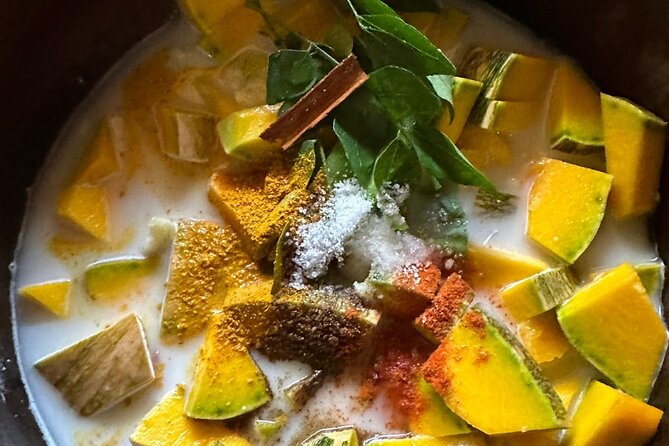
The first part of the class introduces the ingredients growing around the home. You can expect to see vegetables and herbs gathered for the meal, along with an explanation of how spices fit into Sri Lankan cooking.
This short garden visit gives useful context. In many cooking demonstrations, ingredients arrive in neat dishes with no story attached. Here, the garden helps explain the connection between the soil, the plants, and the food on your plate. You may also hear about natural remedies and the everyday uses of herbs, since that is part of what Kumara’s family shares during the visit.
I like this part because it turns cooking into a lesson about household life. Sri Lankan food is often described by its heat, but flavor comes from more than chili. Fresh herbs, spices, coconut-based ingredients, vegetables, and cooking methods all shape the final meal. Seeing the raw materials first gives you a better sense of how those parts work together.
The garden visit is not presented as a long agricultural tour. It is a short introduction before the meal preparation. If you want an extended farm visit or a detailed botany lesson, this class may feel limited. If you want just enough background to understand the food, the scale is about right.
Learning Sri Lankan spices at the cooking area
After gathering ingredients, you move into the cooking portion at the family home. The class focuses on a traditional Sri Lankan meal with several curry dishes, rather than a single recipe that you prepare and then leave.
The family uses homemade spices, which is one of the more special details here. You get a chance to consider how spice mixtures are prepared and how they affect aroma and taste. The hosts also explain herbs and flavor, helping you see that Sri Lankan cooking is not simply a matter of adding the hottest ingredient available.
The practical value is clear: you can take home methods, not just a list of ingredients. You may not reproduce the exact meal without the same vegetables or spice mix, but you can better understand the order of preparation and the balance of flavors.
Expect a hands-on class, though the exact division of tasks is not specified. You aid in preparing the food rather than merely watching a cook work. That distinction matters. If you prefer a relaxed demonstration, you may find the activity more involved than expected. If you enjoy learning by doing, the chance to participate is a major reason to book.
Cooking over a traditional wood stove
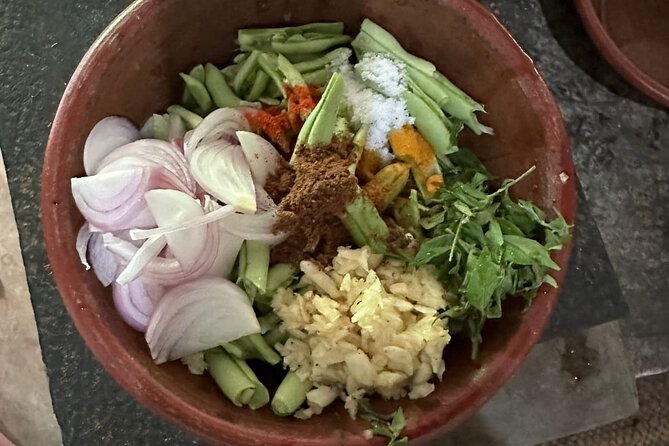
The meal is prepared on a wood stove. This detail gives the class much of its character, but it also means the cooking environment is more basic than a modern kitchen.
A wood stove changes the pace. Heat is not controlled with the turn of a dial, and the cooking process feels tied to fuel, flame, and timing. You can see how a family prepares food in a country house rather than watching a chef recreate village cooking in a restaurant.
I like that the method is part of the lesson, not just a decorative touch. The stove helps explain why the class feels rooted in household life. It also means you should arrive ready for a practical setting. The provided information does not promise air conditioning, restaurant-style seating, or a highly polished teaching kitchen, so pack your expectations accordingly.
The family’s warmth appears to be an important part of the visit. Kumara and his relatives welcome you into their home, and the small group size gives the cooking a social side. The best moments may come between steps, when you are asking about herbs, food, natural remedies, or everyday life.
More Home Cooking Classes in Sri Lanka:
- Galle: Cooking Class at a Local Home and Market Tour
★ 5.0 · 47 reviews - Nilaveli: Sri Lankan Cooking Class with a Local Family
★ 5.0 · 16 reviews - Authentic Sri Lankan Cooking Class in Kandy by Local Family
★ 4.9 · 15 reviews - Khmer Cooking Class at a Local’s Home in Krong Siem Reap
★ 5.0 · 2,731 reviews
Preparing a multi-dish curry meal
The central activity is the preparation of a multi-dish curry lunch or dinner. You help with the meal from start to finish, then sit down and enjoy the food at the same home.
This is a better choice than a class focused on one famous dish if you want a wider taste of Sri Lankan food. Several curries let you compare textures and seasonings within the same meal. Garden vegetables also give the food a direct local connection.
The word organic is used throughout the experience description. The vegetables are harvested from the family garden, and the spices are homemade. You should understand this as a home-grown, family-style approach rather than a guarantee covering every ingredient or a formal organic certification.
The meal is also the payoff for the work. You are not cooking simply to take notes and leave. You share what was prepared, which makes the class feel like an invitation into the home. That shared meal may be especially meaningful if you have spent most of your Sri Lankan trip eating in restaurants.
Dietary details are not provided, so you should ask about substitutions or restrictions before booking if that matters to you. The class is built around a traditional curry meal, and the exact menu can vary with what is available in the garden.
What the two-hour timing really means
The duration is listed as approximately two hours, while the description also calls it a half-day organic cooking workshop. Because of that difference, I would treat two hours as the useful planning figure but keep your schedule open.
A garden introduction, spice lesson, hands-on preparation, and shared meal can make two hours feel full. The family setting may also encourage conversation, and that is part of the appeal. You do not want to spend the whole visit checking the clock.
This timing suits a morning or afternoon plan in Sigiriya. It can fit well between sightseeing stops, but I would avoid booking a strict onward transfer immediately afterward. The activity ends back at the meeting point, so you will not be left at a second location.
The class has a maximum of 10 people. That is large enough for a little social energy but small enough to preserve the home atmosphere. A smaller group may feel more personal, while a full group of 10 could make the kitchen busier. The limit is still far more intimate than a large tourist demonstration.
Is $28 good value?
At $28, this class offers solid value if you care about food, local contact, and participation. You are not only buying a meal. The price covers time with a family, a garden visit, an introduction to spices, help with several dishes, and the chance to eat the finished food.
The value is strongest when you compare it with a standard restaurant meal. A restaurant can serve you Sri Lankan food, but it usually cannot show you the plants, methods, stove, and household setting behind it. This experience gives you a story to attach to the meal.
It is less compelling if you want luxury or professional culinary training. There is no indication of a certificate, a formal recipe booklet, hotel pickup, or a chef-led demonstration in a purpose-built facility. The appeal is direct contact and simple cooking, not polish.
The high rating and full recommendation record fit the kind of experience on offer: welcoming hosts, tasty food, and a strong sense of family life. I would place the class among the better uses of $28 in Sigiriya for visitors who want to do something personal rather than simply see another attraction.
Who will enjoy this cooking class most?
I would recommend it to food lovers, couples, families, solo visitors, and small groups who want a relaxed cultural activity. It is also a good fit if you are curious about Sri Lankan spices but do not want a long professional course.
You will likely enjoy it most if you:
- Prefer a family home to a commercial cooking school
- Like helping with preparation instead of only watching
- Want to eat a meal made with garden vegetables
- Enjoy talking with local people
- Appreciate simple, traditional cooking methods
- Have enough schedule flexibility for a class that may run on a relaxed household rhythm
It may not suit you if you need a tightly timed activity, dislike basic cooking conditions, or expect a modern kitchen. It may also be less suitable if you need a fixed menu for dietary reasons, since the exact dishes and ingredients are not stated.
Service animals are allowed, and the meeting point is near public transportation. Still, the available details do not explain the physical layout of the home, so anyone with specific access needs should confirm those details before booking.
Helpful booking and cancellation points
Confirmation is provided at the time of booking, and the activity uses a mobile ticket. The class starts and finishes at 284 Kahatagahayaya, Kalapuraya, Sigiriya.
Free cancellation is available if you cancel at least 24 hours before the local start time. Cancellations made less than 24 hours before the start are not refunded, and changes inside that window are not accepted. I would keep that cutoff in mind before fixing other plans.
Because this is a home-based activity with a maximum of 10 people, booking ahead is sensible if the class fits your dates. The small capacity is part of the appeal, but it also means there are fewer spaces than at a large cooking venue.
Should you book Kumara’s home cooking class?
Yes, if you want a friendly, grounded food experience in Sigiriya. The garden vegetables, homemade spices, wood stove, and shared curry meal offer details you are unlikely to get from a restaurant visit alone.
I would book it for the family welcome and the chance to see how a meal is built from the land around the house. I would skip it only if you need luxury, a fixed timetable, or a formal cooking-school setup. For $28, this is a practical and personal way to spend part of a Sigiriya day, with food you help prepare and a family setting you are likely to remember.
FAQ
Where does the cooking class take place?
It takes place at Organic Cooking Class Sigiriya, at 284 Kahatagahayaya, Kalapuraya, Sigiriya 21120, Sri Lanka.
How long does the class last?
The duration is listed as approximately two hours. The description also calls it a half-day workshop, so you should allow some schedule flexibility.
Where does the activity end?
The activity ends back at the same meeting point where it begins.
How much does the class cost?
The listed price is $28.
How many people can join?
The activity accepts a maximum of 10 travelers.
What food will be prepared?
You help prepare a traditional Sri Lankan meal with several curry dishes for lunch or dinner.
Are the ingredients organic?
The vegetables are described as organic and are harvested from the family garden. The spices are homemade.
How is the food cooked?
The family prepares the meal on a wood stove at their private residence.
Is the class near public transportation?
Yes. The meeting point is listed as near public transportation.
Can I cancel for a full refund?
Yes, if you cancel at least 24 hours before the experience start time. Cancellations or changes made less than 24 hours in advance are not accepted for a refund.
Just added around Sri Lanka
- cooking lesson★ 5.0 · 7 reviews
- Hands-On Cooking Class in Anuradhapura-Cook Like a Local★ 5.0 · 2 reviews
- Sri Lankan Cookery with Nilu★ 5.0 · 34 reviews
- Sri Lanka: Cooking Class★ 4.4 · 6 reviews
- Cooking Experience from Ella★ 4.9 · 2 reviews
- Sri Lankan Cooking Class in Bentota★ 5.0 · 2 reviews
- Private cooking class – Personalized classic menu★ 5.0 · 5 reviews
- Nilaveli: Sri Lankan Cooking Class with a Local Family★ 5.0 · 16 reviews
Home Cooking Classes, compared.
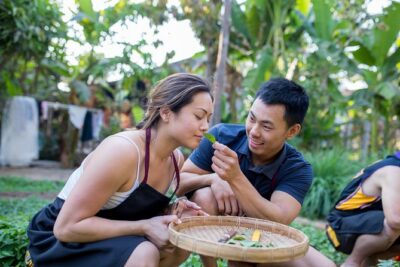
Khmer Cooking Class at a Local’s Home in Krong Siem Reap
Read our review →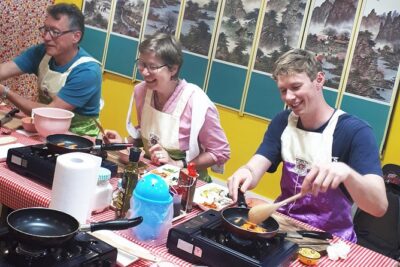
Local Home Korean Cooking Class & Market Adventure in Seoul
Read our review →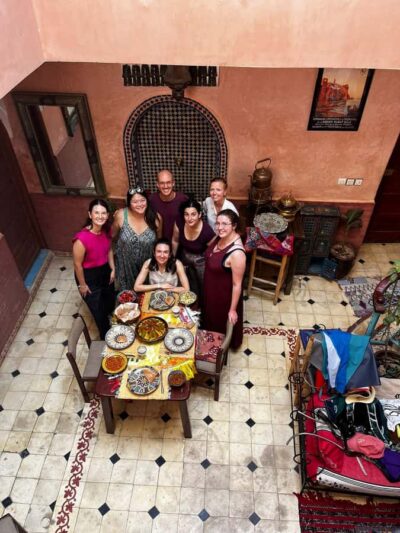
Mexican Cooking from Scratch in a Local Home in Tulum
Read our review →
Pastamama, Home Cooking Classes at Grace’s Home
Read our review →
Traditional Cooking Class & meal with Local Family
Read our review →