
REVIEW · EASTERN PROVINCE, SRI LANKA, SRI LANKA
Private cooking class – Personalized classic menu
Sri Lankan cooking starts with spice. This private class turns that idea into a hands-on three-hour meal, with you grinding, mixing, tasting, and cooking in a modern kitchen. I like the chance to request dishes in advance, and I like that the hosts explain why each step matters instead of asking you to copy motions by rote. The main consideration is the generous menu: making 10 or 11 dishes in three hours can feel fast if you prefer a slow, quiet lesson.
The class is hosted by Sithara and Upali, a warm couple who welcome you into their home and put real care into the teaching. You may begin with a natural tea, put on an apron, and work through two cooking rounds before sitting down to eat what you made. Dietary needs are handled well, including vegan and gluten-free meals, but confirm your requests before arrival.
Key points at a glance
- Build your own menu: Discuss your preferred Sri Lankan dishes, pace, and dietary needs before the class.
- Learn the spice base: Make curry paste using traditional methods and explore how spices create color, aroma, and flavor.
- Cook far more than one curry: Past sessions have included string hoppers, several curries, roti, sambal, snacks, and dessert.
- Enjoy a private home setting: Sithara and Upali welcome you personally, creating a relaxed class rather than a large demonstration.
- Get hotel pickup and drop-off: A driver collects you and calls the mobile number provided at booking.
- Pay for personal attention: At $42 per person, the value is strongest for people who want instruction they can repeat at home, not just a meal.
A private class built around your appetite
The best feature here is the ability to shape the lesson before you arrive. Instead of receiving a fixed menu, you can discuss the foods you want to learn, the ingredients you avoid, and how much time you have. That gives the class a useful purpose: you are not simply eating Sri Lankan food, you are choosing recipes you are likely to cook again.
The school presents both traditional Sri Lankan methods and modern kitchen techniques. That combination matters. Traditional preparation helps you understand how the cuisine gets its flavor, while modern tips make the recipes less intimidating when you return home. I would tell the hosts in advance if you want to focus on curries, breads, snacks, sweets, or a vegetarian meal.
The class is private, so you do not need to fit your questions into a large group. You can ask why a spice is added at a certain point, how a curry paste should look, or what to do if a dish tastes too hot. That personal pace is especially useful for first-time cooks, couples, and small groups with different food preferences.
More Private Cooking Classes in Sri Lanka
- Private Traditional Sri Lankan Cooking Class in Kandy with Hotel Transfers
★ 5.0 · 115 reviews - Private Cooking Class – Personalized menu with glutenfree & vegan
★ 5.0 · 99 reviews - Private Kandy Authentic Cooking Class
★ 5.0 · 65 reviews
Meeting Sithara and Upali at home
The setting is part of the appeal. Sithara and Upali open their home to you, which gives the class a more personal feel than a formal culinary studio. Their hospitality is repeatedly praised, and the tone is described as warm, genuine, and intimate.
You may start with a natural tea before putting on an apron. That small welcome helps set the pace. This is not a class where you rush straight into a recipe while trying to remember everyone’s name. The hosts make room for conversation about food, culture, travel, and everyday life.
Sithara is the main cooking teacher, with Upali helping create a friendly and comfortable session. She is described as passionate about cooking and attentive to questions. That is important in a cuisine where the difference between a dull curry and a memorable one can come down to timing, texture, and the balance of spices.
If you prefer a formal school with several instructors and a polished demonstration kitchen, this may feel more personal than expected. If you value conversation and direct coaching, the home setting is a major strength.
The spice lesson explains Sri Lankan flavor
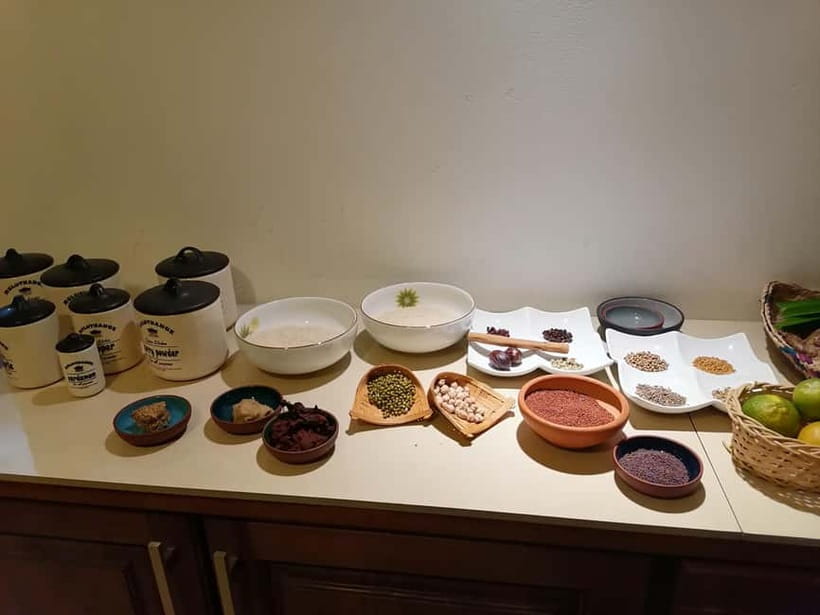
The class begins with the foundation of Sri Lankan cooking: spices and curry paste. You learn about the spices used in Sri Lanka, along with their place in local food traditions and culture. The key idea is that curry paste provides much of a dish’s color, aroma, and taste.
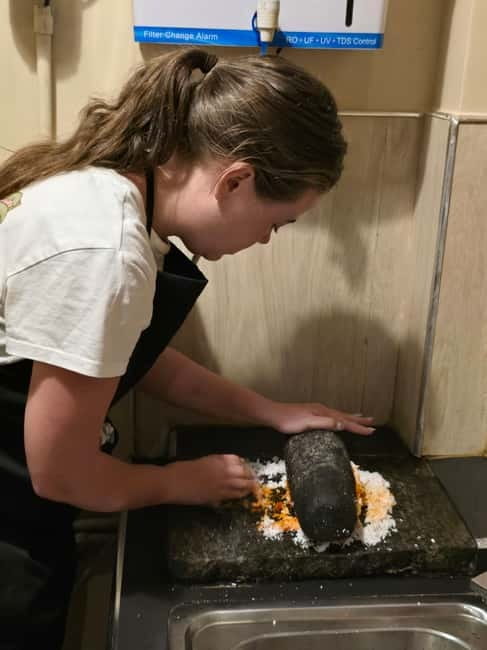
Rather than treating spices as a shopping list, the lesson shows how they work together. You prepare curry paste using traditional methods, then use modern kitchen advice to make the process manageable at home. This is the part I find most useful for a cook who wants to remember more than a recipe card.
Expect to handle ingredients, notice changes in smell and texture, and learn how preparation affects the final dish. The school aims to show you not only what to add, but why you are adding it. That approach gives you a better chance of adapting the recipe later.
The course is conducted in English. If you have never cooked South Asian food before, the private format gives you space to ask basic questions without feeling behind. If you already cook regularly, you can request more detail about technique and traditional preparation.
Cooking in two rounds, with a very full menu
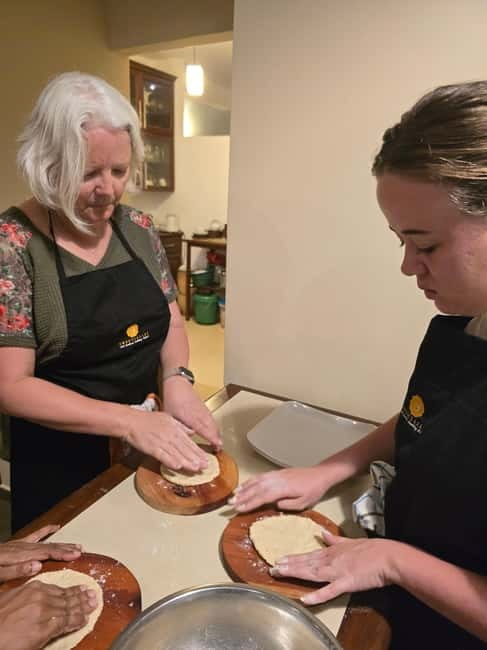
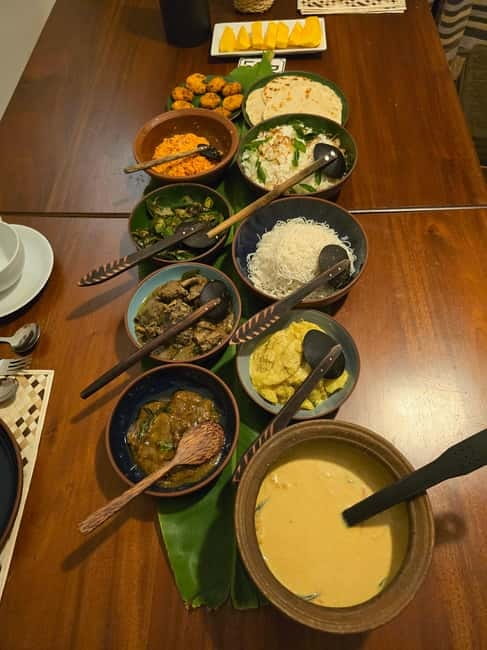
The exact menu is tailored, but the amount of food can be substantial. A typical session may include around 10 or 11 dishes, prepared in two rounds. Examples include fresh string hoppers, curries, roti, sambal, and dessert, with starters or snacks added according to the plan.
That range lets you see how varied Sri Lankan food can be. You are not learning one curry and calling it a day. You may work with soft breads, fragrant curry bases, fresh accompaniments, and sweet dishes in the same session.
String hoppers are a particularly useful inclusion because they introduce a traditional Sri Lankan food with a different texture and method from roti. Curries teach the spice base, while sambal shows how a small, punchy accompaniment can change the whole plate. Roti adds a more hands-on element, and a cashew curry has been especially praised for its flavor.
The two-round structure helps keep such a large menu under control. Still, you should be realistic about the pace. Three hours is enough for an active workshop and a satisfying meal, but it may not allow a long lecture on every dish. If you want to master just two or three recipes, say so before the session and ask for a slower plan.
Same place, a different thing to cook:
- Ella: Traditional Sri Lankan Cooking Class
★ 4.9 · 788 reviews - Organic cooking class sigiriya (kumara & family)
★ 5.0 · 650 reviews - Sri Lanka Cooking Class with Granny
★ 5.0 · 587 reviews - Kandy Village Cooking Class
★ 5.0 · 536 reviews
Learning to cook, not just watching
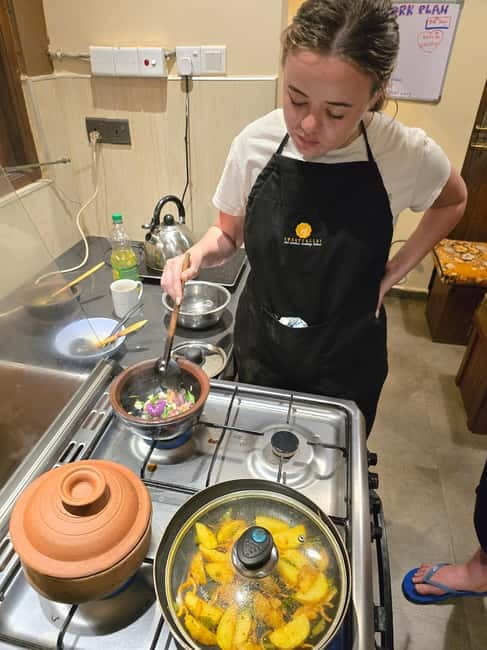
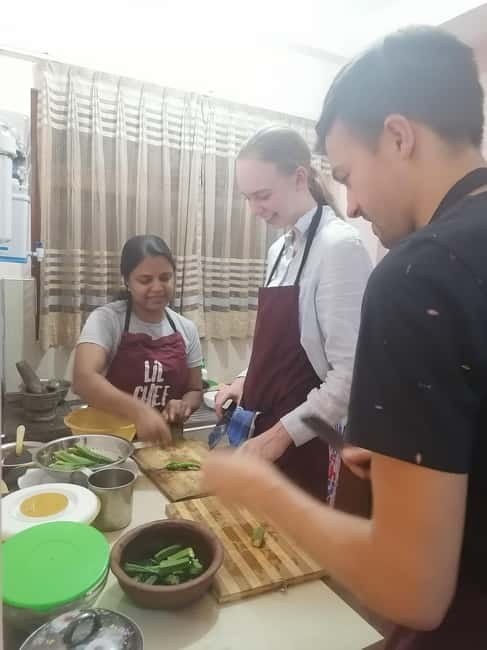
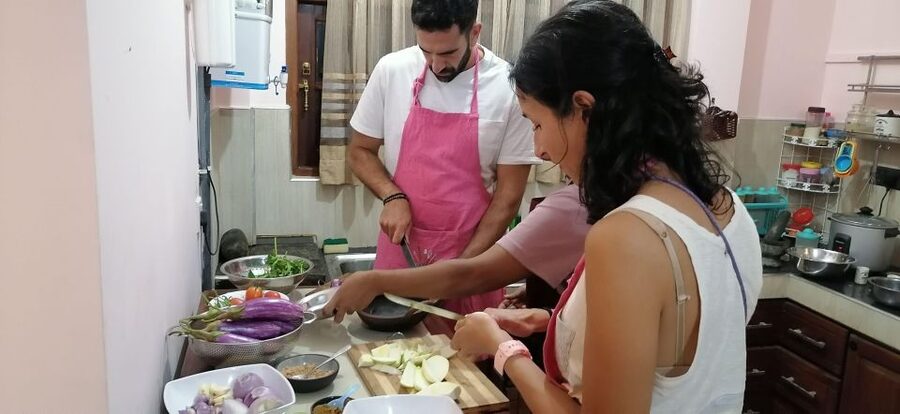
You are expected to cook the food yourself with guidance from the hosts. That distinction gives the experience its value. A demonstration can be entertaining, but handling the ingredients makes it easier to remember the sequence when you get home.
Sithara and Upali focus on techniques and the reasons behind them. You can ask questions as you work, and the private format allows the hosts to correct small mistakes before they become bigger ones. The aim is to leave with methods you can repeat, not just a pleasant memory of lunch.
I especially like the school’s focus on adapting traditional food to a modern kitchen. Many visitors want authentic flavor but do not have every traditional tool at home. Practical advice can help bridge that gap without turning the food into a watered-down version.
The class also gives you a direct introduction to Sri Lankan culinary culture. Food here is tied to family habits, regional tastes, spice use, and long-standing cooking methods. The hosts share that culture through the work itself, not as a separate lecture detached from the meal.
Dietary requests are part of the planning
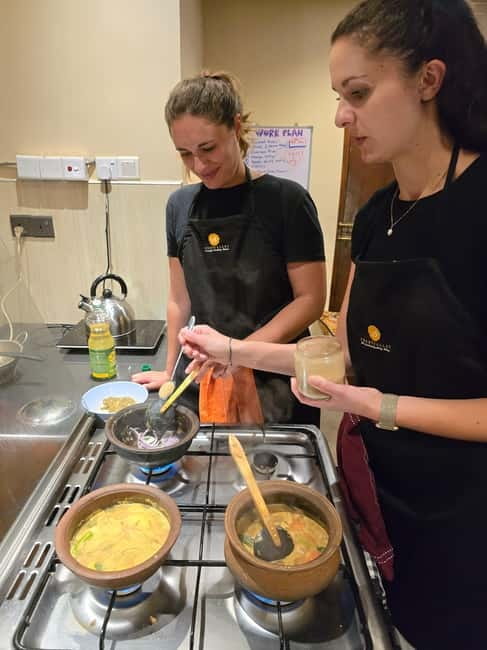
The menu can be arranged around dietary restrictions and preferences if you discuss them ahead of time. Vegan and gluten-free meals are specifically offered, and a vegetarian menu has been successfully prepared.
This is more than a minor convenience. Sri Lankan cooking has plenty of plant-based possibilities, so a vegan participant does not need to sit out while everyone else cooks. A session has included a vegan member of the group with a menu built around that need.
Still, I would not wait until pickup to explain your restrictions. Contact the school in advance with a clear list of what you eat and what you avoid. Also tell them if you have specific dishes in mind. The class is designed around advance discussion, and that is how you get the best result.
If your group includes people with different preferences, a private class is easier to manage than a fixed public menu. One person can request vegetarian dishes, while others learn fish, meat, or additional curry recipes if the hosts can accommodate the plan.
Sitting down to eat what you made
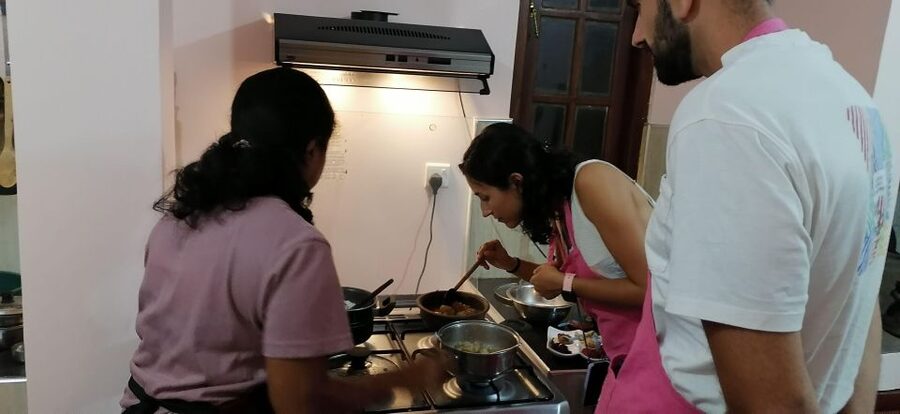
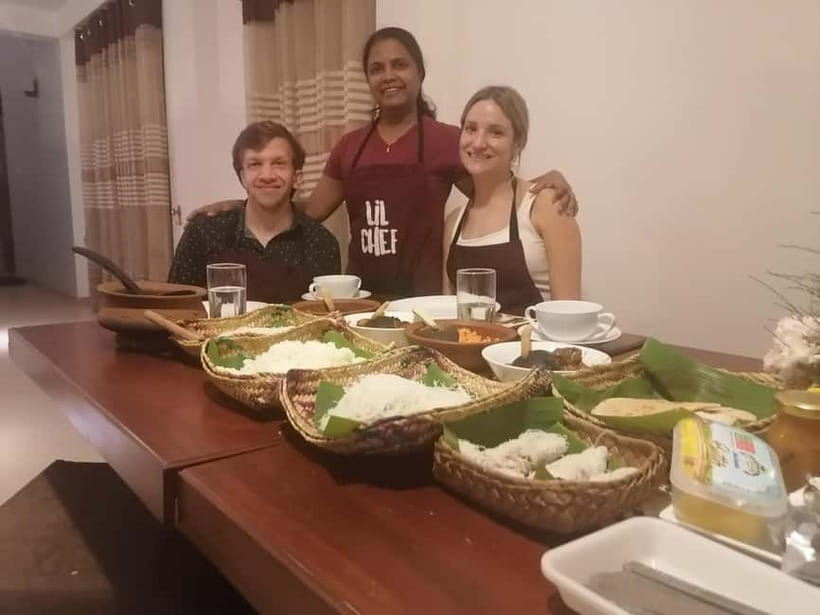
After the cooking, you eat the meal with the hosts. This is where the separate recipes come together. You can compare textures, notice how the curry paste affected each dish, and ask final questions while the food is fresh.
The meal also gives the class a social finish. Conversation with Sithara and Upali is part of the experience, and their interest in your own background helps the evening feel like a shared meal rather than a transaction.
The food quantity can be impressive. Preparing 10 or 11 dishes means you get a broad sample of Sri Lankan cooking, though you may not have equal time with every recipe. If you want to remember a particular dish, make a note of it during the session and ask about the ingredients and method before you leave.
I would also plan your appetite accordingly. This is both a lesson and a meal, and a menu with curries, breads, sambal, snacks, and dessert can be filling. The pace may be lively, but the reward is a table that reflects the work you have just done.
Pickup, timing, and practical details
The experience lasts three hours, with starting times depending on availability. Hotel pickup and drop-off are included, which removes one of the more annoying parts of arranging a cooking class in an unfamiliar area.
A driver calls the mobile number you provide upon arrival. Keep your phone switched on and make sure the number is correct. Since the pickup is included, confirm the hotel details clearly when arranging the session.
The activity is wheelchair accessible. It is conducted in English and is limited to your private group. Free cancellation is available up to 24 hours before the class for a full refund, and you can reserve now and pay later, which helps if your schedule is still changing.
One detail deserves checking before you book: the activity information places the experience in Sri Lanka’s Eastern Province, while the personal descriptions refer to Ella and the surrounding area. Confirm the exact pickup location and class address before payment, especially if you are staying outside the host’s normal service area.
Is $42 per person good value?
At $42 per person, the price is fair if you want an active lesson, a large shared meal, transport, and personal attention. The value does not come only from the food. You are paying for a private setting, advance menu planning, spice instruction, cooking help, and the chance to ask questions throughout.
The price is less attractive if you mainly want a quick meal or a short cooking demonstration. You may find a cheaper restaurant meal, but it will not teach you how to prepare curry paste, string hoppers, roti, or sambal.
For couples and small groups, the private format makes the cost easier to justify. It also works well for anyone who wants to bring a specific Sri Lankan dish home as a skill. If you are traveling on a very tight budget, ask yourself whether you will actually use the cooking techniques later. If the answer is yes, the class offers more lasting value than another ordinary dinner.
Who will enjoy this class most?
I would recommend it most strongly to:
- Couples who want a personal evening with food and conversation.
- First-time visitors curious about Sri Lankan spices and cooking traditions.
- Home cooks who want recipes they can repeat in a modern kitchen.
- Vegetarians, vegans, and gluten-free diners who need a flexible menu.
- Small private groups that prefer questions and conversation over a large class.
- People staying in or around the stated pickup area who value included transport.
It may be less suitable if you dislike hands-on activities, have only a short window, or want to focus deeply on one recipe. The broad menu is exciting, but it can also make the three-hour schedule feel full.
Should you book the Sweetvalley Cooking School class?
Book it if you want more than a meal. The strongest reasons are the private home setting, the ability to tailor the menu, the friendly teaching from Sithara and Upali, and the practical focus on making Sri Lankan food at home.
Before booking, confirm the exact location, pickup area, menu, and dietary plan. Ask for a slower lesson if 10 or 11 dishes sound like too much. For most food-focused visitors, $42 buys a generous and personal introduction to Sri Lankan cooking, with enough techniques to keep using after the holiday ends.
FAQ
Where does the private cooking class take place?
The experience is listed in Sri Lanka’s Eastern Province. Personal descriptions refer to Ella and the surrounding area, so confirm the exact class address and pickup area before booking.
How long does the cooking class last?
The session lasts three hours.
What is included in the price?
Hotel pickup and drop-off are included.
What language is the class taught in?
The class is conducted in English.
Is the experience private?
Yes. The booking is for a private group.
Can I request specific Sri Lankan dishes?
Yes. The menu can be discussed in advance and tailored to your meal preferences.
Can the class accommodate vegan or gluten-free diets?
Yes. Authentic vegan and gluten-free meals are offered when dietary needs are discussed ahead of time.
What kinds of food might I learn to cook?
Possible dishes include curries, fresh string hoppers, roti, sambal, snacks, starters, main meals, and desserts. The exact menu is personalized.
How many dishes can be prepared?
A session may include around 10 or 11 dishes, usually arranged in two cooking rounds. The final number depends on the agreed menu and pace.
Is the class wheelchair accessible?
Yes, the activity is listed as wheelchair accessible.
What happens if I need to cancel?
You can cancel up to 24 hours in advance for a full refund. You can also reserve now and pay later.
Just added around Sri Lanka
- cooking lesson★ 5.0 · 7 reviews
- Hands-On Cooking Class in Anuradhapura-Cook Like a Local★ 5.0 · 2 reviews
- Sri Lankan Cookery with Nilu★ 5.0 · 34 reviews
- Sri Lanka: Cooking Class★ 4.4 · 6 reviews
- Cooking Experience from Ella★ 4.9 · 2 reviews
- Sri Lankan Cooking Class in Bentota★ 5.0 · 2 reviews
- Nilaveli: Sri Lankan Cooking Class with a Local Family★ 5.0 · 16 reviews
- Mirissa: Cooking Class with Beer and Meal★ 3.3 · 4 reviews
Private Cooking Classes, compared.
PRIVATE Authentic Balinese Cooking Class in Ubud at Putu’s Home
Read our review →
Pasta Making Class with Tiramisu & Wine PRIVATE OPTION
Read our review →
Private Market Tour & Cooking Class in Puerto Vallarta with Manu
Read our review →
Private Cooking Class with 5 dishes of your choice
Read our review →
Veg and Non veg : Private Cooking Class in Delhi home (7 meal)
Read our review →
PRIVATE Balinese Cooking Class in Ubud with Dewa with Transfers
Read our review →
VIP Mekong Delta Adventure Cycling & Kayaking – Private Day Trip
Read our review →
Private Home Cooking in Yanaka – Local Flavors in a Warm Setting
Read our review →Lists this class appears in