
REVIEW · KANDY, SRI LANKA
Sri Lanka Cooking Class with Granny
Curry tastes better when you make it. This private Kandy cooking class brings you into a family home, where you choose vegetables, learn spice basics, and help prepare a generous Sri Lankan meal. I like the hands-on cooking and the chance to work with fresh ingredients selected for the day. I also like the warm, informal setting with Nandini, Nandi, Granny Nanti, and Auntie Shanti guiding the class. The main consideration is timing: with a market visit, the experience can run well beyond the advertised three and a half hours.
Pickup makes the outing easy, especially since the cooking takes place outside central Kandy. You may cook anywhere from five to ten dishes, including curries, dhal, sambol, papadums, and a dessert, depending on your choices and what is available. The setting is rustic rather than polished, and the return tuk-tuk may cost extra, so confirm transport details before you set off.
What makes this Kandy cooking class special
- A family-home kitchen: Cook in a covered outdoor kitchen near Kandy, sometimes using traditional clay pots.
- Your choice of dishes: Select vegetables and some main ingredients based on taste, availability, and dietary needs.
- Market option: Add a visit to a local market with Sudesh, where you can see the produce used in everyday Sri Lankan cooking.
- A full meal at the end: Your work becomes lunch or dinner, with tea, coffee, and bottled water included.
- Recipes for home: Recipes are sent afterward, making this more useful than a meal you simply enjoy and forget.
- Small-group feel: It is a private activity for your group, and some sessions have only a few participants.
Starting in Kandy with tea and a local welcome
The experience begins at the Kandy City Centre meeting point, with hotel pickup offered for arrangements made in advance. Depending on the booking, the route may include a tuk-tuk ride to a family home in a village outside Kandy. Several past participants describe the ride into the hills as part of the fun, though the trip is not presented as a luxury transfer.
On arrival, you receive tea or coffee before cooking begins. This pause matters. It gives you time to meet the family, settle into the setting, and ask what you will be preparing. The mood is informal and friendly, more like being welcomed into someone’s home than entering a formal culinary school.
The main teacher may be Nandini, Nandi, Granny Nanti, or Auntie Shanti, depending on the session. The names used in the experience descriptions point to a family-run operation, with older women taking the lead in the kitchen. Their style is practical: explain the ingredient, show the method, then let you do the work.
That last part is important. You are not simply watching someone cook. You can cut vegetables, prepare ingredients, stir curries, and follow the process from raw produce to finished food.
A few more cooking classes around Sri Lanka worth a look
- Ella: Traditional Sri Lankan Cooking Class
★ 4.9 · 788 reviews - Organic cooking class sigiriya (kumara & family)
★ 5.0 · 650 reviews - Kandy Village Cooking Class
★ 5.0 · 536 reviews
The optional market visit near Kandy
You can upgrade the class to include a local market visit. This is a worthwhile addition if you want more context before you start cooking. Sudesh may guide you through the market, helping explain the fruits, vegetables, spices, and other ingredients used in the meal.
The market is described as a maze of produce stalls with plenty of color, noise, and activity. It is where local shoppers buy everyday food, not a display arranged for visitors. That gives the visit a useful purpose: you see ingredients in their normal setting, then handle and cook some of them later.
You may help choose vegetables for the class. Depending on the day, possibilities include pumpkin, okra, eggplant, long beans, potatoes, mango, and coconut. Chicken and eggs may also be available for those who want them.
The market visit is not essential if your main goal is cooking. One participant found it less useful than the class itself, while others considered it one of the strongest parts of the outing. My advice is simple: choose the market option if you enjoy food shopping and want a better sense of Sri Lankan produce. Skip it if you have limited time or prefer to spend the full session at the stove.
Confirm what the upgrade includes when booking. The experience information presents the market as an option, while some arrangements described by participants combine pickup, market shopping, and cooking in one outing.
Learning Sri Lankan spices and cooking methods
Back at the home, the class begins with an explanation of spices and vegetables. Sri Lankan food is not one single curry repeated in different colors. The flavor changes with the combination of spices, coconut milk, vegetables, and cooking method.
One especially useful lesson concerns coconut milk. A session may show how to make coconut milk from a whole coconut and explain the difference between the first and second extraction. The first milk is thicker and richer, while the second is lighter. Understanding that difference helps you follow a recipe at home instead of simply copying a list of ingredients.
The instruction also covers how vegetables are prepared and how curries are built. You learn by doing, with the cook correcting or guiding you as needed. That makes the lesson suitable for beginners, but it also gives experienced home cooks something practical to take away.
You should expect the menu to change. Ingredients are chosen according to what is fresh, what is available at the market, and what you want to eat. Dietary restrictions can be discussed, and the dishes can be adjusted to suit preferences.
This flexibility is a real strength. A fixed menu may be easier to advertise, but it would not reflect how a home kitchen works. Here, you might choose eggplant because you enjoy it, request extra vegetables, or select dishes that fit your diet.
Choosing your curries and building the meal
The class can produce a surprisingly large spread. One detailed session included chicken curry, pumpkin curry, long beans, egg curry, dhal, mango chutney, papadums, tempered potatoes, sambol, and a special eggplant preparation. Other sessions produced around five curries, seven dishes, eight dishes, or even ten different curries and side dishes.
That range tells you two things. First, the meal is generous. Second, the exact number of dishes depends on your group, choices, and available time. Do not treat a specific menu from one session as a promise for every booking.
Vegetarian cooking is well supported. The choice of fresh vegetables is a major part of the experience, and the class can include several vegetable curries rather than treating vegetables as an afterthought. Chicken and egg dishes may be added for those who want them.
The food is prepared in a traditional home setting, sometimes with clay cooking pots. This gives the class a more genuine feel, but it also means you should not expect a restaurant kitchen with polished counters and hotel-style service. The setting may be rustic, and some preparation can take place in a covered outdoor kitchen.
That is part of the appeal, but it is worth knowing in advance. If you want a sleek cooking studio, this is not the right choice. If you want to see how a family meal comes together in a village home, it fits much better.
Same place, a different thing to cook:
- Sea waves sri lankan cooking class
★ 5.0 · 467 reviews - Ella: Sri Lankan Cooking Class with Neranji at Homestay
★ 5.0 · 276 reviews - Cook with Wasantha
★ 5.0 · 248 reviews - Ella : Cooking class with amazing Spice Garden Tour
★ 5.0 · 239 reviews
Eating the food you helped prepare
The final meal is the reward for all the chopping and stirring. Lunch or dinner is included, along with tea or coffee and bottled water. A dessert may appear, including coconut pancakes in some sessions.
The meal is not a quick tasting plate. The number of dishes can make it a full feast, with different textures and levels of spice across the table. You may try foods you have not ordered in restaurants, especially if you selected less familiar vegetables at the market.
There is also a useful difference between restaurant curry and home cooking. You can see how the dish was made, ask why an ingredient was used, and note how the flavor changes as the curry cooks. That understanding may help you recreate the food later, especially since recipes are sent after the class.
I would not assume that every dish will suit your taste automatically. Sri Lankan food may be strongly spiced, and the final menu depends on the ingredients and your choices. Tell the cook your preferences early. The class is designed to adjust the food, so use that opportunity.
Transport, timing, and the real length of the outing
The listed duration is about three hours and thirty minutes. That may cover the basic class, but a market visit, tuk-tuk transfers, extra dishes, and a long meal can extend the outing considerably. One afternoon and evening session lasted around six hours including the market.
Plan around the longer possibility, especially if you have a train, show, dinner reservation, or evening transfer afterward. One person found the class ran late and returned later than expected. That is not a serious problem if you keep your schedule open, but it can be inconvenient on a tightly planned day.
Pickup is offered, but the transport details deserve attention. The meeting point is Kandy City Centre, and the activity ends back at the meeting point. Some arrangements include a tuk-tuk to the family home, while a return ride to your hotel may involve a reasonable additional charge. Private transportation and an air-conditioned vehicle are not included as standard features.
Ask before departure:
- Where exactly will pickup take place?
- Is the ride to the cooking location included?
- Is the return to your hotel included or paid separately?
- Does the market visit change the pickup time?
- How long should you allow for the full outing?
These questions are especially useful if you are staying outside Kandy city.
Is the $25 price good value?
At $25 per person, the class is priced well for a private, hands-on food experience that includes a meal. You are getting instruction, ingredients, tea or coffee, water, and lunch or dinner. If you cook several dishes, the cost compares favorably with a standard restaurant meal, while giving you skills and recipes to take home.
The value is strongest for people who want participation rather than a demonstration. You are not paying only to sit at a table. You help select produce, prepare vegetables, and cook under instruction.
Transport may change the final cost. The listed price does not include private transportation or an air-conditioned vehicle, and some return tuk-tuk arrangements cost extra. The optional market visit may also be an upgrade. Check the final booking details so the low headline price does not surprise you later.
The activity has a five-star rating from 587 reviews and a 100 percent recommendation figure. Those numbers suggest very strong satisfaction, especially with the food, family welcome, and amount of hands-on work. Still, the practical drawbacks remain: the session can run long, the kitchen is rustic, and transport may require separate arrangements.
Who should book this cooking class?
I would recommend it to food lovers, couples, families, and curious home cooks who want to learn rather than simply eat. Beginners should feel comfortable because the teacher demonstrates each stage and lets you take part. Experienced cooks may enjoy the lessons on coconut milk, spice combinations, clay pots, and the way several curries are prepared at once.
It also suits anyone looking for a break from central Kandy. The family home outside the city gives you a look at village life and a chance to spend time with local hosts in a normal home setting.
It may not suit you if you need a tightly timed activity, dislike outdoor kitchens, or want a polished professional studio. You should also think twice if a late return would cause trouble. The class is relaxed, social, and food-heavy, not a quick two-hour demonstration.
The private format is useful for groups with different diets or spice preferences. You can discuss what to cook and help shape the menu. Since the activity is private, your group does not have to follow a large public class pace.
Cancellation and booking advice
Free cancellation is available if you cancel at least 24 hours before the local start time. Changes or cancellations made within 24 hours are not accepted for a refund.
The class depends on good weather and a minimum number of participants. If poor weather or low enrollment causes cancellation, you are offered another date or experience, or a full refund.
Book the market option if you want to see where the ingredients come from. If you mainly want cooking instruction, ask for the class-only version and reserve extra time anyway.
Should you book the Sri Lanka Cooking Class with Granny?
Yes, if you want a warm, practical introduction to Sri Lankan home cooking near Kandy. The best parts are the family setting, the freedom to choose ingredients, the large shared meal, and the chance to leave with recipes you can use at home.
Book with open time around it. Confirm pickup, the market upgrade, and return transport before you go. If you can accept a rustic kitchen and a session that may last longer than advertised, this is one of the better-value food activities in Kandy. It offers far more than a plate of curry: you learn how the meal is made and meet the people who know it best.
FAQ
Where does the cooking class start?
The listed starting point is Kandy City Centre in Kandy, Sri Lanka. Hotel pickup is also offered.
How long does the experience last?
The advertised duration is approximately three hours and thirty minutes. A market visit and a longer cooking session can extend the outing, with one session lasting about six hours including the market.
Is the market visit included?
The market visit is available as an upgrade. Confirm the option and its cost when booking.
What food will I cook?
The menu changes based on fresh ingredients, personal preferences, and dietary restrictions. Possible dishes include vegetable curries, chicken curry, egg curry, dhal, sambol, chutney, papadums, tempered potatoes, and dessert.
Can I choose the ingredients?
Yes. You can choose vegetables and some other ingredients based on what is available and what you like to eat.
Is transportation included?
Hotel pickup is offered, but private transportation and an air-conditioned vehicle are not listed as standard inclusions. Some tuk-tuk arrangements may include the ride to the home, while the return to a hotel can cost extra.
What is included in the price?
Lunch or dinner, tea or coffee, and bottled water are included. The experience costs $25 per person.
Can I cancel for a full refund?
Yes, if you cancel at least 24 hours before the experience start time. Poor weather or failure to meet the minimum number of participants may also lead to an alternative date or a full refund.
Just added around Sri Lanka
- cooking lesson★ 5.0 · 7 reviews
- Hands-On Cooking Class in Anuradhapura-Cook Like a Local★ 5.0 · 2 reviews
- Sri Lankan Cookery with Nilu★ 5.0 · 34 reviews
- Sri Lanka: Cooking Class★ 4.4 · 6 reviews
- Cooking Experience from Ella★ 4.9 · 2 reviews
- Sri Lankan Cooking Class in Bentota★ 5.0 · 2 reviews
- Private cooking class – Personalized classic menu★ 5.0 · 5 reviews
- Nilaveli: Sri Lankan Cooking Class with a Local Family★ 5.0 · 16 reviews
Cooking Classes, compared.
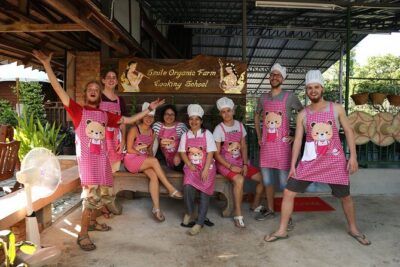
Half-Day Thai Cooking Class at Organic Farm in Chiang Mai
Read our review →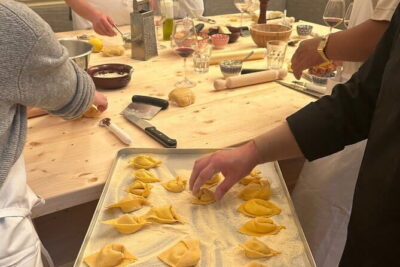
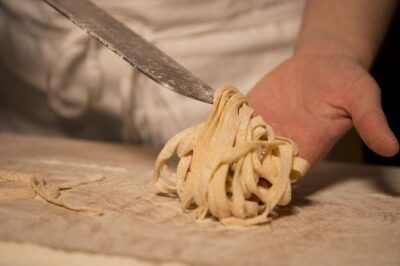
3 in 1 Cooking Class near Navona: Fettuccine, Ravioli & Tiramisu
Read our review →
Pasta & Tiramisu Cooking Class with Unlimited Wine
Read our review →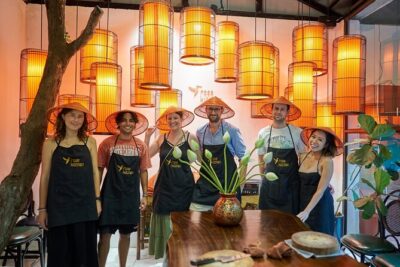
Hanoi Cooking Class: Culture, Local Market & Meaning CSR Impact
Read our review →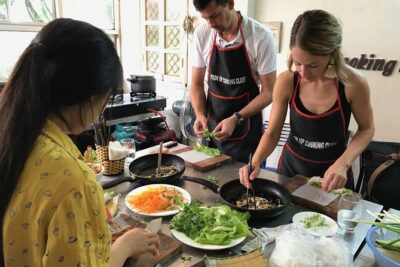
5 Traditional Dishes Hanoi Cooking Class with Market Trip
Read our review →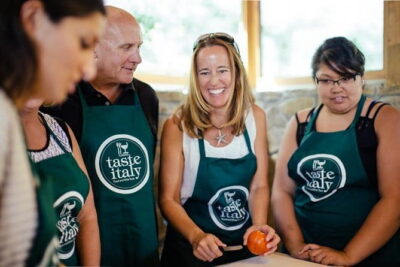
Cooking Class and Lunch at a Tuscan Farmhouse with Local Market Tour from Florence
Read our review →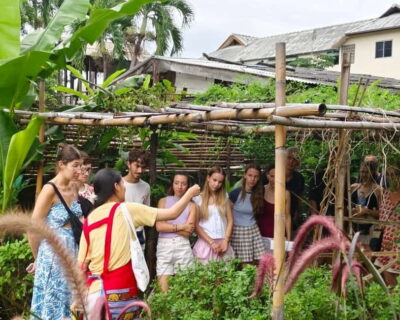
Cooking Class, Market & Thai Herbs Garden Tour
Read our review →Lists this class appears in