
REVIEW · SIGIRIYA, SRI LANKA
Organic cooking class sigiriya (kumara & family)
Come hungry, leave with recipes. This private Sri Lankan cooking class takes place at Kumara and his family’s home near Sigiriya, where you walk through their garden, learn about local herbs and spices, prepare several traditional dishes, and eat the meal together. I like the garden-to-table approach, and I like that this is a family activity rather than a polished demonstration aimed at tourists. The main thing to consider is that this is a simple home setting, not a restaurant kitchen or formal culinary school.
The class costs $28 and lasts about two and a half hours, though some sessions run closer to three hours. Kumara, his wife Thanuja, and other family members lead the cooking. The food is mainly plant-based, with dishes such as dhal, pumpkin and aubergine curry, sambal, string hoppers, coconut roti, and dessert. Bring your own bottled water, as one important practical detail is that bottled water may not always be provided despite the general tour description mentioning it.
Key points to know before you book
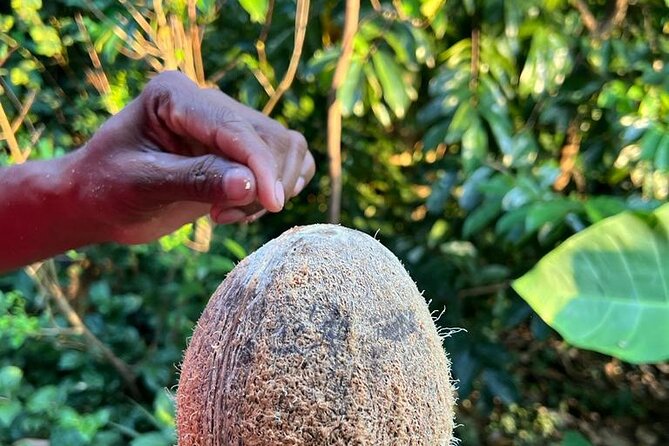
- Garden first, cooking second: You begin by seeing the family’s organic vegetables, herbs, fruits, and spices before using them in the meal.
- Kumara and Thanuja lead the class: The family explains ingredients, traditional preparation, spice-making, cooking methods, and table arrangements.
- Several dishes are prepared together: Depending on the session, you may help make three to seven curries, sambal, string hoppers, coconut roti, and dessert.
- The wood-fired kitchen is part of the experience: Cooking takes place in a traditional home setting using several small wood fires rather than a modern teaching kitchen.
- You eat what you make: The class finishes with a shared Sri Lankan meal, herbal tea, and the chance to ask more questions.
- Plan for a relaxed pace: This is a family-hosted experience, so explanations, conversation, and cooking together matter as much as the final recipes.
A garden tour before the cooking begins
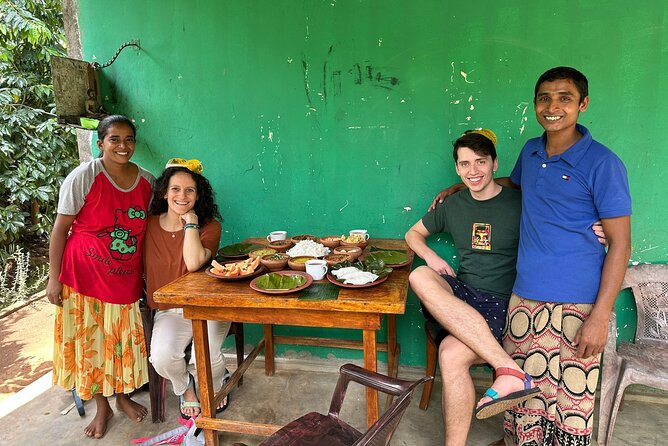
The class starts at 284 Kahatagahayaya, Kalapuraya, Sigiriya 21120, at the family’s home. The first stage is a walk through their garden, which gives the evening a useful sense of place before you touch a cooking pot.
Kumara explains the vegetables, herbs, fruits, and spices grown on the property. The garden is not simply decoration for the class. Its produce is used in the meal, so you see ingredients in the soil before they appear on the table. That connection makes the food easier to understand, especially if you are unfamiliar with Sri Lankan cooking.
The garden visit also includes discussion of traditional and Ayurvedic uses for some plants. This is an interesting extra, but keep the distinction clear: the class offers cultural and culinary information, not medical advice. You will hear how certain ingredients are viewed in local food traditions and how they are used in the household.
The organic claim is central to the experience. The family presents the class as a way to cook with produce and spices grown at home. You should still treat the word organic as the host’s description rather than a formal certification, but the garden-to-table process is clear and visible.
This beginning suits anyone who likes to know where food comes from. If you only want a fast lesson with a printed recipe and minimal conversation, the garden walk may feel longer than necessary.
More Farm Cooking Classes in Sri Lanka
- Kandy Village Cooking Class
★ 5.0 · 536 reviews - Organic Cooking Class sigiriya home Kitchen(Kumara & family)
★ 5.0 · 116 reviews - Cooking With Village Family
★ 5.0 · 104 reviews
Learning the spice base behind Sri Lankan food
Sri Lankan cooking can look complicated when several small dishes arrive at once. This class helps explain why. You are introduced to the spices used in the meal, how they are prepared in a traditional way, and how much of each ingredient is needed.
The useful lesson is not just a list of spices. It is learning how preparation changes flavor. You may see the family make or prepare spices before they go into the curries, then help cut vegetables and measure ingredients for each dish. The host also explains how the same ingredients are adjusted for different recipes.
That hands-on approach gives you more to take home than a staged cooking demonstration. You are not simply watching Kumara cook while standing at a distance. Tasks are shared among the group, with the family guiding you through the work.
The cooking is likely to be especially helpful if you want to recreate Sri Lankan food after your holiday. Several people receive the recipes afterward, and the instructions cover a full meal rather than just one signature dish. You might not become a curry expert in one evening, but you will leave with a better idea of how the ingredients work together.
A full menu, not just one curry
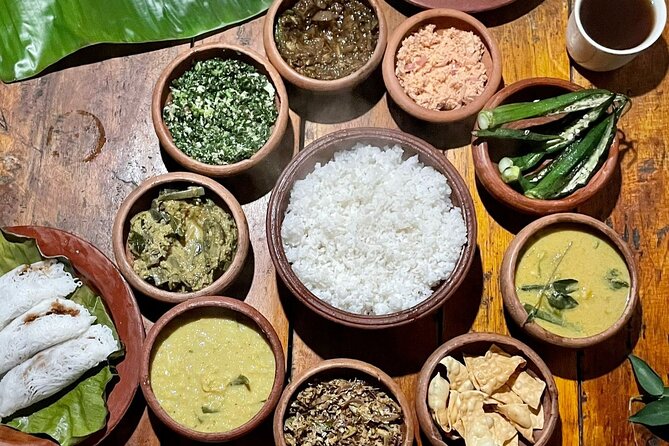
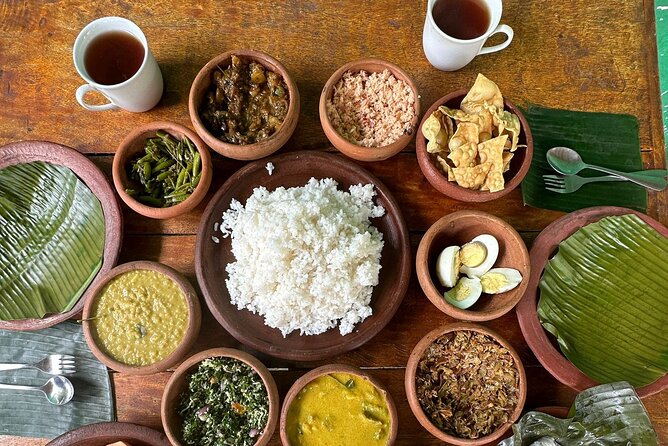
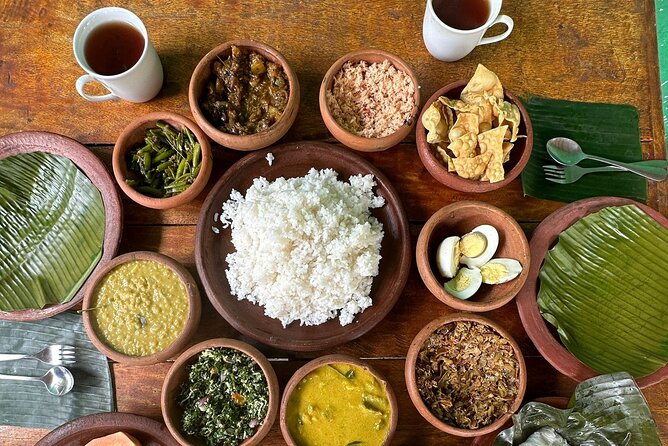
The exact menu can vary, but the dishes described for different sessions include dhal, aubergine curry, pumpkin curry, sambal, coconut roti, string hoppers, sweet potato curry, and dessert. Other sessions include as many as seven different curry dishes.
That variety is one of the strongest parts of the experience. A Sri Lankan meal is often built around several small portions, each with a different texture, spice level, or cooking method. Preparing multiple dishes helps you understand the meal as a whole rather than treating curry as one generic recipe.
Dhal offers a familiar starting point, while pumpkin and aubergine show how vegetables can take on very different flavors through spice, coconut, and slow cooking. Sambal adds a sharper accompaniment. String hoppers and coconut roti bring in the practical side of Sri Lankan food, where rice, flour, and coconut help balance a meal of strongly seasoned vegetables.
The dessert and tea are welcome touches. Herbal tea is included, and the meal is served after the cooking is finished. Some descriptions mention bottled water, but one useful warning is that you should carry your own bottle to stay hydrated. The cooking area and Sri Lankan heat can make water more important than the advertised tea.
If you eat meat, do not book this expecting a meat-focused class. The dishes highlighted here are largely vegetarian or vegan. That is a strength for plant-based eaters, but it is worth knowing in advance if you want to learn fish or chicken recipes.
Cooking over a traditional wood fire
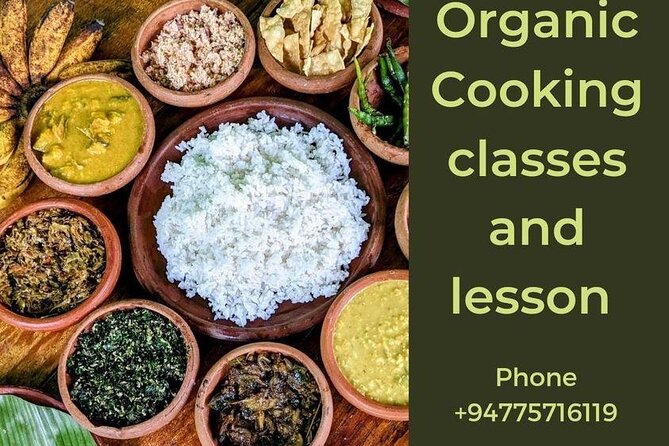
The cooking area is a traditional home kitchen rather than a modern studio. You may prepare dishes over several small wood fires, using simple equipment and family methods.
This setting adds real value because it shows how the food is actually made at home. You see the pace of cooking, the order in which dishes are handled, and the practical work involved in preparing a large meal with basic tools. The simplicity is part of the lesson.
It can also mean that the class is less predictable than a professional cooking school. Heat, smoke, shared workspaces, and several dishes cooking at once may feel busy. You should expect a participatory evening, not a perfectly controlled kitchen exercise.
The family helps keep things moving. Kumara is described as speaking good English, and the class includes explanations from him, his wife, and his sister. Their role is not only to demonstrate recipes but also to guide you through the work and answer questions about ingredients and cooking habits.
A small personal touch sometimes appears at the beginning, including a flower crown for participants. That detail is not the reason to book, but it reflects the warm, family-led tone of the evening.
Same place, a different thing to cook:
- Ella: Traditional Sri Lankan Cooking Class
★ 4.9 · 788 reviews - Sri Lanka Cooking Class with Granny
★ 5.0 · 587 reviews - Sea waves sri lankan cooking class
★ 5.0 · 467 reviews - Ella: Sri Lankan Cooking Class with Neranji at Homestay
★ 5.0 · 276 reviews
Sitting down to a Sri Lankan family meal
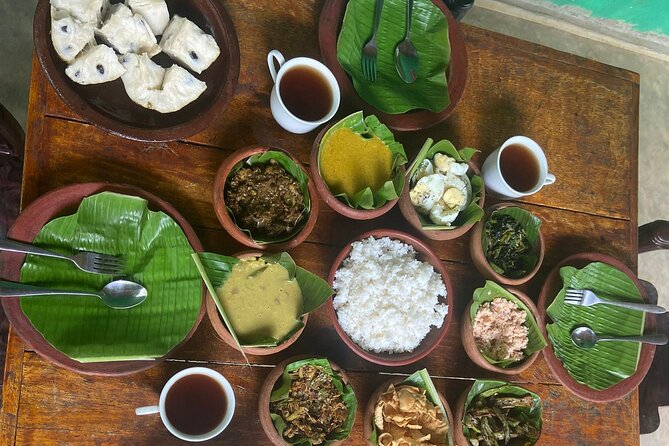
After the cooking, the family shows you how a traditional Sri Lankan table is arranged. This is more useful than it may sound. The meal is not just a final reward for doing the work. It shows how several curries, sambal, rice or string hoppers, and other accompaniments are served together.
You then eat the food you helped prepare. The shared meal is the point where the class makes sense: you can compare the dishes, see how the flavors balance, and ask why certain ingredients were used.
The atmosphere is informal and friendly. People who attend as couples may find themselves cooking with other participants, and that can add conversation and laughter to the evening. Although the experience is described as private, some sessions may involve a small group, so do not assume you will always have a one-to-one lesson.
For many people, this meal will be more memorable than another restaurant dinner. You are eating food connected to the family’s garden and home, prepared with their methods. That does not make it automatically better than every restaurant in Sigiriya, but it does give the meal a personal story that a restaurant usually cannot provide.
What the $28 price really gives you
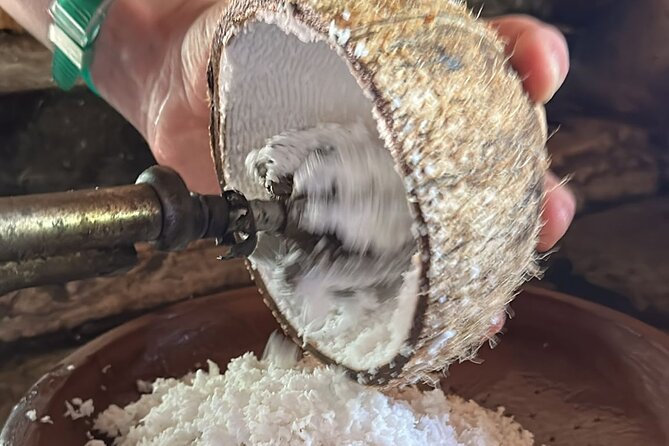
At $28, the class offers good value if you want more than a meal. The price covers roughly two and a half hours of instruction, the garden walk, ingredient explanations, hands-on cooking, the completed dinner, bottled water and herbal tea as described, and an introduction to traditional table arrangements.
The strongest value comes from the range of dishes. A standard restaurant meal might let you taste one curry, while this experience gives you a look at the ingredients and process behind several dishes. You also receive recipes after the class in some arrangements, which adds practical value once you return home.
The price is less compelling if you judge it only by the amount of food. You are paying for time with the family, access to the garden, cooking instruction, and a cultural exchange. If your priority is a quick, inexpensive dinner, eating at a local restaurant may be simpler.
The class also avoids some of the costs that can appear in more elaborate food tours. There is no mention of a market visit, a long transfer, or a large set of paid add-ons. The activity begins and ends at the family home, keeping the format focused.
Timing, meeting point, and transport
The meeting point is the family’s home at 284 Kahatagahayaya, Kalapuraya, Sigiriya 21120. The activity ends at the same place.
The stated duration is approximately two hours and thirty minutes. Allow closer to three hours if you want to enjoy the garden walk, cooking, meal, and conversation without rushing. Several cooking steps happen one after another, and a family class is not likely to run with the precision of a timed demonstration.
Transport arrangements deserve a little care. The supplied information lists the home as the start and end point, while one account describes a tuk-tuk being organized to and from a hotel. Do not assume hotel pickup is automatically included. Confirm the meeting plan with the provider before the day of the class.
The provider can be contacted through WhatsApp for booking and more information. You receive confirmation at booking, and the ticket is mobile, so you do not need to print anything.
Who will enjoy this most
I would choose this class if you want to connect food with daily life in Sigiriya. It suits couples, families, solo visitors who enjoy joining a group, and anyone who prefers a home visit to a formal tourist venue.
It is particularly well suited to:
- Plant-based eaters who want several vegetable curries
- People interested in herbs, spices, and home gardening
- Visitors who enjoy meeting local families
- Beginner cooks who want practical recipes
- Anyone looking for an evening activity after seeing Sigiriya’s major sights
- People who prefer a slower, social meal rather than a quick demonstration
You may want to skip it if you dislike shared cooking, wood smoke, informal facilities, or food that is mainly vegetarian. It is also not the right choice if you need a tightly timed activity, since the class can run longer than the stated two and a half hours.
A few practical tips for a better evening
Bring a water bottle. This is the clearest practical lesson from the available information, since bottled water may not always be supplied even though it is listed among the inclusions.
Wear clothes that are comfortable for cooking and walking through a garden. You may spend time near wood fires, handling spices, preparing vegetables, and moving between the garden and kitchen.
Tell the family about dietary needs when booking. The featured menu is mainly plant-based, but the provider should know about allergies or other restrictions in advance.
Keep your schedule flexible. The class is designed as a relaxed family experience, and the meal, questions, and conversation are part of what you are paying for.
If you want the recipes, ask how they will be sent before you leave. The experience is described as providing recipes afterward, but the exact method is not specified.
Cancellation is free up to 24 hours before the start time. Changes or cancellations inside that period are not accepted for a refund. Poor weather may lead to another date or a full refund, since the activity requires suitable weather.
Should you book the Sigiriya organic cooking class?
Yes, if you want a personal food experience rather than a standard cooking lesson. The garden, home kitchen, family instruction, several curry dishes, and shared meal give the evening a clear sense of place. Kumara, Thanuja, and their family add the human side that makes the class feel more like a visit than a staged attraction.
I would be especially keen to book if I were staying in Sigiriya for more than one night and wanted an activity beyond temples, ruins, and viewpoints. The $28 price is fair for the amount of food, instruction, and family time involved.
Just carry water, confirm transport, allow about three hours, and expect a simple home setting. If that sounds appealing, this is an easy choice. If you want a polished cooking studio or a meat-heavy menu, choose another class.
FAQ
Where does the cooking class take place?
It takes place at Organic Cooking Class Sigiriya, Kumara and Family, at 284 Kahatagahayaya, Kalapuraya, Sigiriya 21120, Sri Lanka.
How long does the experience last?
The advertised duration is approximately two hours and thirty minutes. Some sessions may take closer to three hours.
How much does the class cost?
The listed price is $28.
Is the cooking class private?
The experience is described as a private, half-day organic cooking workshop. Group arrangements can vary, so confirm the setup with the provider when booking.
What food will I learn to prepare?
Dishes can include several vegetable curries, dhal, aubergine, pumpkin, sweet potato curry, sambal, coconut roti, string hoppers, and dessert. The exact menu may vary.
Are the ingredients grown by the family?
The family cooks with vegetables, herbs, fruits, and spices from their own garden, and the experience includes a garden visit. The activity describes the produce as organic.
Is a meal included?
Yes. You prepare and eat a traditional Sri Lankan meal together, with herbal tea included. Bottled water is listed in the general inclusions, but bringing your own bottle is recommended.
Does the activity start and finish at the same place?
Yes. It starts at the family’s home in Kalapuraya and ends back at the meeting point.
What is the cancellation policy?
You can cancel up to 24 hours before the start time for a full refund. Cancellations or changes made less than 24 hours before the start time are not refunded or accepted. If poor weather causes the activity to be canceled, you are offered another date or a full refund.
Just added around Sri Lanka
- cooking lesson★ 5.0 · 7 reviews
- Hands-On Cooking Class in Anuradhapura-Cook Like a Local★ 5.0 · 2 reviews
- Sri Lankan Cookery with Nilu★ 5.0 · 34 reviews
- Sri Lanka: Cooking Class★ 4.4 · 6 reviews
- Cooking Experience from Ella★ 4.9 · 2 reviews
- Sri Lankan Cooking Class in Bentota★ 5.0 · 2 reviews
- Private cooking class – Personalized classic menu★ 5.0 · 5 reviews
- Nilaveli: Sri Lankan Cooking Class with a Local Family★ 5.0 · 16 reviews
Farm & Countryside Cooking Classes, compared.
Half-Day Thai Cooking Class at Organic Farm in Chiang Mai
Read our review →
Cooking Class and Lunch at a Tuscan Farmhouse with Local Market Tour from Florence
Read our review →
Authentic Cooking Class with Market & Farm Visit
Read our review →

Hands-On Cooking Class & Farmhouse Tour on the Amalfi Coast
Read our review →Lists this class appears in