REVIEW · COLOMBO, SRI LANKA
Vegan Cooking Class Colombo with Market Tour
Come hungry, leave with recipes. This five-hour private experience combines a Colombo market visit with hands-on Sri Lankan cooking at a quiet villa near Diyawanna Lake. I like the one-to-one format, which gives you time to handle the ingredients yourself, and I like the clay-pot cooking, an old Sri Lankan method that changes both the texture and flavor of a curry. The price is $80 per person, so it is not a cheap meal, but the market visit, private instruction, cooking lesson, and full meal make it reasonable for food-focused visitors.
I also like that you can shape the menu around your tastes and dietary needs. One point needs careful checking: the advertised menu includes Sri Lankan chicken curry alongside several vegetarian dishes, so tell the provider clearly that you want a fully vegan class before you arrive. Pickup information is also not perfectly consistent, so confirm the meeting and transport arrangements when booking.
Five things to know before booking
- The market visit comes first: You learn how to choose vegetables, spices, and other cooking ingredients before heading into the kitchen.
- The class is private: Only your group participates, with direct help from the chef and assistant.
- Clay pots are part of the lesson: You cook with traditional pottery rather than only using modern cookware.
- The menu is flexible: Rice, curries, leafy mallum, sambol, dessert, tea, fruit, and other items are available, but confirm the vegan choices in advance.
- The setting is outside central Colombo: The villa is about 9 kilometers from the city center, near Sri Lanka’s Parliament and Diyawanna Lake.
- Allow five hours: The listed operating period is 9:30 a.m. to 3:30 p.m., Monday through Sunday, with exact transfer time affected by traffic.
A market lesson before the cooking starts
The experience begins with a fresh fruit juice or herbal drink at the villa. You can check in, refresh yourself, and prepare for the market visit before the cooking begins.
The market is not simply a quick stop to buy ingredients. It gives you a practical lesson in Sri Lankan shopping. You see the vegetables, herbs, spices, and other ingredients in their everyday setting, then learn how to judge what is suitable for cooking. That matters because Sri Lankan food depends heavily on the quality and preparation of its basic ingredients.
I like this approach more than a class that lays every ingredient out in neat bowls before you arrive. The market helps explain why a dish tastes the way it does. It also gives you a closer look at daily life in Colombo, without requiring you to navigate the market alone or struggle with unfamiliar names.
The description compares the market with European eco shops, though you should expect a local shopping experience rather than a polished food hall. You may find the surroundings busy, informal, and less orderly than a supermarket. That is part of the point, but people who prefer a quiet, restaurant-style lesson may find the market portion tiring.
The market visit also helps with a common problem: buying the wrong ingredient at home. Once you know how local vegetables and spices look, you have a better chance of finding suitable substitutes after returning home.
More Cooking Classes with a Market Tour in Sri Lanka
- Market Tour and Hands-On Cooking Class Colombo
★ 5.0 · 140 reviews - Galle: Cooking Class at a Local Home and Market Tour
★ 5.0 · 47 reviews - Colombo Cooking Experiance with Explore Market
★ 4.7 · 33 reviews
Cooking at a villa near Diyawanna Lake
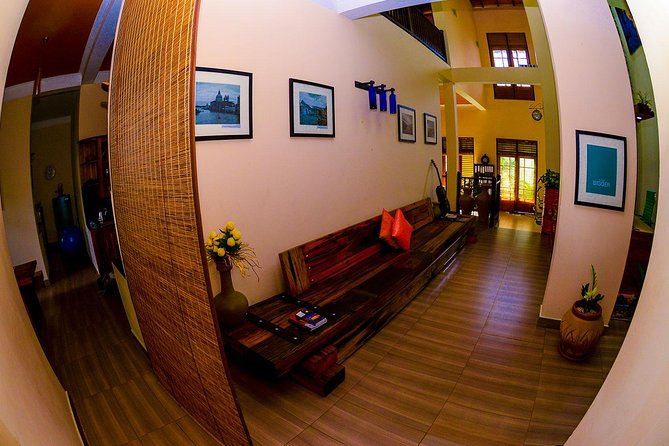
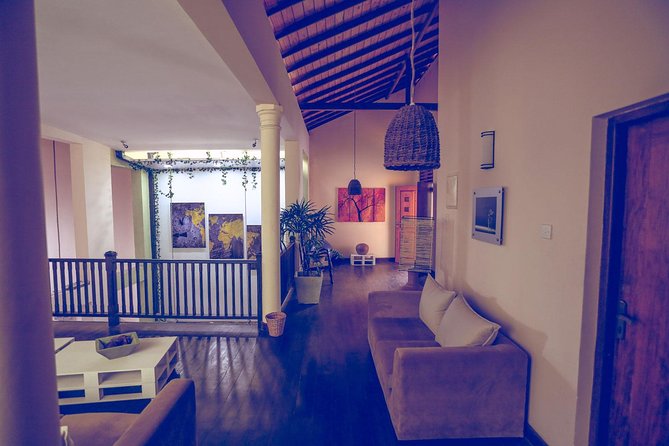
After the shopping visit, you return to a villa in the Sri Jayawardenepura Kotte area, around 9 kilometers from Colombo’s city center. The property is within walking distance of Sri Lanka’s Parliament, the Immigration Office, and Diyawanna Lake.
The setting is described as part of Colombo’s green belt, away from the city’s traffic and noise. You can expect a more relaxed atmosphere than you would find in a central Colombo kitchen. Birdsong and open surroundings are part of the appeal, especially after time on the roads.
This location has a practical side. It is near the expressway exit toward Colombo Airport, which may make the area useful if you are arranging airport travel. The property also offers free breakfast for overnight stays, although that is separate from the cooking class itself and should not be confused with the meal included during the class.
The location is less convenient if your hotel is in central Colombo and you assume transport is included. Pickup is listed as an available feature, while the included services also say hotel pickup and hotel drop-off are not included. I would confirm the exact arrangement before paying. The meeting point is given as Travel Footprint Sri Lanka Kollupitiya, with the activity ending back at the meeting point.
What you actually cook
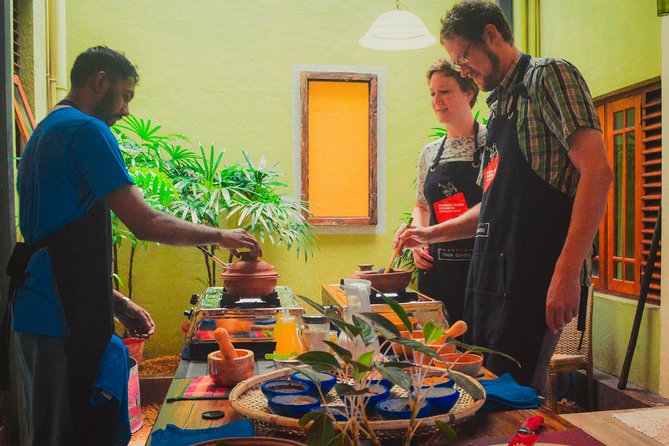
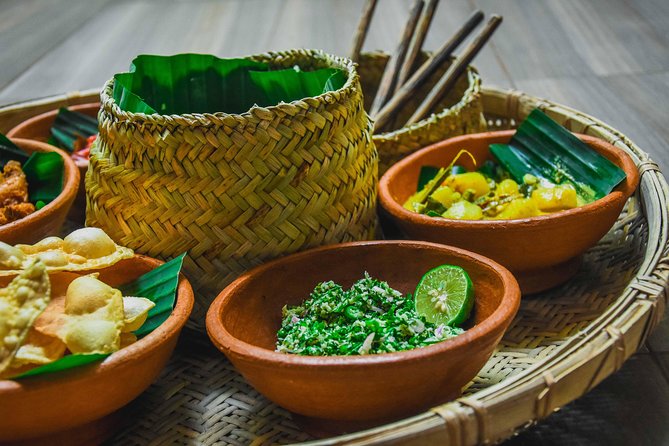
The menu covers a broad spread of Sri Lankan home cooking rather than a single showpiece dish. You choose one rice preparation, prepare several curries and side dishes, and finish with fruit, tea or coffee, and buffalo curd with honey.
The rice choices are:
- White rice
- Yellow rice
- Brown rice
The traditional curries and accompaniments listed include:
- Sri Lankan dhal curry
- Coconut sambol
- Potato curry
- Fried mushroom
- Sri Lankan chicken curry
For a fully vegan class, the first four options are the safer starting point, but you should request the exact menu in advance. The inclusion of chicken curry in the standard menu makes it especially important to state your preference clearly. Vegetarian options are available when requested, and the provider asks for dietary requirements at booking.
The leafy mallum choices are gotukola, mugunuanna, gova, kankun, and aguna kola. Mallum is a finely prepared leafy salad or side dish, usually built around chopped greens and seasoning. It gives the meal freshness and texture beside the softer rice and curries.
Papadum is listed as an enhancer, and the meal also includes mineral water. A local beer may be available for tasting, but alcoholic drinks are not included in the price. The class ends with tropical fruit and buffalo curd with honey, plus tea or coffee.
I like the number of dishes because you learn how a Sri Lankan meal works as a group. Rice is not treated as an afterthought. Curries, sambol, greens, papadum, and dessert each bring a different texture and level of spice. You leave with a better sense of how to assemble a meal, not just how to make one curry.
Why the clay pot matters
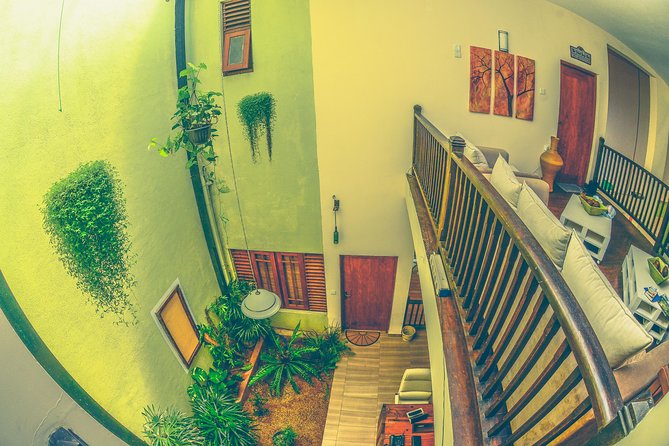
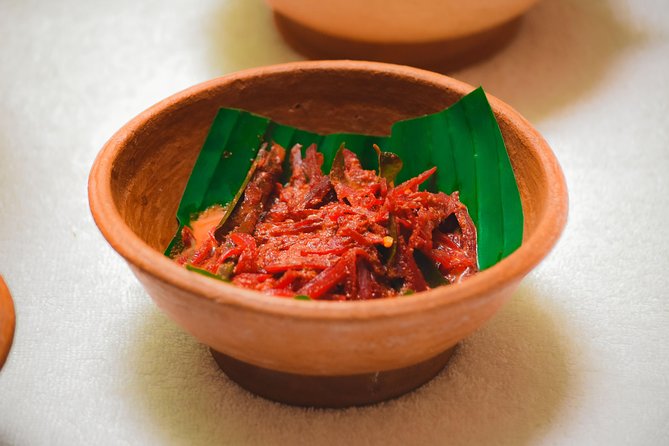
Clay-pot cooking is one of the most distinctive parts of this experience. Sri Lankan pottery has a long tradition, and the class uses clay pots to show how cookware affects the food.
The porous walls of a properly made and seasoned clay pot absorb water and help prevent food from drying during slow cooking. The result can be tender food with a fuller taste. The class also explains the traditional belief that food cooked in clay pots keeps longer because of its acidic moisture and antibacterial qualities.
You should treat this as a cooking lesson, not a promise that every dish will taste dramatically different from food prepared in metal cookware. Still, handling the pot gives you something useful to remember at home. It shows why some Sri Lankan curries are cooked slowly and why the cooking vessel is part of the method.
The clay pot also adds a hands-on element. You are not simply watching a chef prepare a meal. The goal is to take part in the work, from preparing ingredients to helping cook the dishes. The small private format makes it easier to ask questions and repeat a technique if you do not understand it the first time.
Same place, a different thing to cook:
- Ella: Traditional Sri Lankan Cooking Class
★ 4.9 · 788 reviews - Organic cooking class sigiriya (kumara & family)
★ 5.0 · 650 reviews - Sri Lanka Cooking Class with Granny
★ 5.0 · 587 reviews - Kandy Village Cooking Class
★ 5.0 · 536 reviews
A private class that keeps you involved
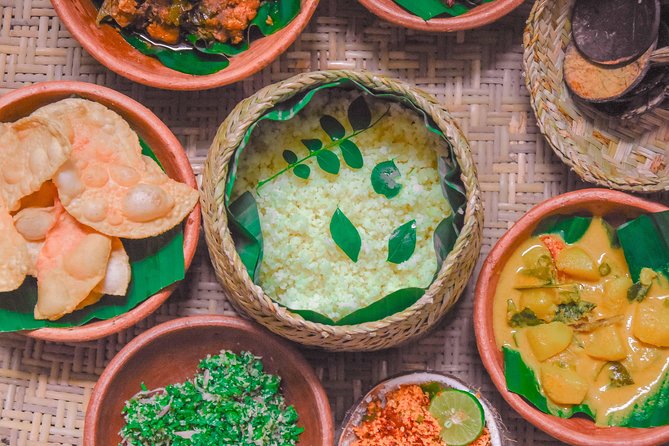
The private format is the strongest reason to choose this experience instead of a larger demonstration class. Your group receives direct instruction, and the chef and assistant can answer questions as you work.
That matters for beginners. Sri Lankan cooking uses spice combinations and preparation methods that are not always obvious from a recipe. The class explains the spice mixes, sauces, pastes, fillings, and other elements rather than assuming you already know how they fit together.
The instruction is also useful for people who cook at home. You can ask about substitutions, spice levels, and the order in which ingredients should be added. The class is designed to teach local techniques rather than hand you a pre-portioned meal and send you home.
The private setup may also suit families. One family account describes children later making one of the dishes at home, which suggests that the recipes can be practical beyond the day itself. Still, the provided information does not give a minimum age, so families should ask about age suitability before booking.
The pace and five-hour schedule
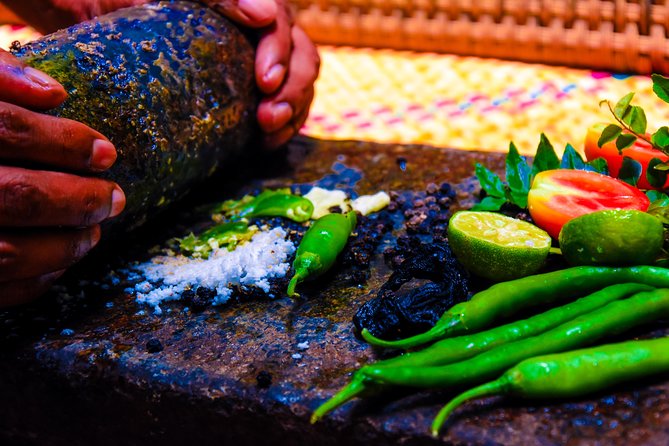
The experience lasts about five hours. That gives you enough time for the drink on arrival, the market visit, the return to the villa, preparation, cooking, and the meal.
The listed operating hours are 9:30 a.m. to 3:30 p.m., every day. The schedule appears best suited to a daytime food experience rather than an evening class, despite one description referring to a cooking evening. Confirm the start time at booking if your plans depend on a particular departure.
Traffic can affect transfer times. Colombo roads can take longer than the map suggests, so avoid scheduling a tight airport connection or another fixed appointment immediately afterward. Cruise passengers must provide their ship name, docking time, disembarkation time, and re-boarding time when booking.
The day is not built for rushing. If you want a quick market photo stop and a short cooking demonstration, this may feel too long. If you want to understand the food and make several dishes yourself, the five-hour length is useful.
Is $80 per person good value?
At $80 per person, this is a mid-range food activity rather than a budget meal. The value comes from the combination of a private class, market guidance, ingredients, drinks, professional instruction, and the meal you prepare.
A normal restaurant meal would cost less. A basic group cooking class could also cost less. But those options may not include one-to-one instruction, shopping for ingredients, or clay-pot cooking.
I would consider the price fair for a couple, family, or small group that wants a focused food experience. The value is weaker if you are mainly looking for lunch, dislike cooking, or already know Sri Lankan cuisine well. You are paying for access to local methods and personal help, not only for the food on the table.
The price includes taxes, local charges, bottled water, light refreshments, tea or coffee, and the guide. Alcohol is extra. Hotel pickup and drop-off are not included according to the service details, so add transport costs when comparing the total price with other classes.
The experience is booked about 30 days ahead on average. That is a useful sign for planning, especially if you have limited time in Colombo. I would reserve early, then confirm the vegan menu, transport, and meeting point.
Who will enjoy this most?
I would recommend the class to you if you enjoy learning by doing. It is especially suitable for people who want to take Sri Lankan recipes home, ask many questions, and understand how ingredients are selected.
It also fits:
- Vegans and vegetarians who confirm their menu in advance
- Couples looking for a private food activity
- Families celebrating a birthday
- Home cooks interested in spice blends and clay-pot methods
- Visitors who want a local market experience without handling the language barrier alone
- Cruise passengers who can provide a detailed ship schedule
You may want to skip it if you dislike markets, have limited mobility for several hours, need a guaranteed central-Colombo pickup, or want a strictly vegan menu without making a prior request. The class is hands-on, so it is not ideal if you prefer to sit and watch.
The dress code is smart casual. Wear something comfortable for a market visit and kitchen work, but follow the stated dress guidance rather than arriving in beachwear.
Booking details and cancellation
Confirmation is provided at the time of booking. Give the provider your dietary requirements, especially if you need a fully vegan meal or want to avoid specific ingredients.
Free cancellation is available if you cancel at least 24 hours before the start time. Changes or cancellations inside that period are not accepted for a refund. If bad weather causes the experience to be canceled, you are offered another date or a full refund.
Because the information includes both pickup availability and a no-pickup inclusion note, ask exactly where you will be collected, if transport is arranged, and where the day ends. The stated end point is back at the meeting point.
Should you book the Colombo vegan cooking class?
I would book this if food is one of your main reasons for visiting Sri Lanka. The market visit gives the cooking a useful context, the private format keeps you involved, and the clay pots make the lesson more distinctive than a standard curry demonstration.
Before booking, send three clear questions: Can the menu be fully vegan? Is pickup from my hotel available and at what cost? What is the exact meeting point and start time? If those answers suit your plans, the $80 price is fair for a five-hour private experience with a meal, instruction, and recipes you can continue using at home.
If you want a quick, inexpensive lunch, choose a restaurant instead. If you want to understand how Sri Lankan home cooking comes together, this is one of the stronger food-focused choices in Colombo.
FAQ
How long does the cooking class and market tour last?
The experience lasts approximately five hours.
Where does the experience start and end?
The listed start point is Travel Footprint Sri Lanka Kollupitiya in the Colombo area. The activity ends back at the meeting point.
Is the cooking class private?
Yes. Only your group participates in the private activity.
Can I request a vegan or vegetarian menu?
Yes. Vegetarian options are available, and you should provide dietary requirements at the time of booking. Because chicken curry appears on the listed menu, request a fully vegan menu clearly in advance.
What are the operating hours?
The experience is listed from 9:30 a.m. to 3:30 p.m., Monday through Sunday, for the stated operating period.
Are hotel pickup and drop-off included?
The service details state that hotel pickup and hotel drop-off are not included, while pickup is also shown as an available feature. Confirm the exact transport arrangement with the provider before booking.
What happens if I need to cancel?
You can receive a full refund if you cancel at least 24 hours before the experience start time. Cancellations or changes made less than 24 hours before the start time are not accepted for a refund.
More Food Trips in Sri Lanka
- Small Group Cooking Class & Market Food Tour in Florence
★ 5.0 · 1,574 reviews - Athens: Food Market Visit and Cooking Class with Wine
★ 4.9 · 1,087 reviews - Undiscovered Charleston: Half Day Food, Wine & History Tour with Cooking Class
★ 5.0 · 948 reviews - Vietnamese Food Cooking Class in Hanoi with Market Experience
★ 5.0 · 778 reviews
More Vegetarian Cooking Classes in Sri Lanka
- Private Cooking Class – Personalized menu with glutenfree & vegan
★ 5.0 · 99 reviews - Oaxacan Vegetarian Cooking Class
★ 5.0 · 235 reviews - Marrakech: Moroccan Cooking Class for vegetarians and vegan
★ 4.9 · 156 reviews - Hoi An: Vegetarian Cooking Class w Local Family and transfer
★ 4.9 · 145 reviews
Just added around Sri Lanka
- cooking lesson★ 5.0 · 7 reviews
- Hands-On Cooking Class in Anuradhapura-Cook Like a Local★ 5.0 · 2 reviews
- Sri Lankan Cookery with Nilu★ 5.0 · 34 reviews
- Sri Lanka: Cooking Class★ 4.4 · 6 reviews
- Cooking Experience from Ella★ 4.9 · 2 reviews
- Sri Lankan Cooking Class in Bentota★ 5.0 · 2 reviews
- Private cooking class – Personalized classic menu★ 5.0 · 5 reviews
- Nilaveli: Sri Lankan Cooking Class with a Local Family★ 5.0 · 16 reviews
Cooking Classes with a Market Tour, compared.
Hanoi Cooking Class: Culture, Local Market & Meaning CSR Impact
Read our review →
5 Traditional Dishes Hanoi Cooking Class with Market Trip
Read our review →
Cooking Class and Lunch at a Tuscan Farmhouse with Local Market Tour from Florence
Read our review →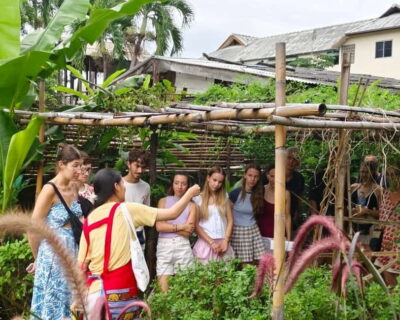
Cooking Class, Market & Thai Herbs Garden Tour
Read our review →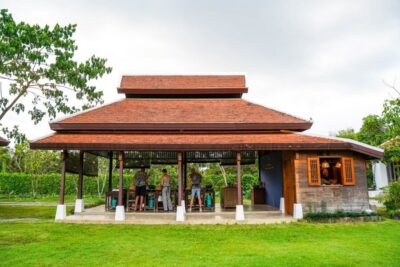
Authentic Cooking Class with Market & Farm Visit
Read our review →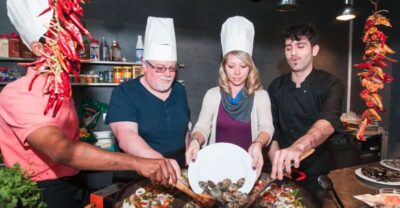
Paella Cooking Experience & Boqueria Market Tour
Read our review →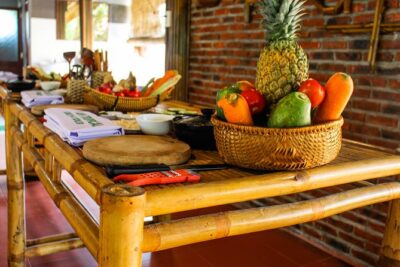
Cooking Class Hoi An:Local Market, Basket Boat, Fishing & Cooking
Read our review →