REVIEW · KANTO REGION, JAPAN
Tokyo: Sushi Cooking Class with Sake Tasting
Tokyo’s best souvenirs may fit in your recipe book. This four-hour class combines a local supermarket visit, hands-on Japanese cooking, and a four-sake tasting in a small group. I especially like the practical shopping lesson and the chance to make a full lunch, not just one showpiece dish. The main drawback is that the meeting point can be easy to miss, and some parts are not suitable for wheelchairs or strollers.
The class takes place near Asakusa and Kappabashi, two useful areas for food lovers. Guides such as Tiger, Suzy, Takahito, Mahori, Mihori, Fuji, and Sho have earned praise for clear instruction, patience, and good humor. Families are welcome, with a kids playroom available, though anyone with serious food allergies should note that allergy-free preparation cannot be guaranteed.
At a Glance: What Makes This Class Worth Your Time
- A supermarket lesson before the cooking starts: Learn how locals choose fish, vegetables, seasonings, and other ingredients.
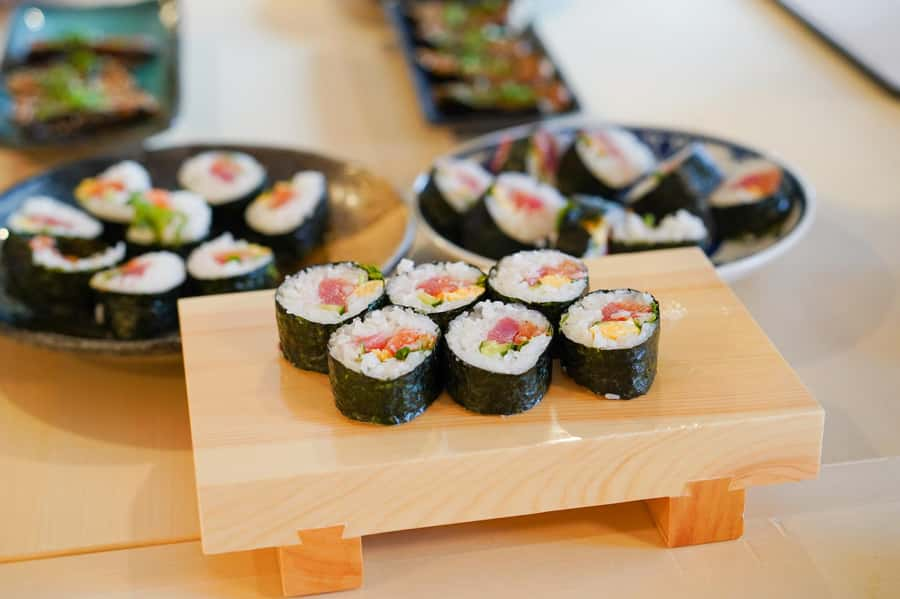
- More than sushi: Prepare sushi rolls, miso soup, eggplant dengaku, small dishes, and dashimaki tamago, a rolled Japanese omelet.
- Four kinds of sake with lunch: Taste sake alongside sushi and traditional home-style dishes.
- A small group of seven or fewer: The format gives you more time to ask questions and receive help with knife work and recipes.
- A practical souvenir: Take home recipes so you can repeat the meal after returning home.
- A useful base for exploring Tokyo: The class ends where it begins, close to Asakusa and Kappabashi shops and sights.
A Supermarket Lesson in Tokyo Food
The morning begins in front of the FamilyMart beside the Gindako takoyaki shop and Doutor Coffee at Iriya Station Exit 2. This detail matters. Iriya Station has two FamilyMart stores, so use the Gindako and Doutor landmarks rather than simply searching for FamilyMart.
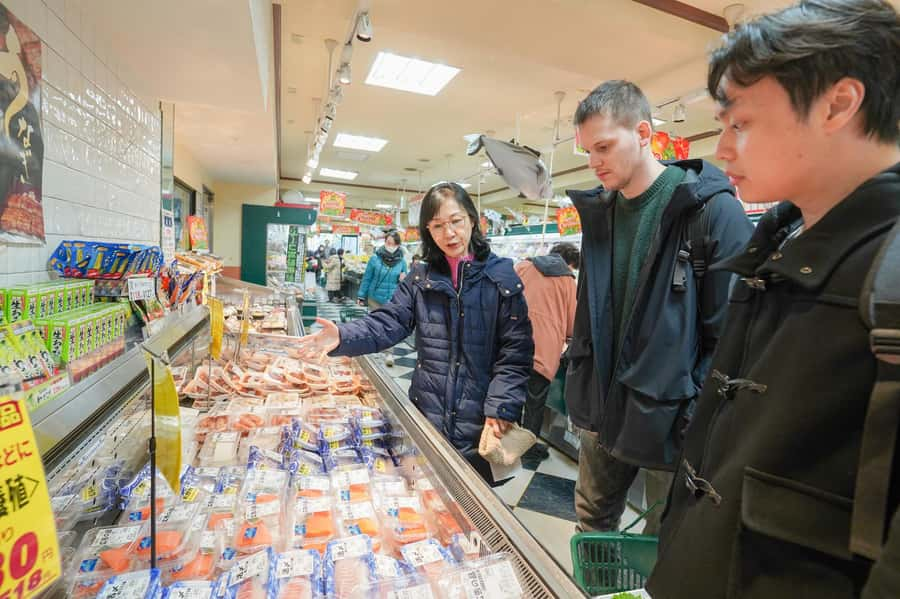
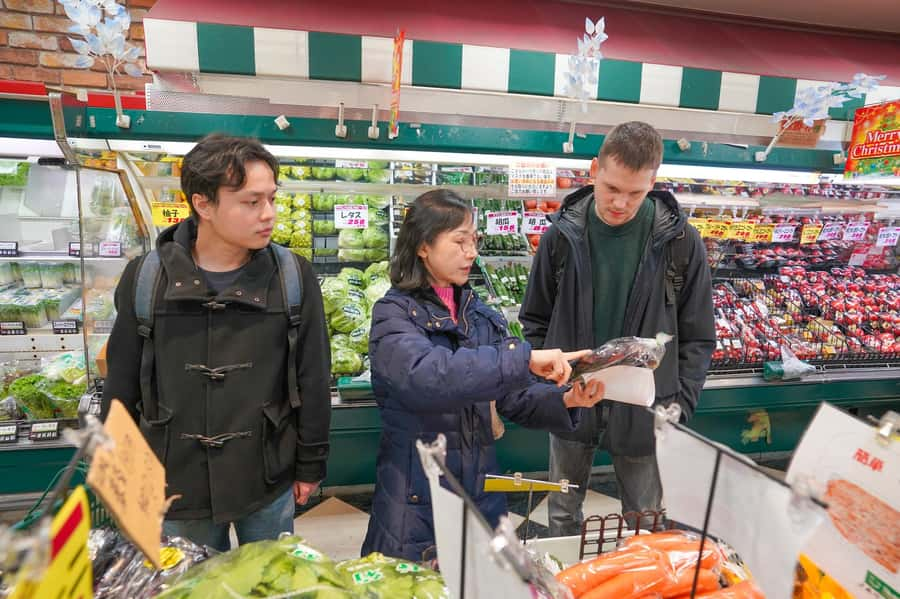
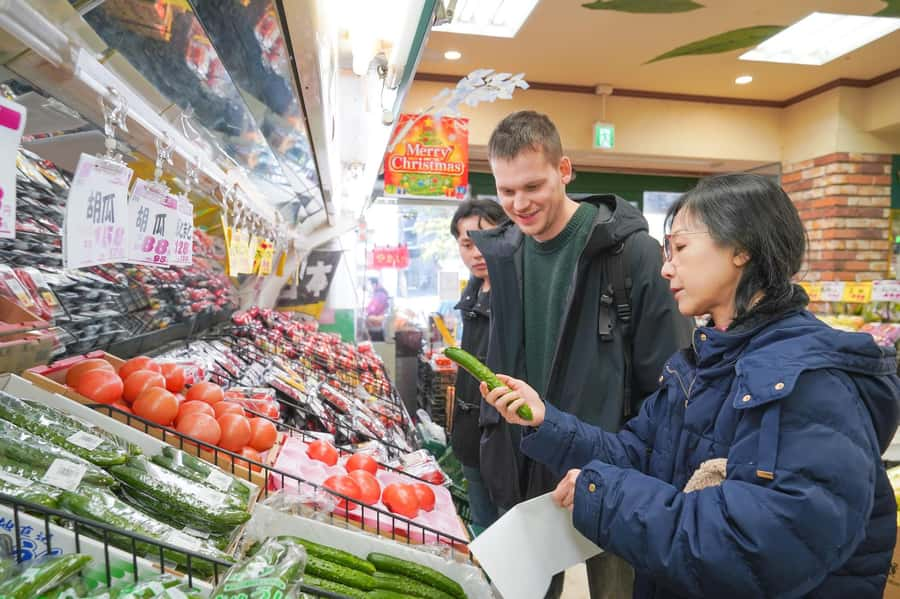
From there, your guide takes you through a local supermarket to gather ingredients. This is not just a quick shopping stop. Japanese supermarkets show you how much everyday cooking depends on careful selection, seasonal produce, seafood, prepared foods, and specialized seasonings.
You learn what to look for when choosing fresh ingredients. That lesson has lasting value because Japanese recipes can seem simple on paper, yet the quality and balance of the ingredients matter. A local guide can also explain products and labels that may be hard to understand on your own.
I like this opening because it puts the class in an ordinary Tokyo setting before moving to the professional kitchen. You are not only copying a recipe. You are seeing where a home cook buys food and how the meal begins.
The supermarket portion may be less exciting for children than the cooking itself, but it gives the experience a useful local angle. If you are interested in Japanese food beyond restaurant meals, this is one of the strongest parts of the class.
More Sushi and Japanese Classes in Tokyo:
- Ramen & Gyoza Cooking Class in Tokyo with Local Supermarket Visit
★ 5.0 · 823 reviews - Tokyo Tsukiji Fish Market Tour and Sushi Making Lesson
★ 5.0 · 390 reviews - Tokyo: Easy Ramen Cooking Experience in Kabukicho, Shinjuku
★ 4.6 · 321 reviews
From Knife Basics to Sushi Rice
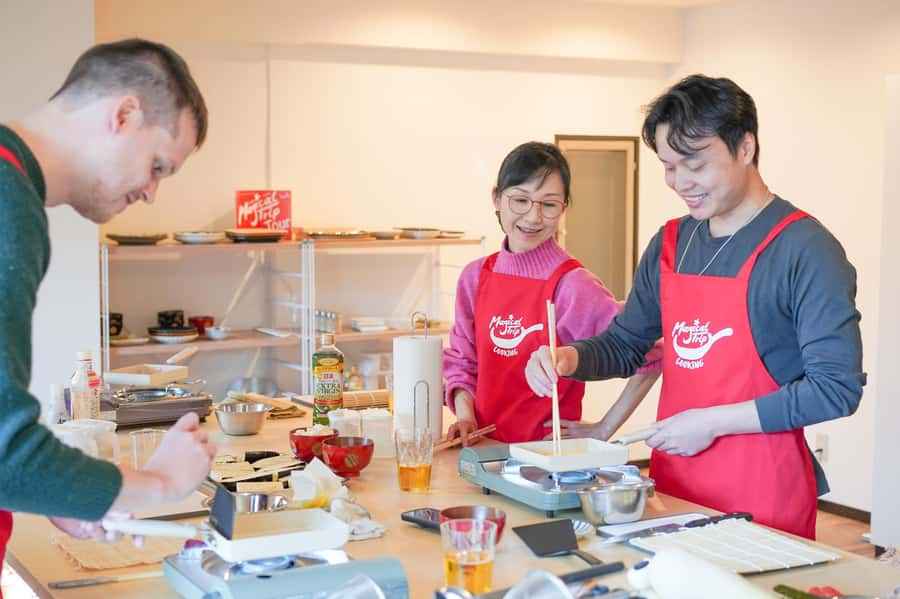
After shopping, you move to a professional kitchen studio for the main cooking session. The instruction starts at the beginning, including how to hold a Japanese kitchen knife properly. That makes the class suitable for beginners, not only confident home cooks.
You work through several basic techniques. These include preparing dashi for miso soup and seasoning sushi rice with vinegar. Those foundations explain why familiar Japanese dishes taste the way they do, and they are more useful than simply watching an instructor assemble finished food.
The limited group size helps here. With no more than seven participants, you should have a better chance to ask for help, watch a technique close up, and take part rather than wait behind a large crowd. The teaching style also appears flexible. Mahori was praised for including a young child without rushing, while Takahito received praise for patience and careful guidance.
The class is hands-on, but you should still expect a shared group activity rather than private instruction. Other participants may join, and the pace needs to work for the whole group. That is a fair trade for the social feel and lower price compared with a private cooking lesson.
Making Sushi, Miso Soup, and Japanese Side Dishes
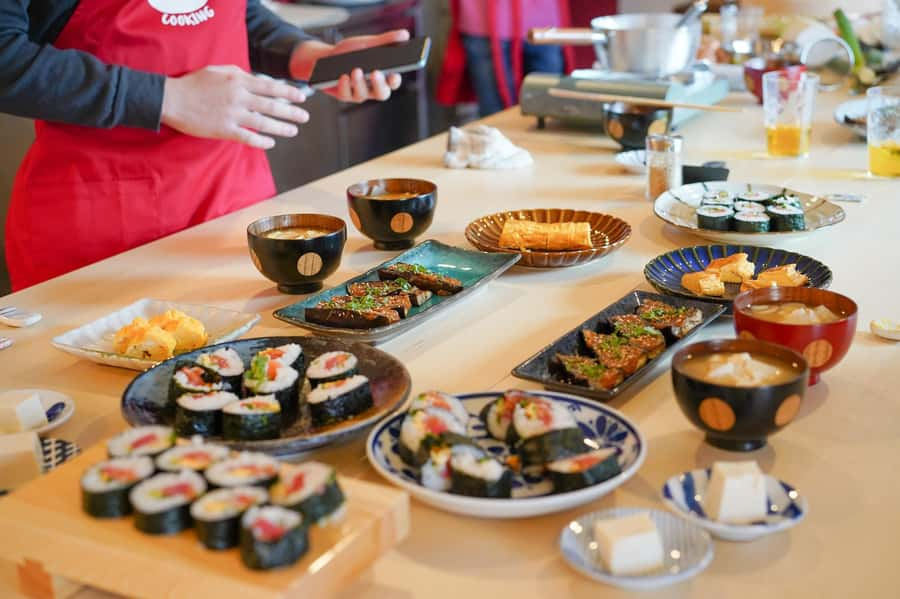
Sushi is the obvious star, but the menu gives you a broader view of Japanese home cooking. You prepare sushi rolls, then work on dishes that add different textures and flavors to the meal.
Miso soup introduces dashi, the savory stock used as a base. Learning this step is especially useful because miso soup can be quick to prepare once the stock is understood. You also make sushi rice, where the vinegar seasoning needs a careful balance.
Eggplant dengaku brings a different style to the table. This traditional dish uses eggplant with a miso-based topping. It shows how Japanese cooking can turn a simple vegetable into a substantial side dish through seasoning and preparation rather than heavy cooking.
Dashimaki tamago is another highlight. This rolled egg dish requires technique, so it gives you a chance to practice controlled cooking and rolling. It is also the sort of dish many people might admire in Japan but never attempt at home without guidance.
The menu makes the class feel like a proper lunch instead of a single snack lesson. You leave with several recipes and a better sense of how soup, rice, vegetables, eggs, and sushi fit together in a Japanese meal.
Four Sakes Paired With the Food
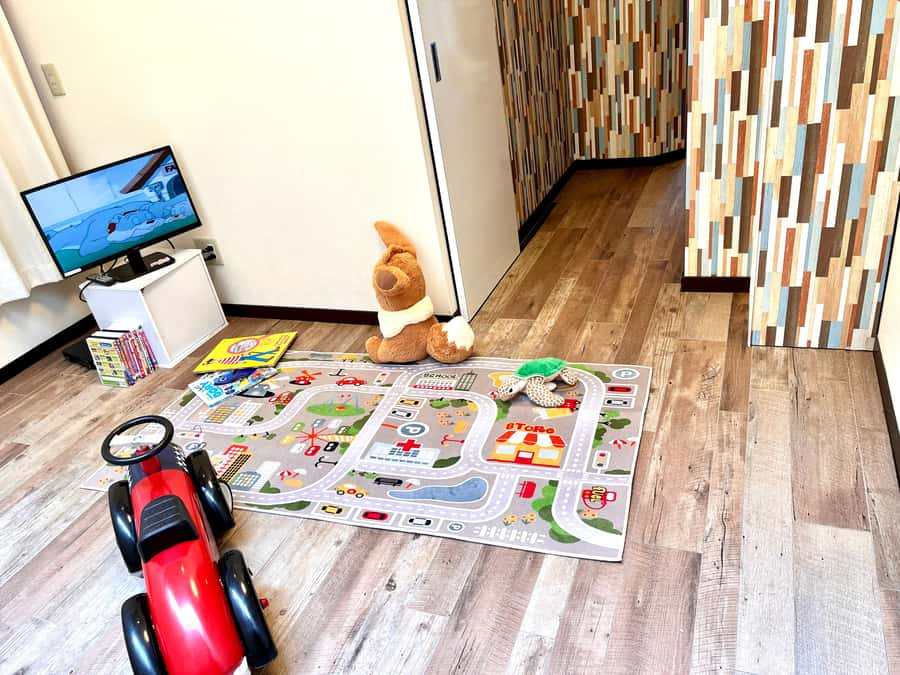
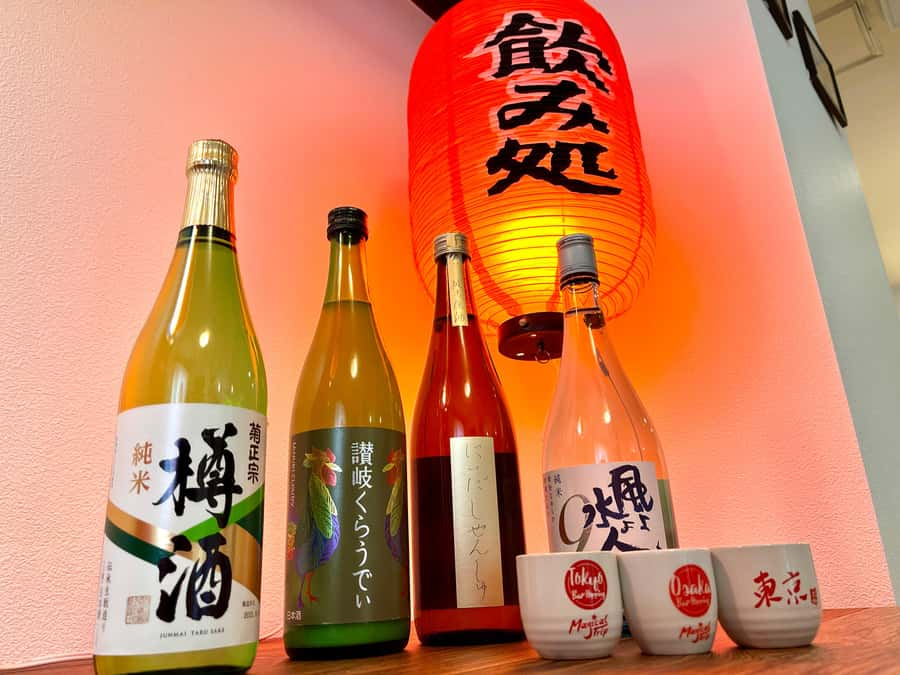
Sake tasting is included, with four varieties available to sample. The point is not simply to drink four beverages in a row. You taste them with sushi and traditional Japanese dishes, which helps you notice how sake works with food.
For someone new to sake, this pairing format is more useful than ordering a random bottle at a restaurant. You can compare the four options and decide which style you prefer while eating the food you helped prepare.
The experience includes tea as well as the sake tasting. All ages can join the class, but the sake portion is an adult activity. The supplied information does not set out a separate alcohol policy for children, so families should confirm any questions about participation in the tasting before booking.
The tasting also gives the lunch a cultural layer. You learn that Japanese food is not only about sushi, and sake is not only something served at a formal dinner. It can be part of a relaxed meal with several small dishes.
More Drinks Tours in Tokyo:
- Ramen and Sushi Cooking Class with Sake Pairing Set in Tokyo
★ 5.0 · 291 reviews - Tokyo: Sushi and Ramen Cooking Class with Sake Pairing Set
★ 5.0 · 81 reviews - Kyoto: Afternoon Japanese Izakaya Cooking Class
★ 4.9 · 241 reviews - Izakaya Style Cooking Class
★ 5.0 · 219 reviews
Lunch You Made Yourself
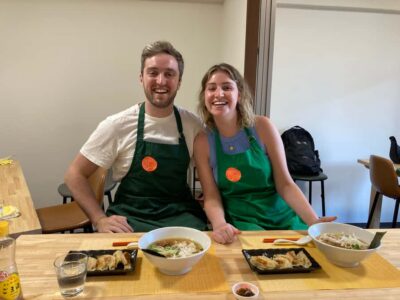
Once the cooking is complete, you sit down to eat the results. The lunch includes the dishes prepared during the class, with sake pairings and tea.
This is where the format pays off. You have handled the ingredients, practiced the techniques, and watched the dishes come together. The food feels connected to the lesson rather than simply served to you.
Several instructors received praise for keeping the mood friendly while explaining each step carefully. Suzy was singled out for helping participants get the most from the experience, while Mihori was praised for making the market visit and cooking session both clear and enjoyable.
The class also includes photos taken during the tour. That gives you a record of the cooking session without requiring you to keep reaching for your phone while handling ingredients.
You receive recipes after the experience. I consider this a major part of the value. A cooking class can fade into a pleasant memory, but recipes give you a chance to repeat the meal and test what you learned in your own kitchen.
Why the Small Group Size Matters
A maximum of seven participants is a useful middle ground. A private class would offer more personal attention, but a larger group could make knife instruction and food preparation feel crowded.
Here, you should have room to participate in the work and ask questions. The instructor can also adjust explanations for beginners and children. Fuji was praised for patient teaching with two boys, and Mahori was noted for making the session enjoyable for both adults and a young son.
The class is conducted in English. English instruction is particularly important during the supermarket visit, where ingredient choices and cooking terms can be harder to understand than simple recipe steps.
The group format also creates a social lunch. If you prefer a quiet private lesson, this may not be your ideal choice. If you like meeting other people while learning a useful skill, the shared kitchen is a good fit.
A Family-Friendly Option With a Few Limits
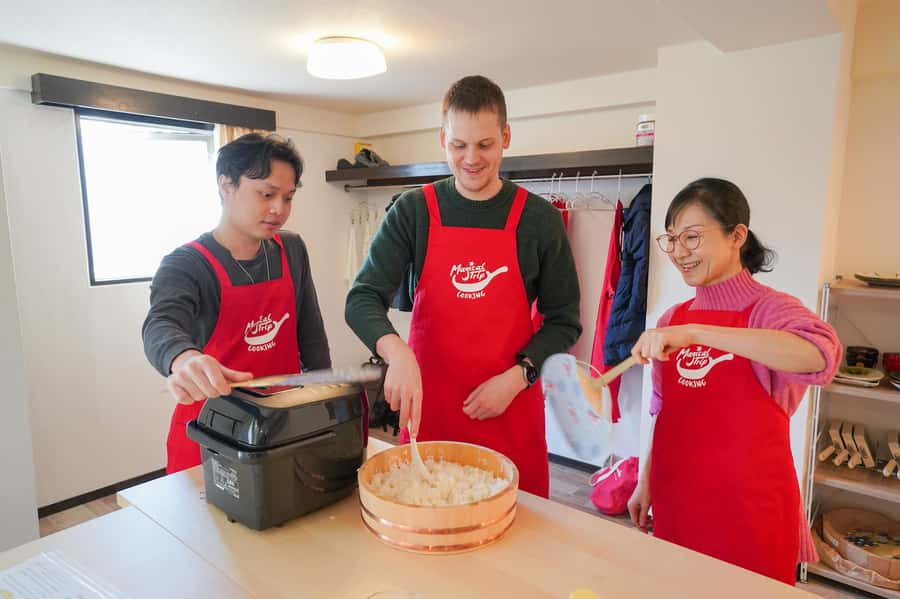
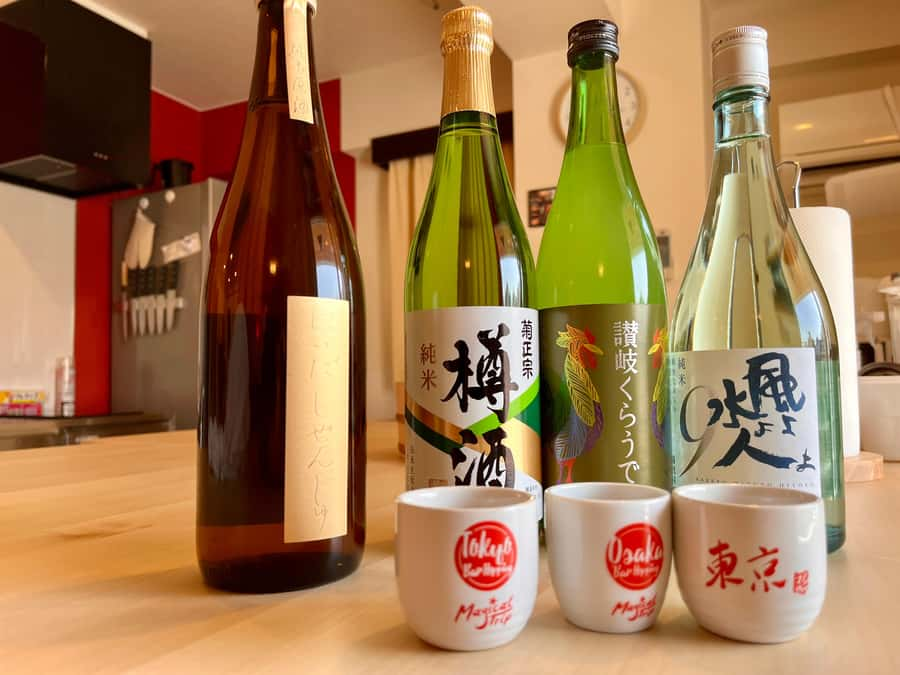
All ages can join, and a kids playroom is available for little ones. The cooking itself can suit families because children can take part in the food preparation under guidance.
The experience is not entirely effortless for families, however. You need to arrive on time, and anyone who misses the group cannot join later, receive a refund, or reschedule. That makes an early arrival at Iriya Station a sensible plan.
Vegan and vegetarian participants are welcome, and ingredients and cooking steps can be arranged for those diets. Serious allergies require more caution. The kitchen does not belong to MagicalTrip, and allergy-free preparation cannot be promised. Substitutions may not be possible at every stop, although the team will try to make adjustments elsewhere.
Some locations are not accessible by wheelchair or stroller. If that affects your booking, ask for confirmation before paying.
Location, Timing, and What to Bring
The activity lasts four hours and finishes back at the starting point. The kitchen studio is near the Asakusa and Kappabashi shopping district, so you can continue with sightseeing or shopping after the class.
Kappabashi is especially useful if you want Japanese knives, cooking tools, tableware, or restaurant supplies. Asakusa gives you a well-known Tokyo area to explore after lunch. The class does not include a separate sightseeing tour, but its location makes it easy to add one afterward.
The meeting point is at Iriya Station Exit 2, in front of the FamilyMart next to Gindako and Doutor Coffee. Confirm the exact spot before leaving your hotel, since there are two FamilyMart stores at Iriya Station.
Tokyo summers are hot and humid. Bring water and wear a hat, especially for the supermarket walk and the trip between the station and kitchen. The class starts on time, and lateness is a serious issue because the group moves together.
Cancellation is flexible up to 24 hours before the activity for a full refund. You can also reserve and pay later, which helps if your Tokyo schedule is still changing.
Is $112 a Fair Price?
At $112 per person, this is not a cheap lunch. But the price covers four hours with an English-speaking local guide, supermarket shopping, ingredients, instruction, the meal, four sake tastings, tea, photos, and recipes.
The value comes from the amount of participation. You are paying for instruction and a complete food experience, not just a restaurant meal. The market visit adds local context, and the recipes give the class use beyond your time in Tokyo.
The price makes the most sense if you enjoy cooking or want to understand Japanese food at a practical level. If you only want to eat sushi, you can spend less at a restaurant. If you want to learn several dishes and understand the ingredients behind them, the cost is easier to justify.
The small group also supports the price. More personal help with knife handling, sushi rice, and rolled egg preparation can make the difference between a lesson you remember and one you merely watch.
Who Should Book This Cooking Class?
I would recommend it to first-time visitors who want a break from standard sightseeing, home cooks looking for recipes they can repeat, and families seeking an activity that works for both adults and children.
It suits beginners particularly well. You do not need to arrive with cooking experience, and the class starts with basic knife handling. It also works for people who already enjoy cooking because the supermarket selection, dashi, sushi rice, and dashimaki tamago offer details beyond a basic sushi demonstration.
Vegetarians and vegans can request arrangements. People with significant food allergies should book only after confirming that the kitchen can meet their needs.
This is less suitable if you dislike group activities, need full wheelchair or stroller access, or want a private chef-led lesson. It is also a poor choice for anyone likely to arrive late at Iriya Station.
Should You Book It?
Book this class if you want to understand Japanese food by preparing it yourself. The strongest features are the supermarket visit, patient English instruction, broad menu, small group size, and four-sake pairing.
The class delivers good value when you count the lunch, ingredients, recipes, photos, and hands-on teaching. Just plan your route to the correct FamilyMart, allow extra time for arrival, and raise any dietary or mobility concerns before booking.
For a practical Tokyo food experience that continues after you return home, this is a strong choice.
FAQ
How long does the Tokyo sushi cooking class last?
The activity lasts four hours, including the supermarket visit, cooking session, lunch, and sake tasting.
Where does the class meet?
The meeting point is in front of the FamilyMart next to the Gindako takoyaki shop and Doutor Coffee at Iriya Station Exit 2. There are two FamilyMart stores at Iriya Station, so use those nearby shops as landmarks.
What dishes will I learn to prepare?
The class covers sushi rolls, sushi rice, miso soup, eggplant dengaku, dashimaki tamago, and other small Japanese dishes.
Is sake tasting included?
Yes. The experience includes a tasting of four kinds of sake, paired with sushi and traditional Japanese cuisine.
Can children and vegetarians join?
All ages can join, and a kids playroom is available. Vegan and vegetarian participants are welcome, with ingredients and cooking steps arranged for those diets.
What happens if I need to cancel?
You can cancel up to 24 hours before the activity for a full refund. The experience also offers reserve now and pay later booking.
More Sake Tastings in Tokyo
- Osaka Sake Tasting with Takoyaki Cooking
★ 5.0 · 156 reviews - Osaka: Cooking Class & Sake Tasting with Local Market Visit
★ 4.8 · 31 reviews
More Food and Drink Trips in Tokyo
- Small Group Cooking Class & Market Food Tour in Florence
★ 5.0 · 1,574 reviews - Pasta Making & Wine Tasting with Dinner in Frascati from Rome
★ 5.0 · 1,326 reviews - Paella Cooking Class, Wine Tasting & Central Market in Valencia
★ 5.0 · 1,150 reviews - Athens: Food Market Visit and Cooking Class with Wine
★ 4.9 · 1,087 reviews
Just added around Tokyo
- Tokyo: Sushi roll and side dish cooking experience★ 5.0 · 2 reviews
- Tokyo: Sushi Making Experience & Japanese Cooking Class★ 5.0 · 2 reviews
- Tokyo: Gyoza Making from Scratch – Ultimate Cooking Class★ 5.0 · 2 reviews
- Tokyo: Night Cooking Class: 5 Home-Cooked Japanese Dishes★ 4.9 · 13 reviews
- Tokyo: Real Ramen & Dumpling Cooking with Master Chef★ 5.0 · 10 reviews
- Tokyo: Kawaii Bento Cooking Class – Cute Character Lunchbox★ 4.9 · 55 reviews
- Tokyo: Sushi and Ramen Cooking Class with Sake Pairing Set★ 5.0 · 81 reviews
- Tokyo: Japanese Home-style Cooking Class with Meal★ 4.5 · 3 reviews
Japanese & Sushi Cooking Classes, compared.
Ramen Cooking Class at Ramen Factory in Kyoto
Read our review →
Ramen & Gyoza Cooking Class in Tokyo with Local Supermarket Visit
Read our review →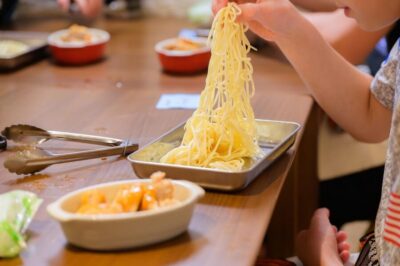
Ramen Cooking Class at a Ramen Factory with Souvenir
Read our review →
Sushi Making Osaka! Popular Sushi Class in Japan!
Read our review →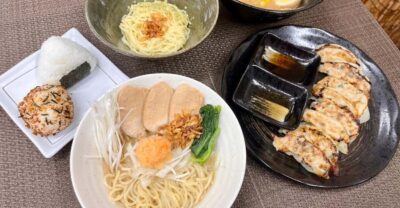
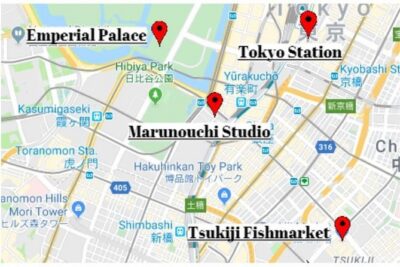
Tokyo Tsukiji Fish Market Tour and Sushi Making Lesson
Read our review →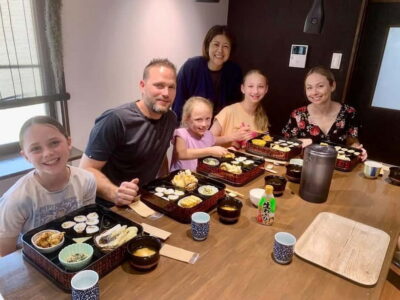
Japanese Washoku Bento Small Group Cooking Class
Read our review →