
REVIEW · HONSHU, JAPAN
Kyoto: Afternoon Japanese Izakaya Cooking Class
Japanese food is easier than it looks. This three-hour Kyoto class turns familiar izakaya dishes into a hands-on lesson you can repeat at home. I like the friendly English-speaking instructors and the fact that you do not simply watch a chef work. You cook, eat, return to the kitchen, and cook again. I also like the useful recipe set, which gives the class value after your trip. The main consideration is pace: several dishes are taught in one afternoon, so you need to stay involved.
At $67 per person, this is a fair buy for a meal, a cooking lesson, ingredients, equipment, and cultural context in one package. It suits curious eaters, families, couples, and complete beginners. If you want a quiet demonstration or a narrow focus on sushi, this is not the right match. The class is social, practical, and centered on home-style izakaya food.
Key things to know before you book
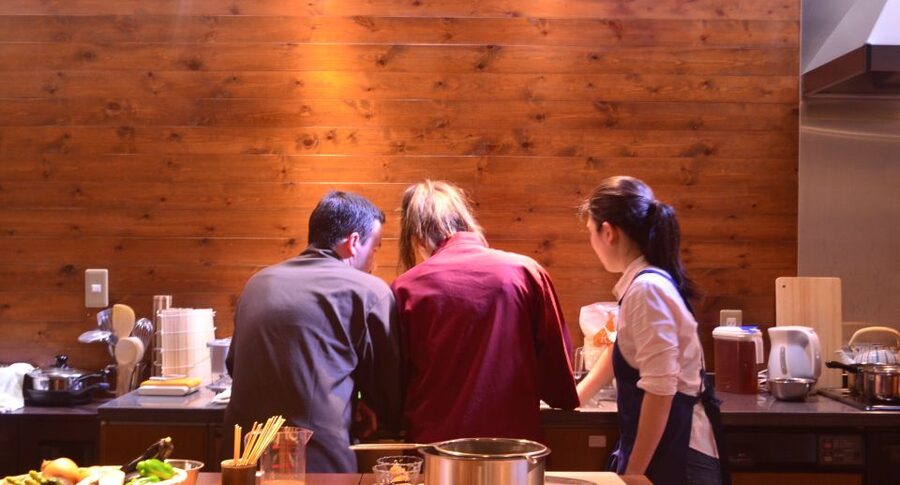
- Two cooking rounds: You prepare two or three dishes, eat them with the group, then return to the kitchen for two or three more.
- More than sushi: The menu focuses on Japanese home dishes and izakaya cooking, with past sessions including savory dishes, dessert, dashi broth, and okonomiyaki.
- Recipes you can use: Printed recipes and clear steps make it possible to try the dishes again at home.
- Friendly English instruction: Cooking Sun teaches in English, with instructors praised for patient explanations and a warm approach.
- A social afternoon: You cook and eat while talking with the chef and other participants, much like the counter setting of an izakaya.
- Convenient Kyoto base: The meeting point is Cooking Sun at Funayacho, in Kyoto’s Shimogyo Ward.
What this Kyoto cooking class is really about
An izakaya is a casual Japanese place where people order small dishes, drinks, and snacks to share. The setting is often informal, with food prepared close to the counter and conversation part of the meal. This class borrows that spirit. You are not just learning isolated recipes. You are learning how several simple dishes can form a relaxed Japanese meal.
The experience lasts three hours in the afternoon. The class is taught in English, and the price includes the lesson, ingredients, apron, utensils, and two rounds of food. You eat what you prepare, rather than receiving a separate restaurant meal at the end.
I find that format particularly useful. A cooking lesson can feel expensive if it produces only one small plate. Here, the food is spread across several recipes, and the cooking is broken into manageable sections. Past menus have included as many as six dishes, including dessert, though the precise menu can vary.
The class takes place at Cooking Sun, at Funayacho, Shimogyo Ward, Kyoto 600-8466. Check the available start time when booking, since the supplied details do not give one fixed afternoon departure.
More Sushi and Japanese Classes in Kyoto:
- Ramen Cooking Class at Ramen Factory in Kyoto
★ 5.0 · 1,937 reviews - Kyoto: Ramen Cooking Class at a Ramen Factory with Souvenir
★ 4.9 · 532 reviews - Kyoto: Ramen, Gyoza, and Onigiri Cooking Class
★ 5.0 · 445 reviews
Starting with Japanese basics, not fancy tricks
The opening part of the class focuses on cooking together with the chef. You can expect to prepare two or three dishes before sitting down to eat them. This first meal gives you a chance to taste the results while the techniques are still fresh.
The strongest feature here is accessibility. The dishes are presented in clear steps, and the instructors work through the tasks rather than assuming you already know Japanese cooking. That matters if terms such as dashi, mirin, or common Japanese pantry ingredients are new to you.
One participant specifically enjoyed learning to make dashi broth from the basics. That is a useful lesson because dashi appears in many Japanese dishes, yet it can seem mysterious when you only encounter it in a restaurant. Learning the foundation helps you understand why Japanese food can taste full without relying on heavy sauces.
You should still expect to participate. This is not a sit-back-and-take-notes lesson. You will handle ingredients and utensils, follow instructions, and keep up with the group. The class has received praise for being simple enough for beginners, but the afternoon can move quickly because several dishes fit into three hours.
The first meal explains the izakaya style
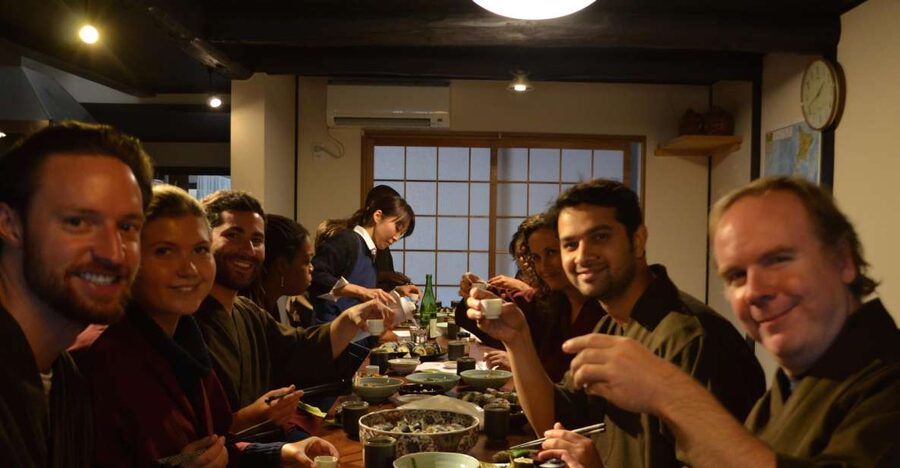
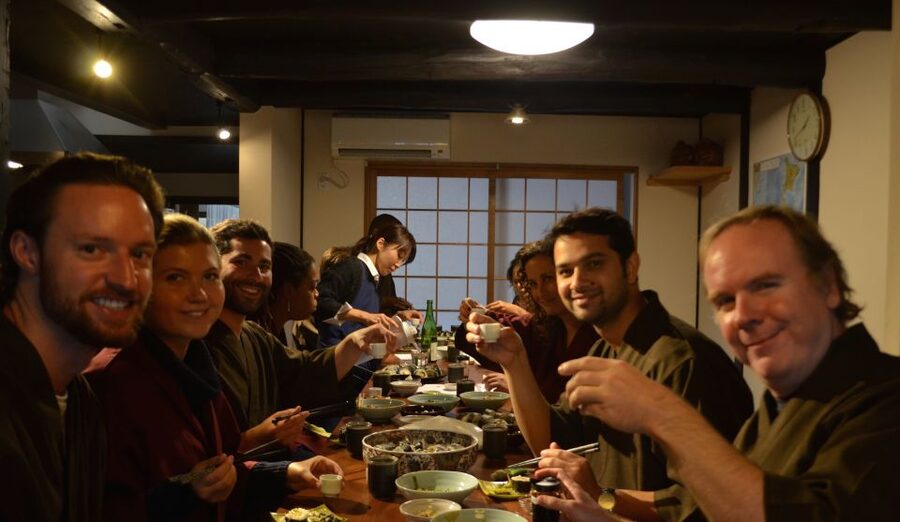
After the first cooking round, you eat what you have made. This is more than a lunch break. It shows how the dishes work together and gives the chef a natural chance to talk about Japanese dining customs and ingredients.
The meal is informal, much like eating across a counter at an izakaya. You can ask questions while eating, and the social setup helps explain why izakaya food is often ordered in several small portions rather than as one large main course.
For me, this is where the class becomes more useful than a generic cooking demonstration. You taste the food immediately, notice the balance of flavors, and can ask why a certain ingredient or method was used. The emphasis is on dishes people eat at home or order in local restaurants, not on a showpiece made only for visitors.
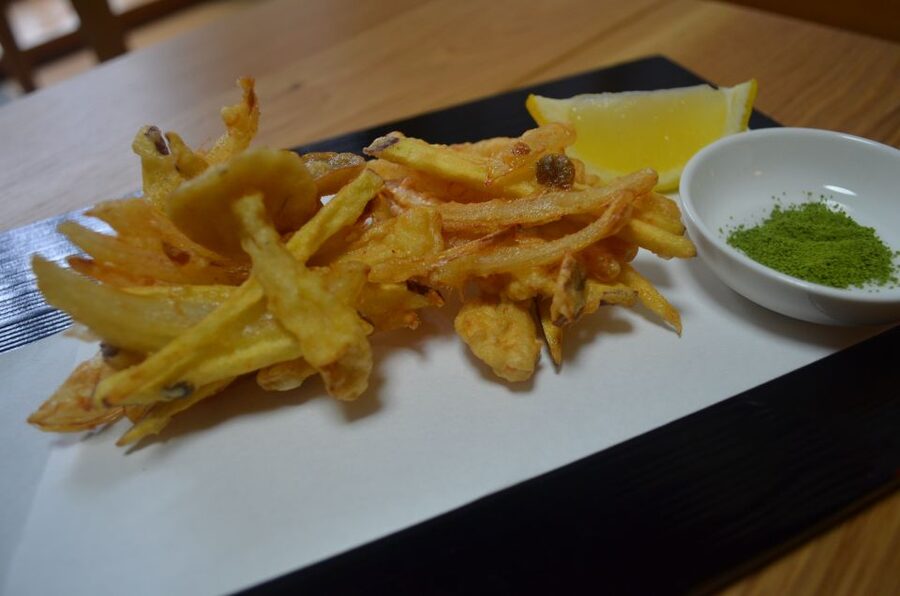
The menu has included okonomiyaki, which one participant described as the best they had eaten. Other sessions included six traditional Japanese dishes and a dessert. Since the exact menu is not specified in advance here, you should treat those examples as possible highlights rather than a guaranteed menu.
Returning to the kitchen for the second round
Once the first meal is finished, you go back to the kitchen to learn another two or three dishes. This structure keeps the afternoon active and prevents the class from becoming one long block of instruction.
The second round also gives you a chance to apply what you learned earlier. You may find that knife work, seasoning, or Japanese cooking terms make more sense after the first meal. The instructors can correct small mistakes as you work, which is more useful than discovering a problem only after everything is finished.
Several participants valued the fact that the recipes were simple enough to recreate at home. That is an important distinction. Some cooking classes produce impressive food but rely on specialist equipment or hard-to-find ingredients. This class aims for dishes that you can reasonably attempt again, although you may need Japanese staples such as mirin or dashi ingredients.
The class may feel fast-paced if you want long explanations at every stage. One participant liked the speed because it allowed many dishes to fit into the afternoon, while others praised the clear, detailed instructions. I would describe the rhythm as active rather than rushed, but your enjoyment will depend on how much hands-on cooking you want.
More Drinks Tours in Kyoto:
- Izakaya Style Cooking Class
★ 5.0 · 219 reviews - Authentic Japanese Cooking Experience at Izakaya restaurant
★ 4.2 · 5 reviews - Ramen and Sushi Cooking Class with Sake Pairing Set in Tokyo
★ 5.0 · 291 reviews - Osaka Sake Tasting with Takoyaki Cooking
★ 5.0 · 156 reviews
What the instructors add to the afternoon
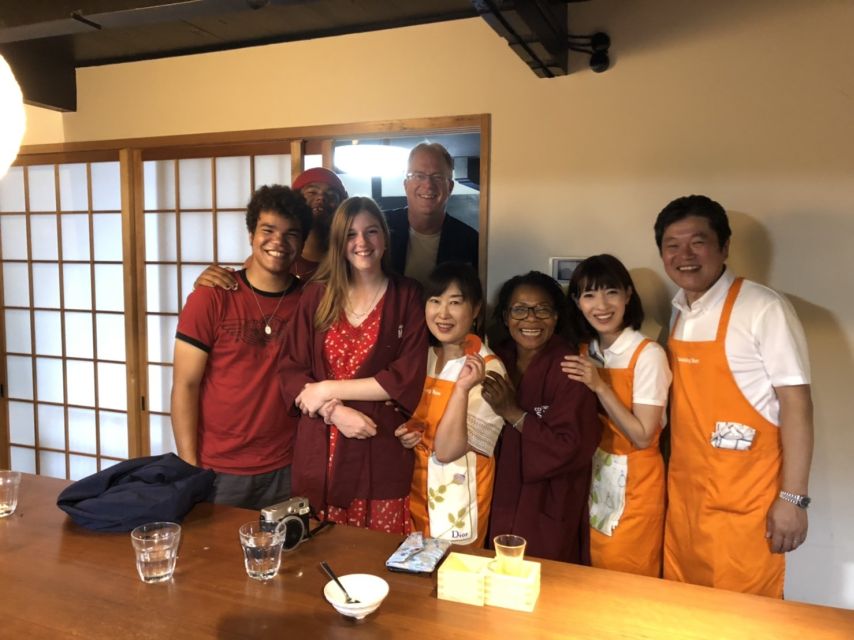
The people teaching the class are a major part of its appeal. Yumi and Yumiko have been praised for being kind, entertaining, and helpful. Other instructors have been described as warm, patient, and very clear in English.
That combination matters. Cooking vocabulary can be difficult even when your English is strong, and small misunderstandings can affect the final dish. Clear demonstrations, simple explanations, and individual help make the class suitable for people who rarely cook.
The teaching also works for mixed groups. A family with teenagers enjoyed the class, and one participant joined despite not normally cooking. Another participant, a chef with 30 years of experience, still found useful things to learn. That suggests the class is not limited to beginners, though experienced cooks may appreciate the cultural background more than basic technique.
You should expect conversation as well as instruction. The format encourages you to talk with the chef while preparing and eating. That creates a friendly atmosphere, but it may not suit someone who prefers a private lesson or a highly formal culinary course.
The value of the recipe set
The take-home recipes are one of the best reasons to choose this class. They turn a pleasant afternoon into something you can continue using after Kyoto.
The recipes are described as clear, well documented, and easy to follow. Participants used them to remember the dishes and plan to make them for family and friends at home. This is especially helpful because the class may introduce ingredients that you know by taste but have never used yourself.
I would keep the recipe set with your travel notes and take a photo of any ingredient packages used in class. The provided information does not promise a shopping guide or a list of substitutions, so you may need to ask the instructor about brands or alternatives before leaving.
The recipes also make the class a better choice than a food tasting if you want a lasting souvenir. You take home practical knowledge rather than only a memory or a packaged snack.
Price, duration, and what you receive
The price is $67 per person for three hours. That includes instruction, ingredients, an apron, utensils, and the food prepared during both cooking rounds.
I consider that good value if you plan to eat everything prepared and use the recipes later. You are paying for a substantial afternoon activity, not simply a short demonstration. The price also covers the social and cultural side of the experience, including conversation about Japanese food and dining habits.
The value is less clear if you dislike group activities, rarely eat Japanese food, or want to focus on one advanced technique. In those cases, a shorter food tour or a restaurant meal may suit you better.
The schedule is also worth considering. An afternoon class gives you a useful break from temples, shopping, and outdoor sightseeing. It is an indoor activity, which can be welcome during hot, wet, or chilly Kyoto weather. Since the starting time can vary, check availability and leave enough time to reach Funayacho without rushing.
Dietary needs and practical planning
If you have dietary requirements, tell the local supplier when you book. Do not wait until you arrive. One past vegetarian participant received separate utensils and pans, showing that adjustments may be possible, but you should arrange them in advance.
The supplied details confirm that the activity is wheelchair accessible. You should still communicate any specific access needs when booking, since the listing does not describe the exact room layout or equipment.
English is the teaching language. That makes the class practical for English-speaking visitors, especially when you are learning ingredients and cooking methods for the first time.
Cancellation is flexible enough for most itineraries. You can cancel up to 24 hours before the class for a full refund, and you can reserve now and pay later. Those terms are useful if your Kyoto schedule may shift around weather, train plans, or temple visits.
Who will enjoy this most
I would recommend the class to:
- First-time visitors who want a cultural activity beyond sightseeing
- Couples looking for a shared afternoon activity
- Families with teenagers
- Beginners who want clear, hands-on instruction
- Experienced cooks interested in Japanese ingredients and home methods
- People who enjoy eating as much as preparing food
- Visitors who want recipes they can use after returning home
It is less suitable if you want sushi-only instruction, a private chef, a luxury dining setting, or a slow class focused on one elaborate dish. The appeal is variety, participation, and a friendly group atmosphere.
You should also be comfortable eating the dishes you prepare. The class centers on tasting the food during both parts, so it is not simply a lesson with optional sampling.
Is three hours enough?
Three hours is a smart length for this type of class. It gives you time to learn several dishes without taking an entire day away from Kyoto.
The two-part format helps. You cook, eat, and then cook again, so the experience has natural breaks. It also lets you compare your first and second rounds rather than trying to absorb every technique at once.
Still, the schedule has limits. With several dishes and a final meal, there may not be time for long cultural lectures or extended practice with each technique. If you want detailed knife training or advanced culinary theory, you may find the lesson too broad.
For most visitors, the variety is the point. You leave with a better feel for Japanese flavors, a meal in your stomach, and several recipes to try at home.
Should you book Cooking Sun?
Book it if you want to understand Japanese food by making it yourself. The class offers unusually practical value for the price, with ingredients, equipment, several dishes, English instruction, and recipes included.
I especially like that it moves beyond generic sushi and introduces izakaya-style food that feels connected to ordinary Japanese dining. The instructors create a welcoming setting, and the cooking is designed to be possible for beginners without boring more experienced cooks.
Skip it if you prefer a quiet, private lesson or if your dietary needs cannot be confirmed in advance. For most food-focused visitors in Kyoto, though, this is a strong afternoon choice. Check the menu and start time, mention any dietary requirements when booking, and arrive ready to cook rather than simply watch.
FAQ
Where does the cooking class take place?
The meeting point is Cooking Sun at Funayacho, Shimogyo Ward, Kyoto, Kyoto 600-8466.
How long does the class last?
The class lasts three hours.
How much does the experience cost?
The listed price is $67 per person.
What language is the class taught in?
The instructor teaches in English.
What food will I make?
You will learn two or three dishes in the first part and two or three more in the second part. Past menus have included izakaya dishes, okonomiyaki, dashi broth, savory food, and dessert, but the exact menu can vary.
Do I eat the food I prepare?
Yes. You cook the dishes and enjoy them during the class, with a meal after each cooking section.
Are ingredients and equipment included?
Yes. The price includes ingredients, an apron, utensils, and the cooking class.
Can beginners join?
Yes. The class is designed with clear instructions and has been enjoyed by people with little or no cooking experience.
Can I tell the supplier about dietary requirements?
Yes. You should notify the local supplier about dietary requirements when you book.
Is the activity wheelchair accessible?
Yes. The activity is listed as wheelchair accessible.
Can I cancel for a refund?
You can cancel up to 24 hours in advance for a full refund.
Do I have to pay when I book?
No. The activity allows you to reserve now and pay later.
Just added around Kyoto
- Kyoto Udon & Tempura Cooking Class with Professional Chefs★ 3.8 · 3 reviews
- Kyoto: Wagashi (Japanese sweets) Cooking near Fushimiinari★ 5.0 · 40 reviews
- Kyoto: Morning Japanese Bento Cooking Class★ 5.0 · 149 reviews
- Kyoto Home Cooking Class &Supermarket tour near Fushimiinari★ 5.0 · 31 reviews
- Kyoto: Cooking class, learning how to make authentic sushi★ 4.2 · 9 reviews
- Kyoto: Authentic Sushi Making Cooking Lesson★ 5.0 · 103 reviews
- Authentic Japanese Cooking Experience at Izakaya restaurant★ 4.2 · 5 reviews
- Gyoza Cooking Class in Kyoto: Traditional Japanese Dumplings★ 5.0 · 12 reviews
Japanese & Sushi Cooking Classes, compared.
Ramen Cooking Class at Ramen Factory in Kyoto
Read our review →
Ramen & Gyoza Cooking Class in Tokyo with Local Supermarket Visit
Read our review →
Ramen Cooking Class at a Ramen Factory with Souvenir
Read our review →
Sushi Making Osaka! Popular Sushi Class in Japan!
Read our review →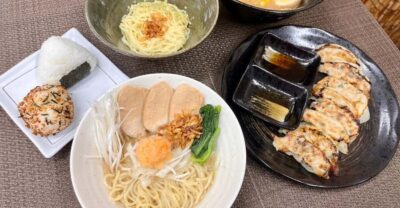
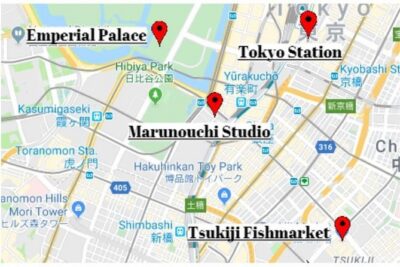
Tokyo Tsukiji Fish Market Tour and Sushi Making Lesson
Read our review →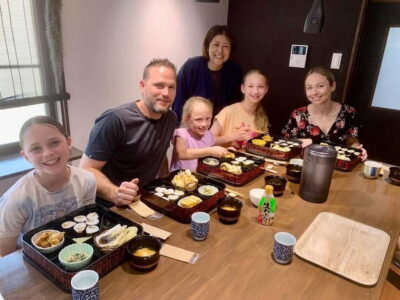
Japanese Washoku Bento Small Group Cooking Class
Read our review →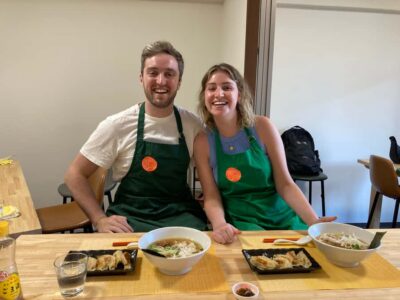
Lists this class appears in