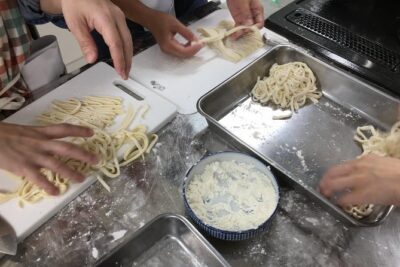
REVIEW · SRI LANKA
Private Cooking Class – Personalized menu with glutenfree & vegan
Come hungry, leave with recipes. This private Ella cooking class takes you a few miles outside the town center and into the family home of Sithara and Upali, where you prepare 10 to 12 Sri Lankan dishes with fresh ingredients and traditional methods. I especially like the fully private format and the way the menu can be adjusted for vegan, gluten-free, vegetarian, or other preferences. The main consideration is that the class covers a lot in about three hours, so cooks hoping for a slow, highly detailed lesson on just one dish may find the pace brisk.
I also like that this is not just a demonstration followed by lunch. You take part in preparing the food yourself, then sit down to eat what you made. Pickup is available, which matters in spread-out Ella, and the hosts provide PDF recipes afterward. At $40 per person, the value is strong if you want both a meal and practical cooking skills you can use at home.
Key points at a glance
- A real family-home setting: The class takes place a few miles outside busy Ella, with Sithara and Upali hosting you in their own home.
- 10 to 12 dishes in one session: The menu may include flatbreads, rice, hoppers, curries, and traditional snacks.
- Dietary needs shape the menu: Vegan and gluten-free requests are specifically supported, with other food preferences handled when arranged in advance.
- Pickup helps in spread-out Ella: Transport is offered, making the outing simpler than finding a local home on your own.
- Hands-on, not just watching: You prepare dishes yourself and learn methods intended to be repeated at home.
- Recipes continue the lesson: PDF recipes are provided after the class, a useful touch for remembering unfamiliar techniques and spice combinations.
Leaving Ella for a family kitchen
The cooking class is held in a local home a few miles from central Ella. That small journey changes the mood. Instead of meeting in a polished restaurant or a school built for tourists, you arrive at a family setting where the meal and the welcome are part of the same experience.
Pickup is offered, and one particularly useful comment about the outing is that Ella is spread out. If you are staying away from the center, or simply do not want to puzzle out the route to a private home, pickup can save time and uncertainty. The meeting details should still be confirmed when you book, since the information provided does not specify a single fixed pickup point.
The family atmosphere is a major part of the appeal. Sithara and Upali host the class together, and the time includes a welcome with tea, conversation, cooking, and a shared meal. Their home is not merely a backdrop. It gives you a look at how Sri Lankan food fits into ordinary family life.
There is one practical point to keep in mind. A home kitchen will not necessarily have the same layout or equipment as your kitchen back home. That is part of the charm, but it can also mean a more informal lesson. You are paying for personal attention and local hospitality rather than a professional training kitchen.
More Private Cooking Classes in Sri Lanka
- Private Traditional Sri Lankan Cooking Class in Kandy with Hotel Transfers
★ 5.0 · 115 reviews - Private Kandy Authentic Cooking Class
★ 5.0 · 65 reviews - Private Traditional Sri Lankan Cooking Class in Kandy
★ 5.0 · 7 reviews
A menu built around your diet and appetite
This class is designed around your preferences rather than a fixed menu. The food can include vegan, vegetarian, non-vegetarian, and gluten-free dishes, and the hosts aim to create a menu that suits your group.
For anyone avoiding gluten or animal products, this flexibility is especially useful in Sri Lanka. You are not simply handed a standard plate with one ingredient removed. The stated focus is on authentic vegan and gluten-free flavors, and the class is intended to show how those dishes are made from the beginning.
Tell the hosts about dietary needs when booking. The more clearly you explain what you can and cannot eat, the better they can shape the session. The information provided confirms vegan and gluten-free customization, along with general menu changes, but it does not promise that every possible allergy can be accommodated. If you have a serious allergy, ask directly about ingredients and kitchen procedures before paying.
The menu is also meant to cover the broad basics of Sri Lankan cooking. That may include:
- Flatbreads
- Rice dishes
- Hoppers
- Vegetable, vegan, or non-vegetarian curries
- Traditional snacks
This range is more useful than learning one impressive dish in isolation. You begin to see how rice, breads, curries, and snacks work together as a Sri Lankan meal. The tradeoff is time. Preparing 10 to 12 dishes in roughly two to two and a half hours means you will move from one task to another without lingering over every recipe.
What you actually cook in two and a half hours
The overall booking is listed at about three hours. The cooking itself is expected to take around two to two and a half hours, followed by time to eat and talk. That makes the session long enough to feel substantial, but short enough to fit into a busy Ella schedule.
You can expect to prepare the food yourself, with guidance from the hosts. This matters. A cooking demonstration can be enjoyable, but it is easy to forget what happened once the meal is finished. Handling the ingredients and repeating the methods gives you a better chance of remembering the process.
The class is built around basic techniques that you can use at home. You may work with dough for flatbreads, prepare rice, shape hoppers, and build several curries. The point is not only to copy a single recipe. It is to understand how the parts of a Sri Lankan meal come together.
The range of dishes can be surprisingly broad. One couple described preparing a 10-course Christmas dinner, including roti, four curries, and string hoppers. Another family received extra food to suit their children and dietary needs. These examples show how much the hosts can adjust the session, but they do not mean every booking includes exactly the same dishes or extras.
String hoppers are a particularly useful example of the class’s character. They are a traditional Sri Lankan food, and learning to prepare them gives you a technique that is less familiar than making a basic curry. At the same time, the hosts’ responses indicate that guests have also shared their own food ideas, including a method for making waday. That kind of exchange can make the class feel like a conversation rather than a one-way lesson.
The value of learning from Sithara and Upali
Sithara and Upali receive especially strong praise for their warmth and hospitality. That is not a minor detail. A class in a private home depends on feeling comfortable, asking questions, and being willing to try unfamiliar tasks.
The hosts explain the herbs and spices used in traditional cooking and show how the ingredients are handled. You also get context about local food traditions through conversation, not just through a printed recipe. The atmosphere appears friendly and relaxed, with time for tea and a shared meal after the work is done.
Sithara’s personal involvement is clear from the way the class is described. She and Upali welcome people into their home, adjust the menu, and remain involved throughout the meal. Their cat even receives a warm mention in one response, a small detail that tells you this is a lived-in family home rather than a staged culinary venue.
That warmth can be a strength for couples, families, and small groups. It may be less suitable if you want a formal chef-led class with precise measurements, strict timing, and professional equipment. The setting is personal and informal by design.
More Vegetarian Cooking Classes in Sri Lanka:
- Vegan Cooking Class Colombo with Market Tour
★ 5.0 · 9 reviews - Oaxacan Vegetarian Cooking Class
★ 5.0 · 235 reviews - Marrakech: Moroccan Cooking Class for vegetarians and vegan
★ 4.9 · 156 reviews - Hoi An: Vegetarian Cooking Class w Local Family and transfer
★ 4.9 · 145 reviews
Eating what you made
After the cooking, you eat the dishes together in the home. This is an important part of the class because Sri Lankan food makes the most sense as a complete meal rather than as a series of unrelated samples.
You may have several curries alongside rice, breads, hoppers, or snacks. The meal gives you a chance to compare textures and spice levels, and to ask last-minute questions while the techniques are still fresh.
The hosts also adjust the food to suit your requests. That flexibility has been used for vegan, gluten-free, vegetarian, and family needs. Still, you should not assume that customization means every dish will be mild. Sri Lankan cooking can use assertive spices, so mention your preferred heat level when arranging the menu.
The eating portion also adds social value. You are not rushed out after the final dish. The format allows time for conversation with Sithara and Upali, which helps explain why the experience is often remembered as much for the welcome as for the food.
Recipes you can use after Sri Lanka
The PDF recipes are one of the most practical features. Many cooking classes are enjoyable in the moment but difficult to recreate later because you forget the quantities, order, or small technique that made the dish work.
Here, the recipes are supplied after the class for everything prepared. That gives you a useful record of the menu and lets you repeat the dishes at home. It also makes the $40 price easier to justify, since you are not paying only for a meal and an afternoon activity. You are taking home a set of cooking instructions.
The recipes may be most useful if you take notes during the session as well. Write down which spices you preferred, how long a curry cooked, and any adjustments made for your diet. The PDF should help with the structure of each dish, while your own notes can preserve the small details that match your taste.
Is $40 per person good value?
At $40 per person, this is a strong value for a private three-hour activity that includes food, instruction, a family setting, menu customization, and recipes afterward. Pickup is offered, and the full group receives personal attention rather than joining a large class.
The price makes particular sense for people who want more than a restaurant meal. A meal disappears quickly. Here, you spend time learning, eating, and gaining recipes you can use again. The private format also means your group can shape the menu around dietary needs instead of accepting a fixed selection.
Value depends on your priorities. If you mainly want a quick taste of Sri Lankan food, a local restaurant will cost less and take less time. If you want a polished professional kitchen or an advanced lesson focused on specialist technique, this may not be the right format.
For couples or small groups, the personal setting is a real advantage. Group discounts are available, though the exact saving is not specified. Ask about the discount when booking if you are traveling with several people.
Timing, transport, and weather
The experience is offered every day from 10:00 AM to 10:00 PM during the stated operating period. The class itself lasts about three hours, so you should allow extra time around pickup and return, particularly if your accommodation is outside central Ella.
The activity is listed as requiring good weather. If poor weather causes cancellation, you are offered another date or a full refund. That condition may seem unusual for a home cooking class, but transport and the route to the home may be affected by rain in the hill country.
Free cancellation is available if you cancel at least 24 hours before the start time. Cancellations made later, or changes requested within 24 hours, are not refunded or accepted under the stated terms. Confirmation is provided at booking, and the location is near public transportation, though pickup may be the easier choice.
Who will enjoy this class most?
I would choose this for you if you want direct contact with a Sri Lankan family and prefer doing rather than watching. It is particularly well suited to:
- Couples looking for a personal evening activity
- Families who want food tailored to children or dietary needs
- Vegans and people avoiding gluten
- Home cooks who want practical recipes
- Small groups interested in sharing one private experience
- Anyone who wants to get beyond Ella’s busy center
You should think twice if you dislike informal home settings, have severe allergies that require tightly controlled kitchen procedures, or want a quiet class focused on only one or two dishes. The menu is broad, the pace is active, and the exact dishes change with your preferences.
Should you book the Ella home cooking class?
Yes, if you value hospitality, flexible food, and a hands-on introduction to Sri Lankan cooking. The strongest reasons to book are the private family setting, the ability to request vegan and gluten-free dishes, the large range of food prepared in one session, and the recipes provided afterward.
I would book early if your schedule is fixed. The experience is often reserved about 25 days ahead, which suggests that popular dates can disappear well before arrival. Tell Sithara and Upali your dietary needs, preferred spice level, and any dishes you especially hope to learn.
At $40 per person, this is one of the better ways to turn a meal in Ella into a skill you can carry home. Just arrive ready to cook, not simply sit down and be served.
FAQ
How long does the cooking class last?
The experience lasts approximately three hours. The cooking portion takes about two to two and a half hours, with additional time for eating and conversation.
How many dishes will I prepare?
The class prepares approximately 10 to 12 authentic Sri Lankan dishes. The menu may include flatbreads, rice, hoppers, curries, and traditional snacks.
Can the menu be made vegan?
Yes. The menu can be personalized for vegan preferences, along with vegetarian and non-vegetarian options.
Can the class accommodate a gluten-free diet?
Yes. Gluten-free requests are specifically supported, and the menu can be adjusted to suit your food preferences.
Where does the class take place?
The class takes place in a local family home a few miles from busy Ella.
Is pickup available?
Yes. Pickup is offered, which can be useful because Ella is spread out.
Is this a private activity?
Yes. Only your group participates in the activity.
Are recipes provided after the class?
Yes. Recipes are provided in PDF form after the cooking session for the dishes prepared.
What happens if bad weather cancels the experience?
You are offered a different date or a full refund if the experience is canceled because of poor weather.
More Food Trips in Sri Lanka
- Small Group Cooking Class & Market Food Tour in Florence
★ 5.0 · 1,574 reviews - Athens: Food Market Visit and Cooking Class with Wine
★ 4.9 · 1,087 reviews - Undiscovered Charleston: Half Day Food, Wine & History Tour with Cooking Class
★ 5.0 · 948 reviews - Vietnamese Food Cooking Class in Hanoi with Market Experience
★ 5.0 · 778 reviews
Just added around Sri Lanka
- cooking lesson★ 5.0 · 7 reviews
- Hands-On Cooking Class in Anuradhapura-Cook Like a Local★ 5.0 · 2 reviews
- Sri Lankan Cookery with Nilu★ 5.0 · 34 reviews
- Sri Lanka: Cooking Class★ 4.4 · 6 reviews
- Cooking Experience from Ella★ 4.9 · 2 reviews
- Sri Lankan Cooking Class in Bentota★ 5.0 · 2 reviews
- Private cooking class – Personalized classic menu★ 5.0 · 5 reviews
- Nilaveli: Sri Lankan Cooking Class with a Local Family★ 5.0 · 16 reviews
Private Cooking Classes, compared.
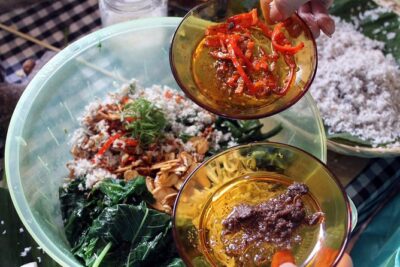
PRIVATE Authentic Balinese Cooking Class in Ubud at Putu’s Home
Read our review →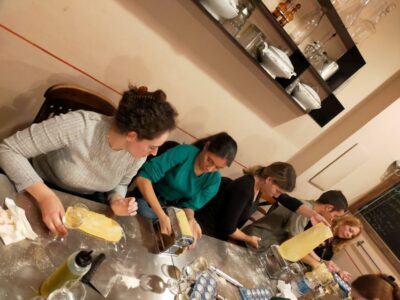
Pasta Making Class with Tiramisu & Wine PRIVATE OPTION
Read our review →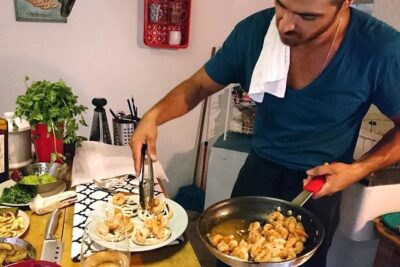
Private Market Tour & Cooking Class in Puerto Vallarta with Manu
Read our review →
Private Cooking Class with 5 dishes of your choice
Read our review →
Veg and Non veg : Private Cooking Class in Delhi home (7 meal)
Read our review →
PRIVATE Balinese Cooking Class in Ubud with Dewa with Transfers
Read our review →
VIP Mekong Delta Adventure Cycling & Kayaking – Private Day Trip
Read our review →