REVIEW · TOKYO, JAPAN
Ramen and Sushi Cooking Class with Sake Pairing Set in Tokyo
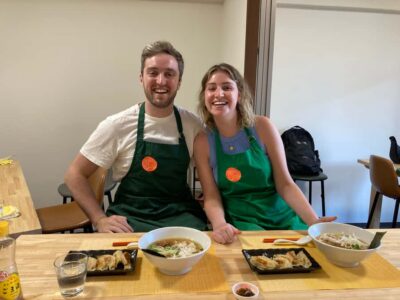
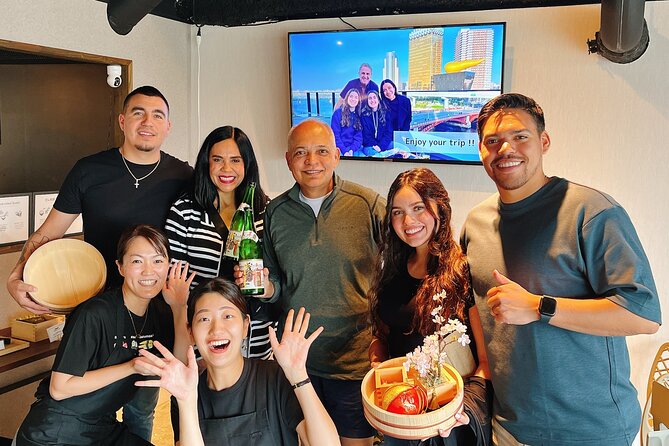
Tokyo tastes better when you make it yourself. This three-hour class combines hands-on sushi preparation, ramen broth made from scratch, and a sake pairing in a small Tokyo setting. I like the maximum eight-person group, which gives you room to ask questions, and I also like the friendly teaching style associated with instructors such as Sato, Ryushi, Alex, Taka, and Kaori.
The main consideration is that ramen is not quite as hands-on as sushi. You do more assembly and customization with the ramen, while the sushi work provides the clearest cooking practice. At $79.59 per person, the price is fair if you value a full meal, drinks, instruction, and cultural context rather than simply watching a demonstration.
Key points at a glance
- Make sushi you can repeat at home: You get close guidance on shaping and preparing sushi, useful if online videos have left you confused.
- Build ramen from scratch: The broth is prepared during the class, with pork belly and customizable toppings adding plenty of flavor.
- Taste sake with your meal: All drinks are included, with sake selected to match the food.
- Small groups matter: The maximum is eight people, and past sessions have sometimes been even smaller.
- Learn through stories and quizzes: Japanese food customs, sushi, and ramen history are folded into the cooking rather than delivered as a lecture.
- Finish where you started: The class begins and ends at HAUS Tsukishima in Tsukuda, Chuo City.
Starting at HAUS Tsukishima in Tsukuda
The meeting point is HAUS Tsukishima, at 2-chōme 13-5 Tsukuda in Tokyo’s Chuo City, postal code 104-0051. You are responsible for reaching the location yourself because hotel pickup and drop-off are not included.
That arrangement is worth noting when you plan your day. This is not a hotel-based activity that collects you from your room. You need to allow time to find the address and arrive ready for a three-hour session. The mobile ticket makes it convenient to keep your booking details on your phone.
The class ends back at the same meeting point. That helps if you want to arrange dinner, shopping, or another Tokyo activity afterward without figuring out a second drop-off location.
The setting has earned praise for its comfortable feel and river view. Those details matter more than they might sound. Cooking classes work best when you can hear the instructor, spread out a little, and relax while handling food. A small room with a pleasant outlook is a much better fit than a crowded demonstration kitchen.
More Sushi and Japanese Classes in Tokyo:
- Ramen & Gyoza Cooking Class in Tokyo with Local Supermarket Visit
★ 5.0 · 823 reviews - Tokyo Tsukiji Fish Market Tour and Sushi Making Lesson
★ 5.0 · 390 reviews - Tokyo: Easy Ramen Cooking Experience in Kabukicho, Shinjuku
★ 4.6 · 321 reviews
The first lesson: sushi with close guidance
Sushi is the most hands-on part of the experience. You work through the basic preparation with an English-speaking instructor who can correct your technique as you go.
I particularly like this format for anyone who has tried to learn sushi from videos. A screen can show you what the finished roll should look like, but it cannot tell you why your rice is sticking, why the filling is shifting, or how firmly to shape the sushi. In a small class, you can ask those questions at the moment they arise.
The instruction is aimed at home cooks, not professional chefs. You are learning practical methods that you can try again after returning home. That makes the class more useful than a fancy meal where you only watch someone else work.
You also get to eat what you prepare. That gives the sushi lesson a clear payoff, and it lets you judge the texture and balance while the steps are still fresh in your mind. The food has been praised for its quality, and the overall meal is substantial enough that you should not expect to leave hungry.
The class also uses light quizzes and stories about sushi. That is a good touch. Instead of treating sushi as a set of mysterious rules, the instructor connects the food to Japanese culinary customs and explains why certain methods matter.
Ramen broth, pork belly, and flexible toppings
The ramen portion brings a different kind of cooking lesson. You prepare a savory broth from scratch, then work with the noodles, pork belly, and other elements that complete the bowl.
The broth is the heart of ramen, so learning how it is built gives you a better understanding of why restaurant ramen tastes so layered. You are not simply pouring soup over noodles. You get to see how the separate parts come together into one dish.
The pork belly has drawn particular praise, and it adds the rich, satisfying bite that makes ramen feel like a complete meal. The toppings are also customizable, which gives you some control over the final bowl.
I would set your expectations carefully here. The ramen process is less hands-on than the sushi work. You may spend more time assembling and adjusting the bowl than making every element from the beginning. That is not a flaw, but it matters if your main goal is a long technical cooking lesson.
The balance works well for a three-hour class. Sushi gives you detailed practice with shaping and presentation. Ramen gives you a look at broth, noodles, toppings, and flavor adjustment. You get two very different Japanese dishes without spending an entire day in a kitchen.
Sake that matches the food
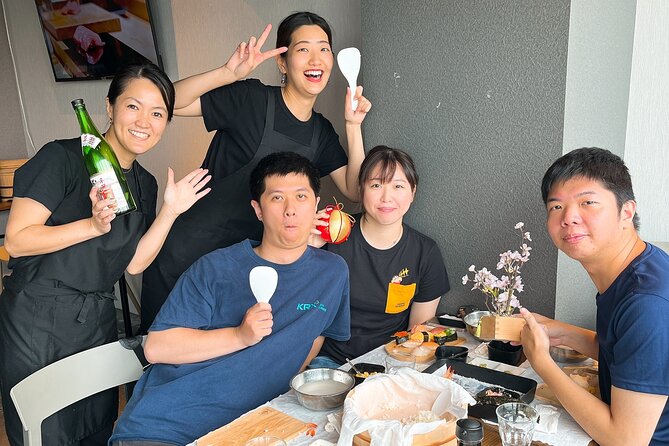
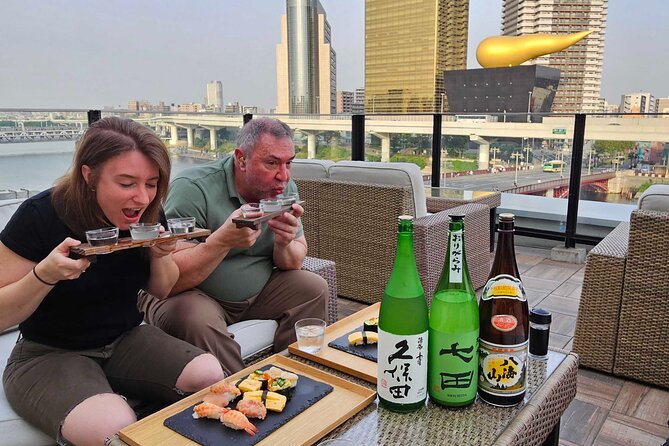
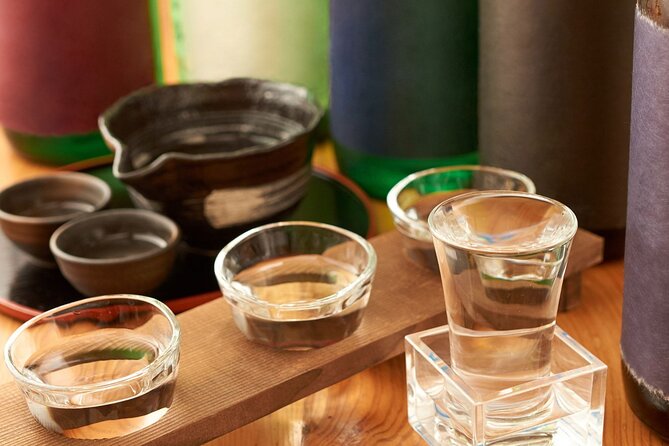
Sake is not an optional extra here. Drinks are included, and the class features a sake set chosen to accompany the food.
That pairing adds value because you are not tasting sake in isolation. You can compare how it works with sushi, broth, and pork belly. The food gives you a clear reference point, making the tasting easier to understand even if you know little about sake.
The sake has been described as smooth, with several choices available during some sessions. Do not expect a formal sake certification course. This is a relaxed introduction tied to lunch or dinner, not a technical tasting seminar.
It is also a practical way to learn about Japanese dining. A good pairing shows how a drink can refresh your palate, soften a salty bite, or change the way a dish tastes. That kind of lesson is more memorable when you are holding the food you just prepared.
If you do not drink alcohol, check the arrangements before booking. The supplied details confirm that all drinks are included, but they do not specify nonalcoholic alternatives.
More Drinks Tours in Tokyo:
- Tokyo: Sushi and Ramen Cooking Class with Sake Pairing Set
★ 5.0 · 81 reviews - Tokyo: Sushi Cooking Class with Sake Tasting
★ 4.8 · 55 reviews - Kyoto: Afternoon Japanese Izakaya Cooking Class
★ 4.9 · 241 reviews - Izakaya Style Cooking Class
★ 5.0 · 219 reviews
Friendly teaching in a group of eight or fewer
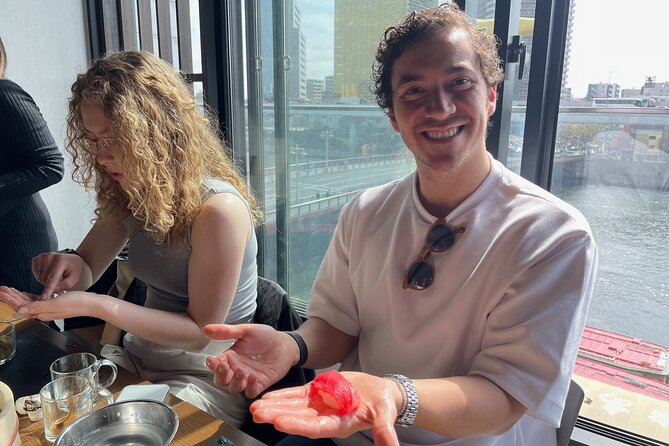
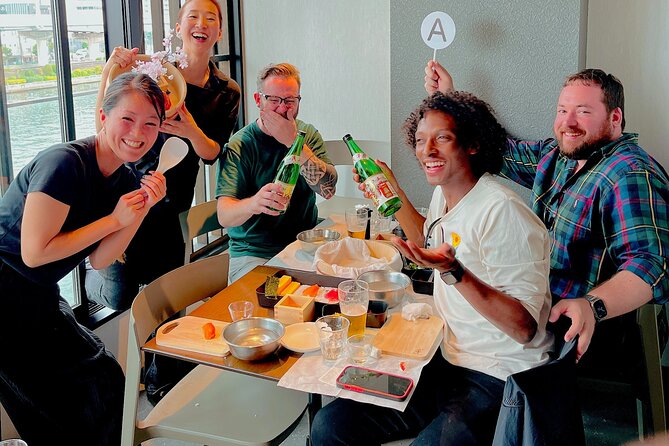
The strongest feature of this activity is the teaching style. The class is built around personal attention, and the maximum group size is eight. Some sessions have been much smaller, with only a few people taking part.
That size gives the class a social feel without making it impersonal. You can watch the instructor’s hands, ask for help, and keep up with the pace. It also makes it easier to talk with the other people at your table while the food is being prepared.
The instructors named in the experience feedback include Sato, Ryushi, Alex, Taka, and Kaori. The exact teaching team may vary, but the consistent impression is warm, polite, and encouraging. That matters for sushi in particular, since beginners can feel awkward when their first attempts look less than perfect.
I like that the tone is relaxed rather than formal. You are there to learn, but also to laugh, eat, and enjoy the company. A cooking class should not feel like a school exam, and this one appears designed to help nervous beginners settle in quickly.
The small group also suits couples, families, and friends who want an activity with more substance than a restaurant meal. Solo participants may find it easy to join the conversation because everyone is working toward the same meal.
Japanese food culture without a long lecture
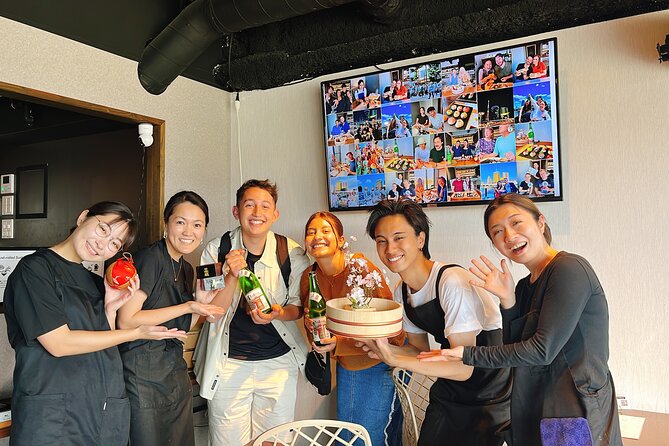
The class adds context to the cooking through stories about sushi and ramen. You learn not only how to prepare the dishes, but also something about the customs and ideas behind them.
That approach is useful because Japanese food can look simple while depending on careful technique. Rice texture, broth flavor, ingredient balance, and presentation all matter. The instructor’s explanations help you see the work behind a meal that might otherwise seem effortless.
The quiz element gives the cultural material some energy. It keeps the session from becoming a one-way talk and gives you a playful way to remember facts about sushi and ramen.
I would not book this as a substitute for a dedicated food history tour. The cultural discussion supports the cooking rather than taking over. The main event is still preparing and eating the dishes.
For many people, that is the right balance. You receive enough background to make the food meaningful, but you spend most of the time doing something with your hands.
What the three hours feel like
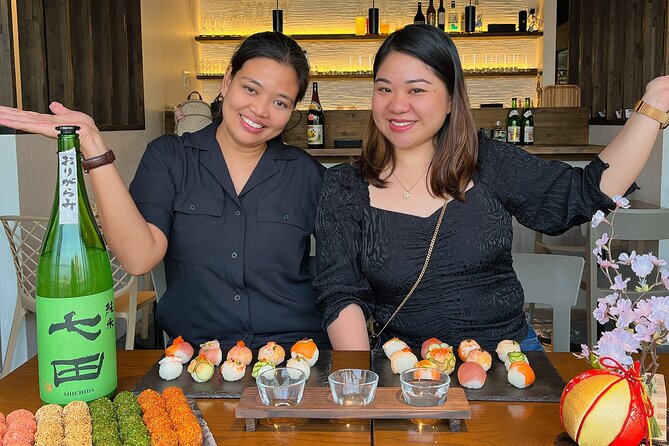
The class is listed at approximately three hours, which is enough time for instruction, preparation, eating, and sake. The pace should feel full without turning into an exhausting kitchen marathon.
You begin with guidance from the English-speaking instructor, then move through the sushi and ramen work. The exact order may vary, but the experience is designed to let you prepare both dishes during the same session.
Sushi requires concentration. You need to follow the shaping and presentation steps, and the small group allows the instructor to give corrections as needed. Ramen feels more flexible, with room to customize the bowl once the main elements are ready.
The meal is part of the lesson, not an afterthought. You eat the sushi and ramen you have prepared, with drinks included. That means the three hours function as both a cooking class and a meal experience.
I would avoid scheduling something that begins immediately afterward. The official duration is approximate, and a relaxed class can run at a comfortable pace rather than racing to finish on a strict timetable.
Is $79.59 good value?
At $79.59 per person, this is not the cheapest way to eat sushi and ramen in Tokyo. A casual restaurant meal can cost much less, especially if you only care about getting food quickly.
The comparison changes once you include the instruction, ingredients, full meal, sake, small group size, and cultural explanation. You are paying for an activity as well as dinner. For someone who wants a skill to take home, the price is reasonable.
The value is strongest if you plan to recreate sushi or ramen later. Personal guidance can save you from the trial and error that often comes with learning from videos. The included drinks also make the price easier to justify than a cooking class that charges separately for a pairing.
It is less compelling if you dislike group activities, do not drink, or want a serious chef-training session. The atmosphere is social and beginner-friendly. You should choose it for an enjoyable introduction, not for advanced culinary certification.
The high overall rating and 100 percent recommendation figure suggest a very reliable experience, though I would still judge the value by your interests. If your ideal Tokyo afternoon involves making food, learning a few useful techniques, and sitting down to enjoy the result, this is a sensible spend.
Who should book this class?
I would recommend it most strongly to first-time visitors who want a direct connection with Japanese food. You get to prepare two famous dishes instead of simply ordering them, and the food becomes part of your memory of Tokyo.
It is also a good choice for couples and small groups. The shared work creates conversation, and the sake pairing gives the meal a natural social rhythm.
Families may appreciate the friendly teaching style, but the supplied information does not specify a minimum age or child pricing. Check those details before booking with children.
Home cooks will get the most lasting benefit. The sushi instruction is especially useful if you have struggled with online tutorials. You can ask questions, watch the technique up close, and learn what to look for in your own kitchen.
I would be less likely to choose it if you want a quiet private meal, a very advanced cooking course, or a tour that includes transportation. You need to make your own way to Tsukuda, and the ramen portion offers less hands-on work than the sushi portion.
Free cancellation is available if you cancel at least 24 hours before the start time. Cancellations within 24 hours are not refunded, and changes in that final window are not accepted. The activity allows service animals and is near public transportation.
Should you book the ramen and sushi class?
Yes, if you want a friendly, practical Tokyo food activity with a real meal at the end. The combination of sushi practice, scratch-made ramen broth, pork belly, sake, and cultural stories gives you more than a standard restaurant visit.
Book it especially if you have tried to make sushi at home and want someone to fix the small problems that videos cannot explain. The maximum group size of eight is another strong reason to choose it.
Skip it if you want every part of ramen made entirely by hand, since that portion is more customizable and assembly-focused. For most visitors, though, the mix is well judged: close sushi instruction, flavorful ramen, good drinks, and a warm three-hour setting in Tokyo.
FAQ
How long does the cooking class last?
The experience lasts approximately three hours, including cooking, instruction, eating, and drinks.
Where does the class meet?
The meeting point is HAUS Tsukishima, 2-chōme 13-5 Tsukuda, Chuo City, Tokyo, 104-0051. The activity ends back at the same location.
What food will I prepare?
You will prepare sushi and ramen, including savory ramen broth made from scratch. The ramen may include pork belly and customizable toppings.
Is sake included in the price?
Yes. All drinks are included, and the experience features sake selected to pair with the dishes.
How many people can join the class?
The class has a maximum of eight participants.
Can I cancel for a full refund?
Yes, if you cancel at least 24 hours before the experience start time. Cancellations made within 24 hours are not refunded, and changes during that period are not accepted.
More Sake Tastings in Tokyo
- Osaka Sake Tasting with Takoyaki Cooking
★ 5.0 · 156 reviews - Osaka: Cooking Class & Sake Tasting with Local Market Visit
★ 4.8 · 31 reviews
More Food and Drink Trips in Tokyo
- Small Group Cooking Class & Market Food Tour in Florence
★ 5.0 · 1,574 reviews - Pasta Making & Wine Tasting with Dinner in Frascati from Rome
★ 5.0 · 1,326 reviews - Paella Cooking Class, Wine Tasting & Central Market in Valencia
★ 5.0 · 1,150 reviews - Athens: Food Market Visit and Cooking Class with Wine
★ 4.9 · 1,087 reviews
Just added around Tokyo
- Tokyo: Sushi Cooking Class with Sake Tasting★ 4.8 · 55 reviews
- Tokyo: Sushi roll and side dish cooking experience★ 5.0 · 2 reviews
- Tokyo: Sushi Making Experience & Japanese Cooking Class★ 5.0 · 2 reviews
- Tokyo: Gyoza Making from Scratch – Ultimate Cooking Class★ 5.0 · 2 reviews
- Tokyo: Night Cooking Class: 5 Home-Cooked Japanese Dishes★ 4.9 · 13 reviews
- Tokyo: Real Ramen & Dumpling Cooking with Master Chef★ 5.0 · 10 reviews
- Tokyo: Sushi and Ramen Cooking Class with Sake Pairing Set★ 5.0 · 81 reviews
- Tokyo: Kawaii Bento Cooking Class – Cute Character Lunchbox★ 4.9 · 55 reviews
Japanese & Sushi Cooking Classes, compared.
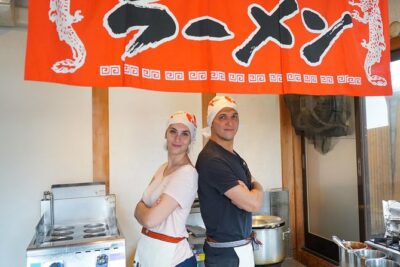
Ramen Cooking Class at Ramen Factory in Kyoto
Read our review →
Ramen & Gyoza Cooking Class in Tokyo with Local Supermarket Visit
Read our review →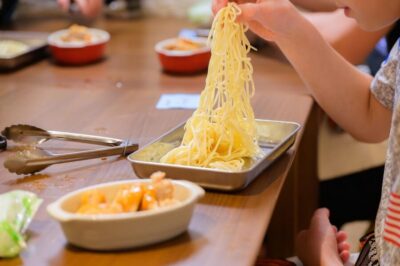
Ramen Cooking Class at a Ramen Factory with Souvenir
Read our review →
Sushi Making Osaka! Popular Sushi Class in Japan!
Read our review →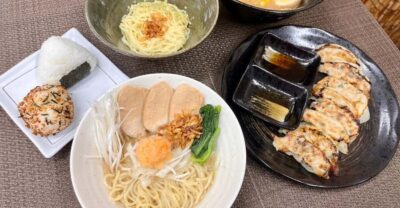
Tokyo Tsukiji Fish Market Tour and Sushi Making Lesson
Read our review →
Japanese Washoku Bento Small Group Cooking Class
Read our review →