REVIEW · TOKYO, JAPAN
Hands-on Japanese Cooking in a Shinjuku Home Kitchen with Satoru
Tokyo tastes better at home. This private cooking class takes you from JR Shinjuku Station to Satoru’s simple apartment kitchen, where you help prepare Japanese comfort food and then eat it together. I like the direct local contact and the chance to learn about everyday ingredients such as dashi and organic honey. I also like that the class is private, so your questions and cooking pace matter. The main catch is that the menu changes by day, and you must give Satoru at least one week’s notice for dietary needs or menu changes.
The cooking lasts about an hour and a half, followed by a shared meal and one or two glasses of local alcohol. At $130 per person, this is not a bargain meal, but it offers more than dinner. You are paying for private instruction, a home visit, conversation, a station pickup, and a personal look at Japanese food beyond restaurant counters.
Key points before you book
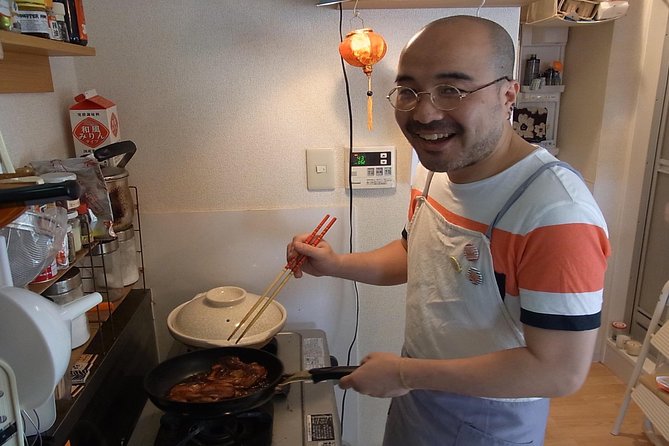
- Meet at JR Shinjuku Station: Satoru picks you up at the station and walks with you to his apartment.
- The menu depends on the day: Sunday through Tuesday feature a teishoku set meal, while Wednesday through Friday offer dishes such as okonomiyaki, karaage, yakisoba, katsu curry, ramen, or gyoza.
- Cook in a real home kitchen: The space is small but efficient, giving you a practical look at how homestyle Japanese food comes together.
- Plan ahead for food restrictions: Vegetarian cooking is available, but you need to request it when booking, ideally at least one week before the class.
- The meal is private: Only your group joins Satoru, which makes this a good fit for families, couples, and small groups.
- You leave with more than a full stomach: The experience includes a Japanese utensil and an ingredient as gifts.
Meeting Satoru at Shinjuku Station
Your starting point is JR Shinjuku Station, at 3-chōme-38-1 Shinjuku. This is a practical meeting place because Shinjuku is one of Tokyo’s major transport hubs, but it can also feel confusing if you do not know the area.
Satoru handles the important part by meeting you at the station and walking with you to his apartment. That short walk shifts the experience from a standard cooking lesson to a visit with a local. You are not simply being led into a commercial studio. You are seeing where your host lives and cooking in the kind of kitchen he uses at home.
You should arrive with enough time to locate the meeting point. Shinjuku Station has many exits and busy pedestrian areas, so building in a little spare time is wise. The exact meeting point is listed at the station, and the activity ends back there after the meal.
There is no hotel pickup or drop-off. That is a limitation if you want door-to-door service, but it also keeps the meeting simple and tied to public transportation.
More Home Cooking Classes in Japan
- Private Home Cooking in Yanaka – Local Flavors in a Warm Setting
★ 5.0 · 173 reviews - Japanese Home Cooking Class & Walk in Todoroki Temple Tokyo
★ 5.0 · 88 reviews - Tokyo Haneda: Bento & Ramen Gyoza Cooking Class in a Local home
★ 5.0 · 9 reviews
Inside Satoru’s small Shinjuku kitchen
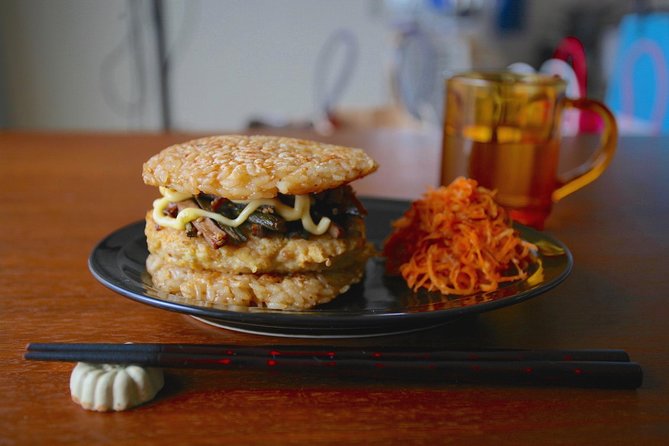
Satoru’s kitchen is described as small but efficient. That detail matters. You will not be walking into a cooking school with several workstations, wide counters, or restaurant equipment. You are working in a home, with the practical limits that come with it.
For me, that is part of the appeal. A home kitchen shows how meals are actually prepared, not how they are staged for a large class. You get a closer look at the tools, ingredients, and habits that shape Japanese cooking at home.
The class usually covers two or three dishes, though the full description gives a range of two to five depending on the menu. The exact number depends on the day and the food selected. Do not book this expecting to choose from a long restaurant-style menu on arrival. Instead, check the day’s offering before you reserve.
Satoru explains the ingredients as you cook. You can ask about savory dashi, sweet organic honey, and the reason particular ingredients appear in the meal. Those small explanations give the food context. You are not only following steps, you are learning why a dish tastes the way it does.
The instruction also seems well suited to people who are new to Japanese cooking. Families with teenage children have found the activity easy to enjoy together, and Satoru’s patient teaching style helps keep the class from feeling rushed or overly formal.
Choosing the right menu day
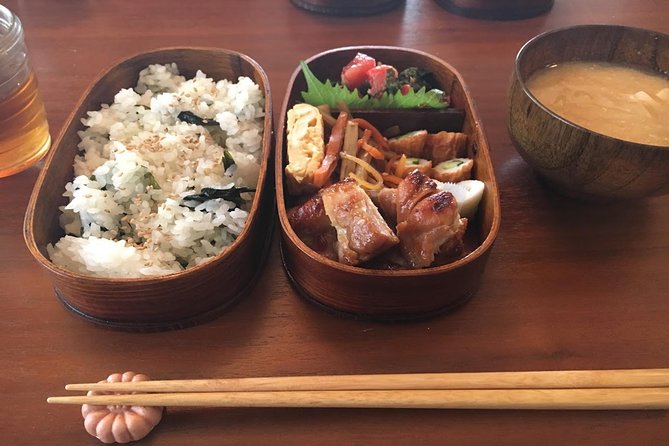
The calendar matters here. Sunday, Monday, and Tuesday offer teishoku, a Japanese set meal that includes miso soup, rice, and two side dishes. This is the best choice if you want a classic home-style format with several small parts on one tray.
A teishoku meal gives you a useful introduction to the balance of a Japanese everyday meal. You are likely to see how soup, rice, and side dishes work together rather than focusing on one large centerpiece. If you want a broad lesson in home cooking, these days make sense.
Wednesday, Thursday, and Friday feature one of several popular Japanese foods:
- Okonomiyaki, a savory Japanese pancake
- Karaage, Japanese fried chicken
- Yakisoba, pan-fried noodles
- Katsu curry rice
- Ramen
- Gyoza
These choices offer a more focused lesson. Pick a day based on the food you most want to learn, but confirm the exact menu before booking because the offering can vary. If you do not state a preference, Satoru prepares the menu assigned to that day.
That advance planning is important. Dietary restrictions and menu changes must be shared at booking, with one week’s notice requested. A vegetarian option is available, but it is not something to leave until the day of the class. The same advice applies to allergies or foods you avoid.
The menu may also change with the season. That can be a benefit because the food stays connected to what is available in Japan at that time, but it means you should keep your expectations flexible.
Cooking for about 90 minutes
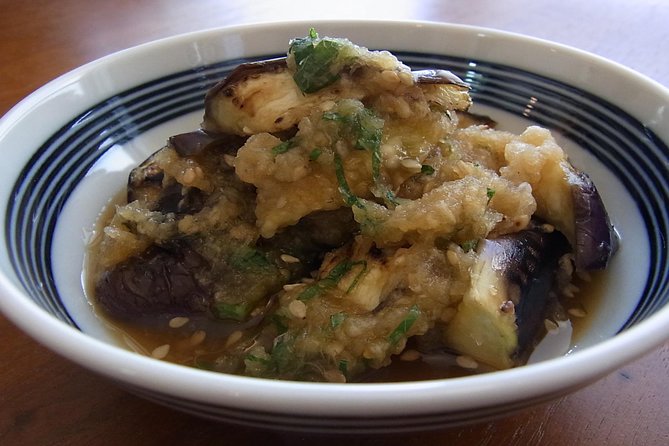
The hands-on portion takes about an hour and a half. That is long enough to make the class feel substantial, but short enough for most visitors to fit it into a busy Tokyo day.
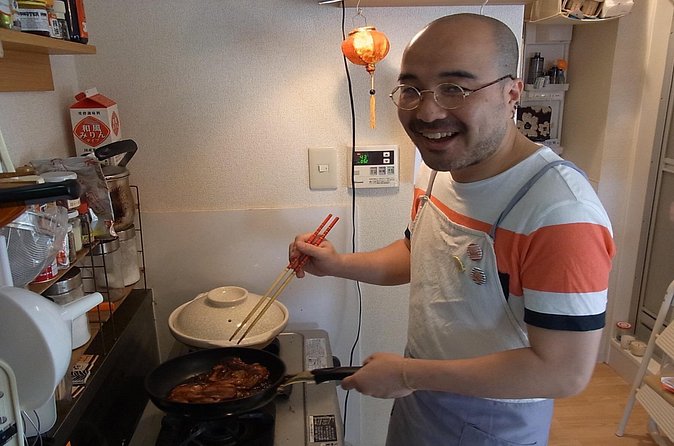
You will help prepare the selected dishes from scratch. The exact tasks depend on the menu, and the small home kitchen means the rhythm may be more intimate than a formal school lesson. You should expect to listen, ask questions, handle ingredients, and follow Satoru’s instructions rather than simply watch a demonstration.
The strongest part of the class is the combination of cooking and conversation. Satoru shares tips and stories about the ingredients, and you can ask about the food as you work. Several ratings praise his humor, patience, and welcoming manner. One family booked the activity with two teenage daughters, and the class worked well as a shared family activity rather than an adult lesson that younger people merely observe.
That is useful advice if you are traveling with children or teens. The class has enough practical work to keep people involved, while the private format gives Satoru room to explain things at a comfortable pace.
You should also keep the setting in mind. A small apartment kitchen may feel close if your group prefers wide open space, but it is also what makes the visit personal. The experience is less polished than a professional studio and more connected to ordinary life.
Same place, a different thing to cook:
- Ramen & Gyoza Cooking Class in Tokyo with Local Supermarket Visit
★ 5.0 · 823 reviews - Tokyo Tsukiji Fish Market Tour and Sushi Making Lesson
★ 5.0 · 390 reviews - Tokyo: Easy Ramen Cooking Experience in Kabukicho, Shinjuku
★ 4.6 · 321 reviews - Ramen and Sushi Cooking Class with Sake Pairing Set in Tokyo
★ 5.0 · 291 reviews
Sitting down to eat what you made
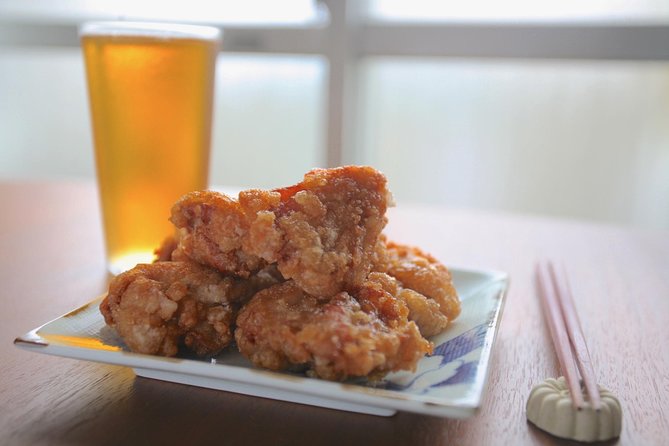
After the cooking, you sit down with Satoru and share the meal. This is not a quick tasting before moving on. The meal is part of the class, giving you time to enjoy the food and continue the conversation.
Your cooking has a clear payoff. You can taste the relationship between the ingredients, preparation, and final dish while the lesson is still fresh. If you made dashi, shaped gyoza, or worked on a sauce, you can connect those steps to the finished meal.
One or two glasses of local alcohol are included. The listing does not specify the exact drink, so do not book this expecting a particular type of sake, beer, or wine. If you do not drink alcohol, it is sensible to clarify your preference with the host before the class.
The meal also creates room for questions about Japanese daily life. The value here is not just the food. You are sharing a table with the person who taught you, in his own home, rather than leaving immediately after the final cooking step.
The gifts and the personal touch
A Japanese utensil and an ingredient are included as gifts. These are small items, but they help extend the experience beyond the afternoon. You can use the utensil later and try to repeat part of the meal at home with the ingredient.
The gift is not a reason to book by itself. The real value lies in the time with Satoru and the chance to cook in his home. Still, it is a thoughtful finish, especially if you want a physical reminder of the lesson.
The perfect 5 out of 5 score from 19 ratings points to a consistent strength: Satoru’s personality. The praise centers on his humor, patience, clear explanations, and ability to make the class enjoyable for different ages. That matters because a home cooking visit depends heavily on the host. The food menu can change, but a friendly teacher can make almost any dish worthwhile.
Is $130 per person a fair price?
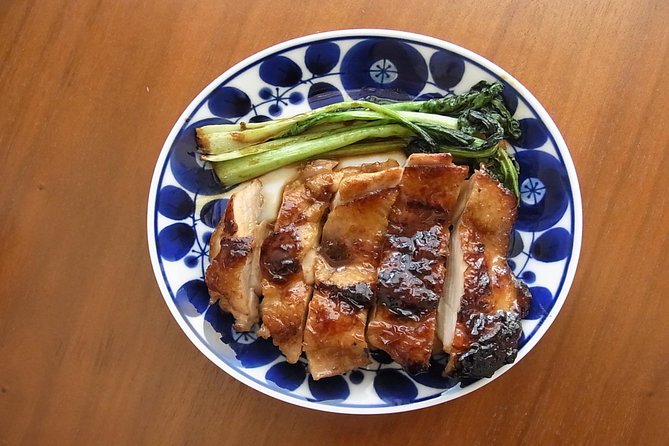
At $130 per person, this costs more than a casual Japanese meal. You could eat ramen, curry, or a set meal in Tokyo for far less. If your only goal is to try Japanese food, save your money and visit a neighborhood restaurant.
The price makes more sense when you consider everything included: a private class, two and a half hours of time, station pickup, the meal, one or two glasses of local alcohol, conversation with Satoru, and two gifts. You are also paying for access to a private home, which is not something most visitors can arrange on their own.
This is especially good value for a family or small group that wants one shared activity. The private format lets you ask questions without competing with strangers, and the cooking gives everyone something to do. For a solo visitor, the price is harder to justify unless personal contact and food instruction are high priorities.
The booking pattern also deserves attention. The activity averages booking about 72 days ahead. That suggests you should reserve early, especially if you need a particular menu, vegetarian preparation, or a date that fits a tight Tokyo schedule.
Who will enjoy this most?
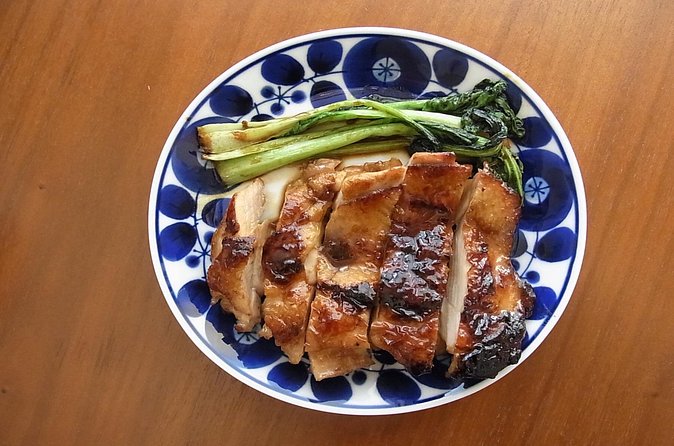
I would point this class toward people who want a personal connection to Tokyo and enjoy learning by doing. It suits couples, families, and small groups who would rather spend an afternoon cooking than simply visiting another restaurant.
It is also a good match for anyone curious about ordinary Japanese food. The menu is not limited to famous sushi or high-end cuisine. Teishoku, miso soup, rice, gyoza, yakisoba, karaage, and curry show the everyday side of Japanese eating.
Families should pay attention to the positive reports about teenagers. Satoru’s patience and humor seem to help the class work across age groups. You should still make sure everyone in your group is comfortable in a small kitchen and with a two-hour-plus activity.
I would be more cautious if you need a highly structured professional kitchen, a guaranteed menu, or a fast activity between major Tokyo sights. The home setting brings warmth, but also less space and less control over the exact menu.
Practical booking advice for Shinjuku
Choose your date based on food first. Book Sunday through Tuesday for the teishoku set meal, or select Wednesday through Friday if you prefer one of the popular dishes. Confirm the menu before paying so you are not surprised by the day’s assignment.
List all dietary requirements in the special requirements box when booking. Vegetarian preparation is available, but give the host at least a week to make changes. The same one-week notice is wise for ingredient dislikes or other restrictions.
Confirmation arrives within 48 hours, subject to availability. The activity accepts a mobile ticket, and free cancellation is available if you cancel at least 24 hours before the local start time. Changes or cancellations inside that period are not accepted for a refund.
The activity is near public transportation and begins and ends at the Shinjuku meeting point. Plan for the full two hours and 30 minutes, plus enough time to reach the station without a last-minute dash.
Should you book Satoru’s cooking class?
Book it if you want a private, friendly introduction to Japanese home cooking and value conversation as much as the meal. Satoru’s patient teaching, humor, and willingness to explain ingredients are the clearest reasons to choose this experience.
Skip it if you only want the cheapest way to eat Japanese food, or if a changing menu and small home kitchen would frustrate you. At $130, this is a cultural activity with food, not simply a cooking lesson or restaurant dinner.
For the right visitor, the best part is simple: you leave Shinjuku having cooked, eaten, talked, and learned something you could not get from a menu alone.
FAQ
Where does the cooking class begin?
It begins at JR Shinjuku Station, at 3-chōme-38-1 Shinjuku, Shinjuku City, Tokyo 160-0022, Japan.
How long does the experience last?
The experience lasts approximately two hours and 30 minutes. Cooking takes about an hour and a half, followed by the shared meal and conversation.
What food can I learn to make?
Sunday through Tuesday feature a teishoku set meal with miso soup, rice, and two side dishes. Wednesday through Friday may feature okonomiyaki, karaage, yakisoba, katsu curry rice, ramen, or gyoza.
Is a vegetarian option available?
Yes. Vegetarian preparation is available, but you must request it when booking. Dietary requirements and menu changes should be shared at least one week in advance.
Is alcohol included?
Yes. One or two glasses of local alcohol are included with the private meal.
Can I cancel for a full refund?
Yes, if you cancel at least 24 hours before the experience start time. Cancellations or changes made less than 24 hours before the start time are not accepted for a refund.
More Home Cooking Classes in Tokyo
- Khmer Cooking Class at a Local’s Home in Krong Siem Reap
★ 5.0 · 2,731 reviews - Local Home Korean Cooking Class & Market Adventure in Seoul
★ 5.0 · 1,024 reviews - Marrakech: Moroccan Cooking Class with a Local Family
★ 4.9 · 668 reviews - Mexican Cooking from Scratch in a Local Home in Tulum
★ 5.0 · 585 reviews
More Sushi and Japanese Classes in Tokyo
- Tokyo: Wagyu and 7 Japanese Dishes Cooking Class
★ 4.9 · 273 reviews - Tokyo Washoku 4-hour Cooking Class: From Market to Table
★ 5.0 · 253 reviews - Small-Group Wagyu Beef and 7 Japanese Dishes Tokyo Cooking Class
★ 5.0 · 190 reviews - Shinjuku Tokyo: Authentic Japanese Home-Style Culinary Class
★ 4.9 · 125 reviews
Just added around Tokyo
- Tokyo: Sushi Cooking Class with Sake Tasting★ 4.8 · 55 reviews
- Tokyo: Sushi roll and side dish cooking experience★ 5.0 · 2 reviews
- Tokyo: Sushi Making Experience & Japanese Cooking Class★ 5.0 · 2 reviews
- Tokyo: Gyoza Making from Scratch – Ultimate Cooking Class★ 5.0 · 2 reviews
- Tokyo: Night Cooking Class: 5 Home-Cooked Japanese Dishes★ 4.9 · 13 reviews
- Tokyo: Real Ramen & Dumpling Cooking with Master Chef★ 5.0 · 10 reviews
- Tokyo: Kawaii Bento Cooking Class – Cute Character Lunchbox★ 4.9 · 55 reviews
- Tokyo: Sushi and Ramen Cooking Class with Sake Pairing Set★ 5.0 · 81 reviews
Home Cooking Classes, compared.
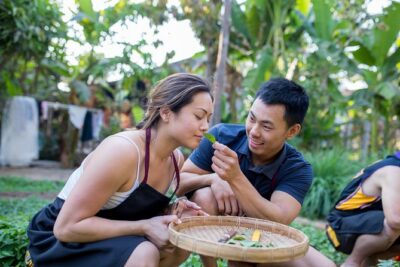
Khmer Cooking Class at a Local’s Home in Krong Siem Reap
Read our review →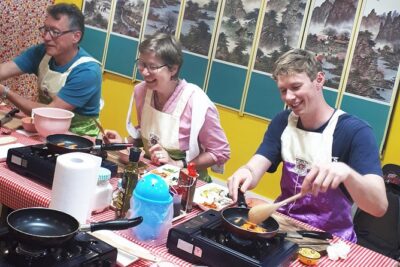
Local Home Korean Cooking Class & Market Adventure in Seoul
Read our review →
Mexican Cooking from Scratch in a Local Home in Tulum
Read our review →
Pastamama, Home Cooking Classes at Grace’s Home
Read our review →
Traditional Cooking Class & meal with Local Family
Read our review →