REVIEW · TOKYO, JAPAN
Tokyo Haneda: Bento & Ramen Gyoza Cooking Class in a Local home
Cook Japan in a real home. This three-hour class in Ota City lets you make bento, ramen, and gyoza with friendly local hosts, rather than watching a chef work from a distance. I especially like the home-style setting and the all-you-can-drink selection, which includes Japanese tea, beer, sake, wine, coffee, and soft drinks. The main consideration is that this is a cooking lesson first, so anyone wanting a polished restaurant meal or a sightseeing tour should choose something else.
The class is led by hosts including Machiko, Nao, and Yoko, depending on the session. Past participants have praised their patience, clear English instructions, and willingness to adapt, including preparing gluten-free udon in another class. At $60 per person, the value is strong if you want a meal, practical recipes, cultural conversation, drinks, and small Japanese gifts in one relaxed visit.
Key points to know before booking
- You cook in a local home in Nishirokugo: The setting feels personal and informal, not like a commercial training kitchen.
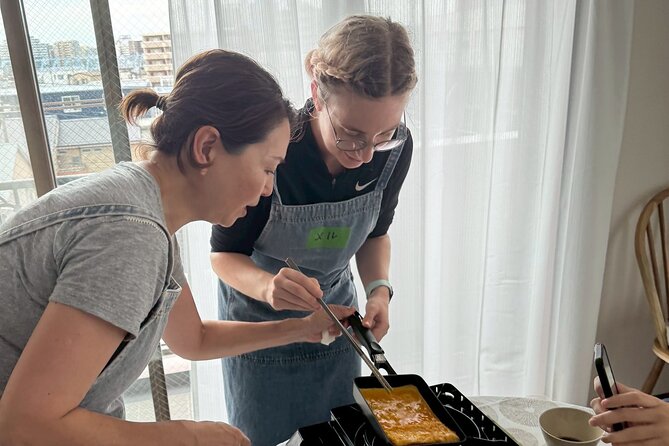
- The class is fully hands-on: You prepare your own dishes instead of simply watching a demonstration.
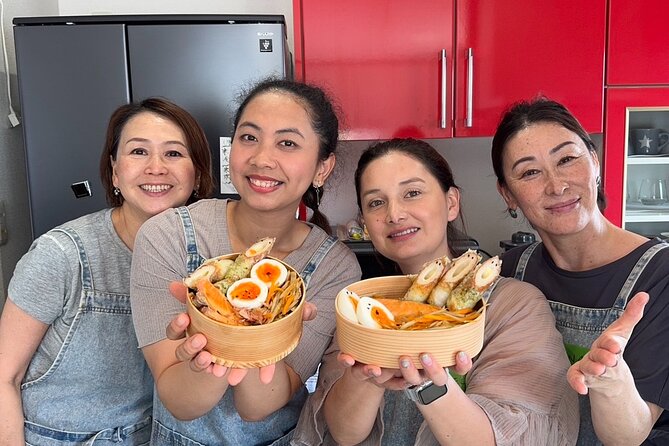
- Bento is the central attraction: You learn how a Japanese lunch comes together, then eat the food you made.
- Ramen and gyoza are part of the cooking focus: The menu gives you familiar Japanese favorites to practice at home.
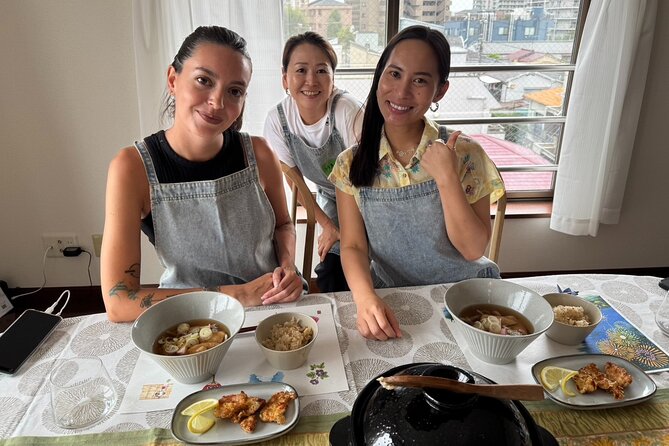
- Drinks are included without a separate charge: Options include sake, beer, wine, tea, coffee, and soft drinks.
- You leave with chopsticks and a chopstick rest: The souvenirs are useful reminders of the class, not disposable trinkets.
A local Tokyo setting near Haneda Airport
The class takes place at 4-chome, Nishirokugo, in Ota City, Tokyo. The meeting address is Grace Mansion Harada, 4-chome 109, Nishirokugo, Tokyo 144-0056.
This part of Tokyo gives you a different sense of the city from the major shopping and nightlife districts. The class description points to the nearby Tama River, where you can take a quiet walk before or after the meal. That matters if you have already seen the bright central districts and want a slower neighborhood setting.
The location is also useful for a Haneda-based schedule. It is described as close to public transportation and accessible from Haneda Airport, though you should allow enough time to find the building and arrive for the 11:00 a.m. start. Private transportation is not included, so you arrange your own route.
I like the way the setting supports the purpose of the class. You are not only preparing Japanese food. You are entering an ordinary residential part of Tokyo and spending time in a kitchen designed to feel like a friend’s home. That makes the cultural side more convincing than a class held in a generic rental space.
More Home Cooking Classes in Japan
- Private Home Cooking in Yanaka – Local Flavors in a Warm Setting
★ 5.0 · 173 reviews - Japanese Home Cooking Class & Walk in Todoroki Temple Tokyo
★ 5.0 · 88 reviews - Hands-on Japanese Cooking in a Shinjuku Home Kitchen with Satoru
★ 5.0 · 19 reviews
What the three-hour class feels like
The class lasts about three hours and ends at the same meeting point. The main structure is simple: arrive, receive guidance, prepare the dishes, eat what you made, and enjoy conversation over included drinks.
The most important detail is that the lesson is hands-on. You make your own bento from start to finish rather than standing behind a counter while an instructor does the difficult parts. This gives you a better chance of remembering the methods once you return home.
The exact order of the dishes can vary by session, but the advertised focus includes bento, ramen, and gyoza. Other class menus have included mochi, udon, and tempura, so you should check the selected class details at booking if the menu is especially important to you.
The hosts guide each step closely. The feedback about Machiko, Nao, and Yoko points to an easy pace, clear English, and patient help. That is useful for beginners, but it also suits people who already cook. One participant who already knew how to prepare Japanese food still picked up easier methods and new recipe ideas.
Making bento from start to finish
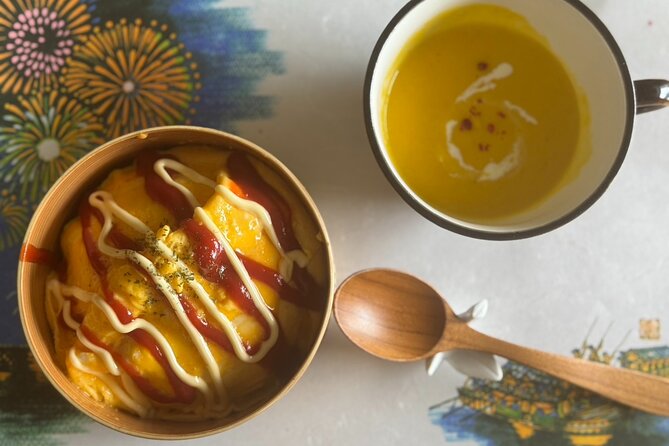
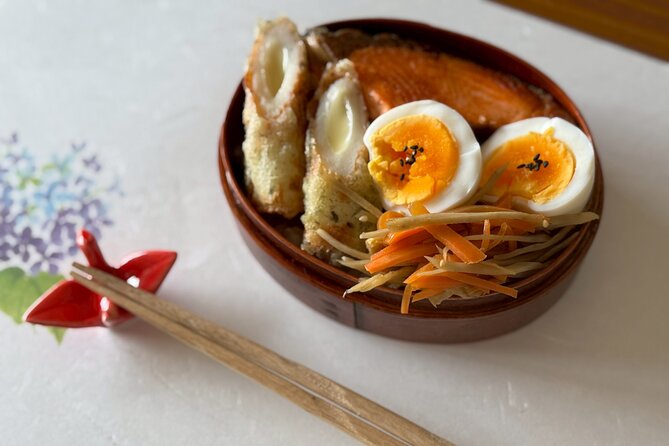
Bento is the strongest reason to book this particular class. A bento is more than food placed in a box. It is a compact Japanese meal, arranged with attention to variety, color, portions, and convenience.
By making your own bento, you get to see how a home cook turns several components into one practical lunch. The lesson can help you understand the balance between rice, side dishes, texture, and appearance. You also learn by doing, which is much more useful than taking a photograph of a finished box.
One especially nice touch is that the class includes a Japanese lunch box as a souvenir according to one detailed account of the cooking session. The general included-souvenir information lists chopsticks and a Japanese chopstick rest, so the exact gifts may depend on the class or booking. Either way, you take home something connected to the meal.
I would book this class if you want a Japanese food skill you can repeat. Ramen is fun, and gyoza is satisfying, but bento has the best chance of becoming part of your regular cooking routine.
Ramen and gyoza with direct guidance
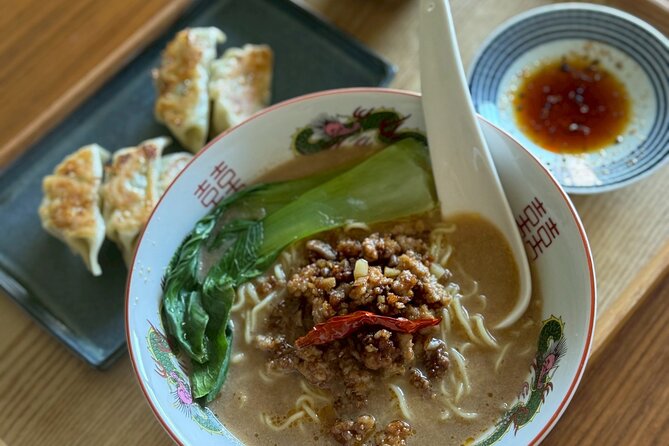
Ramen and gyoza make the class appealing to anyone who wants recognizable Japanese comfort food. You get the pleasure of shaping, assembling, and cooking food yourself, with the hosts helping you through the movements.
The value here is not only the final meal. You can ask questions while you work, see how the ingredients come together, and understand the small steps that are easy to miss in a recipe. One class account described making ramen, gyoza, and mochi with guidance through each movement, and found the process easier than expected.
Do not expect a professional culinary certification or restaurant-level kitchen training. This is home cooking in a relaxed setting. That is a benefit for many people, but it also means the pace and presentation are likely to feel informal rather than highly polished.
If you are nervous about cooking in front of others, the private format helps. Only your own group participates, so you are not placed in a large class with strangers competing for counter space. The private arrangement is also useful for families and friends who want to share the meal at their own pace.
Same place, a different thing to cook:
- Ramen & Gyoza Cooking Class in Tokyo with Local Supermarket Visit
★ 5.0 · 823 reviews - Tokyo Tsukiji Fish Market Tour and Sushi Making Lesson
★ 5.0 · 390 reviews - Tokyo: Easy Ramen Cooking Experience in Kabukicho, Shinjuku
★ 4.6 · 321 reviews - Ramen and Sushi Cooking Class with Sake Pairing Set in Tokyo
★ 5.0 · 291 reviews
Friendly hosts and English instruction
The people running the class are central to its appeal. Machiko and Nao are repeatedly described as kind, patient, and helpful, while Yoko is also named in connection with a ramen, gyoza, and mochi session.
English instruction is available, and the cooking steps are designed to be easy to follow. That does not mean every culinary term will be translated in a formal, textbook way. Instead, you can expect practical help while preparing the food and the chance to ask questions about Japanese cuisine and food culture.
The family-friendly feel is another strong point. A family taking the class during a short return visit to Japan found the private setting comfortable and meaningful. Children can take part in a shared activity, though you should still mention any food allergies in advance.
The atmosphere sounds warm rather than hurried. You get time to cook, talk, eat, and enjoy drinks. For me, that is a better fit than a lesson that rushes you through recipes just to move the next group in.
Free-flow drinks and the meal afterward
Drinks are included, which adds real value to the $60 price. The selection includes Japanese sake, beer, wine, Japanese tea, coffee, black tea, and soft drinks.
The alcohol option can turn the meal into a social occasion, but it is not required. You can stick to tea or soft drinks and still take part fully. If you plan to drink sake or beer, remember that you still need to make your own way back to your hotel or onward destination.
You eat the food you prepare during the class. This is important when comparing the price with a standard cooking demonstration. At $60, you are paying for instruction, a substantial meal, free-flow drinks, the private setting, and souvenirs.
The value is strongest for people who would otherwise pay separately for lunch and a cultural activity. It is less compelling if you only want a quick meal, do not enjoy cooking, or will not use the recipes after returning home.
Why the home setting matters
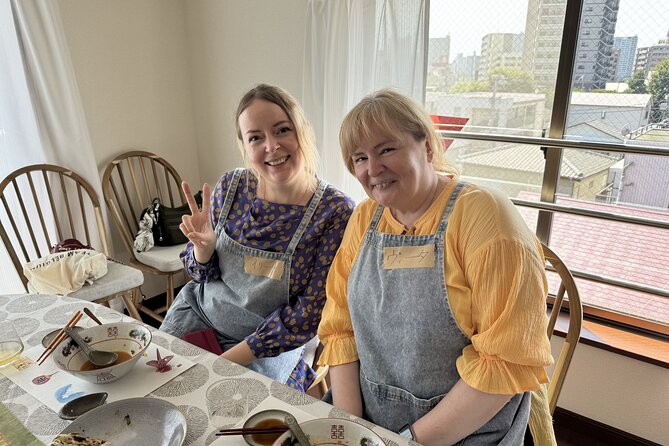
A local home changes the tone of the visit. You see Japanese food as something prepared for everyday life, not only as restaurant cuisine presented for special occasions.
The informal kitchen also makes questions easier. You can ask why a dish is prepared in a certain way, how it fits into home meals, or what you could substitute in your own kitchen. The class description emphasizes sharing Japanese food culture, and that goal comes through best in the relaxed personal setting.
There is a small tradeoff. A home kitchen may not have the space, equipment, or smooth layout of a purpose-built cooking studio. If you need a highly polished presentation, professional workstations, or a tightly timed lesson, this may feel too casual.
For me, the casual setting is the point. You come for contact with everyday Japanese cooking, not a stage show.
Timing, transport, and practical planning
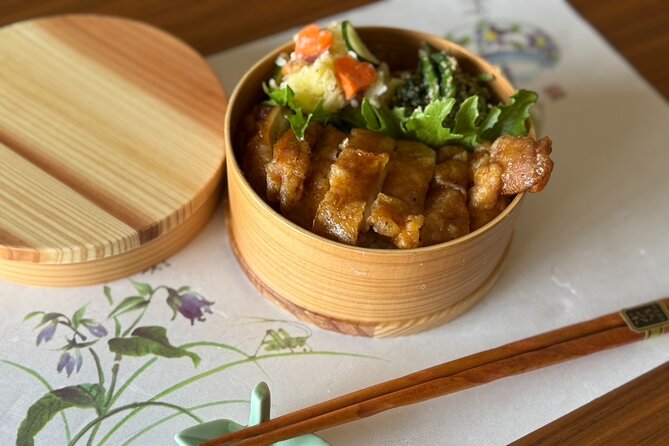
The start time is 11:00 a.m., and the activity runs for roughly three hours. Plan for the class to finish around early afternoon, although the exact end time can vary with the cooking pace.
You meet and finish at the same address in Nishirokugo. Public transportation is nearby, and the area is accessible from Haneda Airport. Since private transportation is not included, check your route before the day of the class and allow extra time for finding the correct building.
A useful plan is to combine the class with time around the Tama River. The river is close enough to offer a calm walk and gives you a chance to see a less commercial side of Tokyo. If you are using the class as a Haneda stopover activity, be careful with your flight timing. A three-hour class, transport, airport procedures, and possible delays require a generous buffer.
Bring your appetite, and tell the operator about food allergies in advance. The experience requires a minimum number of participants, so a cancellation for that reason may result in another date, another activity, or a full refund.
Who should book this class
I would recommend it most strongly to:
- Families wanting a shared activity in a private setting
- Couples and friends who enjoy cooking and eating together
- First-time visitors who want a local neighborhood experience
- People staying near Haneda Airport
- Home cooks who want practical Japanese recipes
- Anyone interested in bento and everyday Japanese food culture
It is also a good option for people who already know some Japanese cooking. The class can provide fresh ideas and simpler techniques, rather than only covering basic facts.
I would be more cautious if you have a very limited schedule, dislike alcohol-centered social settings, or need a class with detailed dietary guarantees. Allergies should be discussed ahead of time, and the available menu may vary.
Is $60 a fair price?
Yes, for the right kind of outing. The fee covers about three hours, hands-on cooking, the meal, free-flow drinks, a private group setting, English support, and souvenirs.
The strongest value comes from the combination. A normal lunch gives you food but no cooking skill. A sightseeing stop gives you photos but not a recipe you can repeat. Here, you get a meal and a practical activity, with the added benefit of personal contact in a home kitchen.
I would not book it simply because it is cheap. I would book it because the format matches what you want from Tokyo. If your ideal day includes cooking, conversation, and a relaxed meal, the price is sensible. If you prefer museums, temples, or a fast-paced city tour, your money may be better spent elsewhere.
Should you book the Nishirokugo cooking class?
Book this class if you want to make Japanese food yourself and meet local hosts in a private home. The clearest strengths are the hands-on bento preparation, the friendly instruction from hosts such as Machiko and Nao, the free-flow drinks, and the easygoing setting near Haneda.
Skip it if you only want to eat, if your schedule cannot comfortably accommodate a three-hour activity beginning at 11:00 a.m., or if you expect a formal culinary school. For families, food lovers, and curious home cooks, this is one of the more personal ways to spend a morning in Tokyo.
FAQ
Where does the cooking class take place?
It takes place at Grace Mansion Harada, 4-chome 109, Nishirokugo, Ota City, Tokyo 144-0056.
What time does the class start?
The class starts at 11:00 a.m.
How long does the activity last?
The cooking experience lasts approximately three hours.
What food will I prepare?
The advertised focus includes bento, ramen, and gyoza. Other sessions may feature dishes such as udon, tempura, or mochi, so check the details for your selected class.
Are drinks included?
Yes. Included drinks can include sake, beer, wine, Japanese tea, coffee, black tea, and soft drinks.
Is the activity private?
Yes. Only your group participates in the activity.
What souvenirs are included?
The included souvenirs are listed as chopsticks and a Japanese chopstick rest. A Japanese lunch box has also been provided in connection with a bento class.
Can I cancel for a full refund?
Yes, if you cancel at least 24 hours before the local start time. Cancellations or changes made less than 24 hours before the start are not refundable, and changes are not accepted within that period.
More Home Cooking Classes in Tokyo
- Khmer Cooking Class at a Local’s Home in Krong Siem Reap
★ 5.0 · 2,731 reviews - Local Home Korean Cooking Class & Market Adventure in Seoul
★ 5.0 · 1,024 reviews - Marrakech: Moroccan Cooking Class with a Local Family
★ 4.9 · 668 reviews - Mexican Cooking from Scratch in a Local Home in Tulum
★ 5.0 · 585 reviews
More Sushi and Japanese Classes in Tokyo
- Tokyo: Wagyu and 7 Japanese Dishes Cooking Class
★ 4.9 · 273 reviews - Tokyo Washoku 4-hour Cooking Class: From Market to Table
★ 5.0 · 253 reviews - Small-Group Wagyu Beef and 7 Japanese Dishes Tokyo Cooking Class
★ 5.0 · 190 reviews - Shinjuku Tokyo: Authentic Japanese Home-Style Culinary Class
★ 4.9 · 125 reviews
Just added around Tokyo
- Tokyo: Sushi Making Experience & Japanese Cooking Class★ 5.0 · 2 reviews
- Tokyo: Sushi Cooking Class with Sake Tasting★ 4.8 · 55 reviews
- Tokyo: Sushi roll and side dish cooking experience★ 5.0 · 2 reviews
- Tokyo: Gyoza Making from Scratch – Ultimate Cooking Class★ 5.0 · 2 reviews
- Tokyo: Night Cooking Class: 5 Home-Cooked Japanese Dishes★ 4.9 · 13 reviews
- Tokyo: Real Ramen & Dumpling Cooking with Master Chef★ 5.0 · 10 reviews
- Tokyo: Kawaii Bento Cooking Class – Cute Character Lunchbox★ 4.9 · 55 reviews
- Tokyo: Sushi and Ramen Cooking Class with Sake Pairing Set★ 5.0 · 81 reviews
Home Cooking Classes, compared.
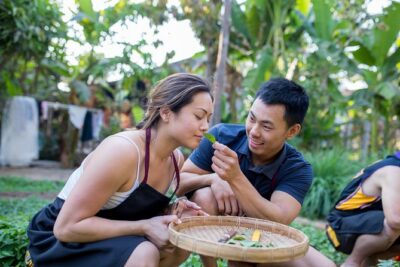
Khmer Cooking Class at a Local’s Home in Krong Siem Reap
Read our review →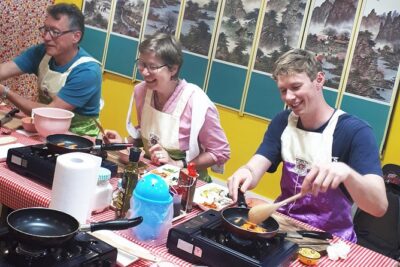
Local Home Korean Cooking Class & Market Adventure in Seoul
Read our review →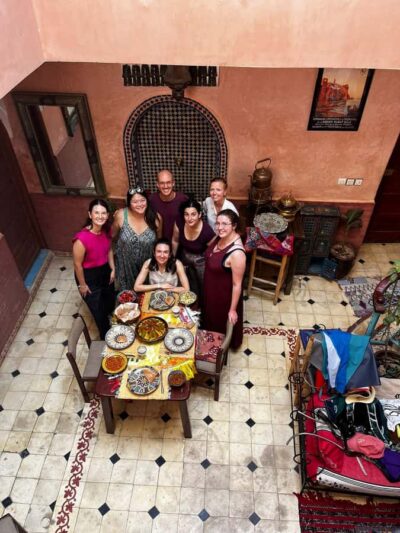
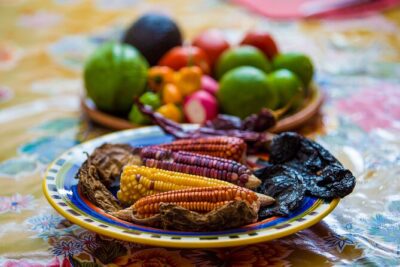
Mexican Cooking from Scratch in a Local Home in Tulum
Read our review →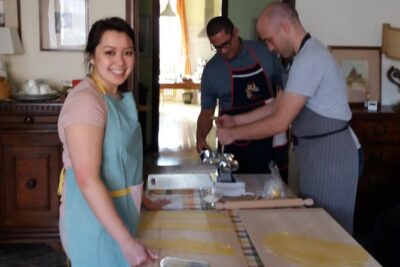
Pastamama, Home Cooking Classes at Grace’s Home
Read our review →
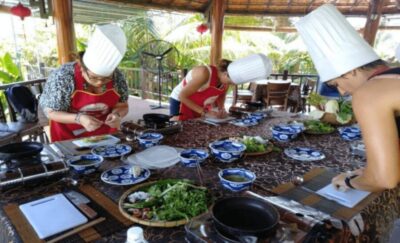
Traditional Cooking Class & meal with Local Family
Read our review →