
REVIEW · HONSHU, JAPAN
Tokyo: Wagyu and 7 Japanese Dishes Cooking Class
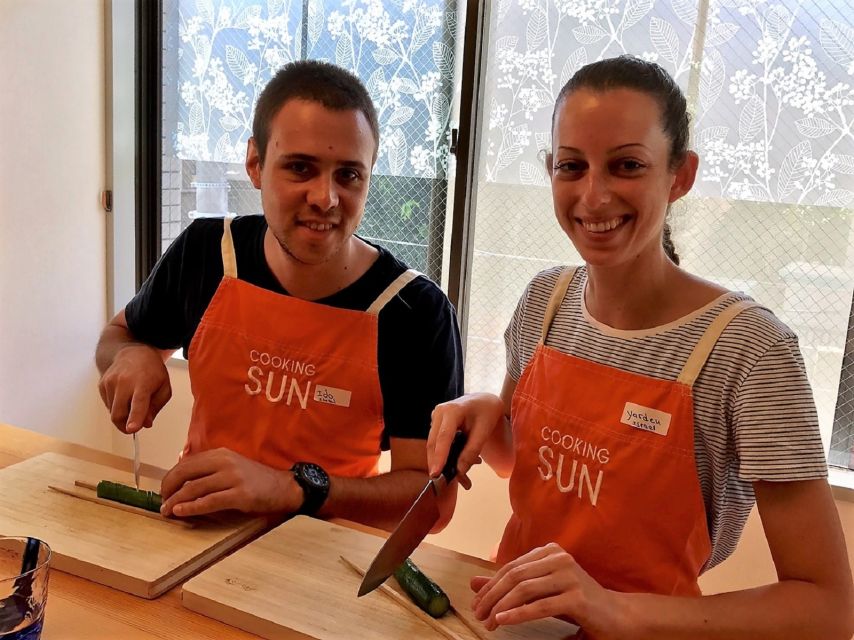
Tokyo can teach you to cook. This three-hour class turns a meal into a practical lesson, with Wagyu beef, dashi, miso, Japanese sweets, and several everyday dishes prepared in a small residential studio. I like the mix of hands-on cooking and cultural explanation, and I like that the recipes are simple enough to make again at home. The main consideration is the pace: preparing seven or eight dishes in about two and a half hours means this is an introduction, not an advanced knife-skills course.
The class costs $67 per person, including ingredients, utensils, an apron, a towel, welcome tea, and recipes. That is good value for Tokyo, especially since you eat the full meal at the end. You should arrive ready to cook rather than expecting a long restaurant-style Wagyu tasting.
Key points to know before booking
- Wagyu is the star dish: You prepare tender beef in a Japanese-style hotpot, often sukiyaki.
- Seven or eight dishes fit into one meal: The menu can include omelette, dashi-based miso soup, cucumber salad, sesame potato salad, stuffed tofu, Wagyu, and dorayaki.
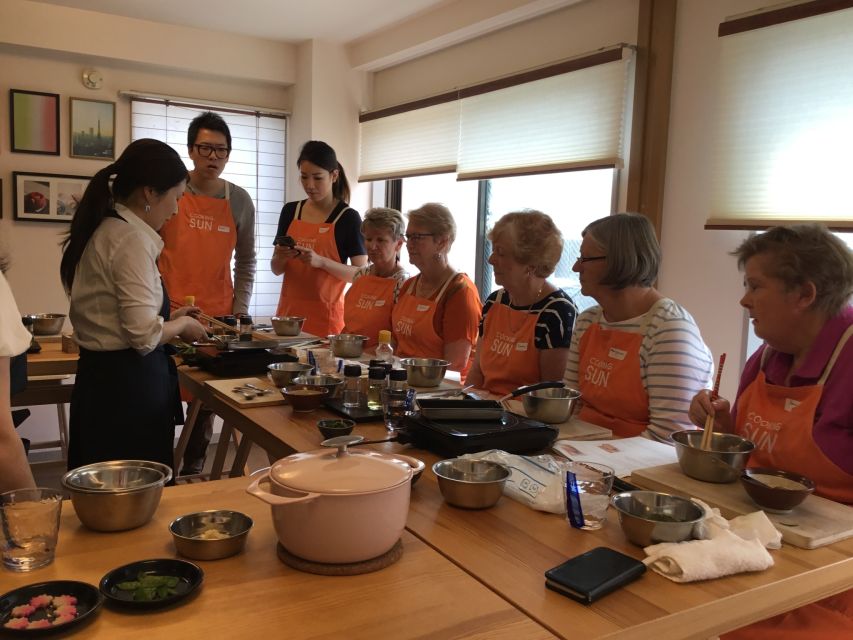
- Small groups keep the class personal: Numbers are limited to eight, with English-speaking instructors guiding each step.
- This is everyday Japanese cooking: You learn useful foundations rather than only making sushi or restaurant showpieces.
- The studio is in a residential neighborhood: It can be hard to spot, so prepare directions before leaving your hotel.
- Dietary substitutions are available: Tell the provider about allergies, vegetarian needs, gluten-free diets, or religious restrictions when booking.
A home kitchen feel in central Tokyo
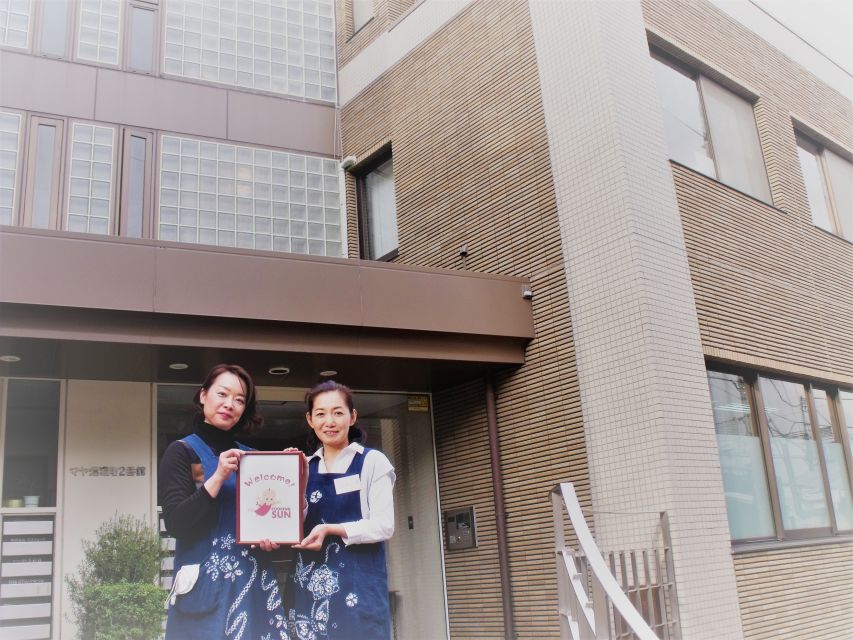
The cooking studio is in Shinjuku-ku, in the Shinanomachi area, on the second floor of a beige residential building. This is not a polished restaurant kitchen with a grand street entrance. You enter an ordinary apartment-style building, use the right-hand door, and press 314 on the intercom.
That slightly obscure arrival is part of the practical challenge. The studio can be difficult to find if you rely on last-minute directions. If you have Wi-Fi, search Google Maps for Cooking Sun Tokyo at Shinanomachi 18-39, Shinjuku-ku. Without Wi-Fi, check the detailed directions before you leave.
The setting sounds comfortable, clean, and bright, with good knives, pans, tables, and utensils. The residential location also gives you a glimpse of a quieter Tokyo neighborhood that you may not otherwise visit. If arriving by private vehicle, do not wait in front of the building. Use a nearby coin-operated parking lot instead, since the studio is in a quiet neighborhood.
Once inside, you receive a welcome tea, apron, and towel. The small-group limit of eight matters here. You are not watching a chef from the back of a crowded room. You work alongside the instructors and other participants, ask questions, and get help when a step needs explaining.
More Sushi and Japanese Classes in Tokyo:
- Ramen & Gyoza Cooking Class in Tokyo with Local Supermarket Visit
★ 5.0 · 823 reviews - Tokyo Tsukiji Fish Market Tour and Sushi Making Lesson
★ 5.0 · 390 reviews - Tokyo: Easy Ramen Cooking Experience in Kabukicho, Shinjuku
★ 4.6 · 321 reviews
Building a Japanese meal from the base up
The class lasts three hours, with about two and a half hours devoted to preparing food. The instructors lead you through a full meal, moving from appetizers and soup to the Wagyu course and dessert.
The menu is designed to show how Japanese cooking works as a system. Rather than making one complicated dish, you learn several small techniques and flavor combinations. That gives you a better feel for a Japanese home meal, where rice, soup, vegetables, meat, and small side dishes support one another.
A typical selection has included:
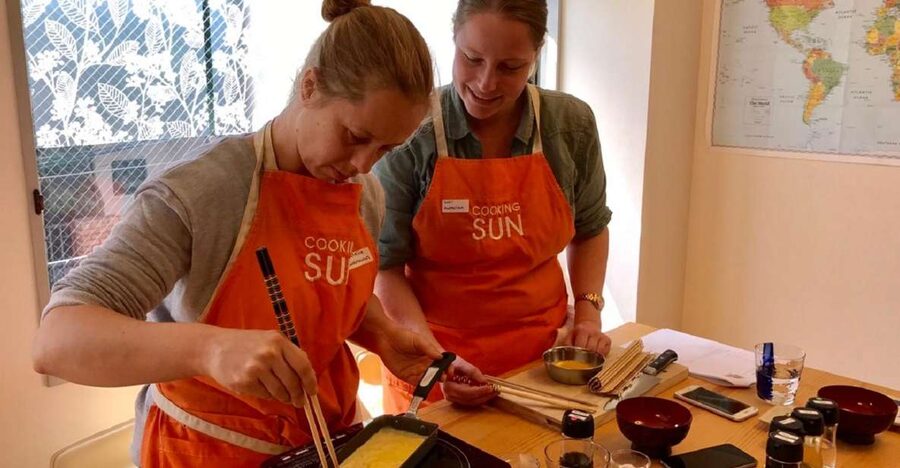
- Rolled Japanese omelette
- Dashi made from scratch for miso soup
- Accordion-cut cucumber salad
- Sesame potato salad
- Tofu stuffed with ground chicken, ginger, and edamame
- Sukiyaki-style Wagyu hotpot
- Dorayaki made with rice flour pancakes
The information describes seven Japanese dishes and eight total preparations, so the precise menu can vary. Seasonal ingredients are used, and the class may adjust dishes over time. Still, the examples show the useful range: soup stock, cutting, seasoning, frying or cooking fillings, hotpot preparation, and sweets.
I like this structure because it gives you more than a flashy main course. Anyone can remember that Wagyu is tender. Fewer people leave Japan knowing how dashi changes a soup, how miso types differ, or how a cucumber is cut for a Japanese side dish.
Dashi, miso, and the small details that matter
The dashi lesson is one of the most useful parts for a first-time cook. Dashi is a Japanese soup stock, and making it from scratch helps explain why miso soup tastes so different from a simple Western vegetable broth.
You also learn how the soup is assembled and how ingredients are chosen. One particularly useful lesson is the difference between red miso and white miso. That may sound like a small detail, but it helps you understand why Japanese soups can range from gentle and sweet to darker and stronger.
The instructors also explain where ingredients come from and how you might find substitutes outside Japan. That makes the class more practical than a one-off holiday activity. If you live somewhere without a Japanese supermarket, these suggestions can help you adapt the recipes instead of abandoning them once you get home.
The cutting lesson adds another useful touch. Accordion-cut cucumbers give a simple salad a more interesting texture and appearance. This is not presented as a demanding culinary exam. The point is to show you a Japanese way of treating a familiar ingredient.
Some past menus have also included sesame potato salad. It is a good example of the class’s approach: recognizable ingredients, Japanese seasoning, and a method that a beginner can repeat.
Preparing the meat courses, including Wagyu
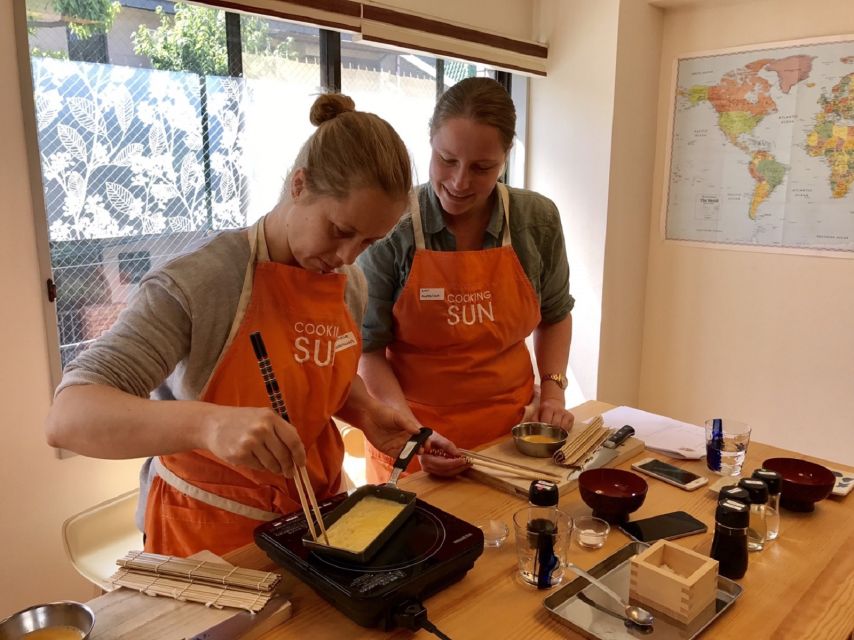
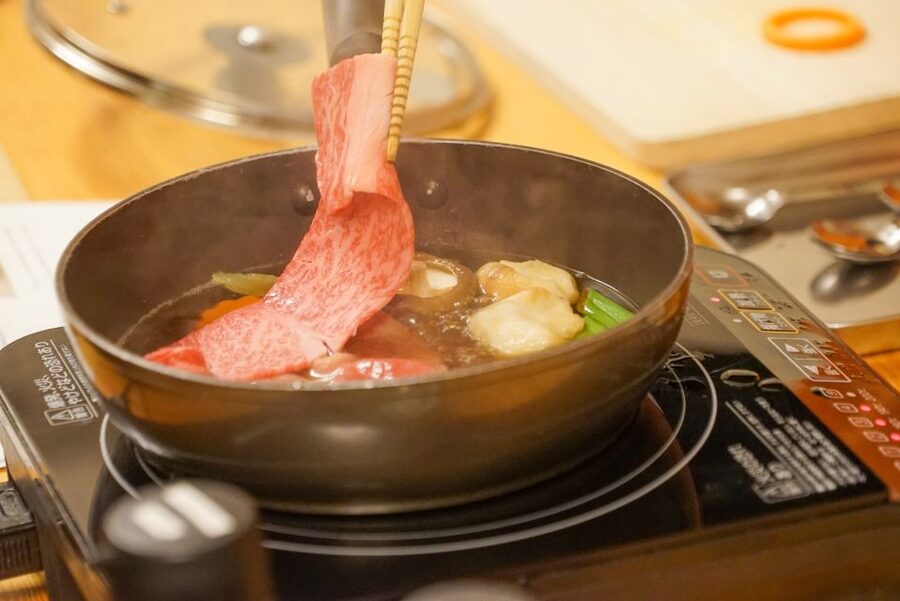
The Wagyu is the headline attraction, and the class gives it a proper place in the meal. Rather than treating the beef as a quick sample, you prepare it as part of a Japanese hotpot, often sukiyaki-style.
Sukiyaki is a useful choice for a cooking class because it shows how thinly sliced beef, sauce, vegetables, and other ingredients work together. You get the rich, tender taste of Wagyu, but you also learn how Japanese cooking uses sweetness, savory seasoning, and careful heat to bring out the meat.
The beef is not the only meat course. Another preparation has included tofu stuffed with ground chicken, ginger, and edamame. That dish gives the meal a different texture and shows how Japanese cooks combine protein with vegetables and aromatics.
The class is also a good fit if you do not eat fish. One participant specifically found it ideal for that reason. You should still give details of your dietary needs at booking, since fish, soy, wheat, meat, and other ingredients may appear in the wider menu. The provider says substitutions can be made for allergies, gluten-free diets, vegetarian preferences, religious restrictions, and other needs.
Do not book this expecting a specialist Wagyu butchery lesson. The focus is on using the ingredient in a Japanese dish, not on grading beef, trimming cuts, or studying restaurant-level cooking techniques. For most visitors, that is a sensible tradeoff.
A few more cooking classes around Tokyo worth a look
- Ramen and Sushi Cooking Class with Sake Pairing Set in Tokyo
★ 5.0 · 291 reviews - Tokyo Washoku 4-hour Cooking Class: From Market to Table
★ 5.0 · 253 reviews - Small-Group Wagyu Beef and 7 Japanese Dishes Tokyo Cooking Class
★ 5.0 · 190 reviews - Private Home Cooking in Yanaka – Local Flavors in a Warm Setting
★ 5.0 · 173 reviews
Ending with dorayaki and a full meal
Dessert is not an afterthought. The class has included dorayaki made with rice flour pancakes, giving you a sweet finish and another recipe to take home.
Because you prepare the food yourself, the final meal feels different from lunch at a restaurant. You know how the stock was made, which ingredients went into the fillings, and how much work sits behind each small dish. The meal also gives you time to sit down, talk with the other participants, and enjoy the results without rushing from one demonstration to the next.
The amount of food can be generous. One useful tip is to arrive ready to cook but not overly full. The meal includes many separate dishes, and you will want room for the Wagyu and dessert after working around the kitchen.
The full-course format is especially good for couples, families, solo visitors, and older children. An 11-year-old participant enjoyed the class with a parent, and the activities are described as hands-on without being too difficult. Teens can take part, and the atmosphere is not limited to one type of diner or cook.
The instructors make the difference
The teaching style is friendly, patient, and step by step. The English is clear, and the instructors explain not only what to do but why the dish is prepared that way.
Several instructors have been praised by name in past sessions, including Yuki, Yuki, Yuko, Kaori, Bifuka, and Aya. The exact teaching team may vary, but the pattern is consistent: demonstrations are followed by your own preparation, with help available as you work.
The cultural background is another strong point. You may learn how ingredients are used, where dishes come from, what to say before and after a meal, and how ordinary Japanese food differs from the sushi-centered version many visitors expect.
I would not choose this class if your main goal is advanced knife work. One past assessment makes that limit clear: the recipes are easy, and the course teaches Japanese style and flavor more than difficult cutting techniques. That is not a flaw for beginners. It means the class is built around confidence and useful home cooking.
What the $67 price really covers
At $67, the price is reasonable because it includes more than instruction. Ingredients, equipment, apron and towel rental, welcome tea, recipes, and the cooked meal are all part of the package.
Tokyo food classes can become expensive when you add ingredient fees or a restaurant meal afterward. Here, the Wagyu course alone adds value, while the other dishes give you a wider lesson than a single-beef tasting.
The strongest value comes from the recipes and repeatability. You are not simply watching an expert prepare food that would be hard to recreate. The dishes are selected so you can try them again with ingredients from a Japanese grocery store, Asian market, or sensible substitutions.
The class is also a good choice early in your Japan trip. It can help you recognize dashi, miso, hotpot flavors, and common side dishes when you eat at restaurants later. You may find yourself noticing what is in a soup or ordering a dish with more confidence.
Who should book this class
I would recommend it most strongly to:
- First-time visitors who want a useful introduction to Japanese food
- Couples looking for a shared activity beyond sightseeing
- Solo visitors who enjoy meeting people in a small group
- Families with older children or teens
- Cooks who want simple recipes they can repeat at home
- Anyone who prefers everyday Japanese food to a sushi-only lesson
- Visitors who do not eat fish, provided they share their requirements in advance
It may be less suitable if you want a quiet meal with no participation, an advanced professional cooking course, or a detailed Wagyu tasting. You should also allow time to find the building, since the entrance is not obvious.
Cancellation is flexible up to 24 hours before the class for a full refund, and you can reserve now and pay later. Starting times vary, so check availability when choosing a date.
Should you book the Wagyu cooking class?
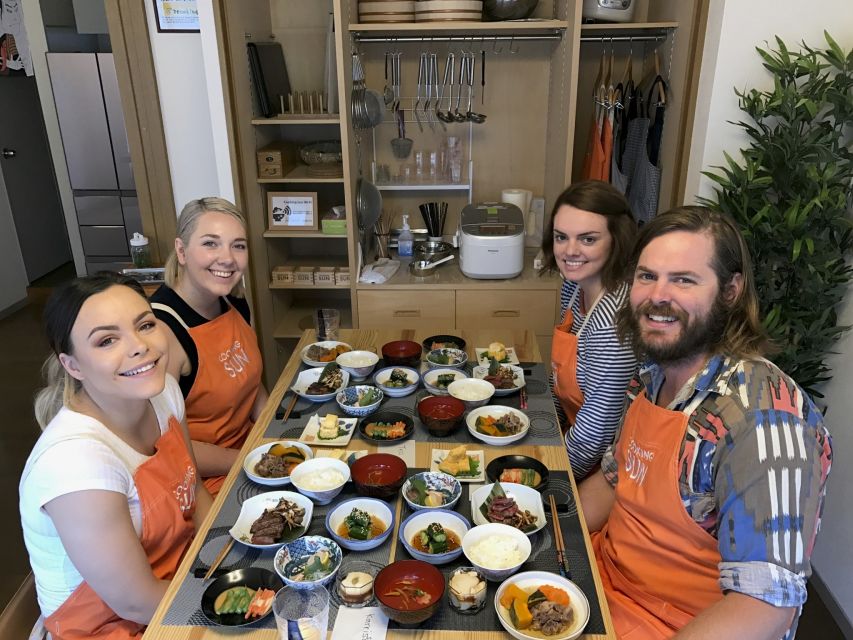
Yes, if you want to understand Japanese cooking rather than simply eat another meal in Tokyo. The strongest features are the small group, clear English instruction, practical recipes, and broad menu. You get dashi, miso, vegetables, tofu, meat, Wagyu, and dessert in one sitting.
The class is not technically demanding, and that is exactly why it works for most visitors. You leave with a better sense of Japanese flavors, a full lunch, and recipes you can try again. Plan your route carefully, mention dietary needs at booking, and arrive hungry enough to enjoy the meal you helped make.
FAQ
How long does the Tokyo Wagyu cooking class last?
The experience lasts three hours. About two and a half hours are spent preparing the full Japanese meal, followed by time to eat what you have made.
How many people can join the class?
The class is limited to eight participants, making it a small-group experience.
Is the class taught in English?
Yes. The instructors speak English and guide you through the recipes, ingredients, techniques, and cultural background.
What dishes will I prepare?
The class includes seven Japanese dishes and eight total preparations. Examples include dashi-based miso soup, Japanese omelette, cucumber salad, sesame potato salad, tofu stuffed with ground chicken, ginger and edamame, Wagyu sukiyaki hotpot, and dorayaki rice flour pancakes. The menu may vary with seasonal ingredients.
Is Wagyu included in the price?
Yes. Wagyu beef is the main feature of the meal and is prepared as part of a Japanese-style dish, commonly a sukiyaki hotpot.
Can dietary requirements be accommodated?
Yes. Ingredient substitutions can be arranged for allergies, gluten-free diets, religious restrictions, vegetarian preferences, and other dietary needs. Tell the provider when you book.
What is included, and how do I find the studio?
The price includes recipes, ingredients, utensils, an apron, a towel, and welcome tea. Transportation and hotel pickup are not included. The studio is on the second floor of a beige residential building at Shinanomachi 18-39, Shinjuku-ku. Use the right-hand entrance door and press 314 on the intercom.
Just added around Tokyo
- Tokyo: Sushi Cooking Class with Sake Tasting★ 4.8 · 55 reviews
- Tokyo: Sushi roll and side dish cooking experience★ 5.0 · 2 reviews
- Tokyo: Sushi Making Experience & Japanese Cooking Class★ 5.0 · 2 reviews
- Tokyo: Gyoza Making from Scratch – Ultimate Cooking Class★ 5.0 · 2 reviews
- Tokyo: Night Cooking Class: 5 Home-Cooked Japanese Dishes★ 4.9 · 13 reviews
- Tokyo: Real Ramen & Dumpling Cooking with Master Chef★ 5.0 · 10 reviews
- Tokyo: Kawaii Bento Cooking Class – Cute Character Lunchbox★ 4.9 · 55 reviews
- Tokyo: Sushi and Ramen Cooking Class with Sake Pairing Set★ 5.0 · 81 reviews
Japanese & Sushi Cooking Classes, compared.
Ramen Cooking Class at Ramen Factory in Kyoto
Read our review →
Ramen & Gyoza Cooking Class in Tokyo with Local Supermarket Visit
Read our review →
Ramen Cooking Class at a Ramen Factory with Souvenir
Read our review →
Sushi Making Osaka! Popular Sushi Class in Japan!
Read our review →
Tokyo Tsukiji Fish Market Tour and Sushi Making Lesson
Read our review →
Japanese Washoku Bento Small Group Cooking Class
Read our review →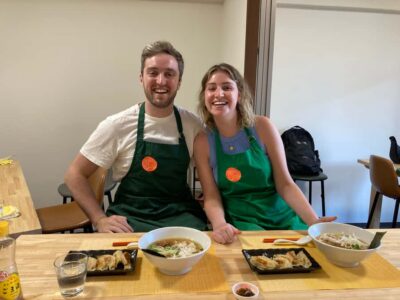
Lists this class appears in