
REVIEW · HONSHU, JAPAN
Tokyo: Kawaii Bento Cooking Class – Cute Character Lunchbox
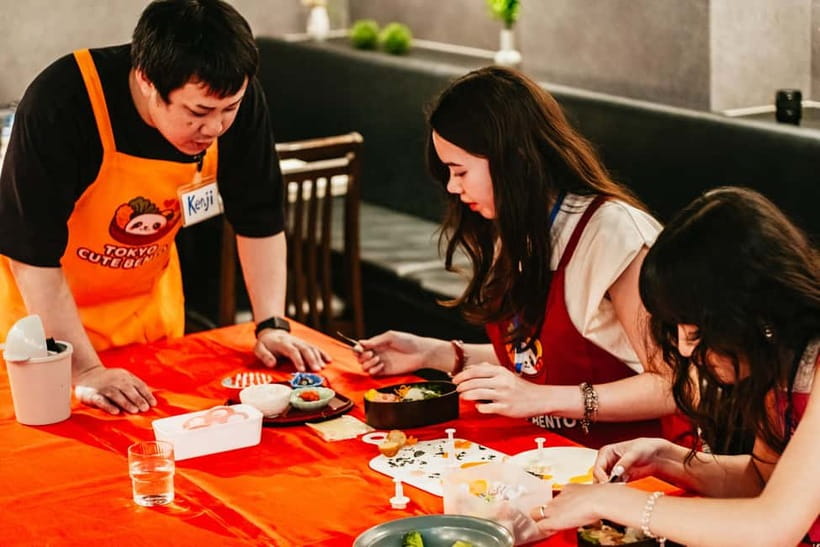
Cute food can teach serious culture. This two-hour workshop turns a Japanese lunchbox into edible art, with clear English instruction and plenty of tools for shaping faces, decorations, and side dishes. I like the friendly, hands-on format, and I like that solo visitors are welcome alongside families, couples, and friends. The 4.9 rating from 55 reviews fits the experience, especially praise for instructor Kenji and the patient step-by-step teaching.
The main consideration is the food itself. Common allergens such as seafood, soy, and sesame may be involved, so people with severe allergies need to ask ahead. You also use knives and cooking tools, meaning young children need close adult supervision. The class is not a formal Japanese cooking course, but it is a cheerful introduction to bento, kawaii culture, and the pleasure of making something with your own hands.
Key points at a glance
- Choose your character: Pick a panda, brown beer bento, or seasonal limited-edition design, with the final choice confirmed by email after booking.
- Meet near Tameike-Sanno Station: Exit 7 leads you toward the building with the panda bento sign, below a ramen shop in basement level B1.
- Make more than a rice ball: You decorate the face, arrange side dishes, and use a wide range of bento-making tools.
- Learn the meaning of bento: A 15-minute introduction explains why lunchboxes matter in Japanese food culture.
- Plan for a relaxed two hours: The schedule includes preparation, photography, eating, English recipes, and a souvenir.
- Ask about food needs early: Vegetarian and vegan choices, no-nut and no-milk adjustments, and some other substitutions may be possible with advance notice.
Why this small bento class works so well
The appeal is simple: you make lunch, but the process feels like a craft workshop. Instead of watching a chef work from across a room, you shape your own character bento with direct guidance. That matters if you are not confident in the kitchen. Several children initially worried that the activity would be too difficult, yet the clear instructions helped them follow each step.
I also like the balance between play and cultural context. The class does not treat bento as a random cute-food trend. You first hear about the role of bento in Japan, then put that idea into practice by arranging a complete lunchbox. The result is something you can eat, photograph, and potentially repeat at home.
The teaching team receives especially strong praise. Kenji is described as kind, patient, informative, and enthusiastic. Mari has also taught the class, and the two have been praised for explaining the background of bento before moving into the practical work. That combination helps the session feel personal rather than rushed.
The mood can also change with the group size. A small class gives you more room to ask questions, and some bookings become private sessions when no one else is scheduled. That is a pleasant bonus, but it should not be treated as guaranteed. The class is designed to work for a mixed group, including solo participants.
More Sushi and Japanese Classes in Tokyo:
- Ramen & Gyoza Cooking Class in Tokyo with Local Supermarket Visit
★ 5.0 · 823 reviews - Tokyo Tsukiji Fish Market Tour and Sushi Making Lesson
★ 5.0 · 390 reviews - Tokyo: Easy Ramen Cooking Experience in Kabukicho, Shinjuku
★ 4.6 · 321 reviews
Finding the workshop near Tameike-Sanno
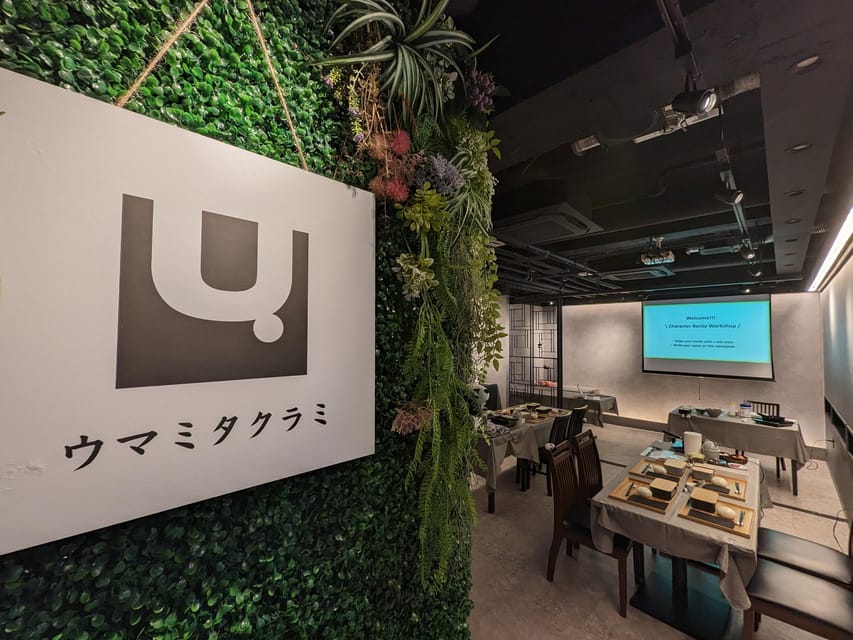
The meeting point is straightforward once you know the landmark. Leave Tameike-Sanno Station through Exit 7, walk straight, and cross the intersection. The building directly ahead has a panda bento sign. The class is in the basement, level B1, beneath a ramen shop.
This is useful information because the activity is indoors and does not depend on good weather. Tokyo heat, rain, and sudden showers will not spoil the plan. The location is also described as convenient for plans around Tokyo Station, Shibuya, and Asakusa, although you should allow enough time to reach Tameike-Sanno from your previous stop.
The ticket redemption and the activity take place at the same address. That removes one common source of confusion. Still, I would arrive with the station exit and panda sign in mind, since central Tokyo buildings can look similar at street level.
The workshop is wheelchair accessible. If you have mobility needs, it is sensible to confirm the exact setup when booking, but the activity is specifically described as accessible.
The first 15 minutes: bento beyond cute faces
The session begins with an introduction to Japanese bento culture. This takes about 15 minutes, so it is short enough for children but long enough to give the cooking a purpose.
Bento is not simply food placed in a box. The arrangement, portions, colors, and balance all matter. This class uses the cute character as an easy entry point, then links the design work to wider Japanese food customs. You learn why the lunchbox is important before filling your own.
I appreciate this opening because it gives the activity more substance than a craft class. You are not only making a panda or another character for a photograph. You are learning how a compact meal can be planned and presented with care.
The tone is interactive and practical. The instructors explain the cultural side in English, then move into the steps you will use yourself. If you are traveling with children, this short introduction gives them a reason to pay attention before the hands-on work begins.
The 60-minute making session
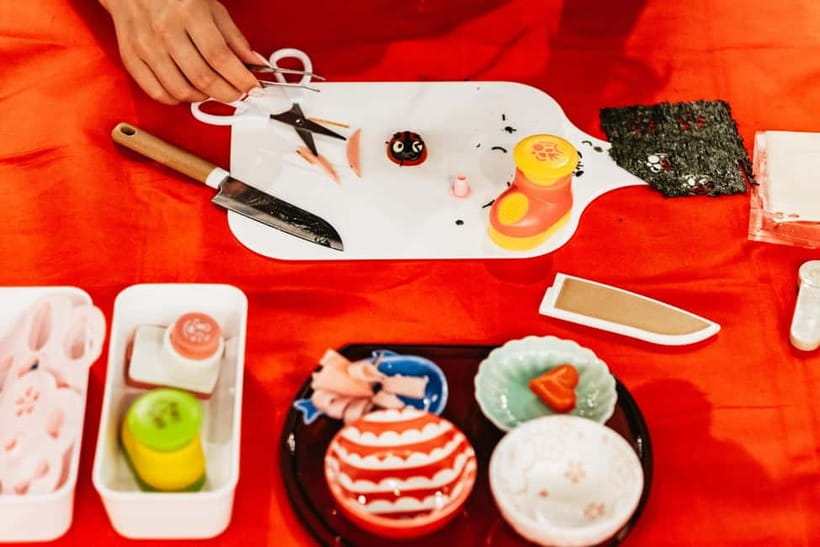
The main part lasts about an hour. All ingredients and tools are supplied, so you do not need to shop for special molds, cutters, or decorations before arriving. That is a real part of the value, especially for a visitor who would not want to pack kitchen tools in luggage.
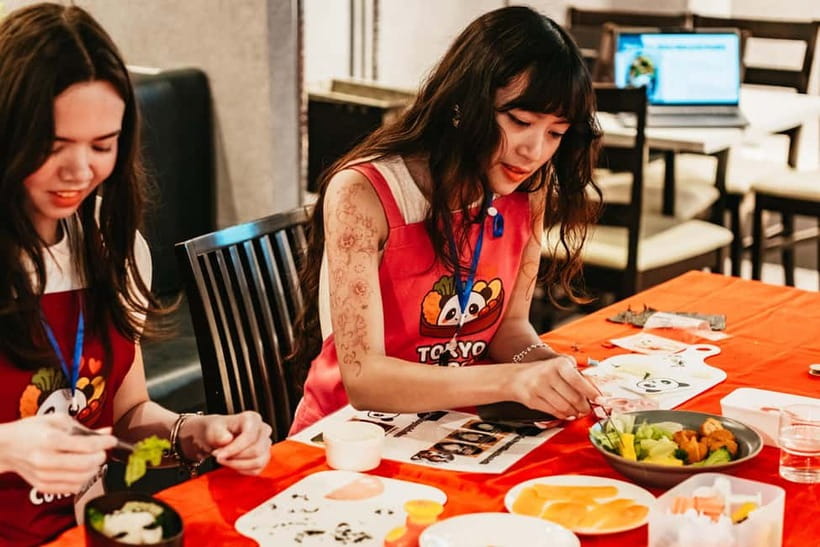
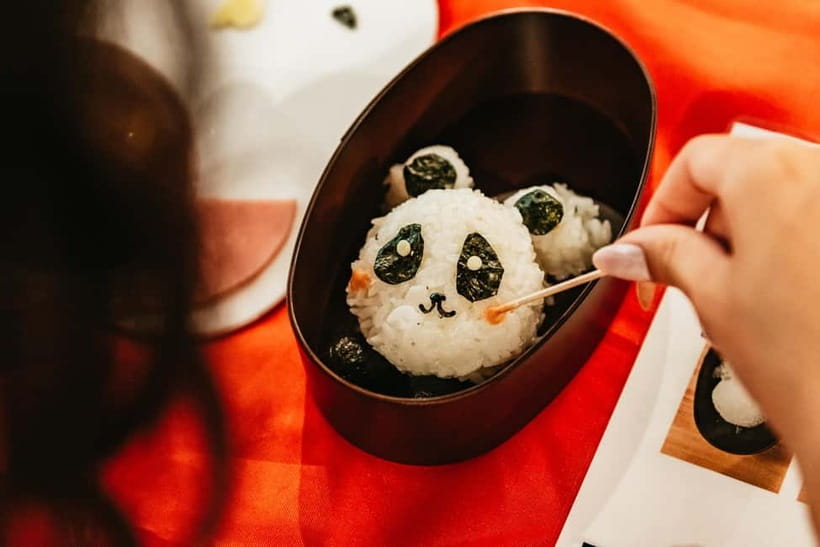
You begin designing your character bento, including the face and side dishes. The class provides many tools for cutting and shaping, which makes the creative part much easier than it might sound. One useful surprise is that the final result can look polished even if you have little cooking experience.
The design options include a cute panda, a brown beer bento, or a seasonal limited-edition bento. Your choice is confirmed by email after booking, so check that message rather than assuming every design will be available on the day.
The class is not about speed. Instructors guide you through the process, and the session has been praised for its relaxed pace. Kenji, in particular, is known for helping people without taking over their work. That is important: you still make the decisions, but you are not left staring at a pile of rice and wondering what happens next.
The food is meant to be eaten, not merely displayed. The bento includes rice and side dishes, with the exact ingredients dependent on the menu and dietary arrangements. One useful point from the experience is that the portions can be generous. A small box may hold more food than you expect, so arrive ready for a proper meal.
The class uses knives and other tools. Children are welcome, and families with children as young as seven and nine have enjoyed the activity, but an adult should supervise younger participants closely. This is a kitchen class, not a completely tool-free craft table.
A few more cooking classes around Tokyo worth a look
- Ramen and Sushi Cooking Class with Sake Pairing Set in Tokyo
★ 5.0 · 291 reviews - Tokyo: Wagyu and 7 Japanese Dishes Cooking Class
★ 4.9 · 273 reviews - Tokyo Washoku 4-hour Cooking Class: From Market to Table
★ 5.0 · 253 reviews - Small-Group Wagyu Beef and 7 Japanese Dishes Tokyo Cooking Class
★ 5.0 · 190 reviews
The 15-minute photo session
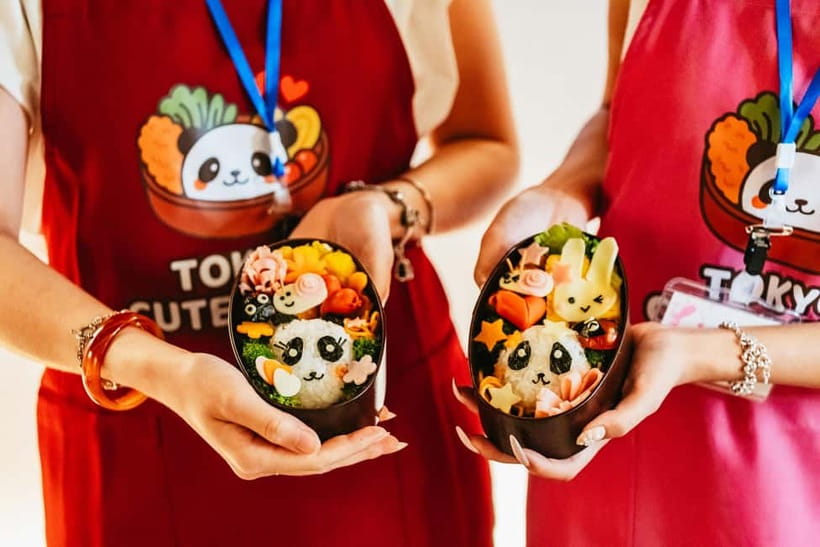
Once your bento is assembled, you have about 15 minutes for photographs. This is a smart part of the schedule. The box looks its best before lunch, and the photo gives you a record of the work you just completed.
You do not need to bring a separate activity for children while photos are taken. The image session is built into the class, and the finished bento itself supplies the subject. If you are visiting with a partner or friend, you can compare designs and create a small collection of character lunchboxes.
The photo session also gives the class a natural pause before eating. You have time to appreciate the details, from the decorated face to the side dishes tucked around it. The finished box is the souvenir you make yourself, rather than a manufactured item chosen from a shop shelf.
The final 30 minutes: eat what you made
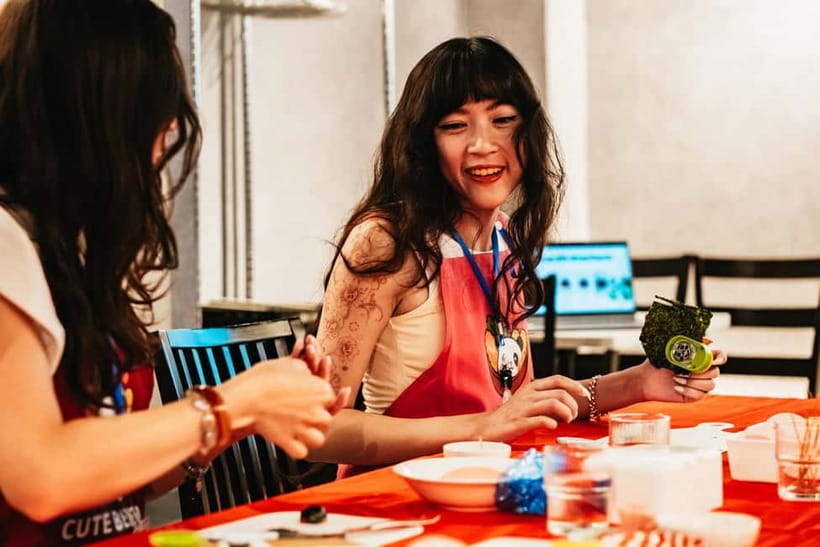
The last half hour is set aside for enjoying the meal. This is where the workshop shifts from craft to food. You have spent time arranging the box, and now you can see how the presentation affects your appetite.
The meal is included in the $64 price, along with ingredients, tools, English instruction, the cultural explanation, photography, English recipes, and a souvenir. I consider that fair value for a two-hour indoor activity in Tokyo, especially because you receive both a meal and a practical skill.
You also gain a recipe to take home. One of the best features is that the method is not presented as a one-time trick. After the class, you have enough guidance to try making character bento again, provided you obtain suitable tools and ingredients.
The recipes will not turn you into a professional bento artist in one afternoon. But they give you a starting point, and the class makes the process feel manageable. The appeal is less about mastering advanced knife work and more about learning a repeatable way to shape, decorate, and arrange lunch.
Dietary requests and allergy concerns
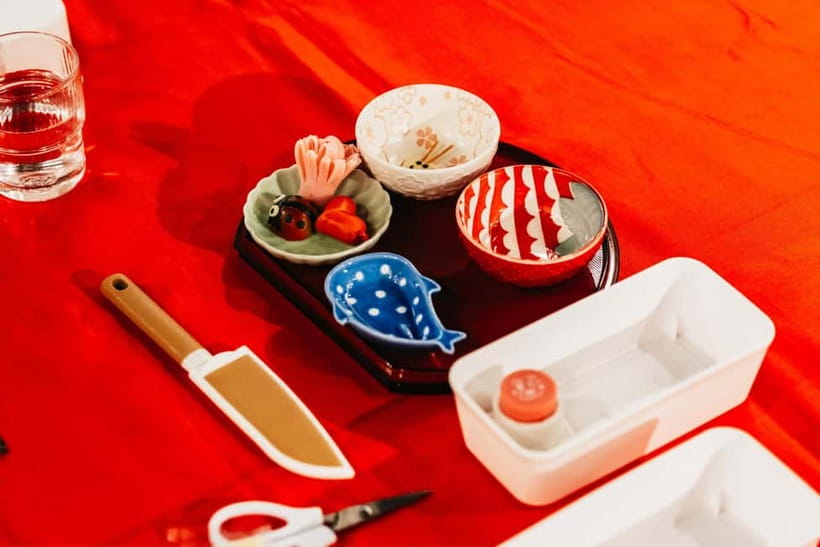
The organizers can adjust the menu for vegetarian and vegan diets. They can also accommodate some requests such as no nuts or no milk. You must provide this information at booking, not wait until you arrive.
The experience also shows some flexibility with other restrictions. One participant who could not eat pork received substitute ingredients arranged before the class. That is encouraging, but it does not mean every request can be met.
The important warning concerns severe allergies. Seafood, soy, and sesame are common allergens connected with this activity. People with serious reactions may not find the class suitable, even if adjustments are possible. Ask specific questions before booking and explain your needs clearly.
Strict dietary requirements may also limit the available menu. The class can try to adapt, but the organizers do not promise that every need can be covered. For a minor preference, this may be easy. For a medical allergy, treat advance communication as essential.
Is $64 a good value?
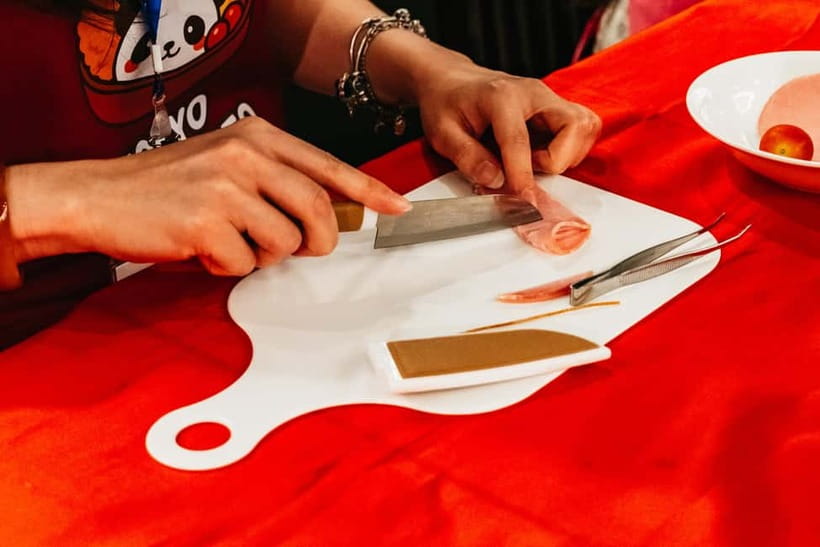
At $64 per person, this is not the cheapest way to eat lunch in Tokyo. You could buy a bento from a convenience store for a small fraction of that price. The point here is not the food alone.
You are paying for instruction, ingredients, tools, cultural background, a prepared activity, photographs, recipes, and a souvenir. You also avoid buying equipment that you may not have room to take home. For families, the class can replace two hours of trying to keep children entertained in a city where indoor options can cost nearly as much.
The value is strongest if you want a hands-on cultural activity. It is weaker if your main goal is a serious cooking lesson, a large meal, or a tour of several Tokyo neighborhoods. This is a focused workshop with a cute-food theme.
The optional free add-ons can improve the value if arranged in advance. A 30-minute advanced side-dish preparation session takes place before the workshop, while a 30-minute Akasaka tour can follow it. These are not automatic, so request them before the class and confirm availability.
Who will enjoy this most?
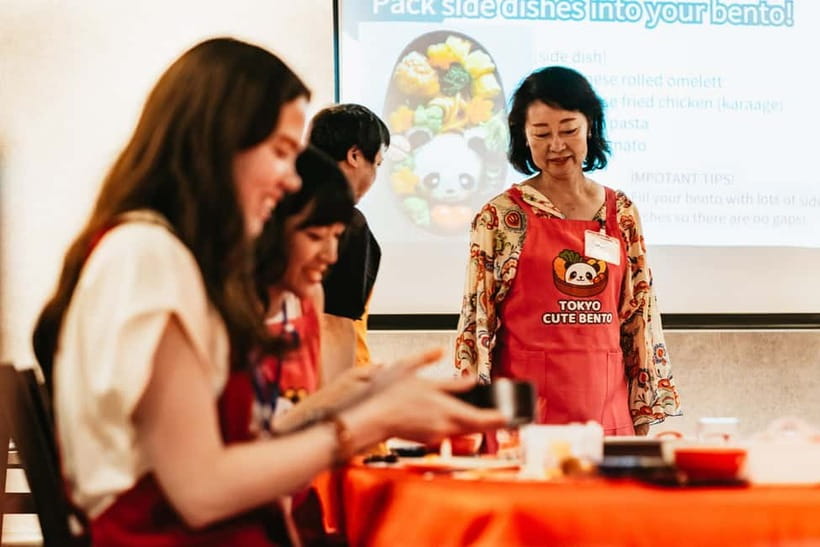
Families are an obvious match. Children can shape faces, experiment with decorations, and eat the result. Adults still get enough cultural explanation and practical instruction to stay interested. Parents should simply stay attentive around knives and other tools.
Couples and friends also fit well. Each person can choose a different design, then compare the results during the photo session. The activity gives you something to do together without requiring prior culinary skill.
Solo visitors are welcome, which is worth noting. You do not need to form a group before booking. A small class can make it easy to talk with others, and an occasional private session may offer even more direct time with the instructor, though that depends on the schedule.
This is also a good rainy-day or hot-weather choice. Since the whole activity takes place indoors, it provides a break from Tokyo’s summer heat or wet streets. The two-hour length fits neatly between other sightseeing plans.
You may want to skip it if you dislike decorative food, need a completely allergen-free kitchen, or want advanced Japanese cooking instruction. The class is friendly and creative rather than technical and intensive.
Practical planning for your Tokyo day
Allow enough time to reach Tameike-Sanno Station, especially if you are coming from Tokyo Station, Shibuya, or Asakusa. The meeting point is near Exit 7, but the workshop is in B1, so do not search only for a street-level storefront.
Wear something comfortable for working with food and tools. The supplied information does not require a particular dress code, but practical clothing is sensible for a hands-on session.
The booking terms are useful for uncertain itineraries. You can cancel up to 24 hours before the activity for a full refund, and a reserve-now, pay-later option is available. Check starting times when you select your date, since the duration is fixed at two hours but the start time can vary.
English is the teaching language. The recipes are also provided in English, which makes it easier to repeat the process after returning home.
Should you book the kawaii bento class?
I would book it if you want a cheerful, low-pressure way to connect with Japanese food culture. The best parts are the patient instruction, the large selection of tools, the chance to make an edible character yourself, and the fact that you eat the finished work rather than simply carrying it away.
Families should book with supervision in mind, and anyone with allergies should contact the organizers early. If you want a demanding culinary lesson, this will feel too light. If you want a memorable indoor activity with real cultural context, a meal, photographs, and a recipe to try later, $64 is a reasonable price.
The strongest reason to choose this class is that it gives you a small piece of Tokyo culture you can recreate at home. A restaurant meal disappears. A character bento, plus the skill to make another one, can follow you long after your flight home.
FAQ
Where is the bento cooking class held?
The meeting point is near Tameike-Sanno Station. Leave through Exit 7, walk straight, cross the intersection, and look for the building with the panda bento sign. The workshop is in basement level B1 beneath a ramen shop.
How long does the activity last?
The class lasts two hours. The approximate schedule includes 15 minutes of bento culture, 60 minutes of hands-on making, 15 minutes for photography, and 30 minutes to eat.
How much does the experience cost?
The listed price is $64 per person.
Is the class taught in English?
Yes. The instructor teaches in English, and English recipes are included.
Do I need cooking experience?
No previous cooking experience is required. The instructors explain each step and provide all ingredients and tools.
Can children join the class?
Yes, children are welcome. The workshop uses knives and other cooking tools, so parents or guardians should supervise younger children.
What bento designs can I choose?
You can choose a cute panda bento, a brown beer bento, or a seasonal limited-edition bento. The final design is confirmed by email after booking.
Can the menu accommodate dietary restrictions?
Vegetarian and vegan options may be available, and adjustments such as no nuts or no milk can be requested. Tell the organizers about your needs when booking. Seafood, soy, and sesame may be used, so people with severe allergies should ask before reserving.
Is the activity wheelchair accessible?
Yes, the activity is described as wheelchair accessible.
Just added around Tokyo
- Tokyo: Sushi Cooking Class with Sake Tasting★ 4.8 · 55 reviews
- Tokyo: Sushi roll and side dish cooking experience★ 5.0 · 2 reviews
- Tokyo: Sushi Making Experience & Japanese Cooking Class★ 5.0 · 2 reviews
- Tokyo: Gyoza Making from Scratch – Ultimate Cooking Class★ 5.0 · 2 reviews
- Tokyo: Night Cooking Class: 5 Home-Cooked Japanese Dishes★ 4.9 · 13 reviews
- Tokyo: Real Ramen & Dumpling Cooking with Master Chef★ 5.0 · 10 reviews
- Tokyo: Sushi and Ramen Cooking Class with Sake Pairing Set★ 5.0 · 81 reviews
- Tokyo: Japanese Home-style Cooking Class with Meal★ 4.5 · 3 reviews
Japanese & Sushi Cooking Classes, compared.
Ramen Cooking Class at Ramen Factory in Kyoto
Read our review →
Ramen & Gyoza Cooking Class in Tokyo with Local Supermarket Visit
Read our review →
Ramen Cooking Class at a Ramen Factory with Souvenir
Read our review →
Sushi Making Osaka! Popular Sushi Class in Japan!
Read our review →
Tokyo Tsukiji Fish Market Tour and Sushi Making Lesson
Read our review →
Japanese Washoku Bento Small Group Cooking Class
Read our review →
Lists this class appears in