
REVIEW · CENTRAL PROVINCE, SRI LANKA, SRI LANKA
Authentic Sri Lankan Cooking Class in Kandy by Local Family
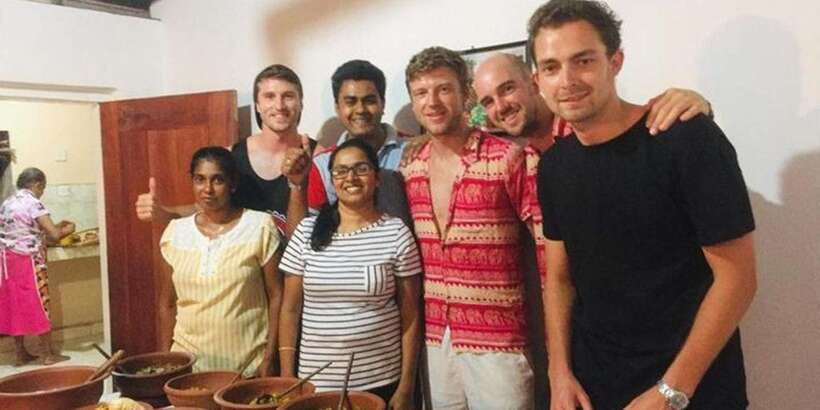
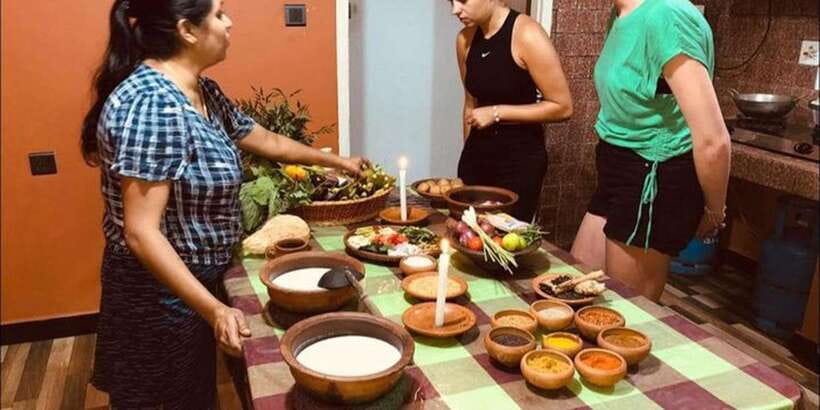
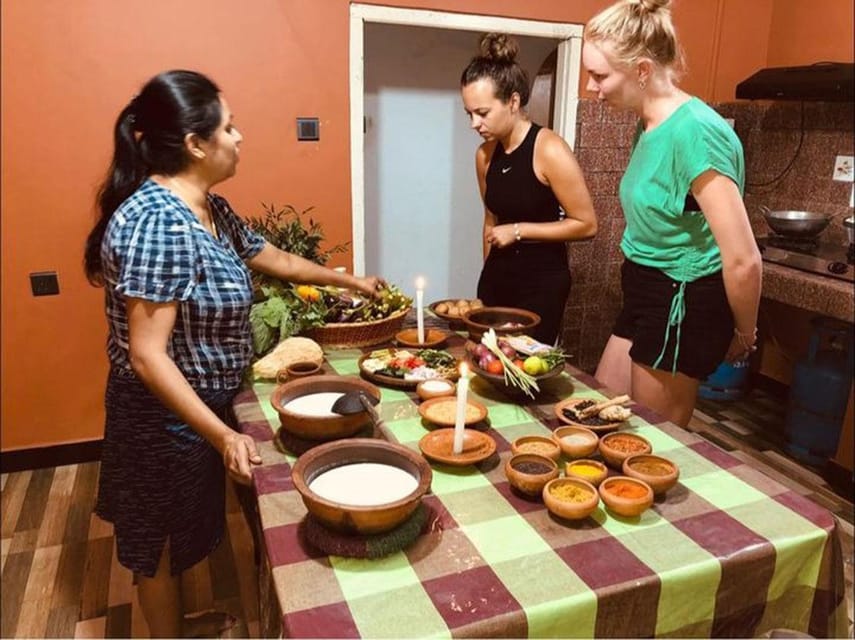
Sri Lankan curry begins long before the first bite. This three-hour class takes you into a family home near Kandy’s Bahirawakanda Buddha statue, where Dinesha’s wife, sister, and mother teach traditional recipes in their own kitchen. I like the family setting and the chance to visit a local market for spices and vegetables. I also like that the meal includes ten vegetable dishes, your choice of fish or chicken, coconut sambol, and coconut roti.
The main consideration is the sheer amount of food. With so many dishes to prepare, the family does much of the chopping and cooking, while you season, stir, learn techniques, and help where time allows. This is less a formal chef-led workshop and more a warm look at daily Sri Lankan cooking, with a delicious meal at the end.
Key points to know before booking
- A real family kitchen near central Kandy: You cook inside the hosts’ home, close to the large Buddha statue on Bahirawakanda Mountain.
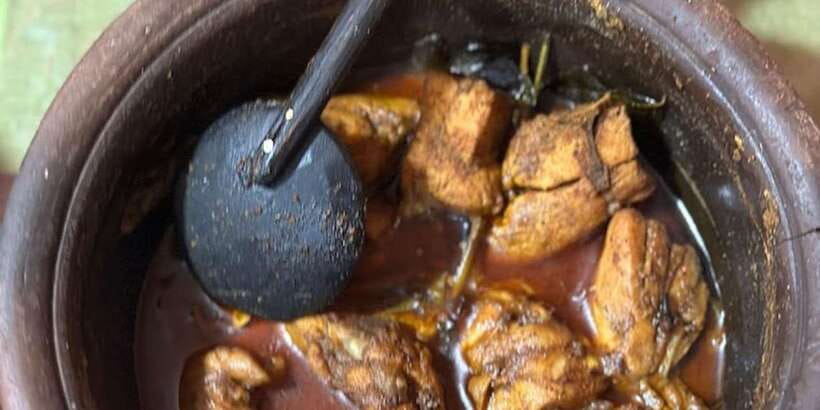
- A remarkably generous menu: The class includes ten vegetable preparations, fish or chicken, coconut sambol, coconut roti, and drinking water.
- Market visit available: If you want more than cooking, the family can guide you through a local market and explain spices and vegetables.
- Small group format: The $99 price covers up to two people, making this a private-feeling option for couples or friends.
- Several generations may teach you: The wife, sister, mother, and sometimes the family’s three young daughters take part.
A family home above Kandy
The setting does much of the work here. The family lives near Kandy city center, close to the Bahirawakanda Buddha statue, but the home is described as calm and surrounded by greenery. You are not being led into a purpose-built cooking studio with stainless-steel counters and matching aprons. You are entering a working family kitchen.
That difference matters. The hosts’ knowledge comes from cooking traditional food day after day, often several times daily. You get a glimpse of how food is handled in an ordinary Sri Lankan household, including the small decisions that make a curry taste right.
The class is taught in English. Dinesha helps with the arrangements and, according to one account, guided the market visit before the cooking began. The teaching team includes his wife, sister, and mother. His three young daughters may also join for part of the class, adding a little family noise and charm.
I would choose this class if you want personal contact and local context. If you prefer a polished culinary school with one professional chef directing every step, this may feel informal. That informality is the point, but it is worth knowing before you book.
More Home Cooking Classes in Sri Lanka:
- Organic Cooking Class sigiriya home Kitchen(Kumara & family)
★ 5.0 · 116 reviews - Galle: Cooking Class at a Local Home and Market Tour
★ 5.0 · 47 reviews - Nilaveli: Sri Lankan Cooking Class with a Local Family
★ 5.0 · 16 reviews
The optional market visit
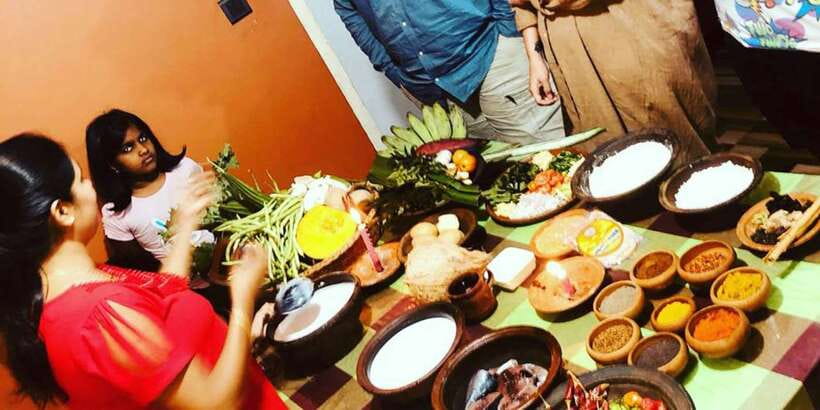
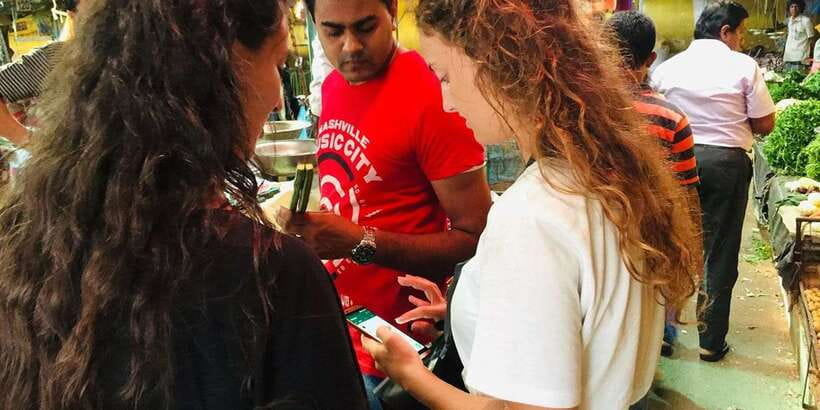
If you request it, the family can take you to a local market before the class. This is a useful addition because Sri Lankan cooking depends heavily on fresh produce, coconut, chilies, and spice blends. Instead of seeing a recipe only as a list of ingredients, you can learn what the vegetables look like before they reach the cooking pot.
The hosts explain the spices and vegetables as you shop. That makes the market visit more than a quick grocery run. You begin to understand the building blocks of the meal and why the food has so many separate vegetable preparations.
Timing can vary because the activity lasts about three hours in total. If you choose the market option, some kitchen preparation may already be underway when you arrive at the house. One participant described receiving tea and pancakes while the family prepared ingredients after the market visit. That sounds like a sensible rhythm: settle in, eat a small snack, and watch the cooking take shape.
You should confirm the market visit when arranging your booking. It is offered when requested, not described as an automatic part of every session.
Learning in the home kitchen
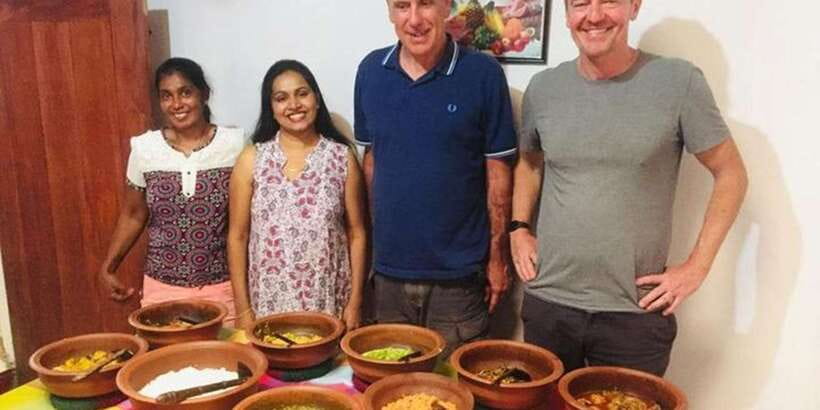
The cooking takes place inside the family home. That gives you a look at family life as well as food. The hosts present the kitchen as a place where women have particular experience with traditional cooking because they prepare meals every day.
The class is not built around one signature dish. It is a broad meal with many small parts. You can expect to work with spices, vegetables, coconut, and the main protein you select. The family explains how ingredients are combined and lets you season the dishes yourself.
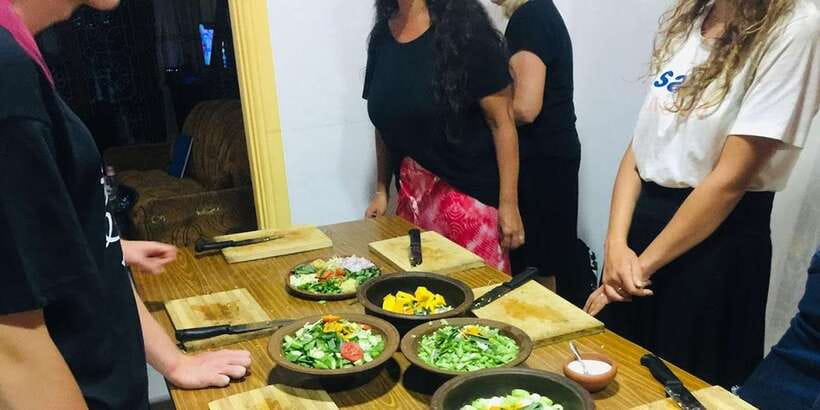
The large menu also shapes the teaching style. Ten vegetable dishes, plus fish or chicken, sambol, and roti, is a lot to produce in three hours. One participant noted that the family handled much of the actual cooking because of the number of curries, while the students seasoned each dish and learned the process.
That is an important distinction. You are unlikely to prepare every dish from raw ingredients entirely on your own. Instead, you see how the family organizes a large Sri Lankan meal, take part in key steps, ask questions, and taste as you go.
I see this as a fair trade. You get to learn a wider range of dishes, rather than spending the whole class on one curry. If hands-on chopping and cooking is your top priority, ask how much preparation will be finished before you arrive.
Ten vegetable dishes and a generous final meal
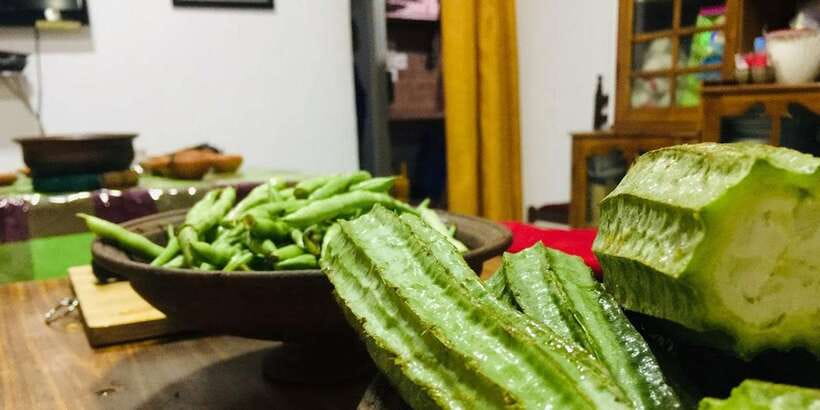
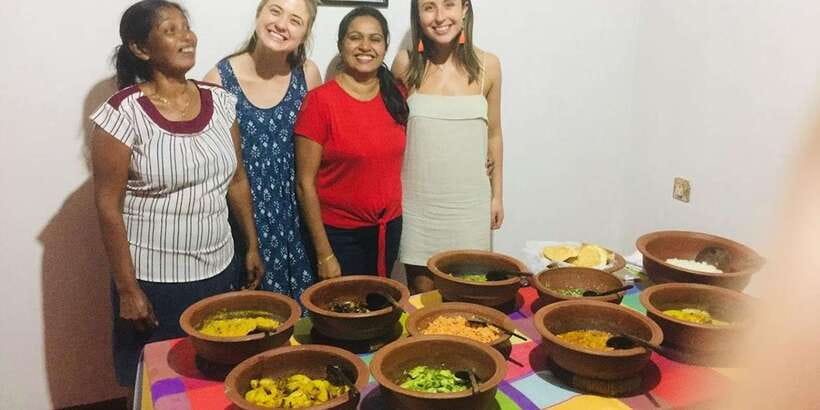
The menu is the strongest feature for anyone who loves variety. The class includes ten types of vegetable dishes, along with either fish or chicken. It also includes coconut sambol and coconut roti, two useful introductions to the coconut-based flavors that appear throughout Sri Lankan food.
The vegetable curries are not simply filler around the main dish. Sri Lankan meals often make room for many separate vegetable preparations, each with its own seasoning and texture. Here, you can compare the results rather than tasting one curry in isolation.
Specific favorites from the class include eggplant and mushroom curry. Those are good dishes to pay attention to if you hope to recreate the meal at home. The coconut sambol also has a special talking point: the family uses a sambol-making stone board that is about 100 years old.
That old stone tool gives the lesson a direct link to earlier household cooking. It is not a decorative prop. It is part of the process, and it helps show how traditional food preparation differs from a modern appliance-based kitchen.
You receive the recipes at the end. Bring a charged smartphone or camera if you want to record useful notes and take pictures, but ask permission before photographing people or private parts of the home.
A few more cooking classes around Sri Lanka worth a look
- Ella: Traditional Sri Lankan Cooking Class
★ 4.9 · 788 reviews - Organic cooking class sigiriya (kumara & family)
★ 5.0 · 650 reviews - Sri Lanka Cooking Class with Granny
★ 5.0 · 587 reviews - Kandy Village Cooking Class
★ 5.0 · 536 reviews
Coconut roti, sambol, and the small moments
A strong cooking class is often remembered through its small tastes. Here, coconut roti may be prepared alongside the curries, and tea with pancakes can appear while the family gets ingredients ready. These details make the session feel like a shared meal rather than a strict lesson.
Coconut sambol is another practical dish to learn. It gives you a fast way to add freshness and heat to a meal, and the traditional stone board makes its preparation especially memorable.
You may also make small snacks while the cooking continues. This helps break up the preparation time and gives you something to taste before the full meal is served. Since the finished spread is large, I would avoid planning a substantial lunch immediately before an afternoon or evening session. You will want room to eat.
The final meal is served after the cooking. The strongest praise for the class centers on the food itself, with the eggplant and mushroom curry singled out as favorites. The meal is also a chance to sit with the family and ask follow-up questions while the dishes are still fresh in your mind.
What the three hours feel like
The advertised duration is three hours. In practice, the pace depends on whether you add the market visit and how much preparation the family has completed before your arrival.
A typical flow may look like this:
- Pickup from your hotel around Kandy town, if arranged.
- A local market visit, if requested.
- Arrival at the family home near Bahirawakanda Mountain.
- Tea, pancakes, introductions, and an explanation of the ingredients.
- Preparation of vegetables, spices, coconut sambol, roti, and your chosen fish or chicken dish.
- Tasting and seasoning as the food cooks.
- A large shared meal.
- Recipes provided at the end.
- Drop-off around Kandy town, if included in your arrangement.
The number of dishes means the class is active but not rushed in the usual sense. You will not have three hours of uninterrupted individual cooking. The family needs to coordinate several curries at once, and you will spend some time watching, tasting, and listening.
That arrangement suits me because the meal is broad and the teaching is conversational. You can ask as many questions as you like, and several family members can offer different ways of doing things. It may not suit you if you want a tightly timed lesson in which every participant prepares an entire dish alone.
Pickup, group size, and price
The price is $99 per group of up to two people. For a couple or two friends, that works out to $49.50 each before considering the included meal, water, recipes, and possible pickup and drop-off around Kandy town.
The value depends on what you want from a cooking class. If you judge it only by hands-on kitchen time, the price may seem high because the family prepares some of the food. If you value a private-feeling family visit, a broad meal, market guidance, cultural exchange, and recipes to take home, the cost is easier to justify.
Pickup and drop-off are included around Kandy town, and you should wait in your hotel lobby ten minutes before the arranged pickup. The service is limited to the Kandy area, so you should provide your hotel details when confirming.
The group limit of two is a real advantage. You are not competing with a dozen people for a cutting board or trying to hear an instructor across a large room. The setting is better suited to questions and conversation.
Who will enjoy this most
I would recommend this class to couples, close friends, solo visitors who can join as one of two participants, and anyone who wants food linked to family life. It is especially suitable if you enjoy asking questions and are happy to take part in a flexible home setting.
It also suits cooks who want ideas for a large Sri Lankan meal rather than one restaurant-style dish. Ten vegetable preparations give you plenty to remember, and the recipes make the experience useful after you leave Sri Lanka.
Families may enjoy meeting the hosts’ children, though the activity is not described as a children’s program. Anyone with strict mobility requirements should note that it is not suitable for wheelchair users.
You should also leave pets at home. Pets are not allowed, although assistance dogs are permitted.
Practical tips for a better visit
Wear clothes that can handle a little food splatter and bring a change of clothes. The hosts specifically suggest bringing cash, a camera, and a charged smartphone. The phone is useful for saving notes, photographing ingredients, and recording the names of unfamiliar spices.
Tell the family ahead of time if you want the market visit. Also make your fish or chicken choice clear when you arrange the class. Since the meal includes many dishes, ask about the day’s menu if you have dietary needs.
I would schedule this experience when you have no urgent sightseeing immediately afterward. The cooking, meal, and conversation are intended to fill three hours, and rushing away would weaken the best part of the visit.
Free cancellation is available up to 24 hours before the activity for a full refund, and you can reserve now and pay later. Those terms help if your Kandy plans are still changing.
Should you book The Best Kandy Kitchen?
Book it if you want an intimate family experience, a large spread of Sri Lankan dishes, and a chance to learn in a real home rather than a formal school. The kind hosts, market option, old sambol stone, and generous meal give it plenty of character.
Do not book it expecting every curry to be prepared entirely by you. Because the menu is so large, the family handles some of the work. For me, that is a reasonable compromise, and the 4.9 rating from 15 reviews supports the strong impression of a warm, well-run activity.
The best reason to go is simple: you leave with recipes, a full meal, and a better sense of how Sri Lankan food fits into family life. At $99 for two people, it is a sound choice for visitors who value personal contact over a polished cooking studio.
FAQ
Where does the cooking class take place?
The class takes place in a traditional family home near Kandy city center, close to the large Buddha statue at Bahirawakanda Mountain.
How long is the cooking class?
The activity lasts three hours.
How many people can join?
The small group is limited to two participants. The price of $99 covers one group of up to two people.
What food is included?
The menu includes ten types of vegetable dishes, your choice of fish or chicken, coconut sambol, coconut roti, and bottled water.
Can I visit a local market?
Yes. If you want a market experience, the family can guide you to a local market and explain the spices and vegetables.
Who teaches the class?
The teachers are the host’s wife, sister, and mother. His three young daughters may sometimes join as well. The instruction is in English.
Is hotel pickup included?
Pickup and drop-off are included around Kandy town. You should wait in your hotel lobby ten minutes before the scheduled pickup and provide your pickup details to confirm the booking.
What should I bring?
Bring a change of clothes, camera, cash, and a charged smartphone.
Is the class suitable for wheelchair users or pets?
The activity is not suitable for wheelchair users. Pets are not allowed, but assistance dogs are permitted.
Just added around Sri Lanka
- cooking lesson★ 5.0 · 7 reviews
- Hands-On Cooking Class in Anuradhapura-Cook Like a Local★ 5.0 · 2 reviews
- Sri Lankan Cookery with Nilu★ 5.0 · 34 reviews
- Sri Lanka: Cooking Class★ 4.4 · 6 reviews
- Cooking Experience from Ella★ 4.9 · 2 reviews
- Sri Lankan Cooking Class in Bentota★ 5.0 · 2 reviews
- Private cooking class – Personalized classic menu★ 5.0 · 5 reviews
- Nilaveli: Sri Lankan Cooking Class with a Local Family★ 5.0 · 16 reviews
Home Cooking Classes, compared.
Khmer Cooking Class at a Local’s Home in Krong Siem Reap
Read our review →
Local Home Korean Cooking Class & Market Adventure in Seoul
Read our review →
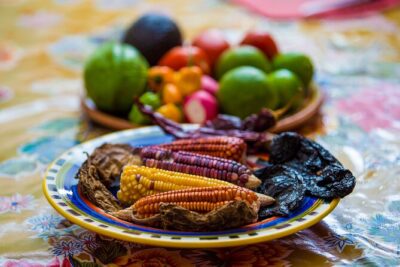
Mexican Cooking from Scratch in a Local Home in Tulum
Read our review →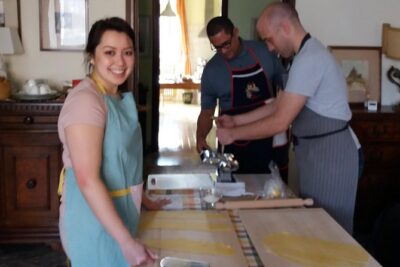
Pastamama, Home Cooking Classes at Grace’s Home
Read our review →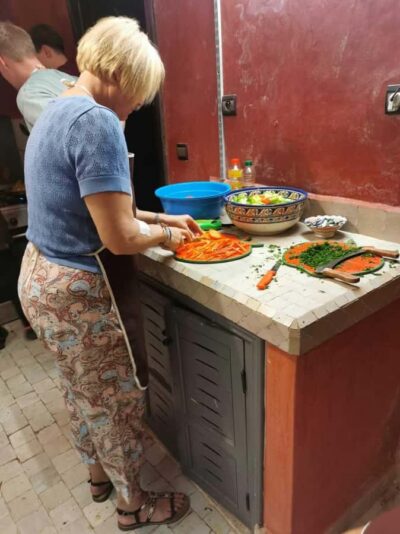
Traditional Cooking Class & meal with Local Family
Read our review →
Lists this class appears in