
REVIEW · HONSHU, JAPAN
Ramen Making from Scratch +Akihabara Tour –Cooking Class
Ramen begins long before the boiling water. I like the mix of an Akihabara walking tour and hands-on cooking, and I like that you make the noodles yourself instead of simply watching a chef work. The main drawback is that the experience ends at the kitchen studio, not back at Akihabara, and the short train ride costs extra.
This three-hour class gives you a useful look at modern Japanese food culture. You browse a local supermarket, learn how the day’s ingredients are used, and then prepare broth, toppings, and fresh noodles in a small group of no more than six. At $120 per person, it is not a cheap meal, but it offers much more than one bowl of ramen.
Key points to know before booking
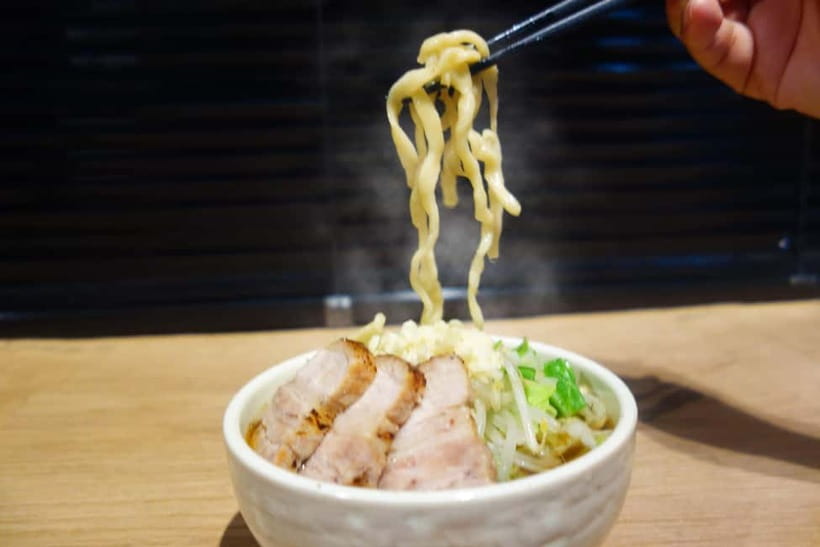
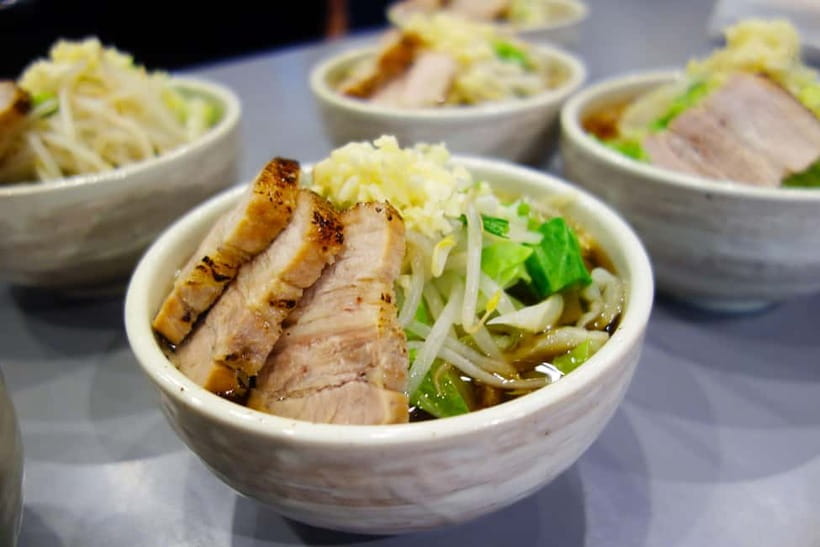
- Jiro-style ramen from scratch: Make noodles from flour, prepare the broth and toppings, then eat the finished bowl.
- Akihabara before the kitchen: Spend about 20 minutes seeing the electric town’s anime, gadgets, and pop-culture streets.
- A real supermarket stop: Learn about Japanese ingredients where local shoppers buy them, rather than in a staged market display.
- English instruction: The guide and cooking instructor explain the process in English, making the class easy to follow.
- Small group setting: A maximum of six people allows more room for questions and practical help.
- Plan the return trip: The class ends at Patia Kitchen Studios, not at the JR Akihabara meeting point.
Why this ramen class offers more than lunch
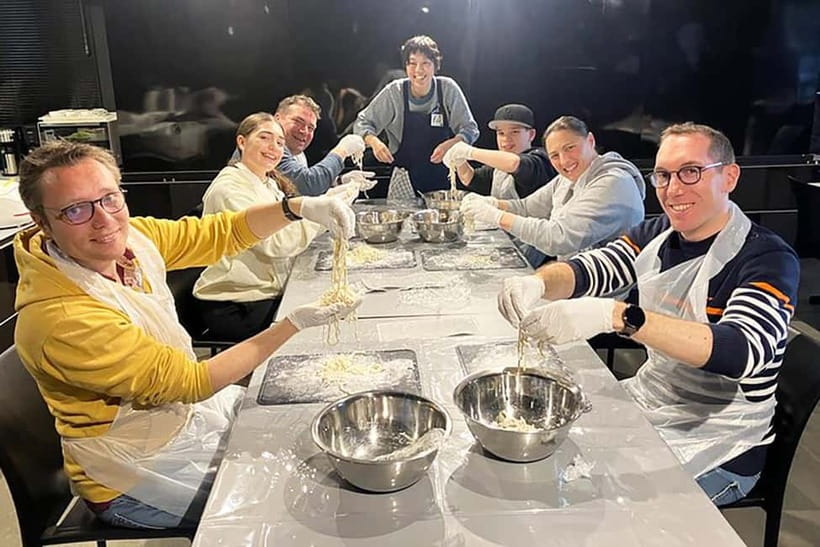
Many cooking classes give you a recipe and a seat at a counter. This one adds a short walk through Akihabara and a supermarket visit, so you see the food in the setting of everyday Tokyo life.
That extra context matters. Ramen is not just noodles, soup, and toppings. The supermarket helps you see the ingredients as ordinary Japanese kitchen staples, and the guide explains how they are used in the day’s recipe. You get a better sense of how food culture changes with modern city life.
The class focuses on Jiro-style ramen, a hearty style known for fresh noodles, a substantial broth, and generous toppings. The exact ingredients can change with the day’s preparation, so you should think of the class as a lesson in the method and style rather than a fixed menu with every detail guaranteed in advance.
The experience is conducted in English, and the group is capped at six. That is a useful size for a food class. You are not lost in a large demonstration crowd, and the instructor has a better chance to check your noodles, answer questions, and guide you through the cooking steps.
More Sushi and Japanese Classes in Tokyo:
- Ramen & Gyoza Cooking Class in Tokyo with Local Supermarket Visit
★ 5.0 · 823 reviews - Tokyo Tsukiji Fish Market Tour and Sushi Making Lesson
★ 5.0 · 390 reviews - Tokyo: Easy Ramen Cooking Experience in Kabukicho, Shinjuku
★ 4.6 · 321 reviews
Meeting in Akihabara at 11 AM
You meet at 11 AM outside the Central Ticket Gate of JR Akihabara Station. This is an important detail because Akihabara Station has several exits and connected rail lines. Give yourself extra time to find the correct gate and meeting place.
The group leaves after a short wait, but the late-arrival rule is strict. If you are more than 10 minutes late, the guide may depart without you. You would then need to make your own way to the kitchen studio, and there is no refund for missing the start.
I would treat the meeting time as firm. Akihabara is easy to reach by train, but the station can feel confusing if you arrive with luggage, children, or a tight morning schedule. The experience does not include hotel pickup, so you are responsible for getting to the station.
The group first spends about 20 minutes walking through Akihabara. This is not a full neighborhood tour, but it gives you a quick introduction to Tokyo’s electric town before the food portion begins.
A 20-minute look at Tokyo’s electric town
Akihabara is famous for gadgets, anime, and Japanese pop culture. The opening walk lets you see some of the colorful streets and popular spots on the way to the supermarket.
I like this pairing because it gives the day a clear sense of place. You are not simply dropped into a cooking studio with no connection to the city around you. Akihabara shows one side of contemporary Japan, with electronics and entertainment at the center. The supermarket then shows another side, the practical daily business of shopping and cooking.
The walk is short, so keep your expectations in check. You will not have time for an extended shopping trip or a detailed tour of every major Akihabara attraction. Think of it as a brief orientation before the main activity.
For some people, this will be the perfect amount. You get a taste of the neighborhood without spending the whole day on foot. If you want serious time for arcades, electronics, anime shops, or themed cafés, plan another visit to Akihabara.
Reading Japanese food culture in a supermarket
The supermarket stop lasts about 20 minutes. The guide takes you through the store and explains the ingredients used for the ramen prepared that day.
This is one of the most useful parts of the experience. A supermarket can tell you more about ordinary food habits than a polished restaurant menu. You get to see the products in a normal shopping setting and learn how they fit into Japanese cooking.
The stop is also practical. Instead of hearing a list of unfamiliar ingredients in the kitchen, you can see them before the class begins. That can make the later cooking steps easier to understand, especially if you do not read Japanese labels.
Do not expect a long shopping session. The group has a schedule to keep, and the supermarket visit is focused on the ramen ingredients. You will not be wandering through every aisle at leisure.
Still, this short stop gives the class a stronger local feel. It connects your bowl of ramen to the food shops used by people living in Tokyo, not only to restaurant kitchens.
A few more cooking classes around Tokyo worth a look
- Ramen and Sushi Cooking Class with Sake Pairing Set in Tokyo
★ 5.0 · 291 reviews - Tokyo: Wagyu and 7 Japanese Dishes Cooking Class
★ 4.9 · 273 reviews - Tokyo Washoku 4-hour Cooking Class: From Market to Table
★ 5.0 · 253 reviews - Small-Group Wagyu Beef and 7 Japanese Dishes Tokyo Cooking Class
★ 5.0 · 190 reviews
The train ride to Patia Kitchen Studios
After the supermarket, you take a train to the cooking studio. The journey takes about 15 to 30 minutes, depending on the route and timing.
The transport from Suehirocho Station to the studio is not included in the price. Use your own Suica or another IC card. If you do not have one, the guide can help you buy a ticket.
That is a small cost, but it is worth planning for. You do not want to discover at the station that you need to stop and work out the ticketing system while the group is moving on. Keep your IC card ready and follow the guide closely.
The train transfer also explains why the class does not finish at Akihabara Station. Patia Kitchen Studios is a separate location, a few minutes from its nearest station. When the cooking ends, you will need to arrange your own onward transport.
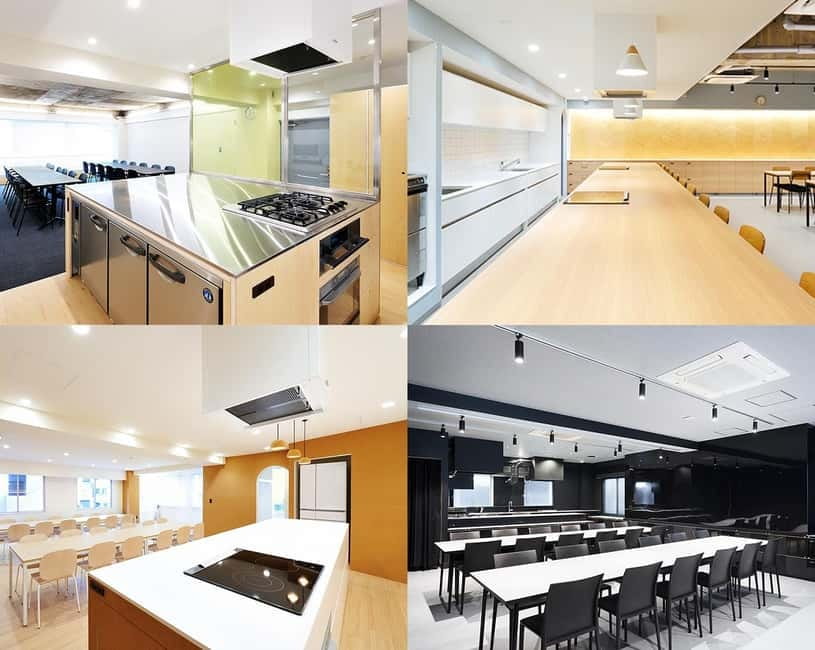
This setup has one advantage: you get to cook in a proper studio rather than trying to work in a cramped restaurant corner. The venue is described as stylish, spacious, and relaxing, and it is also used for Japanese television programs.
Making noodles, broth, and toppings in 90 minutes
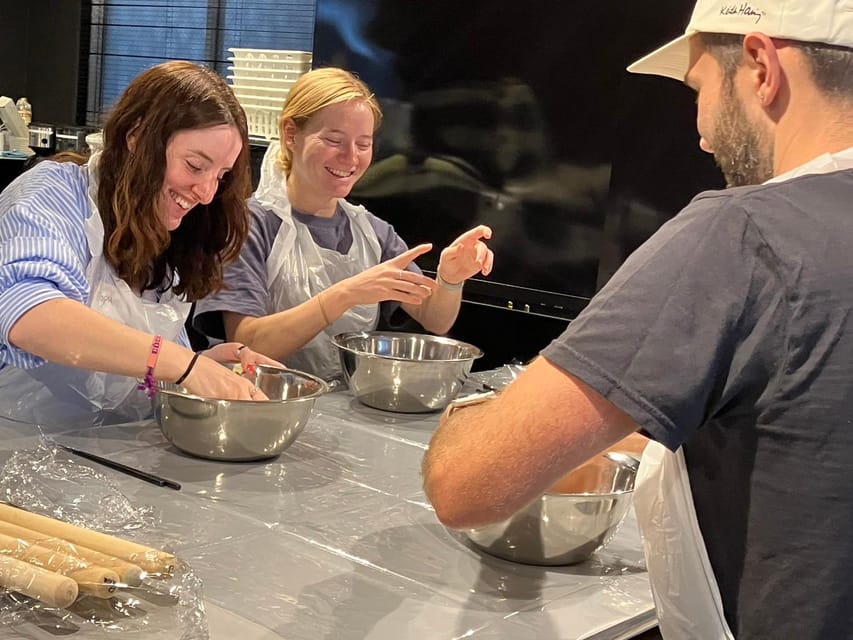
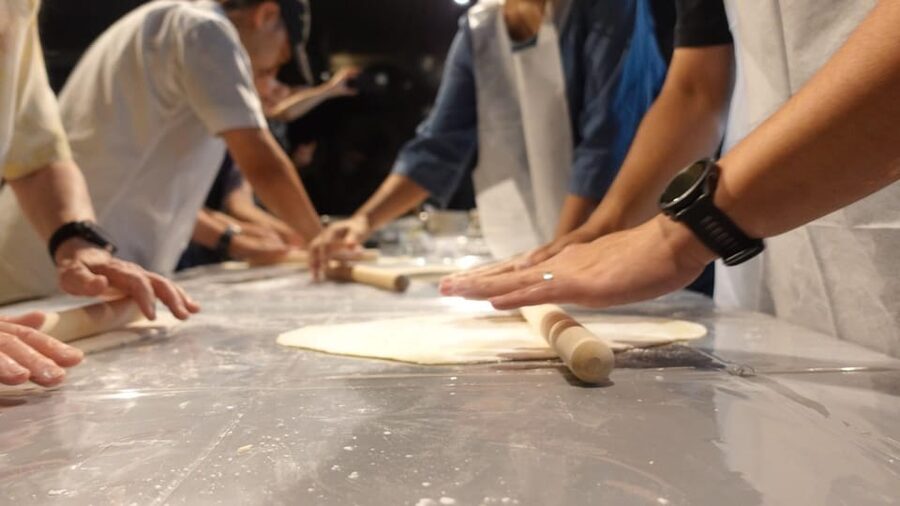
The cooking class lasts about 90 minutes. You prepare the ramen from the basic components, including the noodles, broth, and toppings.
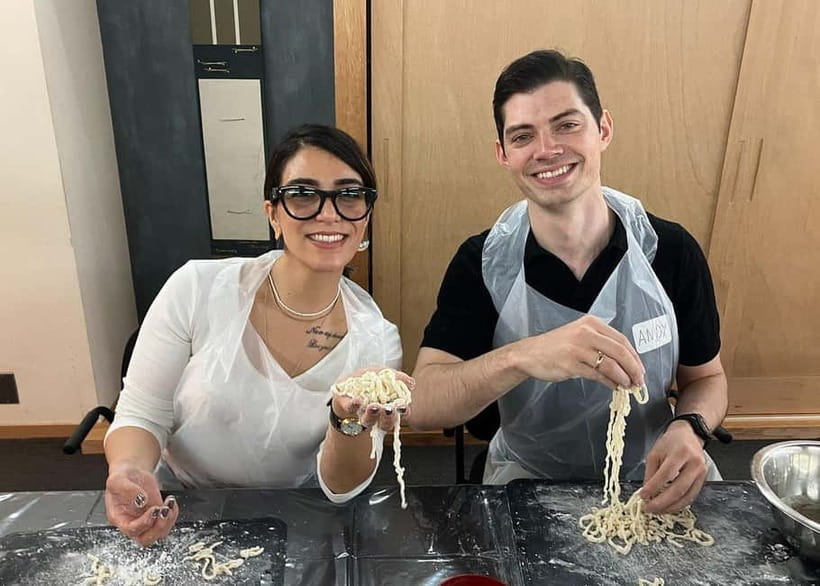
The most unusual part is making the noodles from flour. This gives you a better understanding of ramen than simply assembling pre-made ingredients. You can see that texture begins with the dough and noodle preparation, not only with the soup.
The class also covers the broth and toppings. The instructor guides you through the steps and helps bring the separate parts together into a Jiro-style bowl. The point is not only to eat at the end. You learn how the dish is built.
The class is in English, which is a major benefit if you want explanations rather than a silent demonstration. The English-speaking instructor can walk you through the cooking process, and the small group gives you a better chance to ask questions.
Past participants have praised both the guide and the chef for being friendly and helpful. One Italian couple found the guide and instructor excellent, while another participant from Italy especially appreciated learning the secrets behind Japanese ingredients. A Canadian participant rated the finished ramen as the best ramen of an entire Japan trip.
That last point says something about the class’s strongest feature: you eat a bowl you helped make. The food has a personal connection, and the fresh noodles give the meal a clear sense of occasion.
What Jiro-style ramen means here
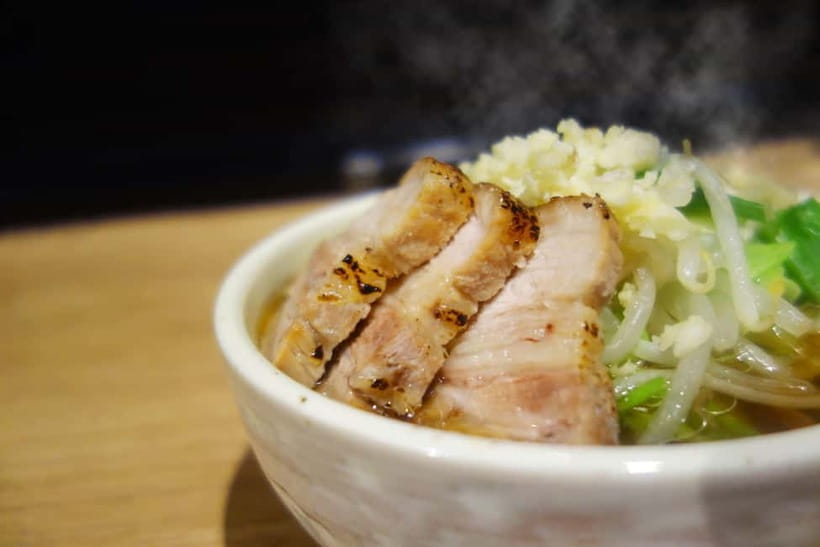
Jiro-style ramen is not presented as a generic bowl of noodles. This class is built around a specific ramen style and teaches you to make it from its basic parts.
You should expect a filling, substantial bowl rather than a delicate tasting portion. The recipe includes broth, fresh noodles, and toppings, though the exact ingredients used that day are explained during the supermarket visit.
The style may appeal most to you if you already enjoy hearty ramen and want to understand how the noodles and toppings affect the finished dish. If you prefer light soups or small portions, the Jiro approach may feel heavier.
The class is also useful for cooks who want to repeat the experience at home. You learn a method rather than simply receiving a finished dish. The supplied information does not promise a printed recipe or a take-home ingredient kit, so ask the instructor during the class if you want clarification about measurements or future preparation.
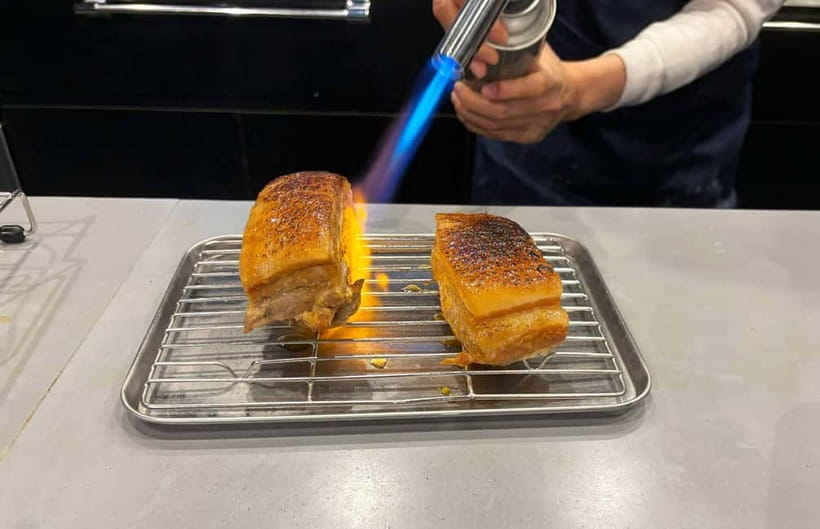
There is one important food restriction. Vegan and vegetarian options are not available. The normal preparation includes pork, including chashu, but the chashu can be changed from pork to chicken if you give more than 48 hours’ notice. This does not make the class vegetarian, so it is not suitable for vegans or vegetarians.
Is $120 a fair price?
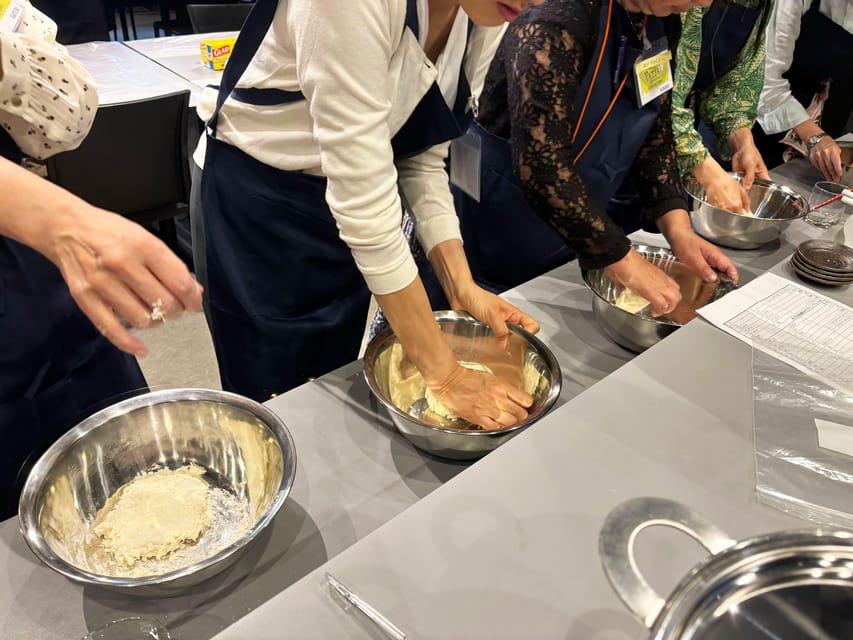
At $120 per person, this experience costs more than buying ramen in a restaurant. You are paying for several parts: the Akihabara walk, the supermarket visit, English instruction, the cooking studio, the ingredients, the meal, and downloadable photos taken during the experience.
The small group helps the value. With no more than six participants, you are receiving hands-on attention rather than watching from the back of a crowded room. The English instruction is also valuable if you want to understand the ingredients and technique instead of following gestures.
The price makes the most sense if you want a food lesson and a neighborhood introduction in one morning. It makes less sense if your only goal is a quick bowl of ramen, since restaurants offer that for much less.
The class also includes food and beverage, so you do not need to budget separately for the meal itself. You should still budget for the train fare between Suehirocho Station and the studio.
Who will enjoy this experience most?
I would recommend this class to you if you like learning by doing. It suits people who want to handle the ingredients, make noodles, and understand how a Japanese dish comes together.
It is also a good fit for first-time visitors who want a compact Akihabara experience without giving up most of the day. The neighborhood walk is short, but it adds useful context before the cooking begins.
Food-focused couples and small groups should find the format comfortable. A minimum of two people is required per reservation, and the maximum group size is six. The class is not designed for solo booking unless another arrangement is confirmed.
You should also be comfortable with walking, standing, train travel, and working in a kitchen. The activity is not suitable for children under five, people with back problems, or wheelchair users. Baby strollers are not allowed, and smoking is not permitted.
Families with older children should check whether the children can manage the full three-hour schedule and kitchen work. The supplied conditions only exclude children under five, so the practical question is your child’s comfort with the pace and physical demands.
Timing, cancellations, and a few practical cautions
The full experience lasts about three hours, including the Akihabara walk, supermarket visit, train journey, and 90-minute class. It begins at 11 AM, but starting times should be confirmed when you check availability.
You can cancel up to 24 hours in advance for a full refund. A reserve-now-and-pay-later option is also available, which helps if you are still arranging your Tokyo schedule.
Bring a valid IC card if you have one. It will make the train transfer easier, and you will only need to pay the fare rather than stop to buy a ticket. Wear clothing that lets you work comfortably in a kitchen, though no special clothing requirement is given.
Remember the end point. You finish at the kitchen studio, not at the station where you met the group. This is easy to manage if you plan another activity near the studio or allow time for a separate train journey afterward.
Should you book the Akihabara ramen class?
Book it if you want a hands-on food experience with a genuine neighborhood element. The combination of Akihabara, a local supermarket, English instruction, and from-scratch Jiro-style ramen gives the morning more substance than a standard cooking demonstration.
I would especially choose it for a couple or small group that values fresh noodles and personal instruction. The strongest praise has focused on the friendly guide, the capable chef, the ingredient explanations, and the quality of the finished ramen.
Skip it if you need vegetarian or vegan food, require wheelchair access, dislike hearty ramen, or want to return to Akihabara at the end. For everyone else, the $120 price is reasonable when you treat it as a three-hour Tokyo food lesson, not just a restaurant meal.
FAQ
Where does the ramen class meet?
You meet at 11 AM outside the Central Ticket Gate of JR Akihabara Station.
How long does the experience last?
The full experience lasts about three hours.
How long is the Akihabara walking tour?
The walking portion takes about 20 minutes.
How long is the supermarket visit?
The supermarket portion takes about 20 minutes.
Is transportation to the cooking studio included?
The train ride from Suehirocho Station to the studio is not included. You must use a Suica, another IC card, or buy a ticket.
Where does the experience end?
The class ends at Patia Kitchen Studios, which is different from the Akihabara meeting point.
Is the class taught in English?
Yes. The guide and cooking instructor provide the experience in English.
Can the pork chashu be changed to chicken?
Yes. You must request the change more than 48 hours in advance.
Are vegan or vegetarian options available?
No. Vegan and vegetarian options are not available.
Just added around Tokyo
- Tokyo: Sushi Cooking Class with Sake Tasting★ 4.8 · 55 reviews
- Tokyo: Sushi roll and side dish cooking experience★ 5.0 · 2 reviews
- Tokyo: Sushi Making Experience & Japanese Cooking Class★ 5.0 · 2 reviews
- Tokyo: Gyoza Making from Scratch – Ultimate Cooking Class★ 5.0 · 2 reviews
- Tokyo: Night Cooking Class: 5 Home-Cooked Japanese Dishes★ 4.9 · 13 reviews
- Tokyo: Real Ramen & Dumpling Cooking with Master Chef★ 5.0 · 10 reviews
- Tokyo: Kawaii Bento Cooking Class – Cute Character Lunchbox★ 4.9 · 55 reviews
- Tokyo: Sushi and Ramen Cooking Class with Sake Pairing Set★ 5.0 · 81 reviews
Japanese & Sushi Cooking Classes, compared.

Ramen Cooking Class at Ramen Factory in Kyoto
Read our review →
Ramen & Gyoza Cooking Class in Tokyo with Local Supermarket Visit
Read our review →
Ramen Cooking Class at a Ramen Factory with Souvenir
Read our review →
Sushi Making Osaka! Popular Sushi Class in Japan!
Read our review →
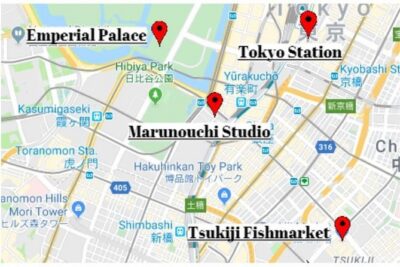
Tokyo Tsukiji Fish Market Tour and Sushi Making Lesson
Read our review →
Japanese Washoku Bento Small Group Cooking Class
Read our review →
Lists this class appears in