REVIEW · BALI, INDONESIA
Ubud: Balinese Cooking Class at an Organic Farm
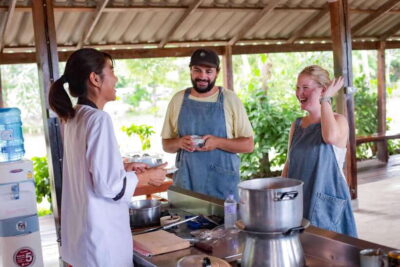
Fresh food tastes better when you pick it yourself. This Ubud cooking class combines a morning market visit with a hands-on lesson at an organic farm, giving you a useful look at Balinese food and daily life. I especially like the chance to harvest vegetables for your own meal, and I like that you take home a recipe book rather than just a full stomach. The main consideration is time: transport, traffic, the market, farm tour, and cooking can stretch the experience from 330 minutes to as much as eight hours.
This is not a quick demonstration where you sit and watch someone else cook. You share a station with one other person and prepare six dishes, with clear help from English-speaking instructors such as Buda, Depi, and Wayan. The farm setting is peaceful and beautiful, but it is outside central Ubud, so the return drive can take longer in heavy traffic.
Quick points before you book
- The 7:15 a.m. option includes the local market: You can see fruit, vegetables, spices, buying, and selling before heading to the farm.
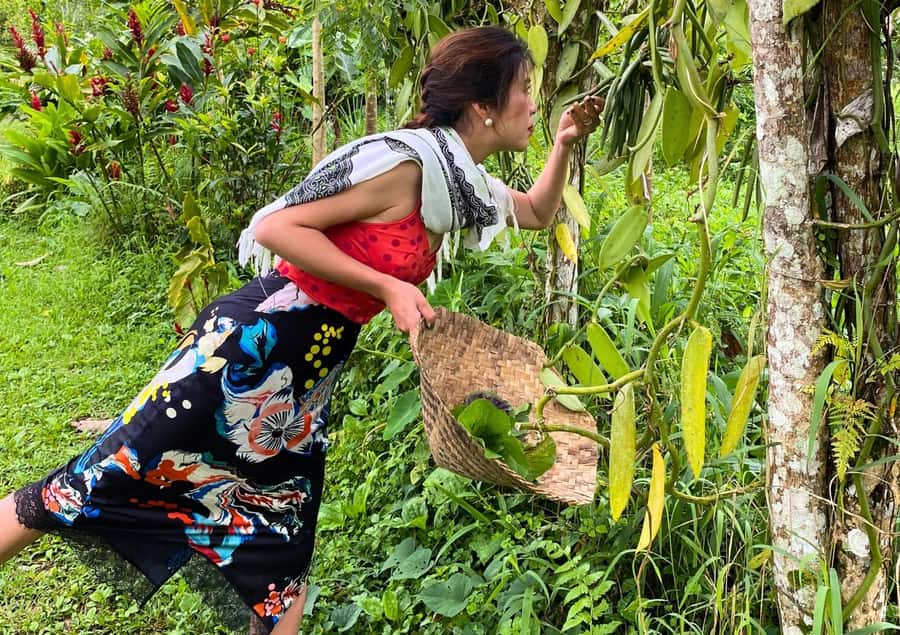
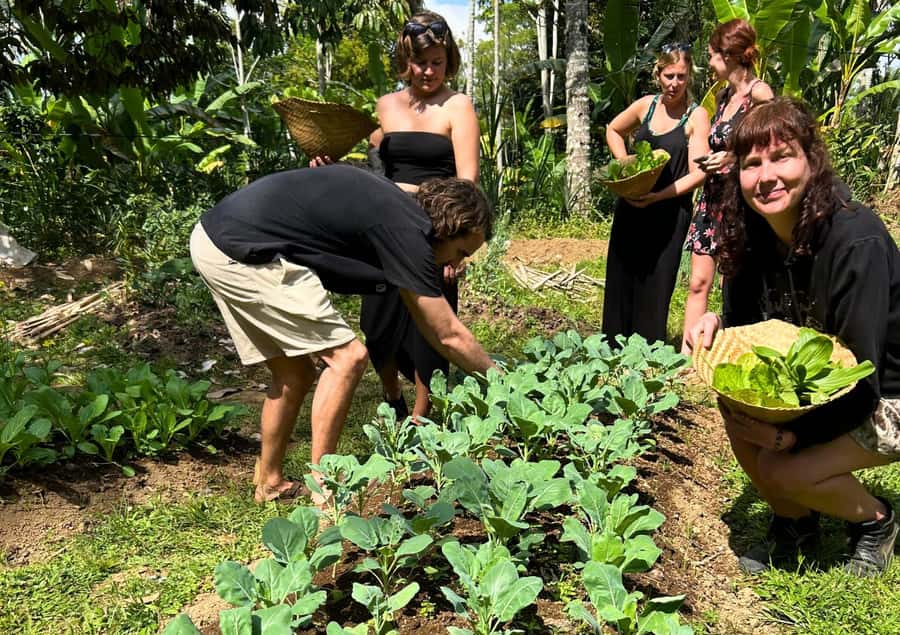
- You harvest ingredients for lunch: The farm tour is not just a walk. You collect produce used in the cooking class.
- Six dishes make this excellent value: The $32 price includes the class, food, transport from the Ubud meeting point, drinks, and recipes.
- You choose a regular or vegetarian menu: The vegetarian option includes gado gado, tempe curry, vegan sate lilit, and other plant-based dishes.
- Stations are shared by two people: Groups can have up to 14 people, and two or three groups may use the farm during one session.
- The setting is the star for many people: Expect an open-air kitchen surrounded by plants, trees, spices, and a quiet rural atmosphere.
Why this cooking class feels different from a city lesson
Many cooking classes teach you recipes. This one also explains where the ingredients come from and how they fit into Balinese life.
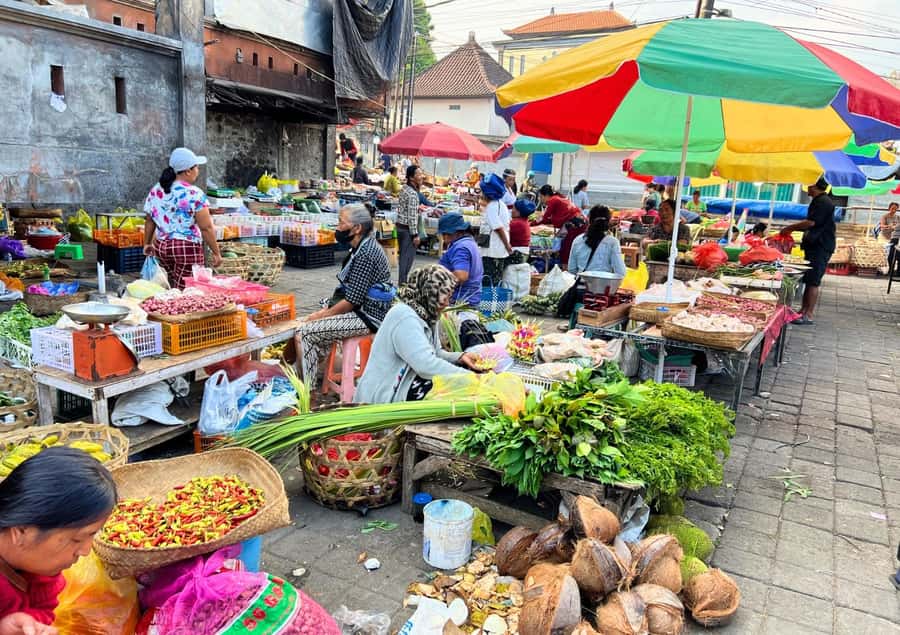
The morning begins at a local market if you choose the early session. You walk through the stalls with a guide, learn about unfamiliar fruit and vegetables, and see how local people shop for the day. Some sessions include fruit tasting, and you may learn about ingredients that rarely appear on a standard restaurant menu.
This market visit adds real context. Before you grind spices or chop vegetables, you have seen the raw materials in their everyday setting. That helps explain why Balinese food depends so heavily on fresh produce, coconut, chilies, herbs, and spice pastes.
The market portion is available for the morning class only. If you choose a later session, you will still have the farm tour and cooking lesson, but you will miss this early look at local food buying.
More Farm Cooking Classes in Indonesia
- From Ubud: Authentic Cooking Class in a Local Village
★ 4.9 · 1,325 reviews - Balinese Farm Cooking Class by Pemulan Bali
★ 5.0 · 410 reviews - From Ubud: Authentic Bali Farm Cooking School & Organic Farm
★ 5.0 · 122 reviews
The ride from Ubud to the farm
Transport is included from the designated Ubud meeting point. The exact meeting location can vary by booking option, so check your confirmation carefully.
The ride is part of the day’s rhythm. One driver, Rudi, was praised for explaining Balinese culture during the trip and pointing out rice terraces and small villages along the way. The farm is described as being in a jungle setting, away from central Ubud and surrounded by trees and planted areas.
That rural location brings both benefits and a drawback. You get a calmer setting than you would find in town, but the journey can take time. One useful warning is that the farm may be about an hour from the meeting point, and traffic on the way back can be heavy. If you have an afternoon flight, spa appointment, or another fixed plan, leave plenty of space after the stated finish time.
Breakfast, fruit, and a walk through the farm
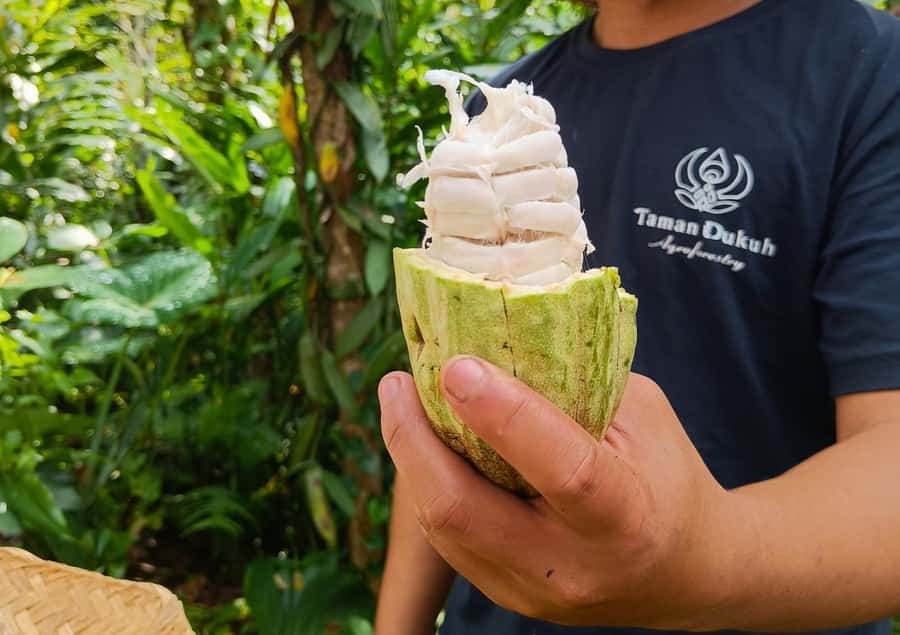
On arrival, you receive coffee or tea, mineral water, and a light breakfast. The food can include fresh fruit, cake, and other small local bites. It is a simple start, but it gives you something to eat before the cooking begins.
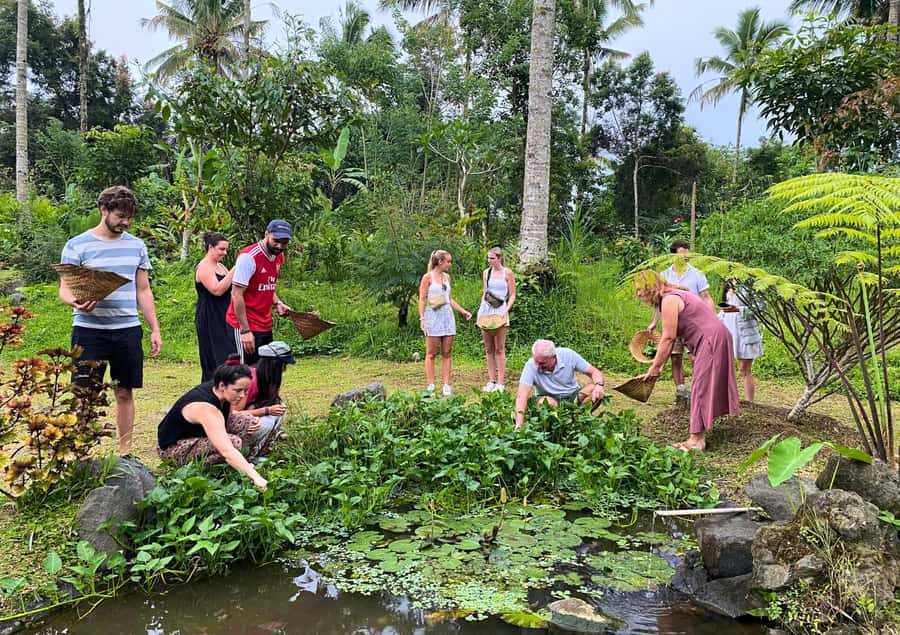
The farm tour is one of the best parts of the experience. You see how a Balinese family uses the land around them and learn which plants supply the kitchen. You may pick vegetables, herbs, and other produce that will appear in your dishes later.
Some sessions include unusual tastes, such as fresh cacao fruit. This is the sort of small detail that makes the farm visit more than a photo stop. You are learning to connect a finished dish with the plant, fruit, or spice that produced it.
The farm can host two or three groups in one session, so do not expect total solitude. Still, the open-air kitchen and planted surroundings create a pleasant change from Ubud’s traffic and busy streets. If rain arrives, umbrellas may be provided for the garden walk.
What you actually cook in the regular class
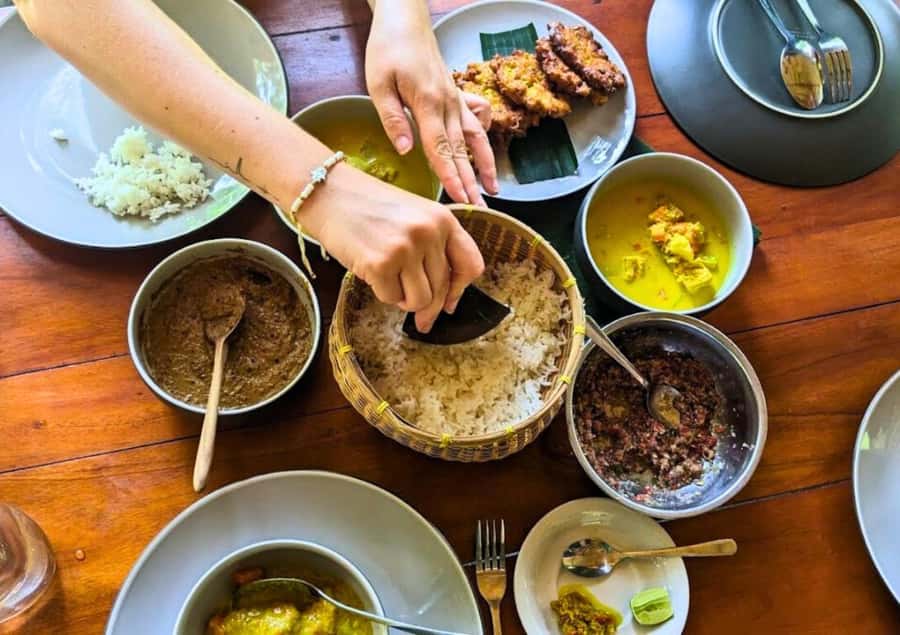
The standard menu gives you a broad introduction to Balinese cooking. You prepare a traditional Base Gede, a spice paste used as a foundation for many dishes. Learning this paste matters because it teaches the basic logic of the cuisine rather than treating every recipe as an isolated formula.
You also make Sayur Urab, a mixed green salad with coconut and spices. The menu then moves through several main dishes:
- Opor Ayam, a Balinese chicken curry
- Sate Lilit, a kebab made with meat, coconut, and spices
- Pindang Base Tomat, fish with tomato sauce
- Tempe Asam Manis, sweet and sour tempe
Dessert is either pisang goreng, banana fritters with coconut and palm sugar syrup, or bubur injin, a black rice pudding.
This is a generous amount of food. The class is arranged so you may eat some dishes as they are completed, rather than waiting until every item is finished. That keeps the meal fresh and gives you a chance to taste each part of the menu at its best.
The result is a full meal, not a token sample. Several people found the portions so filling that they needed little else afterward. Wear comfortable clothing and avoid scheduling an important dinner immediately afterward.
More Balinese Cooking Classes in Indonesia:
- Ubud Cooking Class Bali with Balinese Chef
★ 5.0 · 1,609 reviews - PRIVATE Authentic Balinese Cooking Class in Ubud at Putu’s Home
★ 5.0 · 644 reviews - Balinese Ubud cooking school (9 Dish Cooking and Market Tour)
★ 5.0 · 540 reviews - Ubud: Balinese Cooking Class and Market Tour
★ 4.8 · 531 reviews
The vegetarian menu is a serious alternative
You do not need to choose the regular menu to get the full experience. The vegetarian option has its own set of dishes and is not simply the meat menu with one ingredient removed.
You begin with Base Gede, then prepare gado gado, blanched vegetables with traditional peanut sauce. The menu continues with opor tempe, a Balinese tempe curry, and bergedel, fried corn seasoned with Balinese spices.
You also make tempe asam manis and a vegan version of sate lilit using jackfruit and spice paste. Dessert is again either banana fritters or black rice pudding.
The kitchen can cook non-vegan food separately, which is useful for people who want stricter separation. Still, if you have a serious allergy or a very specific dietary requirement, confirm the arrangements before booking, since the supplied details only specifically describe regular, vegetarian, and vegan preparations.
How hands-on is the cooking?
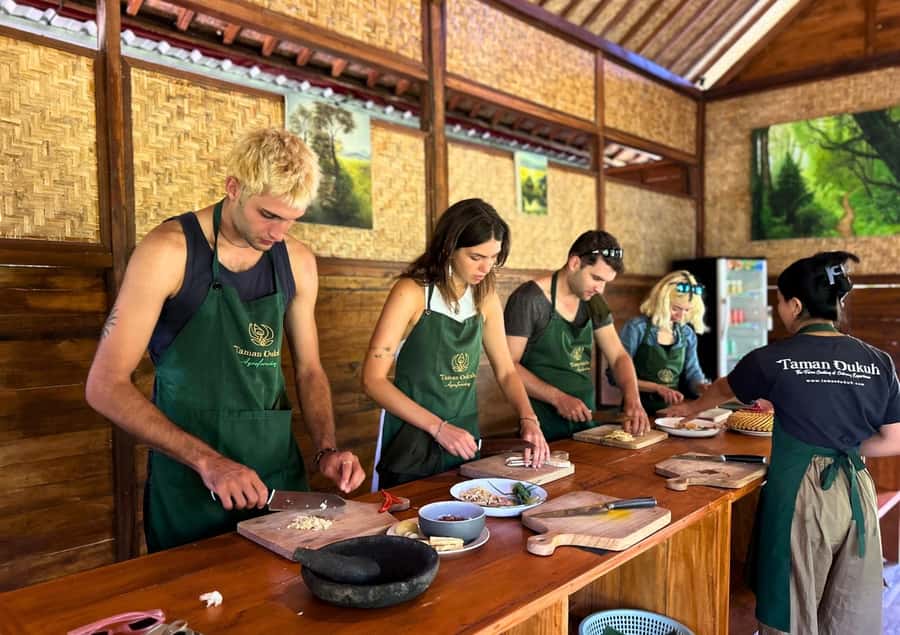
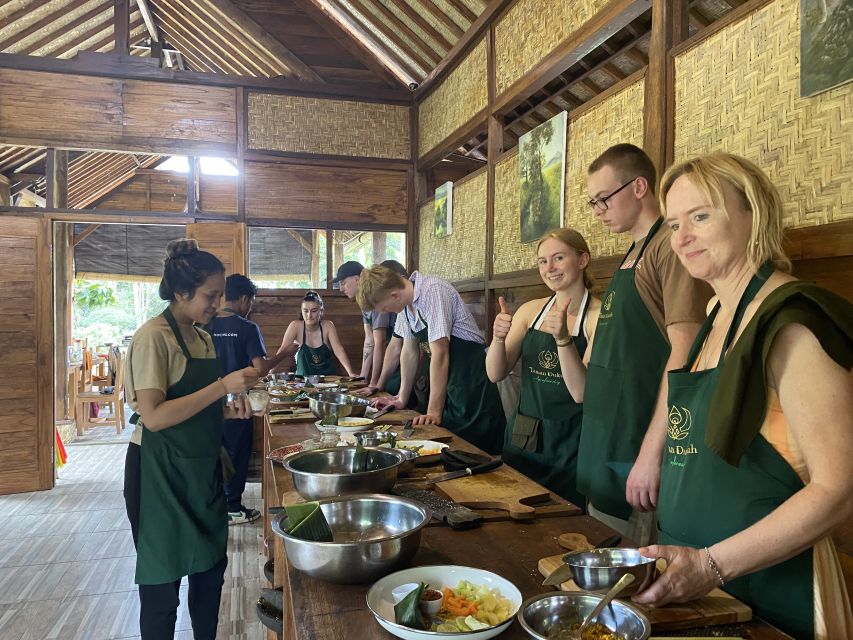
You do real preparation, but the instructors keep the pace manageable. You will chop, mix, season, shape, and cook with guidance at each stage. The class is suitable for beginners, while people who already cook will still pick up new methods and ingredient ideas.
Each cooking station is shared by two people. This can be an advantage if you are attending with a partner, since you can divide tasks and compare results. If you prefer complete control over every step, sharing may feel less personal.
The maximum group size is 14, with two or three groups sometimes working at the farm. That means the class has a social feel, but it is not a private lesson. The quality of the experience depends partly on the instructor leading your group.
The guides receive especially strong praise for their clear explanations and friendly manner. Buda is often described as funny and engaging. Depi has been praised for careful explanations and patient teaching, while Wayan has been noted for guiding people through both the farm and the cooking. Instructor assignments can change, so do not book solely for one named guide.
The open-air kitchen and the atmosphere
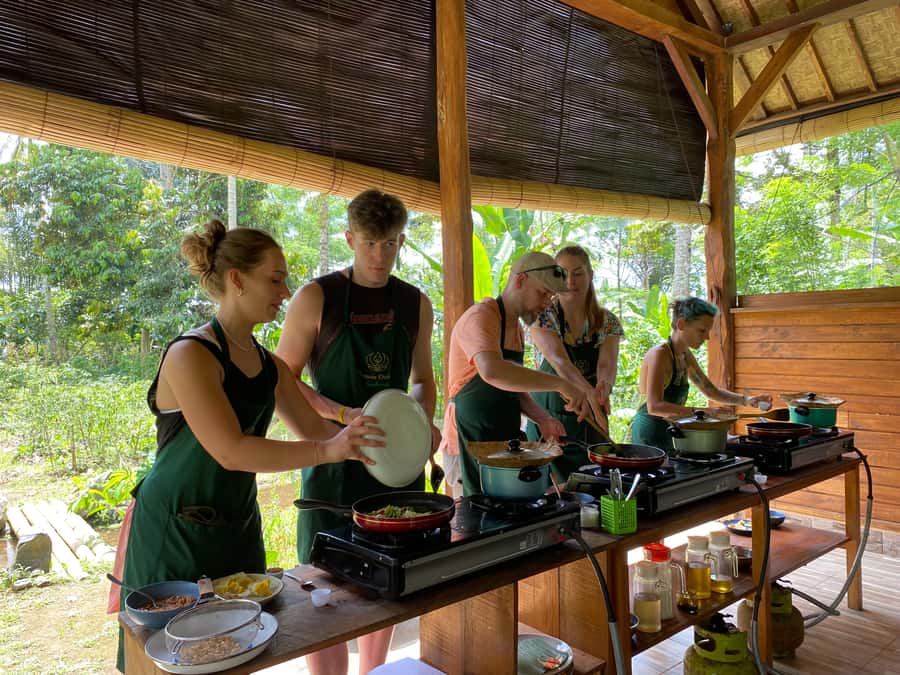
The setting gives the class much of its charm. You cook in an open-air farm kitchen surrounded by greenery, spices, and trees. The atmosphere is slower and more relaxed than a lesson in a hotel or urban cooking studio.
That setting also makes the class feel connected to the ingredients. You have just walked through the farm, picked vegetables, and learned about local plants. Then you use those ingredients at the cooking station. The sequence makes sense and gives the day a clear story.
The farm is not a polished attraction built only for photographs. Its appeal comes from practical use: plants are grown, ingredients are collected, and food is prepared. Expect a working farm environment rather than a formal restaurant kitchen.
Is $32 good value?
At $32 per person, this is strong value for a long half-day or full-day activity. The price includes the Ubud shuttle, the morning market tour when available, farm tour, ingredient harvesting, cooking instruction, drinks during the class, and the meal you prepare.
You also receive a recipe book and access to a downloadable PDF with the latest recipes. That last part matters. A cooking class has limited value if you cannot remember what you did once you get home. The written recipes give you a fair chance to recreate the spice paste, tempe dishes, curry, dessert, and other food in your own kitchen.
The price becomes even better if you count the meal as lunch or dinner. You are paying for transport, a cultural activity, a farm visit, a substantial meal, and a take-home resource in one package.
The only value question is your use of time. If you want a short two-hour class close to your hotel, this is not the right pick. If you want a full food-focused day and appreciate seeing the ingredients at their source, the price is appealing.
Who will enjoy this most?
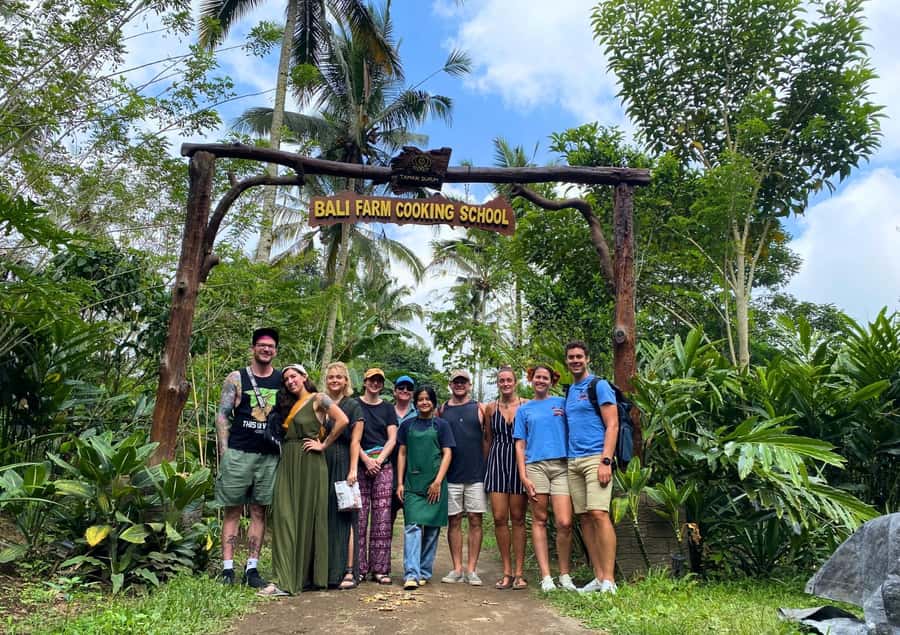
I would recommend this class to people who want more than restaurant meals in Bali. It suits couples, families, solo visitors comfortable joining a small group, and anyone curious about how Indonesian food is built.
Families can enjoy the farm walk and hands-on tasks, though the wheelchair restriction is important. The site is not suitable for wheelchair users, and the outdoor farm paths may be uneven or difficult for anyone with limited mobility.
Vegetarians and vegans have a particularly good reason to consider it because the plant-based menu includes several distinct dishes. People who like photography may also enjoy the farm setting and the countryside drive, although the main purpose is food and cooking.
This may not suit you if you dislike early starts, shared workstations, long drives, outdoor conditions, or a full day built around one meal. Pets are not allowed, and soft drinks or beer cost extra.
Practical tips for getting the most from the day
Choose the morning session if you want the local market visit. The 7:15 a.m. start has been singled out as a good choice because it adds the market and leaves more of the day open afterward, though the overall activity can still run long.
Wear clothes that are comfortable for cooking and walking around a farm. Bring patience for traffic, particularly on the return to Ubud. The experience can last anywhere from 330 minutes to eight hours depending on the option and transport conditions.
Ask your instructor questions about the spices and the Base Gede. That paste is one of the most useful lessons to take home because it can help you understand other Balinese dishes as well.
You may also receive photos or a short video of the day. Some instructors take pictures during the farm visit and cooking session, then share them afterward. This is a pleasant extra, but it should be treated as a bonus rather than a guaranteed feature of every session.
Free cancellation is available up to 24 hours before the activity, and you can reserve now and pay later. Those terms help if your Bali plans are still shifting, but always check the exact option you select because the meeting point and start time can vary.
Should you book the Ubud farm cooking class?
Book it if you want a hands-on food day with a real connection to local ingredients. The market, farm, six-course meal, friendly instruction, and recipe book give you much more than a basic cooking demonstration.
I would choose the morning class for the full experience, especially if this is your first visit to Bali. Just allow extra time for transport and traffic, and understand that you will share a station and possibly the farm with other groups.
Skip it if you need a short activity near central Ubud or cannot manage a long outdoor outing. For everyone else, this is one of the better-value ways to spend a day around Ubud, particularly for people who want to remember Bali through food rather than souvenirs.
FAQ
How much does the Ubud Balinese cooking class cost?
The experience costs $32 per person.
How long does the cooking class last?
The stated duration ranges from 330 minutes to eight hours, depending on the option and schedule.
Does the activity include a market visit?
The local market tour is included with the morning class only.
What food is included?
You prepare and eat six Balinese dishes. The regular menu includes chicken, fish, tempe, vegetables, spice paste, and a dessert. A vegetarian menu is also available.
Is a vegetarian menu available?
Yes. The vegetarian menu includes dishes such as gado gado, opor tempe, bergedel, sweet and sour tempe, vegan sate lilit, and dessert.
Is transport from Ubud included?
Yes. A shuttle from the Ubud meeting point is included, although the exact meeting point may vary by booking option.
How many people are in each group?
The maximum group size is 14 people. The farm may have two or three groups during a session, and each cooking station is shared by two people.
What languages are spoken?
The live guides speak English and Indonesian.
Is the activity suitable for wheelchair users?
No. The experience is not suitable for wheelchair users.
Just added around Indonesia
- Pure Bali Village Experience, Cooking & Jamu Class+VIP Transfer★ 5.0 · 16 reviews
- Spice Garden, Jamu & Cooking Class in Bali Village★ 5.0 · 5 reviews
- The Authentic Balinese Cooking Experience★ 5.0 · 4 reviews
- Seminyak : cooking class traditional food bali★ 5.0 · 5 reviews
- Seminyak: Vegetarian Cooking Class★ 5.0 · 3 reviews
- Quad ride, waterfalls & aunthentic cooking class in munduk★ 4.9 · 53 reviews
- Pure Bali Village Experience Cooking & Jamu Class, Transfer★ 4.8 · 5 reviews
- Ubud: Organic Farm Harvest, Bali Cooking Class by Pemulan★ 4.8 · 12 reviews
Farm & Countryside Cooking Classes, compared.
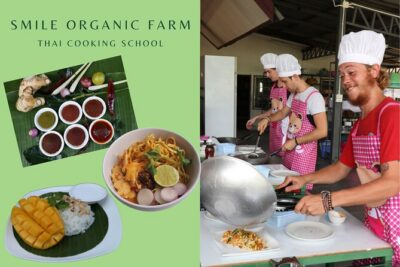
Half-Day Thai Cooking Class at Organic Farm in Chiang Mai
Read our review →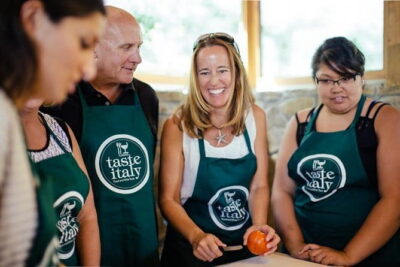
Cooking Class and Lunch at a Tuscan Farmhouse with Local Market Tour from Florence
Read our review →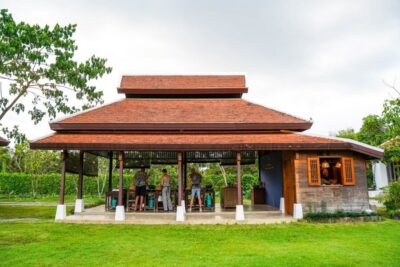
Authentic Cooking Class with Market & Farm Visit
Read our review →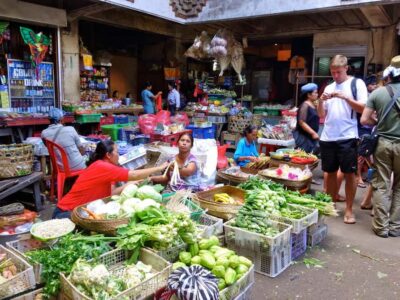
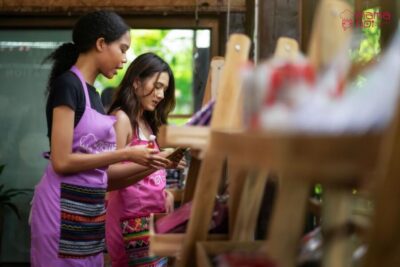

Hands-On Cooking Class & Farmhouse Tour on the Amalfi Coast
Read our review →