REVIEW · KANDY, SRI LANKA
Cooking With Village Family
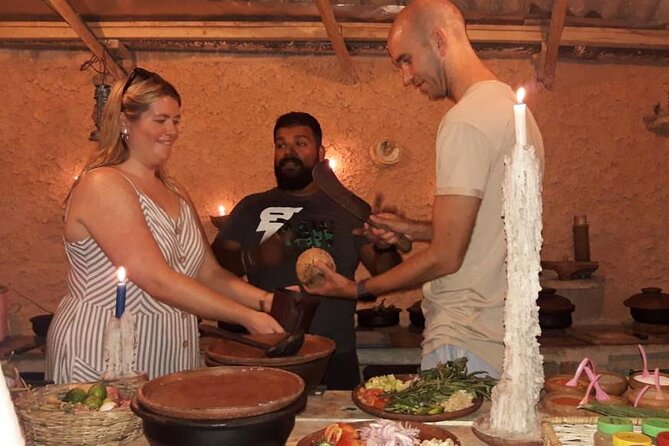
Sri Lankan lunch starts with a cup of tea. This private cooking workshop takes you from Kandy to a village setting, where a local family shows you how to prepare a meal from raw ingredients. I like the personal format, and I especially like that you do the cooking yourself instead of watching a chef work behind a counter.
The price is another strong point: $30 per person includes your meal, tea or coffee, and bottled water. The main consideration is transportation. Pickup is offered, but private transport is listed separately as not included, so confirm exactly where and how you will meet before booking.
Key points to know before you book
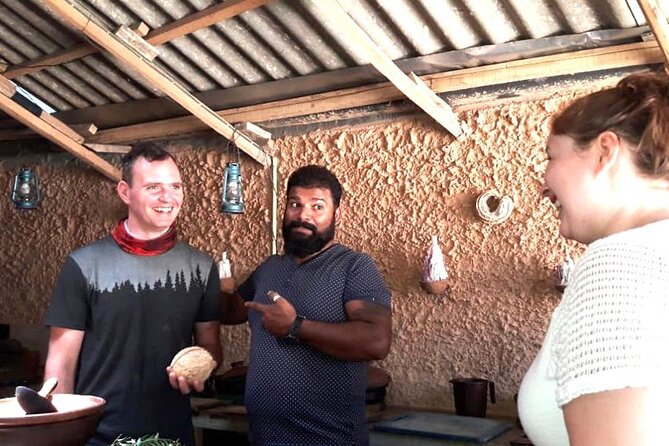
- You make the meal yourself: The chef guides you through lunch or dinner, but you handle the preparation and cooking.
- Coconut milk is part of the lesson: You learn how it is made and used in Sri Lankan cooking.
- The setting is outside central Kandy: You leave the city for a village environment and a family-run meal.
- The menu is flexible: You can select the ingredients for the lunch or dinner you want to prepare.
- It is a private activity: Only your own group takes part, making it a good fit for couples, families, and small groups.
- The experience lasts about three and a half hours: Plan enough time for the lesson, cooking, and sitting down to eat.
Leaving Kandy for a family kitchen
The activity begins at Kandy City Centre, with the experience ending back at the same meeting point. Pickup is offered, but the details matter here because private transportation is not included in the stated price. I would confirm the pickup arrangement before setting out, especially if you are staying outside central Kandy.
The move from city center to village surroundings is part of the appeal. This is not a cooking class in a polished hotel kitchen. It is designed as a visit with a local family, giving you a closer look at how a Sri Lankan meal comes together in a home setting.
That change of setting also affects the pace. You are not rushing through a short demonstration before being sent on your way. The activity runs about three hours and 30 minutes, which gives the host time to explain the ingredients, guide your work, and serve the finished meal.
A private format makes the lesson easier to adjust. You can ask questions as you go, repeat a step, or spend more time on an unfamiliar technique. If your group has different food preferences, the ingredient selection at the beginning gives you some say in what reaches the plate.
More Farm Cooking Classes in Sri Lanka
- Organic cooking class sigiriya (kumara & family)
★ 5.0 · 650 reviews - Kandy Village Cooking Class
★ 5.0 · 536 reviews - Organic Cooking Class sigiriya home Kitchen(Kumara & family)
★ 5.0 · 116 reviews
Starting with tea, coffee, and the menu
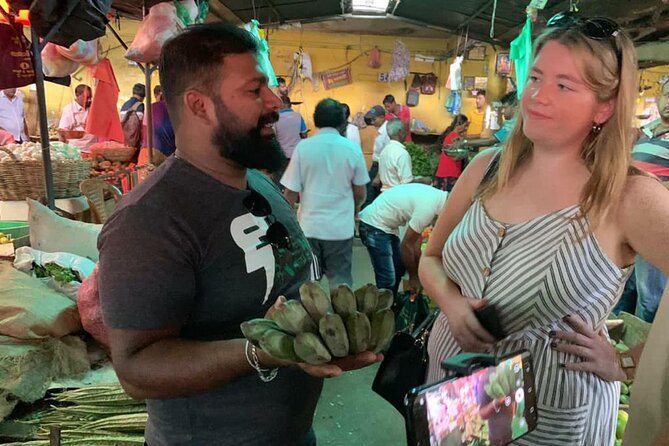
Your first welcome is a cup of tea or coffee. In Sri Lanka, that simple opening makes sense: it gives you time to settle in, meet the family, and hear what will happen before the cooking starts.
Next, you select the ingredients for lunch or dinner. The information provided does not give a fixed menu, so you should not expect a precise list of dishes in advance. Instead, the meal is shaped around your choices and the ingredients available for the class.
That flexibility is useful if you already know what you want to learn. You might prefer to focus on vegetable curries, rice, lentils, or a broader meal with several parts. If you are less familiar with Sri Lankan food, ask the chef to suggest a balanced combination.
I like this approach because it turns the meal into a lesson rather than a set performance. You are not simply handed a plate and told what you are eating. You take part in choosing the building blocks of your lunch or dinner, then learn how those ingredients become a finished meal.
The one limitation is that a flexible menu can be less predictable than a fixed cooking course. If you have your heart set on a specific dish, ask whether it can be prepared before you finalize your ingredients.
Learning to make coconut milk by hand
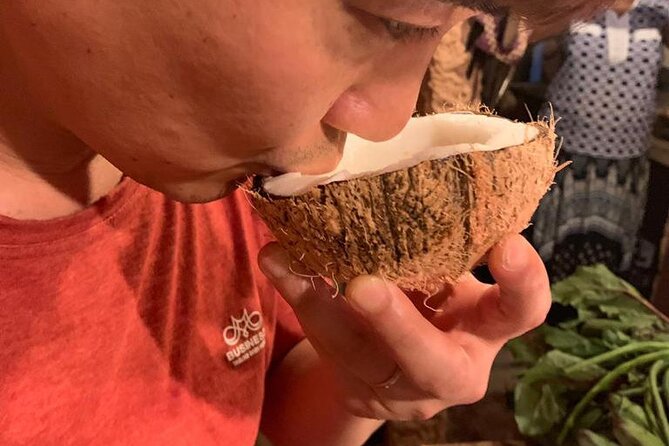
One of the most useful parts of the class is the explanation of coconut milk. The chef shows you how to get coconut milk and how it fits into the cooking process.
This is a small lesson with a big payoff. Coconut milk appears in many Sri Lankan dishes, and learning how it is prepared helps you understand why the flavor and texture of a home-cooked curry can differ from a restaurant version. It also gives you a technique you can try at home, provided you can find suitable coconut.
The class is hands-on. You are expected to do the work yourself while the chef guides you. That distinction is important. If you prefer simply watching a professional cook, this may feel like too much responsibility. If you want to return home with practical skills, it is exactly the right kind of format.
The instructions cover how to cook the food and how to handle the ingredients along the way. You will need to pay attention and take part, but the private setting should make it easier to ask for help when you need it.
Cooking rice, lentils, and vegetable curry
A particularly useful meal combination includes rice, daal, and several kinds of vegetable curry. These dishes are common parts of a Sri Lankan table, and together they show how a meal can be built from simple ingredients with different textures and seasonings.
Rice gives the meal its base. Daal adds a soft, comforting dish, while vegetable curries bring variety. The appeal is not one flashy recipe. It is learning how several dishes work together as a complete lunch or dinner.
The family matriarch, Nandi, has been specifically praised for showing how to make coconut milk, rice, daal, and different vegetable curries. Her role is central to the experience described by past participants, and her patient, attentive teaching is one of the clearest reasons this class receives such strong approval.
You should expect guidance rather than a rigid professional demonstration. The wording of the activity makes clear that you do everything yourself, with the family showing you what to do. That may mean chopping, mixing, preparing coconut milk, and cooking each dish under instruction.
For me, this is the strongest reason to choose this class over a standard restaurant meal. You learn the structure of a Sri Lankan meal, not just the name of one curry. You can also pay attention to the sequence of preparation, which is often as useful as the ingredient list when you try to recreate the food later.
Same place, a different thing to cook:
- Ella: Traditional Sri Lankan Cooking Class
★ 4.9 · 788 reviews - Sri Lanka Cooking Class with Granny
★ 5.0 · 587 reviews - Sea waves sri lankan cooking class
★ 5.0 · 467 reviews - Ella: Sri Lankan Cooking Class with Neranji at Homestay
★ 5.0 · 276 reviews
Sitting down to eat what you prepared
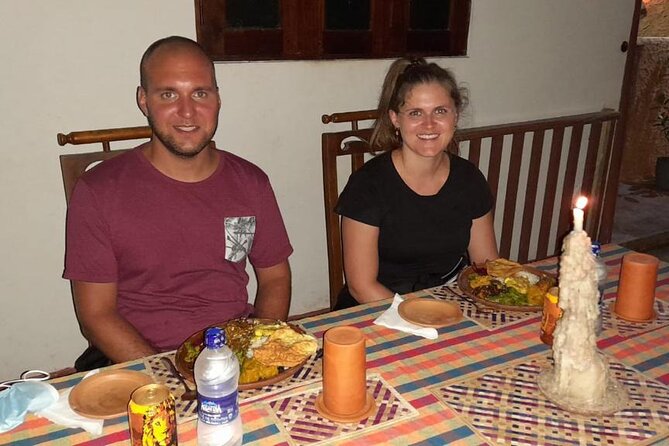
At the end, you eat the lunch or dinner you helped make. Lunch or dinner is included, along with bottled water, tea or coffee.
There is a satisfying logic to this finish. You have selected ingredients, followed instructions, prepared the dishes, and then tasted the result. Even a slightly uneven curry can be a good teacher, especially when you know exactly where you made each decision.
The meal also gives the visit a social side. This is presented as time with a local family, not just a lesson with a paid instructor. The family setting can make the experience feel more personal than a formal culinary school, though it also means you should arrive ready for a relaxed, home-style format rather than polished restaurant service.
The food may become your favorite part, but the value is in the process. The bottled water is practical, while the included meal means you do not have to pay for lunch or dinner afterward. At $30 per person, that combination makes the experience reasonably priced, especially for a private activity lasting roughly three and a half hours.
What the $30 price really includes
At $30, you are paying for more than a meal. The fee covers the private instruction, ingredients selected for your cooking session, the meal you prepare, tea or coffee, and bottled water.
The private setup matters most when you compare value. A larger class might cost less per person, but you would have less control over the menu and less time to ask questions. Here, only your group participates, so the cost buys a more personal lesson.
Transportation is the point to watch. Pickup is offered in the tour information, yet private transportation is not included. I would not assume that a vehicle from your hotel to the village is part of the $30 price. Check the exact pickup terms and meeting instructions before you pay.
The activity is also weather-dependent. If poor weather forces a cancellation, you are offered another date or a full refund. A minimum group size may apply as well, and if that requirement is not met, you are offered another date, another activity, or a full refund.
Free cancellation is available up to 24 hours before the start time. Changes or cancellations within 24 hours are not accepted for a refund, so keep your Kandy schedule reasonably firm.
Who will get the most from this cooking class
I would choose this experience if you want food to be the center of your time in Kandy. It suits couples, families, and small groups who enjoy doing rather than simply observing.
It is also a good match for anyone curious about everyday Sri Lankan cooking. The focus on rice, daal, vegetable curry, and coconut milk gives you techniques that can be repeated at home. You do not need to be an experienced cook, since the family provides hands-on direction and most people can participate.
Families should note that the activity is private, which can make it easier to work at your own pace. Children who enjoy helping with food may find the practical format more engaging than a long demonstration, though the available information does not set a minimum age.
I would be less likely to recommend it if you want a tightly scripted menu, a luxury setting, or a short activity with no preparation work. This class asks you to participate from start to finish. That is its strength, but it is not for someone who wants to sit back and be served.
The activity is near public transportation, and most people can participate. Still, the information does not provide detailed accessibility specifications, so ask the provider directly if your group has mobility or other access needs.
Practical timing advice for Kandy
Set aside half a day. The stated duration is about three hours and 30 minutes, and you should allow extra time around the meeting point if you are arranging transport yourself.
The start and end point is Kandy City Centre. Since the activity finishes back there, it can fit neatly into a day of sightseeing before or after the class. Avoid scheduling a tight connection or another fixed appointment immediately afterward.
The experience is booked, on average, about 20 days in advance. That is useful planning information if your dates in Kandy are fixed. The provider is Kandy Cooking Class by AGS, and confirmation is received at booking.
I would book early if you want a particular day, especially if you are visiting during a busy period. The private format may be more flexible than a large group tour, but you should not count on last-minute availability.
Should you book Cooking With Village Family?
Yes, if you want an affordable, hands-on introduction to Sri Lankan home cooking. The strongest features are the family setting, the private format, and the chance to make coconut milk, rice, daal, and vegetable curries yourself.
At $30, the experience offers good value because it combines instruction, ingredients, a full meal, drinks, and a village visit. The 5 out of 5 rating and 100 percent recommendation also fit the experience as described: personal, practical, and warmly hosted.
Before booking, confirm the pickup details and ask about the menu if you need a specific dish. If you are happy to work with the family’s guidance and take an active role in preparing lunch or dinner, this is one of the more useful food experiences you can add to a Kandy stay.
FAQ
Where does the cooking experience start?
It starts at Kandy City Centre in Kandy, Sri Lanka.
Where does the activity end?
The activity ends back at the meeting point.
How long does the experience last?
It lasts approximately three hours and 30 minutes.
Is pickup offered?
Yes, pickup is offered. Private transportation is not included, so confirm the exact pickup arrangement before booking.
Is this a private activity?
Yes. Only your own group participates.
What food and drinks are included?
Lunch or dinner, coffee or tea, and bottled water are included.
Are alcoholic beverages included?
No. Alcoholic beverages are not included.
Do I choose the ingredients?
Yes. You can select the ingredients for the lunch or dinner you will prepare.
Do I cook the food myself?
Yes. You do the cooking yourself with guidance from the chef and family.
Can I cancel for a full refund?
Yes, if you cancel at least 24 hours before the experience start time. Cancellations made less than 24 hours before the start time are not refunded.
Just added around Sri Lanka
- cooking lesson★ 5.0 · 7 reviews
- Hands-On Cooking Class in Anuradhapura-Cook Like a Local★ 5.0 · 2 reviews
- Sri Lankan Cookery with Nilu★ 5.0 · 34 reviews
- Sri Lanka: Cooking Class★ 4.4 · 6 reviews
- Cooking Experience from Ella★ 4.9 · 2 reviews
- Sri Lankan Cooking Class in Bentota★ 5.0 · 2 reviews
- Private cooking class – Personalized classic menu★ 5.0 · 5 reviews
- Nilaveli: Sri Lankan Cooking Class with a Local Family★ 5.0 · 16 reviews
Farm & Countryside Cooking Classes, compared.
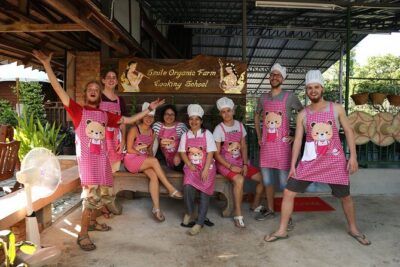
Half-Day Thai Cooking Class at Organic Farm in Chiang Mai
Read our review →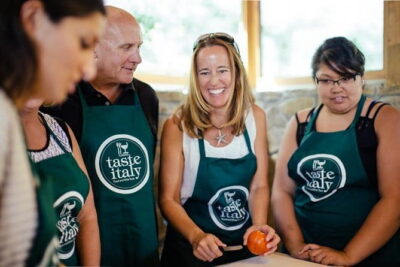
Cooking Class and Lunch at a Tuscan Farmhouse with Local Market Tour from Florence
Read our review →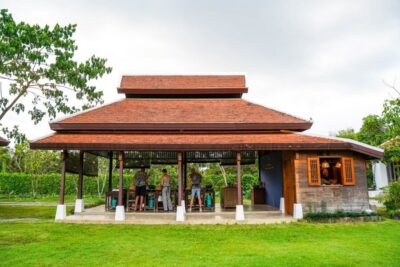
Authentic Cooking Class with Market & Farm Visit
Read our review →