
REVIEW · MARRAKESH-SAFI, MOROCCO
Marrakech: Traditional Moroccan Crepes & Bread Cooking Class
Bread is often Morocco’s best welcome. This two-hour Marrakech cooking class gives you a hands-on lesson in msemen, harcha, and batbout, three breads with different textures and cooking methods. I like the small groups, limited to 10 people, and the simple pleasure of sitting down to eat what you have made with mint tea. The main consideration is communication: English, French, and Arabic are offered, but some sessions may still involve plenty of demonstration and gestures.
At $37 per person, the class is good value if you want more than a meal. You get ingredients, utensils, an apron, instruction, tasting, tea preparation, and electronic recipes. It is less suitable for anyone with a food allergy or gluten intolerance, and children under four cannot join.
Quick reasons to book
- Three distinct Moroccan breads: Learn msemen, the layered pan-fried crepe; harcha, a semolina pancake; and batbout, a soft Moroccan flat bread.
- A real hands-on lesson: You mix, shape, cook, and taste the food rather than simply watching a chef work.
- Mint tea is part of the ritual: You prepare and pour the tea after cooking, then enjoy it with the breads and accompaniments such as olives, jam, honey, or other available sides.
- Small groups make a difference: With no more than 10 participants, it is easier to get help with dough, shaping, and cooking.
- A local-feeling address: The workshop is at 44 Der Hajra in the Bab Doukkala area, reached through food markets that can feel more local than the main tourist routes.
- Recipes go home with you: Electronic recipes let you try the breads again after Morocco, though one participant had to follow up before receiving them.
Three Moroccan breads, three different lessons
The class focuses on three familiar Moroccan staples, and that variety keeps the two hours moving. You are not making the same dough three times with minor changes. Each bread asks you to notice a different part of Moroccan baking.
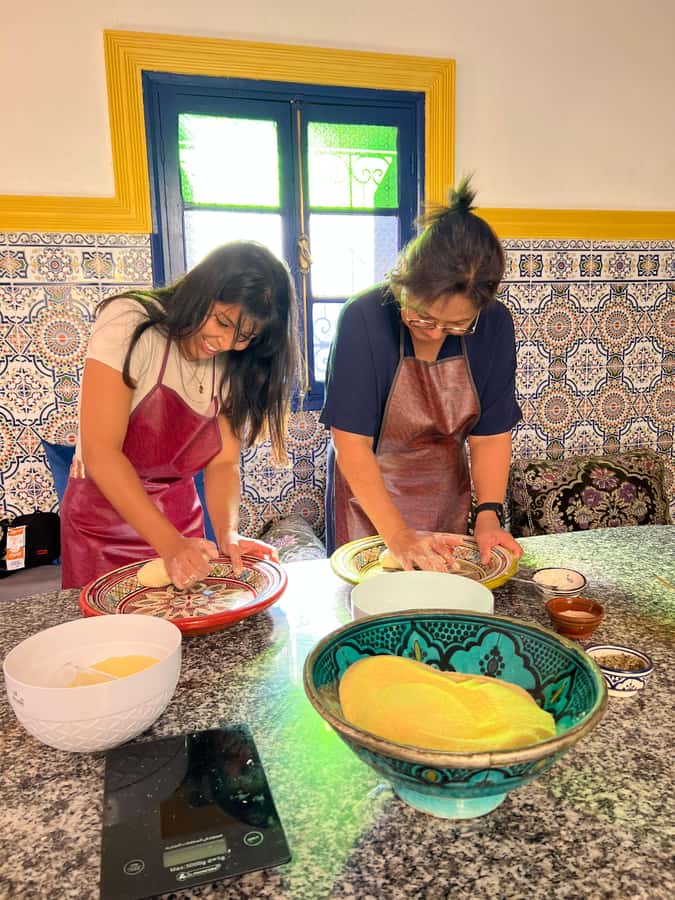
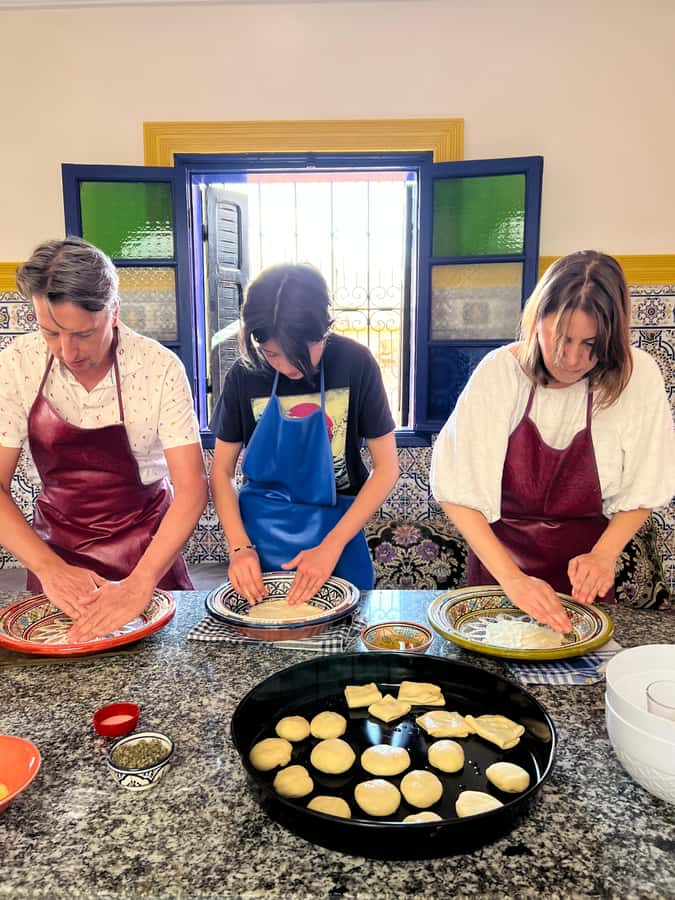
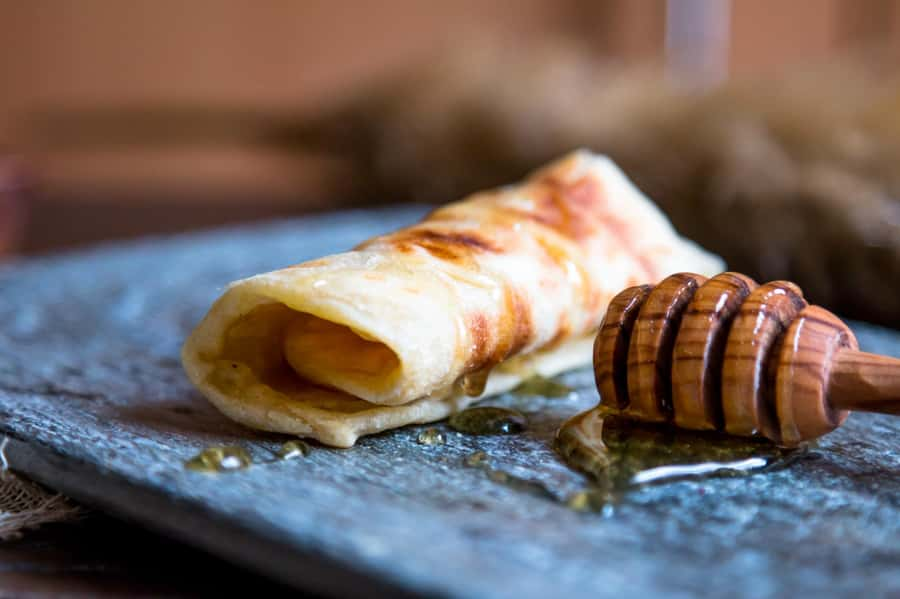
Msemen is the one many visitors recognize from breakfast tables and cafés. It is a square, layered crepe with a pleasantly chewy center and crisp, browned edges. The technique matters here. You work the dough, stretch or shape it, and fold it in a way that creates layers before it reaches the pan.
This is often the bread people most want to recreate at home. One participant specifically valued learning to make the pancakes enjoyed throughout the week at a hotel. The lesson gives you a chance to move from simply eating msemen to understanding how its texture is produced.
Harcha is a semolina pancake or galette. Its texture differs from msemen, so you get a useful lesson in how another Moroccan dough behaves. The class presents it as one of the three main recipes, alongside the softer batbout and layered msemen.
Batbout is a Moroccan pita-style flat bread. It is soft and rounded, with a different cooking method from the pan-fried crepes. Making all three in one session helps you compare the results while the instructions are still fresh in your mind.
The appeal is practical. You leave knowing that Moroccan bread is not one generic recipe. Flour, semolina, shaping, cooking temperature, and handling all change the final bite.
More Baking Classes in Marrakesh:
- Lisbon: Pastel de Nata Baking Class
★ 4.9 · 2,106 reviews - Paris Croissant Small-Group Baking Class with a Chef
★ 5.0 · 910 reviews - Paris: French Croissant Baking Class with a Chef
★ 4.9 · 712 reviews
Arriving at Bab Doukkala
The workshop address is 44 Der Hajra, Bab Doukkala, in Marrakech. Transportation is not included, so you need to make your own way there.
The route can be part of the experience. Directions have been sent by WhatsApp before the class, which is useful in an area where a precise address may not tell you everything about the final approach. The walk toward the workshop passes food markets used more by local residents than by the main tourist crowd, giving you a useful glimpse of everyday shopping in Marrakech.
That also means you should allow enough time to find the place. The route is not described as difficult, and one class was praised for being easy to locate, but a message with directions is worth checking before you set out. Bring water and wear comfortable clothes that can handle flour, oil, and a little kitchen mess.
The workshop is described as a beautiful Moroccan home. That setting matters. You are not simply entering a formal demonstration kitchen with a polished counter and a chef doing all the work. The tone is closer to cooking at home, which suits a lesson about food made for daily life.
What happens during the two-hour class
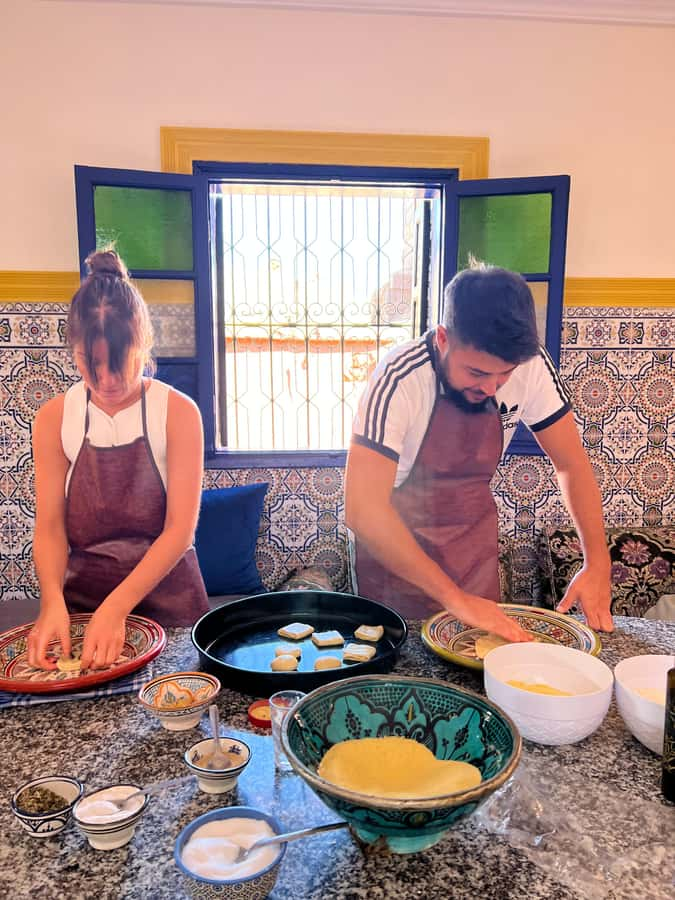
The host welcomes you, provides an apron, and lays out the utensils and ingredients. Everything needed for the cooking lesson is supplied, so you do not need to shop for flour, semolina, oil, or other basic items before arriving.
The class begins with guidance on the dough and the techniques behind each bread. You work from start to finish, with the host showing you how to handle the mixture, form the breads, and cook them. The exact order can vary, but the session is built around making all three varieties rather than focusing on just one.
This is where the group size becomes important. A class of up to 10 people is small enough for you to ask for help, and participants have described the teaching as personal and hands-on. In a larger group, a demonstration of delicate dough work can be hard to see. Here, you have a better chance of getting direct assistance when your msemen folds unevenly or your dough needs more handling.
The teaching style may depend on the person leading your session. Fatima and Jamila have both led classes, and one session included a translator to help with explanations. Another participant found a language barrier because the person demonstrating did not speak English. The cooking still worked through gestures and close demonstration, but it is fair to expect that communication may not always be as detailed as a fully English-led class.
That is not necessarily a problem for a practical food lesson. Dough is visible. Shaping can be shown. Cooking time can be demonstrated. Still, if you want a long discussion of Moroccan baking science, ask questions early and confirm the language support available for your date.
The cooking is the point, not a side show
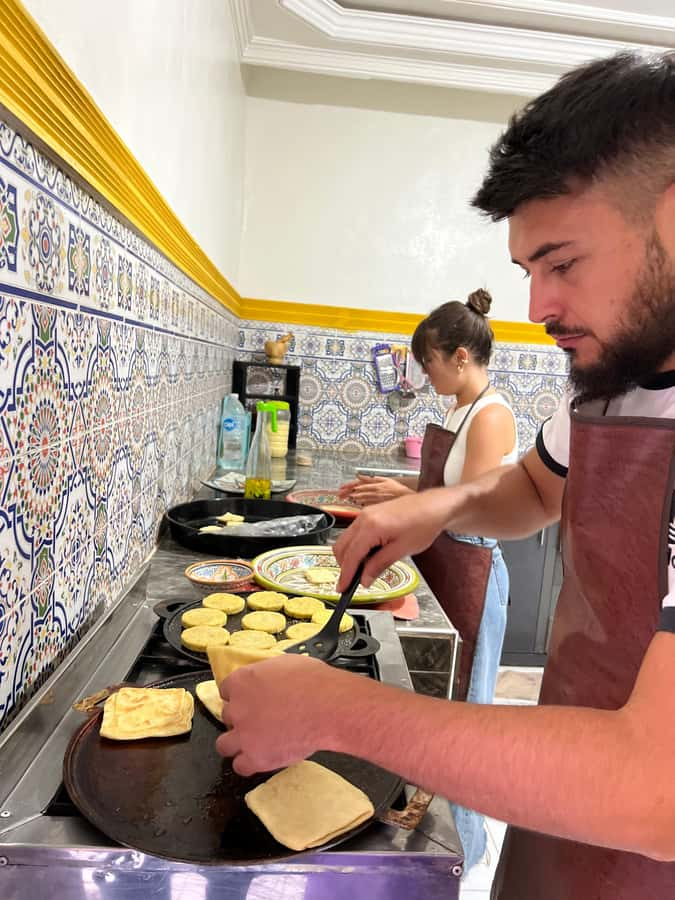
Some food classes give you a small task while the instructor does the important work. This one is designed differently. You are expected to take part in preparing and cooking the breads.
That makes the session especially useful for home cooks. You can see the dough before and after handling, watch how the breads change in the pan, and taste the results while the steps are still clear. The class is not presented as difficult, and the recipes are described as quick and simple enough for beginners.
I would still set your expectations sensibly. Msemen takes more care than simply stirring batter and dropping it into a pan. The folds and layers may need a little practice. The value is not in producing perfect bakery pieces on your first try. It is in learning the method well enough to keep practicing at home.
The class also gives you a good amount of food. The breads are cooked, cooled, and eaten during the session. If there is more than your group can finish, a box may be provided so you can take some home. One participant even found there was too much bread to carry back, which is a pleasant problem, though you should not assume every group will receive the same amount.
More Moroccan Cooking Classes in Marrakesh:
- Marrakech: Moroccan Cooking Class with Pickup
★ 4.6 · 1,862 reviews - Marrakech: Traditional Moroccan Cooking Class & Market Visit
★ 4.8 · 1,861 reviews - Marrakesh: Moroccan Dishes Cooking Class with a Local Chef
★ 5.0 · 1,615 reviews - Marrakech: Moroccan Cooking Class with a Local Family
★ 4.9 · 668 reviews
Mint tea completes the lesson
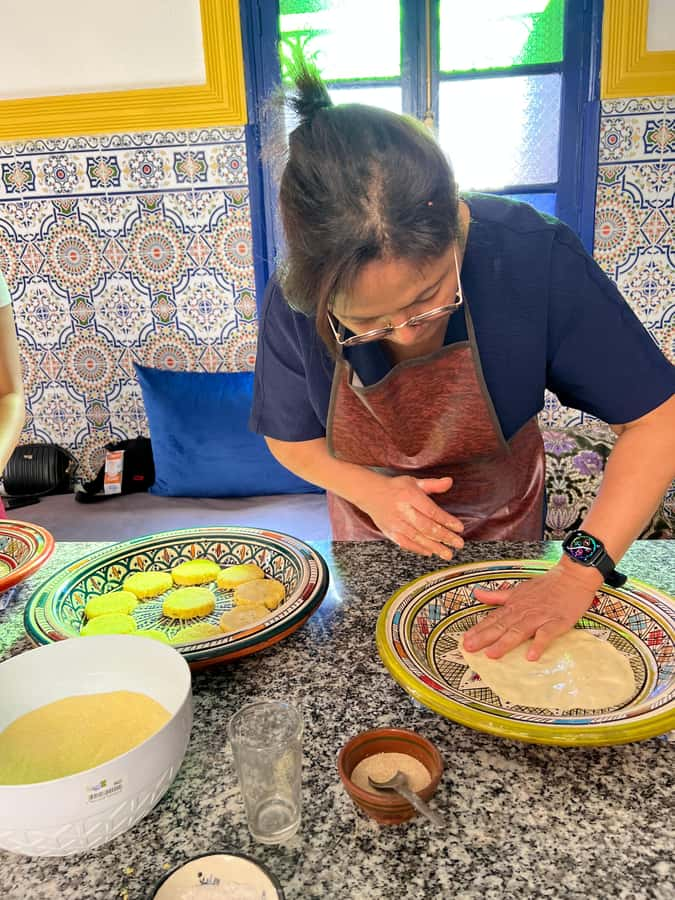
After the dough has been prepared and the breads have been cooked, the class turns to Moroccan mint tea. This is not just a drink added at the end. You help prepare it and learn the traditional pouring ritual.
Tea service gives the class a natural pause. You move from flour-covered work to sitting down with the finished food, a glass of mint tea, and time to talk about your trip to Morocco. The meal is simple, but that is part of its charm. You are eating the food you made rather than receiving a separate restaurant dish.
The breads may be served with accompaniments such as olives, jam, or honey. One participant also mentioned eating the bread with olives and jam, while another enjoyed honey. These pairings help you understand how the breads fit into a Moroccan breakfast or snack.
The tea ritual is also one of the more social parts of the activity. You are not only learning a recipe. You are watching how food and drink create a reason to sit together. For a short class, it gives the experience a warm finish.
What the $37 price really includes
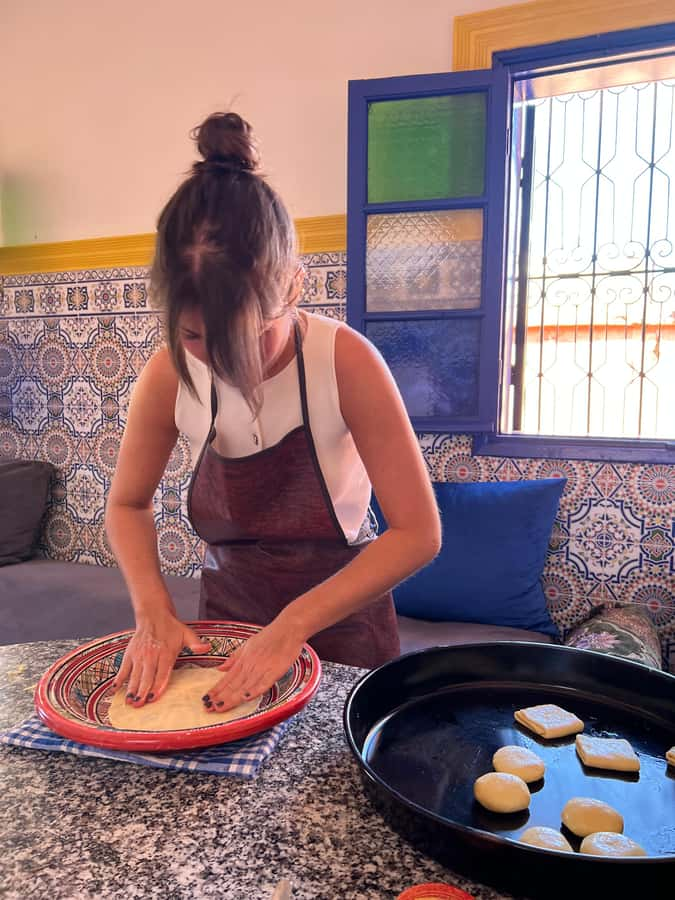
At $37 per person, the price makes sense for anyone who values participation. You receive the class, ingredients, utensils, apron, host guidance, tasting, mint tea preparation, and recipes in electronic form.
The strongest value comes from the number of recipes and the chance to practice them under supervision. A standard meal in Marrakech may cost less, but it will not teach you how to recreate msemen, harcha, and batbout. A private cooking lesson could cost more, while a larger group class might offer less individual attention.
The tasting also adds value. You are not paying for an abstract lesson and then buying lunch elsewhere. Your finished work becomes the meal, with tea and accompaniments included.
Keep the recipe promise in mind. Electronic recipes are included, but one participant had not received them and needed to chase them up. I would check your messages after the class and contact the provider if they do not arrive.
The class can also become better value if you cook the breads at home. Msemen, in particular, is a useful recipe to take back because it is easy to enjoy at breakfast and gives you a direct food memory from Morocco.
Who will enjoy this class most
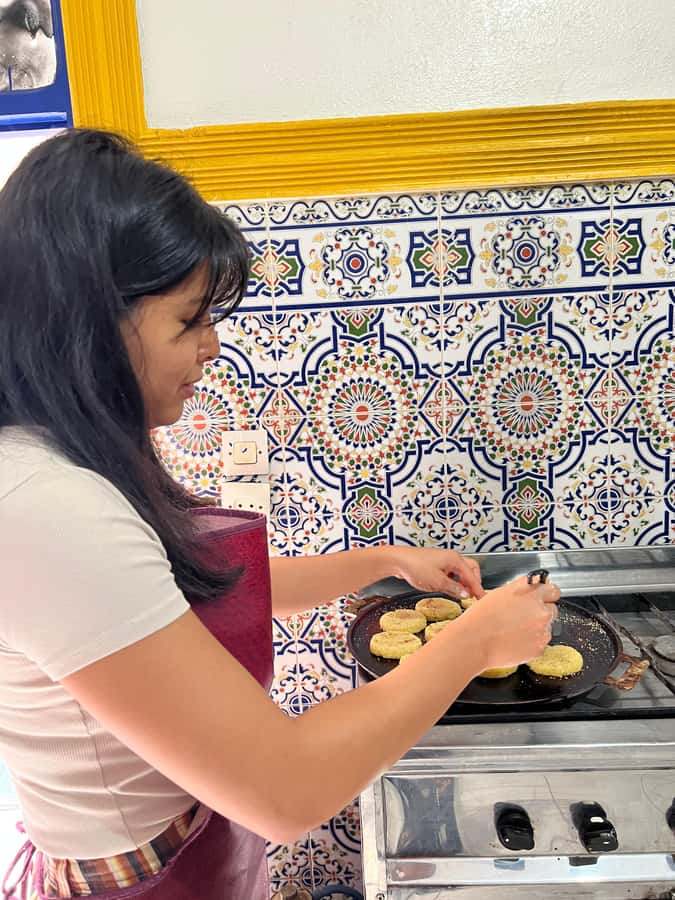
This experience suits couples, friends, solo visitors, and families with children old enough to take part safely. A family of four, including two children, enjoyed the practical teaching and the chance to eat everything afterward. Children under four are not accepted, so check the age rule before booking a family session.
You will get the most from it if you enjoy doing things with your hands. The class is not ideal if you want to sit quietly and watch a professional chef. Flour, dough, shaping, and hot pans are the heart of the activity.
It is also a good choice after a few days of sightseeing. Marrakech can be intense, and two hours of focused cooking offers a change from monuments, shopping, and crowded streets. The class gives you something concrete to do, and you leave with skills rather than only photographs.
You should skip it if you have a gluten intolerance or food allergies. The activity is not suitable for those conditions, and the ingredients are provided as part of the lesson. There is no indication that alternative recipes are available.
Helpful tips before you go
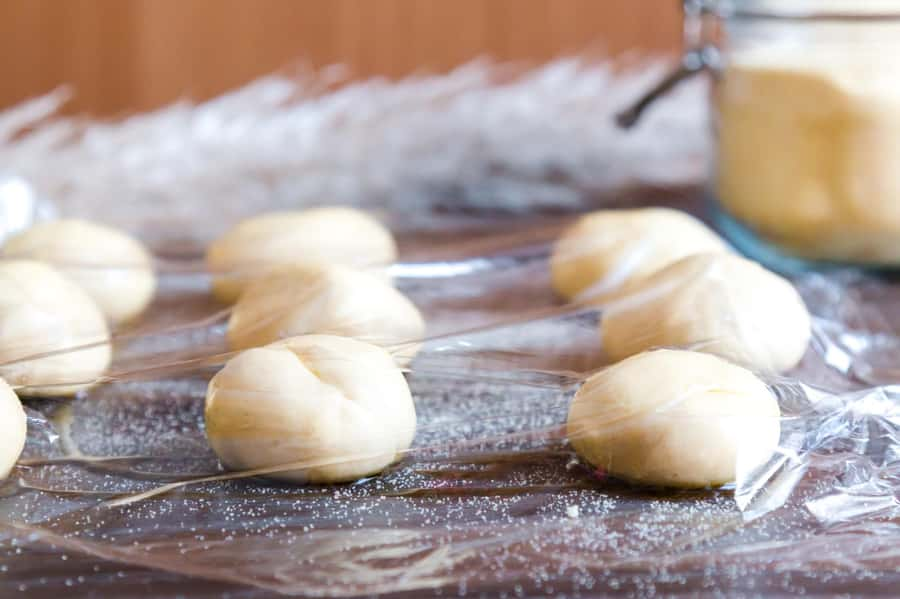
Wear clothes that are comfortable for baking. Choose something you will not mind getting flour or oil on, and bring water. An apron and all cooking ingredients are supplied, but your own comfort still matters.
Check the starting time when booking, since the class lasts two hours and availability determines the session time. Arrive with an appetite, but do not eat a heavy meal immediately before class. The finished breads are part of the experience.
Read the directions sent through WhatsApp before leaving. The Bab Doukkala setting and market route are part of the local character, but you will enjoy the walk more if you are not searching for the address at the last minute.
If English matters to you, ask about language support when arranging the class. Arabic, French, and English are listed, and translation has been available in at least one session, but hands-on demonstration may carry much of the instruction.
The provider allows free cancellation up to 24 hours before the experience for a full refund, and you can reserve now and pay later. Those options are useful if your Marrakech plans are still shifting.
Should you book the Marrakech bread class?
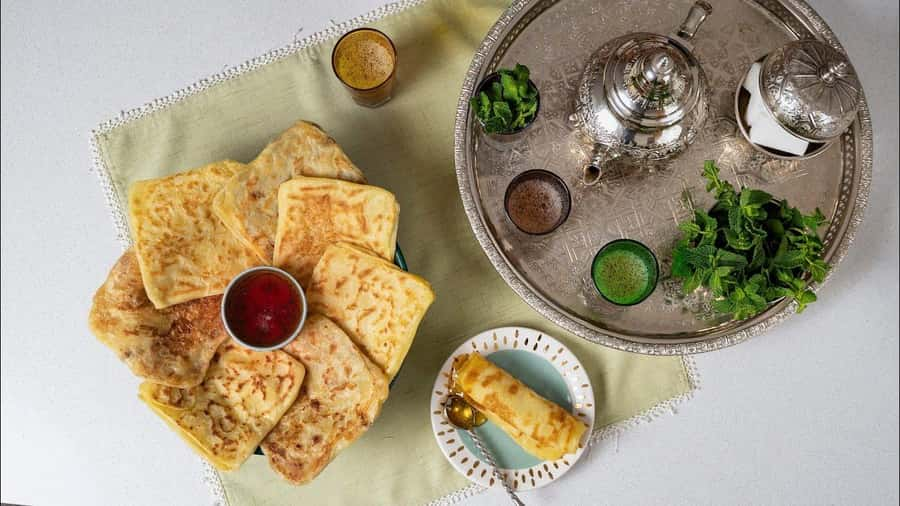
Book it if you want a friendly, practical introduction to Moroccan food and would like to learn recipes you can repeat at home. The three breads offer enough variety to keep the class interesting, while the small group and hands-on format give you a real role in the cooking.
The best parts are the personal instruction, the home-style setting, the tea ritual, and the chance to eat your own work. The main drawbacks are the possible language gap, the need to arrange your own transport, and the fact that recipe delivery may require a follow-up.
At $37, I consider it a strong choice for a two-hour activity in Marrakech, especially for bread lovers and families with older children. If you have allergies, gluten intolerance, or little interest in cooking, spend your time elsewhere. For everyone else, bring comfortable clothes, an appetite, and a willingness to make a few imperfect but very edible breads.
FAQ
How long does the Marrakech bread cooking class last?
The class lasts two hours.
What breads will I learn to make?
You will learn to make msemen, harcha, and batbout.
Is Moroccan mint tea included?
Yes. You help prepare the traditional mint tea and taste it with your cooked breads.
Are ingredients and cooking equipment provided?
Yes. The class includes all necessary ingredients and utensils, as well as an apron.
Where is the workshop located?
The workshop is at 44 Der Hajra in the Bab Doukkala area of Marrakech.
Is transportation included?
No. Transportation to and from the workshop is not included.
What languages are available?
The experience is offered in Arabic, French, and English.
Can children attend the class?
Children under four are not suitable for the activity. Older children may be able to attend, depending on the booking and their ability to take part safely.
Is the class suitable for people with allergies or gluten intolerance?
No. The activity is not suitable for people with food allergies or gluten intolerance.
Just added around Marrakesh
- Moroccan Food Cooking Class with a Local Chef in Marrakech★ 4.7 · 90 reviews
- Moroccan cooking class in Marrakech with berber chef★ 5.0 · 16 reviews
- Marrakech: 3-Hour Open-Air Moroccan Cooking Course★ 4.9 · 74 reviews
- Edgy 8 Dish Private, Fusion Cooking Class, Menu Plan, Market★ 4.9 · 31 reviews
- Marrakech: Moroccan Cooking Class with Local Chef★ 4.6 · 87 reviews
- Marrakesh: Private Cooking Class & Local Market Shopping★ 4.7 · 15 reviews
- Marrakech: Authentic Moroccan Cooking Class in a Farm★ 4.8 · 8 reviews
- Marrakech: Moroccan Cooking Class with Amazing Local Chef!★ 4.9 · 100 reviews
Baking & Bread Classes, compared.
Paris Croissant Small-Group Baking Class with a Chef
Read our review →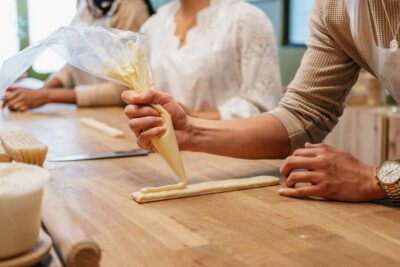
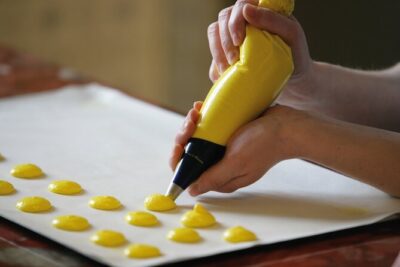
Paris Macarons Small-Group Baking Class with a Chef
Read our review →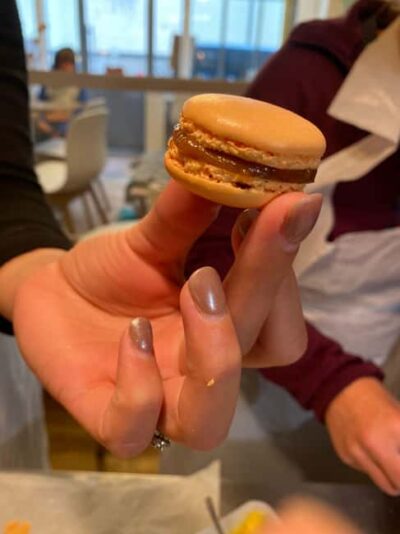
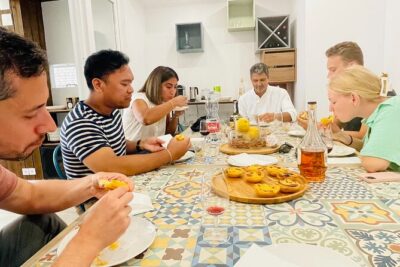
Lists this class appears in