
REVIEW · MARRAKESH-SAFI, MOROCCO
Marrakech: Moroccan Cooking Class with Amazing Local Chef!
Moroccan food is best learned with your hands. This four-hour Marrakech cooking class brings you into a traditional riad or farmhouse setting, where a local chef teaches you to prepare salads, tagine, m’semen flatbread, and a sweet finish. I especially like the friendly, family-style atmosphere and the chance to hear about Moroccan food traditions while you cook, not just watch a demonstration.
The $45 price is strong value because it covers the ingredients, utensils, tea ceremony, meal, recipe cards, and live instruction in English, French, or Arabic. The only point to clarify is the dessert: the advertised sweet course may be a more substantial treat, but some sessions have finished with fresh beetroot and orange juice instead. If a formal dessert matters to you, ask before booking.
Five Things to Know Before You Book

- You cook four courses: Prepare two Moroccan salads, a tagine, m’semen bread, and a dessert or sweet finish.
- The class begins with hospitality: Expect Moroccan mint tea and pastries before the cooking starts.
- You learn family techniques: The chef explains Berber cooking methods, spice balance, clay tagine preparation, and traditional bread making.
- You eat what you make: The class ends around a shared table with your prepared dishes and more mint tea.
- The meeting point needs attention: Use Google Maps and search for ArtEscape Marrakech. The door is number 312, and the building may not have an outside sign.
A Warm Start With Tea, Pastries, and Introductions
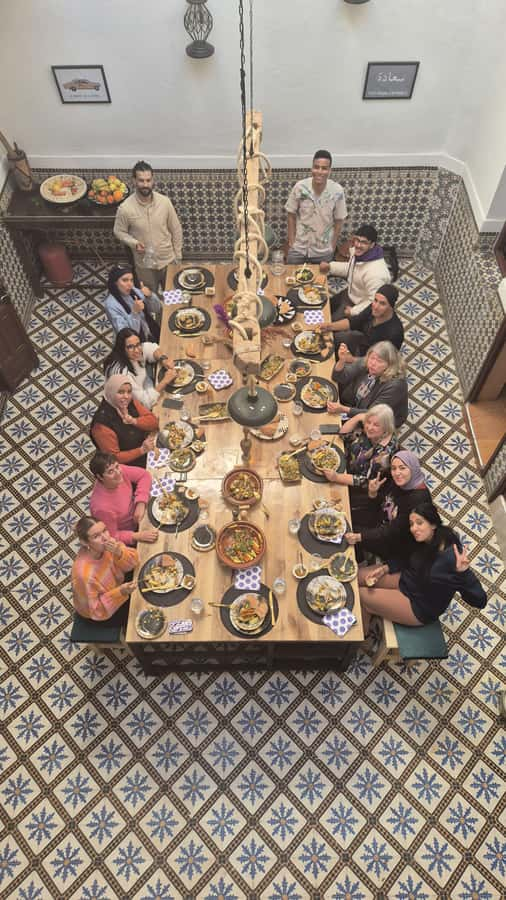
The morning session runs from 10:30 a.m. to 2:30 p.m. Arrive about 15 minutes early. That extra time is useful because the welcome tea is part of the experience, not a rushed formality before the real activity begins.
You are greeted with Moroccan mint tea and pastries, a traditional sign of welcome. This gives you time to meet the chef and the rest of the group before aprons and chopping boards appear. The atmosphere is intended to feel social rather than stiff. Several participants found that the class quickly felt like cooking with friends, helped by the relaxed humor of the instructors.
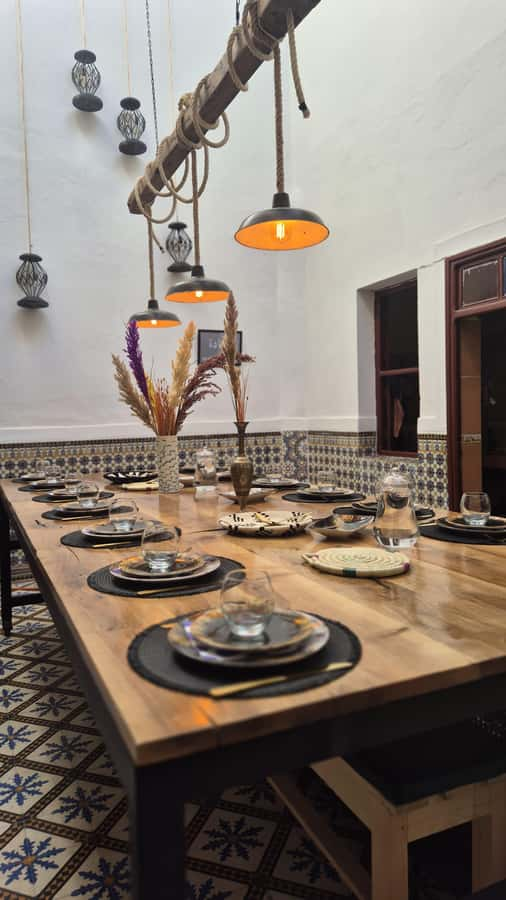
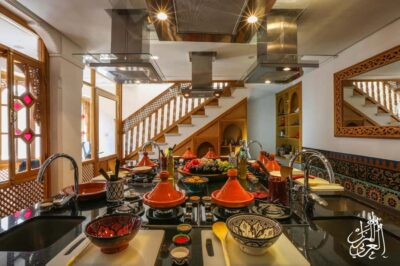
The setting is described as a traditional riad in Marrakech or a farmhouse, depending on the session. The cooking space is designed to be attractive and clean, and one participant specifically praised the facilities. This matters because a cooking class involves four hours of standing, preparing food, eating, and moving between tasks. Comfortable shoes are a good idea.
The teaching team can include Chef Chafik, Mehdi, Chaima, Fatima, or Laila Fatima. Chafik received especially warm praise for his humor, clear instructions, and stories about Moroccan family life. Chaima was described as lively and welcoming, while Fatima helped make the bread lesson and the shared meal feel easy and inclusive.
More Moroccan Cooking Classes in Marrakesh:
- Marrakech: Moroccan Cooking Class with Pickup
★ 4.6 · 1,862 reviews - Marrakech: Traditional Moroccan Cooking Class & Market Visit
★ 4.8 · 1,861 reviews - Marrakesh: Moroccan Dishes Cooking Class with a Local Chef
★ 5.0 · 1,615 reviews
Preparing Moroccan Salads With Fresh Ingredients
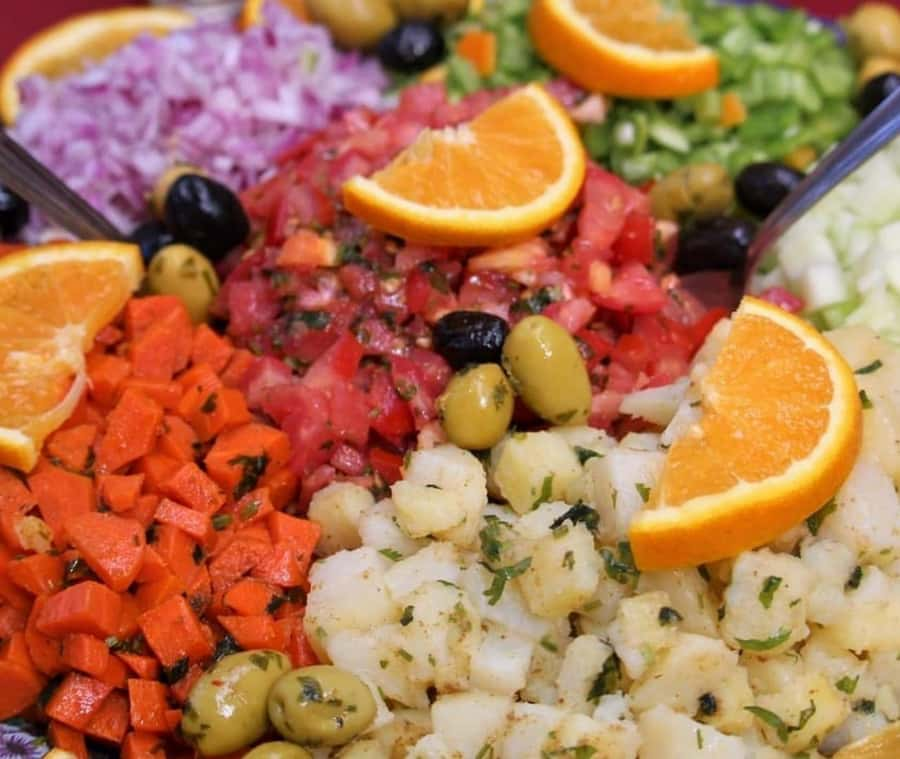
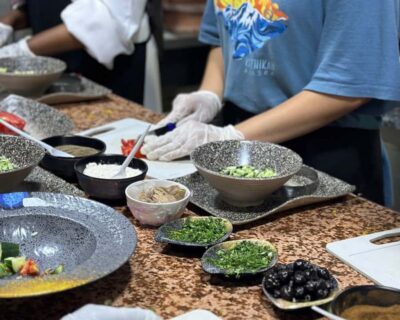
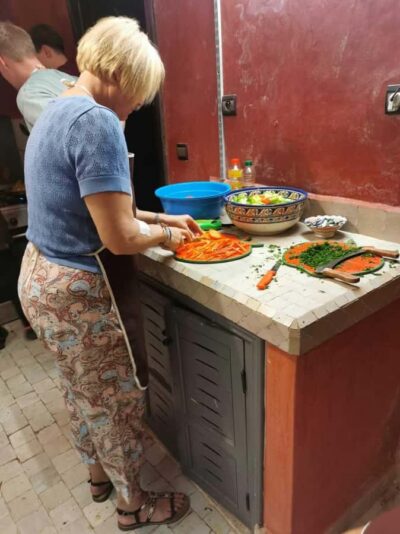
The first cooking tasks involve fresh vegetables and Moroccan salads. The class includes two salads, giving you a useful look at the balance between cooked and fresh dishes in Moroccan meals.
This part is less showy than the tagine, but it is important. Moroccan food is not simply meat cooked with spices. A full table often combines warm dishes, fresh vegetables, bread, dips, and sweet or fragrant drinks. By preparing two salads, you get a better sense of how a Moroccan meal is built.
The class uses fresh, seasonal ingredients and provides all cooking utensils. You work under the chef’s direction rather than being left to guess your way through a recipe. That is particularly helpful if you are unfamiliar with Moroccan spice combinations. The goal is not just to list ingredients, but to show you how small changes in seasoning affect aroma and taste.
The format is hands-on. You should expect to chop, mix, arrange, and take part in the preparation. People who like active classes will get more from this than those who prefer to sit back and take notes.
Dietary needs should be shared during booking. Vegetarian choices are available, and the organizers ask you to report allergies, dietary restrictions, or other requests in advance.
The Tagine Lesson Is the Main Event
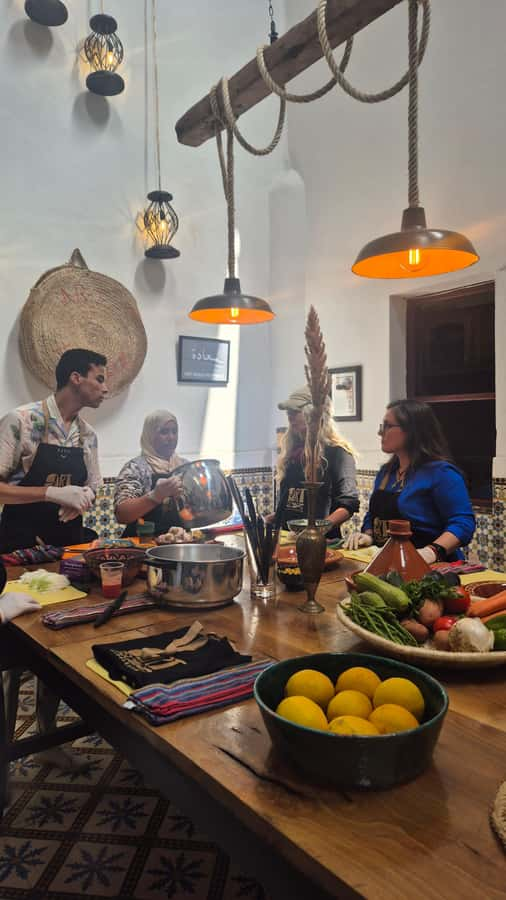
The tagine is the heart of the class. You prepare a chicken, vegetable, or other available tagine of your choice, then arrange it for slow cooking in the traditional clay pot.
The chef explains how to layer the ingredients and manage the spice mixture. The point is not only to produce a tasty lunch. You also learn why tagine cooking takes patience, how the clay pot shapes the dish, and how Moroccan cooks build flavor with modest ingredients.
Several sessions included both chicken and vegetable tagines, which is useful if your group has different preferences. The food is cooked while you continue with the bread, so the timing keeps the class moving. One of the best features is that the cooking does not end when the demonstration ends. You are involved in preparing the vegetables, arranging the tagine, and later eating the result.
The tagine can be a highlight for anyone who has eaten Moroccan food in restaurants but never understood how it is made. You get to see the process from raw ingredients to the final dish. You also leave with a method you can repeat at home, even if your own kitchen does not have a clay pot.
Making M’semen, Morocco’s Flaky Flatbread
The bread lesson adds a welcome change of pace. M’semen is a Moroccan flatbread made with semolina flour, then shaped and cooked to create a flaky texture.
This is also the part where the class becomes especially practical. You do not merely watch Fatima or the chef prepare one perfect piece. Participants are shown how to make their own. The bread can be eaten with honey, nut butter, sunflower oil, or other accompaniments while the tagines finish cooking.
If you have never worked with this style of dough, the shaping may take a little care. That is part of the fun. The instructors guide you step by step, and the relaxed setting means you do not need professional kitchen skills. The emphasis is on learning a home cooking technique, not producing identical restaurant portions.
For many people, the m’semen is the unexpected favorite. The tagine gets top billing, but the warm bread gives you an immediate reward while the main dish cooks. It also provides one of the easiest recipes to try again after you return home.
A few more cooking classes around Marrakesh worth a look
- Marrakech: Moroccan Cooking Class with a Local Family
★ 4.9 · 668 reviews - Marrakech: Moroccan Cuisine Cooking Class in Local Home
★ 4.8 · 508 reviews - Marrakech: Moroccan Cooking Workshop at La Maison Arabe
★ 5.0 · 446 reviews - Marrakech: Tajine Cooking Class in a Traditional Riad
★ 4.8 · 424 reviews
Sitting Down to Eat the Four-Course Meal
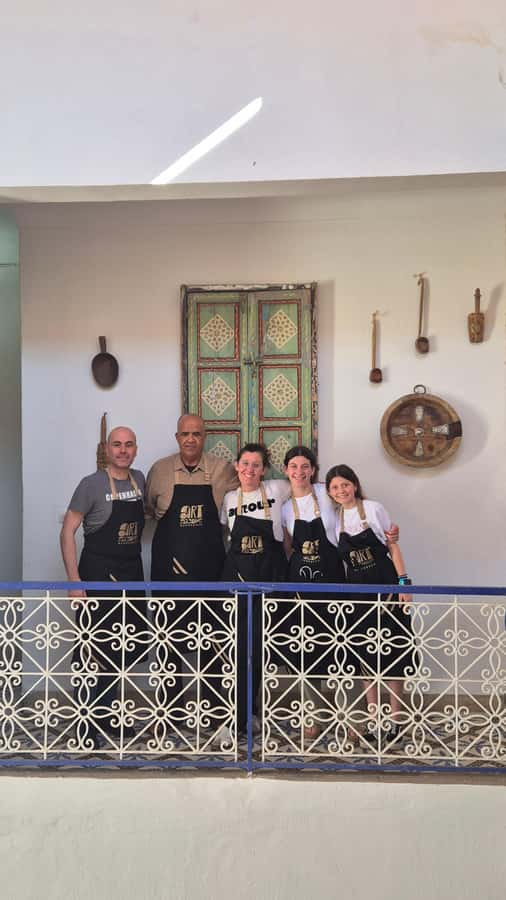
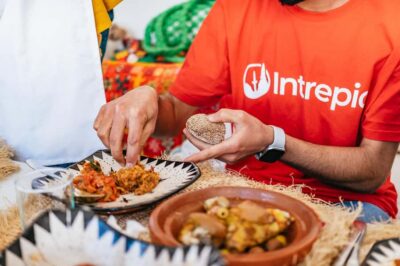
Once the cooking is complete, everyone sits down together. You eat the salads, tagine, bread, and dessert or sweet accompaniment you helped prepare, along with Moroccan mint tea.
This shared meal is a major part of the value. You are not paying for a short lesson followed by a quick taste. The four-hour schedule gives enough time for cooking, conversation, and a proper meal in the decorated setting.
The food has been praised as some of the best Moroccan cuisine people had during their stays. That does not mean every dish will suit every palate, but it reflects the care given to seasoning and preparation. The class also lets you compare chicken and vegetable versions when both are prepared for the group.
The dessert needs a small qualification. The activity description promises a sweet treat, and some sessions include Moroccan pastries. In at least one detailed class, the final course was a blended drink made from beetroot, oranges, lemon, and mint. One participant enjoyed it but would have preferred a more complex dessert. If you are hoping for a pastry, fruit dish, or cooked sweet, confirm the menu before you go.
Recipes are provided afterward on attractive recipe cards. That turns the class into more than a pleasant lunch. You have a practical reminder of the dishes and can try them at home while the methods are still fresh in your mind.
Stories About Berber Cooking and Moroccan Family Life
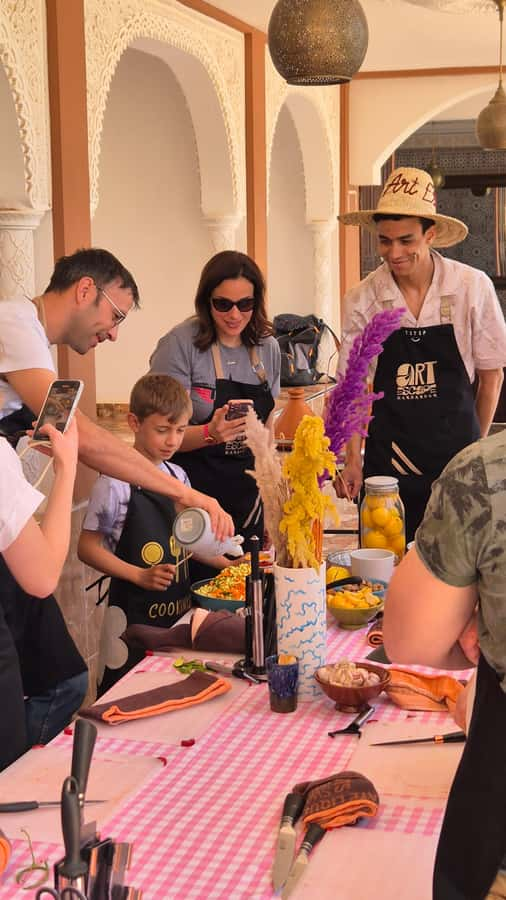
The class adds cultural context without turning into a formal lecture. While you prepare the dishes, the chef explains Moroccan culinary traditions, Berber techniques, and the influence of North African and Mediterranean cooking.
I like this approach because food becomes a way to understand daily life. You hear about family traditions and why certain dishes matter, while your hands are busy with the same ingredients. Chafik was praised for sharing personal stories and explaining things clearly without making beginners feel out of their depth.
The language mix is another strength. The guide can speak English, French, and Arabic, and the staff make an effort to include everyone. One group specifically appreciated that all three languages were used during the session. If your party has different language needs, this is worth noting when you book.
The group atmosphere can vary, but the class is designed around cooperation. You may prepare food beside people from several countries, then sit together to eat. Families can work as a team, and the class has suited teenagers as well as first-time adult cooks.
Location, Transport, and the Door Number 312 Tip
The meeting point is ArtEscape Marrakech. Search for that name in Google Maps and use the exact pin. The entrance is door number 312.
Do not rely on a large sign outside. One participant found that the building had no visible sign and advised simply ringing the bell. Arriving 15 minutes early gives you time to solve this without missing the tea ceremony.
Uber and InDrive are suggested as easier options than ordinary taxis. The meeting point is not presented as a standard hotel pickup location, so plan your route carefully. Some bookings have included pickup and drop-off, and one participant found that especially helpful. Because transport arrangements can vary, provide accurate contact details and confirm your pickup time and place after booking.
One person reported that transportation was not as smooth as hoped, though the cooking class itself was still recommended. That is a fair warning. If pickup is important to you, do not assume it is automatically included for every booking. Confirm it directly.
The activity is wheelchair accessible. Babies under one year are not considered suitable, and pets, alcohol, and drugs are not allowed.
Is Four Hours and $45 Good Value?
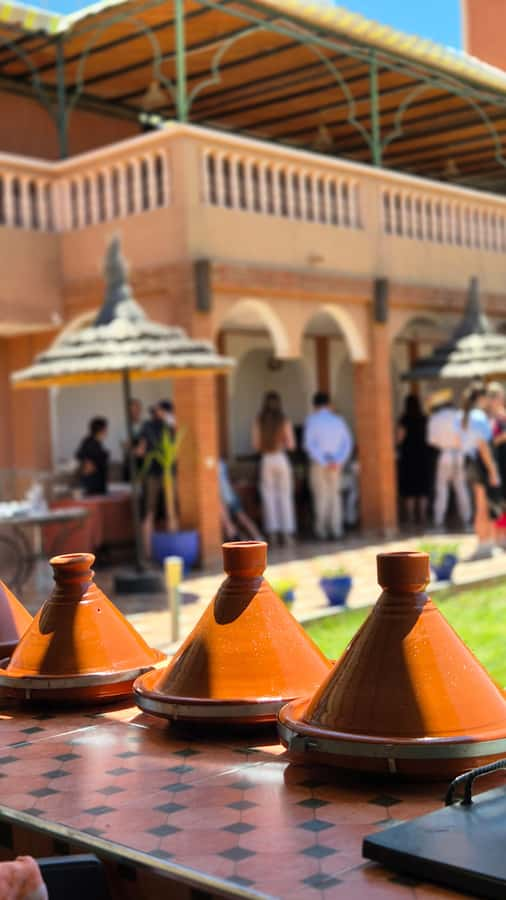
At $45 per person, this is good value if you want an active cultural experience rather than a short food tasting. You receive a welcome tea ceremony, all ingredients, kitchen equipment, live teaching, four courses, a shared meal, cultural explanations, and recipe cards.
The time also works in your favor. Four hours sounds long for a cooking class, but the schedule is divided between introductions, preparation, cooking, bread making, conversation, and lunch. The tagine needs time, so the class avoids the common problem of rushing from chopping board to table.
You should still judge the price against your own priorities. If you only want to eat Moroccan food, a restaurant meal will be simpler. If you want to learn techniques you can repeat, meet people, and understand what goes into a tagine, the class offers more.
The class also has a flexible booking policy. You can cancel up to 24 hours before the activity for a full refund, and reserve now while paying later. Starting times should be checked when you book, although the listed morning session runs from 10:30 a.m. to 2:30 p.m.
Who Will Enjoy This Marrakech Cooking Class?
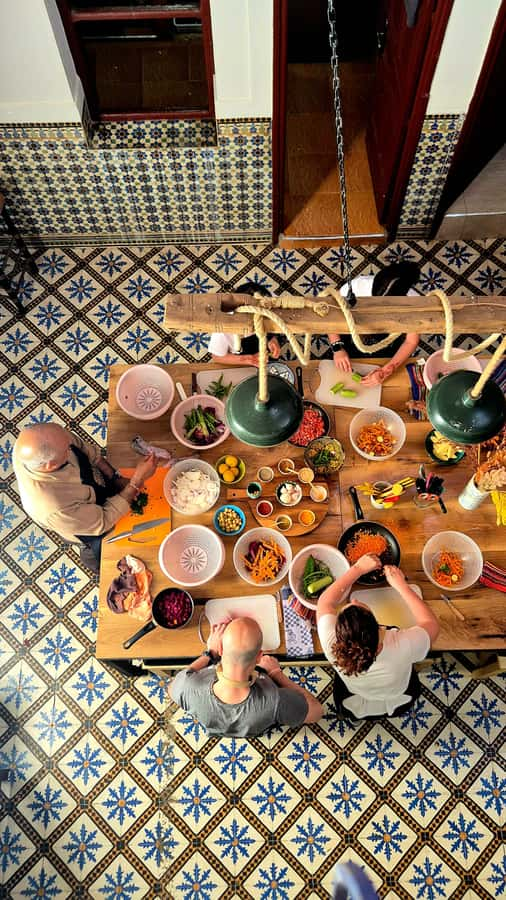
I would recommend this class to first-time visitors who want a direct connection with Moroccan food. It is also a good choice for families, couples, solo visitors, and anyone who enjoys learning by doing.
You do not need previous cooking experience. The instructions are clear, participation is encouraged, and the tone is friendly. Families with older children or teenagers can divide up tasks and cook as a team.
It suits vegetarians because vegetable tagine options are available. It also works well for people who want language support in English, French, or Arabic.
I would be more cautious if you dislike group activities, standing for long periods, or shared meals. The experience is social by design. You should also check the dessert details and transport arrangements before paying, especially if either one is central to your plans.
Should You Book It?
Book this Marrakech cooking class if you want to bring home more than photographs and restaurant memories. The strongest parts are the warm welcome, clear instruction, hands-on tagine preparation, excellent m’semen lesson, and relaxed meal shared with the group.
The small drawbacks are manageable: the entrance can be hard to spot, transport may need confirmation, and the dessert may be a fresh juice rather than a traditional sweet. For $45, the class gives you four hours of food, culture, conversation, and recipes you can use later. For most visitors, that is a worthwhile use of a Marrakech morning.
FAQ
How long does the Marrakech cooking class last?
The activity lasts four hours. The listed morning session runs from 10:30 a.m. to 2:30 p.m.
What dishes will I prepare?
You will prepare two Moroccan salads, a tagine of your choice, Moroccan m’semen bread, and a dessert or sweet finish.
Is the meal included?
Yes. You eat the dishes prepared during the class and are served Moroccan mint tea.
What languages does the guide speak?
The activity is conducted in English, French, and Arabic.
Is there a vegetarian option?
Yes. Vegetarian options are available. Share dietary restrictions, allergies, or special requests during booking.
Where is the meeting point?
Use Google Maps and search for ArtEscape Marrakech. The exact entrance is door number 312.
Should I arrive early?
Yes. Arrive 15 minutes before the start time for the introduction and welcome tea ceremony.
Is the activity wheelchair accessible?
Yes, the activity is wheelchair accessible.
Can I cancel the booking?
You can cancel up to 24 hours before the activity for a full refund. You can also reserve now and pay later.
Just added around Marrakesh
- Moroccan Food Cooking Class with a Local Chef in Marrakech★ 4.7 · 90 reviews
- Marrakech: 3-Hour Open-Air Moroccan Cooking Course★ 4.9 · 74 reviews
- Moroccan cooking class in Marrakech with berber chef★ 5.0 · 16 reviews
- Edgy 8 Dish Private, Fusion Cooking Class, Menu Plan, Market★ 4.9 · 31 reviews
- Marrakech: Moroccan Cooking Class with Local Chef★ 4.6 · 87 reviews
- Marrakesh: Private Cooking Class & Local Market Shopping★ 4.7 · 15 reviews
- Marrakech: Authentic Moroccan Cooking Class in a Farm★ 4.8 · 8 reviews
- Marrakech: Moroccan Cooking Class for vegetarians and vegan★ 4.9 · 156 reviews
Moroccan Cooking Classes, compared.
Traditional Moroccan Cooking Class & Market Visit
Read our review →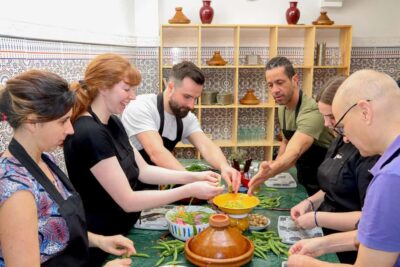
Moroccan Dishes Cooking Class with a Local Chef
Read our review →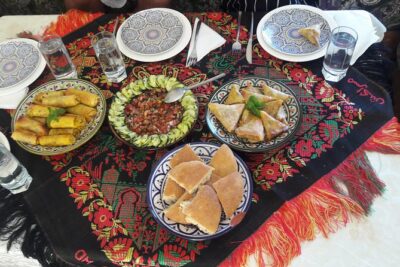
Moroccan Cooking Class & Marrakech Market Visit with Chef Khmisa
Read our review →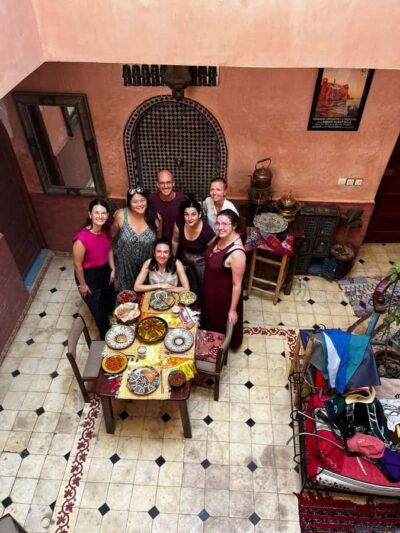
Lists this class appears in