REVIEW · MARRAKESH-SAFI, MOROCCO
Marrakesh: Private Cooking Class & Local Market Shopping
Moroccan cooking starts at the market. This four-hour private outing pairs a Marrakech souk visit with hands-on tagine cooking, so you learn how ingredients move from stall to table. I especially like the chance to pick out herbs, spices, meat, and vegetables before cooking with them, and the meal at a riad gives the class a warm local setting. The main caution is timing: some bookings have finished closer to three or three and a half hours than the expected five.
I also like that you learn Arabic names for common ingredients and hear why saffron, mint, olives, lemons, and other products matter in Moroccan cooking. The shopping portion may feel less useful if an interpreter does most of the talking, so ask questions as you choose ingredients and confirm the expected length of your session before booking.
Key points to know before booking
- Meet at Café France: Find the three-story café on the right as you enter Djemaa El-Fna through its main entrance.
- Shop before you cook: The market visit covers fresh produce, meat, herbs, and spices used in the class.
- Cook a Moroccan tagine: A professional chef leads the practical workshop, with recipes sent afterward.
- Learn local food vocabulary: You hear Arabic, English, and French names for ingredients and spices.
- Eat what you prepare: Your finished meal is served at a riad in central Marrakech.
- Expect a private setting: This is arranged for a private group rather than a large shared class.
Starting at Café France in Djemaa El-Fna
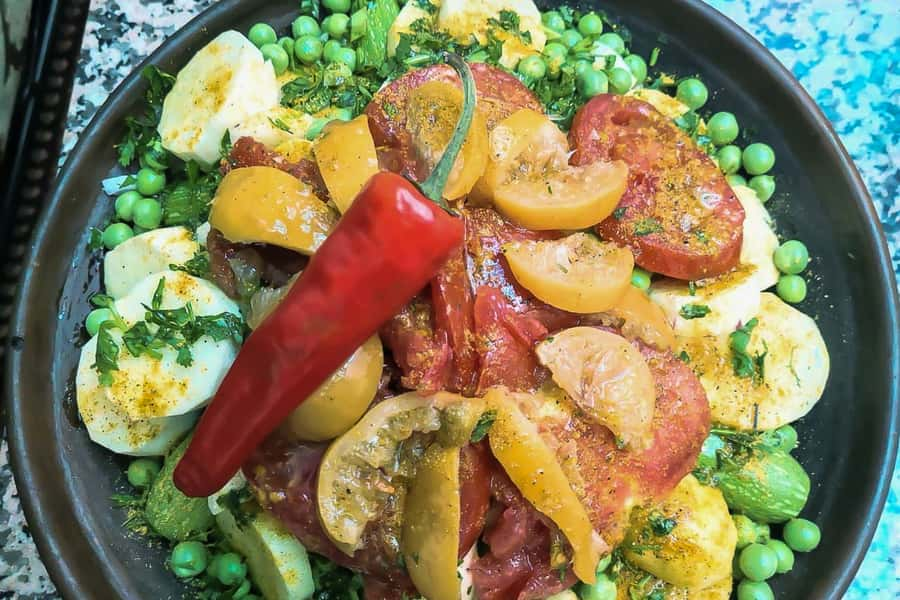
Your meeting point is outside Café France, on the right side of Djemaa El-Fna as you enter through the main entrance. This is a useful landmark in a square that can feel confusing, especially if you arrive during the busy evening period. Look for the three-story café, not a smaller food stall or side entrance.
The location puts you right in the middle of Marrakech’s old city. You do not begin in a polished cooking studio removed from daily life. Instead, the outing starts near one of the city’s central public spaces, then moves toward local shopping and a riad kitchen.
Your guide speaks Arabic, English, or French. That language range matters during the market visit, where ingredient names, prices, and quick exchanges can otherwise move too fast. If you speak English or French, you should be able to follow the main instruction, but it is still worth asking for the Arabic names as you go.
The private format is another plus. You are not competing with a large group for a cutting board or a turn at the stove. Still, private does not always mean every person handles every task. If several people are in your party, ask the guide to divide the chopping, seasoning, stirring, and serving so everyone gets a proper role.
More Cooking Classes with a Market Tour in Marrakech
- Marrakech: Traditional Moroccan Cooking Class & Market Visit
★ 4.8 · 1,861 reviews - Marrakech: Moroccan Cooking Class with Market Visit and Meal
★ 4.9 · 347 reviews - Edgy 8 Dish Private, Fusion Cooking Class, Menu Plan, Market
★ 4.9 · 31 reviews
Shopping for saffron, mint, olives, and citrus
The market visit is more than a stop to buy groceries. It gives you a look at the ingredients that define Moroccan home cooking and shows how cooks think about freshness, quantity, and balance.
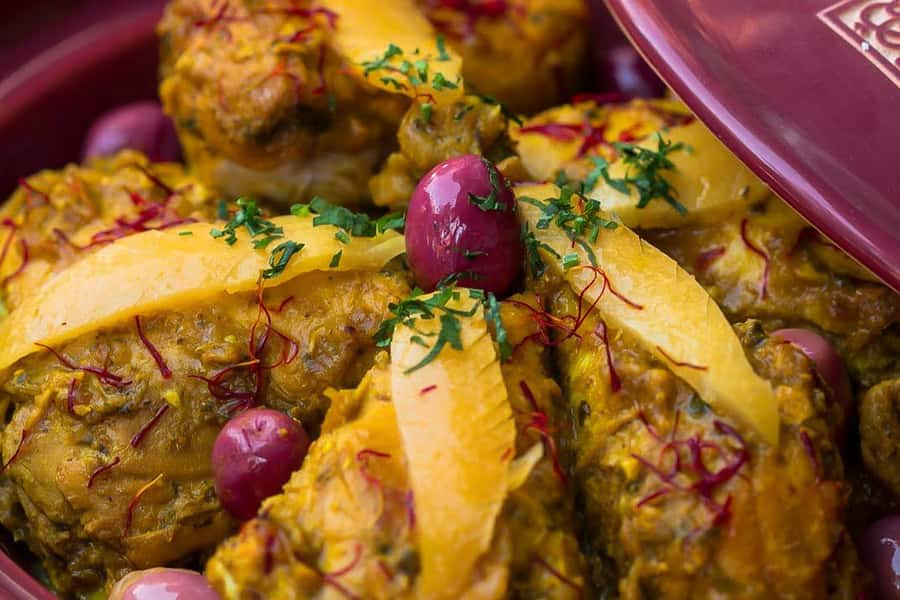
You may shop for meat, vegetables, herbs, and spices for the day’s tagine. The ingredients named for this outing include Taliouine saffron, Meknes mint and olives, and oranges and lemons associated with Fez. These details give the shopping a wider Moroccan frame, even though you are cooking in Marrakech.
The spice lesson is one of the better reasons to choose this activity. Moroccan cooking uses spices for more than heat. Their aroma, color, and ability to balance sweet, savory, sour, and earthy flavors all matter. You learn how herbs and spices are used, along with the long trading connections that brought many spices to Morocco over thousands of years.
I would not treat this as a formal food market lecture. The value comes from choosing ingredients with your guide and asking direct questions. What kind of mint is best? How much saffron should go into the dish? Which lemons are suitable for cooking? What does a good olive look and taste like? These are the questions that turn a walk through the stalls into a cooking lesson.
There is one practical weakness to keep in mind. The market communication may be filtered through an interpreter, and the person leading the cooking may not always be the person explaining the shopping choices. That can make it unclear why one vegetable, cut of meat, or spice was selected. Ask the guide to explain the type, quality, price, and purpose of each item before moving on.
Learning Arabic names for everyday ingredients
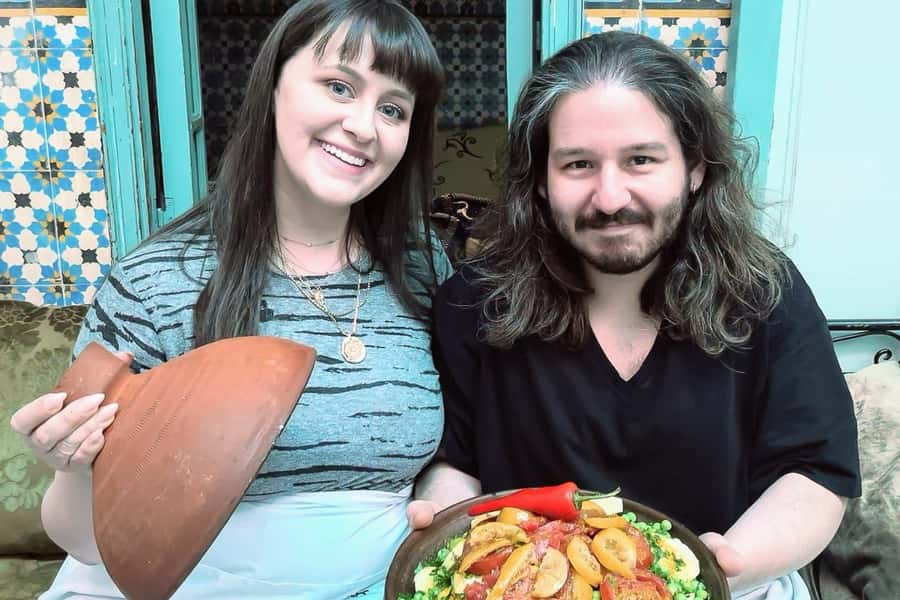
The language element adds a small but useful layer to the outing. You are not only told what an ingredient is in English or French. You also learn its Arabic name, which can help you recognize food words later in Marrakech.
You might hear the local terms for herbs, spices, vegetables, fruit, and other kitchen staples. The supplied information does not list every Arabic word taught, so I would not expect a full language lesson. Think of it as a practical food vocabulary session linked to the ingredients in front of you.
This is especially useful if you plan to visit more markets on your own. Even learning a few words can make it easier to identify products and ask simple questions. The guide speaks Arabic, English, and French, so you can focus on the food rather than struggle to follow a long explanation.
The best approach is to repeat the words aloud and write down the ones you want to remember. Your recipes are sent after the workshop, but the recipe packet may not include every language note from the market. A quick note on your phone can preserve that part of the lesson.
Cooking tagine in a riad kitchen
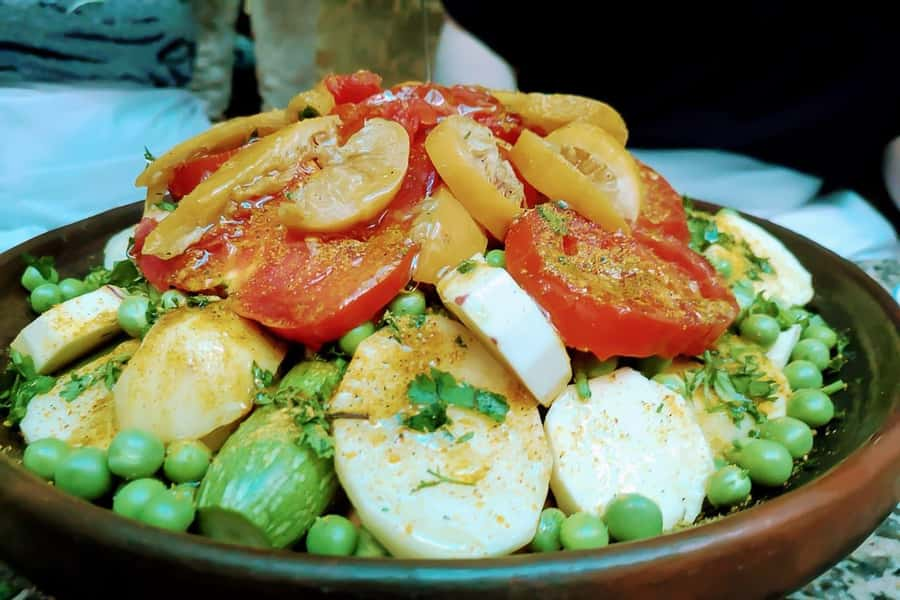
After shopping, you move to the practical part of the experience. A professional chef teaches you how to prepare a traditional Moroccan tagine, and the workshop is hands-on rather than a demonstration where you simply watch from a chair.
The tagine is both a dish and the distinctive cooking vessel associated with it. The covered shape helps cook the ingredients together and lets the flavors develop slowly. Your chef explains how to season the dish, use the selected ingredients, and manage the cooking process.
The class may also include Moroccan salad and bread. One participant specifically came away with tips for baking bread, making Moroccan salad, and seasoning and cooking tagine. These extra skills make the class more useful than a single recipe lesson, especially if you want to recreate a meal at home.
Vegetarians can request a meat-free meal. A vegetarian booking was accommodated successfully, but you should state your preference when reserving rather than wait until you arrive. The information provided confirms the possibility of a vegetarian choice, but it does not list other dietary accommodations.
The setting is part of the appeal. Cooking takes place in a welcoming home-style environment associated with a riad, rather than in an anonymous commercial classroom. Some sessions have included cooking with a local family, with several family members present. That can make the class feel personal and relaxed, though the exact household atmosphere may vary.
You should also expect different levels of participation when more than one person is cooking. The class is described as hands-on, but not everyone may be involved in every step. If you care about doing the actual chopping or seasoning, say so early. A good guide can help keep the lesson shared instead of allowing one person to become the unofficial head chef.
More Cooking Classes with a Market Tour in Morocco
- Marrakech: Cooking Class and Market Visit
★ 4.4 · 5 reviews - Moroccan Cooking Class & Marrakech Market Visit with Chef Khmisa
★ 5.0 · 1,504 reviews - Moroccan Cooking Class with Market Visit and Meal
★ 5.0 · 196 reviews - Fez: Souk Tour and Traditional Home Cooking Class
★ 4.9 · 186 reviews
Eating the tagine you prepared
The payoff comes at the table. After the cooking is complete, you eat the tagine you helped make at the riad. This simple arrangement gives the class a clear purpose: the market ingredients are selected, prepared, cooked, and served in one continuous experience.
A finished tagine can taste more meaningful when you know how its ingredients were chosen and how its seasoning was built. One person who had not expected to enjoy tagine found the dish delicious, which says something about the value of learning how it is prepared rather than judging it from a quick restaurant meal.
The atmosphere at the meal deserves a realistic note. The cooking portion has been praised for its warmth and friendly local hosts, but the transition to eating has not always felt equally relaxed. In one case, the person who owned the home took over the meal and the cooking helpers withdrew. That does not make the food less worthwhile, but it means the social mood can change once the class ends.
I would approach the meal as a chance to enjoy what you prepared, not as a guaranteed long conversation with the cooks. If sharing the table with the local cooking team matters to you, ask whether they will eat with you. The answer may depend on the household and the way the session is organized.
What the four hours are really worth
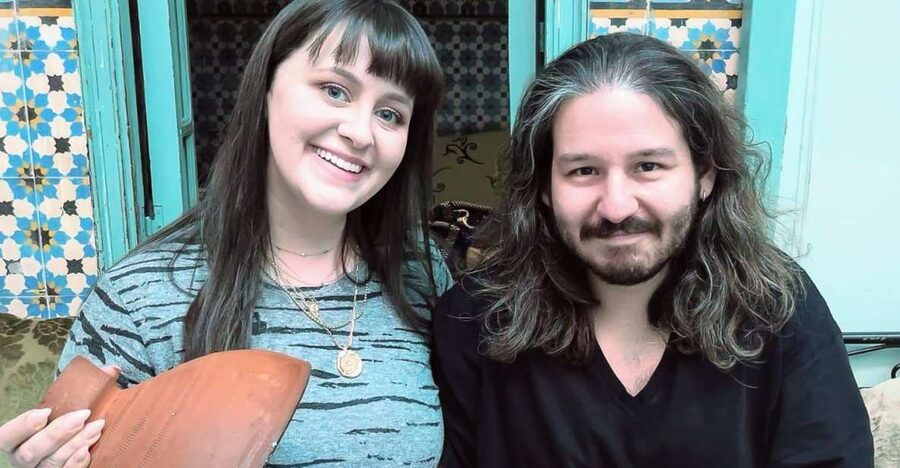
The listed price is $81 per person. For that amount, you receive a private guide, market shopping, a cooking workshop, lunch or dinner, photographs, and recipes sent after the class. You are paying for an activity that combines food, local contact, and a meal, not simply for a restaurant plate.
I consider the price reasonable for visitors who want a private experience and plan to use the recipe later. The market visit adds context, the ingredients become part of the meal, and the cooking lesson gives you something practical to take home. A standard restaurant dinner would usually cost less, but it would not teach you how the dish was selected or prepared.
Value depends heavily on your participation. If you spend much of the class watching an interpreter or another person do the work, the price feels less attractive. Ask for active roles, request explanations of ingredient choices, and confirm whether the class is expected to last four hours or longer.
The published duration is four hours, but timing has caused some confusion. One booking was promoted as five hours and lasted about three to three and a half hours. Another participant specifically wanted clearer information about whether a tagine or couscous session required three or five hours. I would allow a four-hour window and avoid scheduling a tight appointment immediately afterward.
Who will enjoy this Marrakech food experience?
I would recommend this outing to you if you like cooking, local markets, and small-group contact more than polished sightseeing. It works particularly well for couples, families, and friends who want a private activity with a meal at the end.
It also suits first-time visitors who want a gentle introduction to Moroccan food. You learn what goes into tagine, how spices are used, and where ingredients come from without needing prior kitchen skills.
Vegetarians can also consider it, provided they request the appropriate meal in advance. The activity is not limited to meat-based cooking, and the chef has adapted the food selection for a vegetarian participant.
You may want to skip it if you need a tightly timed itinerary, dislike shared home settings, or want every minute to be a formal instruction session. The class has a personal, household feel, and that brings warmth but also some unpredictability. It is not a professional culinary school with identical results every time.
The 4.7 rating from 15 ratings reflects a strong overall response, with particularly warm praise for the guide, the local cooks, the welcoming home, and the food. The lower marks focus on duration, communication during shopping, and the fact that not everyone may get equal hands-on time. Those are the practical issues I would weigh before paying.
Booking details and useful planning advice
The activity is operated by Ateliers d’Ailleurs and lasts four hours as listed. Starting times vary, so check availability for your chosen date. Lunch or dinner is included, and photographs are part of the package.
You can cancel up to 24 hours before the activity for a full refund. A reserve-now, pay-later option is also available, which helps if your Marrakech schedule is still changing.
The meeting point is outside Café France in Djemaa El-Fna. Give yourself enough time to locate the correct entrance and café, especially if you are unfamiliar with the square.
I would make three requests when booking:
- Confirm the expected end time, particularly if the booking description offers a longer session.
- State dietary needs, including a vegetarian preference, in advance.
- Ask for active participation in the market and kitchen, not only observation.
Those small steps address the main weak spots without taking away from the good parts of the activity.
Should you book the private Marrakesh cooking class?
Book it if you want to connect a local market visit with a meal you help prepare. The combination of Arabic food vocabulary, spice guidance, tagine instruction, and a riad meal gives you more than a one-off dinner. The recipes and cooking tips can continue to pay off after you return home.
I would be more cautious if your schedule allows only a precise three-hour gap or if you expect a polished, tightly managed class. The shopping explanation may be uneven, participation can vary among group members, and the final meal may have a different mood from the cooking session.
For most food-focused visitors, the experience offers good value at $81 per person, especially in a private group. Confirm the timing, ask questions in the souk, and make sure you get a turn at the cutting board. Do that, and you are likely to leave with a full stomach, a workable tagine recipe, and a better sense of how Moroccan cooking begins long before the pot reaches the table.
FAQ
Where does the Marrakesh cooking class meet?
It meets outside Café France in Djemaa El-Fna. Enter through the main entrance to the square and look for the three-story café on the right.
How long does the experience last?
The listed duration is four hours. Starting times depend on availability, and actual sessions may be shorter than an expected five-hour booking, so confirm the timing before you reserve.
What languages are available?
The guide and activity are available in Arabic, English, and French.
Is this a private activity?
Yes. The activity is arranged for a private group.
What food do you learn to prepare?
The main lesson focuses on a traditional Moroccan tagine. The cooking may also include Moroccan salad and bread, depending on the session.
Can I request a vegetarian meal?
Yes. A vegetarian meal was accommodated, but you should make the request when booking.
Is lunch or dinner included?
Yes. You eat the meal prepared during the class, and lunch or dinner is included in the activity.
Do I receive the recipes afterward?
Yes. The recipes are sent after the workshop.
More Cooking Classes with a Market Tour in Marrakesh
- Hanoi Cooking Class: Culture, Local Market & Meaning CSR Impact
★ 5.0 · 5,147 reviews - 5 Traditional Dishes Hanoi Cooking Class with Market Trip
★ 5.0 · 4,890 reviews - Cooking Class and Lunch at a Tuscan Farmhouse with Local Market Tour from Florence
★ 5.0 · 4,831 reviews - Chiang Mai: Cooking Class, Market & Thai Herbs Garden Tour
★ 4.9 · 4,824 reviews
More Private Cooking Classes in Morocco
- Tangier Food Cooking Class and Private City Tour
★ 5.0 · 73 reviews - Tangier Private Cooking Class With a Local Family
★ 4.5 · 49 reviews - Private Casablanca Market Tour and Cooking Class with Chamsi
★ 5.0 · 33 reviews - Private Market Tour & Cooking Class in Casablanca with Transfers
★ 5.0 · 20 reviews
Just added around Marrakesh
- Moroccan Food Cooking Class with a Local Chef in Marrakech★ 4.7 · 90 reviews
- Marrakech: 3-Hour Open-Air Moroccan Cooking Course★ 4.9 · 74 reviews
- Moroccan cooking class in Marrakech with berber chef★ 5.0 · 16 reviews
- Edgy 8 Dish Private, Fusion Cooking Class, Menu Plan, Market★ 4.9 · 31 reviews
- Marrakech: Moroccan Cooking Class with Local Chef★ 4.6 · 87 reviews
- Marrakech: Authentic Moroccan Cooking Class in a Farm★ 4.8 · 8 reviews
- Marrakech: Moroccan Cooking Class with Amazing Local Chef!★ 4.9 · 100 reviews
- Marrakech: Moroccan Cooking Class for vegetarians and vegan★ 4.9 · 156 reviews
Cooking Classes with a Market Tour, compared.

Hanoi Cooking Class: Culture, Local Market & Meaning CSR Impact
Read our review →
5 Traditional Dishes Hanoi Cooking Class with Market Trip
Read our review →
Cooking Class and Lunch at a Tuscan Farmhouse with Local Market Tour from Florence
Read our review →
Cooking Class, Market & Thai Herbs Garden Tour
Read our review →
Authentic Cooking Class with Market & Farm Visit
Read our review →
Paella Cooking Experience & Boqueria Market Tour
Read our review →
Cooking Class Hoi An:Local Market, Basket Boat, Fishing & Cooking
Read our review →