
REVIEW · MARRAKESH-SAFI, MOROCCO
Marrakech: Moroccan Cooking Class with Local Chef
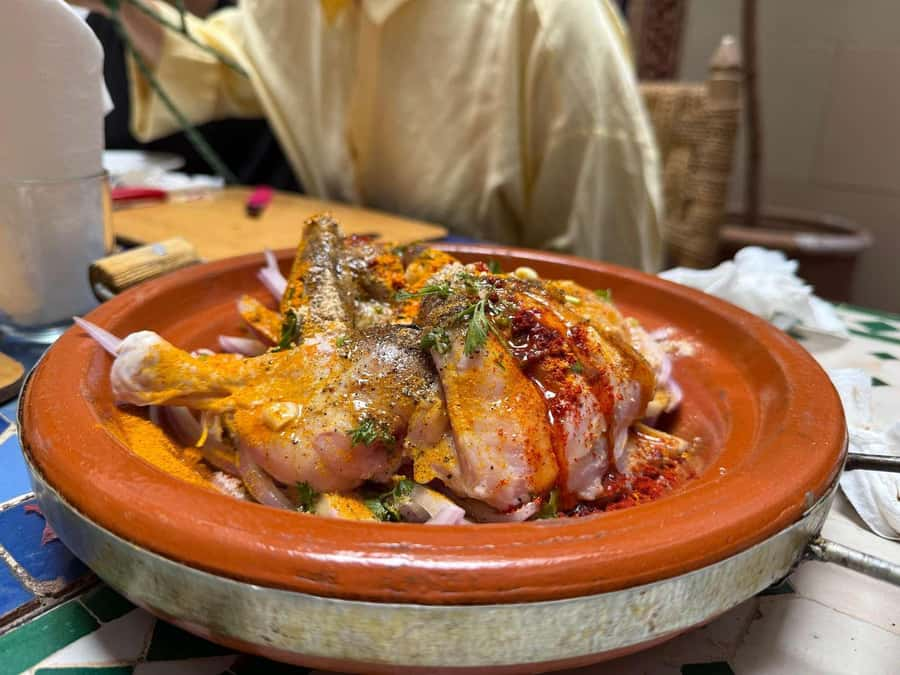
Come hungry, leave with recipes. This five-hour Marrakech cooking class combines a local market visit, hands-on Moroccan food preparation, and a shared meal at Riad Black Doors in the Medina. I like the small-scale family atmosphere and the chance to shop for fresh ingredients before cooking. I also like that chefs Marouane, Abdou, and Khalid share personal Berber and Moroccan food traditions, not just fixed instructions. The main drawback is timing: tagine can take 1 to 1.5 hours to cook, so part of the class may involve waiting.
For $35 per person, this is a strong value if you want more than a meal. You get a guide, tea, cooking instruction, and the food you prepare. The market visit is not offered on Fridays or during Ramadan, so check the date before booking if shopping for ingredients is a major reason you want to go.
Key points to know before booking
- The class begins at Café de France: Meet in front of the main door at Jemaa el Fna Square, then walk about five minutes to the cooking location.
- The market visit is part of the lesson: You help buy fresh produce and discuss food allergies or dietary restrictions before shopping.
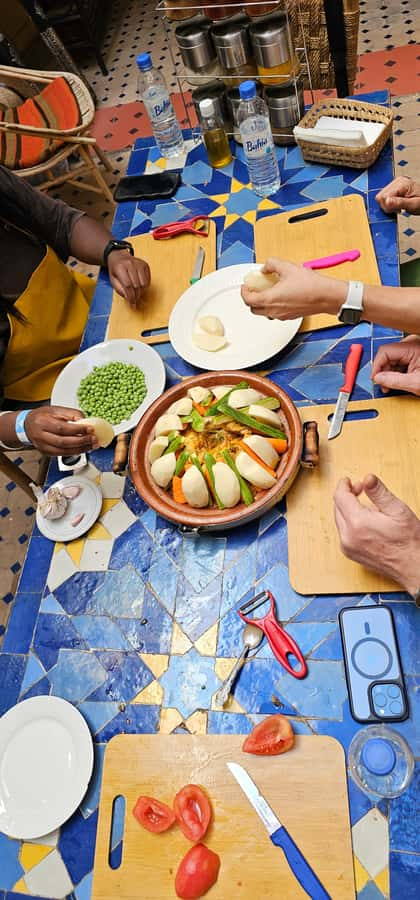
- The food is hands-on: Expect to help prepare Moroccan starters, a main dish, and dessert rather than simply watch a chef cook.
- Mint tea gets its own ritual: The tea session covers preparation and Moroccan customs, with time for conversation.
- The hosts bring personal experience: Marouane and Abdou are Berber chefs with hotel and restaurant backgrounds in Morocco and abroad. Sessions may also be led by Khalid.
- Cooking time can be uneven: A tagine may need up to 1.5 hours to finish, which can create a quiet pause after the preparation is complete.
Meeting at Café de France in Jemaa el Fna
Your meeting point is easy to identify: the principal door of Café de France on Jemaa el Fna Square. You should wait there rather than expect hotel pickup, since transportation to the meeting point is not included.
The group then walks for about five minutes through Marrakech toward the riad. That short walk matters because it keeps the outing tied to the Medina instead of placing you in a detached cooking school outside the old city. I would allow extra time to reach Jemaa el Fna, especially if your accommodation is elsewhere in the Medina and you are still learning the maze of lanes.
The meeting point is also practical for a first visit to Marrakech. Jemaa el Fna is one of the city’s main reference points, and Café de France is widely known. Still, the square can be confusing at busy times, so follow the instructions closely and look for the main entrance rather than trying to find a guide somewhere in the square.
The experience is offered in English, French, and Arabic. That language range is helpful when discussing ingredients, cooking methods, and family customs, where a few extra explanations can make a real difference.
More Moroccan Cooking Classes in Marrakesh:
- Marrakech: Moroccan Cooking Class with Pickup
★ 4.6 · 1,862 reviews - Marrakech: Traditional Moroccan Cooking Class & Market Visit
★ 4.8 · 1,861 reviews - Marrakesh: Moroccan Dishes Cooking Class with a Local Chef
★ 5.0 · 1,615 reviews
Shopping for ingredients in a local souq
The first special part of the experience is the market visit. Rather than arriving at a kitchen with every ingredient already measured, you walk through a food market away from the main tourist areas and help purchase what will go into the meal.
This gives you a better sense of Moroccan cooking as an everyday activity. You see the produce before it becomes a dish, talk about the ingredients, and get a closer look at the spices and local specialties used in Moroccan kitchens. The point is not simply to shop. It is to understand how the meal begins.
Before the walk, the hosts discuss food allergies and dietary restrictions. Tell them clearly what you can and cannot eat. One particularly useful detail from the cooking sessions is that the meal can include both a chicken version and a vegetarian version, depending on the arrangement. Do not assume every menu will include both. Ask when you meet the chef.
The souq visit is not included on Fridays or during Ramadan. That is the most important scheduling note in the entire experience. If the market is central to your plans, avoid those dates or confirm exactly what portion of the program will replace it.
The shopping stop can also affect the pace. Markets are not assembly lines, and the purpose is to look, discuss, and select fresh products. I would treat this as part of the cultural lesson rather than a quick prelude to the cooking.
Cooking inside Riad Black Doors
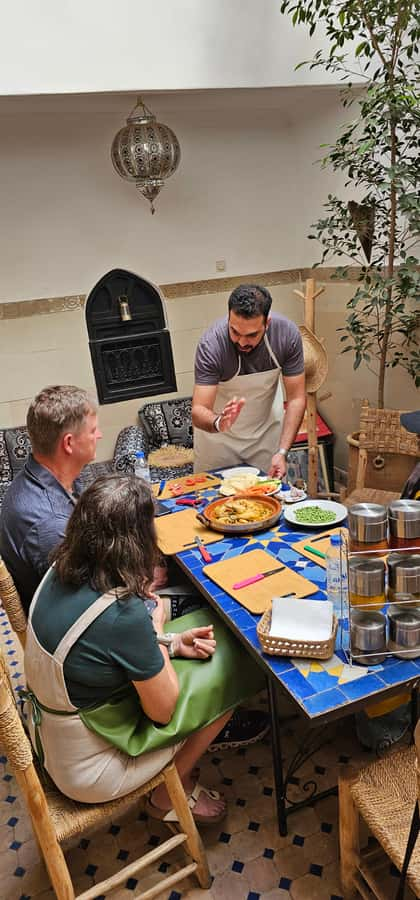
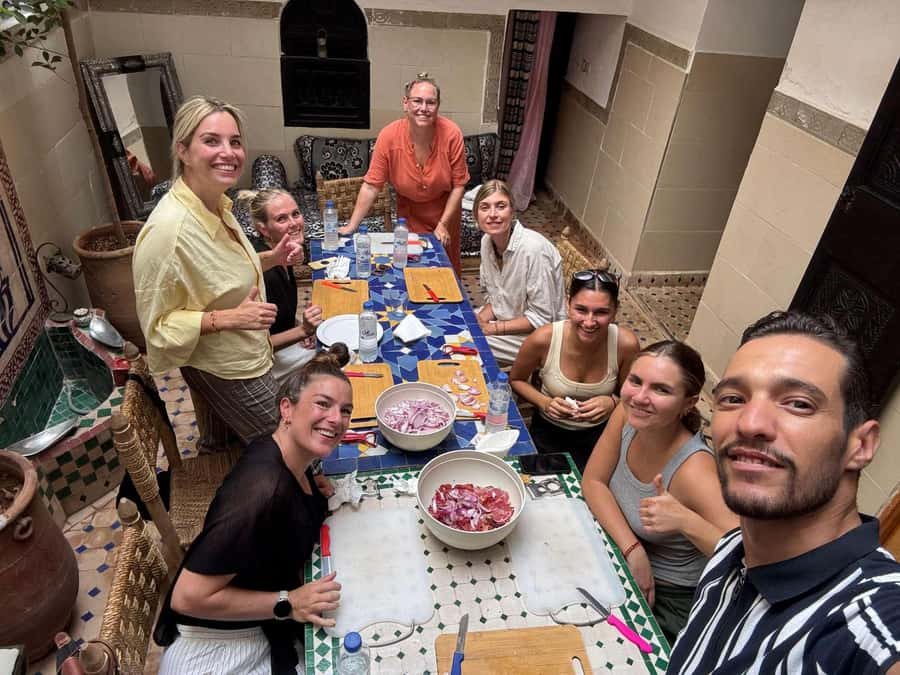
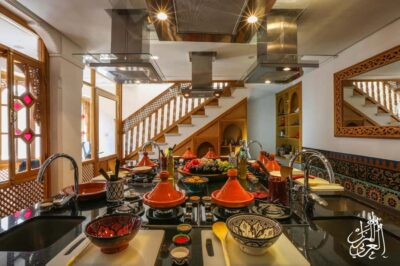
Back at Riad Black Doors, the cooking takes place in a warm, family-friendly setting in the heart of the Medina. The riad setting gives the class a more personal feel than a formal culinary studio. You are not only learning how to follow a recipe. You are preparing food in a place connected to Moroccan home life.
Marouane and Abdou are described as passionate Moroccan Berber chefs with experience in hotels and restaurants in Morocco and abroad. Their work includes Moroccan cuisine and pastry. Some sessions are led by Khalid, who has shared his life as an Indigenous Amazigh person and his experience as a resident of Marrakech.
That personal side is one of the class’s strongest features. The cooking is linked to family advice, Berber identity, Moroccan customs, architecture, and everyday life. The conversation may be as memorable as the food, particularly if you enjoy asking questions and talking with the people leading the class.
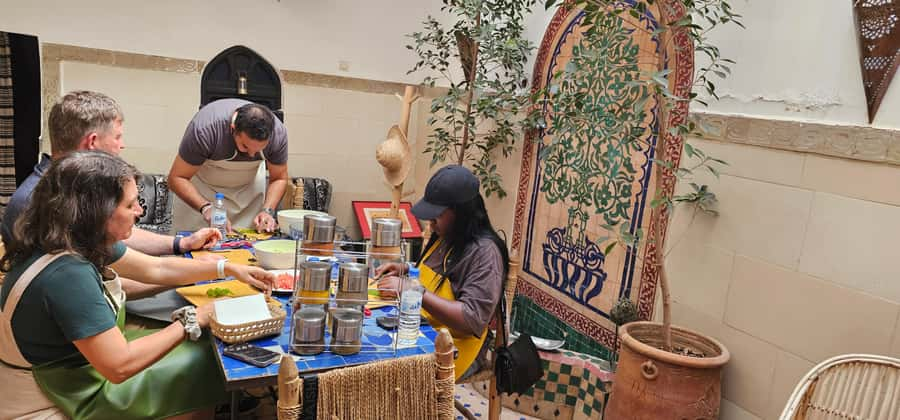
The instruction is designed to involve everyone. You should expect to help with preparation, seasoning, and cooking rather than sit at a counter while a chef does everything. Clear instructions and an organized work process are important here, especially for first-time cooks who may not know how Moroccan dishes are built.
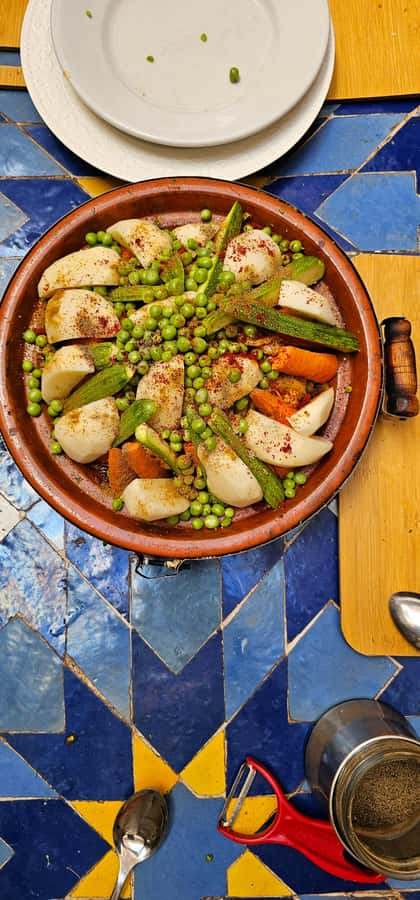
The program usually includes starters, a main course, and dessert. Specific menus can vary, but dishes mentioned in the experience include Moroccan salad, zaalouk made with eggplant, chicken tagine, and accompanying dishes. These recipes give you several useful techniques to take home, including how to work with vegetables, spices, and slow cooking.
The mint tea lesson and Moroccan hospitality
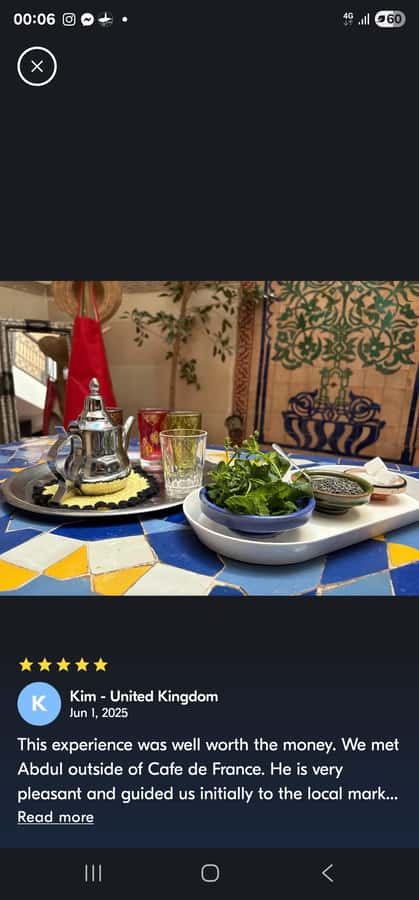
Tea is not a rushed drink between activities. It receives a dedicated 30-minute session and forms part of the cultural lesson.
You learn how Moroccan mint tea is prepared and why the ritual matters. The experience may include tea on the riad terrace, with time to talk about Moroccan culture, family, architecture, and origins. One session included tea made with absinthe, though you should not assume that particular version will be served every time.
I like this pause in the schedule. Cooking classes can become a blur of chopping and stirring, but tea creates a natural break. It also gives you time to speak with the host and other people in the group before sitting down to eat.
The tea portion is especially useful if you plan to recreate the meal at home. Moroccan mint tea is not just a list of ingredients. The preparation, pouring, and hospitality around it are part of the lesson. You will understand the custom better when you see it handled by someone who grew up with it.
A few more cooking classes around Marrakesh worth a look
- Marrakech: Moroccan Cooking Class with a Local Family
★ 4.9 · 668 reviews - Marrakech: Moroccan Cuisine Cooking Class in Local Home
★ 4.8 · 508 reviews - Marrakech: Moroccan Cooking Workshop at La Maison Arabe
★ 5.0 · 446 reviews - Marrakech: Tajine Cooking Class in a Traditional Riad
★ 4.8 · 424 reviews
Waiting for the tagine to finish
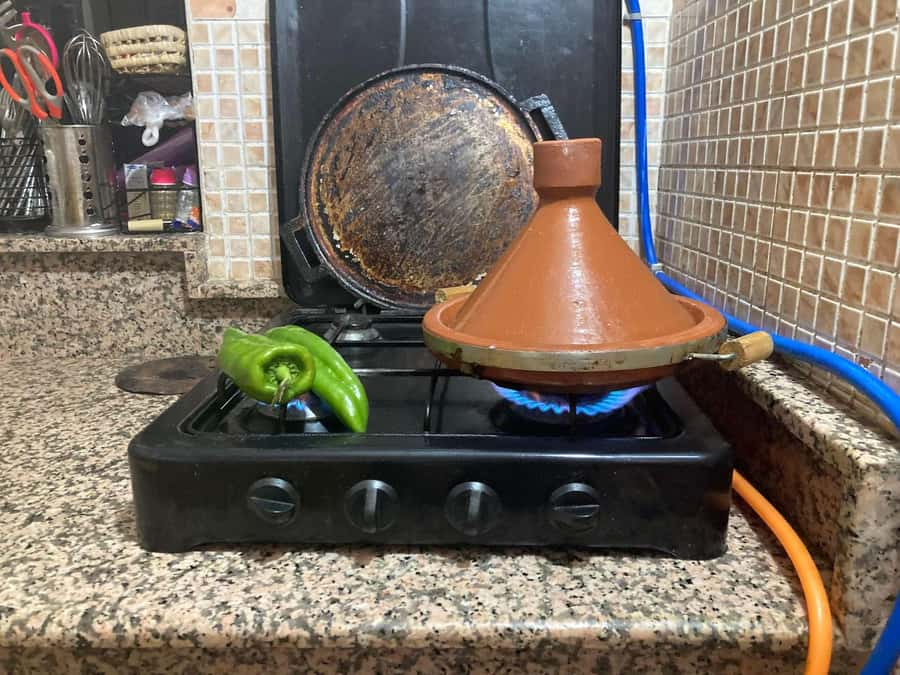
The main practical weakness is the cooking time. Tagine is a slow dish, and once preparation is finished, the pot may need 1 to 1.5 hours before the meal is ready.
That wait is not a sign that the class has gone wrong. It is part of the cooking method. Still, a long pause can feel awkward if no extra activity is planned. One session included a substantial period of sitting around with nothing else to prepare.
I would ask the chef at the beginning how the timing will work. If there are salads, dessert, or additional side dishes to make, the waiting period may be filled with useful work. If the menu has already been prepared apart from the tagine, you may have a quiet stretch before eating.
This is also why the five-hour duration matters. The listed cooking, tea, and tasting times account for much of the day, but the full experience includes walking, shopping, preparation, and the slow cooking period. Do not schedule a tight appointment immediately afterward.
For some people, this slower pace is a benefit. You have time to talk, drink tea, and enjoy the riad. If you want constant activity and rapid-fire instruction, the pause may test your patience.
Eating the meal you helped prepare
The reward comes at the end, when you sit down to eat the Moroccan dishes made during the class. The meal is included in the price, so you are not paying extra for the final tasting.
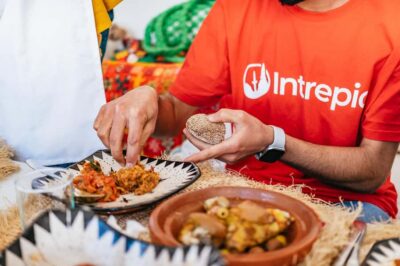
This shared meal gives the class a clear purpose. You can taste how the spices change during cooking and see why patience matters with tagine. A meal of Moroccan salad, zaalouk, chicken tagine, and accompaniments offers more range than a single demonstration dish.
The social side is important too. The format encourages conversation with the chef and the other people in the group. A group of four described feeling quickly welcomed into the home-like setting, while another session ended with a long conversation about Moroccan traditions and Berber origins.
If you are traveling alone, this can be an easy way to meet people without committing to a full group excursion. If you are with family or friends, the shared preparation gives everyone something to do. Private sessions are also available by request, although the provided information does not specify the private-session price or maximum group size.
The cooking class is best understood as a meal with context. You are paying for the food, but also for the shopping walk, instruction, tea ritual, and time with local hosts.
What the $35 price includes
At $35 per person, the value is very good for a five-hour activity in central Marrakech. The fee includes a guide, tea, the cooking class, and the meal. It also includes the ingredients used for the cooking experience, since the group shops for them together.
The price is especially appealing if you compare it with separate activities. A market walk, a cultural conversation, a cooking lesson, and a prepared meal would usually cost more when booked individually. Here they form one connected afternoon.
The price does not include pickup. You need to reach Café de France on Jemaa el Fna Square yourself. That is not a major issue if you are already in the Medina, but it matters if you are staying farther away or have mobility concerns.
You also need to consider the value of time. Five hours is a large part of a Marrakech day. I would book this when you want a slower cultural experience, not when you are trying to fit in several major sights. The class rewards curiosity and patience more than speed.
Free cancellation is available up to 24 hours before the activity for a full refund, and you can reserve now and pay later. Those terms make it easier to fit the class into a changing itinerary.
Who will enjoy this class most
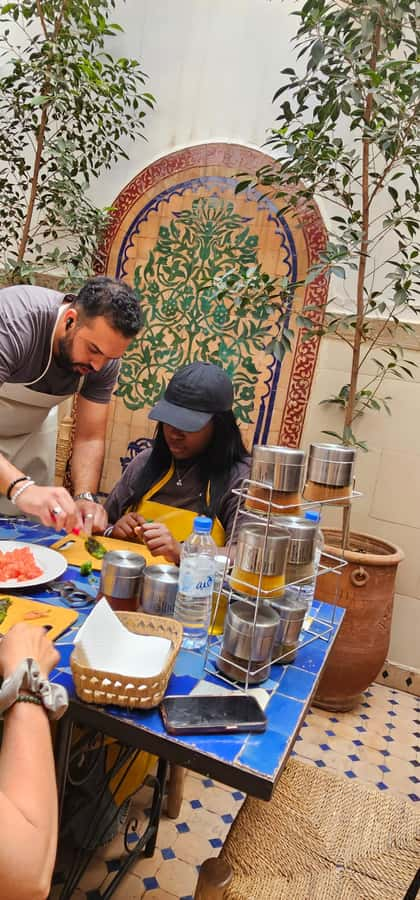
I would recommend this experience to you if you enjoy food, local conversation, and practical activities. It suits people who want to take home recipes and techniques instead of only photographing a finished dish.
It is also a good choice for families and small groups. The atmosphere is described as welcoming and family-friendly, and the hands-on format gives children and adults a shared task, provided they are comfortable with a five-hour program.
Solo visitors may appreciate the meal and group conversation. The class allows individuals to join, and the setting encourages contact with the chef and other people at the table.
This may be less suitable if you want a polished restaurant-style lesson with perfect timing. The class has a personal, informal character. That means the conversation can be warm and memorable, but the schedule may not be as tightly controlled as a professional demonstration.
You should also think carefully about Friday and Ramadan. The market portion is not offered then, and that changes one of the most distinctive elements of the outing.
Final verdict: book it for food, conversation, and useful recipes
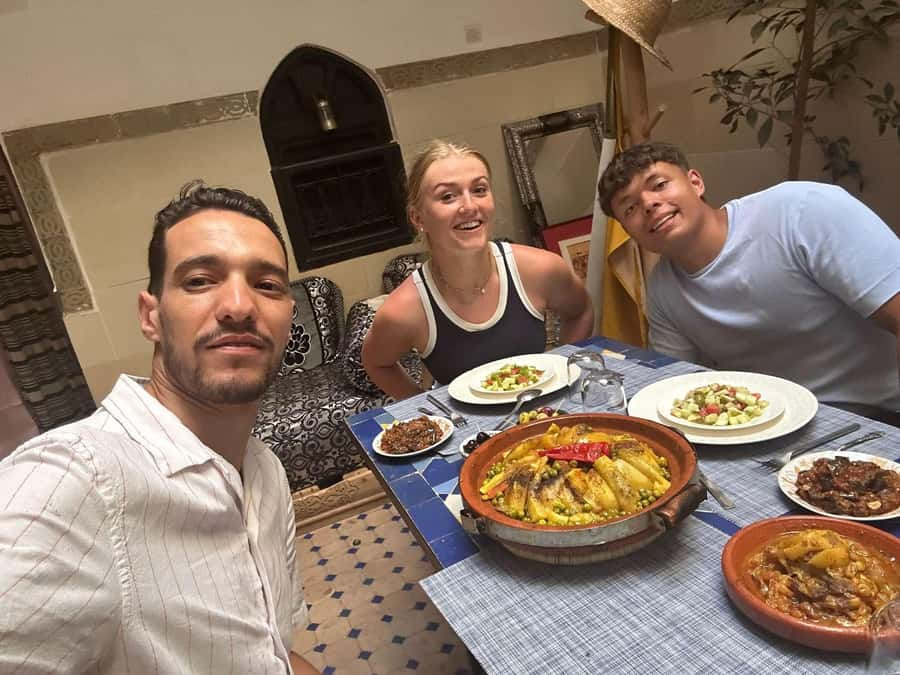
I would book this Marrakech cooking class if you want to understand Moroccan food through people and place. The market visit, tea ritual, Berber perspectives, and shared meal give the experience more substance than a simple kitchen demonstration.
The strongest points are the hosts’ warmth, the clear cooking instruction, and the personal cultural conversation. Khalid’s stories about his Amazigh background, along with the guidance from Marouane and Abdou, add a human side to the recipes.
The main caution is the slow tagine cooking time. Ask how the pause will be handled, and leave room in your schedule after the class. If you can accept that slower pace, $35 buys a generous five-hour experience with food, instruction, tea, and a meal you helped create.
FAQ
Where does the cooking class meet?
Meet in front of the principal door of Café de France on Jemaa el Fna Square in Marrakech.
Is hotel pickup included?
No. Pickup is not included, so you need to reach the meeting point at Café de France yourself.
How long does the experience last?
The experience lasts five hours. The schedule includes the walk, cooking class, tea, food tasting, market visit, and time spent preparing and cooking the meal.
What languages are available?
The live guides speak English, French, and Arabic.
Is the market visit included every day?
No. The local market visit is not included on Fridays or during Ramadan.
What food is included?
The experience includes the meal you prepare during the class, along with tea. Menus can include starters, a main course, and dessert. Dishes mentioned include Moroccan salad, zaalouk, and chicken tagine.
Can dietary restrictions be discussed?
Yes. Food allergies and dietary restrictions are discussed before shopping for ingredients. You should explain your needs clearly at the start.
Can I book a private cooking session?
Yes. Private sessions can be arranged upon request. The available information does not specify the private-session price or group limit.
Just added around Marrakesh
- Moroccan Food Cooking Class with a Local Chef in Marrakech★ 4.7 · 90 reviews
- Moroccan cooking class in Marrakech with berber chef★ 5.0 · 16 reviews
- Marrakech: 3-Hour Open-Air Moroccan Cooking Course★ 4.9 · 74 reviews
- Edgy 8 Dish Private, Fusion Cooking Class, Menu Plan, Market★ 4.9 · 31 reviews
- Marrakesh: Private Cooking Class & Local Market Shopping★ 4.7 · 15 reviews
- Marrakech: Authentic Moroccan Cooking Class in a Farm★ 4.8 · 8 reviews
- Marrakech: Moroccan Cooking Class with Amazing Local Chef!★ 4.9 · 100 reviews
- Marrakech: Moroccan Cooking Class for vegetarians and vegan★ 4.9 · 156 reviews
Moroccan Cooking Classes, compared.
Traditional Moroccan Cooking Class & Market Visit
Read our review →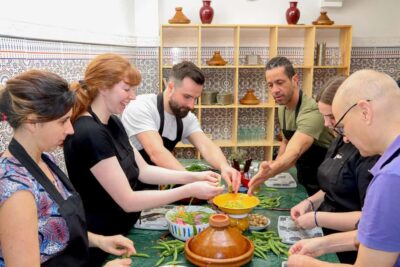
Moroccan Dishes Cooking Class with a Local Chef
Read our review →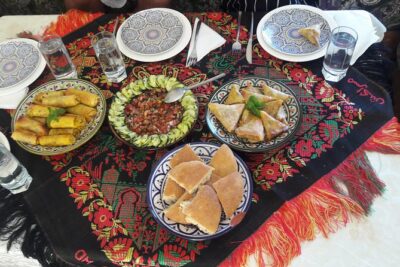
Moroccan Cooking Class & Marrakech Market Visit with Chef Khmisa
Read our review →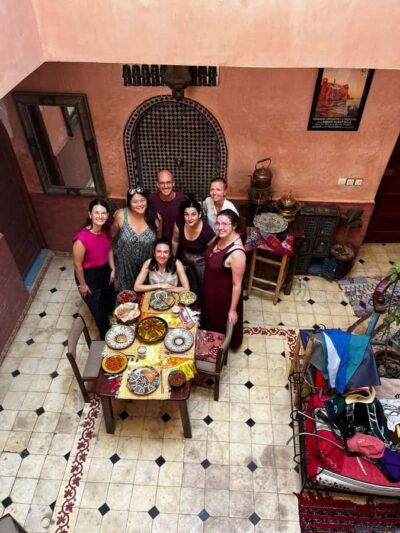
Lists this class appears in