
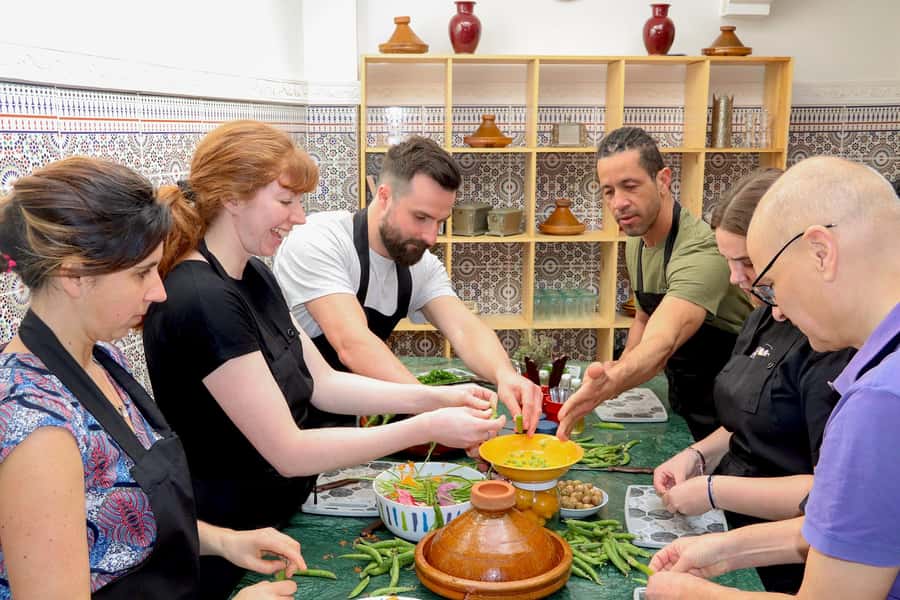
REVIEW · MARRAKESH-SAFI, MOROCCO
Marrakesh: Moroccan Dishes Cooking Class with a Local Chef
Moroccan cooking begins at the market. This four-hour Marrakesh class combines a short food shop, a traditional mint-tea lesson, and a hands-on meal prepared in a local home setting. I especially like the market visit, where you help choose fresh ingredients, and the generous spread of several dishes rather than cooking one recipe and going home hungry. The main consideration is that the food is made collectively, so you will share tasks rather than control every step.
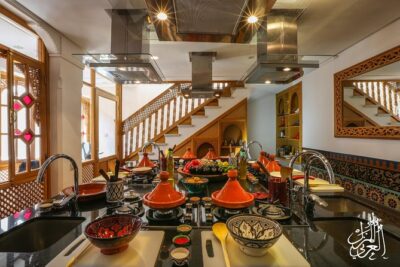
Chef Hassan and Ahmed guide the session with humor, patience, and plenty of cultural context. I also like that recipes are sent afterward, giving you a real chance to repeat the meal at home. The cooking room is air-conditioned, but one person found it cold, so bring a light sweater, especially in winter.
Key points to know before booking
- Six dishes can come from one four-hour class: Depending on group size, you may help prepare several tagines plus side dishes such as zaalouk and shakshouka.
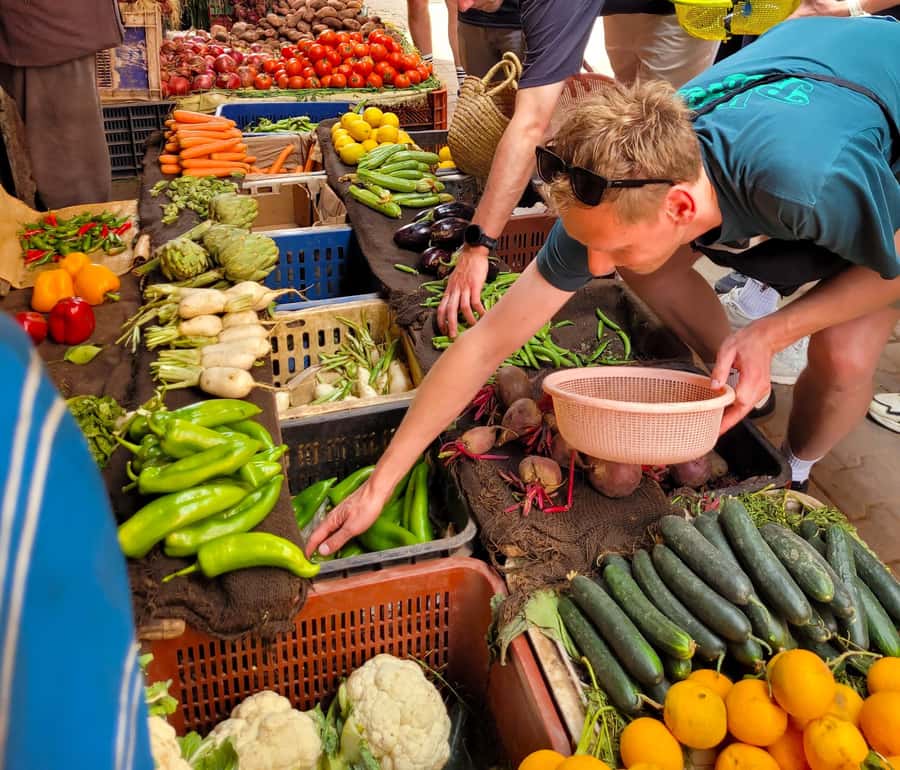
- The class starts in a real market: You help select vegetables and supplies before walking on to the cooking venue.
- Mint tea gets its own lesson: The tea ceremony explains both preparation and its place in Moroccan hospitality.
- Hassan keeps the group involved: Tasks are shared so each person chops, peels, seasons, or helps assemble dishes.
- The maximum group is usually nine people: A small group makes it easier to ask questions and take part.
- The $47 price covers more than a meal: It includes the guide, ingredients, class, bread, water, tea, apron, and recipes sent afterward.
Why this Marrakesh cooking class works so well
A cooking class can be a pleasant way to fill an afternoon, or it can give you a useful key to the place you are visiting. This one leans toward the second option. You do not simply watch a chef prepare a tagine. You shop for ingredients, hear about Moroccan food customs, work with other people, and then sit down to eat what the group has made.
The class is led by Hassan, often with Ahmed helping with the tea ceremony and cultural explanations. Both are described as warm and engaging, and Hassan makes an effort to give everyone a role. That matters in a shared kitchen, where one confident cook can otherwise grab all the work.
The class is also unusually good value for the price. At $47 per person, you receive four hours of instruction and a full meal, not just a short demonstration. You also leave with online recipes, which turns the experience into something you can use after Marrakesh.
Do not expect a private lesson focused on one dish. The group works as a team, and the exact number of dishes can vary with the size of the group and dietary needs. That format gives you more exposure to Moroccan cooking, but it also means you will not personally prepare every part of every recipe.
More Moroccan Cooking Classes in Marrakesh:
- Marrakech: Moroccan Cooking Class with Pickup
★ 4.6 · 1,862 reviews - Marrakech: Traditional Moroccan Cooking Class & Market Visit
★ 4.8 · 1,861 reviews - Marrakech: Moroccan Cooking Class with a Local Family
★ 4.9 · 668 reviews
Meeting at Bab Doukkala
The experience begins at Pharmacie Bab Doukkala. Use the exact pharmacy name in Google Maps, since a precise meeting point is important in Marrakesh, where similar-sounding streets and landmarks can cause confusion.
Hotel pickup and drop-off are not included. You need to reach the pharmacy on your own and arrange your return afterward. Allow a little extra time to find the meeting point, especially if you are coming from another part of the medina.
The class lasts about four hours from meeting time until the meal ends. Starting times vary, so check the available schedule when booking. The experience can work as an afternoon activity or an evening meal, depending on the time selected.
Fifteen minutes of market shopping
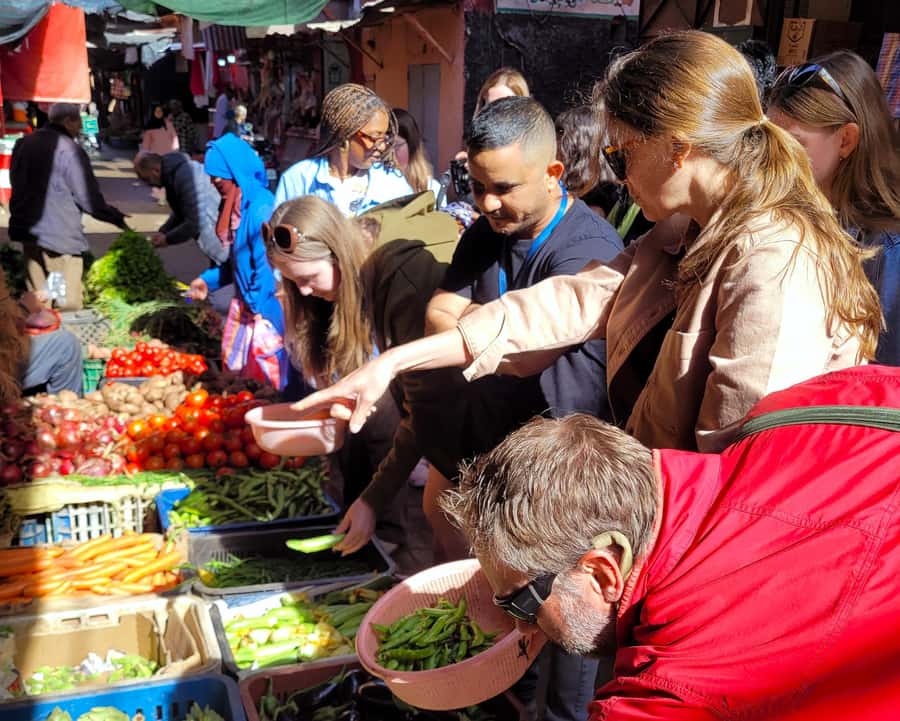
The first stop is a short visit to a local food market near the cooking venue. This is not a long guided souk tour, and that is a good thing if your main aim is to cook. The visit stays focused on the ingredients needed for the meal.
You help select vegetables and other supplies with the guide. That small task gives you a better sense of how Moroccan cooks shop than simply finding prepared food on a restaurant menu. It also shows how the meal begins with ordinary market produce rather than a pile of premeasured ingredients waiting in a classroom.
The market visit lasts around 15 minutes, so keep your expectations realistic. You will not have time for an extended shopping lesson or a full tour of Marrakesh’s food culture. Still, this short stop adds a local connection and gives the cooking a clear beginning.
The market can also be useful for anyone hoping to buy spices later. At the end of the class, you can buy spices from the workshop, giving you a practical souvenir instead of another decorative item.
The Moroccan mint tea ceremony
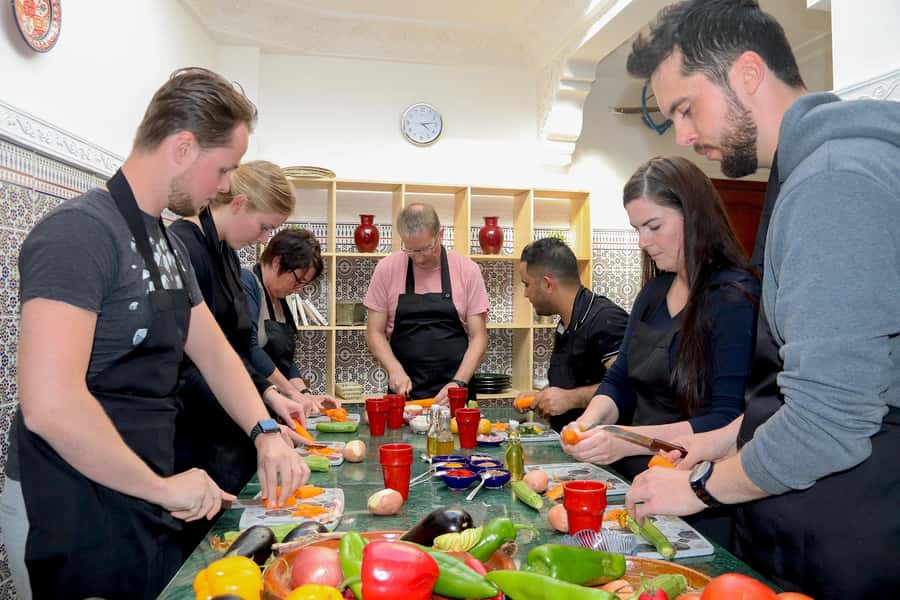
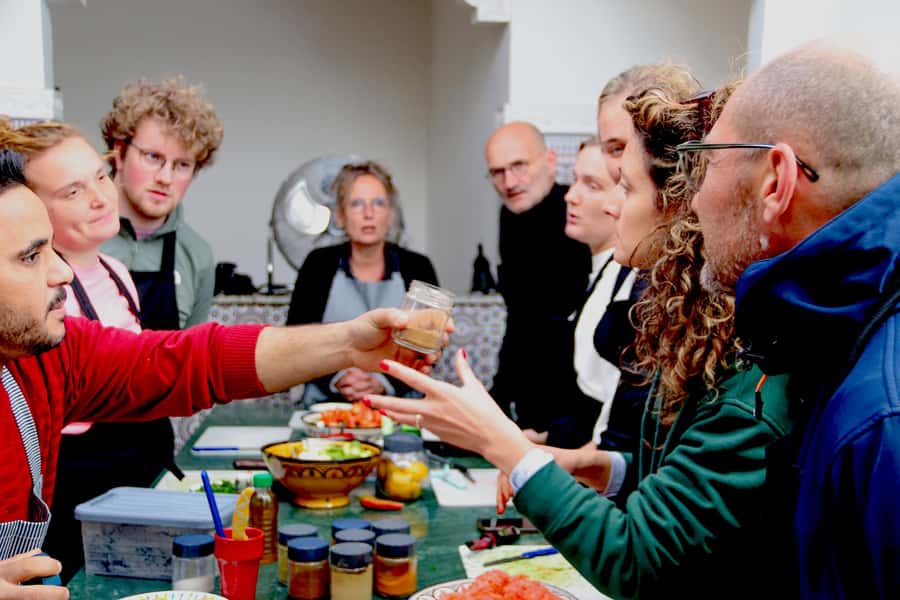
Back at the cooking venue, the group starts with a 30-minute tea ceremony. You learn the traditional way to prepare Moroccan mint tea, then drink it while getting acquainted with the other people in the class.
This opening matters because tea is not treated as a quick welcome drink. It is part of Moroccan hospitality, and the ceremony gives Hassan and Ahmed time to explain customs and daily life before the knives come out.
The tea lesson also sets a relaxed pace. You are not rushed from the market straight into chopping vegetables. You have time to settle in, ask questions, and understand the social side of the meal.
Tea and water are included. Additional drinks are not included, and alcohol is not allowed. The class also operates during Ramadan, which can make this a useful activity for visitors planning a trip at that time.
A few more cooking classes around Marrakesh worth a look
- Marrakech: Moroccan Cuisine Cooking Class in Local Home
★ 4.8 · 508 reviews - Marrakech: Moroccan Cooking Workshop at La Maison Arabe
★ 5.0 · 446 reviews - Marrakech: Tajine Cooking Class in a Traditional Riad
★ 4.8 · 424 reviews - Marrakech: Moroccan Cooking Class with Market Visit and Meal
★ 4.9 · 347 reviews
Three hours of shared cooking
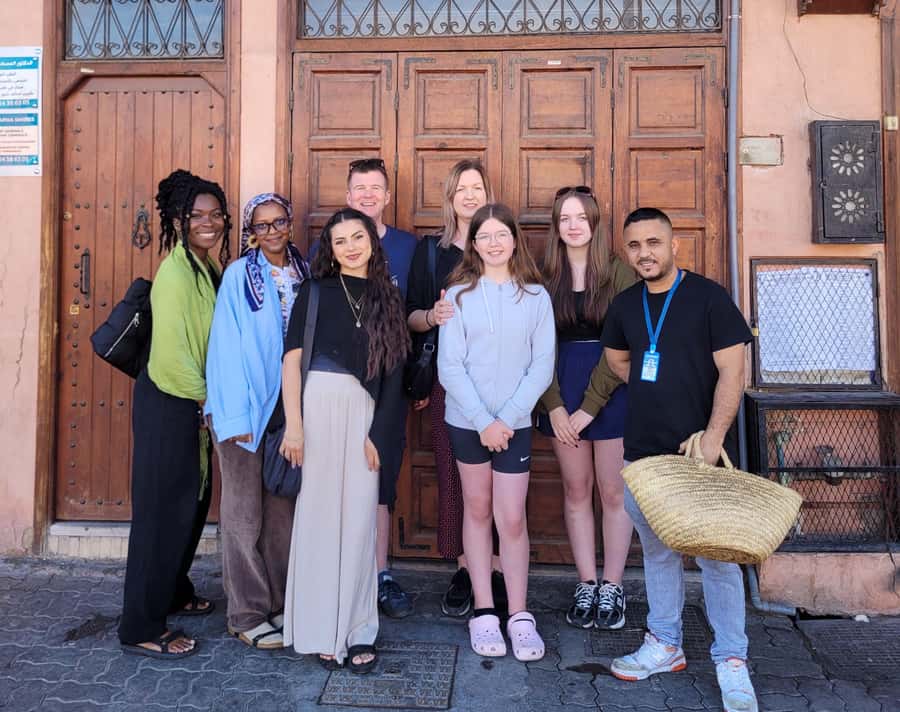
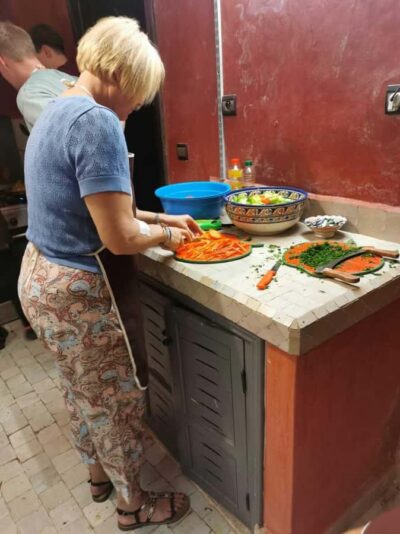
The main cooking session takes about three hours and 15 minutes. You work together on several dishes, learning how to peel, chop, season, and arrange food in tagines using methods associated with home cooking.
The possible menu is broad:
- Beef with prunes tagine
- Chicken with preserved lemon tagine
- Vegetable tagine
- Kefta, meatballs with tomato sauce and eggs
- Shakshouka with sweet peppers
- Zaalouk, a fried or grilled aubergine salad
The class may include four tagines and two side dishes, or a slightly smaller selection. One session might feature chicken, lamb, meatballs, and vegetable tagines, along with two salads. The exact mix depends on group size and dietary requirements.
That variety is one of the strongest reasons to choose this class. Instead of learning one recipe in isolation, you compare how different spices and cooking methods work across meat, vegetables, sauces, and salads. You also see how Moroccan meals are built as a collection of dishes rather than a single main course.
The tagine lessons are practical. You learn about seasoning and preparation, along with the different uses of tagines in everyday meals and special occasions. The class also explains the cultural background behind the food, so the recipes do not feel disconnected from Moroccan life.
You will not work alone. Participants form one cooking team, with tasks assigned so everyone takes part. This is ideal if you like meeting people and learning by doing. It may be less appealing if you want a quiet, private session or need to set your own cooking pace.
Eating the food you prepared
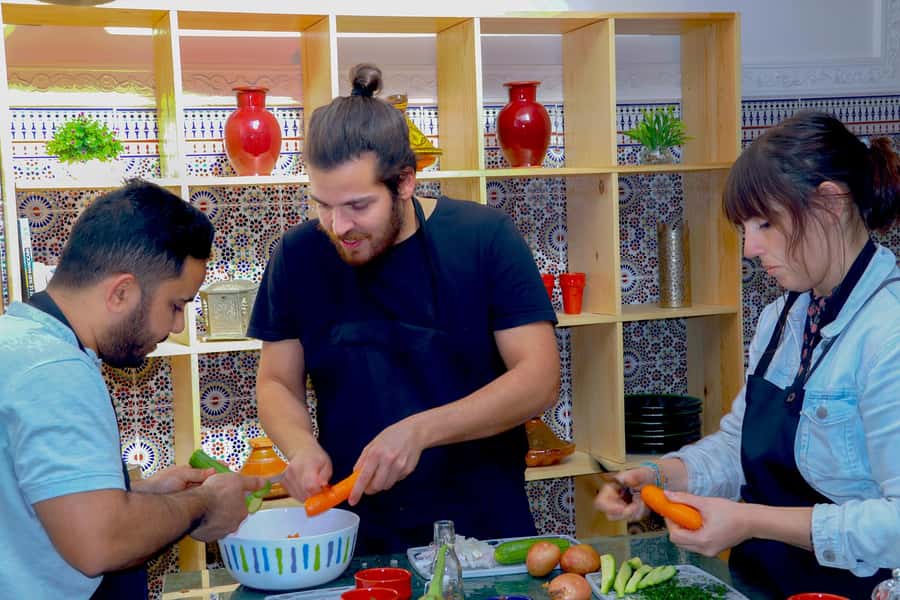
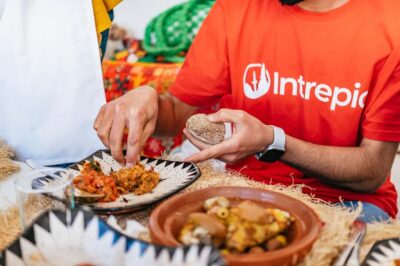
At the end, the food is served buffet-style. You can taste several dishes, including the ones you helped prepare and those made by the rest of the group. Bread, water, and tea are included.
The meal is a real part of the experience, not an afterthought. Several people describe the food as the best meal of their Morocco visit, and the combination of multiple tagines and side dishes creates a proper feast. That is also where the shared format pays off: you get more variety than you could reasonably cook alone in a short class.
The meal may be especially useful for comparing Moroccan restaurant food with home-style preparation. The recipes rely on familiar techniques, careful seasoning, and fresh ingredients rather than complicated restaurant presentation.
Recipes are sent through a website link after the workshop. This is one of the most practical inclusions. If you buy a spice blend or even a tagine in Marrakesh, you will have instructions ready for your first attempt at home.
What the group size means
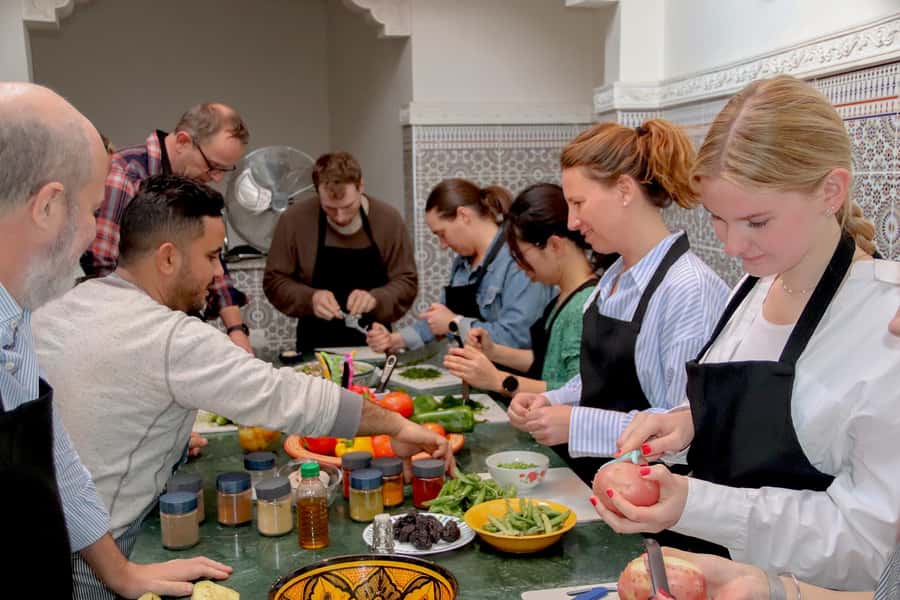
The advertised maximum is normally nine people, though it can reach 10 in the case of unexpected overbooking or a private group. A small group gives you a better chance to ask questions and handle ingredients directly.
The activity is also social. You may cook with people from several countries, and the shared meal gives the session an easy, family-style feel. The hosts make a point of including everyone, including younger participants.
Children aged six and older are allowed, but the class is not suitable for children under six. A family with an 11-year-old found that the child stayed involved throughout the four hours, though younger children may find the length and kitchen tasks demanding.
The class is offered in English or French. If the group includes both languages, instruction is bilingual. If everyone speaks the same language, the class is held in that language only. If following detailed cooking instructions is important to you, ask about the language arrangement before booking.
Dietary needs and physical limits
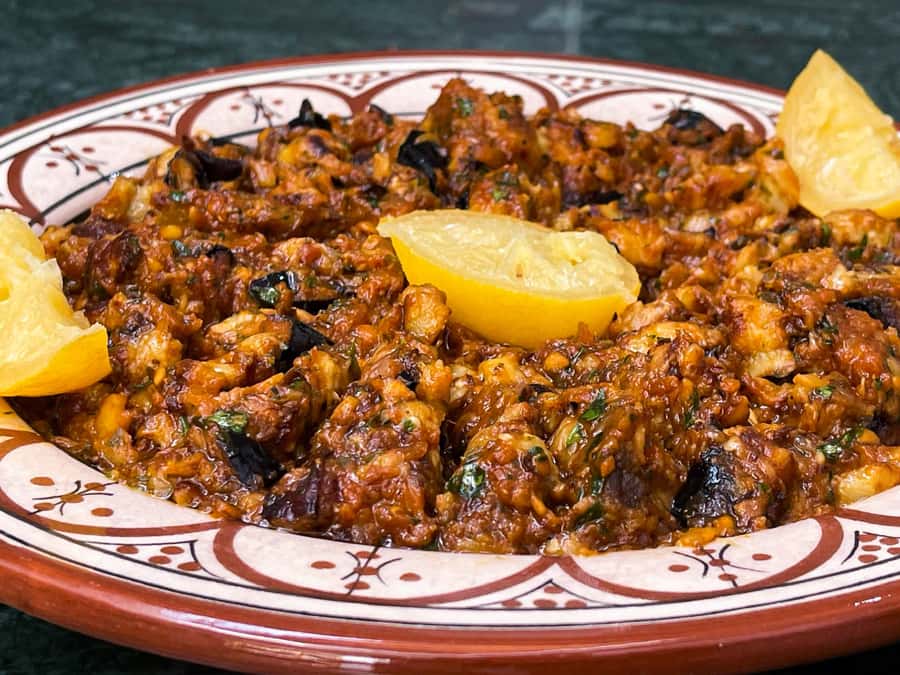
The class can accommodate vegan, vegetarian, and gluten-free food. Contact the provider in advance so the menu can be adjusted properly. The ingredients and dishes are made collectively, so the chef needs to know about restrictions before the session begins.
The class is not suitable for people with onion or garlic allergies. This is a key limitation in Moroccan cooking, where both ingredients appear often in savory dishes.
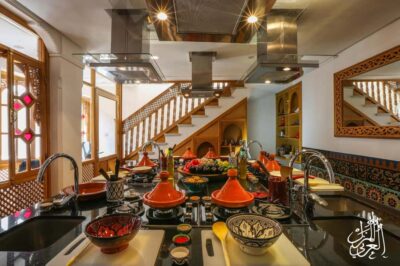
The cooking area is air-conditioned. Even so, one participant found the room cold, so a sweater is sensible. The class is not suitable for wheelchair users or people with back problems, and you should expect to stand and work around a kitchen for much of the session.
Aprons are provided. Wear comfortable clothes and shoes that you do not mind wearing around food preparation. You may also want to keep your hands free during the market walk.
Who will get the most from this experience?
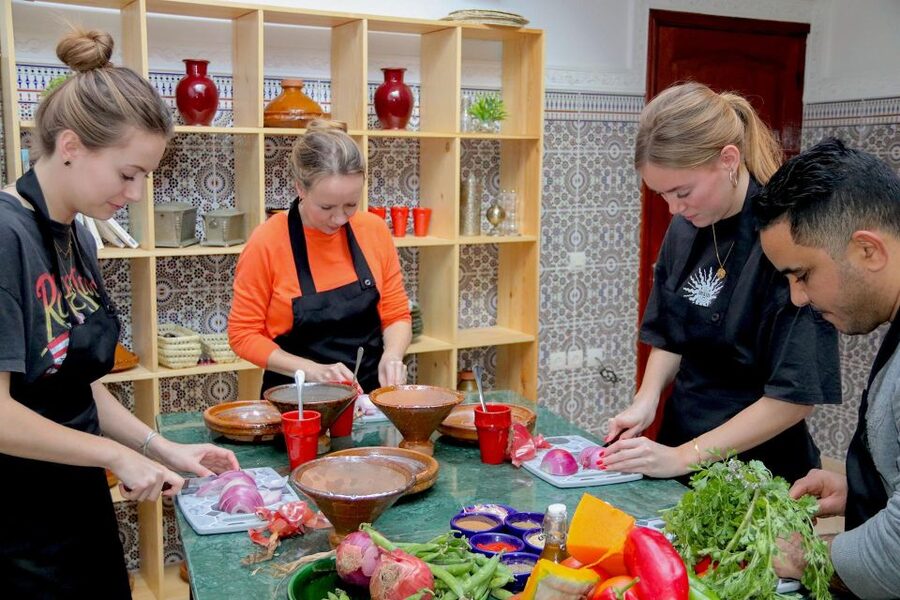
I would choose this class early in a Marrakesh visit if you want a useful introduction to the country’s food. It gives you a foundation for understanding tagines, preserved lemon, spice blends, mint tea, and Moroccan salads before you order them in restaurants.
It also suits people who enjoy social activities. Solo visitors can meet others, couples can cook together, and families with older children can share a hands-on project. The group format makes the class friendly, but it is not designed for travelers seeking a private culinary lesson.
You do not need advanced cooking skills. The instruction covers basic preparation, including peeling, chopping, and seasoning. Experienced home cooks may find the techniques familiar, but the cultural explanations, menu variety, and local ingredients still make the session worthwhile.
Solo booking needs a little care. The provider asks single participants to contact them before booking because at least two participants are required. They need to check whether another person is booked for that date.
Booking details and overall value
The class costs $47 per person and lasts four hours. For Marrakesh, that is strong value when you count the market visit, tea ceremony, hands-on instruction, full meal, bread, water, apron, and recipes.
The price is most worthwhile if you plan to use the recipes afterward. You can buy spices from the workshop and recreate the dishes for friends or family, extending the value beyond one afternoon.
You can cancel up to 24 hours in advance for a full refund, and you can reserve now and pay later. Those policies make it easier to fit the class around a changing Marrakesh schedule. Hotel transport is not included, and extra drinks cost more.
The rating is exceptionally high, with 1,615 ratings giving it five stars. The strongest praise centers on Hassan and Ahmed, the delicious food, the inclusive group work, the tea ceremony, and the number of dishes prepared. The only notable caution is the collective format, along with the cold-room complaint and restrictions for allergies and mobility.
Should you book it?
Book this Marrakesh cooking class if you want more than a restaurant meal and enjoy learning through participation. The market stop, tea ceremony, several-dish menu, local stories, and recipes make it a useful cultural activity as well as a good dinner.
I would skip it only if you need a private class, cannot eat onion or garlic, use a wheelchair, or dislike group cooking. For most visitors who want an affordable, friendly introduction to Moroccan food, this is one of the better ways to spend four hours in Marrakesh.
FAQ
Where does the cooking class begin?
Meet at Pharmacie Bab Doukkala in Marrakesh. Search for that exact pharmacy name in Google Maps to locate the meeting point.
How long does the experience last?
The full experience lasts four hours. This includes the market visit, tea ceremony, cooking session, and final meal.
Is hotel pickup included?
No. Hotel pickup and drop-off are not included, so you need to reach the meeting point and arrange your return independently.
What dishes might I cook?
Possible dishes include beef with prunes tagine, chicken with preserved lemon tagine, vegetable tagine, kefta, shakshouka, and zaalouk. The exact menu can vary with group size and dietary requirements.
Can the class accommodate vegetarian, vegan, or gluten-free diets?
Yes. Vegetarian, vegan, and gluten-free food can be prepared. Contact the provider before booking so the menu can be planned.
Is the class taught in English?
The class is offered in English and French. If people in the group speak different languages, instruction is bilingual. If everyone speaks the same language, the class uses that language only.
Is the class suitable for children?
Children aged six and older are allowed. Children under six are not permitted. The class is also not suitable for wheelchair users or people with back problems.
Just added around Marrakesh
- Moroccan Food Cooking Class with a Local Chef in Marrakech★ 4.7 · 90 reviews
- Marrakech: 3-Hour Open-Air Moroccan Cooking Course★ 4.9 · 74 reviews
- Moroccan cooking class in Marrakech with berber chef★ 5.0 · 16 reviews
- Edgy 8 Dish Private, Fusion Cooking Class, Menu Plan, Market★ 4.9 · 31 reviews
- Marrakech: Moroccan Cooking Class with Local Chef★ 4.6 · 87 reviews
- Marrakesh: Private Cooking Class & Local Market Shopping★ 4.7 · 15 reviews
- Marrakech: Authentic Moroccan Cooking Class in a Farm★ 4.8 · 8 reviews
- Marrakech: Moroccan Cooking Class with Amazing Local Chef!★ 4.9 · 100 reviews
Moroccan Cooking Classes, compared.
Traditional Moroccan Cooking Class & Market Visit
Read our review →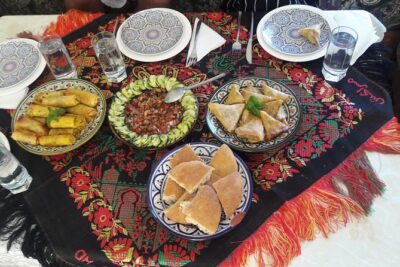
Moroccan Cooking Class & Marrakech Market Visit with Chef Khmisa
Read our review →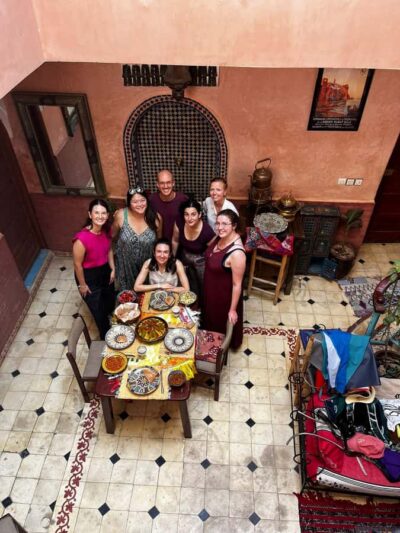
Lists this class appears in