
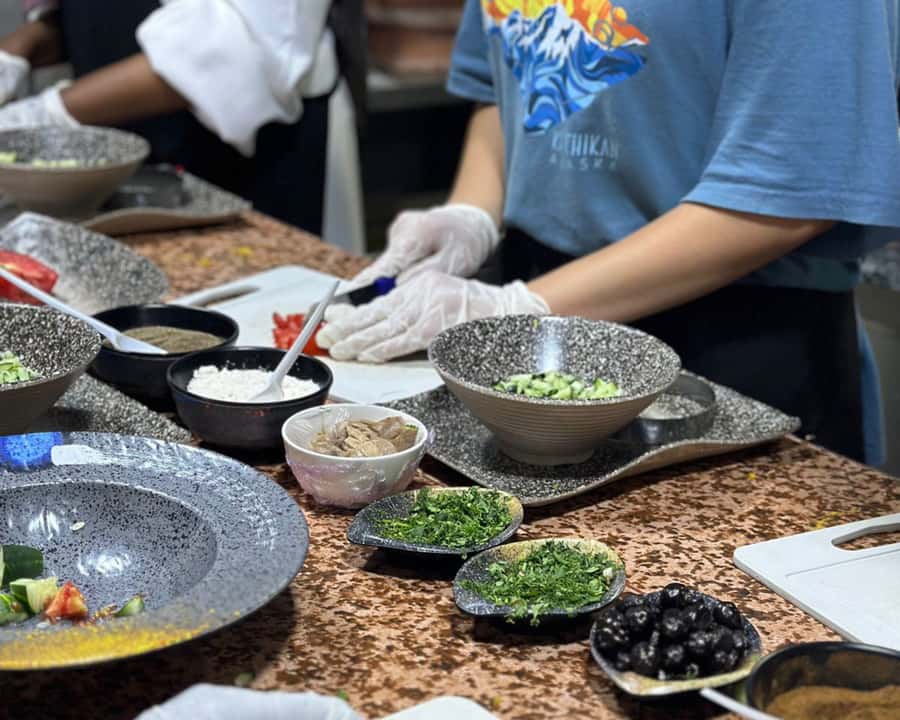
REVIEW · MARRAKESH-SAFI, MOROCCO
Marrakech: Moroccan Cooking Class with Pickup
Moroccan cooking makes a fine afternoon story. This three-hour class combines hotel pickup with hands-on food preparation at Chouf l’Or, where a professional chef guides you through Moroccan salad, tajine, and cinnamon oranges. I like the easy social setting, and I especially like that you eat the meal you helped prepare rather than simply watching a demonstration.
Chef Mourad receives repeated praise for his humor, patience, and clear English, while chefs Amine, Ahmed, Abdul, and Mohamed also lead classes. The main caution is that the class is relaxed and beginner-friendly, so experienced cooks may find the instruction fairly basic. Pickup can also take longer than expected if several groups are being collected.
Key points before you book
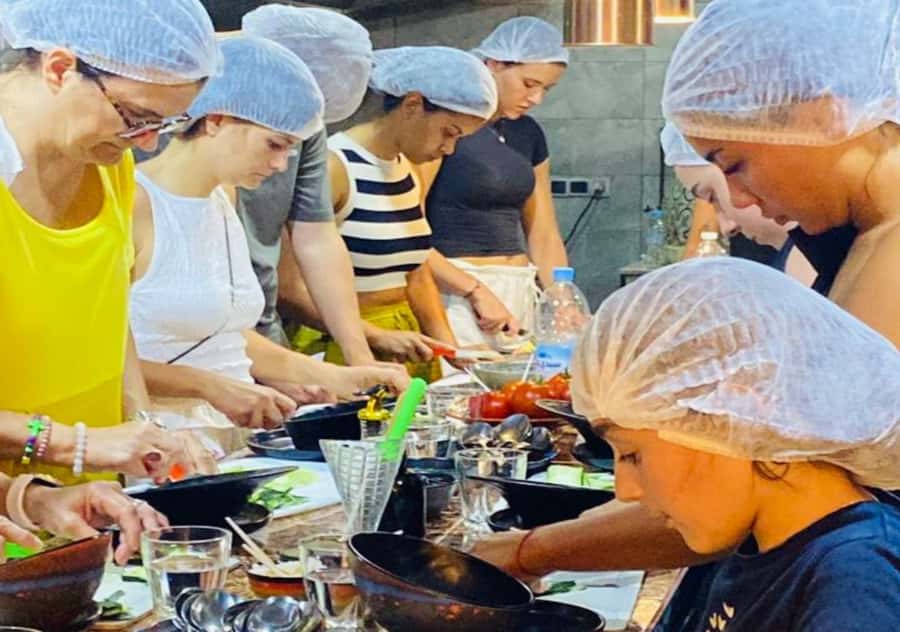
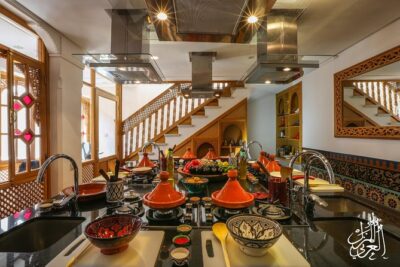
- Cook inside a working restaurant kitchen: You get a look at the service area and see Moroccan dishes being prepared around you.
- Tajine is the main event: Chicken with lemon, preserved lemon, vegetables, or other meat options may be discussed, along with ways to adapt the recipe at home.
- The pace suits beginners: Clear instructions, humor, and plenty of help make this a good choice for families and first-time cooks.
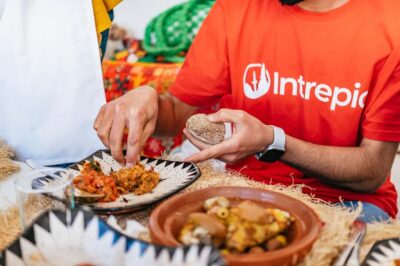
- Lunch is part of the experience: You eat the salad, tajine, and dessert after preparing them.
- Pickup adds real value: Hotel or riad collection and return are included, with WhatsApp or email updates before the class.
- Expect a social group activity: Group sizes vary, with one class reporting about 12 people and another describing a smaller, more personal group.
What the Marrakech cooking class is really like
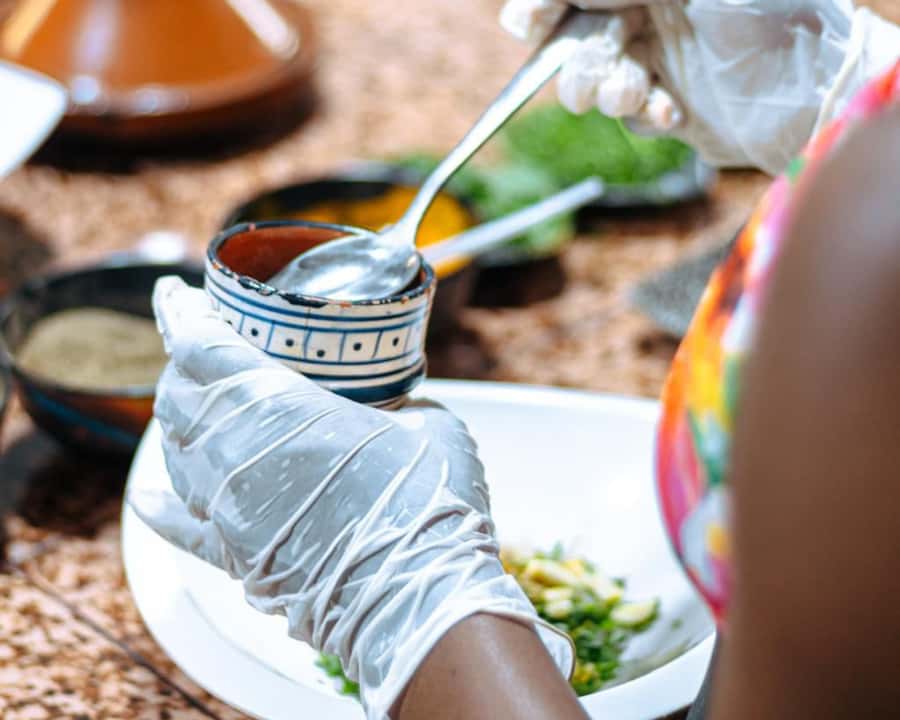
At $31 per person, this is less a formal culinary school and more a friendly introduction to Moroccan home-style food. You spend about three hours moving from tea and menu talk to preparation, cooking, and lunch.
That distinction matters. If you want advanced knife skills, complicated sauces, or a long list of dishes, this class may feel light. If you want a useful taste of Moroccan food, a cooked lunch, transportation, and a pleasant few hours with other people, the price is strong.
The class is run by Click Excursions at restaurant Chouf l’Or in Marrakech. A chef with more than 20 years of experience leads the cooking, although the specific instructor can change. Mourad is praised especially often for his energy and jokes, but Amine, Ahmed, Abdul, and Mohamed also receive warm comments for being patient and involved.
More Moroccan Cooking Classes in Marrakesh:
- Marrakech: Traditional Moroccan Cooking Class & Market Visit
★ 4.8 · 1,861 reviews - Marrakesh: Moroccan Dishes Cooking Class with a Local Chef
★ 5.0 · 1,615 reviews - Marrakech: Moroccan Cooking Class with a Local Family
★ 4.9 · 668 reviews
Hotel pickup and the ride to Chouf l’Or
The experience begins at your hotel or riad. The provider normally sends pickup details by email or WhatsApp the evening before, usually by 5:00 p.m. For a last-minute reservation, the message may arrive only a few minutes after booking.
You should be ready five to ten minutes before the confirmed time. If your riad sits in a car-free medina lane, the driver arranges a nearby meeting point within a short walk. This is normal in Marrakech, where many old-city addresses are not reachable by car.
The transportation is one of the better features for the price. Drivers are frequently described as punctual, friendly, and helpful with local information. Ismail, Saif, Hamza, Mourad, and Abdelhak are all named positively in different experiences. One driver even helped a participant plan the rest of the week.
Still, give yourself some breathing room. One booking involved a pickup delay of more than 90 minutes, most likely because of collection and coordination. That is the weak point in an otherwise well-organized outing. If you have a museum booking, airport transfer, or evening reservation, do not schedule it too tightly after the class.
Drop-off is included at the same point, or at another address in Marrakech if you request it. That makes the class easier to fit into a day of sightseeing.
Mint tea and choosing the menu
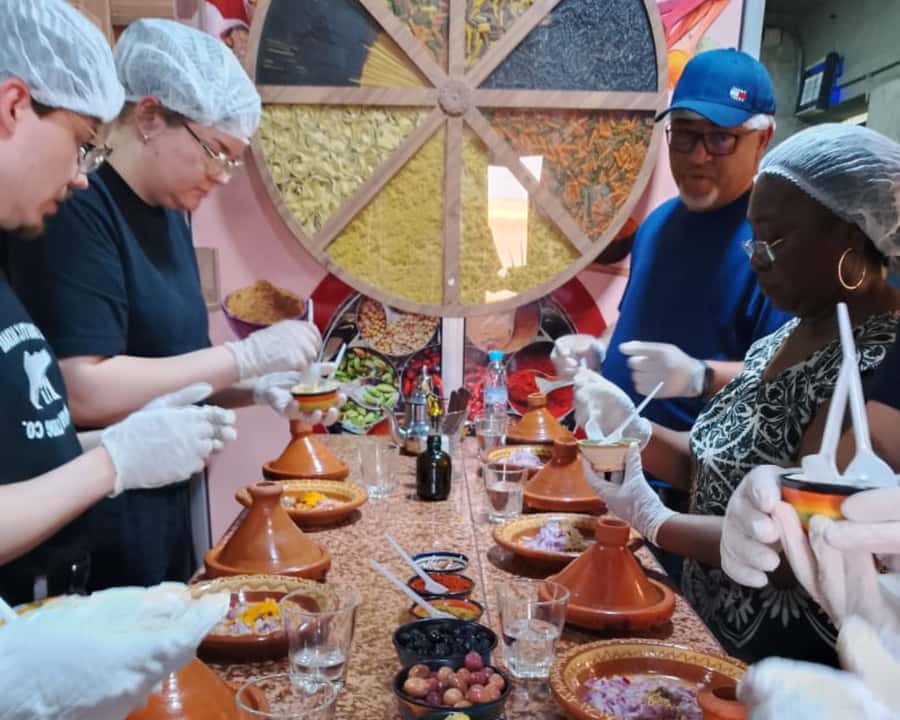
At Chouf l’Or, you are welcomed with Moroccan mint tea while the kitchen is prepared. This is a small start, but it sets the right tone. You have time to settle in, meet the group, and hear what you will be cooking.
The menu generally includes a starter, a tajine, and orange with cinnamon for dessert. In practice, the starter is often a Moroccan salad, the main course is commonly chicken tajine, and the dessert is a simple spiced orange dish.
The menu can vary. Some classes include vegetarian tajine, while others explain how the same method works with beef or lamb. Chicken with lemon and preserved lemon appears often in the instruction. If you have a strong preference, ask about the available menu when you arrive.
One useful detail is the attention given to preserved lemons. You learn how this ingredient shapes Moroccan cooking and how to prepare or use it at home. That is more valuable than simply being handed a finished plate because it gives you a practical way to repeat the flavor after your trip.
Cooking in a real restaurant kitchen
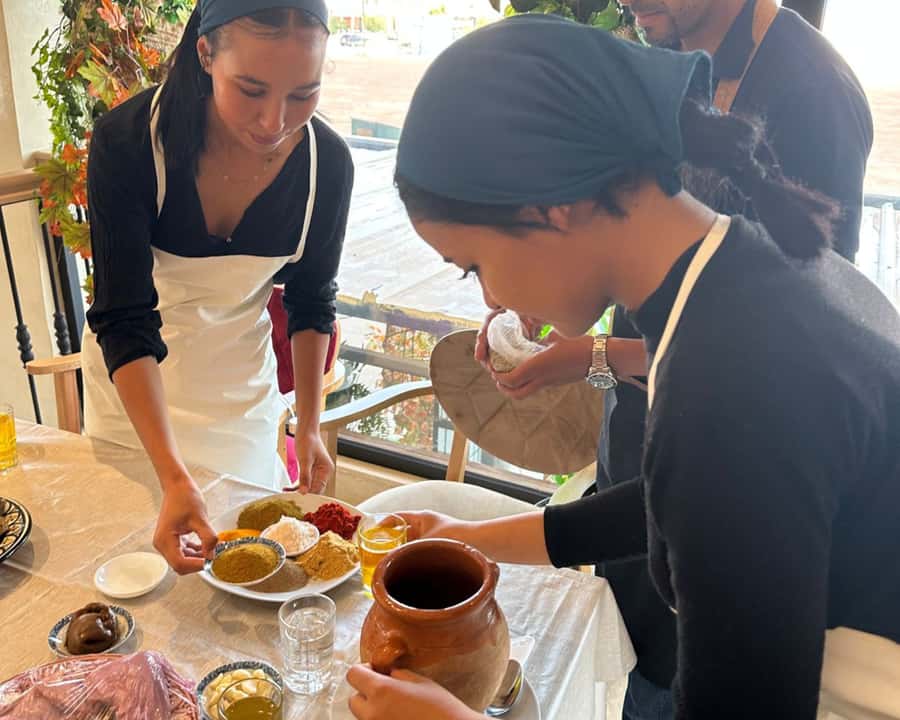
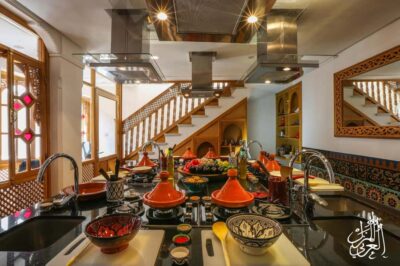
The class takes place in the kitchen of a working restaurant rather than in a polished studio built only for demonstrations. You may see the restaurant team preparing other food around you, which gives the afternoon a sense of daily Moroccan restaurant life.
That setting has two sides. I like the fact that you are close to the action and can watch how a professional kitchen operates. It feels more connected to Marrakech than a staged classroom would.
The trade-off is noise and movement. A working kitchen can be busy, and you may need to pay attention while staff move around you. One participant waited briefly for another group to arrive before entering the kitchen. If you need a quiet, highly controlled class, this may feel informal.
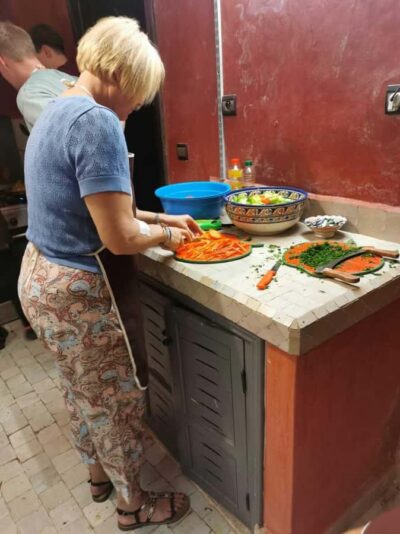
The chef demonstrates the basic preparation and then helps you take part. You may chop, season, arrange ingredients, and prepare the tajine under supervision. The instruction is designed for ordinary home cooks, not trained chefs. That makes it accessible, but it can seem rudimentary if you already cook regularly.
Come with questions. Ask why a particular spice is used, how the recipe changes for lamb, or how to avoid drying out the chicken. The class gives you more if you treat it as a conversation rather than waiting for a lecture.
A few more cooking classes around Marrakesh worth a look
- Marrakech: Moroccan Cuisine Cooking Class in Local Home
★ 4.8 · 508 reviews - Marrakech: Moroccan Cooking Workshop at La Maison Arabe
★ 5.0 · 446 reviews - Marrakech: Tajine Cooking Class in a Traditional Riad
★ 4.8 · 424 reviews - Marrakech: Moroccan Cooking Class with Market Visit and Meal
★ 4.9 · 347 reviews
The tajine lesson is the main reason to go
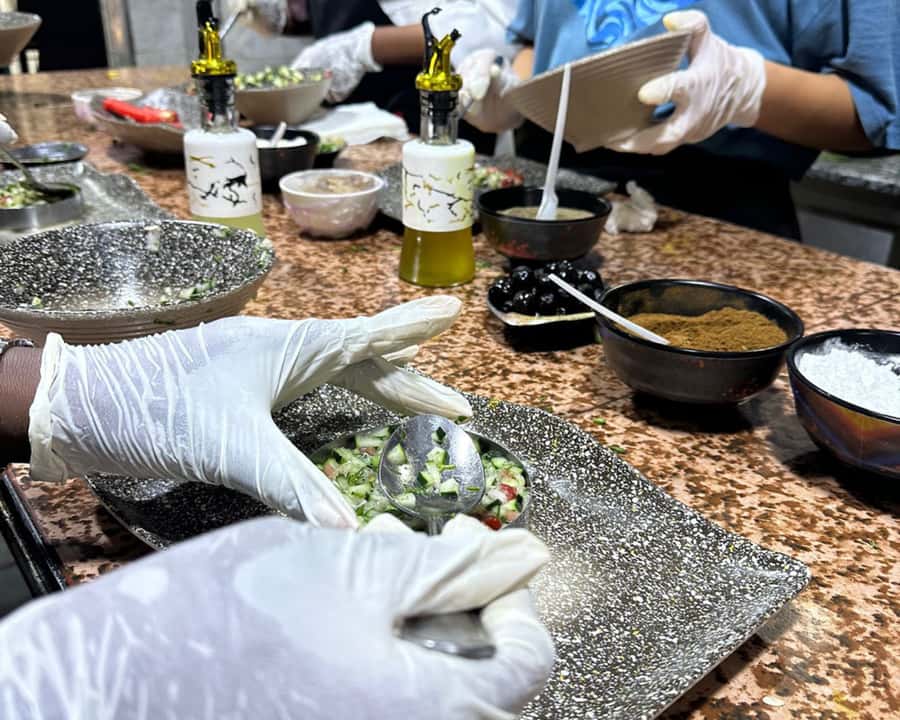
Tajine is the heart of this activity. You learn how the dish is assembled and cooked in its distinctive earthenware pot, and the chef explains how the method can change depending on the meat and vegetables.
Chicken with lemon is a common version. Preserved lemon brings a salty citrus flavor that is quite different from adding fresh lemon juice at the end. Some sessions also cover vegetables or vegetarian preparation, giving you options if you do not eat meat.
The most useful part is learning the logic behind the dish. The chef can explain how to adapt the recipe for beef or lamb, rather than leaving you with one fixed set of ingredients. That gives you a better chance of recreating it at home.
Do not expect to prepare a long menu from scratch. The class is usually one main tajine with a salad and a simple dessert. The description of a starter, main, and dessert is accurate in broad terms, but the scale is modest. The value comes from the instruction, lunch, transport, and atmosphere, not from a large amount of cooking.
Salad, cinnamon oranges, and the shared lunch
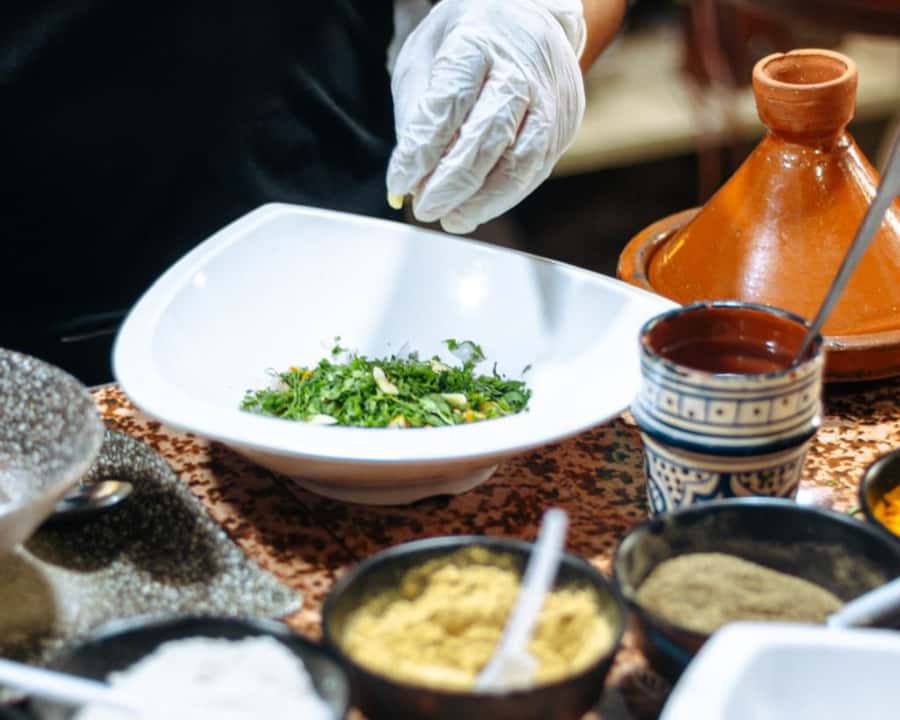
The Moroccan salad is usually the first dish. It adds a fresh counterpoint to the warm tajine and gives you a manageable task before the main cooking begins.
Dessert is orange with cinnamon. It is simple, but that is part of the appeal. Moroccan meals do not always end with an elaborate pastry course, and the combination shows how a few ingredients can make a clean finish after a strongly seasoned main dish.
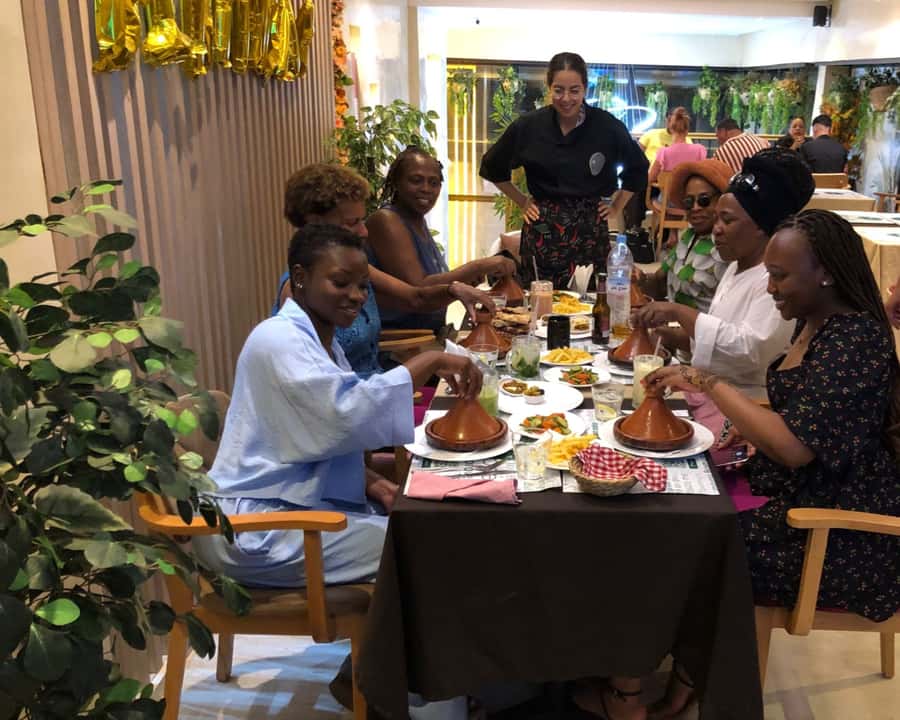
Once everything is ready, you sit down and eat together. This is when the class becomes more than a lesson. You taste the result, compare notes, and talk with people from different countries.
The food receives very strong praise. Participants regularly describe the tajine as delicious, and several say the lunch was a highlight. That said, your portion and exact dishes may depend on the day’s menu and the size of the group.
The chefs make the difference
The quality of the class depends heavily on who leads it. Mourad is especially popular for keeping the room laughing while still giving clear instructions. His English is described as excellent, and he also works comfortably with French-speaking participants.
Amine is praised for being warm, patient, and good-humored. Ahmed, Abdul, Mohamed, and Yasine also appear in positive accounts of the class. The language options are English, French, and Arabic, so you can choose the guide who best matches your group.
The best instructors do not simply show the steps. They answer questions, explain how recipes have changed, and offer practical advice about cooking the same dish with another meat. They also help when a participant falls behind.
This is a good class for children as well. A seven-year-old took part successfully, which suggests that families can join without expecting a strict adult-only lesson. Young children will still need supervision in a working kitchen.
Group size, pace, and the social side
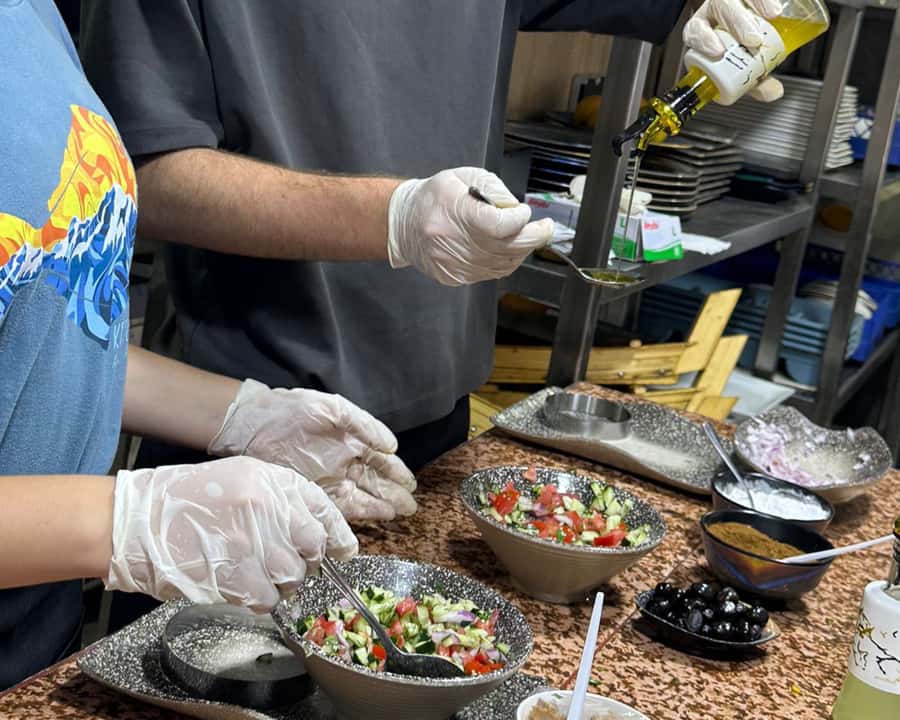
The activity is social by design. You cook with other people, share the meal, and receive a certificate at the end. The group size is not fixed in the information provided. One session had about 12 participants, while another felt small and personal.
That variation can change the feel of the class. A larger group may be livelier, with more conversation and jokes, but you may spend less time at the preparation area. A smaller group usually allows more direct help from the chef.
The pace is gentle. That suits beginners, older family members, and anyone who wants an easy afternoon rather than a demanding workshop. It also leaves time for conversation and questions.
Experienced home cooks may want more depth. The class teaches recognizable dishes and basic techniques, but it is not designed around complex culinary theory. I would rate it as an enjoyable introduction rather than a serious professional cooking course.
Value at $31 per person
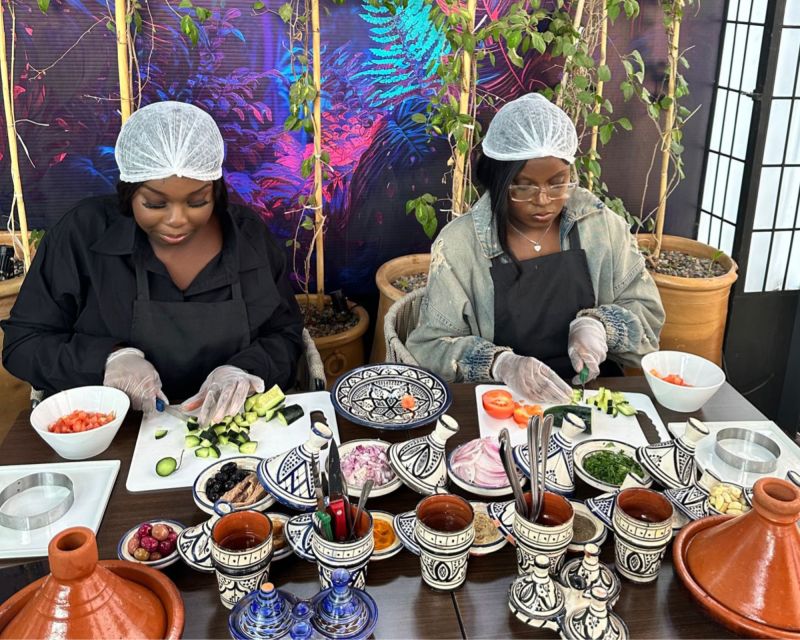
The $31 price includes hotel pickup and drop-off, tea, water, instruction, lunch, and a certificate. On its own, the meal might not justify the full amount, but adding transportation and several hours of guided activity makes the package good value.
You also avoid the uncertainty of choosing a restaurant meal without knowing how the food was prepared. Here, you take part in the process and then eat the result. That connection gives the lunch more meaning.
The class works particularly well for a first or second day in Marrakech. It gives you a simple introduction to common ingredients, tajine cooking, preserved lemon, and Moroccan meal customs. Later, you may recognize those flavors on restaurant menus.
The certificate is a small souvenir rather than a major qualification. It is fun to take home, especially for children, but do not book the class for the certificate.
Practical details that matter
The activity lasts three hours, though pickup time can make the total outing longer. Starting times depend on availability, so check the schedule before booking.
The provider offers free cancellation up to 24 hours before the activity and allows you to reserve now and pay later. That is useful if your Marrakech schedule is still changing.
The experience is wheelchair accessible. Pets are not allowed. Hotel and riad pickup is included, but a nearby meeting point may be necessary when a car cannot reach your accommodation.
Wear something comfortable and practical for cooking. The supplied details do not specify a dress code or equipment list, so ask the provider if you have particular accessibility, dietary, or kitchen needs.
Who should book this class
I would recommend it to couples, families, solo visitors, and friends who want an activity that encourages conversation. It is also a good choice if you want a break from monuments and markets without spending a full day outside the city.
It suits beginners best. The chefs are patient, the pace is calm, and the food is familiar enough to approach without cooking experience. Solo participants can also fit in easily because the shared preparation and lunch create natural opportunities to meet people.
I would be more cautious if you are an advanced cook looking for unusual recipes or detailed technical instruction. You may finish wishing you had cooked more dishes. The same is true if you have a tightly packed schedule and cannot tolerate a possible pickup delay.
Should you book the Marrakech cooking class?
Book it if you want a friendly, affordable introduction to Moroccan food with transportation included. The strongest reasons are the warm chefs, the chance to cook inside a working restaurant, and the satisfying lunch at the end.
Go in with realistic expectations. You are likely to prepare one main tajine, a salad, and a simple dessert at a relaxed pace, not complete a full restaurant menu. For $31, that combination is still a very good deal, especially when pickup, tea, instruction, and lunch are included.
If you are choosing between another standard meal and this class, I would choose the class. You get the food plus a skill, a story, and a better understanding of what is on your plate.
FAQ
How long does the Marrakech cooking class last?
The cooking class lasts three hours. Pickup and drop-off add transport time, so allow longer than three hours for the complete outing.
What dishes will I prepare?
The menu generally includes a Moroccan salad, a tajine, and orange with cinnamon for dessert. The tajine may be chicken, vegetarian, or another version depending on the session.
Is hotel pickup included?
Yes. Pickup and drop-off from hotels or riads in Marrakech are included. If a car cannot reach your accommodation, the provider gives you a nearby meeting point.
How will I receive the pickup details?
The provider usually contacts you by email or WhatsApp the evening before the activity, normally by 5:00 p.m. Last-minute bookings may receive the details shortly after booking.
Which languages are available?
The live guides speak English, French, and Arabic.
Is the cooking class wheelchair accessible?
Yes, the activity is listed as wheelchair accessible.
Can children join the class?
The provided information does not set a minimum age. A seven-year-old successfully participated in one class, so families may be able to join, but you should confirm details with the provider before booking.
Can I cancel the activity?
You can cancel up to 24 hours in advance for a full refund. The activity also offers a reserve-now, pay-later option.
Just added around Marrakesh
- Moroccan Food Cooking Class with a Local Chef in Marrakech★ 4.7 · 90 reviews
- Marrakech: 3-Hour Open-Air Moroccan Cooking Course★ 4.9 · 74 reviews
- Moroccan cooking class in Marrakech with berber chef★ 5.0 · 16 reviews
- Edgy 8 Dish Private, Fusion Cooking Class, Menu Plan, Market★ 4.9 · 31 reviews
- Marrakech: Moroccan Cooking Class with Local Chef★ 4.6 · 87 reviews
- Marrakesh: Private Cooking Class & Local Market Shopping★ 4.7 · 15 reviews
- Marrakech: Authentic Moroccan Cooking Class in a Farm★ 4.8 · 8 reviews
- Marrakech: Moroccan Cooking Class with Amazing Local Chef!★ 4.9 · 100 reviews
Moroccan Cooking Classes, compared.
Traditional Moroccan Cooking Class & Market Visit
Read our review →
Moroccan Dishes Cooking Class with a Local Chef
Read our review →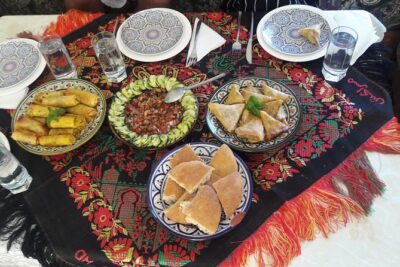
Moroccan Cooking Class & Marrakech Market Visit with Chef Khmisa
Read our review →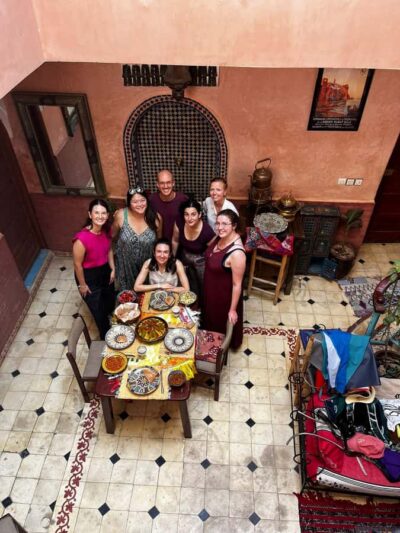
Lists this class appears in