REVIEW · MARRAKESH-SAFI, MOROCCO
Marrakech: Traditional Moroccan Cooking Class & Market Visit
Moroccan cooking starts long before the stove. This experience begins in a local souk, where you help choose fresh produce and spices before returning to an intimate Medina riad for a hands-on meal. I like the market visit because it gives the class a real sense of place, and I like that the recipes are sent afterward so you can make the dishes at home.
The warm, family-style teaching is another strong point, especially with Kawtar, Khmisa, and their cooking team guiding the session. The main consideration is that the meeting point can be hard to pinpoint around the mosque, and the workshop is not suitable for wheelchair users. Group size can also vary, with up to 12 people sharing the class.
Key points to know before booking
- The market visit comes first: You help shop for fresh ingredients in a less tourist-focused part of the souk.
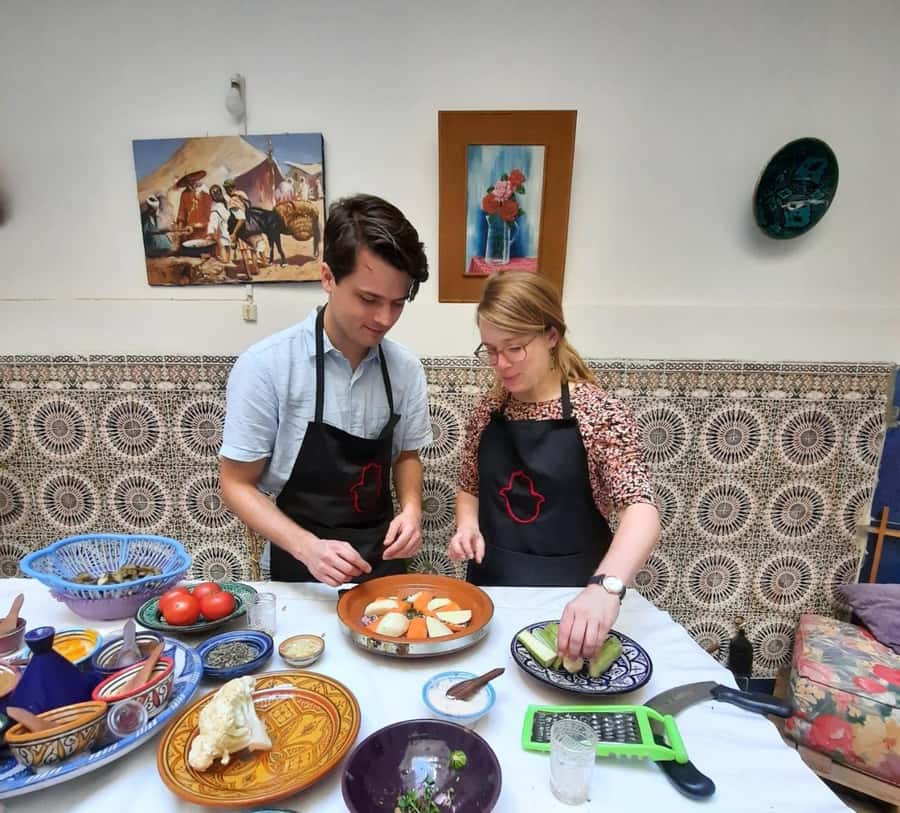
- The meal is genuinely hands-on: You may chop vegetables, add spices, prepare tagines, make salads, and take part in dessert.
- Mint tea gets proper attention: You learn the ritual and preparation, not just how to pour hot water over mint.
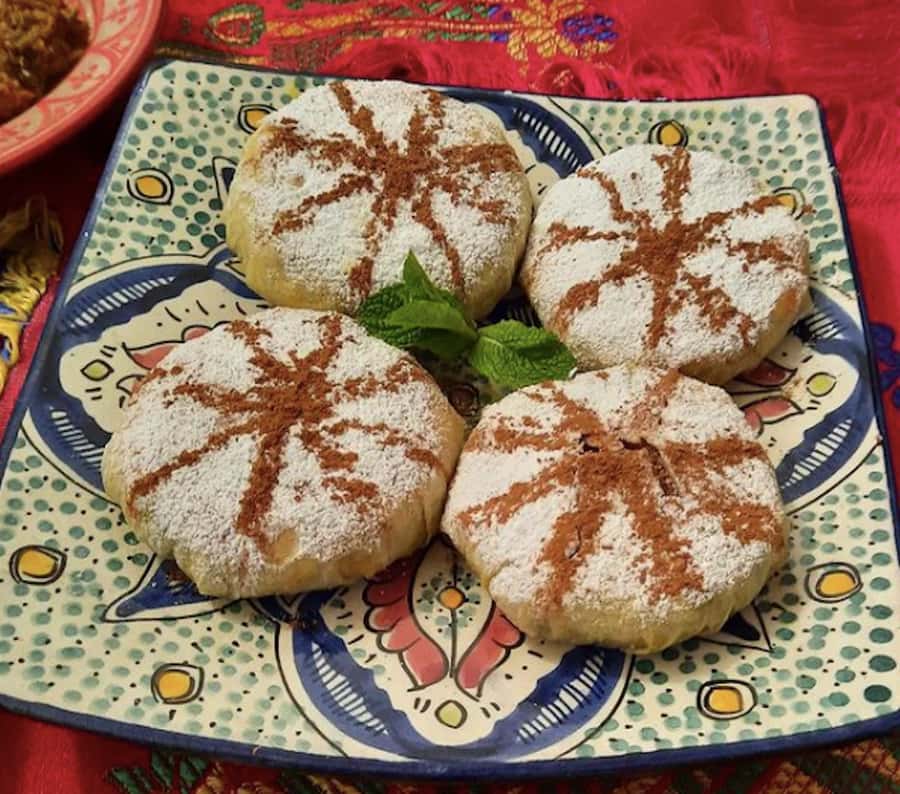
- Expect a generous menu: The class may include three to six dishes, with starters, a main course, and milk pastilla for dessert.
- The setting feels personal: Cooking takes place in a traditional riad workshop, sometimes described as a family home, with a small-group atmosphere.
- The $40 price is strong value: Ingredients, lunch or dinner, instruction, tea, the market walk, and electronic recipes are included.
Starting in a Marrakech souk, not a cooking school
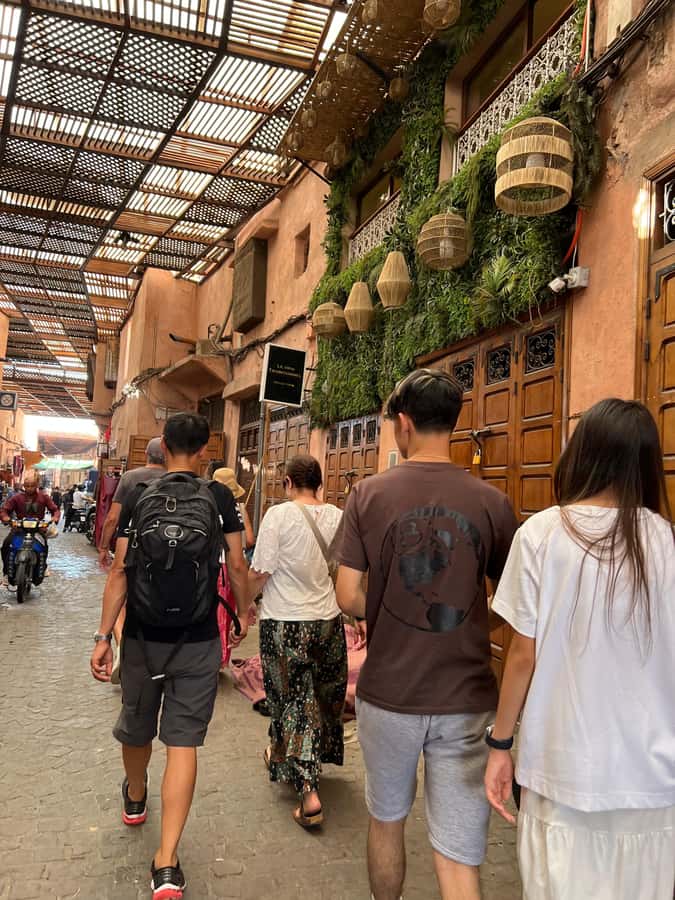
The class opens with a short walk through a local food market. After discussing allergies and dietary restrictions, you go with the guide to buy the ingredients used in the meal.
This is a small detail that makes a big difference. Instead of seeing Moroccan food only after it arrives on a plate, you see the vegetables, herbs, spices, and other groceries in their everyday setting. You also get a better sense of how food shopping works in Marrakech.
The market is described as being away from the most tourist-focused side of the city. That does not mean it will be quiet or simple. Marrakech souks can be crowded, colorful, and confusing, so wear comfortable shoes and stay close to the group.
The shopping is part of the lesson, not a separate sightseeing stop. You may take turns selecting produce, and the guides explain what will be used later. This gives the class a useful rhythm: first see the ingredients, then prepare them, then taste the result.
There is one practical weakness. The meeting place is near a large mosque, and one participant found that the general location was clear but the exact entrance was not. Ask for the front entrance or a precise landmark before setting out. That can save you from wandering around the Medina looking for the group.
More Cooking Classes with a Market Tour in Marrakech
- Marrakech: Moroccan Cooking Class with Market Visit and Meal
★ 4.9 · 347 reviews - Edgy 8 Dish Private, Fusion Cooking Class, Menu Plan, Market
★ 4.9 · 31 reviews - Marrakesh: Private Cooking Class & Local Market Shopping
★ 4.7 · 15 reviews
Entering the riad workshop
After the market, you walk to Khmisa’s workshop in the heart of the Medina. The setting is an intimate traditional riad rather than a large commercial cooking studio.
That matters because the cooking feels closer to being welcomed into a Moroccan home. The hosts, including local Moroccan women with long experience in cooking, catering, and hotel kitchens, create a relaxed family atmosphere. The experience provider, Khmisa Workshops, presents Moroccan food as part of daily culture, not just as a set of restaurant recipes.
One especially useful detail is that the cooking space has been described as air conditioned. Marrakech can be very hot, and standing around a stove while preparing several dishes would be tiring in a stuffy room. The cool workshop makes it easier to focus on the cooking and enjoy the meal afterward.
The class is shared rather than automatically private. The advertised group size is up to 12 people, though some sessions are smaller. One class had six people, which is a comfortable size for taking turns and asking questions. A larger group may feel more social, but you could have less time at the chopping board or stove.
Private sessions are available on request, but they are not the standard arrangement. If you want the class to be just your family or group, arrange that before booking.
Learning the Moroccan mint tea ritual
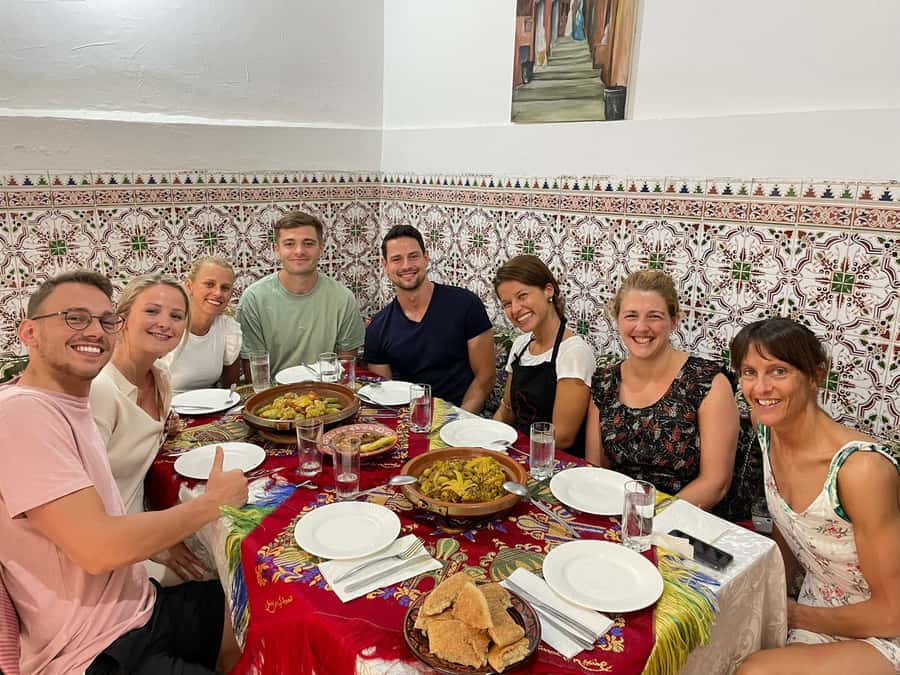
Before the main cooking begins, you are welcomed with Moroccan mint tea. This is not treated as a quick drink while everyone waits for the food.
The guide explains the traditional tea ritual and shows the steps involved. Several people who had already visited Morocco found this especially worthwhile because the process is more precise than simply steeping mint in hot water and adding sugar.
The tea lesson gives you an early, manageable task. You start with a familiar drink, learn why it matters in Moroccan hospitality, and then move into more involved food preparation. It also gives the group time to settle in and meet one another.
The pace seems to suit people who want some explanation without sitting through a long lecture. The guides use English, French, and Arabic, and translation may be provided when needed. Ilham was specifically praised for translating and helping create an energetic, organized class atmosphere.
Cooking several dishes as a team
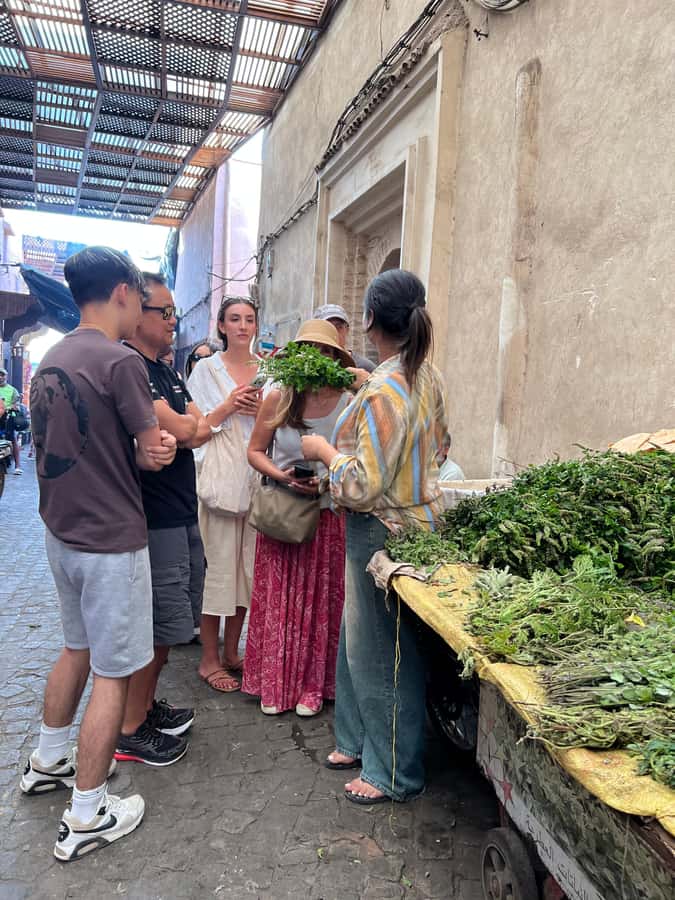
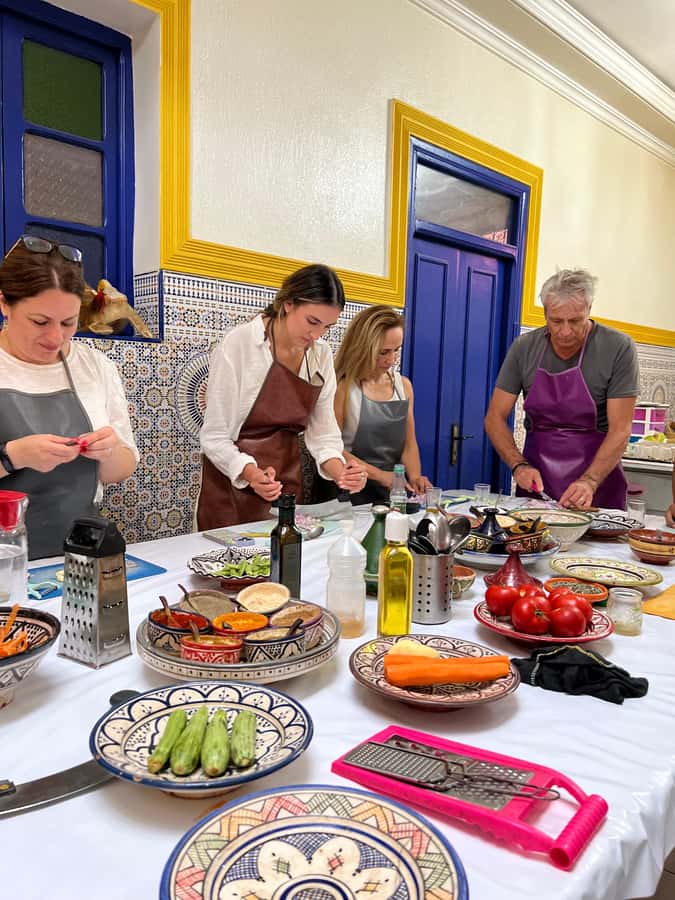
The heart of the class is collaborative cooking. Rather than watching a chef prepare everything, you take part in the process.
The exact menu can change, but the session generally includes three to six Moroccan dishes. The format may include several salads or starters, a chicken tagine, a vegetarian tagine, and a traditional dessert such as milk pastilla.
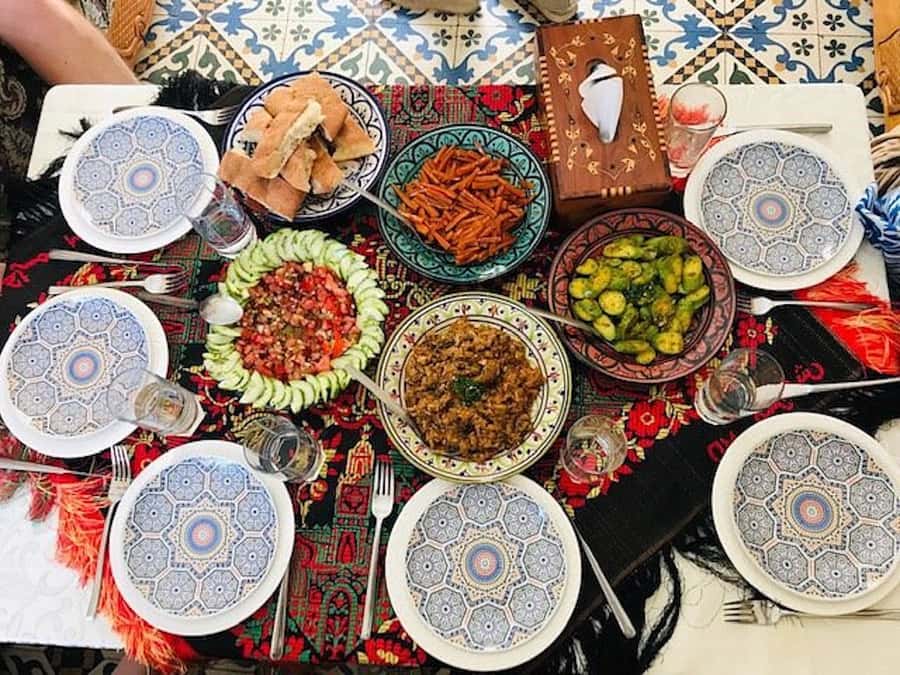
The starter course can be particularly varied. One family prepared four vegetarian starters, then made both chicken and vegetarian tagines before finishing with dessert. Another group made four appetizers and two main dishes. This explains why the meal is described as very filling.
You might chop vegetables, season ingredients, add spices to the tagine, or help prepare the salads. The chefs guide each stage and adjust the seasoning as they go. The result is not a rigid demonstration where you stand behind a counter and watch someone else do all the work.
I like this format for families and mixed-age groups. An eight-year-old joined one session and was able to enjoy the activity, while teenagers also took part. The work is divided among the group, so you do not need advanced cooking skills to contribute.
The teaching style is warm and informal. Kawtar is often involved in welcoming and explaining the process, while Khmisa and other family members help with the cooking. The chef may give the main instructions and then add a little extra seasoning by instinct. That can be entertaining, though it also means you may not receive exact measurements for every spice during the class.
This is useful if you want to understand Moroccan cooking by feel. It is less ideal if you expect a highly technical pastry course or precise professional kitchen training.
More Cooking Classes with a Market Tour in Morocco
- Marrakech: Cooking Class and Market Visit
★ 4.4 · 5 reviews - Moroccan Cooking Class & Marrakech Market Visit with Chef Khmisa
★ 5.0 · 1,504 reviews - Moroccan Cooking Class with Market Visit and Meal
★ 5.0 · 196 reviews - Fez: Souk Tour and Traditional Home Cooking Class
★ 4.9 · 186 reviews
Why the tagines are the main event
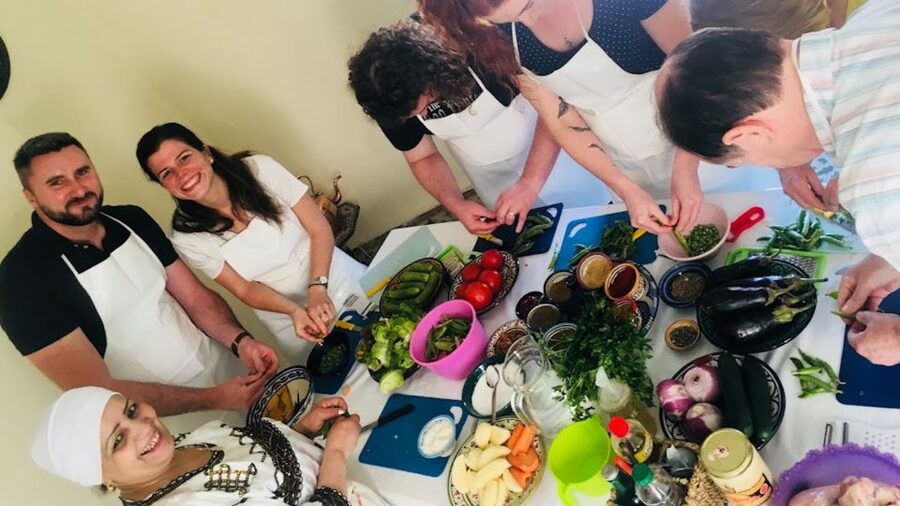
Tagine preparation is one of the strongest reasons to choose this class. The dishes are cooked in the traditional Moroccan style, with spice blends, vegetables, and either chicken or vegetarian ingredients.
Chicken tagine receives particular attention. Several people singled it out as the best meal they had during their time in Marrakech or even their whole Moroccan trip. Lemon chicken tagine was also mentioned as a dish that felt manageable to recreate at home.
The class helps you understand how the ingredients work together. You see the raw produce at the market, prepare it with the group, season it, and then eat the finished dish. That full sequence is more useful than simply tasting tagine in a restaurant.
Vegetarians also have a clear place in the menu. Vegetarian starters and a vegetarian tagine are part of the examples given, and one group was surprised by the range of meat-free dishes available. Still, you should discuss dietary restrictions before the market visit so the team can plan properly.
The class is not presented as a lesson in every regional variation of Moroccan cuisine. It focuses on familiar, traditional dishes that are practical to cook in a home kitchen. That is a strength for most visitors, especially if you want to repeat the meal after returning home.
Eating the meal you prepared
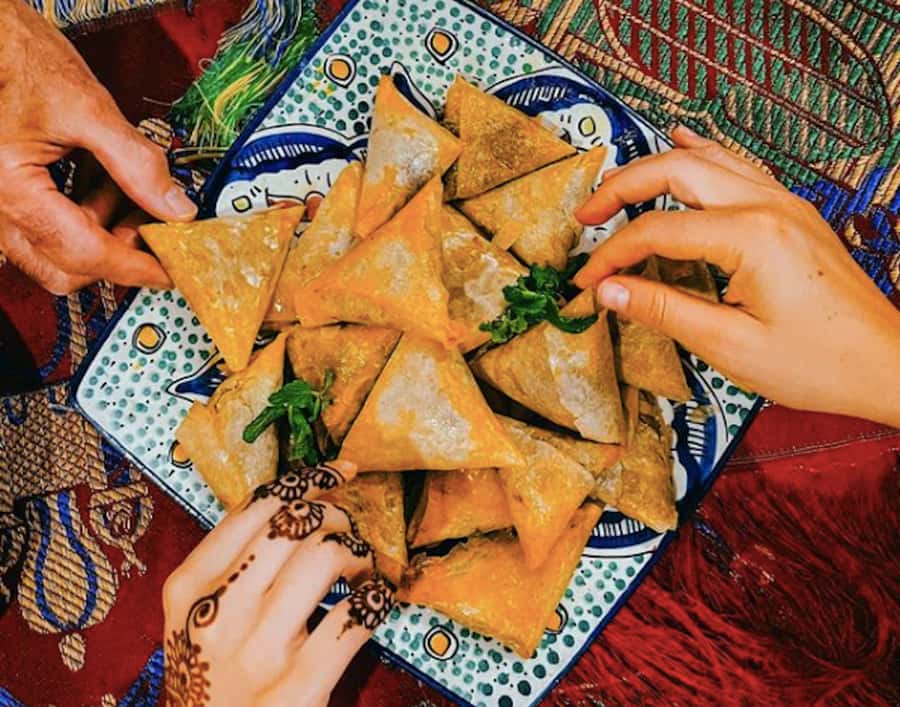
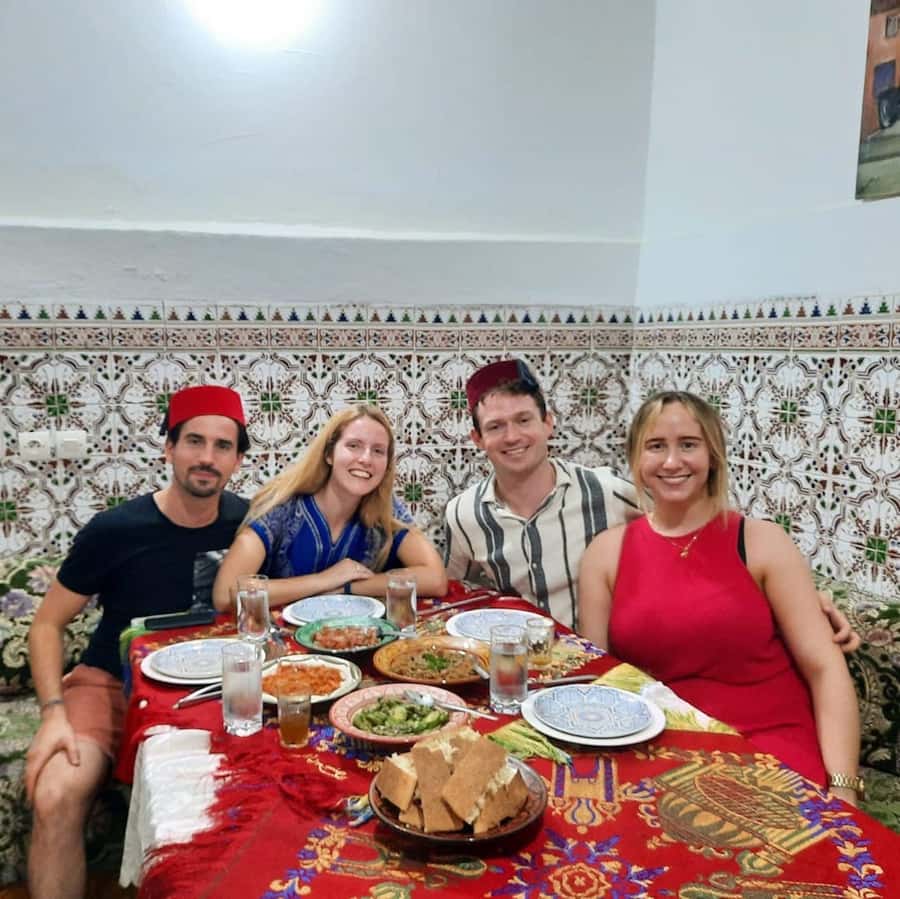
After the cooking, everyone sits down to eat. This is more than a tasting session. You receive a complete lunch or dinner made by the group, with starters, mains, dessert, and tea.
The portions are generous. Some participants found the meal very, very filling, so avoid arriving after a large lunch. The variety also makes the meal sociable. You can compare the salads, tagines, and dessert while sharing the table with people from different countries.
The food is repeatedly praised for its flavor, but the value goes beyond taste. You have handled the ingredients and taken part in the preparation, so the meal has a clear connection to the market and the cooking lesson.
The shared table is also part of the appeal. If you are traveling alone, this gives you an easy way to meet people. If you are traveling with family, it offers a relaxed activity that does not depend on everyone having the same sightseeing interests.
The atmosphere is informal and friendly, sometimes more like a meal with relatives than a formal restaurant. If you prefer a quiet, private dinner, the group format may feel less suited to you.
Recipes and spices for your kitchen at home
The electronic recipes are one of the best practical features. They are sent afterward by email, and some participants received them through WhatsApp.
This turns the class into something you can use after Morocco. The dishes are not just attractive holiday food that requires a specialist kitchen. People found the recipes realistic to prepare at home, including in Australia and other countries far from Marrakech.
You can also buy some of the ingredients used in class. Fresh homemade spice blends, saffron, and orange blossom water were available for purchase. These extras are not included in the $40 price, so think of them as optional souvenirs rather than required costs.
If you want to recreate the food, pay close attention when the chef seasons the tagine. Moroccan cooking often depends on balance rather than a long list of complicated steps. The recipes will give you the structure, while the class helps you understand the flavor.
The one limitation is that a group lesson cannot give every participant a private cooking tutorial. If you have a specific dish you want to master, tell the guide early and take part when that dish is being prepared.
What the $40 price includes
At $40 per person, this is a strong-value activity in Marrakech. The price includes the market walk, all ingredients, a Moroccan chef, a local guide, mint tea, lunch or dinner, and electronic recipes.
You are paying for more than a meal. The experience combines a market visit, cultural explanation, practical instruction, and a substantial shared dinner. A restaurant meal might be cheaper, but it would not include the shopping, teaching, or recipes.
The value is especially good if you are interested in food and want an activity lasting several hours. One session lasted about two and a half hours, which is enough time for the market, tea, cooking, and meal without taking a full day.
The exact length may vary with the menu and group. A larger group can take longer, while a small group may move more quickly. Plan around the activity rather than booking a tight connection or another fixed appointment immediately afterward.
Hotel pickup and drop-off are not included. You need to reach the meeting point yourself, and the Medina location can be difficult to navigate. Comfortable shoes are important, and a hair tie is useful for cooking.
Smoking, alcohol, drugs, and pets are not allowed. The workshop is not suitable for wheelchair users because of the setting and access.
Who should book this class
I would recommend this experience to food lovers, curious families, solo visitors, and anyone who wants a practical introduction to Moroccan culture.
It works particularly well for:
- Families with older children and teenagers
- Vegetarians who want several meat-free options
- Visitors who want recipes they can repeat at home
- Solo visitors who enjoy shared meals
- First-time visitors who want a local market experience
- People who prefer taking part instead of watching a demonstration
The friendly teaching style also helps if you are nervous about cooking. The hosts are patient, and everyone is encouraged to take a turn.
You may want a different activity if you need step-free access, dislike group cooking, or want a highly technical course focused on professional culinary skills. The class is social and home-style, not a formal chef-training program.
Booking advice and final verdict
Book this class if you want to connect Marrakech food with the people, market, and household traditions behind it. The market visit, tea ritual, tagines, generous meal, and recipes form a complete experience rather than a single cooking demonstration.
I especially like that the food is practical to recreate. You leave with more than a pleasant memory and a full stomach. You have seen the ingredients, learned the basic method, and received recipes for another attempt at home.
Allow extra time to find the meeting point, wear sensible shoes, and explain allergies or food restrictions before shopping begins. If you can choose, a smaller group should give you more hands-on time.
At $40, this is easy to recommend for most visitors who enjoy food and informal cultural experiences. The main reasons to hesitate are the shared format, uncertain group size, and lack of wheelchair access. For everyone else, Khmisa Workshops offers a warm, useful, and very tasty way to spend an afternoon or evening in Marrakech.
FAQ
How much does the Marrakech cooking class cost?
The experience costs $40 per person.
What does the price include?
The price includes lunch or dinner, a local guide, a Moroccan chef, all ingredients, a short market walk, Moroccan tea, and electronic recipes.
Does the experience include a market visit?
Yes. You visit a local food market before the cooking session and help shop for the fresh ingredients used in the meal.
What dishes will I prepare?
The menu can include three to six Moroccan dishes, with starters, a main course, and milk pastilla for dessert. Examples include chicken tagine, vegetarian tagine, Moroccan salads, and other traditional dishes.
Is Moroccan mint tea part of the class?
Yes. You learn about the Moroccan mint tea ritual and how to prepare the tea traditionally.
Are recipes provided after the class?
Yes. The recipes are sent electronically afterward, by email or another agreed messaging method.
What languages are spoken?
The experience is available in English, French, and Arabic.
Is hotel pickup included?
No. Hotel pickup and drop-off are not included, so you must reach the meeting point yourself.
Is the class suitable for wheelchair users?
No. The experience is not suitable for wheelchair users.
What should I bring?
Wear comfortable shoes and bring a hair tie for the cooking session.
More Cooking Classes with a Market Tour in Marrakesh
- Hanoi Cooking Class: Culture, Local Market & Meaning CSR Impact
★ 5.0 · 5,147 reviews - 5 Traditional Dishes Hanoi Cooking Class with Market Trip
★ 5.0 · 4,890 reviews - Cooking Class and Lunch at a Tuscan Farmhouse with Local Market Tour from Florence
★ 5.0 · 4,831 reviews - Chiang Mai: Cooking Class, Market & Thai Herbs Garden Tour
★ 4.9 · 4,824 reviews
More Moroccan Cooking Classes in Marrakesh
- Marrakech: Moroccan Cooking Class with Pickup
★ 4.6 · 1,862 reviews - Marrakesh: Moroccan Dishes Cooking Class with a Local Chef
★ 5.0 · 1,615 reviews - Marrakech: Moroccan Cooking Class with a Local Family
★ 4.9 · 668 reviews - Marrakech: Moroccan Cuisine Cooking Class in Local Home
★ 4.8 · 508 reviews
Just added around Marrakesh
- Moroccan Food Cooking Class with a Local Chef in Marrakech★ 4.7 · 90 reviews
- Marrakech: 3-Hour Open-Air Moroccan Cooking Course★ 4.9 · 74 reviews
- Moroccan cooking class in Marrakech with berber chef★ 5.0 · 16 reviews
- Edgy 8 Dish Private, Fusion Cooking Class, Menu Plan, Market★ 4.9 · 31 reviews
- Marrakech: Moroccan Cooking Class with Local Chef★ 4.6 · 87 reviews
- Marrakesh: Private Cooking Class & Local Market Shopping★ 4.7 · 15 reviews
- Marrakech: Authentic Moroccan Cooking Class in a Farm★ 4.8 · 8 reviews
- Marrakech: Moroccan Cooking Class with Amazing Local Chef!★ 4.9 · 100 reviews
Cooking Classes with a Market Tour, compared.
Hanoi Cooking Class: Culture, Local Market & Meaning CSR Impact
Read our review →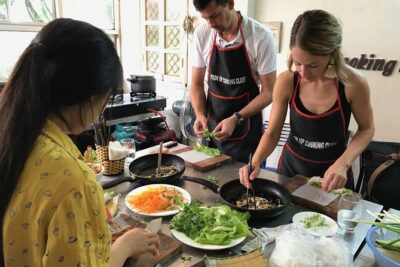
5 Traditional Dishes Hanoi Cooking Class with Market Trip
Read our review →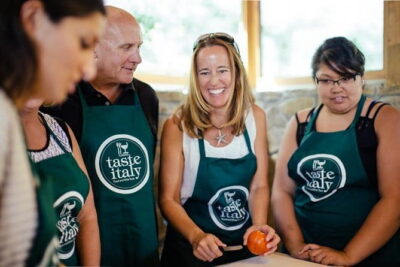
Cooking Class and Lunch at a Tuscan Farmhouse with Local Market Tour from Florence
Read our review →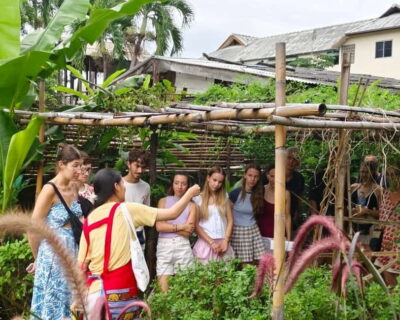
Cooking Class, Market & Thai Herbs Garden Tour
Read our review →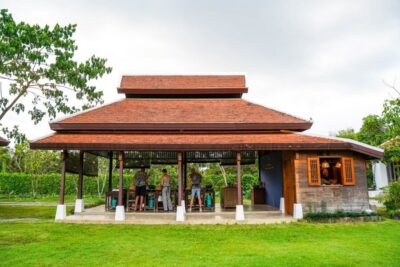
Authentic Cooking Class with Market & Farm Visit
Read our review →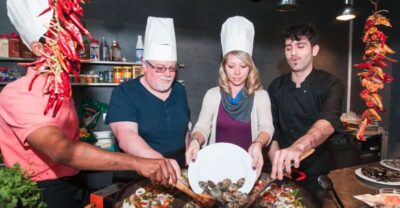
Paella Cooking Experience & Boqueria Market Tour
Read our review →
Cooking Class Hoi An:Local Market, Basket Boat, Fishing & Cooking
Read our review →